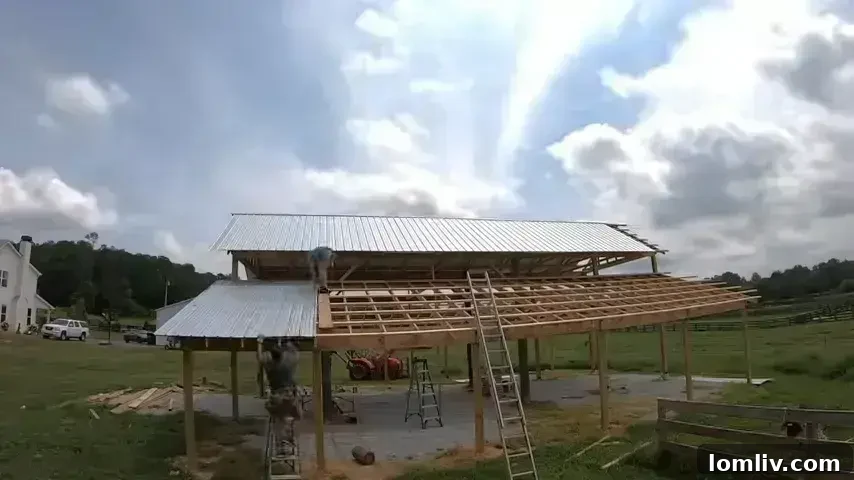
Choosing the ideal roofing material for your barn is a critical decision that profoundly impacts its longevity, functionality, and aesthetic appeal. Far more than just a cover, the roof serves as the primary shield against diverse weather elements, playing a pivotal role in the structural integrity and ongoing maintenance of the building. A well-selected roofing material not only offers superior protection from the harshest weather conditions but also contributes significantly to the barn’s insulation, energy efficiency, and overall visual harmony with its surroundings. Whether you’re constructing a new barn or undertaking a significant renovation, partnering with an industrial roofing company can provide invaluable expertise in navigating the array of barn roofing materials and ensuring professional installation. This comprehensive guide will delve into common roofing options, emphasizing their sustainability, maintenance requirements, and crucial factors to consider, empowering you to make a truly informed decision that safeguards your investment for decades to come.
Key Factors to Consider When Selecting Barn Roofing Material
The process of selecting the perfect roofing material for your barn involves evaluating several intertwined factors. Each element plays a significant role in determining the most suitable and cost-effective solution for your specific needs.
Here are the essential considerations that should guide your choice:
Climate and Local Weather Conditions
The climate of your region is perhaps the most influential factor in determining the optimal roofing material for your barn. Areas experiencing significant snowfall, for instance, demand robust materials like metal roofing or slate. These materials excel in bearing the immense weight of snow accumulation without succumbing to structural stress or collapse. Their inherent strength and slick surfaces also facilitate snow shedding, reducing the risk of ice dams.
Conversely, regions characterized by intense heat and prolonged direct sunlight will greatly benefit from reflective roofing materials. Options such as light-colored metal or specially coated shingles can reflect solar radiation, significantly reducing heat absorption and keeping the barn’s interior cooler, which is vital for livestock comfort or temperature-sensitive storage. Furthermore, consider average annual rainfall, the frequency of hail storms, strong winds, and extreme temperature fluctuations. Materials like clay tiles offer exceptional hail resistance, while certain metal roofing systems are engineered to withstand hurricane-force winds. Understanding these localized weather patterns ensures your chosen roof provides maximum protection and longevity.
Budgetary Constraints and Long-Term Costs
Your budget is undeniably a critical factor in the selection process. While the allure of the cheapest upfront option can be strong, it’s imperative to adopt a long-term perspective that encompasses not just the initial purchase and installation costs, but also ongoing maintenance, potential repair expenses, and eventual replacement. Often, materials with a higher initial price tag, such as high-quality metal or tile, offer superior durability, extended lifespans, and significantly lower maintenance requirements over their lifetime.
These materials can also lead to energy savings due to better insulation properties or reflectivity, offsetting the initial investment. Conversely, less expensive materials might necessitate more frequent repairs or premature replacement, accumulating higher costs in the long run. When budgeting, factor in potential energy efficiency gains, insurance benefits for durable roofs, and the overall return on investment. Clearly defining your budget early will enable you to find a balanced solution that aligns with both your immediate financial capacity and your long-term economic goals for the barn.
Intended Barn Usage and Functionality
The primary purpose of your barn is a major determinant in selecting the right roofing material. The specific activities and contents within the barn will impose unique demands on its roof. For instance, barns housing livestock, storing hay, or sheltering sensitive equipment often prioritize excellent insulation to maintain stable internal temperatures and prevent condensation. In these cases, materials like insulated metal panels or multi-layered roofing systems become highly attractive due to their superior thermal performance.
If the barn is intended for agricultural machinery storage or as a busy workshop, a sturdy, low-maintenance roof that can withstand occasional impacts or heavy loads (e.g., from overhead cranes or stored items) might be paramount. Access for maintenance, natural light requirements (e.g., translucent panels), and even noise reduction (important for certain livestock) can also influence the decision. By thoroughly considering how you intend to use the barn, you can select a roofing material that perfectly aligns with its operational needs and enhances its overall functionality.
Aesthetic Preferences and Property Harmony
The roof significantly contributes to a barn’s overall visual appeal, often becoming a focal point of your property. Many barn owners desire a roof that either seamlessly blends with the natural landscape or elegantly complements existing structures on their property, such as a farmhouse or outbuildings. The choice of material, color, and profile can drastically alter the barn’s character. For example, traditional wood shakes evoke a timeless, rustic charm, ideal for historical or pastoral settings. In contrast, sleek, standing seam metal roofing offers a contemporary, clean aesthetic that suits modern agricultural facilities or barns converted for residential use.
Consider how the roofing material’s texture, color palette, and architectural style will enhance the property’s curb appeal and potentially increase its value. Think about local architectural traditions and how your barn fits into the broader rural or suburban context. Evaluating your personal style preferences and ensuring the roofing material aligns with your envisioned aesthetic for the barn is crucial for long-term satisfaction.
Local Building Codes and Structural Considerations
Before finalizing any roofing decision, it’s essential to research and understand local building codes and zoning regulations. These codes dictate minimum material standards, roof pitch requirements, wind uplift resistance, and fire ratings, ensuring safety and compliance. Ignoring these can lead to costly rework or legal issues. Additionally, the weight of your chosen roofing material directly impacts the barn’s underlying structure. Heavier materials, such as clay or concrete tiles, may necessitate significant reinforcement of the roof trusses and supporting walls, adding to the overall cost and complexity of the project. Conversely, lighter materials like asphalt shingles or some metal options may require less structural modification. Always consult with a structural engineer or a qualified roofing contractor to assess the existing framework’s capacity and determine if additional support is required, ensuring the integrity and safety of your barn.
Common Barn Roofing Materials: A Detailed Overview
A wide array of materials is available for barn roofing, each presenting a distinct set of advantages and disadvantages. Understanding these characteristics is key to identifying the best fit for your specific requirements and preferences.
Metal Roofing
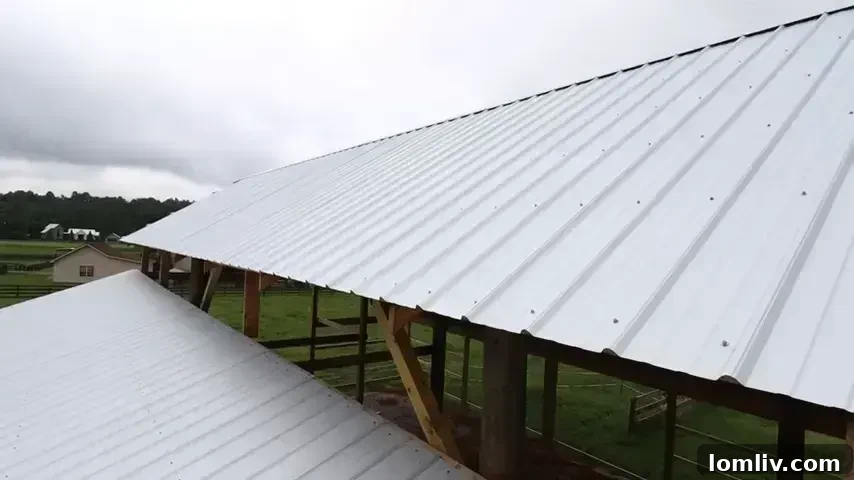
Metal roofing stands out as one of the most popular choices for barns due to its exceptional strength, remarkable durability, and unparalleled ability to withstand severe weather conditions. Modern metal roofs, often made from steel, aluminum, or copper, are engineered to resist heavy rain, snow loads, hail, and high winds with minimal wear and tear. They are inherently resistant to rot, mold, mildew, and insect infestations, offering a truly low-maintenance solution. A significant advantage of metal roofs is their reflective properties; lighter colored metal roofs can reflect a substantial portion of the sun’s UV rays, keeping the barn’s interior considerably cooler during hot summer months, which is crucial for livestock comfort and energy efficiency.
While the initial installation cost for metal roofing can be higher compared to some alternatives like asphalt shingles, its extraordinary lifespan—often exceeding 50-70 years—and minimal maintenance requirements typically result in a lower total cost of ownership over time. A common concern for some owners is the amplified sound of rain or hail; however, proper insulation beneath the roof deck can effectively mitigate this noise, also improving thermal performance. Metal roofs are also highly sustainable, often containing a high percentage of recycled content and being fully recyclable at the end of their long life.
Asphalt Shingles
Asphalt shingles represent a ubiquitous and cost-effective roofing solution, widely recognized for their versatility and ease of installation. Available in a vast spectrum of styles, colors, and textures, they offer considerable aesthetic flexibility to complement various barn designs. Their relatively straightforward installation process often translates to lower labor costs, making them an attractive option for budget-conscious projects. Asphalt shingles can also provide a decent level of insulation, contributing to the barn’s energy efficiency. They are particularly suitable for barns where initial cost is a primary concern and the climate is relatively temperate.
However, the lifespan of asphalt shingles, typically ranging from 20-30 years, is notably shorter than that of metal or tile roofs. Their performance can also be compromised in extreme weather conditions; high winds can cause uplift and damage, severe hail can lead to cracking, and prolonged exposure to intense UV radiation can accelerate degradation. In regions prone to harsh weather, asphalt shingles may require more frequent inspections, repairs, and eventual replacements, potentially negating some of their initial cost savings. They are also petroleum-based, raising some environmental concerns regarding their production and disposal, though recycling efforts are growing.
Wood Shakes or Shingles
Wood shakes and shingles offer an undeniable rustic charm and a timeless, natural aesthetic that beautifully complements traditional barns and rural landscapes. Crafted from treated cedar, redwood, or cypress, these materials provide excellent insulation properties, helping to regulate the barn’s internal temperature naturally. Their unique texture and varying hues evolve beautifully over time, adding character and depth to the structure. They are also considered a renewable resource, appealing to environmentally conscious owners when sourced from sustainably managed forests.
Despite their aesthetic appeal, wood roofing requires consistent and diligent maintenance to prevent common issues such as rot, moss growth, and insect damage. Regular treatments with preservatives, fungicides, and fire retardants are essential to extend their lifespan, which typically ranges from 25-40 years with proper care. Without adequate upkeep, wood roofs can deteriorate prematurely, leading to leaks and structural problems. They are also more susceptible to fire hazards compared to non-combustible materials like metal or tile. Homeowners must be prepared for the ongoing commitment to maintenance to preserve the roof’s integrity and beauty over time.
Clay or Concrete Tiles
Clay and concrete tiles are renowned for their exceptional durability, longevity, and inherent fire resistance, making them a premium choice for barn roofing. These materials are engineered to withstand extreme weather conditions, including high winds, heavy rain, and hail, often carrying impressive warranties of 50 years or more. Their distinctive architectural look can significantly enhance a barn’s aesthetic appeal, offering a range of styles from classic Mediterranean to modern flat profiles. Concrete tiles can even be manufactured to mimic other materials like wood shakes or slate.
The primary consideration with clay and concrete tiles is their significant weight. This necessitates robust structural support for the barn’s roof frame, which can increase engineering and construction costs during installation. While their upfront cost can be higher than asphalt shingles or even some metal options, their unparalleled lifespan and minimal maintenance requirements often make them a sound long-term investment. Though highly durable, individual tiles can sometimes crack if subjected to extreme impact or improper foot traffic, requiring professional repair. Their thermal mass can also contribute to stable internal temperatures, offering insulation benefits.
Thatch Roofing
Thatch roofing offers a truly unique, traditional aesthetic and remarkable insulation properties, allowing barns to blend seamlessly into rural environments with a distinctive, artisanal charm. Made from natural materials like straw, reeds, or rushes, thatch creates a thick, breathable layer that provides excellent thermal regulation, keeping interiors cool in summer and warm in winter without extensive artificial insulation. Its natural materials make it an environmentally friendly option when sourced responsibly.
However, thatch roofing comes with significant practical considerations. It requires highly specialized installation and significant ongoing maintenance by skilled craftspeople to ensure its integrity and longevity, which can be challenging to find and costly. Thatch is also highly susceptible to fire risks and can be prone to insect and rodent infestation if not properly maintained. Its longevity is a concern, with lifespans varying greatly depending on the material, climate, and maintenance, often requiring partial re-thatching every 10-20 years. While aesthetically captivating, the functional demands and potential vulnerabilities of thatch require careful consideration for modern barn applications.
Embracing Sustainability and Eco-Friendliness in Barn Roofing
As environmental awareness grows, barn owners are increasingly seeking eco-friendly and sustainable roofing solutions. Integrating such materials not only lessens your environmental footprint but can also enhance your barn’s energy efficiency and long-term performance. Many sustainable roofing strategies involve utilizing reclaimed wood or timber sourced from certified sustainable forestry practices, ensuring minimal ecological impact. Beyond traditional materials, innovative green roofing systems, which incorporate a layer of vegetation over a waterproofing membrane, offer a multitude of benefits. These living roofs provide exceptional insulation, significantly reducing heating and cooling costs. They also effectively manage stormwater runoff, mitigate the urban heat island effect, and even foster local biodiversity by creating new habitats.
Furthermore, reflective coatings and cool roof technologies, particularly beneficial for metal roofing, can dramatically reduce the amount of heat absorbed by the barn, cutting down on energy consumption. The consideration of a roof’s recyclability at the end of its life, or its composition from recycled content, also plays a vital role in its environmental profile. Choosing materials that are durable and have long lifespans reduces the frequency of replacement, thereby minimizing waste. When planning your barn’s roof, explore options that contribute to a healthier planet while ensuring your barn remains robust, functional, and energy-efficient for generations.
Installation and Long-Term Maintenance Considerations
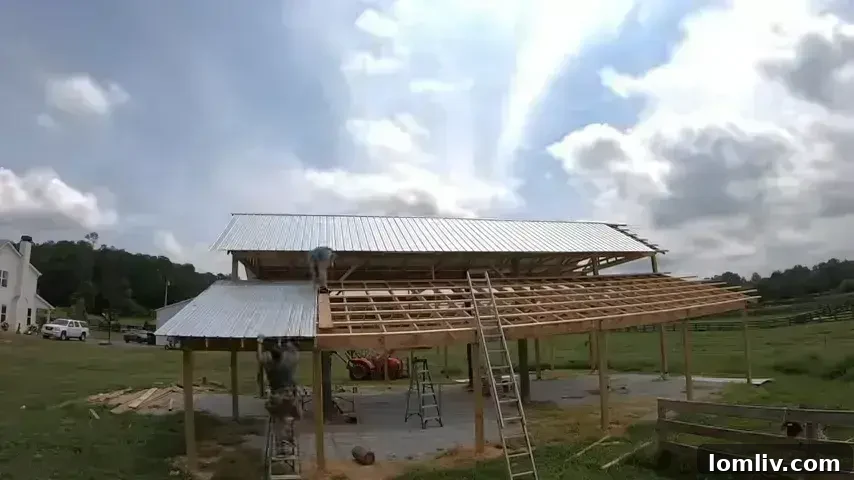
Beyond the initial cost and material durability, the complexities of the installation process and the demands of long-term maintenance are crucial factors that must be thoroughly assessed when choosing barn roofing materials. Materials like heavy clay tiles or intricate standing seam metal roofs require specialized tools, techniques, and a high degree of expertise for proper installation. Attempting such installations without professional experience can lead to costly errors, compromised structural integrity, invalidated warranties, and even safety hazards. While DIY installation might seem to offer immediate cost savings, ignorance or improper execution can result in leaks, premature material failure, and significant expenses down the line. Therefore, for complex or heavy materials, engaging a qualified and experienced roofing contractor is almost always the wisest investment. For instance, if you’re undertaking a project in Australia, a reputable Melbourne roofer can provide expert guidance and ensure a high-quality, durable roofing solution tailored precisely to your needs and local climate.
Furthermore, it’s vital to consider the long-term care requirements associated with each material. Wood shakes, for example, will necessitate periodic cleaning, re-treatment with sealants or fungicides to protect against rot, and replacement of individual damaged pieces. In contrast, a well-installed metal roof may require minimal maintenance beyond annual inspections, occasional cleaning to remove debris, and prompt attention to any minor surface damage. Asphalt shingles benefit from regular gutter cleaning and inspection for cracked or missing tabs. Planning for a consistent maintenance schedule, including routine inspections and timely repairs, is paramount. This proactive approach will not only extend the lifespan of your barn roof but also help you maintain a functional, attractive, and safe structure for all your farming or storage activities well into the future, protecting your investment against premature deterioration and expensive repairs.
Making the Right Choice: Enhancing the Longevity and Appeal of Your Barn
The decision of which barn roofing material to choose is a multifaceted one, requiring careful consideration of numerous factors including your local climate, available budget, the barn’s intended use, and your personal aesthetic preferences. Each roofing material presents a unique combination of advantages and disadvantages, necessitating a thoughtful evaluation against your specific needs and priorities. From the rugged durability of metal and tiles to the timeless charm of wood shakes and the cost-effectiveness of asphalt shingles, the options are diverse and varied.
Moreover, in an era increasingly focused on sustainable living, there are ample opportunities to integrate eco-friendly roofing solutions that not only benefit the environment but also enhance your barn’s energy efficiency and overall resilience. By meticulously weighing all these critical factors—from structural compatibility and installation demands to long-term maintenance commitments and potential sustainability benefits—you will be exceptionally well-prepared to select a roofing material. This informed choice will significantly contribute to strengthening the durability, maximizing the functionality, and enhancing the enduring beauty of your barn, ensuring it remains a safe, secure, and aesthetically pleasing asset for your farm activities and beyond for many years to come.