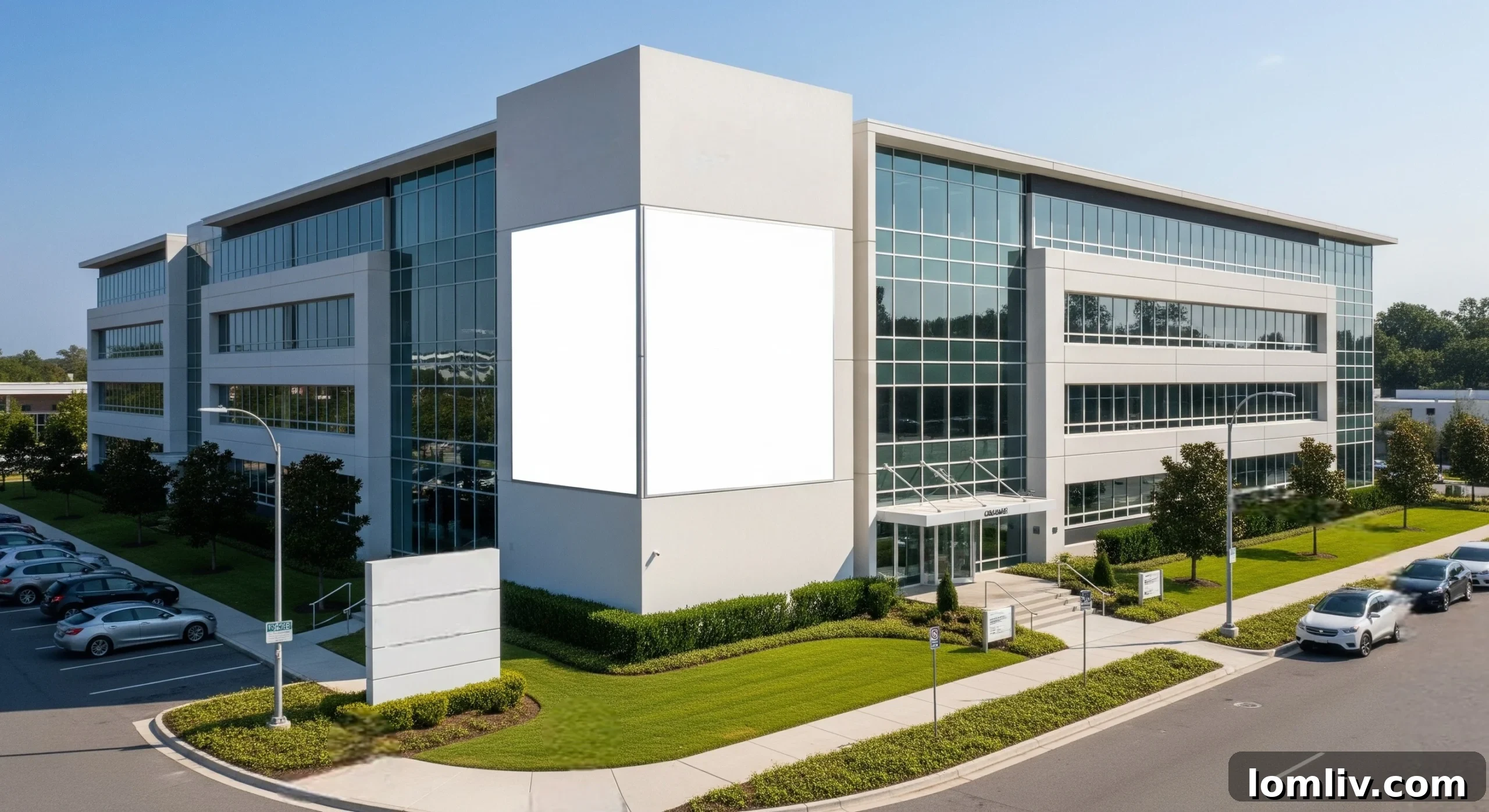
As your business embarks on a journey of growth, one of the most pivotal and strategic decisions you’ll face is selecting the ideal commercial property. This isn’t merely about finding a physical address; it’s about securing a foundation that will profoundly impact your operational efficiency, brand visibility, employee satisfaction, and long-term scalability. The right space transcends being just a workplace; it becomes an active asset that propels your business forward, aligning with your strategic objectives and fostering an environment conducive to sustained success.
Whether you’re moving beyond a cramped starter location, establishing a new branch, or finally consolidating operations into a purpose-built facility, the property you choose will either smooth your transition into the next growth phase or create significant hurdles. Making a smart, forward-thinking choice that perfectly balances your current needs with future aspirations, while respecting your budget, is crucial. This comprehensive guide outlines the essential considerations and actionable tips to help you navigate the complex landscape of commercial real estate and make an informed decision that truly benefits your business for years to come.
The Strategic Imperative: Why Your Business Property Matters More Than You Think
The physical space your business occupies is far more than just bricks and mortar; it’s a living extension of your brand and an integral part of your operational strategy. A thoughtfully chosen property can profoundly influence every facet of your enterprise, from initial customer perceptions to the daily productivity of your team and your logistical capabilities. Consider the tangible and intangible benefits:
- Enhanced Brand Image and Customer Experience: A prime location with excellent curb appeal and easy accessibility instantly elevates your brand’s credibility and professionalism. For walk-in businesses, visibility and a welcoming facade are paramount, directly translating into increased foot traffic and sales. Even for businesses that don’t rely on walk-ins, an impressive, well-maintained office or facility projects an image of stability and success to clients, partners, and prospective employees.
- Boosted Employee Productivity and Morale: Your workspace directly impacts your team’s day-to-day experience. A well-designed layout that fosters collaboration while offering quiet zones for focused work, adequate natural light, modern amenities, and comfortable break areas can significantly enhance productivity and job satisfaction. Easy access to public transport, ample parking, and proximity to dining or other conveniences can also improve employee morale and reduce turnover, helping you attract and retain top talent in a competitive market.
- Optimized Operational Efficiency and Logistics: The right property streamlines your daily operations. This could mean easy access for deliveries and shipments, efficient floor plans that minimize wasted movement, sufficient storage space for inventory or equipment, and the necessary utility infrastructure (power, internet, water) to support your specific business activities. Conversely, a poorly chosen location can lead to costly logistical nightmares, delays, and inefficiencies.
- Scalability and Future Growth: A property that offers flexibility and room for expansion is a strategic asset. It allows you to grow your team, increase inventory, or add new services without the disruptive and expensive process of relocating. This foresight can lead to significant cost savings and uninterrupted business continuity as you scale.
- Financial Value and Investment: Whether you lease or purchase, your commercial property represents a significant financial commitment. A well-located and maintained property can appreciate in value over time, offering a strong return on investment if you own it. If leasing, a favorable location and terms can reduce long-term occupancy costs and provide stability.
In essence, choosing the right commercial property is about securing a long-term asset that not only supports your current operations but also actively contributes to your business’s enduring success and profitability. It’s a foundational decision that lays the groundwork for future achievements.
Six Strategic Tips for Choosing the Perfect Commercial Property
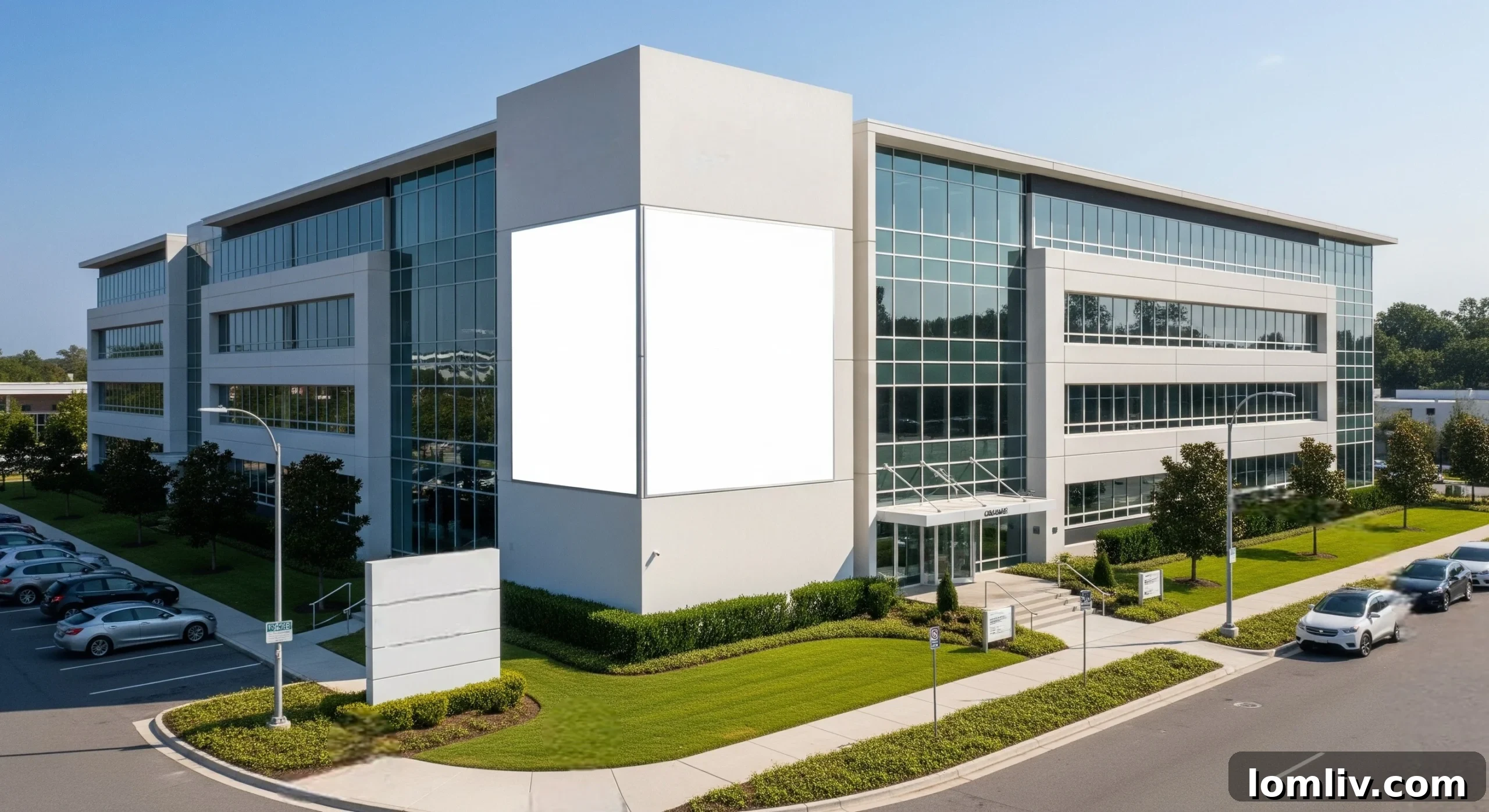
1. Clearly Define Your Business Needs – Now and for the Future
Before you even begin scouting locations, take a deep dive into what your business genuinely requires. This isn’t just about square footage; it’s about understanding the intricate operational and strategic demands of your enterprise. Start by creating a comprehensive checklist that identifies your core needs today and anticipates what they might be in the next three to five years.
Consider the following:
- Space Requirements: How much office space, manufacturing floor, retail display area, or storage do you need? Think about specific zones like reception areas, private offices, open-plan workspaces, conference rooms, break rooms, restrooms, and dedicated areas for specialized equipment.
- Operational Layout: Does your workflow require a linear, collaborative, or departmentalized setup? Will clients visit your premises frequently, necessitating a welcoming waiting area and accessible meeting rooms?
- Technical Infrastructure: What are your requirements for high-speed internet, power capacity, specialized utilities (e.g., three-phase power for manufacturing), HVAC systems, and data cabling? Don’t underestimate the importance of reliable infrastructure for modern businesses.
- Accessibility: How will employees, clients, and suppliers access your location? Evaluate proximity to major highways, public transportation hubs, and available parking (both for staff and visitors). ADA compliance is also a crucial consideration for all commercial properties.
- Security Needs: What level of security is required for your operations, equipment, and sensitive data? Consider existing security systems, access control, and the overall safety of the surrounding area.
- Expansion Potential: Even if you define your current needs meticulously, foresight is key. Will your team grow? Do you plan to introduce new product lines or services that require more space or specialized facilities?
A detailed needs assessment prevents two common pitfalls: overpaying for amenities you don’t use or, more detrimentally, selecting a space you’ll rapidly outgrow, leading to another costly and disruptive move in the near future. This foundational step ensures your property search is targeted and effective.
2. Choose a Location That Actively Supports Your Growth Strategy
The old adage “location, location, location” holds immense truth in commercial real estate. Your business address is a powerful statement about your brand, influencing everything from customer perception to employee commute times. A strategically chosen location is not just convenient; it’s a vital component of your growth strategy.
When evaluating potential locations, consider:
- Visibility and Accessibility: For retail or service-based businesses, high foot traffic, prominent signage opportunities, and easy vehicular access are non-negotiable. For office-based businesses, accessibility for employees and clients via various transport modes is crucial.
- Demographics and Target Market: Does the neighborhood align with your target customer base or talent pool? Research local demographics, income levels, and consumer behavior patterns to ensure the location supports your market reach.
- Proximity to Key Partners: Being close to suppliers, distributors, or complementary businesses can foster valuable synergies, reduce logistical costs, and enhance your operational network.
- Competitive Landscape: Analyze the presence of competitors. Sometimes, being near competitors can create a destination hub; other times, it’s better to establish a unique presence in an underserved area.
- Community and Lifestyle Factors: A location near amenities like restaurants, gyms, parks, or residential areas can significantly boost employee satisfaction and attraction. A vibrant, well-regarded neighborhood also adds to your brand’s prestige.
- Future Development Plans: Research any planned infrastructure projects or urban development in the area. Upcoming improvements could boost property values and accessibility, while planned disruptive construction could be a temporary setback.
The right neighborhood can provide a steady stream of new customers, facilitate talent acquisition, and imbue your brand with a sense of credibility and belonging. A comprehensive understanding of the local environment is paramount for long-term success.
3. Scrutinize Local Infrastructure, Zoning, and Tax Implications
Beyond the aesthetic appeal and square footage, the underlying infrastructure and local regulatory environment can profoundly impact your operating costs and the feasibility of your business. Overlooking these details can lead to unexpected expenses and compliance issues.
Key areas to investigate include:
- Utility Capacity and Reliability: Ensure the property has adequate access to high-speed internet, reliable power, water, and sewage systems that can support your current and future demands. Older buildings, in particular, may require costly upgrades to meet modern business needs.
- Transportation Infrastructure: Assess the quality of local roads, public transport networks, and the ease of access for large delivery vehicles, if applicable. Traffic patterns can also impact employee commutes and customer access.
- Zoning Regulations: Verify that the property is correctly zoned for your specific business activities. Zoning laws can dictate everything from building use and size to parking requirements and signage. Operating in an incorrectly zoned area can lead to fines, forced relocation, or a halt in operations.
- Local Tax Rates and Incentives: Property taxes, often referred to as “business rates” in some regions, vary significantly by jurisdiction and property type. Research these rates thoroughly, as they constitute a recurring and substantial operating expense. Additionally, investigate any local economic development incentives, tax abatements, or grant programs offered by the city or county for businesses relocating or expanding in specific areas. These incentives can substantially reduce your overhead, particularly in enterprise zones or revitalization areas.
- Environmental Regulations: Depending on your industry, be aware of any specific environmental regulations or permitting requirements that might apply to the property or its previous use.
A proactive investigation into these factors can uncover hidden costs or potential savings, allowing you to budget accurately and avoid unforeseen compliance hurdles.
4. Prioritize Commercial-Ready Features and Understand Lease vs. Buy
A building designed and zoned for commercial use offers inherent advantages over adapting a residential or mixed-use property. These properties are built to different codes and often come with features essential for business operations.
Focus on properties that:
- Meet Commercial Building Codes: This includes adherence to fire safety regulations, accessibility standards (ADA compliance), structural integrity, and specific electrical or plumbing requirements for commercial operations. This minimizes the risk of costly renovations or legal issues down the line.
- Offer Flexible Layouts: Commercial spaces are often designed with adaptability in mind, allowing for easier reconfiguration to suit changing business needs without major structural changes.
- Provide Adequate Security Systems: Many commercial properties come equipped with robust security features, reducing your initial investment in safeguarding your assets.
- Have Sufficient Utility Capacity: Commercial buildings typically boast higher electrical load capacities, more extensive networking infrastructure, and better HVAC systems compared to residential structures, crucial for many businesses.
Furthermore, carefully consider the financial commitment: to lease or to buy? Commercial real estate for lease offers significant flexibility, which can be ideal for businesses in rapid growth phases or those with unpredictable future needs. Leasing typically involves lower upfront costs, less responsibility for maintenance and repairs (depending on the lease type), and easier relocation options. It frees up capital that can be reinvested directly into your business operations.
Conversely, purchasing a property offers long-term stability, potential for appreciation, and the freedom to customize the space without landlord restrictions. It builds equity and can provide tax advantages. The decision hinges on your business’s financial health, long-term stability projections, and desire for control versus flexibility.
5. Seek Out Properties With Ample Room for Future Expansion
One of the most common mistakes businesses make is underestimating their future space requirements. A successful business is a growing business, and growth inevitably demands more space – for additional staff, new equipment, increased inventory, or expanded service offerings. Choosing a property that can accommodate this evolution is critical to avoiding costly and disruptive moves every few years.
When assessing properties, actively look for:
- Extra Square Footage: Is there unused space that can be activated as your business expands? This could be an adjacent office, an undeveloped portion of a warehouse, or simply a floor plan that allows for easy partitioning or rearrangement.
- Flexible Design: Look for properties with open floor plans or modular designs that can be easily reconfigured. Spaces that don’t rely heavily on fixed internal walls offer greater adaptability.
- Vertical Growth Potential: If applicable, consider properties with high ceilings that could allow for mezzanine levels, or buildings where additional floors could potentially be added (though this requires significant due diligence on zoning and structural capacity).
- Adjacent Land or Buildings: In some cases, purchasing or leasing property with an option on an adjacent lot or building can provide an ideal solution for future expansion without relocating.
- Local Zoning and Planning Limitations: Before committing, conduct thorough due diligence on local zoning rules and any covenants, conditions, and restrictions (CC&Rs) that might limit your ability to renovate, expand, or alter the property’s use in the future. Understand the process for obtaining permits for future construction.
Investing in a property that offers “breathing room” or clear expansion pathways is a strategic move that supports continuous growth and minimizes operational disruptions, ensuring your physical space never becomes a bottleneck for your ambitions.
6. Thoroughly Understand Business Rates and All Ongoing Costs
Beyond the initial lease agreement or purchase price, commercial property comes with a host of ongoing operational expenses that can significantly impact your monthly budget and long-term profitability. A failure to accurately account for these can lead to serious financial strain.
Key ongoing costs to meticulously calculate include:
- Business Rates/Property Taxes: As mentioned, these are recurring local government taxes based on the property’s value or rental income. They vary widely and can be a substantial expenditure. Understand how they are assessed, when they are due, and if there are any mechanisms for appeal or relief.
- Utilities: Beyond basic electricity and water, consider heating, cooling, gas, and specialized utility needs for your operations. Energy efficiency of the building can play a significant role here.
- Insurance: Commercial property insurance is essential to protect your assets against damage, theft, and liability. Quotes can vary significantly based on location, property type, and business activity.
- Maintenance and Repairs: For owners, this covers everything from routine upkeep to major structural repairs. For lessees, the terms of your lease (e.g., net, double net, triple net) will dictate your responsibility for these costs.
- Common Area Maintenance (CAM) Fees: If leasing in a multi-tenant building or complex, you will likely pay CAM fees, which cover the upkeep of shared spaces like lobbies, parking lots, landscaping, and security.
- Property Management Fees: If you own the property and hire a management company, these fees will be an ongoing expense.
- Security Costs: If not included in CAM or property management, you may incur costs for alarm systems, security personnel, or surveillance.
- Cleaning and Waste Management: These services are often separate from lease agreements and must be budgeted for.
Create a detailed, conservative budget that includes all these recurring costs to arrive at an accurate total cost of occupancy. Comparing these comprehensive cost structures across different properties will help you uncover hidden savings, anticipate future expenses, and avoid unpleasant financial surprises, allowing for more precise financial planning and a healthier bottom line.
Final Thoughts: Your Property as a Catalyst for Growth
Choosing the right commercial property is one of the most impactful decisions you’ll make for your business. It’s not a mere logistical exercise but a strategic investment that underpins your brand identity, empowers your team, streamlines your operations, and positions you for sustained growth. The physical space you occupy serves as a powerful testament to your vision and a tangible asset that can either accelerate or impede your journey.
By taking the time to meticulously define your present and future needs, carefully evaluate potential locations, scrutinize all associated costs, and prioritize properties that offer flexibility and growth potential, you transform what could be a daunting task into a strategic advantage. When you make this decision with foresight and diligence, you’re doing more than just finding a new address; you are laying a robust foundation for long-term success, ensuring your business is ready to thrive and evolve in the years to come.