
Considering a move to Dallas or planning a visit? A common question on many minds is, “Is Dallas safe?” As one of the largest and most dynamic cities in the United States, Dallas continues to attract thousands of new residents and visitors each year, drawn by its robust economy, diverse culture, and rich history. However, like any major metropolitan area, safety is a legitimate concern. While some parts of the city experience higher crime rates, Dallas is also home to numerous safe, thriving, and family-friendly neighborhoods that offer an exceptional quality of life. This comprehensive guide will delve into Dallas’s safety profile, exploring crime statistics, highlighting secure communities, and outlining public safety initiatives, all based on factual data and a deep understanding of the city’s unique landscape.
As long-time residents, we can confidently affirm that Dallas boasts an abundance of secure areas. Yet, it’s crucial to understand that safety levels can vary significantly across different districts, a characteristic shared by most large urban centers. To provide a clear and nuanced perspective, we will cover everything from the city’s overall crime rates and specific types of criminal activity to the safety of its various neighborhoods and the ease and security of its transportation options. Our goal is to equip you with the knowledge needed to navigate Dallas safely, whether you’re looking for a new home or simply exploring its many attractions.
Understanding Dallas’s Crime Landscape

When examining Dallas’s safety, it’s important to look beyond superficial statistics. While the city’s crime rates are indeed higher than the national average in certain categories, it’s essential to recognize that this isn’t uniformly distributed across the entire metropolitan area. Crime tends to be concentrated in specific, often economically challenged, zones, leaving many other neighborhoods remarkably safe and desirable places to reside.
Recent crime indices might suggest Dallas is safer than only a small percentage of U.S. cities, but this broad stroke doesn’t paint the full picture of daily life for most Dallasites. The reality on the ground is that a significant majority of Dallas neighborhoods are considerably safer than this average implies, offering peaceful environments where residents feel secure. This disparity highlights the importance of understanding specific neighborhoods rather than relying solely on city-wide aggregates, especially for those considering relocation or a prolonged stay.
Violent Crime in Dallas: A Closer Look
Violent crimes in Dallas encompass serious offenses such as homicide, robbery, and aggravated assault. While the city’s overall violent crime rate has historically been above the national average, it’s crucial to reiterate that this statistic does not represent the experience of every resident or visitor. Many areas of Dallas maintain significantly lower violent crime rates, a testament to dedicated law enforcement efforts and robust community engagement.
The Dallas Police Department (DPD) has proactively implemented a range of strategic initiatives designed to curb violent crime. These strategies include deploying specialized crime reduction task forces, enhancing community policing programs to foster stronger relationships between officers and residents, and leveraging advanced surveillance technology to deter and investigate criminal activity. These concerted efforts have demonstrably contributed to a measurable decline in various violent crime categories over the past few years, signaling a positive trend in the city’s safety profile.
Addressing Property Crime in Dallas
Property crimes, including burglary, motor vehicle theft, and larceny, are generally more prevalent than violent crimes in Dallas. Incidents such as car break-ins and residential burglaries are among the most frequently reported, particularly in areas characterized by high foot traffic or transient populations, where opportunities for opportunistic crime are greater.
To bolster security, homeowners and residents are strongly encouraged to adopt proactive measures. This includes installing sophisticated home security systems, utilizing motion-sensitive exterior lighting, and critically, refraining from leaving valuable items visible in parked vehicles. Beyond individual actions, many Dallas neighborhoods benefit from the presence of active homeowners’ associations (HOAs) and vigilant neighborhood watch groups. These community-led initiatives play a vital role in fostering a collective sense of security, deterring potential criminals, and ultimately contributing to a safer living environment with reduced property crime rates.
Discovering Dallas’s Safest Neighborhoods
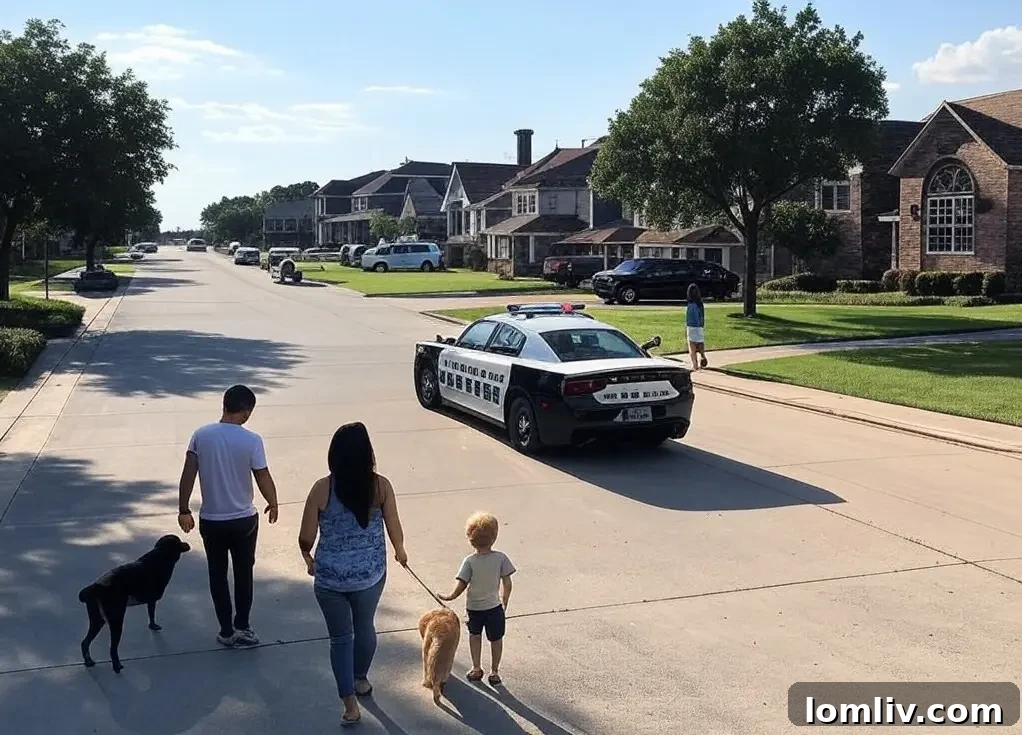
Despite the broader discussions around urban crime, Dallas proudly hosts a multitude of safe, welcoming, and family-oriented neighborhoods that consistently provide an exceptional quality of life. While localized crime rates are always a factor in any large city, several communities within and around Dallas consistently stand out as being among the safest, offering peace of mind to their residents.
1. Highland Park
Highland Park is widely recognized as one of the most affluent and desirable suburbs within the Dallas metropolitan area. Characterized by its opulent homes, meticulously manicured, tree-lined streets, and impeccably low crime rates, it stands as a beacon of safety. As one of Texas’s wealthiest towns, Highland Park benefits from an exceptionally well-funded and independent police department. This translates into rapid response times to incidents and a visible, consistent police presence through regular patrols, ensuring a secure environment for its residents.
2. University Park
Situated directly north of Highland Park, University Park is another highly sought-after community renowned for its safe and family-friendly atmosphere. Home to the prestigious Southern Methodist University (SMU), the area significantly benefits from the university’s own dedicated police department, which diligently works to maintain safety both on campus and in the surrounding neighborhoods. University Park’s strong civic engagement, active community spirit, and beautifully maintained public spaces and parks collectively contribute to its reputation as one of the safest and most pleasant places to live in Dallas.
3. Preston Hollow
Located in North Dallas, the expansive community of Preston Hollow is distinguished by its grand estates, prominent celebrity residents, and widespread reliance on private security services. Many residences within Preston Hollow are situated within gated complexes, often supplemented by additional private security patrols, offering an extra layer of protection and exclusivity to its inhabitants. The inherent prosperity of the community, coupled with its well-maintained infrastructure and roads, further enhances the overall sense of safety and tranquility in the area, making it a preferred choice for discerning homeowners.
4. Lakewood
Nestled in East Dallas, Lakewood offers a charming and historically rich neighborhood appeal that resonates strongly with families, young professionals, and retirees alike. Its enviable proximity to the expansive White Rock Lake lends the community a serene, almost pastoral quality, fostering a peaceful and close-knit atmosphere. While Lakewood may not possess the same level of upscale luxury as Highland Park or Preston Hollow, it maintains a notably low crime rate, largely thanks to its highly active neighborhood associations and deeply engaged residents who prioritize community safety.
5. Coppell
Consistently ranked among the safest areas in the sprawling Dallas-Fort Worth metroplex, Coppell stands out for its exemplary police presence, top-tier public schools, and robust, active neighborhood watch programs. These combined factors enable Coppell to boast significantly lower crime rates when compared directly to the larger city of Dallas. Families are particularly drawn to Coppell’s reputation for safety and its community-focused environment, all while appreciating its convenient access to the extensive amenities and conveniences of the Dallas metropolitan area.
6. Lake Highlands
Situated in Northeast Dallas, Lake Highlands is a large, diverse community known for its excellent schools, lush green spaces, and a strong sense of community. It offers a more affordable option compared to some of the other top-tier safe neighborhoods, making it attractive to families and professionals. Active community organizations, vigilant neighborhood patrols, and a dedicated police presence contribute to its relatively low crime rates, creating a secure environment where residents feel comfortable raising families and enjoying outdoor activities.
Understanding Areas in Dallas with Higher Crime Rates

While Dallas is celebrated for its many safe and welcoming neighborhoods, it is equally important to acknowledge that certain areas have historically experienced higher crime rates. However, it’s crucial to understand that urban crime trends are fluid and dynamic. Many of these neighborhoods are currently undergoing significant redevelopment, revitalization, and increased law enforcement focus, leading to improving safety profiles over time.
1. South Dallas
South Dallas, particularly within ZIP codes 75216 and 75215, has traditionally been identified as one of the city’s areas with higher crime activity, contributing notably to Dallas’s overall violent crime statistics. While dedicated community programs, significant urban redevelopment initiatives, and focused law enforcement efforts have made strides in reducing the occurrence of specific offenses, challenges related to gang and drug-related crimes unfortunately persist in certain isolated pockets within the broader South Dallas area.
2. West Dallas
Certain sections of West Dallas, particularly those in the midst of significant economic transition and revitalization, have historically reported higher crime rates. Nevertheless, ongoing revitalization efforts—including the development of new housing complexes, substantial infrastructure improvements, and an enhanced police presence—are actively contributing to a reduction in overall crime within specific parts of these areas. These changes are gradually transforming the landscape and improving safety for residents.
3. Oak Cliff
Oak Cliff is a vast and diverse area encompassing a wide spectrum of neighborhoods, ranging from those with higher crime rates to increasingly safer and more vibrant communities. Notably, the gentrification and urban renewal efforts within the Bishop Arts District have successfully transformed it into a lively, culturally rich, and significantly safer destination. However, visitors and residents are still advised to exercise caution and maintain situational awareness in other, less developed parts of Oak Cliff, where property crime and occasional violent incidents can still occur.
Despite certain areas being more prone to higher rates of crime, it’s encouraging to note that overall crime in Dallas has experienced a significant decline in 2024, with homicides reportedly down by 26.21% compared to the previous year. Even with this positive trend, Dallas’s crime rates remain somewhat higher than the national average in certain categories. Therefore, it is always a prudent decision to conduct thorough research into specific neighborhoods if you are contemplating relocating to or visiting the area, ensuring your comfort and security.
Dallas’s Public Safety Initiatives: A Proactive Approach
The Dallas Police Department (DPD) is committed to enhancing public safety and reducing crime through a multifaceted approach, implementing numerous programs designed to engage the community and leverage modern technology:
- Expanded Community Policing: The DPD actively promotes a philosophy of community policing where officers regularly interact with residents. This fosters trust, encourages open dialogue about safety concerns, and builds stronger relationships. Programs like the Neighborhood Police Officers (NPOs) are instrumental in proactive crime prevention, working collaboratively with community members to address local issues before they escalate, thereby improving the crucial relationship between law enforcement and the diverse communities they serve.
- Increased Surveillance Technology: Through the innovative Connect Dallas program, businesses and residents are encouraged to register their private security cameras with the DPD. This initiative provides law enforcement with expedited access to potential video footage, which significantly aids in investigations, serves as a powerful deterrent to criminal activity, and drastically improves response times to incidents. Additionally, the DPD extensively utilizes automated license plate readers (ALPRs) to efficiently monitor for stolen vehicles and identify suspects involved in various crimes, enhancing overall urban surveillance.
- Comprehensive Crime Prevention Programs: The city of Dallas offers a variety of public resources aimed at empowering its citizens to actively participate in their own safety. These include educational crime prevention courses, complimentary home security inspections, and robust neighborhood watch programs. These services are vital in helping residents make their homes and neighborhoods more secure. The active participation of citizens in these programs has consistently contributed to a measurable decrease in crime rates in communities where engagement is high, demonstrating the power of collective vigilance.
These persistent and collaborative efforts by the DPD and Dallas communities have demonstrably contributed to a significant reduction in certain crime categories, particularly in neighborhoods that exhibit strong community involvement and cooperation.
How Safe Is Downtown Dallas?
Downtown Dallas functions as a vibrant central hub, buzzing with business activity, cultural institutions, and entertainment venues. During daylight hours, the district is generally very safe, characterized by a substantial police presence, numerous security personnel, and a bustling atmosphere with many people around. This makes it conducive for business, tourism, and daily activities. However, as evening progresses and crowds thin out, it is always wise to exercise increased caution, particularly in areas that are poorly lit, less frequented, or more isolated. Staying aware of your surroundings and planning your routes are key to ensuring safety after dark.
Navigating Transportation Safety in Dallas
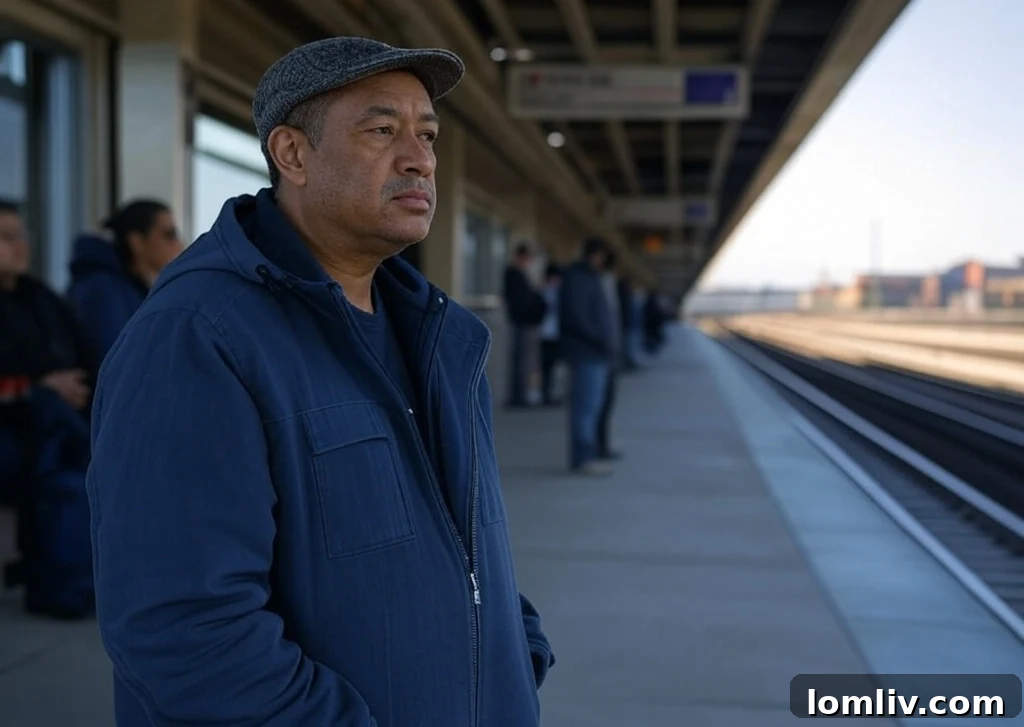
Public transportation in Dallas is efficiently managed by Dallas Area Rapid Transit (DART), which offers extensive bus and light rail services connecting various parts of the metroplex. While generally considered safe for daily commuting, DART, like many urban transit systems, has experienced some challenges. For instance, the period from January to March 2024 saw an 18% increase in reported offenses compared to the same timeframe in the previous year, with a notable rise in assaults, drug-related incidents, and thefts. Consequently, it is advisable to remain vigilant and aware of your surroundings, especially when traveling during off-peak hours or at night. Many Dallas residents, prioritizing personal safety and convenience, often opt for ridesharing services or personal vehicles. Dallas roads are typically well-maintained; however, the city’s heavy traffic, particularly during rush hours, significantly increases the risk of accidents. Therefore, practicing defensive driving techniques is strongly recommended for all motorists.
Ideal Safe and Family-Friendly Neighborhoods for Relocation
Families considering a move to Dallas frequently prioritize secure neighborhoods that also offer access to excellent schools, abundant parks, and convenient amenities. Beyond the city limits, prominent suburbs such as Frisco, Plano, and Allen are widely recognized for their exemplary safety records and their exceptionally family-friendly environments, all while providing easy access to the vibrant heart of Dallas. Within Dallas itself, a number of neighborhoods are distinguished by their active homeowner associations (HOAs). These HOAs frequently collaborate directly with local police departments to implement specific safety initiatives, enhance community watch programs, and foster a collective sense of security, making them ideal choices for families.
Ensuring Nightlife Safety in Dallas

Dallas is renowned for its vibrant and diverse nightlife, with popular districts like Deep Ellum, Uptown, and Knox-Henderson attracting large crowds seeking entertainment. While these areas are generally safe, especially with the presence of security and law enforcement, minor crimes such as opportunistic theft can occasionally occur. To maximize your safety while enjoying Dallas’s nightlife, it is highly recommended to travel in groups, utilize ridesharing services rather than walking alone late at night, and always avoid engaging in confrontations with strangers. Staying aware of your surroundings and consuming alcohol responsibly are also crucial for a safe and enjoyable experience.
Jobs, Economic Stability, and Their Impact on Safety
Dallas boasts a robust and dynamic economy, driven by the presence of major corporate headquarters such as AT&T, Southwest Airlines, and Texas Instruments, which provide extensive and stable employment opportunities across various sectors. A strong job market and lower unemployment rates are frequently correlated with reduced crime rates, as economic stability often translates into a more secure and thriving community. When residents have access to stable employment and economic opportunities, the likelihood of engaging in criminal activity typically diminishes, thereby contributing positively to the overall safety and well-being of the city.
Is Dallas a Safe Place to Live? Our Final Assessment
In conclusion, the question “Is Dallas safe?” doesn’t have a single, simple answer, but rather a nuanced one. Safety levels in Dallas vary considerably from one neighborhood to another. While some areas do exhibit higher crime rates, the city is also home to an impressive array of safe, family-friendly communities that consistently offer an exceptionally high quality of life. By diligently researching and choosing the right neighborhood that aligns with your safety preferences, adhering to general safety guidelines, and remaining aware of your surroundings, individuals can confidently enjoy all the incredible opportunities and vibrant experiences Dallas has to offer, while effectively minimizing personal risk. Should you decide to make Dallas your home, considering labor only movers in Dallas can significantly alleviate the stress and physical burden of relocation, allowing you to settle into your new, secure neighborhood with complete peace of mind.
Take a look at the infographic below for a summary of the information above
