Choosing the right air conditioning system is a pivotal decision for any homeowner. Beyond just providing a blast of cold air, the perfect AC unit can significantly impact your home’s comfort, indoor air quality, energy consumption, and even your long-term financial savings. With a myriad of options and technical specifications like BTUs (British Thermal Units) and SEER (Seasonal Energy Efficiency Ratio) ratings, navigating the market can feel overwhelming. This comprehensive guide aims to demystify the process, helping you understand the key factors, different AC types, and essential features to consider, ensuring you make an informed choice for your home’s cooling needs.
Understanding Your Home’s Unique Cooling Needs
Before diving into specific AC models, the first crucial step is to accurately assess your home’s cooling requirements. This isn’t a one-size-fits-all scenario; what works for one household might be entirely unsuitable for another. Several key factors influence the ideal air conditioning system for you:
- The Size and Layout of Your Home: This is arguably the most critical factor. The square footage of your living space directly correlates with the cooling capacity (measured in BTUs) your AC system will need. A unit that’s too small will struggle to cool your home effectively, running constantly and inefficiently. Conversely, an oversized unit will cycle on and off too frequently, leading to uneven temperatures, poor dehumidification, and increased wear and tear. Consider open floor plans versus multiple smaller rooms, as this impacts air distribution.
- The Local Climate and Environmental Factors: Your geographic location plays a significant role. Homes in hot, humid climates (like the southeastern U.S.) require AC units with robust dehumidification capabilities, in addition to cooling power. In hot, dry climates (like the southwestern U.S.), a less powerful dehumidifier might suffice, or even an evaporative cooler could be an option. Factors such as the amount of direct sunlight your home receives, the quality of your insulation, and the number and type of windows also contribute to your home’s heat gain.
- Your Specific Cooling Preferences and Lifestyle: Do you prefer consistent whole-home cooling, or do you only need certain rooms cooled at specific times? Are you sensitive to noise? Do you prioritize energy efficiency above all else, or is upfront cost your main concern? Your daily routine and comfort expectations will guide your decision. For instance, if you only use certain rooms during the day, a zoned system like ductless mini-splits might be more energy-efficient than cooling your entire house with central air. Some homeowners also prefer a “smart” AC system that can be controlled remotely or integrated with other home automation devices.
- Insulation and Air Sealing: The effectiveness of your home’s insulation and its air-tightness directly impact how much cooling your AC system needs to provide. A well-insulated and properly sealed home will retain cool air more efficiently, allowing for a smaller, more energy-efficient AC unit.
- Occupancy and Heat-Generating Appliances: More people in a home generate more body heat, and frequently used heat-producing appliances (like ovens, dryers, and computers) also add to the cooling load. These factors should be taken into account when calculating the appropriate AC capacity.
Understanding these elements will allow you to determine the appropriate cooling capacity (BTUs) for your space and narrow down the types of AC systems that best fit your situation.
Exploring Diverse AC System Types
The market offers a wide array of air conditioning solutions, each designed to address different needs, budgets, and home configurations. Familiarizing yourself with the most common residential AC systems and their respective advantages and disadvantages is essential for making an informed decision.
Central Air Conditioning Systems
Central air conditioning remains a perennial favorite for its ability to provide uniform, whole-home cooling. These systems are typically split systems, consisting of an outdoor unit (condenser and compressor) and an indoor unit (evaporator coil and air handler) connected by refrigerant lines. Cooled air is then distributed throughout your home via a network of ducts and vents. Packaged central AC systems combine all components into a single outdoor unit, common in homes without basements or crawl spaces.
Pros:
- Whole-Home Comfort: Delivers consistent and evenly distributed cool air throughout the entire house.
- Improved Indoor Air Quality: Central systems often incorporate advanced filtration systems, including HEPA filters or UV lamps, to remove allergens, dust, and pollutants, significantly enhancing air quality.
- Quiet Operation: The loudest components (compressor and condenser) are located outdoors, resulting in very quiet operation inside the home.
- Aesthetics: Vents are typically flush with walls or ceilings and are less obtrusive than window or portable units.
- Increased Home Value: A well-maintained central AC system can add significant value to your property.
Cons:
- Higher Upfront Cost: Installation is more complex and expensive, particularly if your home lacks existing ductwork.
- Installation Complexity: Requires professional HVAC technicians for proper installation, sizing, and ductwork design.
- Ductwork Maintenance: Ducts need regular cleaning and sealing to prevent energy loss and maintain air quality.
- Less Zoned Control: Without specific zoning systems, you cool the entire house even if only one area is occupied, which can be less energy efficient.
Ductless Mini-Split Systems
Ductless mini-splits offer a flexible and highly efficient alternative to central air, especially ideal for homes without ductwork, new additions, or for zoned cooling. These systems feature an outdoor compressor/condenser unit connected to one or more indoor air-handling units via a small conduit through the wall. Each indoor unit can be controlled independently, providing individual zone comfort.
Pros:
- Exceptional Energy Efficiency: Zoned cooling allows you to cool only the rooms you are using, leading to significant energy savings and lower electricity bills.
- Easy Installation: Installation is far less invasive than central air, as it doesn’t require extensive ductwork.
- Flexible Placement: Indoor units can be mounted on walls, ceilings, or stand on the floor, offering versatility.
- Improved Indoor Air Quality: Many units come with multi-stage filtration systems.
- Heating Capability: Most mini-splits also function as highly efficient heat pumps, providing both heating and cooling.
Cons:
- Aesthetic Concerns: Some homeowners may find the indoor wall-mounted units visually intrusive.
- Higher Initial Cost per Zone: While often more efficient, the upfront cost for multiple indoor units can be higher than a single central AC unit for the same total capacity.
- Regular Filter Cleaning: Filters in indoor units need more frequent cleaning than central AC filters to maintain efficiency.
- Limited Capacity for Very Large Spaces: A single indoor unit might struggle to cool a very large, open-concept area effectively.
Portable Air Conditioners
Portable AC units are self-contained systems that can be easily moved from room to room. They typically sit on the floor and exhaust hot air through a hose vented out of a window or a sliding door. These are popular for temporary cooling solutions or in situations where permanent installation isn’t feasible.
Pros:
- Affordable Upfront Cost: Generally the least expensive AC option, making them budget-friendly.
- No Permanent Installation: Can be set up and removed with ease, ideal for renters or temporary spaces.
- Mobility: Easily moved between rooms as needed.
- Compact Storage: Can be stored away in a closet during colder months.
Cons:
- Lower Efficiency: Often less energy-efficient than other types, especially single-hose models which create negative pressure, drawing in warm outdoor air. Dual-hose models are more efficient but still fall short of mini-splits or central air.
- Limited Cooling Capacity: Best suited for cooling small to medium-sized rooms, not large open spaces.
- Noisy Operation: All components, including the compressor, are in the same unit, leading to higher noise levels.
- Takes Up Floor Space: Requires valuable floor space and needs to be positioned near a window.
- Draining Requirement: Most portable ACs collect condensation that needs to be manually drained or continuously vented.
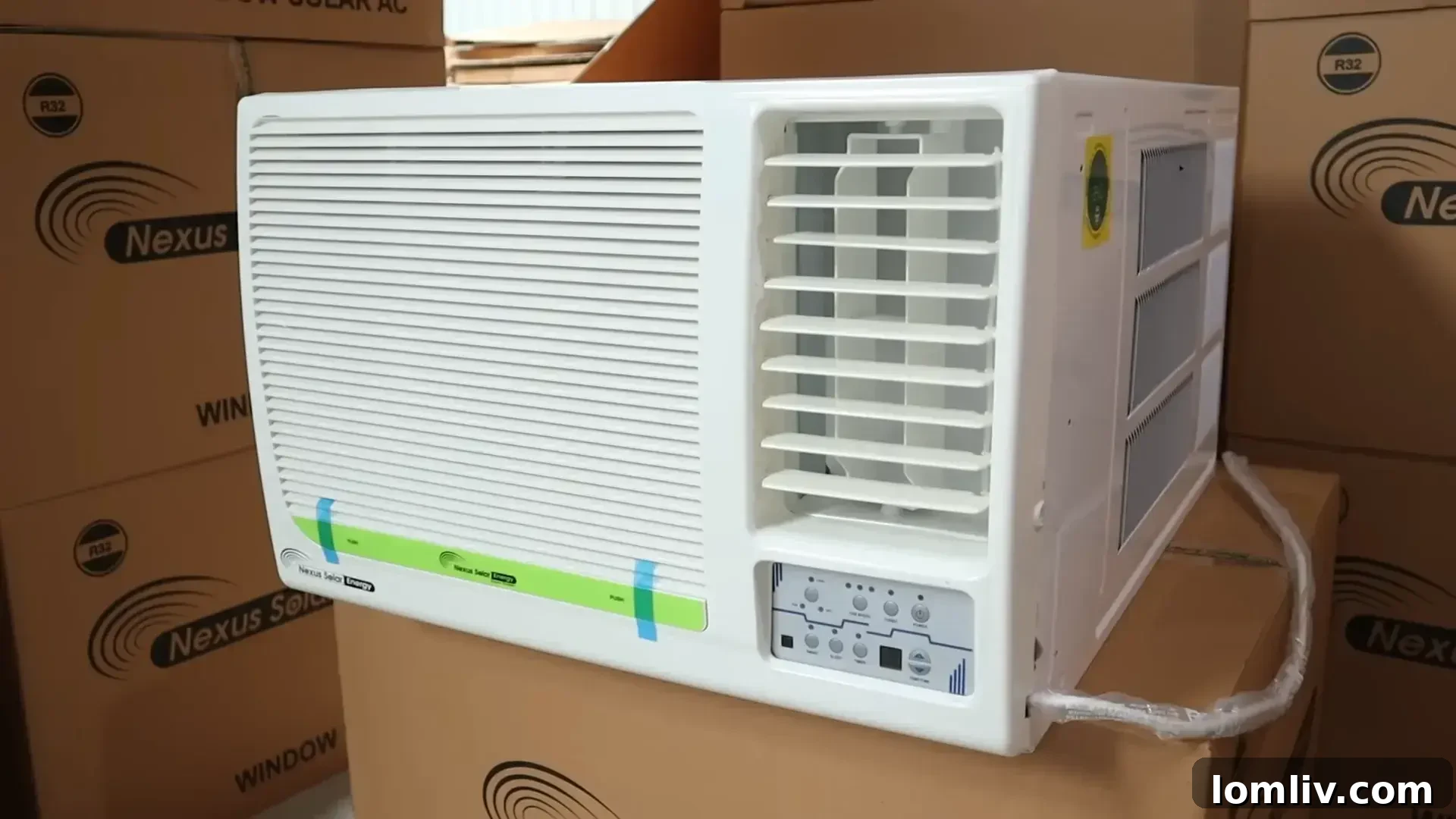
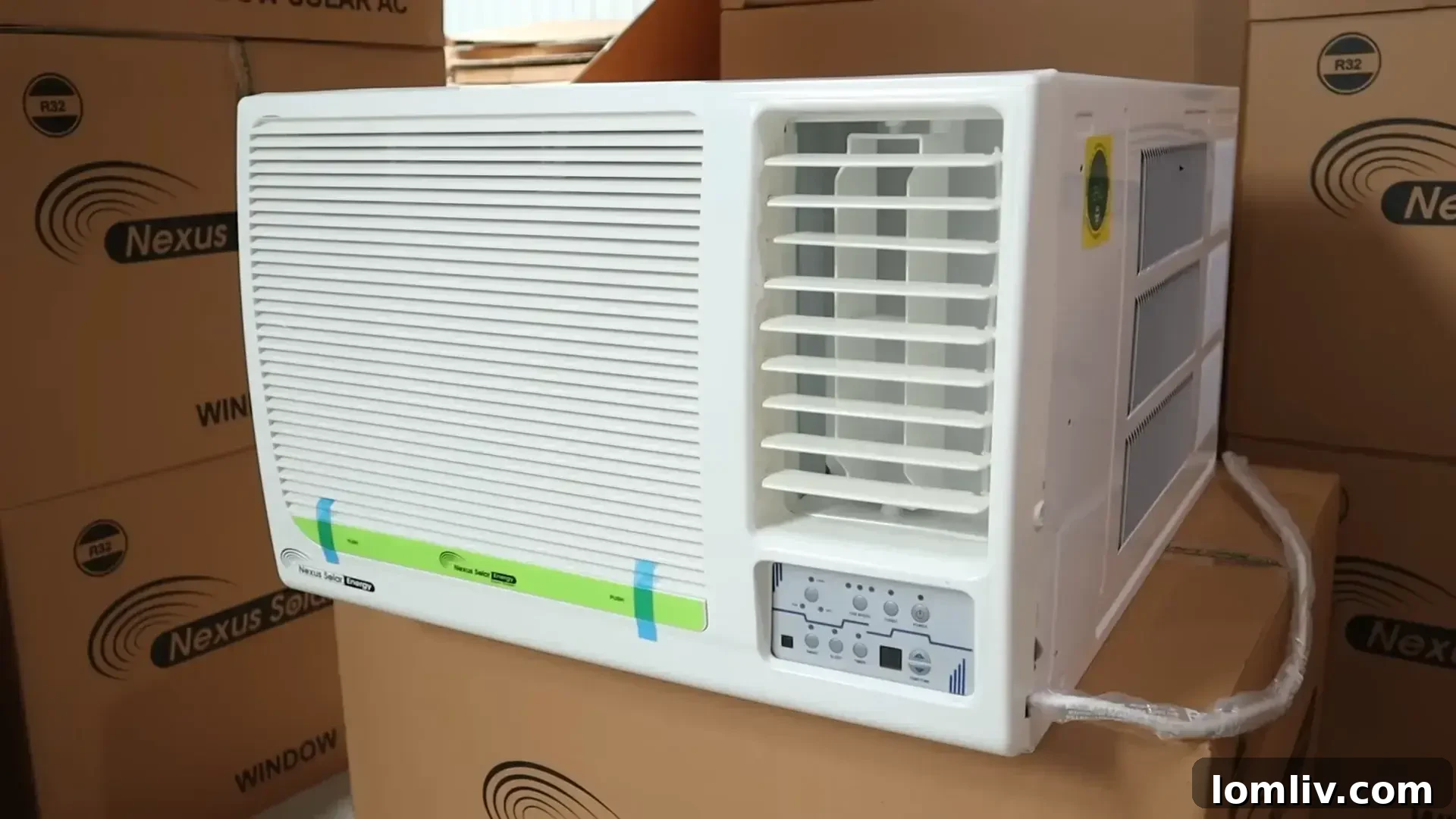
Window Air Conditioners
Window units are compact, self-contained air conditioners designed to fit within a window frame. They are a popular choice for cooling single rooms or small apartments, offering a balance of affordability and effectiveness for localized cooling.
Pros:
- Very Affordable: Among the most budget-friendly cooling options.
- Easy Installation (DIY Possible): Can often be installed by the homeowner, saving on installation costs.
- Self-Contained: All components are within one unit, simplifying operation.
- Effective for Single Rooms: Provides targeted cooling for individual spaces.
Cons:
- Blocks Window View and Light: Occupies a significant portion of a window opening.
- Security Concerns: Can create a potential entry point if not properly secured.
- Noise Levels: Similar to portable units, the compressor inside the room can be noisy.
- Less Efficient Than Central/Mini-Splits: Generally have lower SEER ratings.
- Limited Mobility: While technically removable, they are not easily moved from room to room like portable units.
- Aesthetics: Many find them less visually appealing than other options.
Key Factors and Specifications to Consider When Buying an AC
Beyond the type of system, several technical specifications and features will influence your final decision and the long-term performance and cost-effectiveness of your AC unit.
Sizing and Cooling Capacity (BTUs)
The cooling capacity of an AC unit is measured in British Thermal Units (BTUs). An appropriately sized unit is crucial for efficient and effective cooling. As a general rule of thumb, you might calculate approximately 20 BTUs per square foot of living space. So, for a 1,000 sq ft home, you would typically need a 20,000 BTU AC unit. However, this is a very basic estimate.
A professional HVAC technician will perform a more precise “cooling load calculation” (often called a Manual J calculation). This takes into account various factors like:
- Climate zone and average outdoor temperatures
- The number of windows and their type (single/double pane, energy-efficient)
- The direction your home faces (solar heat gain)
- Insulation quality in walls, attic, and floor
- Ceiling height
- Number of occupants
- Heat-generating appliances
- Air leakage and duct sealing
Accurate sizing prevents the issues associated with undersized or oversized units, ensuring optimal comfort and energy efficiency.
Energy Efficiency Ratings (SEER, EER, HSPF)
Energy efficiency is paramount for reducing operating costs and environmental impact. Look for these ratings:
- Seasonal Energy Efficiency Ratio (SEER): Primarily used for central air conditioners and heat pumps, SEER measures the cooling output over a typical cooling season divided by the total electric energy input during the same period. A higher SEER rating indicates greater energy efficiency. As of 2023, minimum SEER standards are 14 or 15 depending on the region (northern vs. southern states), but units with SEER ratings of 16-21+ are commonly available and offer significant long-term savings.
- Energy Efficiency Ratio (EER): EER measures the cooling output divided by power input at a specific outdoor temperature (95°F). It’s often used for window and portable AC units and provides a snapshot of efficiency under peak load conditions.
- Heating Seasonal Performance Factor (HSPF): If you’re considering a heat pump (which provides both heating and cooling), HSPF measures its heating efficiency over a typical heating season.
Noise Levels (Decibels)
The operational noise of an AC unit, measured in decibels (dB), can significantly impact your comfort, especially with window or portable units. Central AC outdoor units typically range from 70-80 dB, while quiet models can go as low as 50 dB. Indoor units of ductless mini-splits are often very quiet, around 20-30 dB, comparable to a whisper. Portable and window units tend to be louder, ranging from 50-70 dB, which can be noticeable.
Refrigerant Type
Modern AC systems typically use R-410A refrigerant. However, environmental regulations are phasing out certain refrigerants, with newer, more eco-friendly options like R-32 becoming more common. Ensure any new unit you purchase complies with current and future environmental standards.
Advanced Features and Smart Technology
Today’s AC units come packed with features designed to enhance comfort, convenience, and energy savings:
- Programmable Thermostats: Allow you to set temperature schedules based on your daily routine, optimizing energy use.
- Wi-Fi Connectivity and Smart Control: Many units can be controlled via smartphone apps, allowing you to adjust settings, monitor energy usage, and receive alerts from anywhere. Integration with smart home assistants like Amazon Alexa or Google Assistant is also common.
- Geofencing: Some smart thermostats can detect when you’re leaving or approaching home, automatically adjusting the temperature to save energy or ensure comfort upon arrival.
- Adjustable Fan Speeds: Multiple fan speeds allow for finer control over airflow and noise levels.
- Sleep Mode: Gradually raises the temperature overnight to save energy and provide comfortable sleeping conditions.
- Dehumidification Mode: Dedicated modes to remove excess moisture from the air without overcooling, enhancing comfort in humid climates.
- Air Purification: Advanced filtration systems, including HEPA filters, activated carbon filters, or UV-C lights, can significantly improve indoor air quality by removing allergens, dust, odors, and even bacteria/viruses.
- Self-Cleaning Coils: Some units feature technology to prevent mold and mildew growth on evaporator coils.
Warranty and After-Sales Support
A good warranty is a testament to the manufacturer’s confidence in their product. Look for comprehensive warranties that cover parts and the compressor for at least 5-10 years. Also, inquire about the installer’s labor warranty and their reputation for after-sales support and emergency services.
Energy Efficiency and Long-Term Cost Savings
Investing in an energy-efficient air conditioning unit is one of the smartest financial decisions you can make for your home. While these units might have a slightly higher upfront cost, the long-term savings on your utility bills can be substantial, often recouping the initial investment within a few years.
The ENERGY STAR certification is a reliable indicator of energy efficiency. Products bearing this label meet strict guidelines set by the U.S. Environmental Protection Agency (EPA) and Department of Energy (DOE), signifying that they are at least 15-20% more efficient than conventional models. Opting for an ENERGY STAR-rated AC can lead to significant reductions in your energy consumption, translating directly into lower monthly energy bills throughout its lifespan.
Beyond the unit itself, adopting smart habits and ensuring your home is well-prepared for cooling can amplify your savings:
- Proper Insulation: Ensure your attic, walls, and crawl spaces are adequately insulated to prevent heat transfer.
- Air Sealing: Seal gaps and cracks around windows, doors, and utility penetrations to prevent cool air from escaping and warm air from entering.
- Programmable Thermostats: Utilize schedules to raise the temperature when you’re away and lower it before you return.
- Strategic Shading: Use blinds, curtains, or awnings on windows that receive direct sunlight to block heat gain.
- Regular Maintenance: A well-maintained unit runs more efficiently.
Additionally, many local utility companies and government programs offer rebates or tax credits for homeowners who install high-efficiency AC systems. Researching these incentives can further reduce your overall investment and increase your savings.
The Crucial Role of Professional Installation and Maintenance
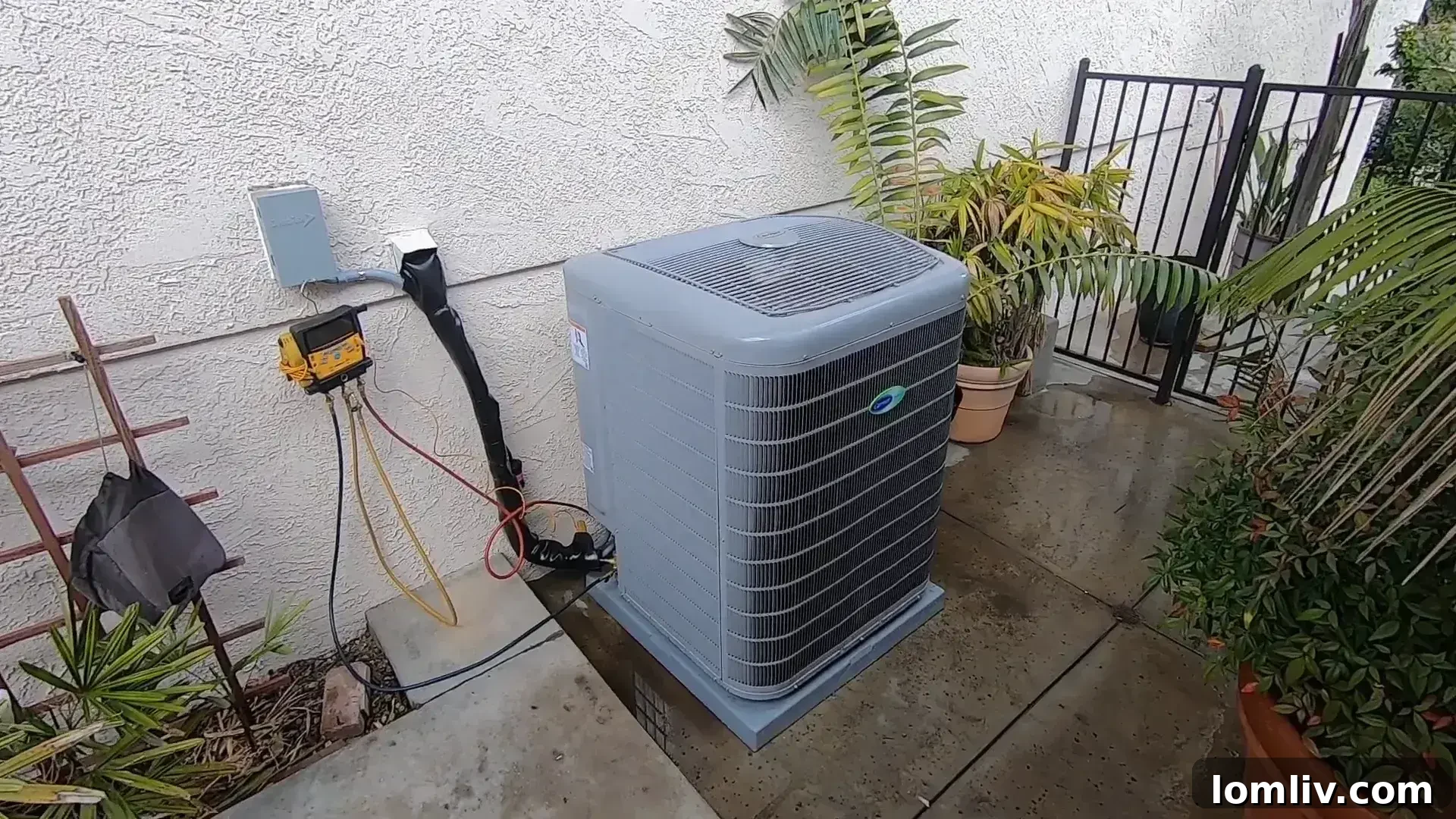
Even the most advanced and energy-efficient air conditioning unit will fail to perform optimally if not installed correctly. Professional AC installation is not just about connecting wires; it’s a precise process that ensures your system is properly sized, charged with refrigerant, and integrated seamlessly with your home’s existing infrastructure. A professional HVAC technician will perform a thorough load calculation, inspect your ductwork (for central air), and ensure all components are installed according to manufacturer specifications and local codes. This meticulous attention to detail guarantees maximum efficiency, longevity, and adherence to warranty conditions.
Once installed, routine maintenance is the key to extending your AC system’s lifespan and maintaining its peak performance. Just like a car, your AC needs regular tune-ups. A well-maintained central air conditioner can last 15 to 20 years, whereas a neglected one might fail prematurely, leading to costly repairs or early replacement.
Key Maintenance Tasks Include:
- Filter Replacement: Regularly replacing or cleaning air filters is paramount. Clogged filters restrict airflow, reduce efficiency, and can negatively impact indoor air quality.
- Coil Cleaning: Evaporator and condenser coils accumulate dirt and debris, which hinders their ability to transfer heat. Professional cleaning ensures efficient heat exchange.
- Drain Line Clearing: The condensate drain line can become clogged with algae and mold, leading to water leaks and potential damage.
- Refrigerant Level Checks: Ensuring the correct refrigerant charge is critical for efficiency and performance. Low refrigerant can indicate a leak and severely impact cooling capacity.
- Electrical Connections: Checking and tightening electrical connections prevents safety hazards and ensures consistent operation.
- Component Inspections: Technicians inspect all moving parts, fan motors, and belts for wear and tear.
When selecting an AC installation and maintenance service, consider the following factors to ensure you choose a reputable and reliable provider:
- Experience and Expertise: Choose technicians with proven experience in installing and servicing your specific type of AC system.
- Reliability and Responsiveness: Look for companies known for punctuality, clear communication, and prompt service, especially for emergency repairs.
- Reputation and Reviews: Check online reviews, customer testimonials, and ask for local references.
- Certifications and Licenses: Ensure the company and its technicians are fully licensed, bonded, and insured, and hold relevant certifications (e.g., NATE certification).
- Transparent Pricing: A reputable company will provide clear, upfront quotes without hidden fees.
- Service Agreements: Many companies offer annual maintenance plans that can save you money on tune-ups and provide priority service.
- Availability of Emergency Services: Confirm they offer 24/7 emergency service during peak cooling seasons.
Discovering the Ultimate AC Solution for Your Home
The journey to finding the best AC system for your home is a personalized one, influenced by a unique blend of factors including your specific comfort preferences, the size and architectural nuances of your residence, your budgetary constraints, and the climate you live in. There is no universally “best” air conditioner; instead, there is an optimal solution tailored to your individual circumstances.
By carefully evaluating your cooling needs, understanding the characteristics of different AC system types—from the expansive coverage of central air to the targeted efficiency of ductless mini-splits, and the practical portability of window and portable units—and scrutinizing essential specifications like BTUs and SEER ratings, you equip yourself to make an intelligent investment. Furthermore, recognizing the significant impact of energy efficiency, smart features, and robust warranties will ensure your selection not only meets immediate cooling demands but also provides long-term value and comfort.
Once you have thoroughly researched and chosen the ideal AC system, the next critical step is to secure a professional AC installation service. Expert installation is the cornerstone of your system’s efficiency, longevity, and overall performance. Paired with a commitment to routine maintenance, your new air conditioner will deliver consistent, reliable cooling, transforming your home into a sanctuary of comfort. Embrace the comfort and peace of mind that comes with a perfectly selected and professionally installed air conditioning system, allowing you to enjoy a cooler, more comfortable living environment for years to come.