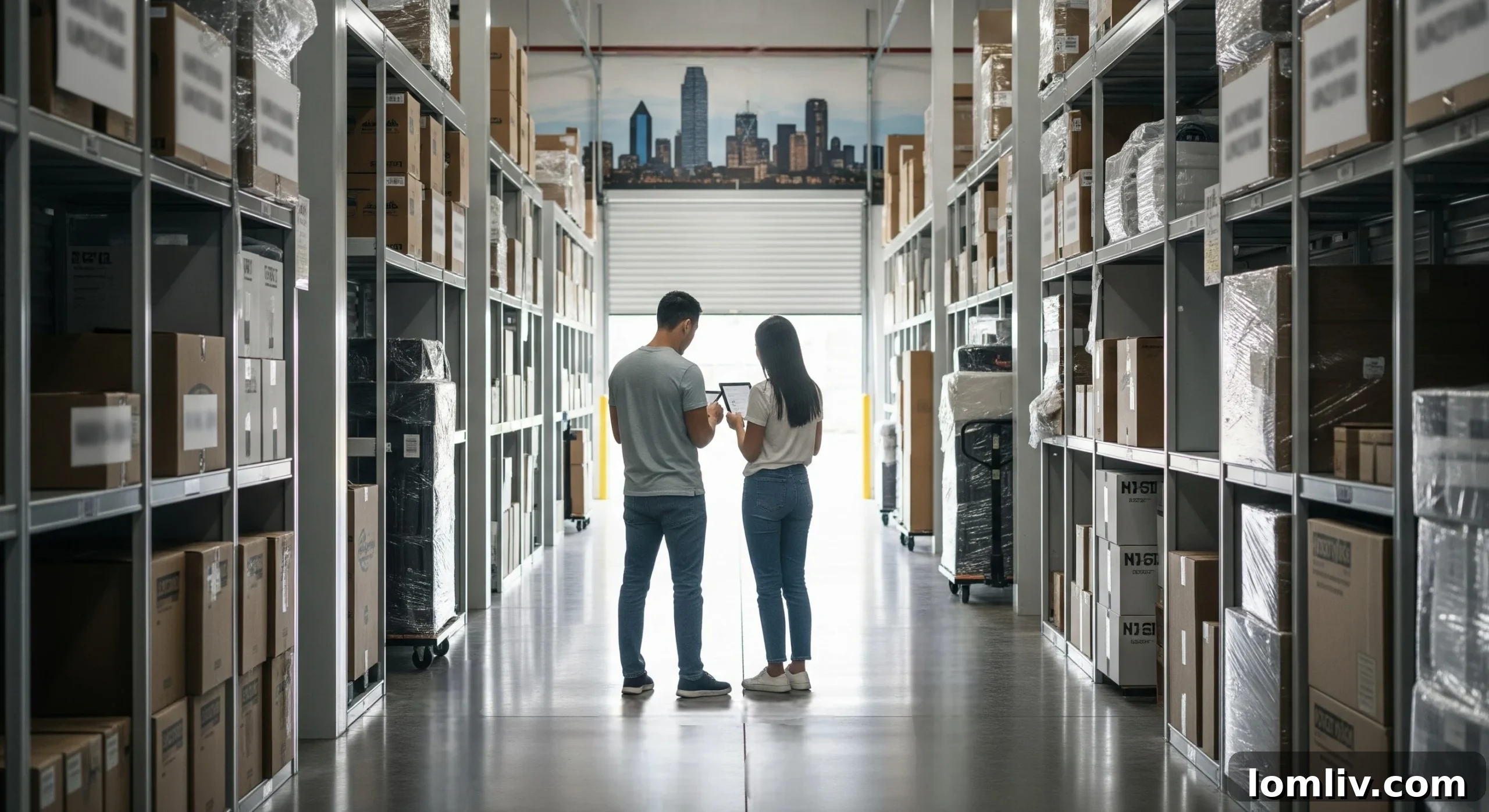
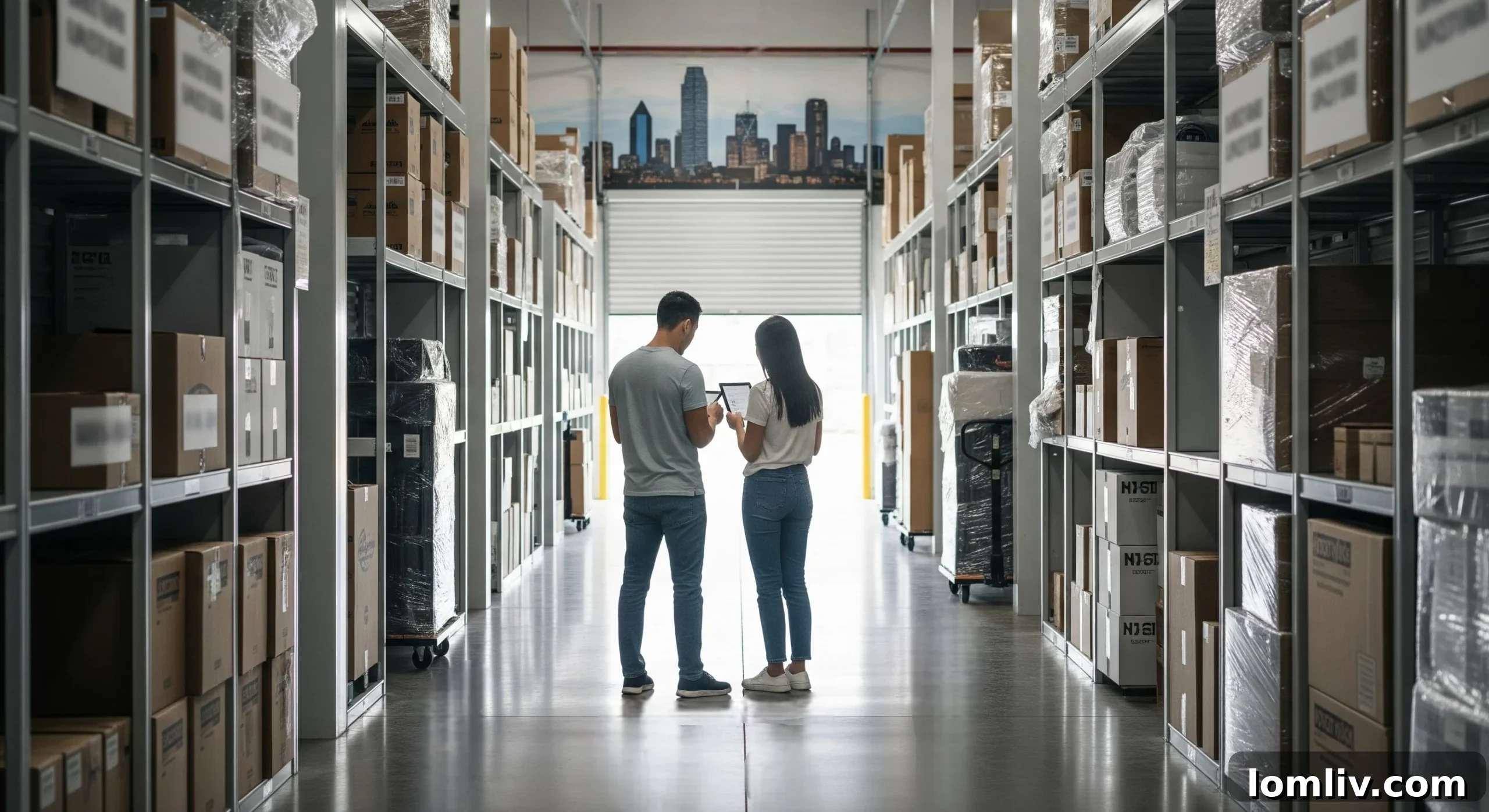
Moving, whether across the city or across the country, is often described as one of life’s most stressful events. While the prospect of a new home or fresh start can be incredibly exciting, the logistics involved can quickly become overwhelming. This is particularly true in dynamic and fast-paced markets like New York City, where space is a luxury, timelines are tight, and every detail of buying or selling property adds significant pressure. One of the most common hurdles for both buyers and sellers is figuring out what to do with furniture, personal belongings, and countless boxes. Navigating tight city apartments, coordinating multiple schedules, and managing possessions simultaneously can feel like an impossible puzzle.
Fortunately, there’s a practical and highly effective solution that simplifies this complex process: **long-term storage**. By providing a secure and accessible space for your items, long-term self-storage allows you to declutter, organize, and streamline your move, reducing stress from the very beginning to the final unpacking stage. This comprehensive guide will explore how leveraging a dedicated storage unit can transform your moving experience, offering invaluable benefits for both home buyers and sellers in competitive real estate markets.
Understanding Long-Term Storage: More Than Just a Box
At its core, long-term storage involves renting a secure unit for an extended period – typically several months or even years – to house your furniture, household goods, seasonal items, and other valuable belongings. Unlike short-term solutions designed for quick transitions, long-term options offer stability and peace of mind. Individuals and families utilize these facilities for a variety of reasons, including during significant life events like a move, extensive home renovations, major decluttering projects, or simply to free up precious space in a compact urban apartment. Modern self-storage facilities go beyond basic warehousing; most offer robust security features such as gated access, 24/7 video surveillance, individual unit alarms, and well-lit premises. Additionally, climate-controlled storage units are available, providing a stable environment that protects sensitive items from extreme temperature fluctuations and humidity – a crucial consideration for preserving valuables while you navigate inspections, secure financing, and finalize closing documents for your property.
Key Benefits of Long-Term Storage for Home Buyers

Seamless Temporary Storage During the Home Search
The home-buying journey, especially in a bustling market like NYC, can be unpredictable. It’s not uncommon for buyers to need to vacate their current residence before they’ve secured or are ready to move into their next property. This “in-between” period can be incredibly stressful, forcing rushed decisions or the regrettable sale of cherished possessions. A long-term storage unit provides a flexible and secure sanctuary for your furniture and boxes, eliminating the pressure of a tight moving schedule. By placing your belongings in a dedicated storage unit, you gain the invaluable gift of time. You can meticulously search for and select the perfect new home without feeling compelled to settle due to logistical constraints. This freedom ensures you make thoughtful, informed decisions about your future living space, rather than compromising out of necessity.
Protecting Your Investment During Renovations
Many buyers, particularly those purchasing older apartments in New York City, plan to undertake renovations or upgrades before officially moving in. While exciting, this phase introduces significant logistical challenges. Bringing furniture and boxes into a construction zone exposes them to dust, debris, potential damage, and even theft. A self-storage unit serves as an essential protective measure, keeping your valuable items safely out of harm’s way. This not only safeguards your possessions but also significantly speeds up the renovation process. With clear pathways and uncluttered rooms, contractors can work more efficiently and safely, minimizing delays and reducing labor costs. This is particularly important in buildings with strict co-op or condo board rules, where adherence to timelines and a tidy work environment are often mandatory for project approval and completion.
Embracing a Fresh Start: Declutter Before Moving In
Moving presents a unique opportunity for a fresh start, a chance to truly declutter and re-evaluate your belongings. However, deciding what to keep, donate, or sell can be a time-consuming process that often gets rushed during a typical move. Long-term storage offers the ideal solution by allowing you to systematically sort through your possessions. You can set aside seasonal gear, family heirlooms, sentimental items, or large pieces of furniture that you’re not yet ready to place in your new home. This pre-move decluttering ensures that your new residence starts clean, organized, and free from unnecessary clutter. You can then take your time to decide the ultimate fate of each item, making thoughtful choices about whether to reintegrate them into your new space, pass them on, or part with them responsibly. This deliberate approach contributes significantly to a more peaceful and harmonious transition into your new life.
Invaluable Benefits of Long-Term Storage for Home Sellers

Maximizing Appeal Through Strategic Home Staging
In a competitive real estate market, first impressions are paramount. Home staging is a proven strategy to make your property more attractive to potential buyers, and it works best when rooms appear open, spacious, and neutrally inviting. In cities where square footage is at a premium, this is absolutely essential for making apartments feel larger and more appealing than their actual dimensions. Long-term storage provides the perfect solution for removing bulky furniture, personal photographs, excessive decor, and any items that might distract buyers. By decluttering and depersonalizing your space, buyers can more easily visualize themselves living in the home, focusing on its best features rather than your personal belongings. This strategic use of storage can significantly reduce your property’s time on the market and potentially increase its selling price.
Enhanced Security During Showings and Open Houses
Selling your home often involves frequent showings and open houses, which means many people will be walking through your private space. While real estate agents take precautions, the constant traffic can still pose a security risk for your most valuable or sentimental possessions. Utilizing a long-term storage unit allows you to safely stash away irreplaceable items such as valuable artwork, delicate electronics, important documents, heirlooms, and jewelry. This not only protects your valuables from potential damage or theft but also contributes to a cleaner, more organized aesthetic. Buyers will appreciate the uncluttered environment, allowing them to focus purely on the property itself without distractions or concerns about personal items. This measure provides both practical security and peace of mind during a potentially vulnerable period.
Bridging the Gap: Storing Belongings Between Moves
The fast-paced nature of the NYC real estate market frequently means that sellers close on their current property before their new home is ready for occupancy. This logistical gap can create significant stress, often forcing sellers into temporary, cramped living situations or multiple, costly moves. Long-term storage elegantly bridges this transition period, providing a secure and stable location for your belongings. You avoid the hassle and expense of cramming your possessions into short-term rentals or, even worse, moving everything twice. Many reputable moving companies offer integrated storage-in-transit services, ensuring your items remain within a single, consistent system from pickup to final delivery. This streamlined approach minimizes handling, reduces risk, and offers unparalleled flexibility, allowing you to move on your own timeline without compromise.
Selecting the Ideal Long-Term Storage Unit: A Buyer’s Guide
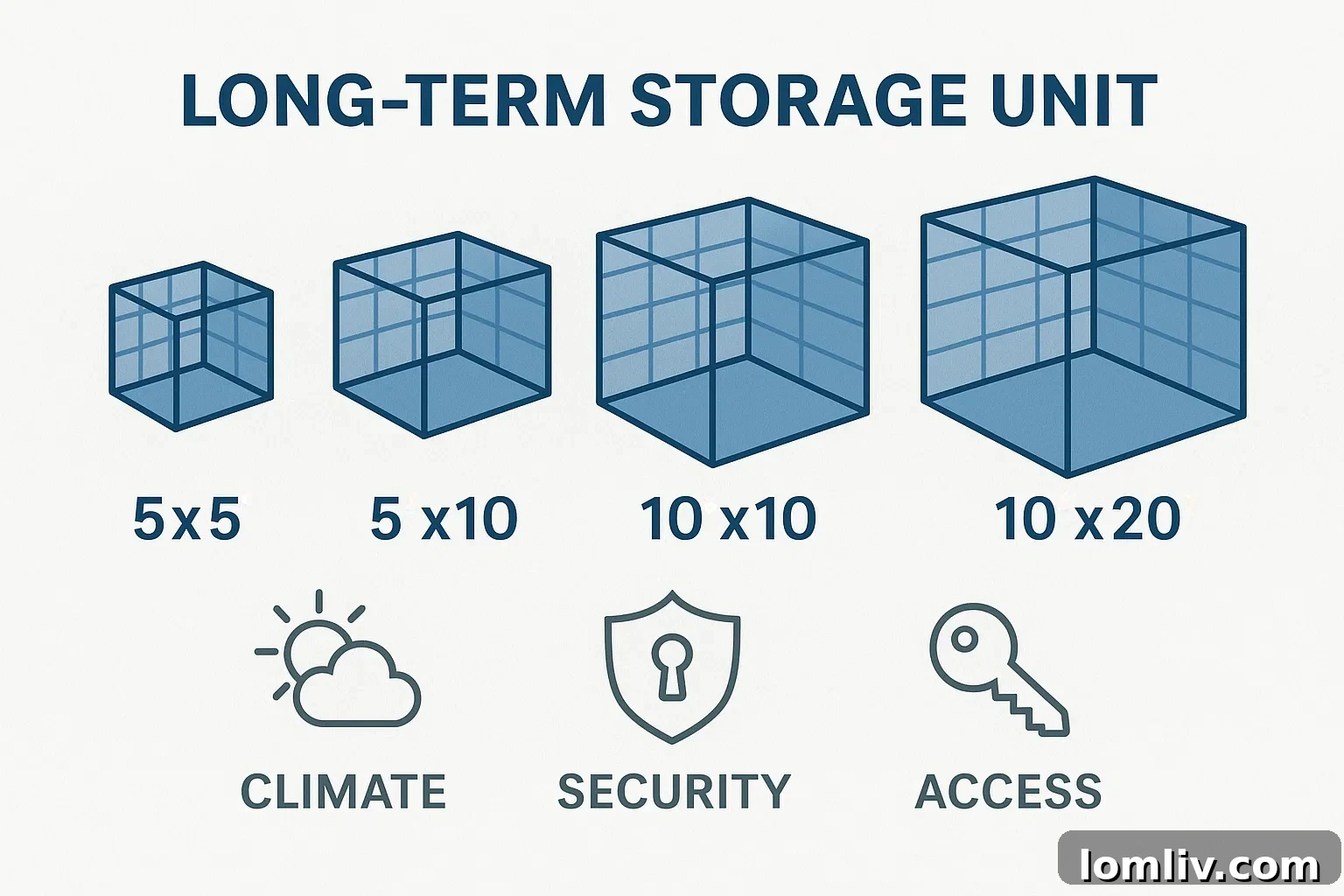
Choosing the right long-term storage unit requires careful consideration of several key factors to ensure your belongings are safe, accessible, and properly protected. Think beyond just cost and evaluate location, size, security measures, climate control options, and access hours, while also confirming that your items are adequately insured.
Strategic Location Choices for Convenience and Cost
The location of your storage facility significantly impacts both convenience and cost. If you anticipate needing frequent access to your stored items, selecting a facility close to your home or workplace is a wise choice. This proximity minimizes travel time and effort. However, if your plan is to store items for an extended period with minimal or no access, you might consider a facility slightly farther away. These outlying locations often offer more competitive rental rates, providing significant cost savings without compromising the safety of your belongings. Balance your anticipated access needs with your budget to find the optimal location.
Right-Sizing Your Storage Unit for Optimal Value
Storage units come in a range of standard sizes, typically including five by five feet, five by ten feet, ten by ten feet, and ten by twenty feet, among others. Estimating the correct size is crucial to avoid paying for unused space or cramming your belongings into too small a unit. A good rule of thumb is to estimate based on room count and the largest items you plan to store. For instance, a five by ten unit can generally accommodate the contents of a studio apartment or a single room, while a ten by twenty unit is often suitable for a typical three-bedroom home. Many reputable facilities offer online sizing guides or even allow you to upgrade or downsize your unit if your storage needs evolve over time.
Prioritizing Robust Security Features
Security should be a non-negotiable factor when selecting a long-term storage unit. Look for facilities that offer comprehensive security measures such as secure, gated access points, 24/7 video surveillance, ample and bright lighting throughout the premises, and sturdy doors designed to accommodate high-quality disk or cylinder locks. It’s also beneficial to inquire about the presence of on-site staff, regular pest control protocols, and a clear list of prohibited items (which typically include fuel, paint, and perishable food items to prevent hazards and infestations). Crucially, verify whether your existing homeowners’ or renters’ insurance policy extends coverage to items stored off-site. If not, consider purchasing supplemental coverage directly from the facility or a third-party provider to ensure your valuables are fully protected.
The Importance of Climate Control for Sensitive Items
For certain types of belongings, climate-controlled storage units are not just a luxury but a necessity. These specialized units maintain a consistent temperature and humidity level, shielding your possessions from the damaging effects of extreme heat, cold, or moisture. Climate control is particularly beneficial for preserving wood furniture (preventing warping or cracking), electronics (safeguarding against condensation and corrosion), artwork (preventing fading or deterioration), photos (stopping fading and sticking), musical instruments, and important documents. While they typically come at a premium, the added cost is a worthwhile investment to protect valuable and sensitive items, especially if you live in an area prone to significant temperature swings or high humidity.
Understanding Access Hours and Facility Operations
Before committing to a unit, ensure that the facility’s access hours align with your personal schedule and anticipated needs. Some storage facilities offer 24/7 gate access, providing maximum flexibility, while their administrative offices may operate with more limited hours. Confirm holiday schedules and the availability of amenities like freight elevators or dollies, particularly if you anticipate moving large or heavy items. Clarity on these operational details will prevent frustrating delays and ensure a smooth experience whenever you need to visit your unit.
Smart Strategies for Utilizing Long-Term Storage Effectively

Initiate Packing Early and Systematically
One of the best ways to minimize stress during any move is to start packing well in advance, especially for items you won’t need immediately. Begin with off-season clothing, seldom-used appliances, decorative items, and books. Adopting a steady, systematic pace not only reduces last-minute frantic efforts but also allows you ample time to sort through your belongings thoughtfully. This proactive approach ensures a smoother packing process and a more organized storage experience.
Invest in High-Quality Packing Materials
The longevity and protection of your items in long-term storage heavily depend on the quality of your packing materials. Opt for sturdy, uniform moving boxes that can withstand stacking, rather than flimsy grocery store boxes. Utilize packing paper for fragile items, bubble wrap for electronics and breakables, and specialized furniture covers or blankets to protect upholstery and wooden surfaces from dust and scratches. Always label at least two sides of each box with its contents and the room it belongs to, ensuring the labels remain visible even when stacked or partially obstructed.
Strategic Organization Within Your Unit
Maximizing space and maintaining accessibility within your storage unit is key. Place items you anticipate needing sooner near the front of the unit for easy retrieval. Create a small walkway down the middle of your unit to allow access to items deeper within. Always stack heavier boxes on the bottom, ensuring stability and preventing damage to lighter items. Utilize vertical space by stacking boxes carefully, and consider placing furniture on wooden pallets or plastic sheeting to keep it off the concrete floor, protecting against potential moisture or pests.
Compile a Detailed Inventory List
Before you seal up your unit, create a comprehensive inventory list or a photo album of everything you’ve stored, noting where each item or box is located within the unit. Assigning numbers to boxes and cross-referencing them with your list makes finding specific items incredibly efficient. A quick, accurate record saves immense time and frustration when you need to locate a particular belonging months down the line.
Ensure Adequate Insurance Coverage
While storage facilities implement robust security, unforeseen events can occur. It’s imperative to confirm that your stored items are covered by insurance. Contact your homeowners’ or renters’ insurance agent to inquire if your existing policy extends coverage to items in a self-storage unit. If not, or if the coverage is insufficient, consider purchasing supplementary storage unit insurance directly from the facility or a third-party provider. Keep receipts for valuable items to simplify any potential insurance claims.
Understand and Adhere to Prohibited Items Lists
Storage facilities have strict rules about what cannot be stored, primarily for safety and regulatory reasons. Generally, you should never store perishable food items (which attract pests), flammable materials (like fuel, paint, or solvents), chemicals, explosives (fireworks), or anything wet, live, or emitting strong odors. These items pose risks to the facility, other tenants’ belongings, and can lead to immediate lease termination. Always review the facility’s specific list of prohibited items before packing.
Conclusion: Simplifying Your Move with Long-Term Storage
The journey of buying or selling a home, particularly in a vibrant and demanding market like New York City, doesn’t have to be a source of overwhelming stress. Long-term storage emerges as an indispensable tool, offering both home buyers and sellers a safe, flexible, and practical solution for managing their belongings during a hectic transition. Whether you find yourself between residences, embarking on extensive renovations, or meticulously preparing your property for sale, a thoughtfully chosen long-term storage unit provides essential protection and keeps your possessions conveniently out of the way.
By carefully considering factors such as the facility’s location, the appropriate unit size, the robustness of its security features, the availability of climate control for sensitive items, and flexible access hours, you can select a storage solution perfectly tailored to your needs. Combine this careful selection with proactive planning – including early packing, using proper materials, maintaining meticulous organization, and creating a detailed inventory – and long-term storage will truly simplify your move. This strategic approach ensures your belongings are secure and accessible, ultimately helping you settle into your new home faster, with greater peace of mind and less clutter.