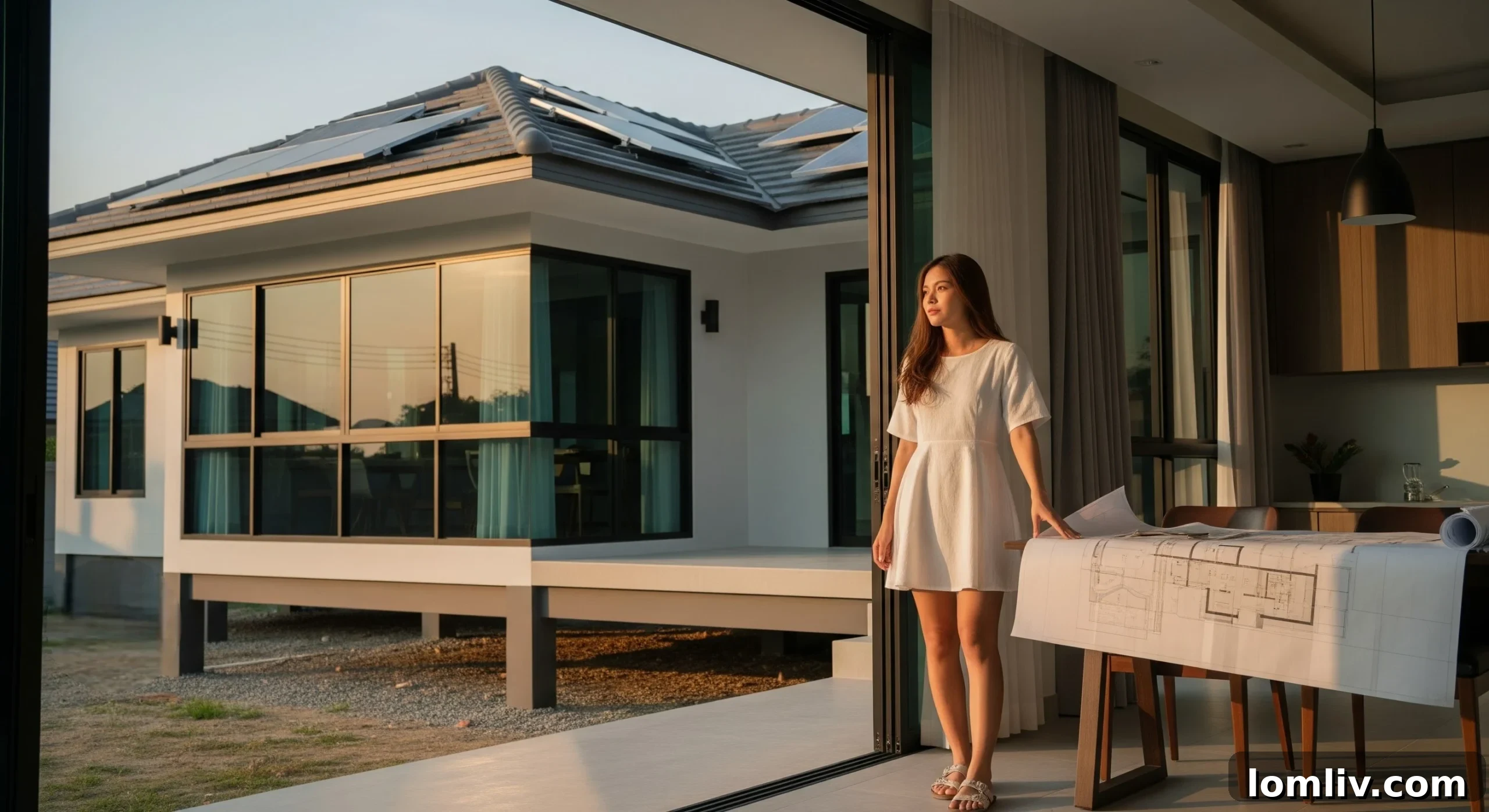
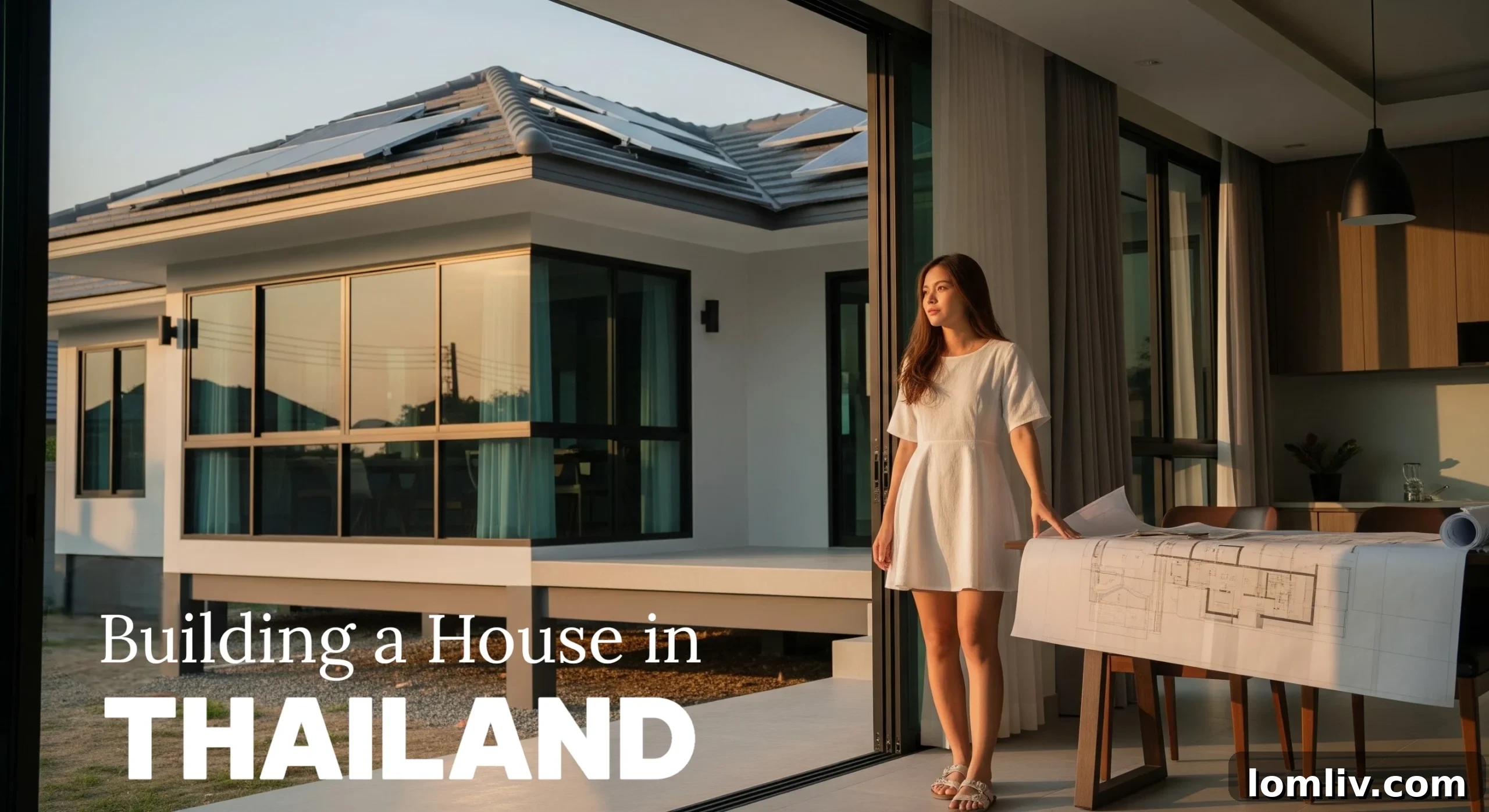
Thailand, often affectionately known as the “Land of Smiles,” captivates visitors with its stunning natural beauty, rich cultural heritage, and warm hospitality. It’s a tropical paradise that many foreigners dream of calling home, and for an increasing number, this dream extends to building a bespoke residence tailored to their unique lifestyle. Constructing a home in a foreign country, especially one with distinct legal frameworks and environmental considerations like Thailand, presents both exciting opportunities and potential challenges. This comprehensive guide aims to equip prospective homeowners with valuable insights and practical tips to navigate the building process seamlessly, ensuring their dream home becomes a tangible reality in this enchanting nation.
Building Your Dream Home in Thailand: An Expat’s Comprehensive Guide
Embarking on the journey to build a home in Thailand is an exciting venture that promises a unique blend of modern comforts and tropical living. While the process can seem daunting, with careful planning, expert advice, and an understanding of local nuances, you can create a beautiful and enduring residence. From securing the perfect plot of land to selecting the right materials and professionals, every step plays a crucial role in realizing your vision. Here, we delve into the key considerations for building your ideal home in the heart of Southeast Asia.
Navigating the Legal Landscape of Land Ownership for Foreigners
One of the initial and most critical steps for any foreigner looking to build in Thailand is understanding the local land ownership laws. Thai law traditionally prohibits direct foreign ownership of land. However, several legitimate and widely accepted avenues allow foreigners to secure land for their residential projects.
Securing Your Plot of Land: Leasehold and Company Ownership Explained
The most common and straightforward method for foreigners to control land is through a **leasehold agreement**. This typically involves leasing a plot of land for a maximum period of 30 years, with the common provision for an option to renew for two additional 30-year terms, effectively granting long-term control over the property for up to 90 years. It’s crucial that the lease agreement is meticulously drafted by an experienced Thai lawyer to protect your interests, outlining clear terms for renewal, inheritance, and transferability. The lease should be registered with the local Land Department to ensure its legality and enforceability.
Another viable option, often preferred for larger properties or those intended for commercial use, involves establishing a **Thai limited company** to acquire the land. Under this structure, the company owns the land, and the foreigner typically holds a significant, but not majority, share of the company (usually up to 49%). Thai nationals hold the remaining shares. While this method offers more direct control over the land’s title, it comes with increased administrative and legal complexities, including annual audits and adherence to company regulations. It is paramount to consult with a reputable Thai lawyer specializing in property law to set up such a company structure correctly and legally, ensuring it is a genuine business entity and not a mere nominee structure, which is illegal.
Regardless of the chosen method, thorough due diligence on the land plot itself is indispensable. This includes verifying the land title deed, checking for any encumbrances, easements, or zoning restrictions, and assessing its susceptibility to natural disasters like flooding. A local lawyer will be invaluable in conducting these checks and advising on the best legal strategy for your specific circumstances.
The Foundation of Your Project: Design and Professional Expertise
The success of your building project hinges significantly on the professionals you engage. Investing in qualified experts from the outset will save time, money, and stress in the long run.
The Indispensable Role of an Architect in Thailand
While a builder might offer design services, **hiring an independent and experienced architect** is a recommendation we cannot overstate. An architect brings a holistic vision, focusing not just on aesthetics but also on functionality, sustainability, and adherence to local building codes. They possess an intricate understanding of tropical architecture, enabling them to design a home that optimizes natural light, ventilation, and insulation, crucial for comfort in Thailand’s climate. They consider small yet significant details like sun path analysis, prevailing wind directions, drainage, and material suitability that can make all the difference in the livability and longevity of your home. A good architect acts as your advocate, overseeing the construction process and ensuring the builder executes the design to the highest standards. Look for an architect with a proven track record of designing residential properties for expats in Thailand, as they will be familiar with both international expectations and local construction realities.
Choosing the Right Builder: Experience and Reliability
The selection of your **builder** is equally critical. In Thailand, as elsewhere, there are varying levels of quality and professionalism. For a truly unique and custom-designed home, you need a builder with extensive experience in constructing bespoke properties, not just standard developments. Begin by requesting portfolios of their previous work, ideally for projects similar in scope and style to yours. Pay attention to the quality of their finishing, structural integrity, and how well they managed complex designs. Always ask for and meticulously check references from past clients, particularly foreigners who can offer insights into communication, problem-solving, and adherence to timelines and budgets. A detailed, transparent contract outlining payment schedules, material specifications, warranty information, and a clear project timeline is non-negotiable. Regular site visits and consistent communication are also vital to ensure the project stays on track and meets your expectations.
Smart Design for Tropical Living
Designing a home in Thailand requires specific considerations to ensure comfort, energy efficiency, and durability in its warm, often humid climate.
Strategic Placement and Direction for Optimal Comfort
Before any foundations are laid, meticulous thought must be given to the **placement and direction of your home** on the plot. Understanding the path of the sun (sunrise and sunset) and prevailing wind directions is paramount. Orienting your home to minimize direct exposure to the blazing afternoon sun, especially on large windows and primary living areas, can dramatically reduce indoor temperatures. Strategic placement can also harness natural cross-ventilation, reducing reliance on air conditioning. Consider how adjacent structures, landscaping, and potential future developments might impact light, privacy, and airflow. If you plan to incorporate a home office, its placement should also account for lighting, noise, and comfort, ensuring a productive work environment that benefits from natural light without excessive heat gain.
Maximizing Comfort and Efficiency with Tinted Glass
Thailand’s intense sun, particularly during the hot months of April and May, can make interiors unbearably warm and cause significant UV damage to furniture and flooring. Installing **tinted glass** windows and doors makes a remarkable difference. High-quality tinted or low-emissivity (low-E) glass effectively blocks a substantial amount of solar heat gain and harmful UV rays, keeping your home cooler and protecting your valuable interiors from fading. This reduction in heat load means your air conditioning units don’t have to work as hard, leading to significant energy savings and lower electricity bills. Additionally, tinted glass can provide an added layer of daytime privacy without sacrificing natural light.
Embrace Solar Power: A Sustainable Investment
Given Thailand’s abundant sunshine, **installing solar panels** is an exceptionally smart and sustainable investment. The country receives more sunshine hours than many other nations, making it an ideal location for solar energy generation. While the initial investment might be considerable, the long-term benefits are substantial. A well-designed solar energy system can significantly reduce, or even eliminate, your reliance on the public electricity grid, offering genuine energy independence and protection against rising utility costs. You can opt for a complete off-grid system, providing all your energy needs, or a grid-tied system that allows you to draw power from the grid when needed and even sell excess electricity back to the utility company (where regulations permit). Discussing solar integration early with your architect is crucial, as they can help design your roof structure to accommodate panels efficiently and integrate the system seamlessly into your home’s electrical plan.
Material Selection and Construction Considerations
The choice of building materials and an understanding of the local climate’s impact on construction are vital for creating a durable and comfortable home.
Prioritizing High-Quality, Durable Materials for Longevity
Investing in **high-quality, durable materials** is a non-negotiable aspect of building a long-lasting home in a tropical climate. Materials that might perform well in temperate zones can quickly degrade under Thailand’s intense sun, high humidity, and heavy rainfall. For roofing, consider options like a vinyl roof (แผ่นไวนิลหลังคา), known for its exceptional durability. Unlike some traditional materials, high-grade vinyl roofs are built to withstand harsh weather, resisting fading, cracking, and rust, thereby requiring minimal maintenance over decades. For walls, utilize blocks or panels with high insulation properties. These materials are instrumental in keeping the interior cool during the scorching summer months, significantly reducing the burden on your air conditioning system. Furthermore, they can provide enhanced soundproofing. For windows and doors, **aluminum frames** are an excellent choice. Unlike wood, which can warp and rot in humidity, or steel, which is prone to rust, aluminum is lightweight, corrosion-resistant, and requires very little upkeep. Opting for materials with maintenance in mind from the outset will significantly reduce future costs and the time you spend on home upkeep, allowing you more time to enjoy your tropical paradise.
Building Against the Elements: The Rainy Season
Thailand’s distinct **rainy season** (generally from June to October in most regions, extending later in the south) presents significant challenges for construction. Careful timing of key build phases is essential. Ideally, the roof should be fully installed and watertight before the heavy rains begin. This protects the interior structure and materials from moisture damage, which can lead to mold, warping, and delays. Starting a build in April or May, just before the monsoon, might not be the most strategic option unless the project is designed for rapid roofing. Your builder should have a comprehensive plan for managing construction during wet periods, including protecting exposed materials and ensuring proper drainage on the site. Understanding regional variations in the rainy season is also crucial; for instance, while Bangkok and Northern Thailand see rains subside by late October, parts of the south, particularly on the Gulf coast, can experience heavy rainfall into December. Timing truly is everything when planning a tropical build.
Elevating Your Home: Flood Prevention and Ground Preparation
In many parts of Thailand, especially in low-lying or coastal areas, **building up the ground level** is a standard and highly recommended practice to mitigate the risk of flooding. Typically, local builders will add at least one meter of compacted soil to raise the house above potential floodwaters. This process should ideally be completed several months before construction begins, allowing ample time for the newly added soil to settle properly and compact, preventing future structural issues. Before even acquiring or leasing land, conducting thorough research into the area’s flood history is paramount. Local residents and government land offices can provide valuable insights. Investing in proper ground preparation is a proactive measure that provides invaluable peace of mind and protection for your home in the long term.
Essential Safeguards and Project Management
Beyond the physical construction, safeguarding your investment and navigating the administrative processes are equally important.
The Critical Role of Building Insurance
A property is a substantial and valuable asset, making **comprehensive building insurance** an absolute necessity. Do not overlook this crucial layer of protection. Google can help you find reputable international and local insurers in Thailand that offer robust building insurance policies. These policies typically protect your property against a range of unforeseen events, including fire, floods, natural disasters (such as storms and earthquakes), and sometimes even structural damage. Understanding the specifics of your policy, including coverage limits, deductibles, and exclusions, is vital. While no one expects a disaster, having adequate insurance provides financial security and peace of mind, protecting your significant investment against the unpredictable forces of nature and other risks.
Navigating Permits, Regulations, and Legalities
The construction of any permanent structure in Thailand requires strict adherence to local **building permits and regulations**. Your chosen builder, often with the assistance of your architect, will typically be responsible for applying for all necessary permits at the local Land Registry Office and other relevant government departments. This process involves submitting detailed architectural plans, structural designs, and other documentation for approval. It’s crucial to ensure all permits are obtained before construction commences to avoid legal complications, fines, and potential demolition orders. A local lawyer should also be engaged to review all contracts and agreements, not just land leases, but also those with your architect and builder, ensuring your interests are fully protected and all legal requirements are met throughout the entire building process.
Final Thoughts on Your Thai Home Journey
Building your dream home in Thailand is an ambitious yet incredibly rewarding endeavor. It offers the unique opportunity to create a personalized haven in one of the world’s most captivating destinations. While the process demands diligence, careful planning, and reliance on qualified professionals, the outcome is a residence that perfectly blends your vision with the charm and practicalities of tropical living. With the right team, a clear understanding of local laws, and an appreciation for cultural nuances, your journey to homeownership in the Land of Smiles will be a truly wonderful experience, one you are sure to cherish for a lifetime.
Living in Thailand is more than just an experience; it’s a lifestyle that embraces warmth, beauty, and a vibrant culture. Your new home will be the perfect base from which to explore all that this incredible country has to offer.