In today’s highly competitive real estate landscape, the traditional methods of selling a home are no longer enough to capture a buyer’s imagination. Simply listing a property online, distributing flyers, or making a few calls used to suffice, but modern homebuyers demand much more than just numbers on a spreadsheet or static images. They seek an emotional connection, a personal experience that resonates deeply and makes a property memorable long after their visit concludes. To truly stand out, real estate professionals must adopt innovative strategies that transform a standard viewing into an immersive experience.
This is where the strategic integration of cultural and musical events comes into play. Imagine an open house that transcends the typical walkthrough, evolving into a vibrant showcase featuring live music, a tasting of local delicacies, or an engaging art exhibition. Such an approach dramatically alters the atmosphere, encouraging potential buyers to linger, engage with the space on a deeper level, and vividly envision their future lives within its walls. These curated moments are not merely supplementary; they are crucial in forging a lasting impression in an increasingly crowded property market, helping a house transition from a mere listing to a potential home filled with possibilities.
Why Experiential Events Are Essential in Modern Real Estate Marketing
While professionally taken online photos and glossy brochures effectively highlight a home’s aesthetic features, they often fall short in conveying its true essence and atmosphere. A brochure might beautifully showcase gleaming hardwood floors, but it cannot communicate the cozy warmth of a Saturday afternoon gathering in the kitchen or the inviting ambiance of an evening spent with friends. The intangible “feel” of a home—its soul—remains elusive through two-dimensional representations.
Real estate agents frequently observe the predictable pattern: buyers enter an open house, cast a quick glance around, offer polite nods, and exit within minutes. Without a genuine connection, the property quickly blurs into the background, indistinguishable from the multitude of others viewed that day. This lack of engagement is a critical challenge in a market where differentiation is key to a swift and successful sale. Overcoming this requires a paradigm shift from passive viewing to active experiencing.

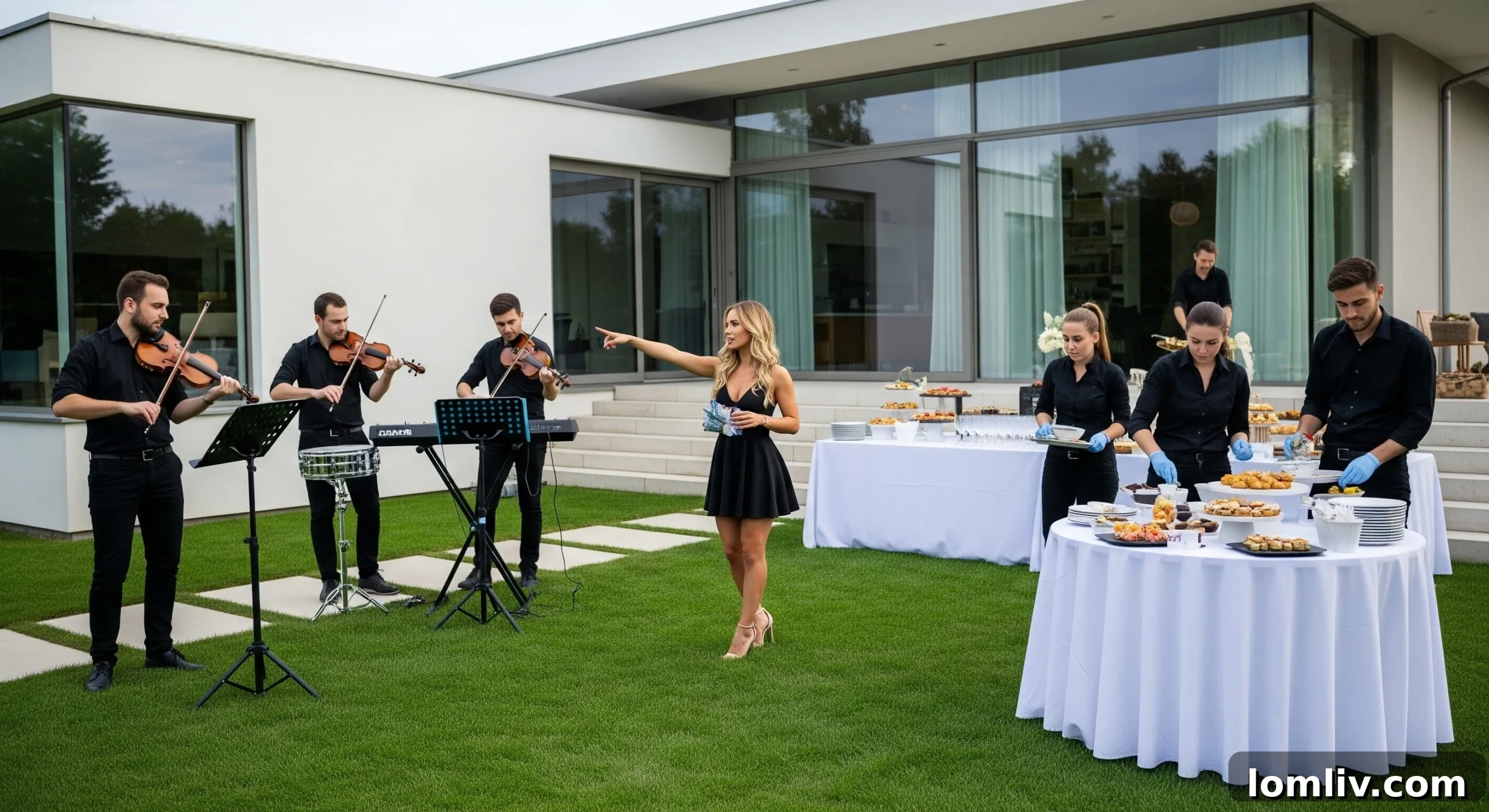
An event-driven open house fundamentally alters this dynamic. Imagine a sophisticated jazz band filling the living room with smooth melodies, or a chef presenting local culinary delights in the dining area. Suddenly, the property transcends its vacant state, brimming with life and energy. Guests naturally linger, engage in conversations, and begin to visualize themselves hosting their own events in that very space. These sensory experiences—the sound of live music, the aroma of delicious food, the laughter and chatter—create vivid memories that buyers associate directly with the home. When discussing the property later, these positive emotional anchors become powerful selling points, making the house unforgettable.
In areas facing increased inventory or shifting market dynamics, such as Dallas, where Newsweek reports a surge in homes for sale and a drop in market prices, attracting the right buyer becomes exceptionally challenging. In such a competitive environment, unique events elevate a property above the noise. They don’t just showcase a house; they showcase a lifestyle, an experience that potential buyers aspire to. The homes that truly stand out are those that evoke a lasting impression, not through aggressive sales pitches, but through an authentic feeling carried with them long after they depart.
Cultural Events as Community Builders: Integrating Local Flavor into Property Showcases
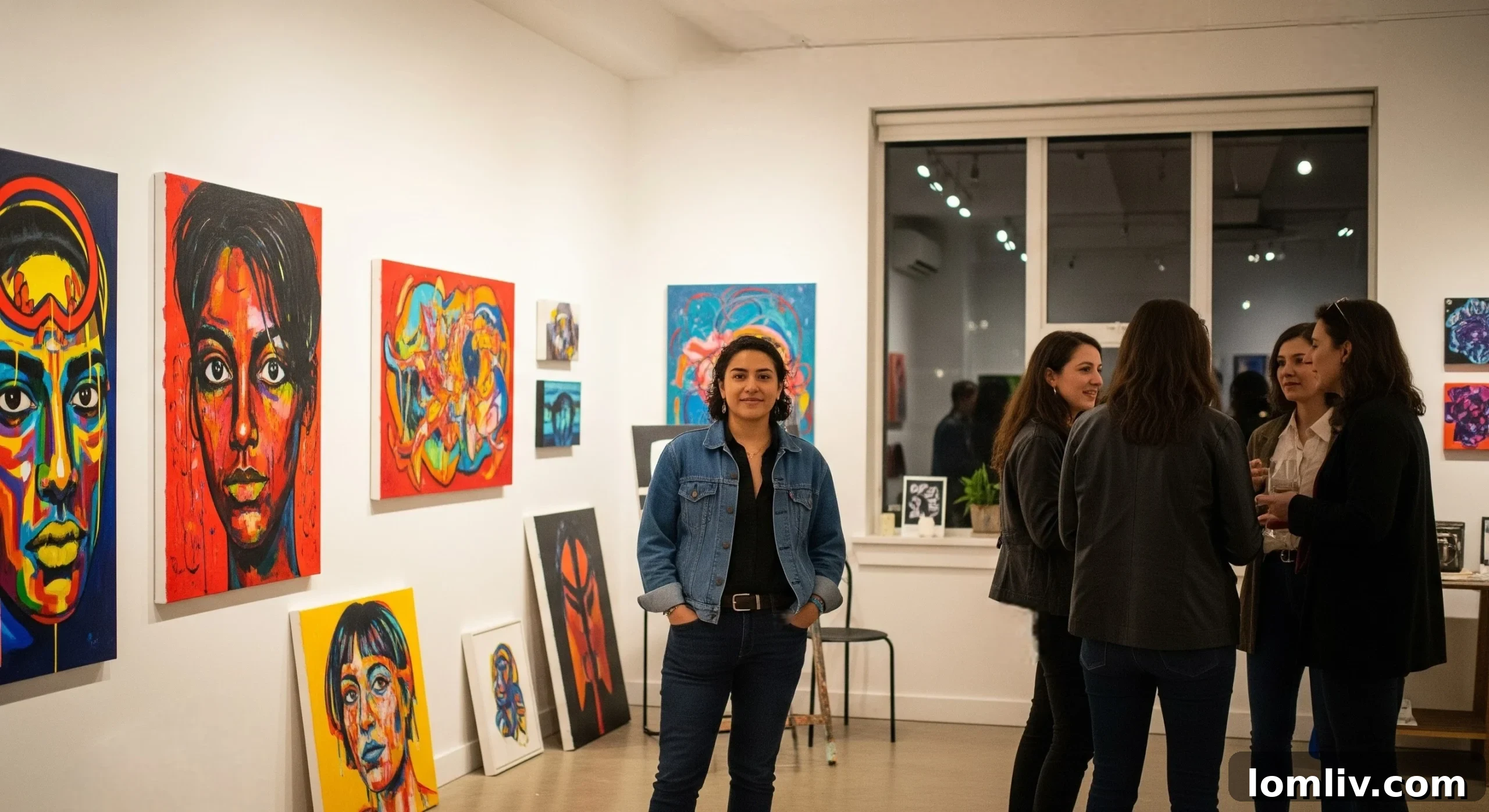
Every neighborhood possesses its own distinct character and rhythm, a tapestry woven from local businesses, artistic expressions, and community gatherings. Whether it’s the aroma of fresh pastries from a beloved corner bakery, the vibrant murals painted by a local artist, or the bustling energy of a weekend farmers’ market, these elements define the local lifestyle. By seamlessly integrating this unique neighborhood character into an open house, real estate professionals leverage the power of experiential marketing. This transforms the property from a mere transactional listing into a familiar, inviting space that feels deeply connected to its surroundings.
Envision stepping into a property viewing where a local artisan demonstrates their craft in the garden, while a neighborhood baker offers samples of freshly baked bread in the kitchen. Guests are not merely scrutinizing floor plans; they are engaging with the community, soaking in an authentic atmosphere, and experiencing a tangible slice of daily life. This immersive approach allows buyers to perceive the home not just as a structure, but as an integral part of a vibrant, welcoming community.
Such a rich experience leaves an indelible mark. Long after the flyers are discarded and the digital photos are forgotten, buyers will vividly recall the engaging conversation with a local artist, the comforting scent of artisan bread, or the unique sounds of the neighborhood. These authentic, sensory details make the property far more compelling and harder to dismiss from their minds. It’s about selling a lifestyle, a community, and a potential future, not just bricks and mortar. This strategy not only enhances the property’s appeal but also strengthens its perceived value by showcasing the rich amenities and cultural vibrancy of its location.
Musical Events: How Rhythm and Harmony Elevate Property Appeal
The typical open house is often characterized by an uncomfortable silence, punctuated only by echoing footsteps and hushed conversations. This sterile environment rarely encourages lingering or deep engagement, often leading buyers to depart quickly, having formed no significant connection with the space. The absence of an auditory backdrop means there’s little to anchor the experience in their memory.
Introducing music into this setting instantly transforms the ambiance. A soft piano melody drifting from the living room, an upbeat jazz trio performing in the backyard, or even a thoughtfully curated playlist that perfectly complements the home’s architectural style and decor can revolutionize the atmosphere. The space immediately feels more inviting, more alive. Guests are encouraged to stay longer, converse more freely, and experience the house not as a sterile product on display, but as a warm, functional environment where life naturally unfolds.
Music possesses a profound ability to shape memory and influence perception. While buyers might easily forget specific square footage or countertop materials, they are far more likely to remember the captivating sound of a saxophone filling the hallway or a cheerful song playing in the kitchen that brought a smile to their face. These auditory impressions, woven into the fabric of their visit, create a deeper emotional resonance than any statistical data ever could, making the property uniquely memorable.
The choice of musical style is crucial for enhancing specific moods and highlighting different aspects of a home. Elegant classical strings can evoke a sense of sophistication and grandeur, ideal for luxury properties. Warm acoustic guitar can foster a cozy, intimate atmosphere, perfect for family homes. Lively jazz can inject energy and encourage vibrant conversation, suited for entertainment spaces. It’s not about creating mere background noise; it’s about curating a sensory experience that allows prospective buyers to feel a genuine connection and imagine themselves thriving within that space. This deliberate use of music taps into subconscious desires and associations, making the property feel more like a personal aspiration than a general commodity.
Planning Event-Driven Property Marketing: A Strategic Blueprint for Success
The success of event-driven property marketing is rarely accidental; it is the result of meticulous planning and a deep understanding of both the property and its target audience. To truly make a lasting impression and achieve your selling goals, a clear, strategic plan tailored to the unique attributes of the home and the demographics of potential buyers is essential.
Know Your Buyers Inside Out
Understanding your target demographic is the cornerstone of any effective marketing strategy. A chic urban condo near a university campus will naturally attract a different type of buyer than a spacious family home in a tranquil retirement community. Tailor the event experience to resonate with those most likely to walk through the door. For instance, younger couples or professionals might appreciate an energetic local band or a modern art display, while an upscale audience might respond more favorably to a sophisticated string quartet, a curated wine tasting, or a gourmet cooking demonstration. Conduct thorough research into the lifestyle, interests, and income levels of your ideal buyer to ensure your event speaks directly to their aspirations.
Collaborate with Local Talent and Businesses
Partnering with local musicians, artists, chefs, or small businesses infuses your event with authenticity and community spirit. Not only do these collaborations bring unique talent and flavor to your open house, but they also tap into existing local networks, potentially drawing in guests who are already followers of the participating artists or vendors. This symbiotic relationship adds credibility to your event and makes it feel organic and deeply connected to the neighborhood, rather than a generic, staged presentation. It’s an excellent way to showcase the property’s integration within a thriving local ecosystem, highlighting the benefits of living in that particular area.
Strategic Timing is Everything
The timing of your event can significantly impact attendance and engagement. Weekend afternoons typically work best for families and those with flexible schedules, allowing for leisurely exploration. Evening events, perhaps a twilight viewing with cocktails, can be highly effective for attracting busy professionals after work hours. Consider seasonal elements as well: festive holiday carols and gingerbread tastings in December create a warm, inviting atmosphere, while outdoor acoustic sets or garden parties in the summer capitalize on pleasant weather and outdoor living spaces. Aligning the event time and theme with the target audience’s availability and the seasonal context maximizes appeal and attendance.
Master the Flow and Guest Experience
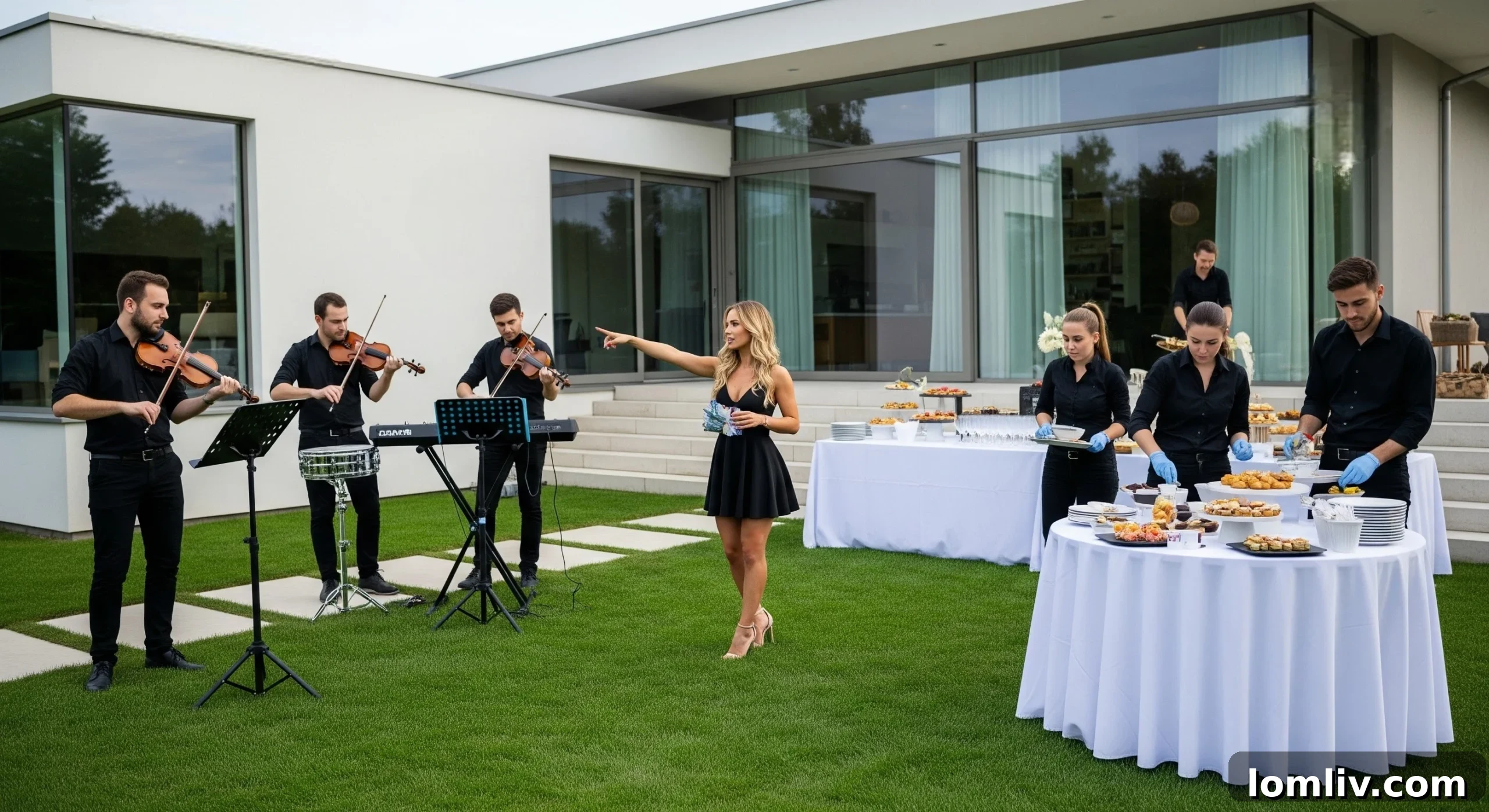
A truly successful event feels seamless, welcoming, and never chaotic. Meticulously plan the layout to ensure guests can move effortlessly from room to room, exploring the property without feeling rushed or crowded. Strategically place food and drink stations in areas that encourage natural conversation and lingering, such as a large kitchen island or an inviting patio. Ensure that any musical performances complement the space rather than overwhelm it, maintaining an inviting background ambiance. Prioritize guest comfort through adequate seating, clear pathways, and accessible amenities. The longer guests feel comfortable and engaged, the more time they have to genuinely imagine their lives unfolding within the home, turning a simple viewing into a potent visualization of their future.
Wrapping Up: The Future of Engaging Home Sales
Selling homes in the contemporary market is fundamentally about more than just reporting square footage, showcasing high-end countertops, or listing amenities. Today’s discerning buyers are seeking an experience, an emotional connection that allows them to envision a vibrant future within a property’s walls. This profound shift in buyer expectation is precisely why an increasing number of forward-thinking real estate agents are transforming their open houses into immersive, small-scale events, whether it’s through the enchanting notes of live music in the living room or the delightful flavors of a tasting table in the kitchen.
These impactful touches don’t need to be extravagant or overly complex. The simple presence of a talented local band, a selection of signature dishes from a beloved neighborhood restaurant, or a showcasing of art by a local artist can dramatically differentiate a routine property tour. These carefully curated additions encourage guests to stay longer, engage in more meaningful conversations, and ultimately walk away with vivid, positive memories of the house, preventing it from blending into the multitude of other properties they might have seen that week.
The overarching goal remains straightforward yet powerful: to help prospective buyers vividly imagine what life would truly feel like in that specific home. By integrating cultural and musical events into your real estate marketing strategy, you provide a sensory-rich narrative that makes that picture not just clearer, but profoundly more inviting and memorable. This innovative approach is not just a trend; it’s a strategic evolution in how properties are presented and ultimately, how they are successfully sold in a competitive market.