From the sprawling, oil-rich suburbs of Houston to the vibrant, booming tech epicenters of Austin, affluent Texans are increasingly casting their gaze beyond state lines. The pursuit of second homes has evolved from merely a lifestyle upgrade to a strategic investment play, with global destinations offering compelling returns and unique advantages. Among these, one city consistently emerges at exclusive realtor gatherings and private-bank discussions: Dubai. The emirate’s compelling combination of a tax-free regime, robust English-speaking services, and an iconic, futuristic skyline promises unparalleled diversification opportunities, far beyond traditional domestic ranches or Gulf Coast condos. This strategic pivot reflects a growing desire among Texas investors to explore international real estate markets that offer stability, growth, and distinct financial benefits.
The journey from Texas to Dubai has become remarkably accessible, largely thanks to direct Emirates flights operating regularly from both Dallas and Houston. What was once considered a distant land is now a manageable 14-hour overnight trip, making international property ownership a practical reality. Furthermore, Dubai’s property appreciation rates frequently outperform those of major U.S. cities, drawing in those seeking high-yield returns. This comprehensive guide delves into the compelling reasons why a significant flow of Texas capital is making its way eastward and how discerning buyers can effectively participate in the dynamic Dubai real estate market, ultimately helping investors diversify and fortify their portfolios against domestic market fluctuations.
Why Texan Investors Are Exploring International Real Estate

For decades, Texas real estate – encompassing vast ranchlands, sprawling suburban properties, and prime urban condos – consistently rewarded buyers with robust, often double-digit appreciation. However, 2023 served as a critical reminder that no market ascends indefinitely. Recent market trackers indicated a noticeable deceleration in growth, with a sharp drop in prices observed in Austin’s once-frenzied market and a flattening of sales within Dallas’s luxury segment. Simultaneously, coastal insurance premiums witnessed a dramatic surge following another particularly costly hurricane season, further squeezing potential rental yields and eroding investor confidence in certain regions. These domestic shifts compelled savvy investors to broaden their horizons, scanning international markets for a hedge that could still promise substantial growth and stability.
Dubai perfectly positions itself at the nexus of this global search, boasting a vast array of luxury properties in Dubai that cater to discerning tastes. The emirate’s financial incentives are undeniably attractive: it imposes zero income or capital gains taxes on real estate transactions, and its national currency, the UAE Dirham, is strategically pegged to the U.S. dollar, providing a layer of currency stability often sought by international investors. Foreigners are also granted full freehold ownership in dozens of desirable communities, a critical factor for long-term investment. Mortgage rates for U.S. citizens buying in Dubai typically hover around five percent, a figure often two points below many jumbo loan rates found in Houston, significantly improving leverage and overall investment viability. Moreover, impressive rental yields, frequently exceeding six percent in prime areas like Palm Jumeirah or Dubai Marina, significantly overshadow the more modest three-to-four percent typical in affluent Dallas neighborhoods like Preston Hollow, presenting a clear advantage for income-focused investors.
Beyond the compelling financial metrics, a multitude of lifestyle factors often tip the scales for Texans considering Dubai property investment. The convenience of daily direct Emirates flights from major Texas hubs streamlines the 14-hour journey, making overnight travel practical for property visits or extended stays. Furthermore, Dubai’s remarkably low crime rates, the availability of American-curriculum international schools, and year-round sunshine create an exceptionally appealing environment for families and entrepreneurs alike. The cosmopolitan atmosphere, coupled with world-class infrastructure and amenities, solidifies Dubai’s reputation as not just an investment hub, but a premier destination for a high-quality global lifestyle.
Inside Dubai’s Flourishing Luxury Property Landscape
The year 2024 has underscored Dubai’s remarkable resilience and growth in the luxury real estate sector. Residential prices across the emirate experienced an impressive 19 percent jump, with standalone villas showing even stronger performance, rising by 20.2 percent. This robust growth outpaced the 18.9 percent increase seen in apartments, highlighting a premium placed on larger, private residences. Prime districts such as the iconic Palm Jumeirah, the exclusive Emirates Hills, and the prestigious Jumeirah Bay consistently registered transactions exceeding $50 million, yet these ultra-luxury estates still offer significant value, often pricing below equivalent waterfront properties in highly competitive markets like Miami or Malibu. The ValuStrat Price Index, a key indicator of market health, further echoes this bullish trend, recording an overall 19.9 percent gain across the broader market, cementing investor confidence in Dubai’s appreciating assets.
Despite the surging demand for luxury properties, supply remains notably tight. As reported by Business Insider, projections indicate that only approximately 9,000 new luxury villas will be delivered this year. This figure significantly undershoots the burgeoning demand from a global elite clientele, creating a highly competitive market where prime assets are quickly absorbed. In response to this demand and to differentiate offerings, developers are increasingly collaborating with global luxury brands to create branded residences. Projects like Armani Beach Residences, Bugatti Residences, and Baccarat Tower not only offer exclusive living spaces but also integrate five-star hospitality services, a level of amenity and convenience that many Texans typically associate with ultra-luxury ranch resorts or high-end private clubs. These prime properties continue to command rental yields above six percent, a testament to the robust luxury rental demand driven by surging immigration from both European and Asian high-net-worth individuals, further solidifying Dubai’s position as a lucrative rental market.
Investor confidence in Dubai is substantially buttressed by its exemplary regulatory transparency and efficient acquisition process. The Dubai Land Department (DLD) utilizes a sophisticated blockchain-backed registry system, which significantly streamlines property transfers, often settling transactions in a matter of hours. Furthermore, stringent escrow requirements are in place, obliging builders to segregate buyer deposits from operational funds, thereby safeguarding purchasers’ investments. This meticulously structured system, deeply influenced by principles of English contract law, provides a familiar and secure acquisition process for U.S. attorneys and investors, ensuring clarity and mitigating risks in cross-border transactions.
Comparing Dubai And Texas Prime Real Estate Markets
While price parity offers a partial view, the underlying structure of returns and associated costs in Dubai and Texas prime markets diverges significantly. A waterfront villa in Palm Jumeirah, for instance, averages around $1,640 per square foot, offering exceptional value. In stark contrast, a comparable-scale property on Austin’s highly sought-after Lake Travis can regularly exceed $2,000 per square foot. Yet, Dubai consistently outperforms Austin in terms of annual appreciation, boasting a remarkable 19 percent growth last year, compared to Austin’s recorded decline. This means buyers in Dubai not only acquire more space at a lower initial basis but also benefit from significantly faster capital growth, optimizing their investment potential.
Carrying costs represent another critical area of sharp contrast. Texas imposes substantial annual property tax rates, often exceeding 1.6 percent of the assessed value, in addition to ever-escalating insurance premiums, particularly in coastal and high-risk areas. Dubai, by design, levies no annual property tax on real estate. Instead, basic maintenance and community services are bundled into service-charge schedules, which average a highly competitive $3 per square foot for apartment towers. Over a decade-long holding period, this differential in carrying costs alone can translate into a six-figure saving on a $3 million asset, making Dubai a far more cost-effective long-term investment.
Both markets offer robust liquidity, though through distinct mechanisms. Dubai’s efficient transfer system allows transactions to complete in mere days, while the average time-on-market for prime luxury homes typically runs about 45 days, compared with approximately 70 days in Dallas’s top ZIP codes. Furthermore, Dubai’s progressive short-term rental regulations, including accessible 30-day holiday-home licenses, provide Texans with the flexibility to legally monetize occupancy gaps, generating additional income. This option is frequently restricted or entirely prohibited by many Homeowners Associations (HOAs) across Texas, offering Dubai investors a distinct advantage in maximizing their property’s earning potential.
From Houston To The Palm: A Step-by-step Buying Roadmap for Dubai Property
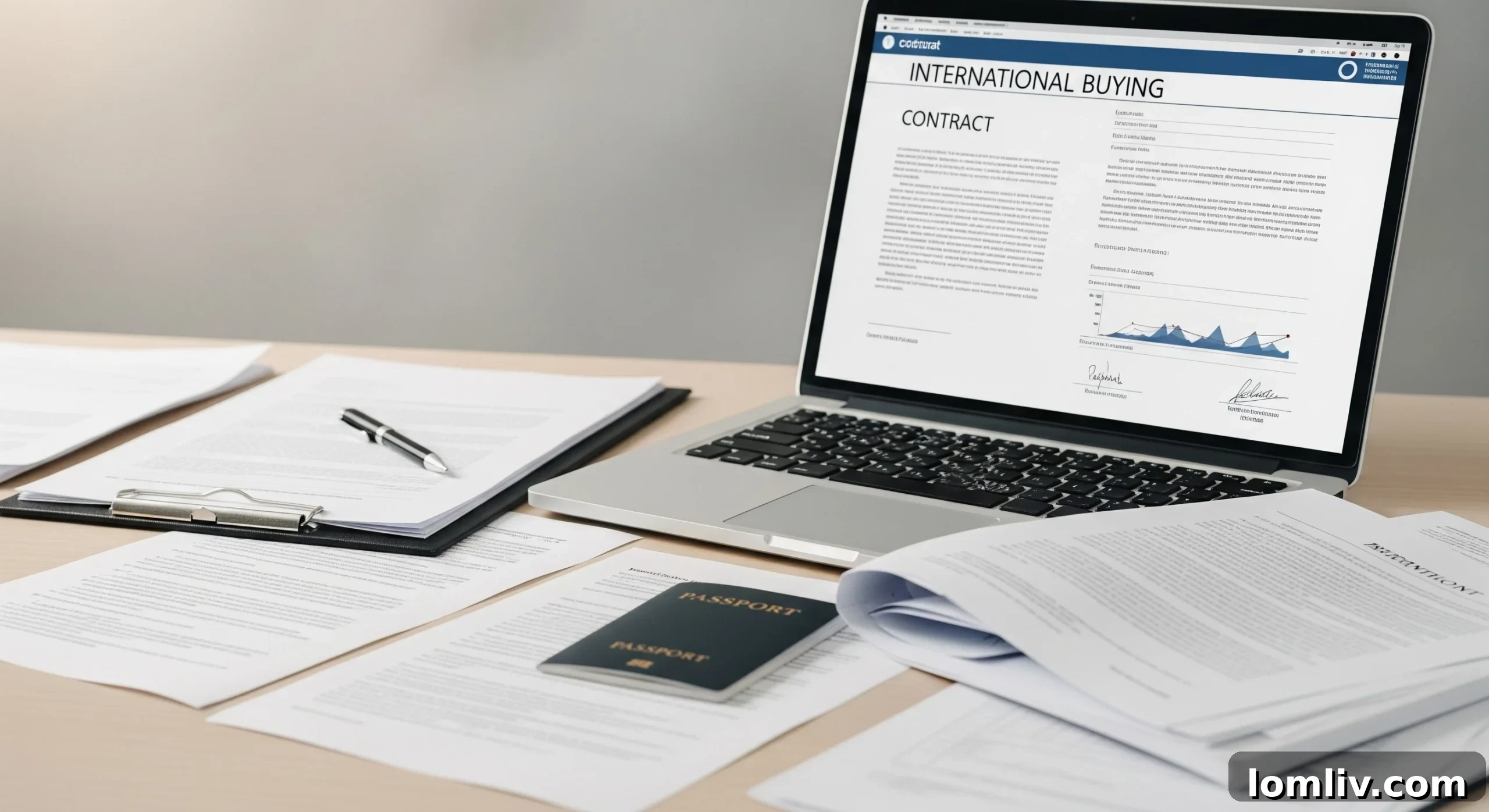
Embarking on a cross-border real estate investment requires meticulous planning and a specialized team. The initial step for any Texan investor is to **assemble a competent cross-border team**. This involves collaborating closely with your trusted Texas-based wealth advisor, who understands your financial goals, and engaging a RERA-licensed Dubai broker. A reputable Dubai broker is crucial for expertly sourcing suitable listings, navigating the local market nuances, and drafting the initial memorandum of understanding (MOU) to secure a property.
The next vital stage is to **secure financing**. Leading international banks with a strong presence in the UAE, such as HSBC, Standard Chartered, and Mashreq, are well-versed in assisting U.S. buyers. They typically pre-approve American clients for 50–60 percent loan-to-value (LTV) ratios, often offering attractive five-year fixed rates near five percent, making the financing process transparent and competitive.
- Reserve the unit. Once a suitable property is identified, a standard two-percent escrow deposit is required. This deposit holds the property exclusively for you while your legal team completes thorough due diligence, ensuring all aspects of the transaction are sound.
- Verify title digitally. Dubai’s advanced digital infrastructure simplifies due diligence. The DubaiRest app allows investors to instantly confirm property ownership and ascertain any existing developer liens or encumbrances within minutes, offering unparalleled transparency.
- Execute contracts. The formal signing of contracts takes place at a government typing center. For U.S. citizens, a valid passport typically suffices in lieu of a driver’s license for identification purposes, streamlining the legal formalities.
- Transfer funds. Financial transactions between UAE and U.S. banks are highly regulated and adhere to FATF-compliant wire transfer protocols. To ensure smooth clearance and compliance with international anti-money laundering regulations, investors will typically need to provide official source-of-funds letters.
- Collect keys and register utilities. Upon successful transfer, the Ejari system, Dubai’s official tenancy contract registration platform, instantly issues tenancy paperwork. This digital process enables immediate occupancy or facilitates the prompt acquisition of necessary short-term rental licensing, maximizing your property’s utility.
- Set up a management plan. For those aiming to maximize rental income, engaging reputable holiday-home management firms is highly recommended. These professional services typically charge around 20 percent of the gross rental income to handle comprehensive marketing, routine maintenance, and meticulous guest screening. This comprehensive service is often more cost-effective and efficient than many comparable property management packages available in Texas.
Adhering to these meticulously outlined stages ensures a highly efficient acquisition process. Most closings in Dubai complete within a remarkable thirty days, a timeline that frequently surprises and impresses stateside investors accustomed to lengthier domestic procedures, highlighting Dubai’s streamlined and investor-friendly approach.
Mitigating Risks And Ensuring Compliance for Dubai Property Investments
Every cross-border property acquisition inherently involves additional complexities and considerations. While currency risk is significantly muted by the UAE Dirham’s steadfast peg to the U.S. dollar, interest-rate spreads can still fluctuate. Therefore, it is prudent for investors to consider forward-fixing mortgages or maintaining ample cash reserves to mitigate potential interest rate volatility. Title fraud cases in Dubai are exceptionally rare due to the robust regulatory framework; however, even seasoned Texas buyers should diligently verify seller credentials through the Dubai Land Department’s official “Oqood” portal and insist on using escrow accounts tied to government-approved trustees to safeguard their investment further.
Inheritance planning requires specific attention due to Sharia-compliant laws. Unless buyers proactively register a DIFC Will – a specialized legal instrument costing approximately $3,000 – local Sharia law could potentially supersede U.S. estate plans, affecting the distribution of assets. Insurance also presents a unique wrinkle; while Dubai’s exposure to major natural disasters like earthquakes and hurricanes is minimal, building cover remains mandatory and typically costs about 0.3 percent of the property’s value annually. Texans must also budget for a four-percent transfer fee and annual service charges. Crucially, both of these expenses are deductible against rental income when filing U.S. taxes under IRS Form 1116, providing a significant tax advantage.
The broader economic stability of the UAE also warrants careful consideration. The nation proudly maintains an AA-rated sovereign credit, backed by robust oil reserves and a diversified economy. Furthermore, the UAE has solidified its financial relationship with the United States by signing a comprehensive double-taxation treaty, preventing investors from being taxed twice on the same income. These fundamental factors collectively reduce investment risk. Nevertheless, prudent investors should continuously monitor global energy demand and the evolving geopolitical landscape of the Middle East, adjusting their exposure and investment strategy as conditions evolve to ensure long-term security and growth.
Seizing Strategic Opportunities in Dubai Real Estate
As Dubai continues to assert its position on the global stage, preparing to host follow-up events to major conferences like COP28 and actively expanding its Golden Visa incentives for investors, long-term residency is becoming increasingly accessible and attractive for foreign property owners. These initiatives are designed to foster sustained economic growth and encourage foreign investment, creating a more welcoming environment for international buyers seeking a permanent foothold in the region.
For Texan buyers exploring these dynamic avenues, investing in Dubai can unlock far more than just impressive investment returns. It also opens doors to unparalleled regional business opportunities across the vibrant Gulf Cooperation Council (GCC) countries and beyond, leveraging Dubai’s strategic location as a global trade and logistics hub. With ongoing geopolitical shifts subtly nudging capital eastward, Dubai is emerging not merely as an appealing real estate play but as a strategic lifestyle pivot, offering a gateway to global influence, exceptional quality of life, and robust financial security for the discerning international investor.