
Real estate investing offers a powerful path to wealth creation, but its true potential is realized not just through careful acquisition, but through diligent, professional management. While initial considerations often revolve around the purchase price and projected rental income, the long-term success and profitability of any investment property heavily depend on its operational efficiency. An experienced property manager serves as the cornerstone of this success, meticulously organizing day-to-day operations, fostering positive tenant relationships, and maintaining the property in peak condition. This proactive approach not only safeguards your investment but also empowers owners to anticipate challenges, mitigate risks, and ultimately avoid costly problems that can erode returns over time.
When critical tasks such as proactive maintenance scheduling, consistent rent collection, and rigorous compliance checks are handled with expertise, investors enjoy the dual benefits of stable income streams and significantly fewer unwelcome surprises. A property that is professionally managed and well-maintained not only retains its market value but often appreciates more effectively, operating with remarkable smoothness and efficiency. This invaluable partnership grants property owners the freedom and peace of mind to focus on broader strategic investment goals, confident in the knowledge that their asset is being managed responsibly, profitably, and in full adherence to best practices.
Unlocking Value Through Expert Property Management Services

Professional supervision profoundly impacts the performance and longevity of a rental property. Expert property managers in Dayton, for example, understand that robust management is the most effective way to protect rental income and ensure the property remains in excellent condition. Their comprehensive approach involves vigilant financial oversight, continuous engagement with tenants, and ensuring that essential repairs and routine upkeep are never overlooked. This holistic management style transforms a mere property into a consistently performing asset.
- Strategic Financial Planning and Management: Beyond simply tracking income and expenses, professional property managers provide sophisticated financial planning. This includes conducting regular rental market analyses to optimize pricing, managing cash flow effectively, preparing detailed financial statements (such as profit & loss reports), and assisting with budget forecasting. This meticulous oversight keeps owners fully informed about their property’s financial health, helping them make data-driven decisions to maximize profitability and investment growth.
- Seamless Tenant Coordination and Relations: Effective tenant coordination is paramount for long-term occupancy and minimizing vacancies. Managers handle the entire tenant lifecycle, from initial inquiries and showings to lease execution, move-in procedures, and eventual move-out inspections. They serve as the primary point of contact, managing all communications, addressing concerns promptly, and mediating any potential disputes, thereby fostering a positive and enduring landlord-tenant relationship that encourages lease renewals.
- Proactive Property Maintenance and Capital Planning: Protecting the physical integrity of your investment is crucial. Professional property management involves a proactive maintenance schedule that includes regular inspections, preventative maintenance (e.g., HVAC servicing, gutter cleaning), and swift responses to repair requests. They establish relationships with trusted vendors, negotiate competitive rates, and oversee all work to ensure quality. Furthermore, they can help plan for larger capital expenditures, ensuring the property’s value is preserved and enhanced over time.
- Rigorous Compliance Monitoring and Risk Mitigation: The regulatory landscape for rental properties is complex and constantly evolving, encompassing local, state, and federal laws, including Fair Housing regulations, landlord-tenant laws, and safety codes. Property managers are diligent in monitoring these standards, ensuring all management practices, from lease agreements to eviction procedures, are fully compliant. This expert navigation of legal requirements significantly reduces operational risks, protects owners from potential liabilities, and ensures a legally sound investment.
- Comprehensive Performance Tracking and Reporting: Informed decision-making relies on accurate data. Property managers meticulously track key performance indicators such as occupancy rates, rent collection efficiency, maintenance costs, and overall financial performance. They compile this data into regular, easy-to-understand reports, providing owners with clear insights into their property’s performance against market benchmarks. This analytical approach supports strategic planning and helps identify areas for improvement, directly contributing to the investment’s sustained success.
The Foundation of Profitability: Superior Tenant Screening and Retention Strategies
One of the most critical aspects of successful rental property management is securing and retaining high-quality tenants. A thorough and consistent approach to tenant screening and retention directly impacts an investor’s income stability, property condition, and overall peace of mind.
- A careful and comprehensive tenant screening process is the first line of defense, designed to identify prospective tenants who are financially responsible, reliable, and committed to maintaining the property. This typically involves rigorous background checks, credit evaluations, employment verification, and detailed rental history inquiries. By vetting candidates diligently, managers significantly increase the likelihood of placing tenants who will pay rent on time, adhere to lease terms, and treat the property with respect, thereby safeguarding your valuable asset.
- Clear and consistent communication from the outset is essential for establishing realistic expectations and fostering a harmonious landlord-tenant relationship. Professional managers ensure all terms, conditions, and property rules are communicated effectively during the application and leasing phases. This transparency minimizes misunderstandings, builds trust, and lays the groundwork for a smoother, more manageable tenancy.
- Precise and legally sound lease terms are critical for preventing ambiguity and reducing the potential for avoidable disputes. Expert property managers draft comprehensive lease agreements that clearly outline responsibilities, payment schedules, maintenance protocols, and rules of occupancy, all in compliance with local and state laws. A well-defined lease acts as a protective shield, providing clear guidance for both parties and a legal framework should issues arise.
- Prompt and attentive responses to tenant concerns are vital for enhancing the living experience and significantly encouraging lease renewals. Whether it’s a maintenance request, a question about the lease, or a neighborhood inquiry, quick and professional communication demonstrates care and respect. This responsiveness not only improves tenant satisfaction but also cultivates loyalty, reducing turnover rates and the associated costs of re-tenanting.
- Fair and consistent rental procedures across all aspects of property management create a predictable and reliable income stream for property owners. From application processing and rent collection policies to maintenance responses and lease enforcement, applying consistent standards ensures equity and builds a reputation for professional management. This consistency attracts and retains desirable tenants, contributing directly to the long-term financial stability and success of your rental property portfolio.
Preserving and Enhancing Asset Value Through Proactive Maintenance
Regular, proactive maintenance is fundamentally important for limiting natural wear and tear and drastically reducing the probability of expensive, unexpected repairs down the line. Professional property management teams are adept at implementing robust maintenance schedules, which include routine inspections of the property’s major systems – plumbing, electrical, HVAC, and structural components. They actively monitor for potential issues, addressing minor repair needs promptly and efficiently before they escalate into more significant and costly problems. Catching small defects early, such as a leaky faucet or a minor roof issue, prevents them from becoming major headaches, saving investors substantial repair bills and avoiding extended periods of property disruption.
Real estate investors directly benefit from this diligent approach because consistent upkeep not only preserves the aesthetic appeal and functional integrity of the property but also significantly enhances its overall condition and market value. Properties that are visibly well-cared for are inherently more appealing to high-quality, responsible tenants, which in turn helps reduce tenant turnover and minimize vacancy periods. Over time, this strategic approach to maintenance is a critical factor in protecting the asset’s long-term value, strengthening its position in the market, and making operational expenses more predictable and manageable for the owner.
Transparent Financial Tracking and Insightful Reporting for Investors
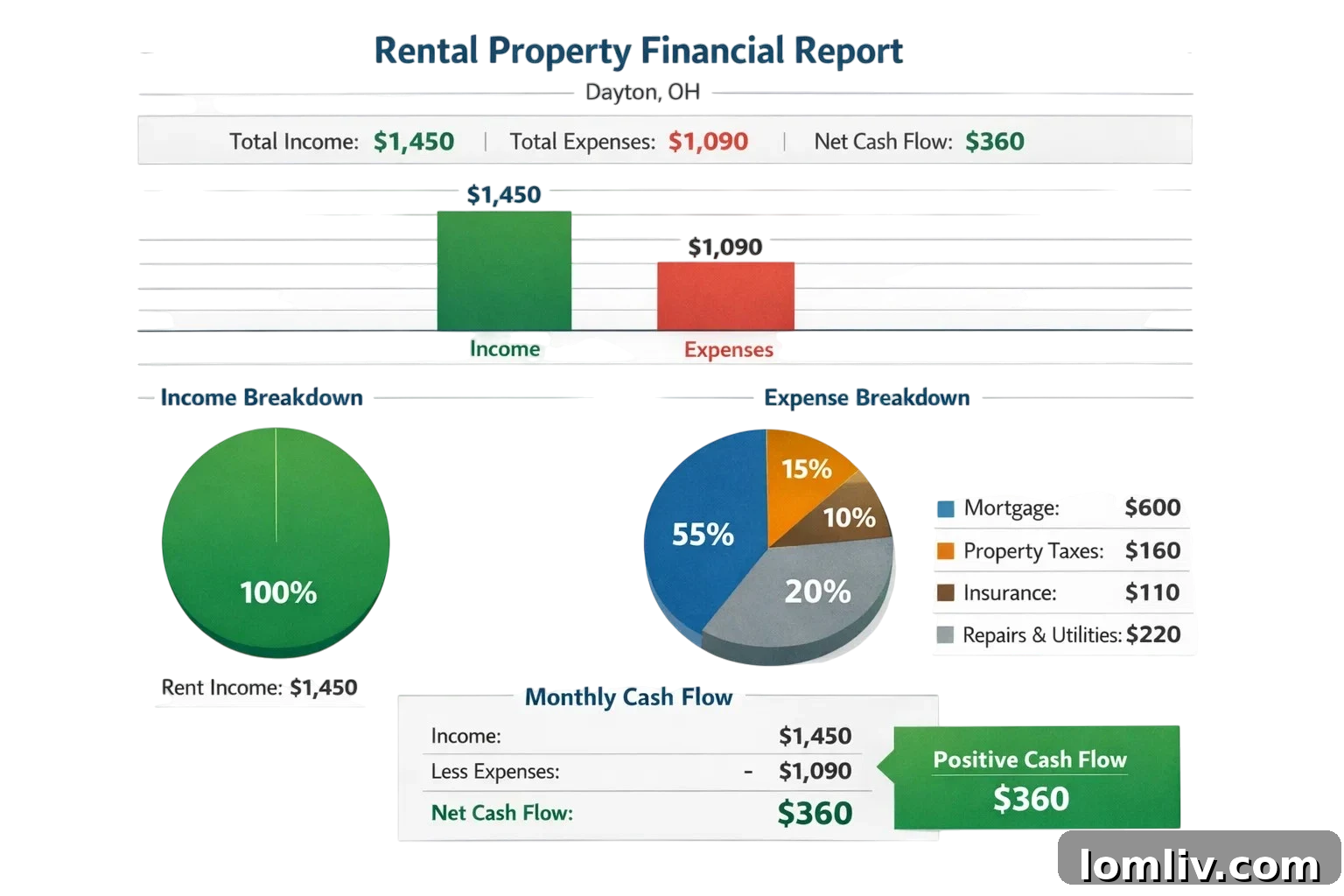
One of the most invaluable services property managers provide is the implementation of meticulous financial tracking and reporting systems. Organized income tracking transforms rent collection from a variable chore into a clear, predictable, and fully accountable process. This system ensures that all rent payments, late fees, and other income streams are recorded accurately and transparently, giving owners a precise snapshot of their revenue at any given moment.
In parallel, detailed expense records offer property owners an unparalleled clarity regarding where their money is being allocated. Every utility bill, maintenance cost, management fee, and capital expenditure is categorized and documented, providing a comprehensive overview of operational costs. This level of detail is crucial for budgeting, tax preparation, and identifying areas where costs might be optimized. Furthermore, scheduled financial reporting provides regular, digestible insights into the property’s overall performance, cash flow patterns, and profitability trends, allowing investors to stay informed without being burdened by day-to-day accounting tasks.
Beyond historical tracking, robust budget planning, facilitated by property managers, proactively prepares investors for future maintenance needs, regular operating expenses, and potential capital improvements. This foresight ensures that sufficient reserves are in place and that the investment remains financially resilient. Critically, good financial reporting also empowers owners to swiftly spot and address potential issues such as rising vacancy rates, consistent missed rent payments, or an unexpected surge in repair costs. Early detection of these trends allows for timely intervention, protecting the investment’s financial health and ensuring sustained profitability.
Navigating Regulatory Complexities and Minimizing Investment Risk
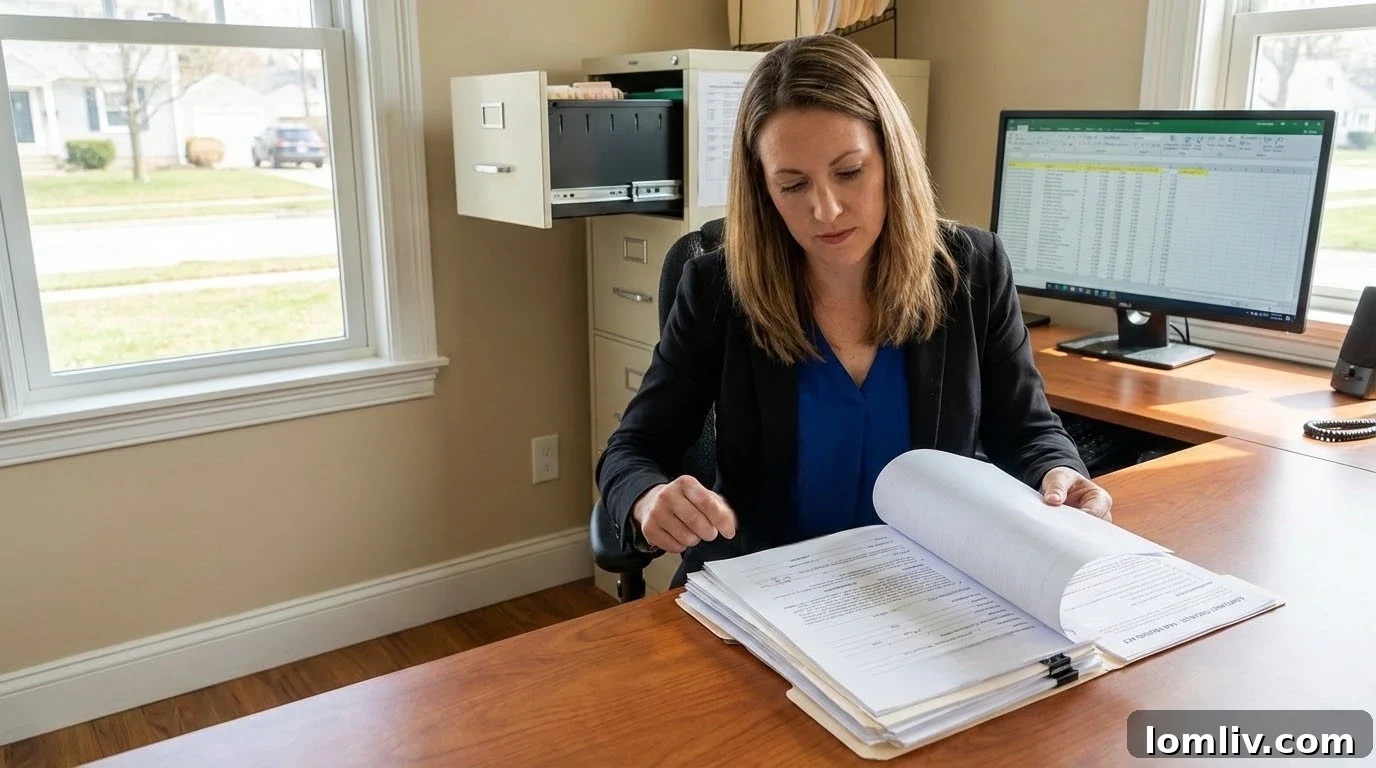
Owning rental property in today’s environment comes with a complex web of legal and administrative responsibilities. These obligations range from meticulously crafted lease agreements and comprehensive record-keeping to adhering to a multitude of operating requirements dictated by local, state, and federal laws. This ever-evolving legal landscape, which includes everything from Fair Housing regulations to specific landlord-tenant statutes, can be daunting for individual investors.
This is where experienced property managers become indispensable. They are not only current on all changes that affect rental properties but actively ensure that all management practices scrupulously follow the rules. This includes proper documentation of all interactions and transactions, establishing clear and legally compliant policies, and maintaining effective communication to prevent misunderstandings. By meticulously handling these intricate details, property managers provide a crucial layer of protection for both property owners and their tenants, significantly reducing legal exposure.
Moreover, good management practices inherently reduce the chances of disputes, costly delays, or avoidable legal issues such as wrongful eviction claims or discrimination lawsuits. When compliance is handled with expertise and diligence, property managers are effectively creating a more stable, secure, and legally sound environment. This stability benefits not only the financial investment itself by mitigating risks but also fosters a more positive and respectful living environment for the residents, ultimately enhancing the property’s reputation and desirability in the market.
Fostering Strong Relationships Through Effective Communication
Effective and consistent communication forms the backbone of successful property management, bridging the gap between owners, managers, and tenants. It ensures transparency, builds trust, and keeps all parties informed and aligned.
- Regular, comprehensive updates provide property owners with a clear and concise understanding of how their investment property is performing. These reports typically cover financial summaries, occupancy status, maintenance activities, and any significant tenant interactions. This consistent flow of information allows owners to remain informed without needing to be involved in the day-to-day minutiae.
- Timely communication keeps investors abreast of critical developments such as impending repairs, significant tenant concerns, or emerging financial trends. Prompt notification about crucial events or changes allows owners to make informed decisions quickly, ensuring the property’s smooth operation and protecting its value.
- Establishing clear communication channels is essential for reducing confusion and ensuring efficient interactions between tenants and property managers. By defining how tenants can submit maintenance requests, ask questions, or voice concerns (e.g., through an online portal, dedicated phone line, or email), managers streamline processes and ensure no inquiry goes unaddressed, leading to higher tenant satisfaction.
- Professional handling of complaints or conflicts is a hallmark of expert property management. Managers are trained to mediate disputes fairly, address grievances promptly, and resolve issues effectively, whether between tenants or between a tenant and the property. This professional approach minimizes disruption, prevents escalation, and keeps the property environment harmonious and productive.
- Good coordination and open dialogue make it significantly easier to maintain productive relationships over time. This includes proactive check-ins, transparent discussion of challenges, and mutual respect among all stakeholders. A well-managed communication strategy fosters a sense of partnership and shared goals, contributing to the long-term success and stability of the rental property.
Securing Your Future: Long-Term Growth and Maximized Returns for Real Estate Investors
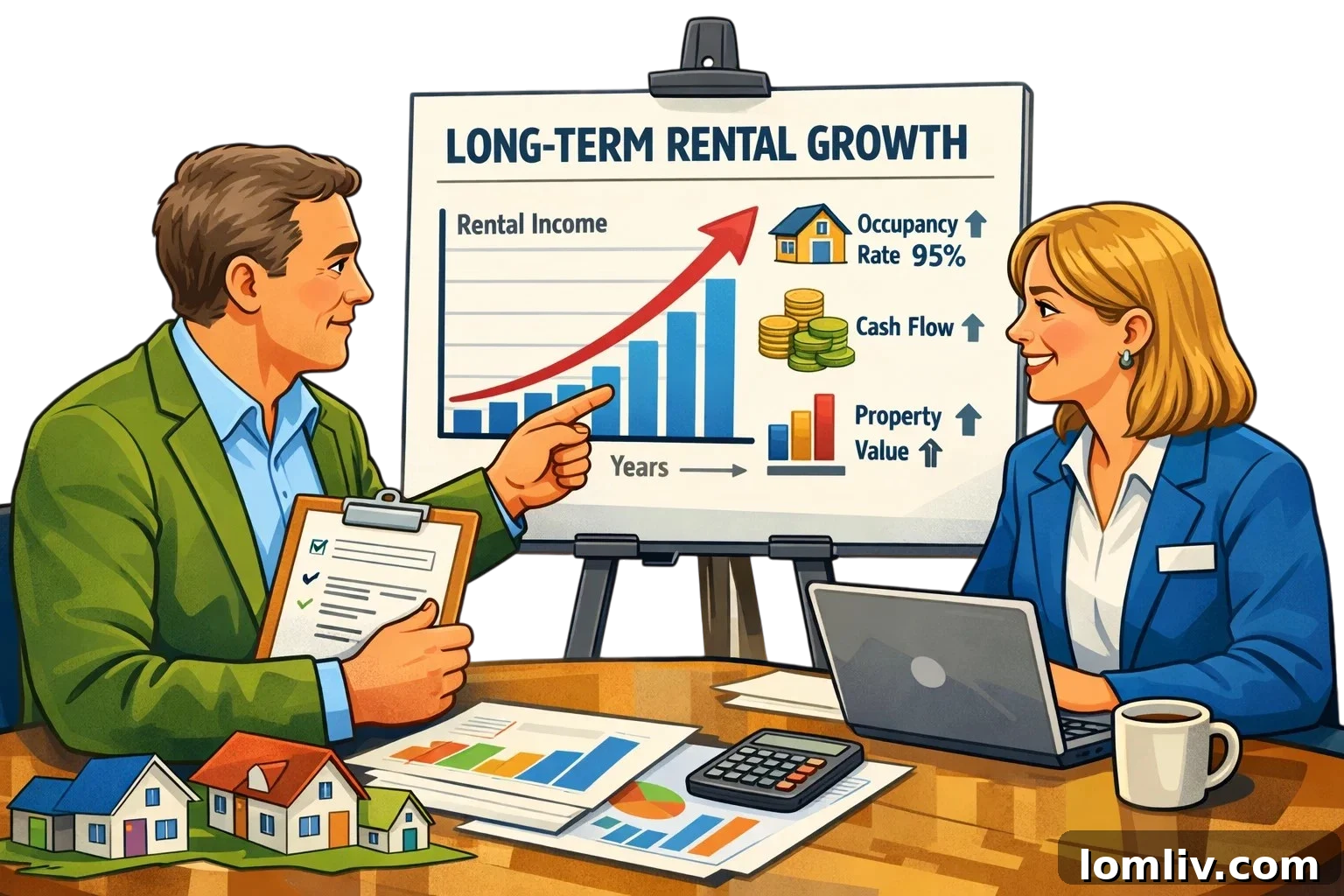
Strategic, planned property management provides a robust foundation for keeping a rental property on solid financial footing. This is achieved through a multi-faceted approach encompassing meticulous financial oversight, diligent tenant coordination and retention, and consistently timely and proactive maintenance. Professional management is not merely an operational necessity; it’s a strategic investment that actively protects the physical building, minimizes unnecessary problems, and ensures that rental income streams remain consistent and optimized.
Moreover, established and reputable property management teams significantly alleviate the immense pressure and time commitment often associated with property ownership. By taking on the demanding day-to-day work required to keep a property running efficiently and profitably, they free up investors’ valuable time and energy. This allows owners to truly enjoy the benefits of passive income and focus on expanding their investment portfolios or pursuing other personal and professional endeavors.
Investors ultimately reap substantial benefits from a comprehensive suite of services, including regular and transparent financial reporting, robust tenant screening processes that secure responsible occupants, and active maintenance programs that diligently protect and enhance asset value over the long haul. For property owners seeking greater stability, enhanced profitability, and stronger long-term results, partnering with experienced property managers in Dayton who possess the expertise and dedication to keep a rental property running exceptionally well is an unequivocally smart and strategic decision.
Frequently Asked Questions About Property Management
What comprehensive services do professional property managers offer real estate investors?
Professional property managers provide a wide array of services designed to maximize investment returns and minimize owner involvement. These include, but are not limited to, expert rent collection, proactive tenant communication and conflict resolution, meticulous coordination of all maintenance and repairs, thorough handling of all necessary paperwork and lease agreements, and diligent upkeep of the property’s physical condition. Their overarching goal is to protect the long-term value and profitability of your real estate investment.
How does professional property management significantly impact an investment’s returns?
Good property management directly enhances investment returns by implementing strategies that reduce avoidable costs, such as minimizing vacancy periods and preventing expensive emergency repairs through proactive maintenance. Furthermore, it focuses on keeping high-quality tenants longer through excellent service and communication, which reduces turnover expenses. This holistic approach leads to more consistent rental income, improved cash flow, and ultimately, a stronger overall return on investment for the property owner.
Why is thorough tenant screening so critical for rental property owners?
Careful tenant screening is paramount because it is the most effective way to place tenants who are financially reliable and responsible. A robust screening process, involving background checks, credit evaluations, and rental history verification, helps owners identify individuals who are more likely to pay rent on time, meticulously follow the terms of the lease agreement, and take excellent care of the property. This proactive measure significantly reduces risks associated with damages, evictions, and income loss.
How do property managers contribute to protecting a property’s value over time?
Property managers protect an investment property’s value through a diligent and proactive approach to maintenance and oversight. This includes conducting regular inspections to identify potential issues early, implementing preventative maintenance schedules for critical systems, and ensuring timely repairs are carried out by qualified professionals. By addressing small problems before they escalate, they maintain the property’s condition, extend the lifespan of its components, enhance its appeal, and ultimately safeguard its market value against depreciation.
Why is comprehensive financial reporting considered so important in property management?
Comprehensive and frequent financial reporting is crucial because it offers property owners unparalleled transparency and clarity regarding their investment’s performance. These reports, typically including income and expense statements, cash flow summaries, and occupancy data, help owners fully understand their property’s profitability, identify spending patterns, and pinpoint areas for optimization. This detailed financial insight empowers owners to make informed strategic decisions, simplifies tax preparation, and provides peace of mind that their investment is being managed effectively.