By ML Interiors Group
Unveiling the Enduring Charm: Zigzag Patterns in Interior Design
In the dynamic world of interior design, certain motifs possess an inherent power to captivate, energize, and define a space. Among these, the zigzag pattern stands out as a true design classic, continually re-emerging with fresh appeal across various styles and applications. Far from a fleeting trend, the enduring popularity of zigzag patterns speaks to their remarkable versatility and the unique visual rhythm they bring to any environment. Whether you’re seeking to infuse a room with modern sophistication, bohemian warmth, or timeless elegance, a zigzag pattern offers a compelling solution for enriching your home decor.
For centuries, these distinctive patterns have graced everything from ancient textiles to contemporary architecture, proving their capacity to transcend eras and cultures. Their inherent geometric precision, combined with a sense of fluid motion, makes them incredibly engaging for the eye, creating a visual narrative that adds depth and character. This article delves into the fascinating world of zigzag patterns in interior design, exploring the three most prominent variations – Flamestitch, Chevron, and Herringbone – and providing expert insights from ML Interiors Group on how to seamlessly integrate them into your home, ensuring a harmonious and visually stunning result that truly reflects your personal style.
The Three Iconic Zigzag Patterns Redefining Modern Interiors
Zigzag patterns are not a monolith; they encompass a spectrum of designs, each with its own distinct character, history, and aesthetic impact. Understanding the nuances between these patterns is key to leveraging their full potential in interior decoration. While all share the fundamental characteristic of a repeating angular or V-shaped motif, their construction and overall feel differ significantly, allowing for diverse applications across various design sensibilities. Let’s explore these captivating patterns in detail and discover how each can contribute a unique narrative and visual interest to your living spaces.
Flamestitch Zigzag: A Tapestry of Warmth and History
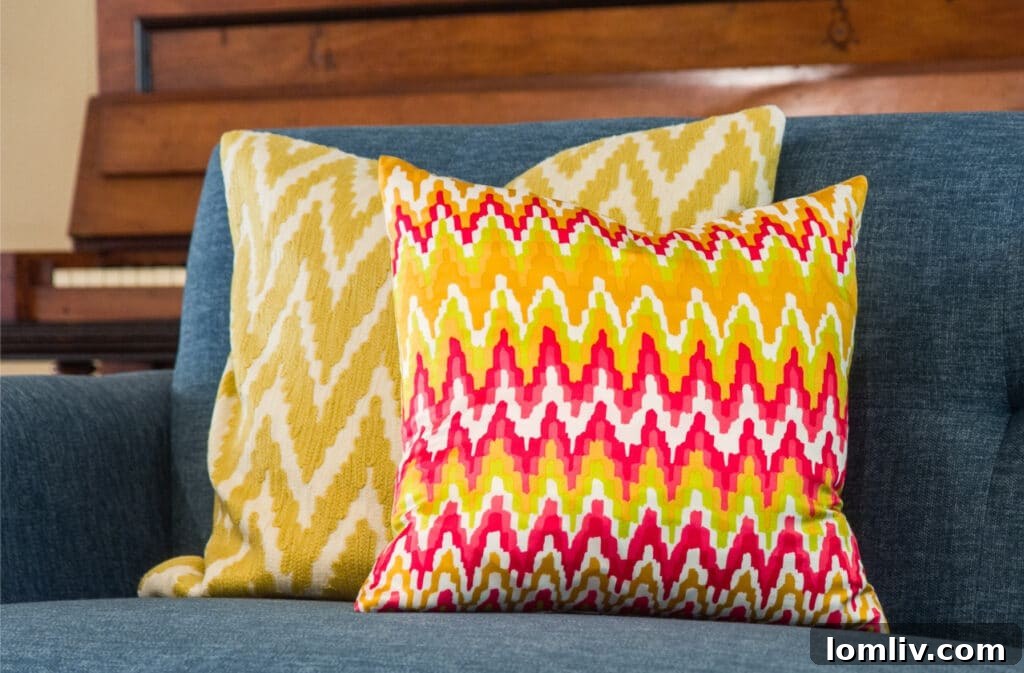
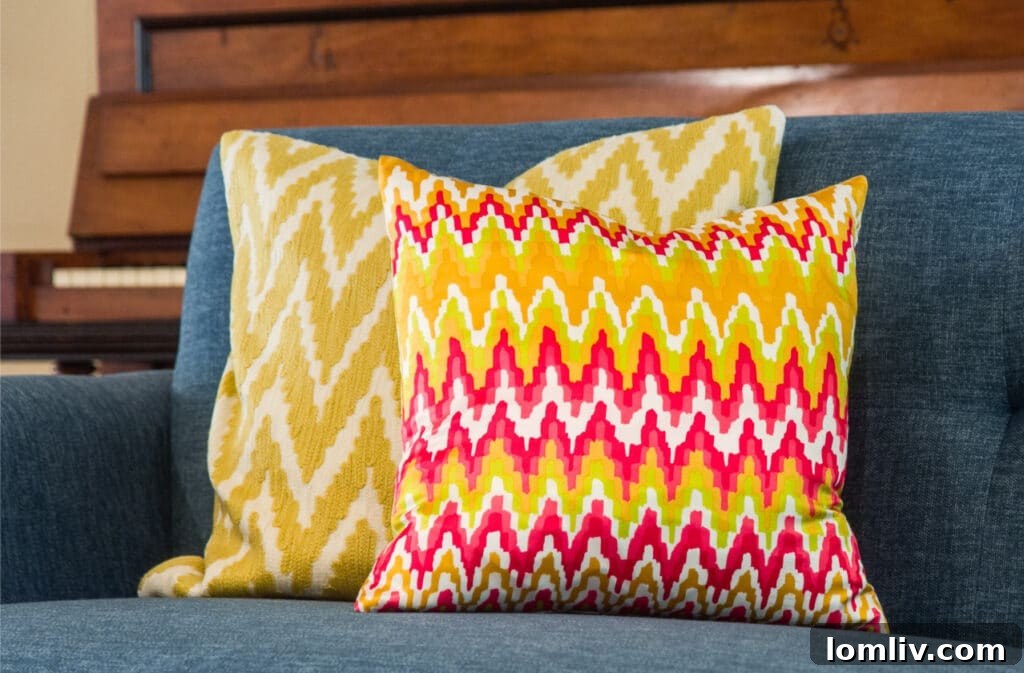
The flame stitch zigzag pattern, often recognized by its alternative name, bargello, is a captivating and intricate design that visually evokes the mesmerizing dance of flickering flames. This unique pattern is traditionally crafted through a series of diagonal stitches, typically in wool or other rich fibers, which are meticulously repeated in contrasting or gradient colors to produce a vibrant, undulating, and deeply textured effect. Its rich, tactile quality makes it immediately striking, drawing the eye with its dynamic flow and sophisticated depth, offering a handmade charm that is hard to replicate.
With origins tracing back to the Italian Renaissance, particularly to 17th-century Florence, the bargello technique was highly prized in aristocratic homes for its use in opulent upholstery, luxurious cushions, and decorative wall panels. It reflects a heritage of skilled needlework and an appreciation for elaborate, woven textures that conveyed status and artistry. While deeply rooted in historical craft, the flamestitch pattern continues to find a revered place in contemporary design, admired for its intricate beauty and its ability to infuse spaces with a sense of curated luxury, artisanal charm, and a touch of vintage flair.
Flamestitch patterns are incredibly versatile and can be found across various applications within interior design. They are commonly seen in sumptuous upholstery fabrics for accent armchairs and sofas, instantly adding a dramatic and cozy focal point. They also adorn exquisite throw pillows, intricate window treatments, and bespoke wall coverings, bringing warmth and a rich textural layer to walls, transforming them into works of art. Beyond textiles, designers sometimes reinterpret the flame stitch in mosaic tiles, painted murals, or even carved wood panels, transforming its woven essence into other mediums for unique architectural details.
When incorporated into a space, this pattern imparts a distinct sense of warmth, energy, and an inviting atmosphere. It’s an exceptional choice for bohemian and eclectic design styles, where its vibrant colors, fluid movement, and handcrafted feel align perfectly with a layered, globally-inspired aesthetic. However, flamestitch can also introduce unexpected depth and character to more traditional or transitional settings, acting as a sophisticated counterpoint to simpler elements, or providing a touch of authentic vintage charm to a modern room that seeks a narrative. Its inherent visual movement can create an illusion of coziness and envelopment, making it ideal for studies, reading nooks, or intimate seating areas where comfort and visual interest are paramount.
The Chevron Zigzag Pattern: Modernity in Motion
Perhaps the most universally recognized and widely embraced zigzag pattern in interior design is the chevron. Characterized by its continuous, symmetrical V-shaped design, the chevron pattern creates an undeniable sense of movement, direction, and contemporary flair. Its clean lines and bold repetition make it instantly recognizable and highly effective in creating visual impact, whether subtle or dramatic. The pattern typically involves two contrasting colors or tones, though monochromatic variations can offer a more understated elegance and sophisticated texture.
The origins of the chevron pattern can be traced back to ancient heraldry, where it signified military rank and prestige, often appearing on shields and flags as early as the Middle Ages. Its precise, angular form also found its way into ancient pottery and art across various civilizations. In the modern era, chevron gained significant traction in the early 20th century, becoming a prominent feature in fashion, particularly in Art Deco designs, and then rapidly transitioned into home decor, becoming a hallmark of mid-century modern aesthetics. Its strong graphic nature has ensured its continued relevance, making it a perennial favorite for those seeking a crisp, stylish statement that feels both classic and current.
Chevron patterns are incredibly versatile and can be found across an astonishing variety of materials and applications throughout the home. In textiles, they grace everything from luxurious throw blankets and decorative pillows to chic curtains, expansive area rugs, and statement upholstery. On walls, chevron wallpaper or carefully painted treatments can create a powerful, directional accent. Furthermore, it’s a remarkably popular choice for flooring, particularly in hardwood, where its distinct V-shape can lend an expansive and dynamic feel to a room, and in tile work for modern bathrooms and sleek kitchens. Its adaptability even extends to furniture details, striking artwork, and smaller decorative accessories, allowing for pops of pattern in unexpected places.
When integrated into a space, chevron patterns inject a modern, bold, and often energetic touch. This makes them particularly popular in contemporary, minimalist, and eclectic design styles, where they can serve as a vibrant focal point without overwhelming the decor. The pattern’s directional quality can also subtly guide the eye, creating illusions of width or length, making it a valuable tool for shaping perception within a room. For instance, a chevron rug can visually elongate a narrow hallway, or define a seating area with dynamic elegance and a sense of inviting movement, making smaller spaces feel more expansive.
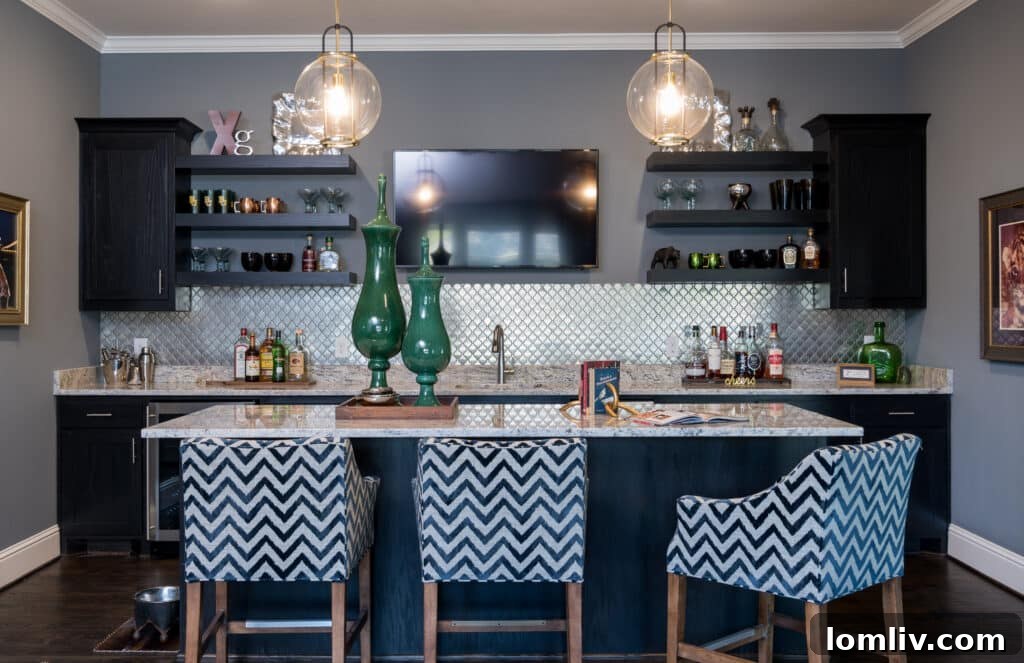
ML Interiors Group frequently harnesses the power of the chevron pattern in visually immediate areas to maximize its impact and inject personality. Imagine plush throw pillows on a neutral sofa, immediately drawing attention and adding a vibrant pop of color and texture. Or consider its application in seating fabrics, like the fun media room bar chairs from one of our featured projects pictured above – here, the chevron pattern not only adds significant style but also imbues the space with a playful yet sophisticated vibe, perfectly balancing comfort with cutting-edge aesthetic appeal. Its ability to marry structure with dynamism makes it an indispensable tool for designers aiming for a fresh, modern look.
Classic Herringbone Zigzag: Sophistication and Enduring Elegance
The herringbone zigzag pattern is celebrated for its distinctive “V” shape, which, while similar in its angular component to the chevron, is fundamentally different in its construction and overall effect. Unlike the continuous, unbroken V-rows of the chevron, the herringbone pattern is created by staggering the short ends of rectangular units, where one piece meets another at a 90-degree angle, forming a broken zigzag line. This unique arrangement results in a more intricate, textured, and visually captivating design that exudes a refined sense of order, depth, and timeless sophistication.
The history of the herringbone pattern is remarkably rich and diverse, dating back to the Roman Empire, where it was ingeniously utilized in their advanced road construction for its unparalleled durability and structural integrity. Its evocative name is derived from its striking resemblance to the skeleton of a herring fish, a fitting nod to its interlocking, bone-like structure. Throughout centuries, herringbone has been a staple in fine tailoring for fabrics like tweed and flannel, and prominently in architecture and flooring, symbolizing superior craftsmanship, enduring quality, and a classic aesthetic. Its deep historical roots imbue it with an intrinsic sense of tradition and permanence, making it a design choice that truly withstands the test of time.
Herringbone patterns are most famously and frequently seen in hardwood flooring, where the interlocking planks create a mesmerizing, durable, and visually rich surface that instantly elevates a room with its intricate geometry. Beyond wood, it’s a popular and luxurious choice for tile work, particularly in natural stone, ceramic, or subway tiles, gracing kitchen backsplashes, elegant bathroom walls, and grand fireplace surrounds with its sophisticated pattern. Brickwork laid in a herringbone pattern offers a classic, rustic, yet polished look for patios, garden paths, and impressive accent walls. Its application also extends to high-end textiles, such as wool blankets, textured rugs, and even patterned wall coverings, providing a subtle, sophisticated visual interest that enriches the overall decor.
This pattern inherently adds a touch of elegance, luxury, and a sense of established charm to any interior. It is an exceptionally popular choice for traditional, classic, and transitional design styles, where it perfectly complements ornate details, rich materials, and a sense of stately comfort and heritage. However, herringbone can also introduce an intriguing textural element to industrial-chic spaces through exposed brickwork, or add warmth and a custom, handcrafted feel to modern farmhouse designs. Its unique ability to create both visual depth and an understated focal point makes it incredibly adaptable for various aesthetic sensibilities, seamlessly blending into diverse design narratives.
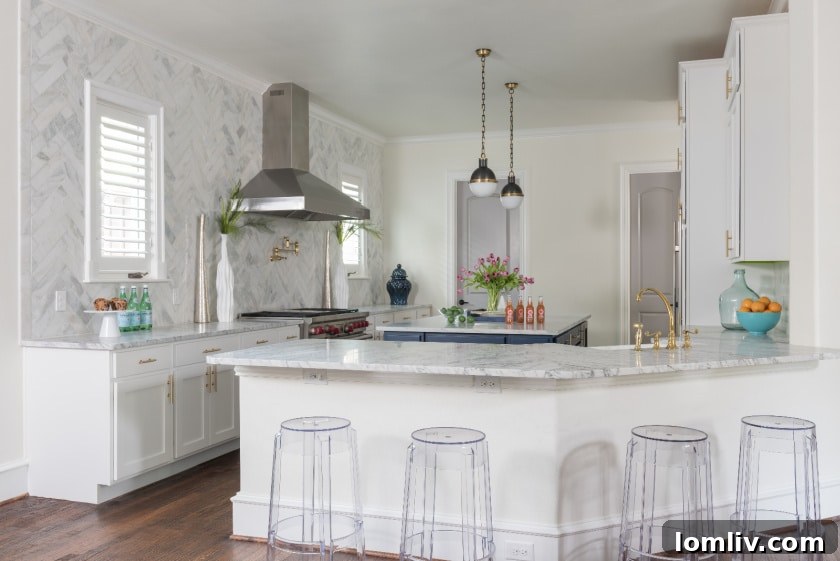
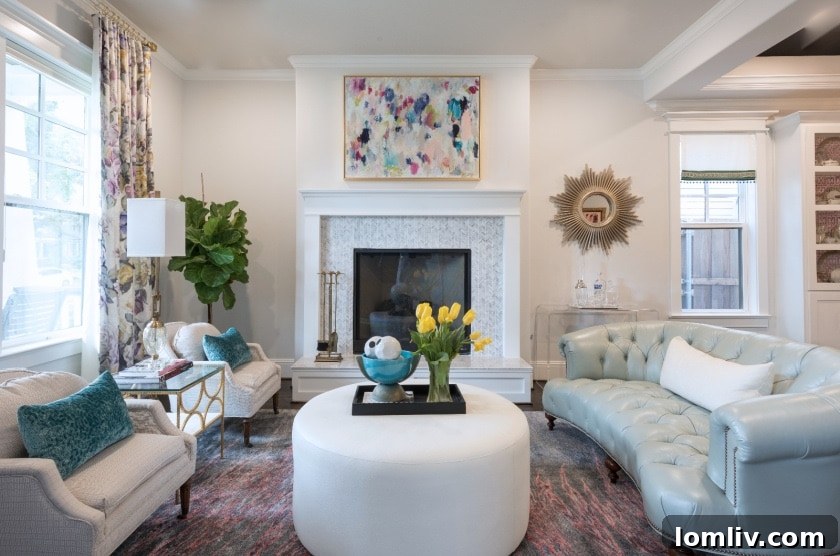
You can truly appreciate the sophisticated impact of this pattern in the detailed tilework featured in the projects pictured here. Observe how the herringbone pattern on a fireplace surround transforms a functional architectural element into a stunning artistic feature, creating a refined and elegant focal point in a living room. Similarly, a kitchen backsplash rendered in herringbone tile work not only provides practical protection for walls but also adds a bespoke, high-end finish that speaks volumes about attention to detail and enduring style, seamlessly blending practicality with artistic flair and elevating the heart of the home.
Mastering the Art of Incorporating Zigzag Patterns into Your Home
Having explored the distinct beauty, historical resonance, and versatile applications of Flamestitch, Chevron, and Herringbone, the next crucial step is understanding how to thoughtfully and effectively integrate these dynamic patterns into your interior design scheme. Effective incorporation involves more than just selecting a pattern; it requires a strategic approach to ensure balance, harmony, and lasting visual appeal. Here are key considerations and expert tips from ML Interiors Group to help you master the art of designing with zigzag patterns, transforming your space with confidence and style:
-
1. Strategic Balance and Proportion
When introducing zigzag patterns, maintaining a sense of balance and proportion within the space is paramount. The goal is to create visual interest without overwhelming the room or causing visual fatigue. Consider using the pattern as an accent rather than covering every single surface. For instance, a bold chevron-patterned accent wall can create a powerful focal point in a living room, immediately drawing the eye and defining a specific zone. Conversely, a subtle herringbone-patterned area rug placed under a dining table can anchor the room and add texture without dominating the aesthetic. Always evaluate the size of your room and the scale of the pattern: generally, larger patterns work better in spacious areas to prevent busyness, while smaller, more intricate zigzags can add delicate detail to more intimate or cozy settings.
-
2. Harmonizing with Your Color Palette
The color palette you choose will significantly influence the impact and mood of your zigzag pattern. To enhance the visual drama and energetic quality of the pattern, opt for high-contrast colors – for example, a crisp black and white chevron or a vibrant multi-colored flamestitch. For a more understated, sophisticated, or serene look, select subtle tones, tone-on-tone variations, or colors that are closely related within your existing palette. This approach allows the inherent texture and geometry of the zigzag to shine through without visually shouting. Always experiment with different color combinations using swatches and samples to find the perfect balance that complements your overall design theme and desired mood. Remember that color also affects the perceived depth, warmth, and even the optical illusion of movement within the pattern.
-
3. The Art of Mixing Patterns
Don’t shy away from mixing zigzag patterns with other patterns in your interior design; this can create a wonderfully layered, dynamic, and personalized space. The key to successful pattern mixing lies in finding common threads, such as a shared color (even if it’s just one accent hue), a consistent style (e.g., all geometrics or all organic prints), or varying scales. For instance, pair a chevron-patterned throw pillow with a subtle floral-printed sofa for a playful yet sophisticated contrast that still feels cohesive. Or, combine a classic herringbone-patterned floor with a solid or striped area rug to introduce varied geometric interest without clashing. The interplay of different patterns, when done thoughtfully, adds depth, personality, and a bespoke, curated feel to your home. Consider pairing a flamestitch textile with a larger, simpler geometric pattern for an intriguing contrast in both scale and style.
-
4. Considering Scale and Repetition
The scale of your chosen zigzag pattern and its repetition throughout a space are critical design elements that dictate its overall presence. A large-scale chevron on an accent wall will make a bold, contemporary statement, creating instant visual drama. In contrast, a smaller, more tightly woven herringbone pattern on a floor will offer a sense of intricate detail, texture, and classic elegance without overpowering the room. Consider the overall visual rhythm you wish to create. Repetitive patterns can generate a sense of movement and flow, guiding the eye through a space. However, excessive use of a very busy or large-scale pattern can lead to visual clutter and make a room feel smaller or overwhelming. Use repetition judiciously, perhaps allowing one significant patterned element to stand out while other zigzag accents are used more sparingly to complement it.
-
5. Embracing Materiality and Texture
The material through which a zigzag pattern is expressed dramatically influences its impact and the sensory experience of a room. A herringbone pattern in reclaimed wood flooring will convey a rustic, grounded, and historically rich feel, vastly different from the same pattern rendered in polished marble tiles on a modern fireplace surround, which would evoke luxury and refinement. Fabric choices also play a crucial role: a woven flamestitch in rich wool has a different tactile and visual weight than a printed chevron on smooth cotton or silk. Consider how the texture of the material interacts with the angularity of the pattern to enhance the overall aesthetic. Matte finishes can soften the geometry and add warmth, while glossy surfaces can accentuate its sharpness and create a more contemporary, sleek look.
-
6. Crafting Focal Points with Zigzags
Zigzag patterns are inherently dynamic and can be exceptionally effective in creating powerful focal points within a room. Identify an area you wish to highlight – perhaps a feature wall in a living room, the main rug in a dining area, or a unique backsplash in a kitchen. A carefully chosen zigzag pattern in this location will immediately draw the eye and establish a central point of interest that defines the space. For example, a striking chevron-patterned wallpaper behind a bed can elevate a simple bedroom into a stylish sanctuary, adding a layer of sophisticated drama. Alternatively, a herringbone tile design in a shower can transform a purely functional space into a luxurious, spa-like retreat. Allow the pattern to be the star in its designated area, ensuring other elements support its visual strength.
-
7. Lighting’s Role in Highlighting Patterns
The way light interacts with your zigzag patterns can significantly enhance or diminish their visual appeal, adding another dimension to their design. Natural light streaming across a herringbone wooden floor will emphasize its intricate texture and depth, creating dynamic shadows and highlights that shift throughout the day, bringing the pattern to life. Similarly, strategic artificial lighting, such as accent lights directed towards a textured flamestitch wall hanging or a chevron-patterned rug, can dramatically highlight the pattern’s geometry and vibrant colors, making it pop and creating a captivating visual effect. Consider how different lighting conditions will affect the pattern at various times, allowing you to appreciate its nuances and ensure it always looks its best, whether bathed in sunlight or illuminated by evening lamps.
Why Zigzag Patterns Are More Than Just a Trend
Zigzag patterns offer an incredibly versatile and visually appealing option for interior design, extending far beyond the realm of passing trends. Their geometric purity, combined with a dynamic sense of movement, imbues them with a timeless quality that allows them to seamlessly integrate into almost any design aesthetic. They possess an inherent ability to add personality, character, and a sophisticated layer of visual texture that genuinely enriches the entire room. Whether your preference leans towards the bold and contemporary impact of chevron, the intricate warmth and historical depth of flamestitch, or the classic, understated sophistication of herringbone, incorporating these patterns can undeniably add a unique, captivating, and deeply personal element to any space, elevating the mundane and transforming plain surfaces into statements.
Their enduring appeal lies in their capacity to evoke a sense of tradition and modernity simultaneously, bridging historical aesthetics with contemporary sensibilities. A well-placed zigzag pattern can expertly create an illusion of greater space, add a vibrant focal point, or simply bring a playful yet polished touch that prevents a room from feeling flat or uninspired. Remember to meticulously consider elements such as balance, your chosen color palette, and the thoughtful art of pattern mixing when integrating zigzag patterns into your decor. By approaching their inclusion with intention, creativity, and an understanding of their unique characteristics, you are sure to create a harmonious, visually stunning, and truly memorable interior design that reflects your unique style and stands the test of time, proving that zigzags are indeed a design staple.
Transform Your Vision into Reality with ML Interiors Group
Are you feeling inspired by the transformative power of zigzag patterns but still unsure of where to begin your design journey? Navigating the myriad of choices in interior design can be challenging, but you don’t have to do it alone. At ML Interiors Group, our passion lies in crafting spaces that are not only aesthetically captivating but also deeply functional, comfortable, and truly reflective of your unique personal style. We pride ourselves on educating and inspiring our clients with thoughtful designs, meticulous attention to detail, and a collaborative approach that brings your most cherished home dreams to fruition.
We invite you to reach out and schedule a personalized consultation with our expert team. Let’s discuss your aspirations, explore the exciting potential of zigzag patterns and other exquisite design elements, and collaboratively work to turn the design you’ve dreamed about into a tangible reality within your home. Our commitment is to guide you through every step of the process, ensuring a seamless, stress-free, and enjoyable experience from the initial concept development to the final breathtaking reveal of your transformed space.
Furthermore, if you are a design professional or an enthusiast who already has a clear design concept in mind and it’s now just a matter of refining ideas and sourcing materials, Studio Works offers the perfect environment to get all those creative juices flowing. This innovative hub provides a dedicated space for inspiration, collaboration, and bringing even the most complex design ideas to vibrant life with access to a curated selection of resources. Contact us today to book a tour of Studio Works and discover firsthand how this exceptional resource can empower and elevate your next design project!