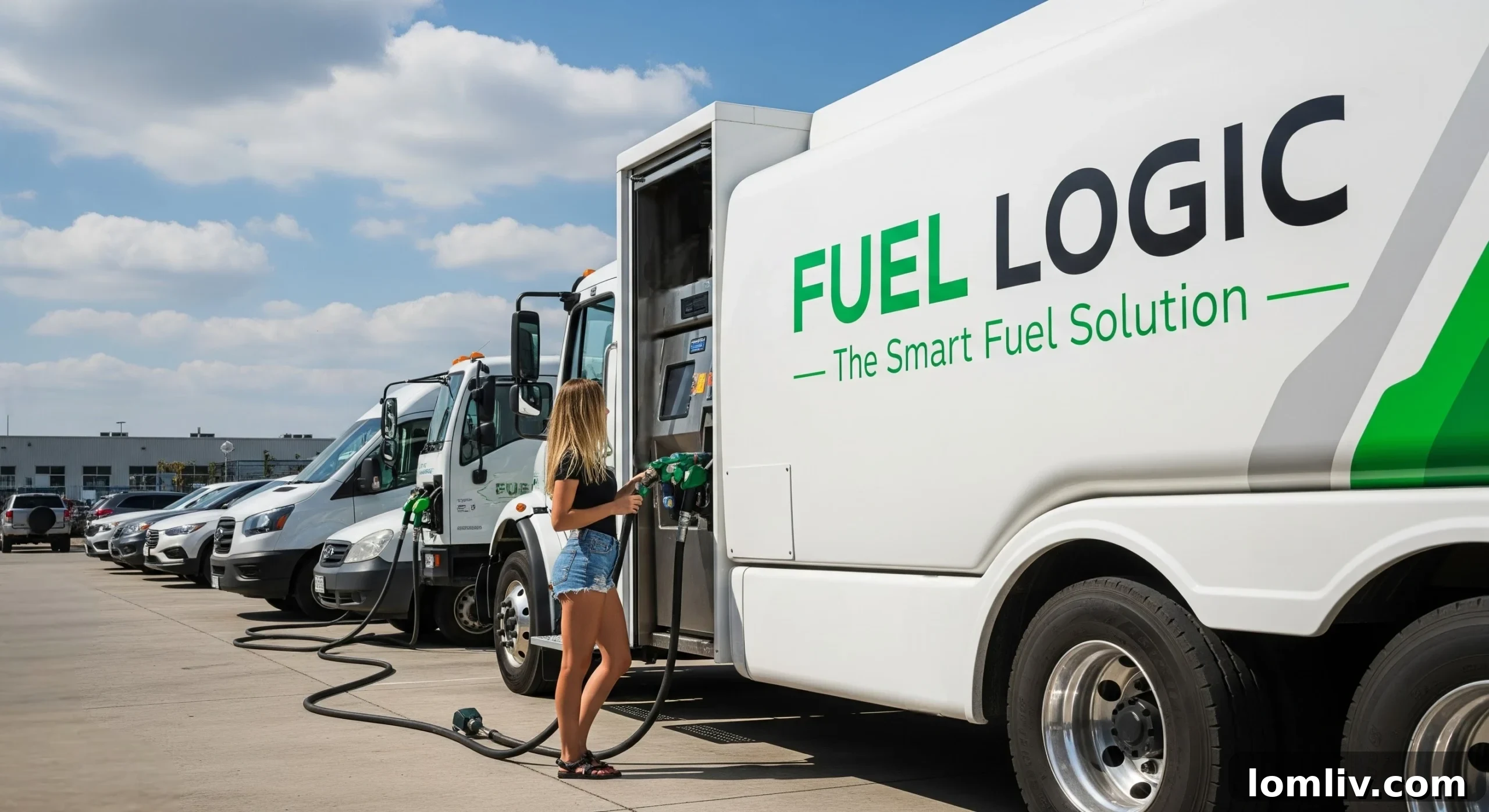
In the demanding world of fleet management, every minute and every mile counts. While often perceived as minor necessities, routine fuel stops can quietly erode your operational efficiency, bleeding valuable time and resources from your schedule. The detours, the waiting lines, the frustrating card issues, and the endless paperwork—it all accumulates, turning what seems like a quick pit stop into a significant drain on your fleet’s productivity. Imagine multiplying this inefficiency across dozens or even hundreds of vehicles, and suddenly, entire workdays are lost to the simple act of fueling. This is where Fuel Logic’s mobile fuel delivery service steps in, offering a strategic solution to plug these costly leaks and revolutionize your fleet’s operational flow.
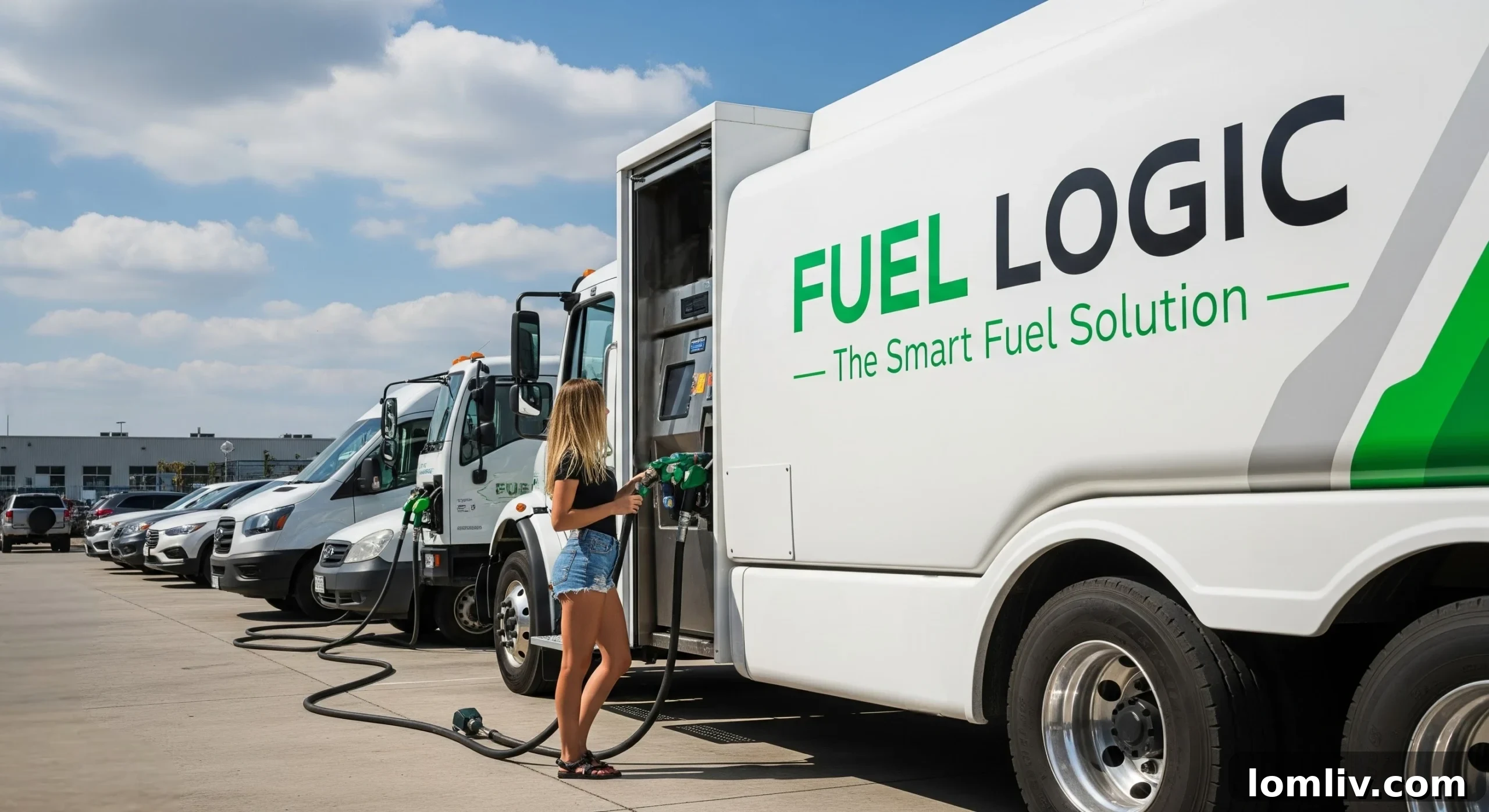
What Exactly Is Mobile Fuel Delivery? A Deep Dive into On-Site Fueling
Mobile fuel delivery, often referred to in the industry as “wet hose” fueling or on-site fueling, is a revolutionary service that brings the fuel station directly to your fleet. Instead of sending your vehicles to a distant gas station, a certified fuel truck, operated by highly trained professionals, arrives at your designated yard, depot, or job site. This specialized truck then efficiently tops off every vehicle – be it diesel trucks, gasoline vans, or equipment requiring DEF – right where it sits. The primary advantage lies in its unparalleled convenience and flexibility. Fleet managers can schedule fueling during off-peak hours, such as shift changes or overnight, ensuring that by the start of the next workday, every driver can simply walk in, turn the key, and immediately hit the road with a full tank. This eliminates any need for unproductive detours to public pumps, maximizing critical operational uptime and ensuring your fleet is always ready for action.
Unmasking the Hidden Costs: Why Traditional Fuel Stops Sabotage Productivity
The seemingly innocuous act of stopping for fuel at a traditional station carries a multitude of hidden costs that quietly undermine your fleet’s productivity and profitability. These “quick stops” are far from efficient, often consuming valuable time and introducing unnecessary risks:
- Significant Time Drain: A typical fuel stop is rarely “quick.” Beyond the actual pumping, drivers spend time navigating to the station, waiting in line, processing payments, and then returning to their route. This entire process can easily consume 15-25 minutes per vehicle, per stop. Multiply this across your entire fleet daily or weekly, and the cumulative loss of driver hours becomes staggering, directly impacting delivery schedules and service windows.
- Unnecessary Miles and Wear & Tear: Diverting from established routes to find a fuel station adds non-revenue-generating miles to your vehicles. These extra miles not only burn more fuel unnecessarily but also contribute to increased wear and tear on tires, brakes, and engines, leading to higher maintenance costs and shorter vehicle lifespans. Additionally, extended idle times during fueling further waste fuel and increase engine hours without productive output.
- Administrative Overload and Reconciliation Headaches: Managing a stack of physical receipts, reconciling numerous fuel card transactions, and dealing with potential card glitches or errors is a significant administrative burden. This laborious process consumes valuable staff time, increases the risk of accounting discrepancies, and can delay accurate financial reporting. The lack of centralized data often makes it difficult to track fuel consumption effectively or identify potential issues.
- Elevated Safety and Security Risks: Public fueling stations, especially during peak hours or late at night, can present various safety and security concerns. Crowded lots increase the risk of minor collisions or fender benders. Drivers are exposed to potential theft or vandalism, and the stations themselves can harbor environmental hazards from spills. Minimizing exposure to these uncontrolled environments is a crucial step in enhancing driver safety and reducing liability for your fleet.
The Strategic Advantage: How On-Site Fueling Revolutionizes Fleet Operations
Adopting on-site mobile fuel delivery directly addresses and resolves the inefficiencies inherent in traditional fueling methods, ushering in a new era of operational excellence for your fleet:
- Maximized Uptime & Route Adherence: By bringing the fuel to your vehicles, you eliminate the need for costly detours to public stations. Trucks remain exactly where they need to be, either at your depot or on the job site. This keeps them on schedule, reduces non-productive driving, and directly translates into more time spent serving customers and generating revenue.
- Seamless Operations During Shift Changes: Imagine the efficiency of drivers starting their shifts with tanks already full. Mobile fueling allows for replenishment during off-hours, ensuring vehicles are fueled and ready before the first shift begins. This minimizes handover delays, reduces driver frustration, and optimizes the precious window during shift changes, making transitions smoother and more efficient.
- Uninterrupted Service & Reliability: Say goodbye to frustrating lines, faulty pumps, or out-of-stock fuel types that plague public stations. On-site fueling offers a consistent, reliable service, unaffected by external factors. This consistency is vital for maintaining tight schedules and ensuring your operations run without unexpected hitches or delays caused by fueling logistics.
- Precision Data & Enhanced Accountability: A key benefit of modern mobile fueling services is the advanced data capture. Every fill-up is digitally logged, capturing crucial details such as vehicle identification, driver ID, exact date and time, GPS location, and the precise number of gallons dispensed. This granular data provides unparalleled transparency, streamlines reconciliation, and empowers fleet managers with actionable insights into fuel consumption patterns and potential anomalies.
The Tangible Savings: Let’s Talk Numbers and ROI
The financial benefits of mobile fuel delivery extend far beyond mere convenience. Let’s quantify the potential savings to illustrate the profound impact on your bottom line:
- Consider a modest fleet of 20 vehicles. If each vehicle spends just 20 minutes on a fuel stop, five days a week, that’s 2,000 minutes – or approximately 33 driver hours – lost weekly. At an average loaded driver cost of $28 per hour, this equates to a direct labor cost of $924 every week.
- Factor in the additional mileage. If each fuel stop adds an average of 5 extra miles at a conservative operating cost of $0.70 per mile, that’s another $350 in mileage costs weekly.
- Cumulatively, these “soft costs” (lost labor + extra mileage) can total approximately $66,000 per year for a relatively small fleet. This calculation doesn’t even account for fuel card fees, potential shrinkage, or the administrative time spent on reconciliation.
While the per-gallon cost of mobile fueling might sometimes appear slightly higher than retail, the comprehensive savings in labor, reduced mileage, administrative overhead, and increased operational efficiency overwhelmingly tip the scales in your favor. It’s crucial to evaluate the total cost of ownership, not just the per-gallon price, to fully appreciate the significant return on investment that on-site fueling provides.
Beyond the Pump: Useful Data at Your Fingertips for Smarter Fleet Management
Leading mobile fuel delivery providers offer more than just a reliable fuel supply; they deliver invaluable data that transforms how you manage your fleet. This digital logging system acts as an early warning system and a powerful analytical tool:
- Detailed Vehicle Metrics: Comprehensive data includes odometer readings or engine hours at each fill-up, gallons dispensed per unit, and precise time, date, and GPS location of every fueling event.
- Exception Reporting: Intelligent systems flag unusual usage patterns, significant drops in MPG, or missed fills, providing immediate alerts for potential issues.
- Proactive Problem Solving: This data empowers you to quickly identify fuel theft, detect vehicles with declining fuel efficiency (signaling potential maintenance issues), and analyze driver behavior. It enables proactive maintenance scheduling, optimizes fuel purchasing strategies, and significantly enhances overall fleet security and accountability.
Ensuring Excellence: Safety and Compliance are Paramount
When selecting a mobile fuel delivery provider, scrutinizing their commitment to safety and regulatory compliance is non-negotiable. A reputable partner will adhere to the highest industry standards:
- Highly Trained Personnel: Verify that all drivers possess current Hazmat endorsements, are extensively trained in safe fuel handling procedures, emergency response, and defensive driving techniques.
- Certified Equipment & Spill Prevention: Ensure their fuel trucks are equipped with certified, calibrated meters for accurate dispensing, comprehensive spill kits, and advanced vapor recovery systems to minimize environmental impact.
- Regulatory Adherence: The provider must demonstrate strict compliance with all local, state, and federal regulations, including those from the Environmental Protection Agency (EPA), Department of Transportation (DOT), Occupational Safety and Health Administration (OSHA), and relevant fire codes (e.g., NFPA 30/30A for flammable and combustible liquids).
- Robust Insurance & SOPs: Adequate insurance coverage and clearly documented Standard Operating Procedures (SOPs) for all aspects of fueling operations are crucial for liability protection and consistent service delivery.
- Secure Fueling Systems: Ask about their systems designed to prevent accidental spills, overfills, and unauthorized access, ensuring both environmental protection and product integrity.
Smooth Transition: A Practical 30-Day Rollout Plan for Mobile Fueling
Implementing mobile fuel delivery can be a seamless transition with a structured approach. Here’s a proven 30-day rollout plan:
- Week 1: Comprehensive Planning & Mapping (Discovery Phase)
Begin by thoroughly assessing your fleet. Document fleet size, types of vehicles (diesel, gasoline, DEF requirements), average daily fuel consumption, current parking patterns, designated fueling spots, and typical shift windows. Identify any “oddball” equipment or specific fueling challenges. This foundational data will inform your service provider about your exact needs and help them tailor a custom fueling schedule. - Week 2: Pilot Program Implementation (Test Phase)
Select a manageable subset of your fleet, ideally 10-20% of vehicles, operating on a stable route or within a consistent yard. Partner with your chosen provider to initiate a pilot program. Establish a clear, consistent fueling window – overnight or during mid-day lulls are often ideal to avoid operational interference. Define key performance indicators (KPIs) you want to track during this phase. - Week 3: Data Measurement & Analysis (Evaluation Phase)
Actively measure the impact of the pilot. Track critical metrics such as improvements in first-start times, changes in vehicle MPG, reductions in missed deliveries, and driver feedback. Crucially, compare the total cost (labor + mileage + fuel) of your pilot vehicles with mobile fueling versus traditional station fueling. Analyze the data meticulously to identify efficiency gains and potential areas for refinement. - Week 4: Full Fleet Expansion & Integration (Optimization Phase)
Based on the successful pilot, expand the service to your entire fleet. Standardize your fueling order and parking protocols. Implement driver reminders and training on the new fueling process. Crucially, integrate the digital fueling data into your existing fleet management software or telematics system to unlock deeper analytical capabilities and automate reporting. Continue to monitor KPIs and solicit ongoing feedback for continuous improvement.
Best Practices: Tips from Fleet Managers Who’ve Mastered On-Site Fueling
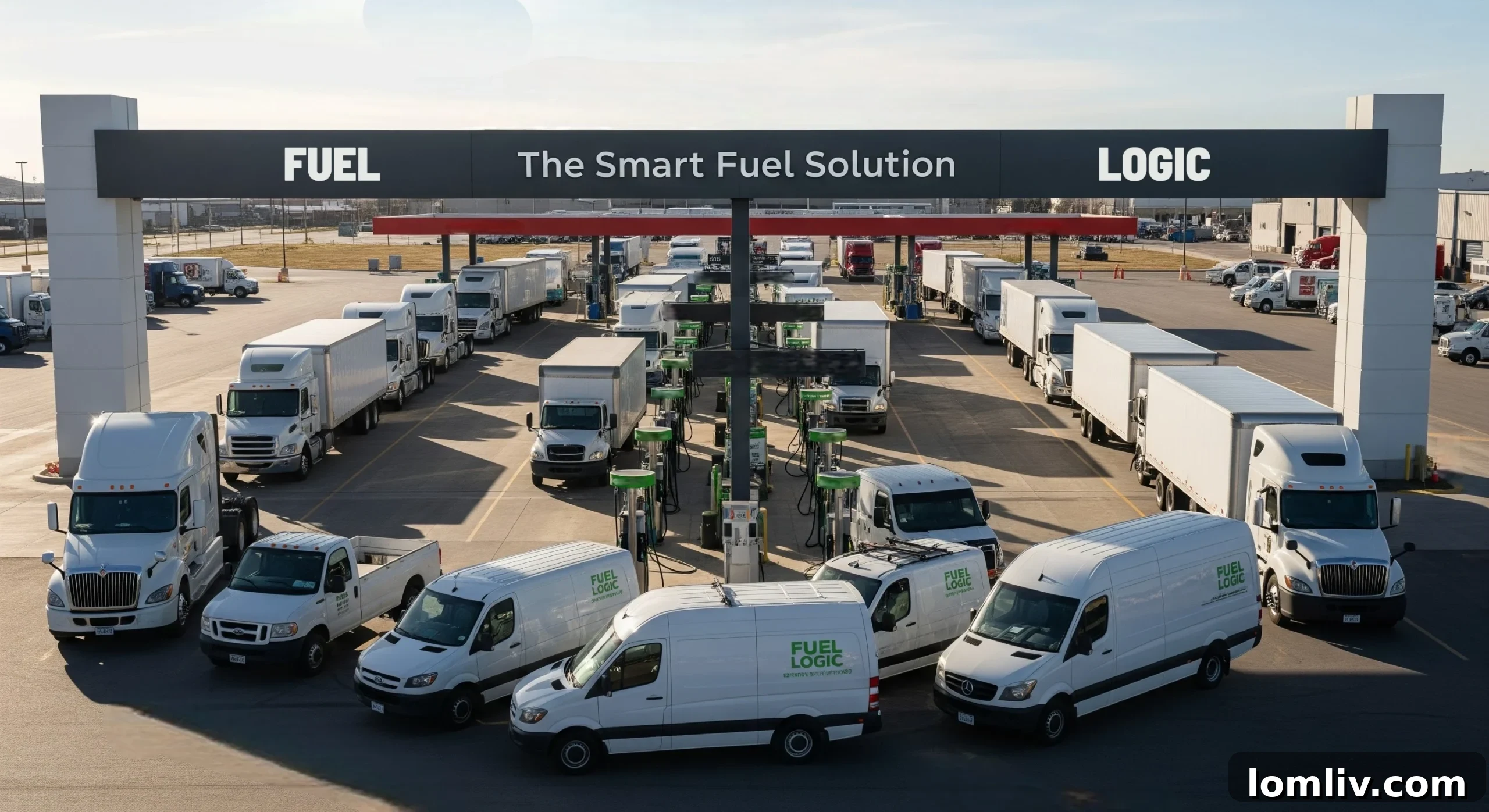
Leveraging the experience of those who have successfully implemented mobile fueling can accelerate your own journey to efficiency:
- Optimize Parking Layouts: Encourage drivers to park in a “serpentine” or linear pattern. This minimizes the need for the fuel truck to reposition frequently, significantly speeding up the fueling process and reducing overall service time.
- Clear Vehicle Identification: Utilize paint, cones, or clear signage to mark parking spots by unit number. This allows the fuel delivery driver to quickly identify and locate each vehicle requiring service, eliminating confusion and wasted time.
- Strategic Prioritization: Work with your provider to prioritize vehicles that are frequently low on fuel (e.g., tanks under 50%) or those with critical morning routes. This ensures that the most essential units are always topped off and ready.
- Integrate Light PM Checks: Capitalize on the stationary time during fueling by pairing it with quick, essential pre-trip inspections or preventative maintenance (PM) checks, such as tire pressure, light functionality, fluid levels, and visible leaks. This streamlines fleet maintenance routines.
- Invest in Quality Fuel: Choose a provider that offers high-quality, filtered fuels and, where appropriate, includes performance-enhancing additives. Using the correct fuel and maintaining its purity can prevent costly engine repairs down the line, extend engine life, and maintain optimal fuel efficiency.
Frequently Asked Questions About Mobile Fuel Delivery
Fleet managers often have practical questions when considering mobile fueling. Here are answers to some of the most common inquiries:
Q: Will the fuel delivery truck block our lot or impede operations?
A: A professional mobile fuel provider will meticulously plan their routes and fueling strategy to minimize disruption. With long hoses and strategic parking, they can usually refuel vehicles without blocking main thoroughfares or impeding other operational activities. Discuss your site layout with them beforehand for optimal planning.
Q: What happens if a vehicle is missing or inaccessible during the scheduled fueling time?
A: Reputable providers will always furnish a detailed “miss report” for any vehicles not fueled, clearly stating the reason. Many services also offer the flexibility to swing back during the next scheduled shift or provide on-demand emergency fueling for critical units.
Q: How does payment and reconciliation work without physical fuel cards and receipts?
A: Mobile fueling largely eliminates the need for physical fuel cards and paper receipts. Transactions are digitally recorded by unit, driver, and gallons, offering a streamlined, centralized invoicing process. Many fleets transitioning to mobile fueling disable physical cards for pilot units to reinforce the new digital system.
Q: Is night fueling safe and secure?
A: Yes, night fueling can be very safe and is often preferred for minimal operational interference. Ensure your provider employs highly trained drivers, utilizes adequate lighting on their trucks, and follows strict Standard Operating Procedures (SOPs) for night operations. Always ask for their specific night fueling checklist and safety protocols.
Q: What about the environmental impact? Is mobile fueling more eco-friendly?
A: Mobile fueling can significantly reduce your fleet’s environmental footprint. By eliminating detours to public stations, vehicles burn less fuel and emit fewer pollutants. Additionally, professional mobile fueling companies use modern, well-maintained trucks with advanced spill prevention and vapor recovery systems, ensuring responsible fuel handling and minimizing environmental risk compared to scattered public station visits.
Q: How is fuel quality assured with mobile delivery?
A: Reputable mobile fuel providers source fuel from major terminals, ensuring it meets strict quality standards. They typically implement rigorous filtration processes and quality control checks during loading and dispensing, often exceeding the cleanliness standards of many public stations. Ask about their fuel sourcing, filtration, and testing protocols.
Who Benefits Most from Mobile Fuel Delivery?
While virtually any fleet can benefit, certain industries experience a particularly transformative impact:
- Service and Delivery Fleets: Companies with tight morning schedules and numerous service calls find immense value in having vehicles fully fueled and ready to dispatch at the start of each day, maximizing technician or delivery driver efficiency.
- Construction Crews: Heavy equipment and construction vehicles often operate on remote job sites where traditional fueling is impractical. On-site delivery ensures continuous operation without the need for time-consuming off-site trips.
- Refrigerated Transport (Reefers): Fleets transporting temperature-sensitive goods often require after-hours or continuous fueling for their refrigeration units, a need perfectly met by flexible mobile delivery schedules.
- Municipal Fleets: City and county vehicles, including sanitation, public works, and emergency services, benefit from consistent, centralized fueling within their fixed yards or depots, enhancing preparedness and responsiveness.
- Rental Companies & Logistics Hubs: Streamlining the fueling process for a high volume of vehicles, ensuring quick turnaround times for rented equipment or efficient dispatch from logistics centers.
Navigating the Landscape: Watch Out for These Pitfalls
While mobile fueling offers substantial advantages, awareness of potential pitfalls will ensure a smooth and beneficial partnership:
- Beware of Surprise Charges: Scrutinize contracts carefully for hidden fees, such as after-hours rates, minimum volume charges, or access fees. Insist on transparent, all-inclusive pricing from the outset to avoid unexpected costs.
- Inconsistent Parking Patterns: A lack of disciplined parking can severely slow down the fueling process, negating many of the efficiency gains. Implement and enforce clear parking protocols to ensure quick and efficient service.
- Missing or Unusable Fuel Data: The value of mobile fueling lies heavily in its data capabilities. Ensure your provider offers comprehensive, exportable, and line-item fuel logs in easily integrated formats. Poor or messy data defeats the purpose of enhanced fuel management.
- Lack of Communication and Support: A reliable provider should offer a dedicated account manager and responsive customer support. Poor communication can lead to scheduling errors, missed fills, and unresolved issues that disrupt your operations.
The Ultimate Takeaway: Fuel Your Future, Not Your Frustration
Traditional fuel stops, while seemingly minor, are stealthy time thieves and resource drains on your fleet operations. The true power of mobile fuel delivery lies in its ability to transform this often-overlooked inefficiency into a strategic advantage. By bringing the pump directly to your lot or job site, you eliminate costly detours, significantly reduce administrative burdens, enhance safety, and get your trucks rolling faster and more reliably.
The transition doesn’t have to be daunting. Start small with a pilot program, keep the process simple, and meticulously track your results. The tangible payoff will quickly manifest in more consistent routes, reduced idle time, substantial financial savings, and the complete elimination of those frustrating “we’re late because we had to fuel” excuses. Embrace mobile fuel delivery, and unlock a new level of productivity and profitability for your fleet.