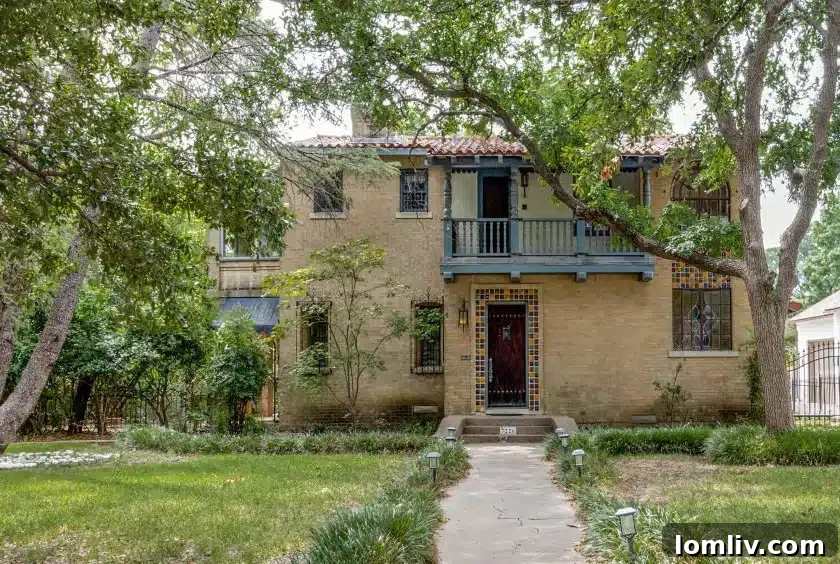
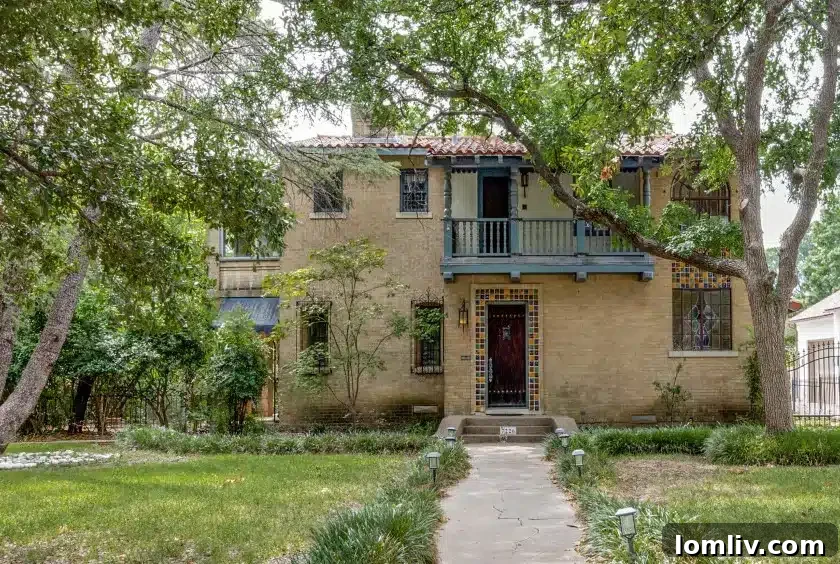
At daltxrealestate.com, our mission extends beyond real estate transactions; we are deeply committed to educating our community and providing essential resources, particularly concerning the vital practice of historic preservation. Far too often, property owners, developers, and even city planners are unaware of the powerful tools available to safeguard the architectural treasures that define our neighborhoods and cityscapes.
The very fabric of a city’s identity is woven from its unique historical architecture. Without proactive measures, both from individuals and municipal bodies, we risk losing the distinct character that makes Dallas such a vibrant and interesting place to live. The alternative is an architecturally bland and uniform environment, a tragic outcome for a city with such a rich and diverse past.
Key among the strategies for preserving our architectural heritage are landmark designations, historic tax credits, and deed restrictions. These mechanisms provide various layers of protection, financial incentives, and legal safeguards that can make the difference between a building’s survival and its demolition. Understanding and utilizing these tools is paramount for anyone passionate about maintaining the unique aesthetic and historical narrative of our communities.
Lakewood Mourns the Loss of an Iconic Clifford Hutsell Masterpiece
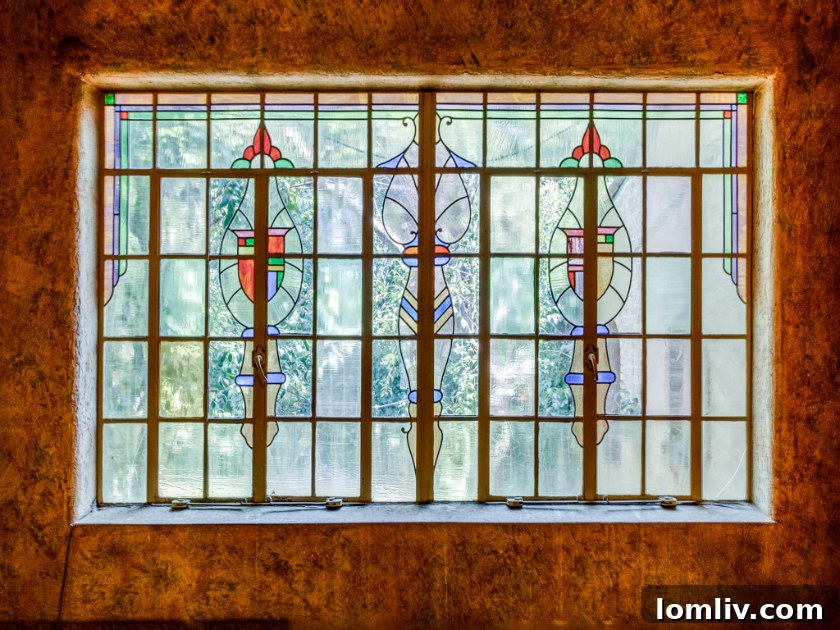
The year’s most profound and disheartening loss for historic preservation in Lakewood was undoubtedly the demolition of the magnificent Clifford Hutsell Mediterranean home on Lakewood Blvd. For all the years we have dedicated to writing about historic preservation challenges, we have never witnessed such an intense and widespread outpouring of grief and outrage on social media over the destruction of a single residence. And, quite frankly, this collective sorrow was entirely justified.
This particular Hutsell house was not merely a building; it was one of the finest and most immaculately preserved examples of his distinctive artistry in the entirety of Dallas. Clifford Hutsell was renowned for his whimsical, often fantastical interpretations of Spanish and Mediterranean Revival architecture, incorporating intricate details, vibrant colors, and unique handcrafted elements that lent his homes an unparalleled charm and character. This residence perfectly embodied his signature style, making its loss all the more devastating.
From all available reports, the family who owned the property genuinely wished for its preservation. However, they were tragically either unaware of, or did not consider, the critical mechanisms such as adding deed restrictions or pursuing a landmark designation for the property. This oversight highlights a crucial gap in public awareness regarding preservation tools. Furthermore, the property was sold and subsequently demolished before the eagerly anticipated expansion of the Lakewood Conservation District could come into effect, a measure that might have offered the protection it desperately needed. This incident served as a potent catalyst for local activists, galvanizing their efforts to push for stronger conservation measures.
For a deeper dive into the community’s response and the broader implications of this demolition, read our detailed article: After Demolition of Historic Hutsell, Activists Push for Lakewood Conservation District Expansion.
East Dallas Laments the Demise of the Classic Buckner House
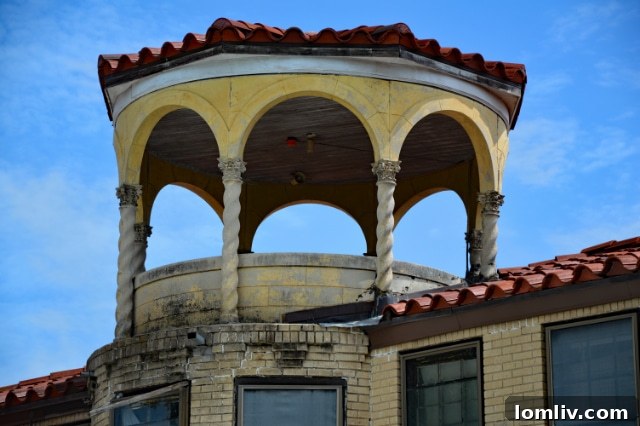
Another significant setback for historic preservation in East Dallas occurred in late December with the rapid demolition of the classic Buckner House, an event that similarly ignited a fierce debate across social media platforms. The speed with which the bulldozer arrived, seemingly overnight, left little opportunity for intervention. Adding to the heartbreak, salvage crews were regrettably denied access to rescue iconic elements such as the exquisite clay tile roof and the distinctive barley twist columns that adorned its facade.
Built in 1939 by Tom Loving, the house proudly bore a giant “L” on its facade, a personal mark of its original owner and a symbol of its enduring legacy in the Casa Linda neighborhood. The premature destruction of the Buckner House was particularly tragic because a buyer, fully committed to preserving its historical integrity, was actively waiting for deed restrictions to be cleared. This individual’s intention was to meticulously restore and safeguard the property, underscoring a missed opportunity to save a cherished landmark. The incident highlights the urgent need for more streamlined processes and greater communication when a willing preservationist buyer is in place.
To learn more about the fascinating history of this residence, including its legendary connection to Liberace and its iconic status within Casa Linda, we invite you to read our detailed feature: The Buckner House: Liberace Legend and Casa Linda’s Iconic Estate.
The Medical District Witnesses the Demolition of Exchange Park, Dallas’s First Self-Contained Business Community
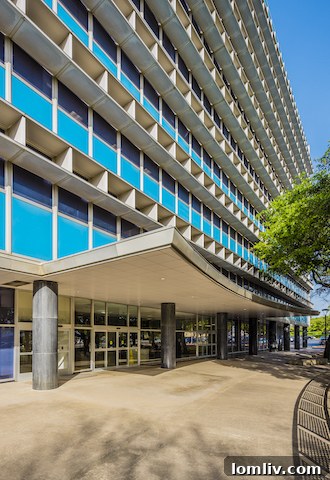
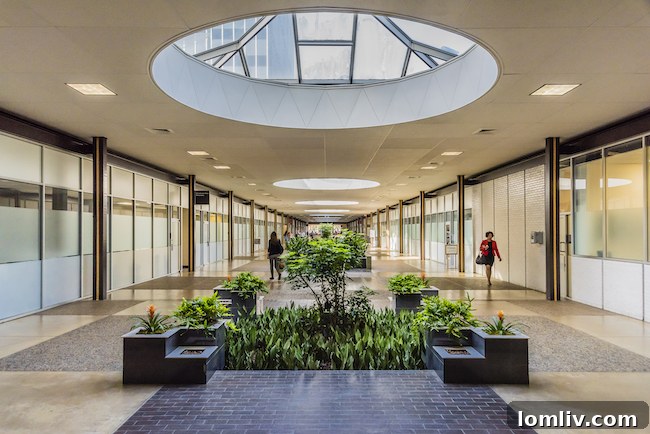
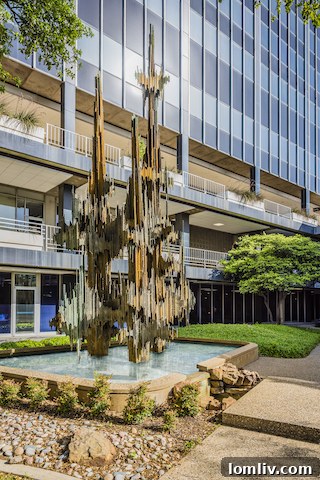
The Medical District also suffered a significant architectural loss with the demolition of Exchange Park, an unprecedented development that pioneered the concept of a self-contained business community in Dallas. This particular loss resonated deeply with many of our readers, who reached out with heartfelt emails recounting memories of dining at the popular La Tunisia restaurant within its complex, or working for prominent companies like Braniff or Frito Lay that once called Exchange Park home.
Opened in the 1950s, Exchange Park was truly cutting-edge for its time, revolutionizing the idea of an integrated indoor working and shopping experience long before the widespread proliferation of enclosed malls and mixed-use developments. It was a visionary project, embodying the post-war optimism and entrepreneurial spirit of Dallas. Its innovative design and functionality made it a landmark of mid-century modern commercial architecture. Former Preservation Dallas Executive Director David Preziosi eloquently documented its historical significance in an article for us in 2021. Despite its architectural and cultural importance, Exchange Park was tragically razed on October 1, 2023, erasing a pivotal piece of Dallas’s commercial and social history.
For more detailed insights into the groundbreaking design and historical impact of this lost icon, we encourage you to read David Preziosi’s article: Exchange Park: Dallas’s Cutting-Edge Development of the 1950s.
Highland Park’s Priceless History Rapidly Succumbs to Development Pressures
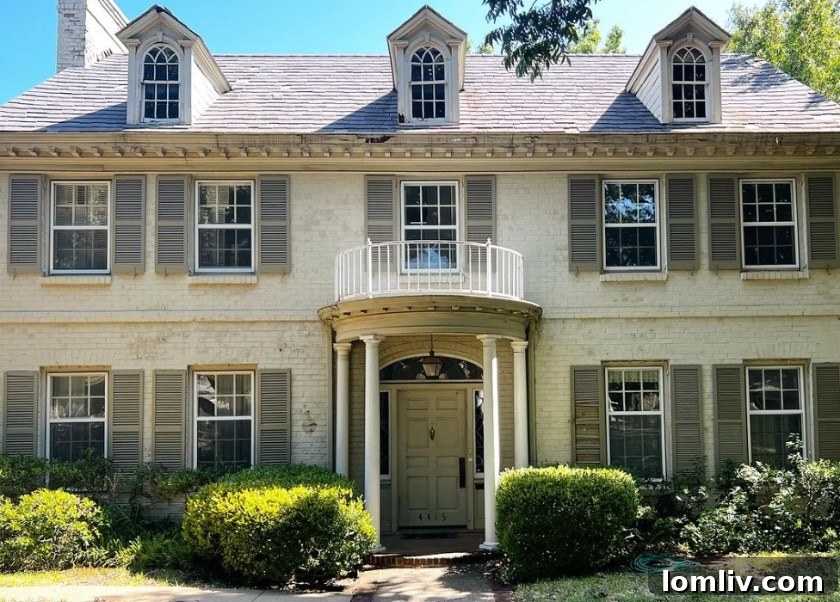
The pace of historic loss in Highland Park continues to be a source of profound heartbreak and concern. This affluent enclave, known for its stately homes and tree-lined streets, is witnessing its unique architectural character erode at an alarming rate. A particularly stark example occurred with the demolition of the landmarked home at 4415 Fairfax. The entire street, a close-knit community, turned out to collectively mourn its demise, a testament to its significance within the neighborhood.
However, the tragic reality in Highland Park is that, unlike the more robust protections offered by landmarking in Dallas, a similar designation in Highland Park often proves disappointingly ineffective when it comes to truly safeguarding a property from demolition. The regulatory framework and enforcement mechanisms in Highland Park appear to be significantly weaker, allowing developers to bypass preservation efforts with relative ease. This disparity creates a disheartening loophole, where homes officially recognized for their historical or architectural merit can still fall victim to demolition, paving the way for larger, often architecturally incongruous, new constructions. The economic pressures for redevelopment, combined with insufficient protective ordinances, are rapidly altering the distinct aesthetic that has long defined Highland Park.
For a detailed examination of this distressing trend and the challenges faced by preservationists in Highland Park, we recommend reading: By the Time You Read This, Another Landmarked Historic Highland Park Home Will Bite the Dust.
A Collective Call to Action: Prioritizing Historic Preservation in 2024 and Beyond
The architectural history of Dallas is not merely a collection of old buildings; it is the visual narrative of our city’s evolution, a tangible connection to our past, our heritage, and our vibrant culture. Each historic structure tells a story, contributing to the unique character and soul of our communities. When these buildings are lost, a piece of our collective memory is irrevocably erased, leaving an irreplaceable void.
The losses we witnessed in 2023 were significant and deeply regrettable. They serve as a stark reminder that historic preservation is not an optional luxury but an essential responsibility that demands our immediate and sustained attention. We must all, as individuals, property owners, community leaders, and city officials, commit to doing more and trying harder to elevate historic preservation to a top priority in 2024 and for the foreseeable future.
This commitment means actively educating ourselves and others about available preservation tools like landmarking, tax incentives, and deed restrictions. It means advocating for stronger, more effective protective ordinances at the municipal level, particularly in areas where current safeguards are demonstrably insufficient. It means fostering a culture that values the unique beauty and stories embedded in our historic properties, seeing them not as obstacles to progress, but as indispensable assets that enrich our lives and enhance our city’s appeal. Let us work together to ensure that the architectural legacy of Dallas is celebrated, protected, and passed down to future generations, rather than tragically lost to apathy or unchecked development. The future character of our city depends on it. Because losing our history, frankly, is simply not okay.