Creating a secure and engaging outdoor play area for your children is a top priority for any parent. A well-chosen fence extends far beyond simply marking your property lines; it serves as a crucial element in ensuring your children’s safety, offering much-needed privacy, and even enhancing the fun and aesthetic appeal of your backyard. The right fence for your kid’s play space provides a vital layer of security, prevents curious little ones from wandering off, and, depending on its design, can even become an interactive part of their play experience. With an abundance of options available, selecting the perfect fence can seem daunting. This comprehensive guide will walk you through every essential consideration, from choosing safe, non-toxic materials and ensuring optimal durability to incorporating engaging, interactive components. Our goal is to empower you to create a playground that is not only exceptionally safe but also incredibly enjoyable and stimulating for your children.
We understand that parents juggle many responsibilities, and the thought of complex fence installations or high-maintenance options can be overwhelming. That’s why we’ll focus on practical, long-lasting solutions that offer peace of mind without adding to your workload. Whether you’re planning a new backyard renovation or simply looking to enhance your existing outdoor space, this guide is packed with actionable advice to help you make informed decisions about your child-friendly fence.
1. Safety First: The Cornerstone of a Child-Friendly Fence
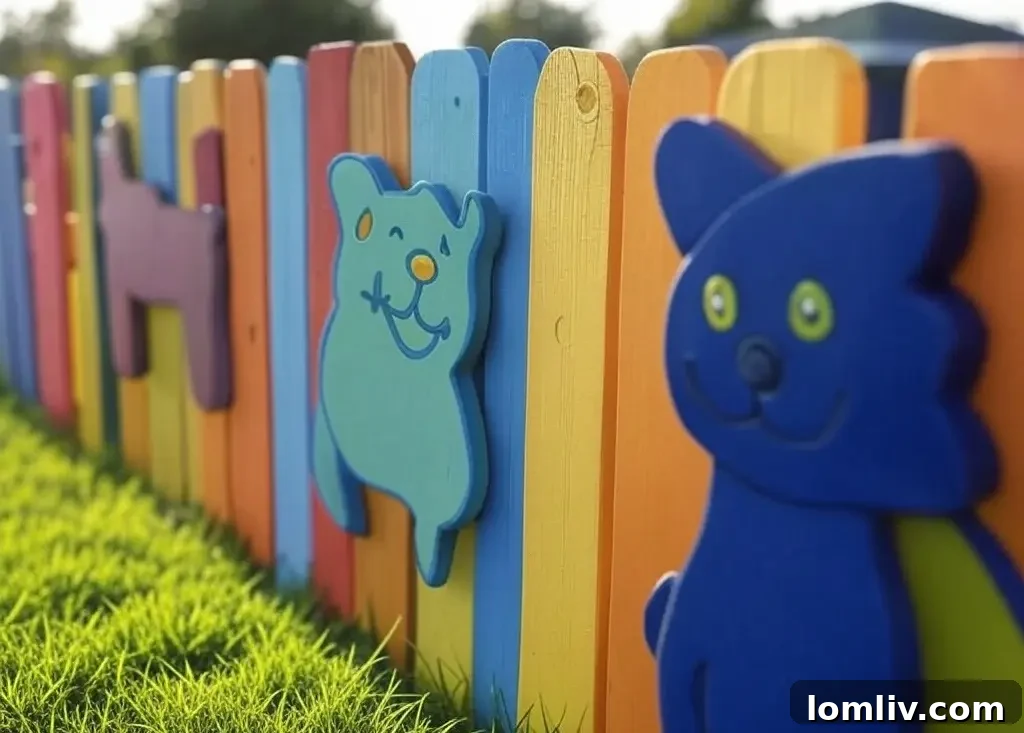
The primary function of any fence surrounding a child’s play area is uncompromising safety. This means a careful evaluation of the fence’s material, its height, the spacing of its components, and its overall durability. These factors are critical in creating a barrier that truly protects.
- Optimal Height for Security: For most outdoor play areas, a fence standing at least five feet tall is highly recommended. This height is typically sufficient to deter climbing by young children and prevents them from easily scaling over, reducing the risk of accidental escapes. For areas adjacent to roads or hazards, even taller fences might be necessary. Always check local zoning laws and HOA regulations, as there may be specific height requirements for fences, especially around pools.
- Mind the Gaps: Preventing Entrapment and Escapes: Crucially, the spacing between fence pickets, slats, or any horizontal elements must be carefully considered. Gaps should be small enough to prevent a child from squeezing through but also narrow enough to avoid head or limb entrapment. A general rule of thumb for picket fences is to ensure gaps are no wider than 4 inches (approximately 10 cm). This prevents toddlers from slipping through and minimizes the risk of getting stuck. For chain-link fences, consider adding privacy slats or mesh liners to close larger openings, especially if your children are very young.
- Weatherproof and Sturdy Materials: Built to Last: A child-friendly fence must withstand the elements and the rigors of active play without frequent maintenance or risk of degradation. Choose materials that are robust, resistant to rust, rot, and decay, and able to endure varying weather conditions from harsh sun to heavy rain. Durable materials ensure the fence remains a strong, reliable barrier for years to come, offering consistent safety and stability.
Consider Your Local Environment and Regulations
Your geographical location plays a significant role in fence material selection. For instance, in regions like Odessa, Texas, characterized by intense heat and occasional strong winds, selecting a fence material that resists warping, fading, and structural compromise due to extreme temperatures is paramount. Materials like vinyl or aluminum often perform exceptionally well in such climates. Beyond climate, it’s vital to research and adhere to local ordinances and Homeowners Association (HOA) rules, which often dictate acceptable fence types, heights, and aesthetics. These regulations are in place for community consistency and sometimes safety. If you’re considering fence installation in Odessa or any other location, consulting with local fencing professionals can provide invaluable guidance on durable, compliant options suited for your specific environment.
2. Kid-Friendly Surfaces: Minimizing Risks and Preventing Injuries
Children are naturally curious explorers, often interacting with their surroundings by touching, leaning on, and sometimes even tasting objects – including fences. This inherent curiosity underscores the critical importance of choosing the right fence material and finish to prevent injuries and ensure a safe play environment.
- Smooth Finishes: Banish Rough Edges and Splinters: If you’re drawn to the classic beauty of a wooden fence, it’s imperative that the wood is thoroughly sanded, smooth to the touch, and regularly maintained to prevent splinters. Opt for treated lumber designed for outdoor use, and ensure any rough patches are addressed promptly. For other materials, inspect for any sharp edges, protruding nails, or loose components that could pose a hazard.
- Avoid Fences with Toxic Coatings: Prioritizing Health: Many commercially available paints, stains, and sealants contain volatile organic compounds (VOCs) or other harmful chemicals that are unsafe for children, especially if they put their mouths on the fence. Always choose non-toxic, lead-free, and child-safe paints and stains. Look for certifications like GREENGUARD Gold or those indicating compliance with ASTM F963 (Standard Consumer Safety Specification for Toy Safety) when selecting finishes. Natural, untreated wood or materials like vinyl and aluminum that don’t require painting are excellent alternatives for reducing chemical exposure.
- Cushioned Panels and Impact Absorption: Adding a Layer of Protection: For fences directly adjacent to high-activity play zones or climbing structures, consider integrating cushioned panels. Materials like rubber or specialized foam can be installed on the lower sections of the fence, providing a softer surface to help prevent bumps, bruises, and more serious injuries if a child accidentally falls against it. This added layer of impact absorption can significantly enhance the safety profile of your outdoor play space.
Bonus Safety Tip: Mitigating Climbing Hazards: Children are natural climbers, and any accessible object near a fence can become a stepping stone for an escape. Always keep items like chairs, planters, garden tools, or even large toys well away from the fence line. Regularly inspect the area around the fence to ensure no potential climbing aids are present. For the fence itself, designs with vertical slats or non-horizontal elements are often harder to climb. When it comes to lighting, opt for solar-powered LED lights. They are energy-efficient, environmentally friendly, and, most importantly, eliminate any risk of electrical shock, making them a much safer choice for a child’s play area.
3. Secure Gates & Locks: Essential for Preventing Wanderers
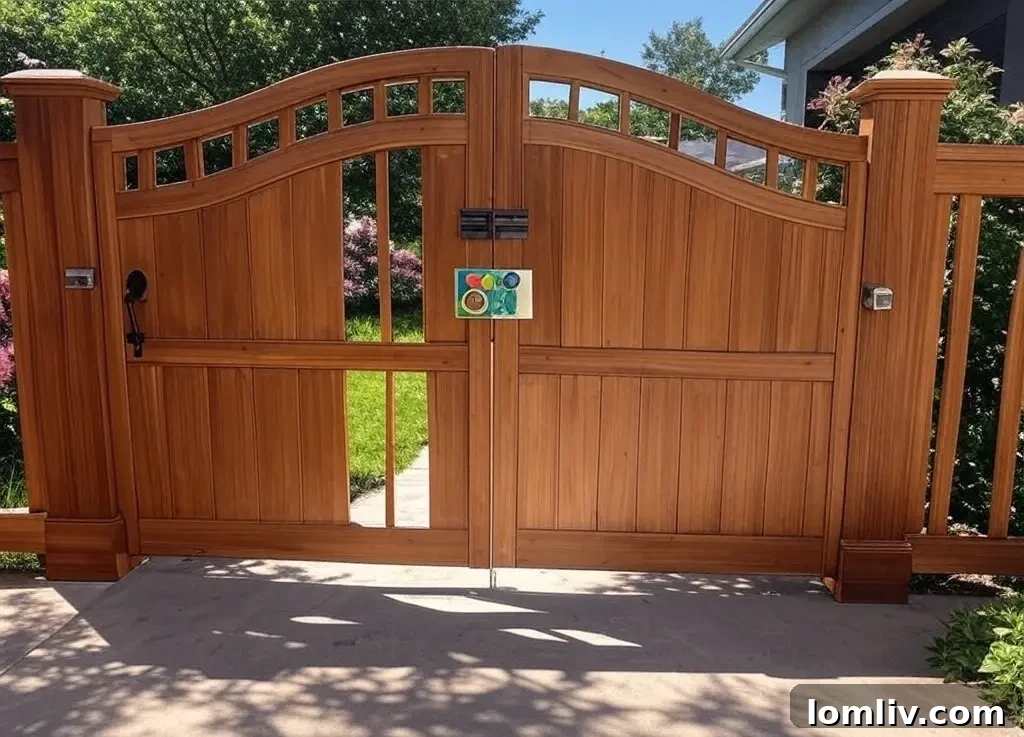
A robust fence offers little protection if its gate is not equally secure. The gate is often the weakest point in a fence system, making its design and locking mechanism paramount in keeping little escape artists safely contained within the play area.
- Self-Closing Gates: The Ultimate Convenience and Safety Feature: A self-closing gate is an absolute must-have for any child’s play area. These gates are equipped with spring-loaded hinges or hydraulic mechanisms that automatically swing the gate shut after being opened, ensuring it never inadvertently remains ajar. This vital feature eliminates human error, providing continuous security and preventing children from slipping out unnoticed. Look for gates with adjustable closing tension to ensure a smooth but firm closure.
- Childproof Locks: Smart Security for Little Hands: Standard latches are often no match for a determined toddler. Invest in childproof locks that are easy for adults to operate but require a level of dexterity or height that is beyond a young child’s capabilities. Options include top-mounted latches that require an upward pull, magnetic latches that engage automatically, or key-lockable mechanisms. Ensure the lock is installed on the inside of the gate, out of a child’s reach, typically at a height of at least 54 inches (137 cm) from the ground.
- Visible Latch Indicators: Quick Visual Confirmation: Some advanced gate systems incorporate visible latch indicators, such as a small window that changes color (e.g., green for locked, red for unlocked) or a flag that pops up when the latch is securely engaged. These indicators provide a quick, at-a-glance confirmation of the gate’s status, offering parents immediate peace of mind without needing to physically test the lock.
Before installing any fence or gate, it is crucial to consult local building codes and safety standards. These regulations often specify requirements for gate hardware, particularly for fences surrounding swimming pools or adjacent to public areas. Ensuring your gate and lock adhere to these standards is not just about compliance but about guaranteeing the highest level of safety for your children. Additionally, ensure hinges are protected to prevent finger entrapment and that the gate opens outwards from the play area to provide an extra layer of resistance against little ones pushing their way out.
4. Privacy & Noise Reduction: Cultivating a Peaceful Play Haven
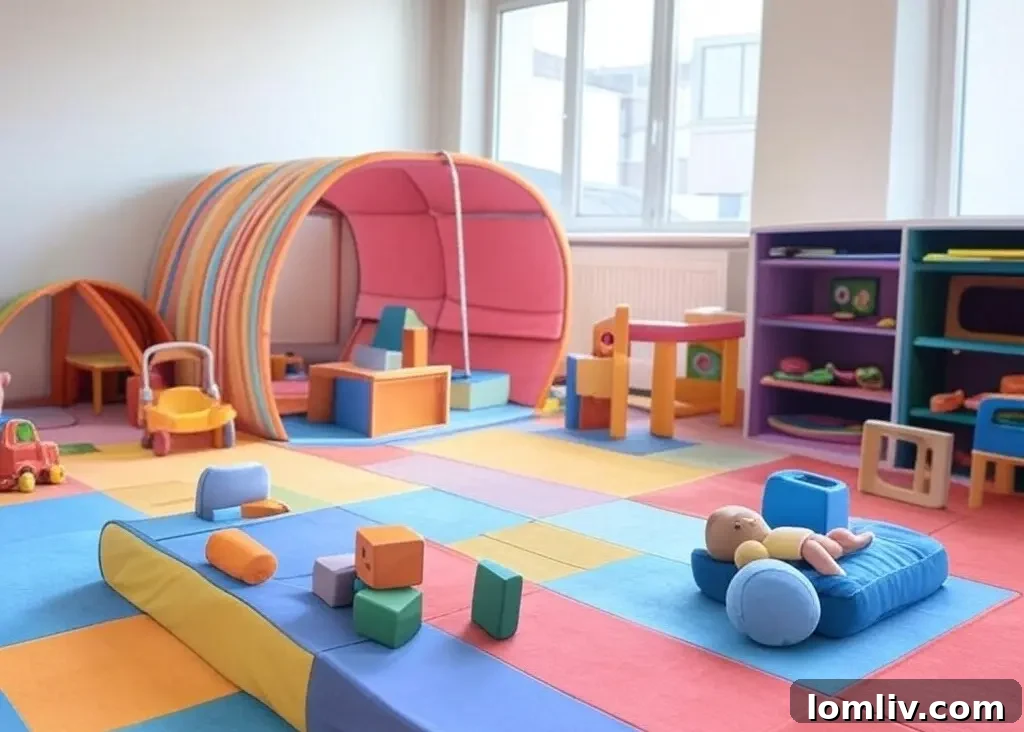
Beyond safety, children thrive in environments where they feel secure, free from prying eyes and excessive external distractions. A well-designed privacy fence can transform an ordinary backyard into a serene and focused play sanctuary, allowing kids to engage fully in their imaginative worlds while offering parents peace of mind.
- Enhanced Security and Seclusion: For families residing in bustling urban areas or close-knit suburban neighborhoods, a tall, solid fence provides an invaluable sense of seclusion. It acts as a visual barrier, shielding your children and their play activities from curious onlookers or passersby. This privacy fosters a sense of security for children and allows them to play more freely and authentically, without feeling observed. For parents, it reduces concerns about unwanted attention and contributes to an overall sense of tranquility in the backyard.
- Transforming Chain-Link Fences with Privacy Slats: If your property already features a chain-link fence, you don’t necessarily need a complete overhaul to achieve privacy. Privacy slats, woven vertically or horizontally through the fence mesh, can effectively block views into your yard. These slats come in various colors and materials, allowing you to customize the look while significantly increasing privacy. Crucially, they do so without completely obstructing airflow, which can be important in hotter climates.
- Sound-Blocking Fences: Creating a Quiet Oasis: In areas plagued by traffic noise, boisterous neighbors, or other environmental sounds, a sound-blocking fence can dramatically improve the quality of your outdoor space. Denser materials like solid wood panels, composite fencing, or vinyl can absorb and deflect sound waves more effectively than open-design fences. Installing a fence specifically designed for noise reduction can help create a quieter, more peaceful atmosphere, allowing children to concentrate on their play and conversations, and offering parents a more relaxing environment. This can be especially beneficial for children with sensory sensitivities.
In addition to these benefits, a privacy fence can also enhance the overall aesthetic appeal of your backyard. It creates a defined “room” outdoors, offering a clean backdrop for landscaping, play equipment, or outdoor living spaces. Choosing a fence that aligns with your home’s architectural style and your personal preferences can significantly elevate your property’s curb appeal and functionality.
5. Adding Fun to Your Fence: Interactive Designs for Kids
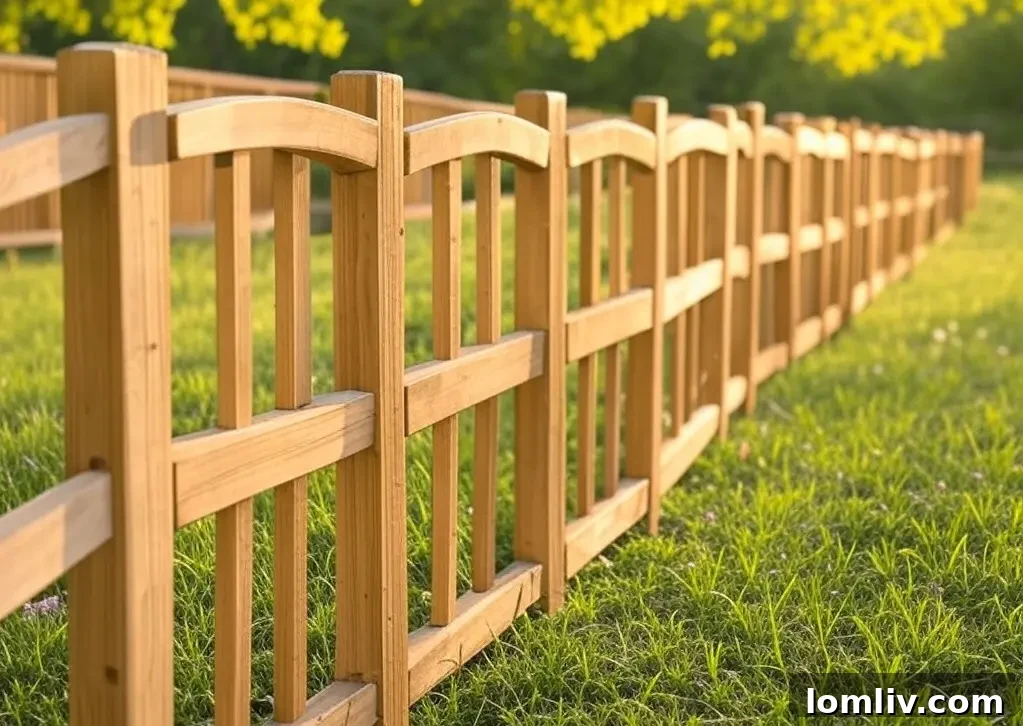
Who says fences have to be purely functional and mundane? With a touch of creativity and thoughtful design, your backyard fence can transcend its role as a boundary and become an engaging, interactive canvas for your children’s imaginations. Integrating playful elements not only maximizes the utility of your outdoor space but also encourages creativity, learning, and physical activity.
- Chalkboard Fence Panels: Unleashing Artistic Expression: Transform a section of your fence into a giant, washable chalkboard. By securely attaching chalkboard paint-coated panels or dedicated chalkboard surfaces to the fence, you provide an expansive, ever-changing canvas where children can draw, doodle, practice letters, or play games like tic-tac-toe. This encourages artistic expression, boosts fine motor skills, and can be easily wiped clean for new creations daily. Ensure the panels are securely mounted and made from durable, weather-resistant materials.
- Magnetic Playboards: Engaging Cognitive Skills: Similar to chalkboard panels, magnetic playboards can be affixed to the fence. These offer a versatile surface for magnetic letters, numbers, shapes, or even small magnetic puzzles and building blocks. Magnetic play encourages early literacy and numeracy, problem-solving, and imaginative play. It’s a fantastic way to bring educational activities outdoors in a durable, weather-resistant format.
- Activity Panels & Sensory Boards: Stimulating Development: Take interactivity to the next level with dedicated activity panels or sensory boards integrated into the fence design. These can feature a variety of engaging elements such as spinning wheels, textured surfaces for tactile exploration, sliding puzzle pieces, abacus beads, or even small musical chimes. Such features stimulate different senses, improve hand-eye coordination, and foster cognitive development, turning the fence into a multi-sensory learning experience. Always ensure these components are securely attached, made from child-safe materials, and free from pinch points.
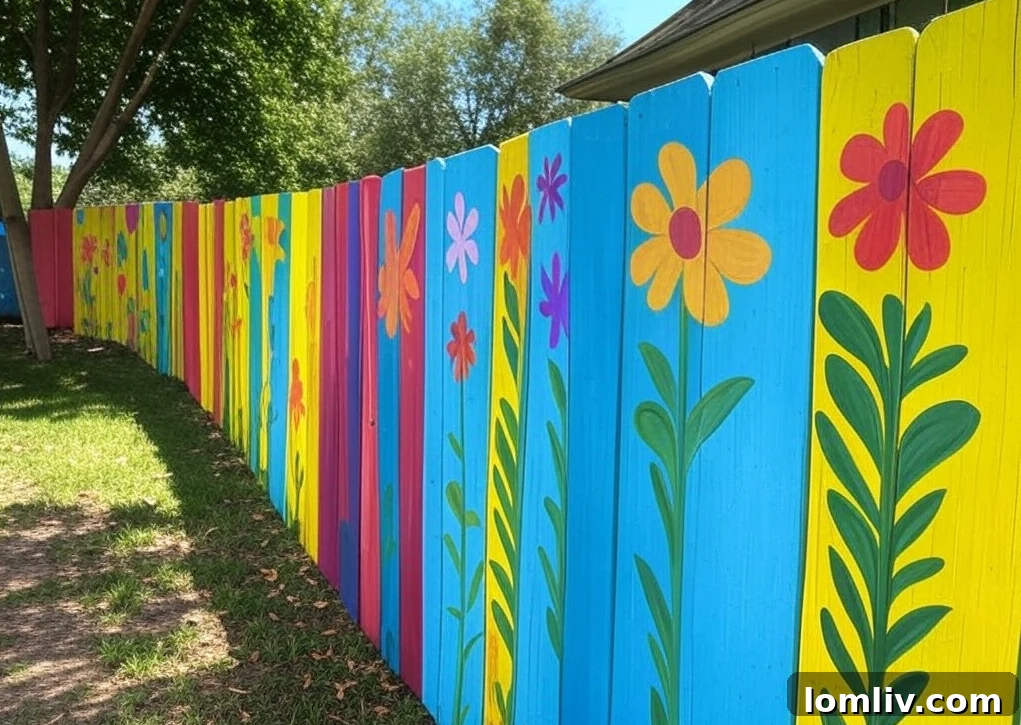
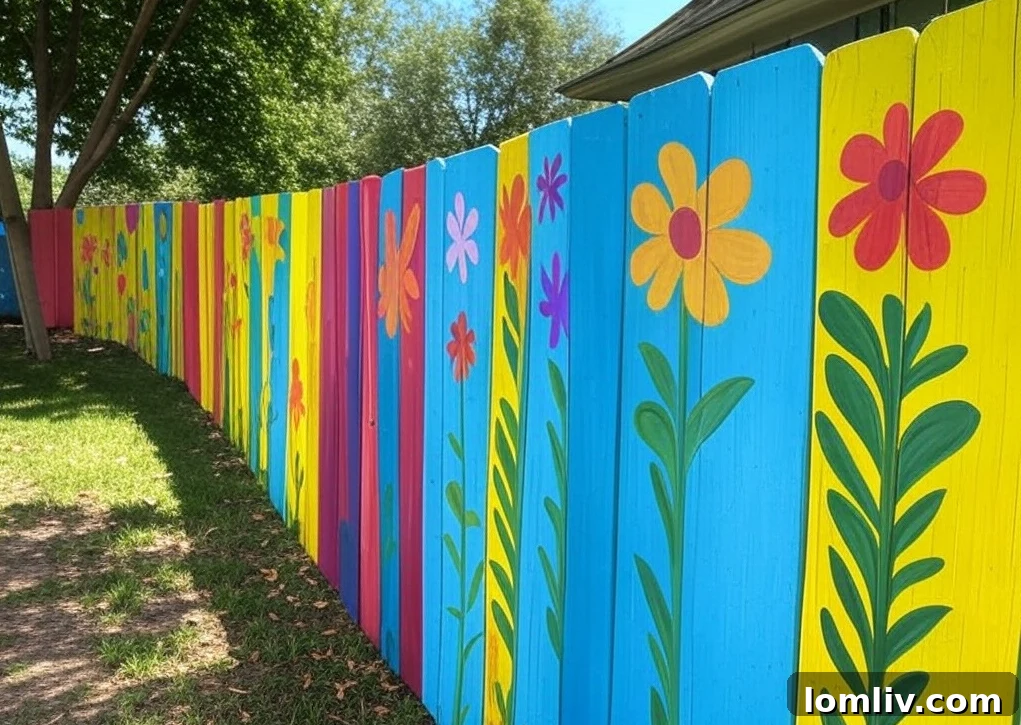
- Vibrant Colors: Adding Joy and Visual Appeal: Don’t shy away from incorporating bright, cheerful colors into your fence design. A splash of color can instantly make the play area more inviting and stimulating for children. Use UV-resistant, non-toxic outdoor paints to ensure the colors remain vibrant and don’t fade under sun exposure. You can opt for a single bold color, a playful multi-color scheme, or even paint murals of animals, landscapes, or abstract patterns.
Beyond these ideas, consider vertical gardens with child-safe plants, small attached shelves for displaying treasures, or even weaving colorful ribbons through an open fence design. The key is to think of the fence not just as a barrier, but as an extension of the play environment, offering continuous opportunities for fun and learning.
6. Durable & Low-Maintenance Options: Less Work, More Play for Parents
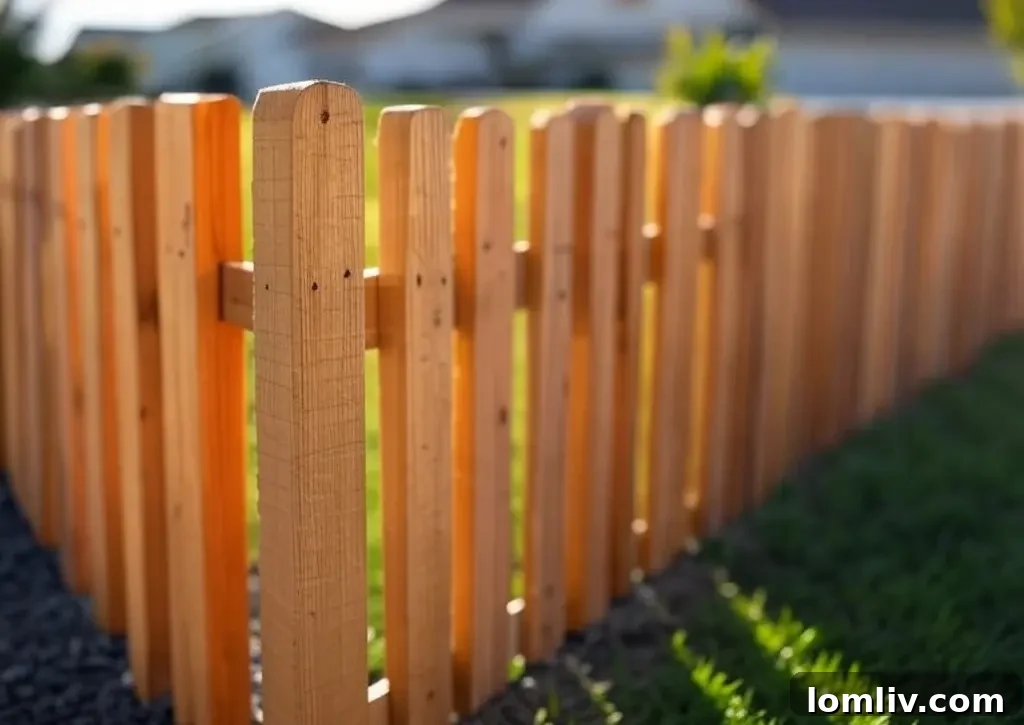
In the busy lives of parents, time is a precious commodity. The last thing any parent wants is to spend valuable weekend hours repainting, repairing, or constantly maintaining a fence. The ideal fence for a child’s play area is one that marries robust durability with minimal upkeep, allowing more time for family fun and less for chores. Investing in low-maintenance materials upfront saves considerable time and money in the long run.
- Vinyl Fencing: The Epitome of Low Maintenance: Vinyl fences are a top choice for child-friendly play areas due to their exceptional durability and virtually zero maintenance requirements. They are completely splinter-free, won’t rot, rust, or warp, and are impervious to insect damage. Cleaning is a breeze – usually just a quick spray with a hose and mild soap. Vinyl comes in a wide array of styles and colors, offering excellent aesthetic versatility while maintaining its vibrant look for decades without needing painting or staining.
- Aluminum Fencing: Strength, Style, and Rust-Proof Longevity: Aluminum fences offer a sleek, modern, and incredibly durable solution. Naturally rust-proof, they stand up to all types of weather conditions without corroding. While typically chosen for their elegant, open designs, aluminum fences can be customized with closer picket spacing for child safety. They are remarkably strong, require very little upkeep beyond occasional cleaning, and can be powder-coated in various colors for added aesthetic appeal and protection. Their open design also allows for easy supervision of children from a distance.
- Composite Fencing: The Best of Both Worlds: Composite fencing combines the natural beauty of wood with the resilience of plastic. Made from recycled wood fibers and plastic, composite fences offer a splinter-free surface and excellent resistance to rot, decay, and insect infestation. They retain their color well, typically don’t require painting or staining, and are significantly more durable and long-lasting than traditional wood, with minimal upkeep. This makes them an environmentally conscious and practical choice for families.
- Pressure-Treated Wood (with considerations): While demanding more maintenance, pressure-treated wood remains a popular option for its natural look and affordability. If opting for wood, ensure it is treated to resist rot and pests, and that all surfaces are regularly inspected for splinters and smoothed. Staining or sealing every few years is necessary to protect it from the elements. Always choose non-toxic, child-safe stains and sealants.
For an added layer of safety, particularly around high-impact play zones, consider integrating cushioned ground surfaces like rubber mulch or safety mats directly around the base of the fence, especially if it’s near swings or slides. If you’re unsure which material is best suited for your specific needs and local climate, professionals like Dallas Fence Co offer a diverse range of durable, low-maintenance, and kid-friendly fencing options expertly designed to provide lasting security and enjoyment for your family.
Investing in Safety, Fun, and Peace of Mind for Your Family
Choosing the right fence for your children’s outdoor play area is much more than a functional decision; it’s a thoughtful investment in their safety, development, and overall well-being. A thoughtfully selected fence transforms your backyard into a secure, private, and stimulating environment where kids can freely explore, learn, and grow. It offers parents invaluable peace of mind, knowing their little ones are protected within clearly defined and safe boundaries.
As you plan your ideal child-friendly outdoor space, remember these key considerations:
- Uncompromising Safety Standards: Prioritize tall, sturdy, and genuinely child-proof fences with small gaps that prevent both escapes and entrapment.
- Health-Conscious Materials: Opt for non-toxic, smooth materials free from splinters, sharp edges, and harmful chemical coatings to protect delicate skin and curious mouths.
- Reliable Gate Security: Ensure your play area features secure, self-closing gates equipped with childproof locks positioned out of a child’s reach, offering immediate visual confirmation of their status.
- Cultivating a Peaceful Sanctuary: Utilize privacy and noise-reduction features to create a tranquil, secluded space that fosters focused play and reduces external distractions.
- Inspiring Interactive Play: Integrate fun, engaging elements like chalkboard panels, magnetic playboards, or sensory activity stations to encourage creativity and developmental growth.
- Smart, Long-Term Investment: Choose durable, low-maintenance materials such as vinyl, aluminum, or composite to minimize upkeep, allowing more quality time for your family.
Ultimately, a good fence is far more than a mere barrier; it’s an integral component of a well-designed outdoor living space that champions children’s play, learning, and overall happiness. By making informed choices, you’ll create a safe, vibrant, and cherished area where your kids can thrive for years to come, offering you the ultimate peace of mind in their outdoor adventures.