The Dallas City Council recently opted to defer a crucial rezoning decision concerning a multifamily development on South Polk Street, a facility that has quietly served homeless veterans for eight years within a residential, single-family neighborhood. This deferral underscores a complex dilemma faced by urban planners and city officials: balancing the pressing need for supportive housing for vulnerable populations with the rigorous adherence to established zoning regulations and neighborhood character preservation.
The situation came to the forefront following a code complaint filed by a neighbor over the summer, shining a spotlight on the facility’s operational status. This complaint prompted the operators of the veteran housing unit to formally request a zoning change to multifamily use. Despite city staff recommending denial of the rezoning, citing incompatibilities with existing regulations, the City Plan Commission (CPC) surprisingly approved the request in a split vote in September. This divergent outcome between staff recommendations and commission approval highlights the nuanced interpretations and competing priorities often inherent in zoning cases, particularly those with a significant social impact.
District 1 Councilman Chad West, a key figure in this ongoing discussion, played a pivotal role in Wednesday’s decision by requesting that the item be deferred to January 24. His intervention was driven by a desire to provide the operators with a vital window of opportunity. “This was a group home for formerly homeless veterans,” West explained, emphasizing the facility’s humanitarian mission. “They converted the group home to a multifamily structure outside the provisions of code. We’re wanting to delay this so they can have an opportunity to work with Code, to get compliant before we approve the zoning change, hopefully in January so these veterans can stay in their housing.” This statement articulates a compassionate yet pragmatic approach, seeking to rectify a long-standing regulatory oversight without displacing the residents who rely on the housing.
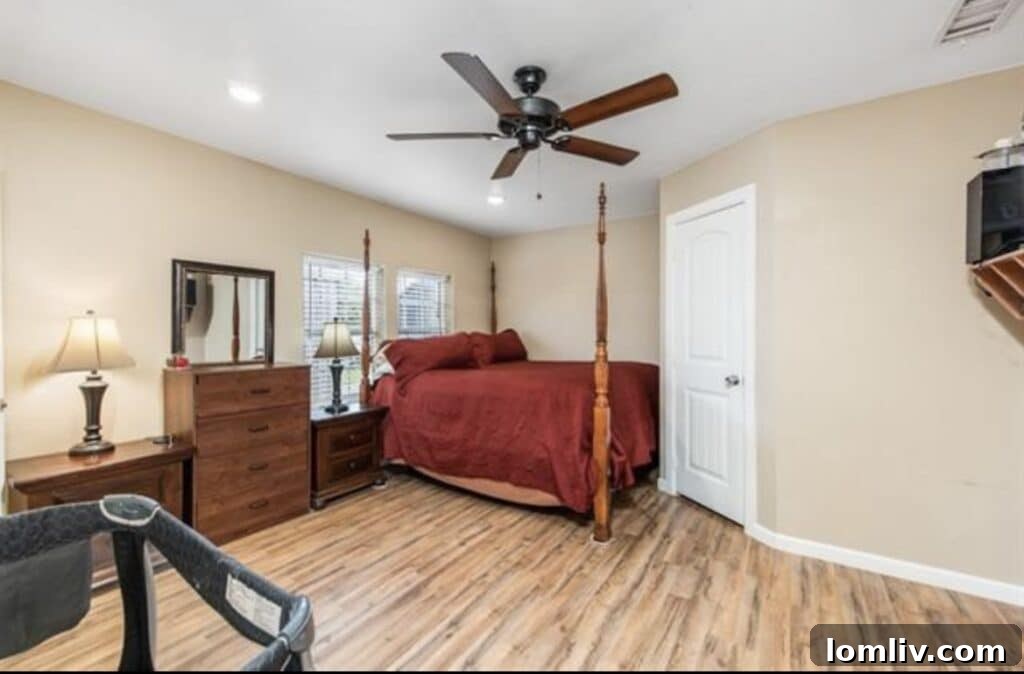
Councilman West further acknowledged the significant effort required to bring the property into full compliance, stating that there’s “a lot of work to be done on the Code side of the house.” This “code side” refers to a myriad of structural, safety, and administrative requirements that the property must meet to align with its current operational use. Originally, the site operated as a handicapped group dwelling unit, a use that was permissible under the existing single-family zoning district, R-7.5(A). However, subsequent renovations undertaken to create individual dwelling units for the veterans led to a reclassification of the property’s use. According to a comprehensive staff report, this new classification now falls under either a group residential facility or a multifamily use, neither of which is permitted within the restrictive R-7.5(A) Single Family District. This shift in classification is at the heart of the legal and regulatory challenge, transforming a once-compliant operation into one that now requires a significant zoning amendment to continue.
Understanding the South Polk Street Property and Its Operational History
The property in question is a nine-bedroom home situated on the east side of South Polk Street, nestled between Cascade Avenue and Elmhurst Place. Its location within an established residential neighborhood is central to the community’s concerns and the complexity of the rezoning debate. Dallas Central Appraisal District records provide a tangible outline of the property: it encompasses 7,575 square feet of land, featuring a one-story structure built in 1940 with a substantial 4,417 square feet of living area. For nearly a decade, this facility has provided a crucial safety net for formerly homeless veterans, offering them a stable environment and a pathway to reintegration.
The quiet operation for eight years underscores several facets of urban living and code enforcement. It suggests either a lack of awareness within the immediate community about the precise nature of the facility’s operation or a period of tacit acceptance that was only disrupted by a specific complaint. Regardless, the length of its operation highlights the deep roots the facility has established within the lives of its residents. The veterans living there have found stability and community, making the outcome of this rezoning decision profoundly impactful on their well-being and future housing prospects. The city’s challenge now is to navigate the bureaucratic process while acknowledging the human element at play.
The Dallas Plan Commission’s Deliberation: A Balancing Act
The City Plan Commission’s discussion in September revealed the inherent tensions in such cases. Commissioner Amanda Popken, Councilman West’s appointee to the CPC, acknowledged the unusual nature of the situation. “I want to be clear that we’re not in the business of approving illegal uses after the fact,” she stated, underscoring the commission’s responsibility to uphold zoning integrity. However, Popken also articulated a pragmatic perspective focused on supporting essential community services. She referenced the West Oak Cliff Area Plan, noting that community feedback often calls for supporting “small mom-and-pop local businesses that are serving locals.” For Popken, this facility exemplified a “good operator providing a necessary service that fits into this particular location,” framing the commission’s role as one of “helping neighbors get into compliance and stay in operation.” This viewpoint champions a more adaptive approach to zoning, recognizing that rigid adherence might sometimes hinder beneficial community assets.
In an effort to address some of the neighborhood’s concerns, property owners associated with Phase II of The Bailey Group Inc., the operators of the facility, agreed to implement deed restrictions. These restrictions specifically limit the building height to 30 feet, a common measure designed to maintain the scale and character of residential neighborhoods and mitigate potential impacts of increased density. Such agreements often serve as a bridge between developers seeking zoning changes and communities wary of their effects, offering a compromise that can facilitate approval while protecting neighborhood aesthetics.
Conversely, Commissioners Michael Jung, Tipton Housewright, and Deborah Carpenter voted against the rezoning request, articulating a different set of concerns. While expressing compassion for the current tenants and their circumstances, their opposition stemmed from the fundamental principle of compatible land use. Housewright voiced a significant apprehension: “It seems to me we’re opening ourselves up to another operator unforeseen in the future that would not do the job that our current applicant is doing. I think that is a risk to this neighborhood that I’m not sure I’m willing to promote.” This perspective highlights the broader implications of zoning decisions. Approving a use that is incompatible with the existing single-family designation, even for a benevolent cause, sets a precedent. It raises fears among residents and some commissioners about the long-term integrity of zoning laws and the potential for future, less scrupulous operators to exploit such exceptions, thereby eroding the established character and stability of a neighborhood. This clash of viewpoints—compassion for current residents versus the preservation of zoning principles—lies at the heart of this complex Dallas zoning debate.
Housing for Homeless Veterans: A Critical Need in Dallas
The controversy surrounding the South Polk Street property transcends mere zoning technicalities; it deeply intersects with the critical and ongoing challenge of housing homeless veterans in Dallas. Veterans often face unique obstacles upon returning to civilian life, including post-traumatic stress disorder, physical disabilities, unemployment, and difficulty accessing support services, all of which can contribute to homelessness. Therefore, facilities like the one on South Polk Street are not just residences; they are vital lifelines providing stability, community, and often, a stepping stone towards independent living.
Dallas, like many major cities, grapples with the persistent issue of veteran homelessness. Efforts to combat this often involve a combination of federal, state, and local initiatives, as well as the invaluable contributions of non-profit organizations. The South Polk Street development exemplifies the grassroots efforts to address this need directly. The potential disruption to the veterans currently residing in the facility, should the rezoning ultimately be denied or compliance prove unattainable, would be significant. It underscores the fragility of their living situations and the profound impact that bureaucratic decisions can have on vulnerable individuals. The City Council’s decision must therefore weigh the importance of strict regulatory enforcement against the very real and humanitarian need to support those who have served the nation.
Navigating Regulatory Hurdles and Community Engagement for Future Success
Councilman West’s deferral offers a critical window for the operators to engage in extensive “work on the Code side.” This likely involves a comprehensive review and upgrade of the property to meet contemporary building codes, safety standards, and accessibility requirements for multifamily dwellings. It could entail obtaining new permits, undergoing rigorous inspections, and potentially making physical modifications to the structure to ensure it fully complies with all city ordinances for its intended use. Such an undertaking requires significant resources, time, and dedicated effort from Phase II of The Bailey Group Inc. The success of this compliance phase is paramount to the facility’s long-term viability and the continued housing of its veteran residents.
Beyond the technical aspects of code compliance, this case also highlights the ongoing need for robust community engagement in urban planning. While the neighbor’s complaint brought the issue to light, it also signals underlying concerns within the single-family neighborhood. These concerns often revolve around maintaining neighborhood character, managing potential increases in traffic or density, and ensuring that any new developments align with the community’s vision. Effective communication, transparency, and a willingness to find common ground between developers, residents, and city officials are essential for achieving outcomes that serve the greater good while respecting local aspirations.
The Dallas City Council’s upcoming decision on January 24 will be a pivotal moment for the South Polk Street veteran housing facility. It will not only determine the future of this specific development but also send a broader message about how Dallas addresses the complex interplay of compassion, urban regulation, and community needs. The outcome will underscore the city’s commitment to supporting its veterans while upholding the principles of its zoning framework. Striking this delicate balance requires thoughtful deliberation, proactive problem-solving, and a clear vision for an inclusive and well-planned Dallas.