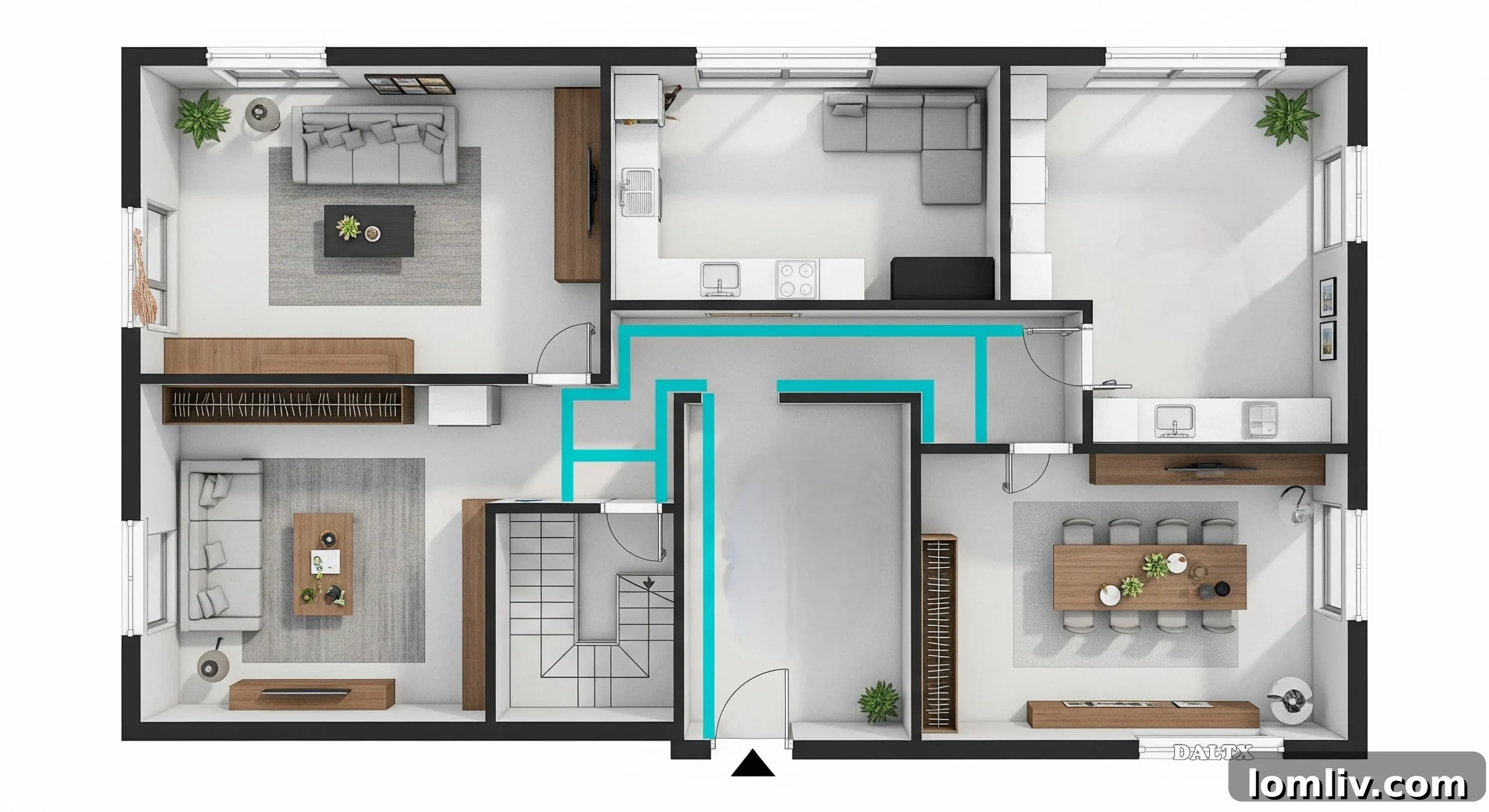
Mastering Room Layout: Design for Function, Flow, and a Life Well-Lived
Have you ever stepped into a beautifully decorated room that, despite its aesthetic appeal, felt subtly off? Perhaps the furniture was stunning, yet navigating the space was awkward, or the seating arrangement somehow discouraged natural conversation. This common experience highlights a classic design pitfall: prioritizing visual appeal so much that the fundamental way a space is meant to be used is overlooked.
A well-conceived room layout is undeniably the bedrock of exceptional interior design. It’s what transforms a mere collection of objects into a cohesive, inviting environment where every element feels perfectly placed. Without a thoughtfully planned layout, even the most expensive furnishings and stylish décor can fail to create a truly comfortable and functional space. Design isn’t merely about creating something that looks good in photographs; it’s about crafting an environment that feels right, that supports your daily life, and enhances your overall well-being.
Many individuals find themselves stuck at this crucial stage. You might have a clear vision of your personal style and preferences, but translating those ideas into a functional and harmonious floor plan can be incredibly challenging. Fortunately, this no longer needs to be a daunting task. Modern design tools and technologies have evolved dramatically, making it more accessible than ever to move beyond just “pretty” and build a room layout that genuinely works for you and your lifestyle.
The Twin Pillars of Design: Understanding Function and Flow
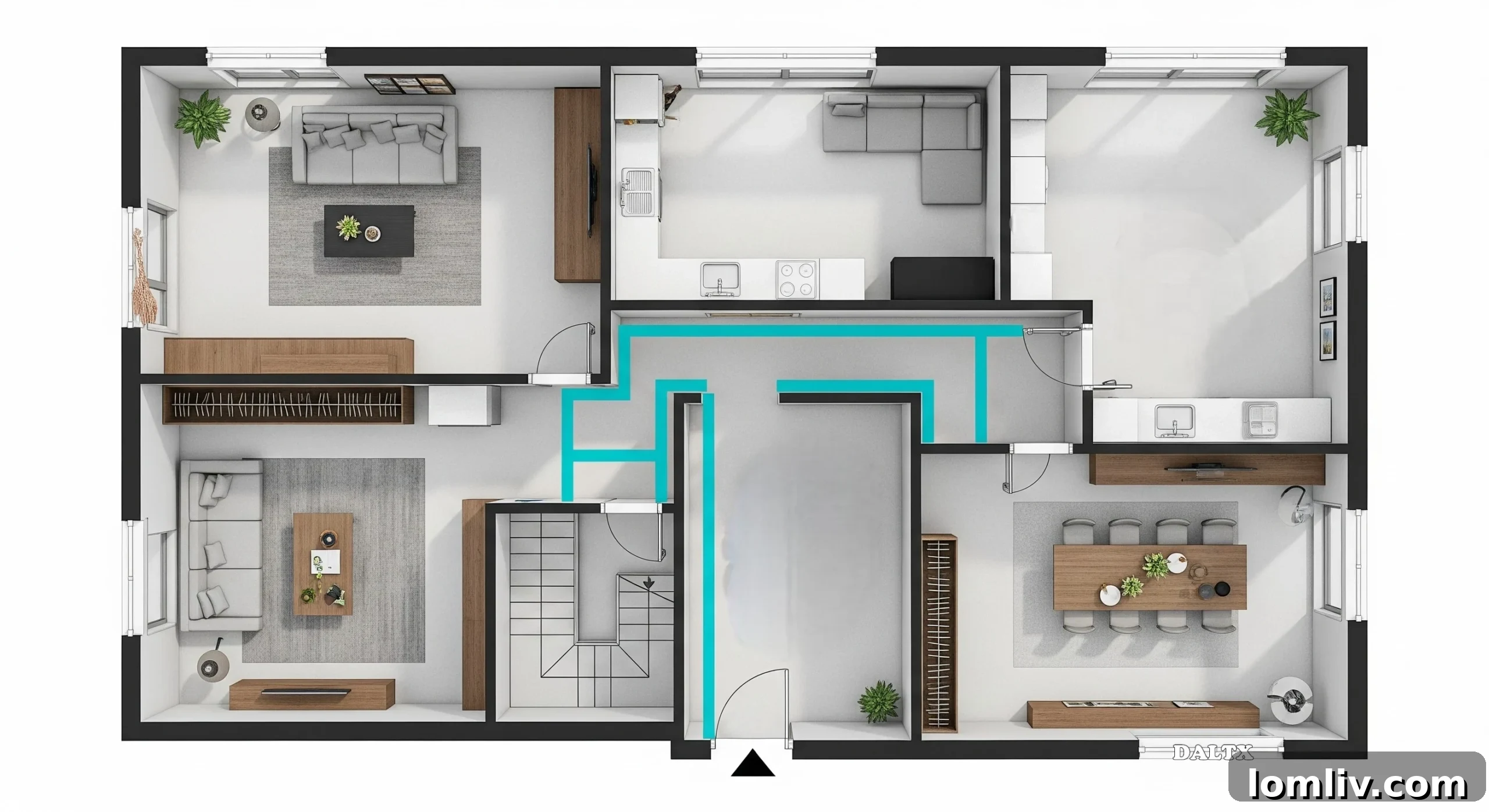
Before you contemplate moving a single piece of furniture or selecting new decor, it’s essential to take a moment to understand and internalize two foundational principles that underpin every successful room layout: function and flow. These two concepts, often overlooked, are the key to designing spaces that are both beautiful and incredibly practical.
1. Function: What is this room truly for?
While this question might seem self-evident, it’s astonishing how often people bypass it in their eagerness to start decorating. The primary purpose of a room should always be the guiding force behind your layout decisions. For instance, consider your living room: Is it predominantly a cozy retreat for movie nights and relaxed family time? Or does it primarily serve as a vibrant gathering space for entertaining friends and engaging in lively conversations? Perhaps your dining room needs to be versatile, effortlessly transitioning from formal dinner parties to a productive part-time home office during the week.
Honesty about your daily habits and lifestyle is paramount here. A meticulously designed setup for formal entertaining won’t serve you well if the majority of your meals are casual and enjoyed on the couch in front of the television. Once you have a crystal-clear understanding of the room’s main purpose, expand your thinking to include any secondary functions it might serve. This level of clarity acts as your design compass, anchoring your decisions about what furniture is truly necessary, its ideal scale, and precisely where it should be placed to support your life.
2. Flow: How do people move through the space?
Flow, in essence, is all about movement. It dictates the natural, unhindered paths individuals take as they navigate through a room and transition between different spaces. When the flow is disrupted, you might not immediately identify the specific cause, but you will invariably experience a distinct sense of awkwardness or discomfort. Poor flow manifests as tight corners, furniture that obstructs pathways, and a general feeling of congestion or inconvenience.
One of the most pervasive layout mistakes is the tendency to push all furniture against the walls. While this might seem intuitive, aiming to create an expansive central area, it frequently results in a vast, unused “dead zone” in the middle of the room that serves no practical purpose. A far more effective strategy is to meticulously define intentional pathways that feel effortless and intuitive to move through. As a general guideline, aim for main walkways to be approximately 24 to 36 inches wide. This allows people to move comfortably, preventing unnecessary bumps and creating a sense of openness even in smaller rooms.
The Old Way: Guesswork, Frustration, and Costly Mistakes
Before the widespread availability of sophisticated digital tools, the process of planning a room layout was a labor-intensive and often frustrating endeavor. It typically involved little more than a ruler, graph paper, and an ample supply of patience. Aspiring designers or homeowners would painstakingly cut out small paper representations of furniture pieces, then slide them around on their drawn floor plans, attempting to mentally visualize how everything might translate into a three-dimensional, living space. This method was not only tedious but also notoriously inaccurate.
The inherent limitation of two-dimensional drawings was a significant hurdle. A sketch might indicate where a sofa should be placed, but it was impossible to truly “feel” how tight a walkway would become, or how a particular console table might impede the view across the room. This fundamental disconnect between the flat drawing and the dynamic, three-dimensional reality of a room frequently led to significant design missteps, some of which proved to be quite expensive.
A piece of furniture might appear perfectly scaled and aesthetically pleasing on paper. However, upon its actual delivery, it could suddenly overwhelm the entire room or, conversely, appear disproportionately small, like a dollhouse miniature of what was originally envisioned. Accurately judging scale and proportion from a flat drawing is considerably more challenging than it sounds, often resulting in disappointing purchases.
Furthermore, if you wished to explore alternative layouts or make even minor adjustments, the entire process of redrawing and rearranging paper cutouts would have to be repeated. This was an incredibly time-consuming and, frankly, disheartening exercise. Many individuals, exhausted by the iterative process, would simply settle for the first layout they devised, even if it didn’t quite feel right, leading to enduring dissatisfaction with their living space.
The consequences were clear: countless individuals ended up ordering the wrong-sized sofa, purchasing furniture that blocked essential pathways, or realizing their space simply didn’t function well only after everything had been delivered and set up. This often necessitated additional expenditure to rectify these issues, whether through returns, sales, or costly replacements, transforming what should have been an exciting design journey into a source of stress and regret.
Visualizing Your Layout in 3D: A Modern Design Revolution
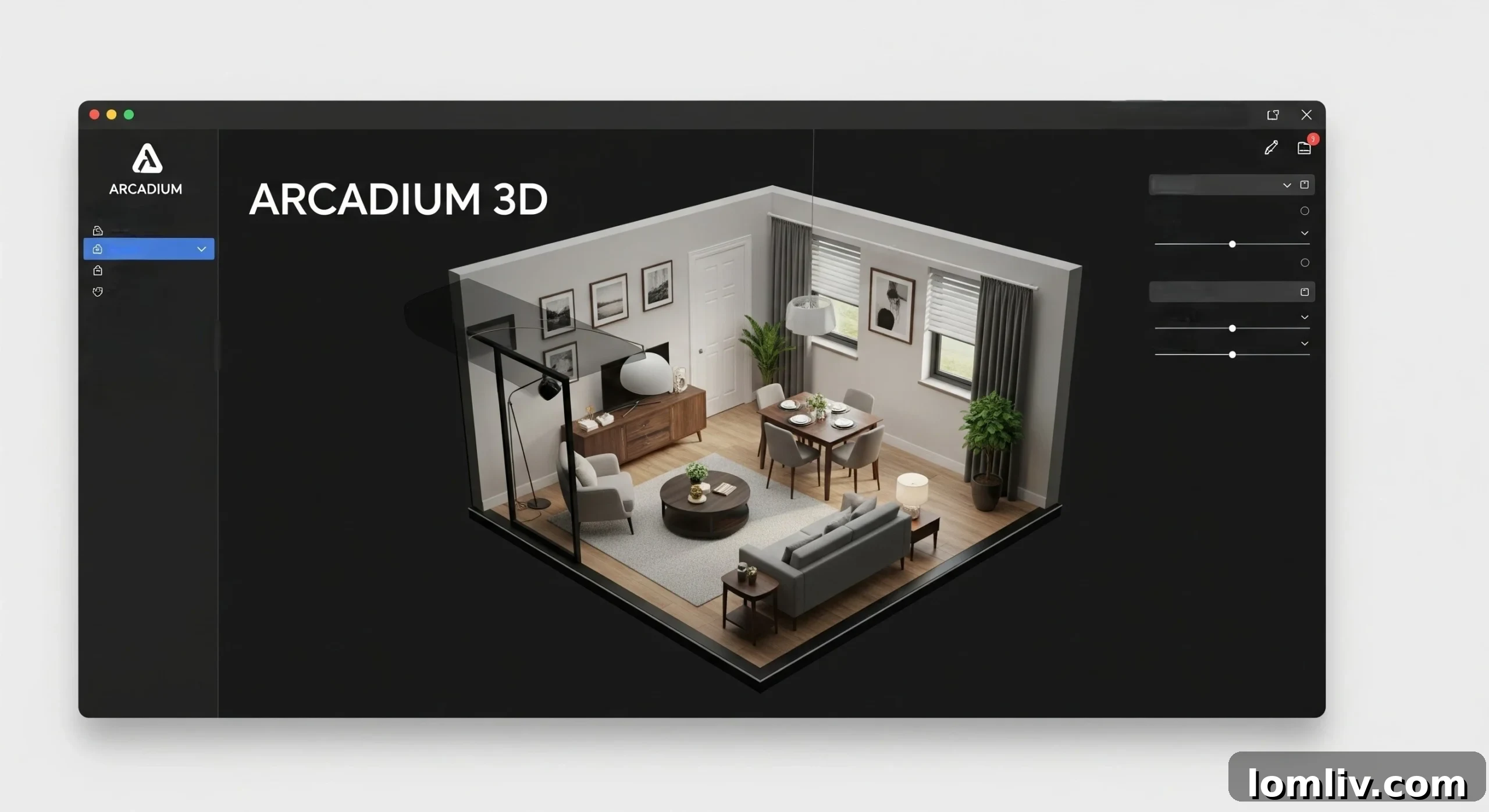
Fortunately, technology has ushered in a complete transformation in how we approach space planning and interior design. The days of wrestling with flat drawings and trying to conjure vague mental images are largely behind us. Modern 3D design tools now empower you to construct a true-to-scale digital replica of your room and effortlessly arrange elements in real-time, offering an unprecedented level of control and clarity.
This capability is a genuine game-changer. Instead of merely *imagining* how a layout will feel, you can visually experience it. You can virtually “drop in” various pieces of furniture from extensive digital libraries, virtually “walk through” the room, and experiment with countless different configurations until you find one that resonates perfectly. This means you’ll know definitively if a particular chair obstructs a hallway, or if the dining table feels too cramped against a wall, all before committing to a single purchase. This foresight translates directly into significant savings in time, money, and potential frustration.
What once demanded expensive professional software and specialized design expertise is now remarkably accessible to anyone with an internet connection. Numerous platforms allow you to design a room online for free, providing you with comprehensive control to explore diverse design ideas and implement changes on the fly. Because you’ve already had the opportunity to “live” in your chosen layout virtually, you can proceed with your design decisions with a profound sense of confidence. The era of unpleasant surprises when your new furniture finally arrives is officially over.
A Step-by-Step Guide to a Layout That Works with 3D Tools
With a deeper understanding of function and flow, and equipped with the power of modern 3D design tools, you’re ready to bring your ideal space to life. Here’s a practical, step-by-step approach to constructing a room layout that feels perfectly tailored to your space and personal preferences:
- Start with a Focal Point.
Every exceptionally designed room benefits from a clear focal point – an element that naturally draws the eye and anchors the space. This could be a majestic fireplace, a large window offering a captivating view, a striking piece of artwork, or even your entertainment center. Identify this anchor and allow it to guide your initial furniture placement. Arrange your primary seating elements, such as sofas and armchairs, to naturally face or relate to this focal point. This initial step sets the aesthetic tone and helps all subsequent design decisions fall logically into place. - Cultivate Space for Conversation.
Furniture serves a purpose beyond mere seating; it facilitates connection and interaction. Aim to create inviting conversation zones. A classic and effective arrangement involves positioning a sofa opposite two chairs, forming a loose U-shape or an H-shape. The overarching goal is to ensure that individuals are positioned close enough to converse comfortably without having to raise their voices or strain. A practical guideline is to allow approximately 4 to 12 inches between two chairs or between a chair and a sofa, providing just enough space for a small side table or a comfortable footrest, without making the seating area feel disconnected or overly sparse. - Give Your Furniture Room to Breathe.
While the impulse to push all furniture against the walls is strong, resist it. By subtly “floating” your sofa or chairs a few inches or even a few feet away from the walls and towards the center of the room, you achieve a more dynamic and sophisticated look. This technique not only opens up natural pathways behind seating areas but also helps to define distinct conversation zones and surprisingly often makes the entire space feel larger and more expansive. - Master Your Spacing and Traffic Paths.
The seemingly minor details of spacing have a profound impact on a room’s functionality and comfort. For instance, your coffee table should ideally be positioned approximately 12 to 18 inches from the front edge of your sofa. This distance is close enough for easy reach, yet wide enough to allow comfortable movement without awkward shuffling. When designing walkways, prioritize main thoroughfares to be at least 30-36 inches wide to ensure smooth and natural movement. Secondary pathways can be slightly narrower, around 24 inches. Also consider the space around dining tables (at least 36 inches from the wall or other furniture for chair pull-out) and between individual chairs. Mindful spacing prevents congestion and enhances the overall ease of living. - Utilize a Digital Tool to Test and Tweak.
This is where the transformative power of modern technology truly shines. A platform like Arcadium 3D allows you to tirelessly experiment with myriad layouts without the arduous task of moving a single piece of real furniture. You can effortlessly drag and drop items from an extensive digital furniture library, explore your proposed room in immersive 3D, and even conduct a virtual walk-through to genuinely gauge how the space will feel and function. This iterative process empowers you to quickly test a multitude of design variations, enabling you to confidently arrive at the optimal layout that perfectly aligns with your space, your aesthetic vision, and your unique lifestyle.
Design a Life, Not Just a Room: The Power of Intentional Layout

It’s incredibly easy to become consumed by the exciting details of colors, finishes, and the quest for that seemingly “perfect” decorative item. However, the true essence of exceptional interior design transcends superficial aesthetics. A truly well-designed room isn’t just about what it looks like; it’s about shaping an environment that seamlessly integrates into your daily life. It’s about creating a space that effortlessly flows with your routines, actively supports your activities, and ultimately makes being at home feel more comfortable, more efficient, and undeniably more enjoyable.
Take a moment to truly reflect on how you inhabit your space. Consider the paths you naturally take, the activities you engage in every day, and how your current layout either facilitates or hinders these actions. What elements contribute to a sense of ease, and what perpetually gets in your way? What feels instinctively right, and what subtly feels “off”? These profound insights are precisely what a thoughtful room layout aims to address and optimize.
You no longer have to rely on mere guesswork. The days of standing in a room with a measuring tape, agonizing over whether a new sofa will truly fit, or harboring lingering doubts about the placement of a particular armchair are obsolete. With the advent of powerful and intuitive 3D design tools, you can now rigorously test out your ideas. You can rearrange furniture with just a few clicks, visualizing every angle and dimension. You can see it, you can feel it, and you can truly experience your planned layout long before you make any final, costly decisions. Embrace this empowerment and design a home that perfectly reflects and supports the life you aspire to live.