While the name E.G. Hamilton might not immediately resonate with everyone, his monumental contributions to Dallas’s architectural identity are undeniably familiar. His most celebrated creation, NorthPark Center, stands as a testament to his visionary design, forever altering the city’s commercial and cultural landscape. Yet, Hamilton’s genius extended far beyond grand public spaces, shaping countless private residences and commercial properties across his illustrious, nearly seven-decade career. This special edition of the daltxrealestate.com Architect Index delves into the captivating story of E.G. Hamilton, focusing on two distinctive homes that embody his enduring legacy and the complex narratives surrounding architectural preservation in Dallas.
Revered by Dallas Morning News architecture critic Mark Lamster as “the architect who built Dallas,” E.G. Hamilton left an indelible mark on the city’s built environment. His prolific career saw him design a diverse array of projects, including commercial properties, apartment complexes, and numerous award-winning homes not only in Dallas but also in other prominent cities. Hamilton’s work is synonymous with the rise of modernism in Dallas, a style characterized by clean lines, open spaces, and an integration with the natural environment, which he masterfully adapted to the Texas context.
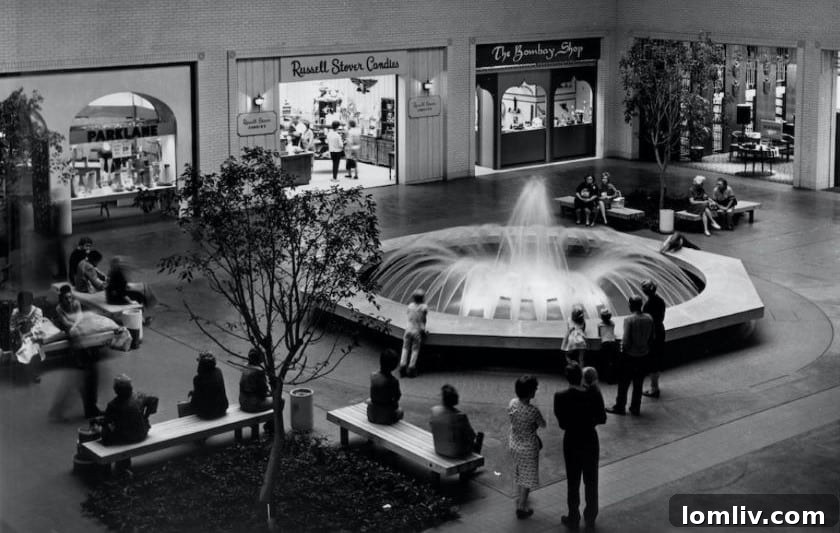
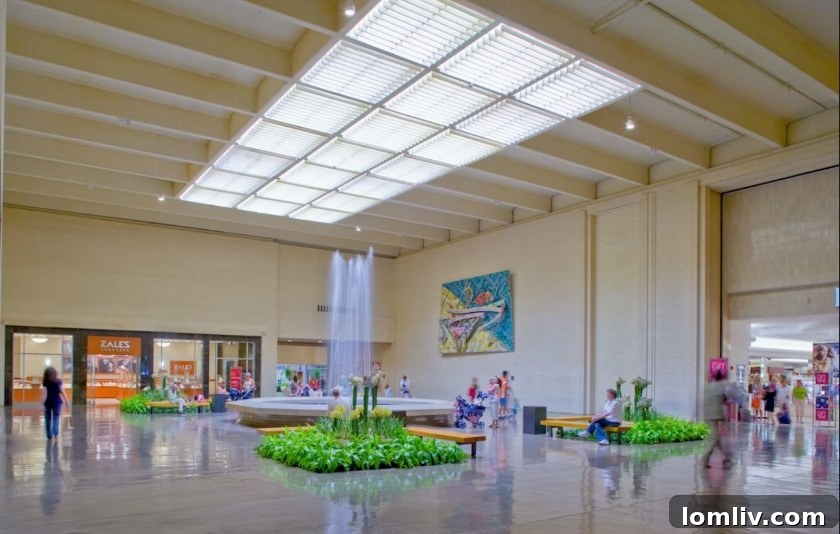
Beyond the retail marvel of NorthPark Center, Hamilton’s impressive portfolio includes architectural icons like the Republic National Bank building and its distinctive tower, the sprawling Dallas Convention Center, the elegant Fairmont Hotel, and the headquarters building for A.H. Belo. His influence stretched beyond design; as a leading arts proponent on Mayor J. Erik Jonsson’s “Goals for Dallas” initiative, Hamilton played a pivotal role in the conceptualization and creation of the Dallas Arts District, demonstrating his commitment to the city’s cultural enrichment.
E.G. Hamilton’s Dallas career began in 1952 when he moved to the city to collaborate with the esteemed architect Arch Swank. This partnership laid the groundwork for his future endeavors. In 1956, Hamilton co-founded Omniplan with George Harrell, a firm that would become instrumental in shaping Dallas’s modernist landscape and mentoring a new generation of architects. Among those influenced by Hamilton was Lionel Morrison, credited with introducing the first modern single-family attached homes along the Katy Trail. Like his mentors Hamilton and Swank, Morrison championed open floor plans over traditional compartmentalized rooms, a design philosophy beautifully showcased in his own residential projects and reflecting the progressive spirit of Mid-Century Modern architecture.
The Demolition of 3616 Crescent: The Hexter House Legacy
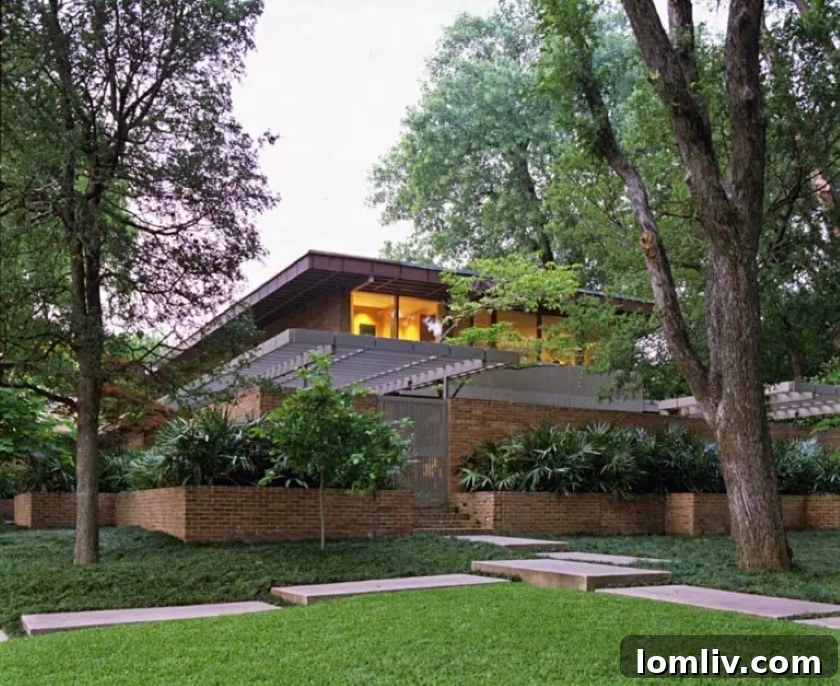
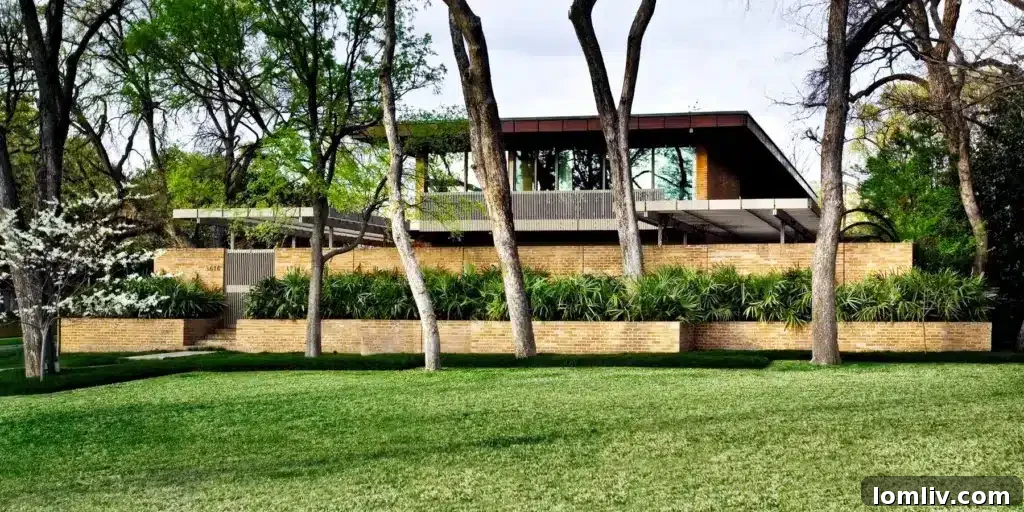
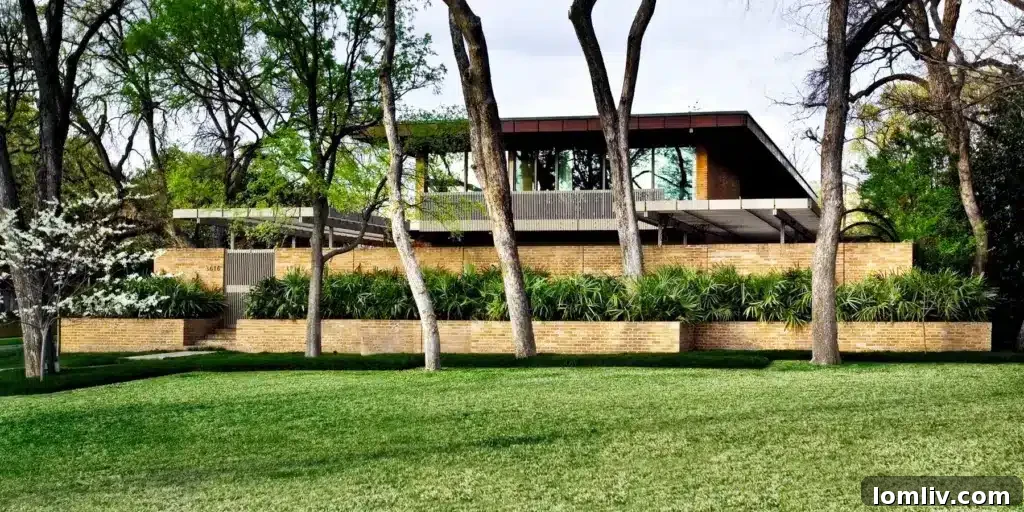
Among Hamilton’s most notable residential achievements was the Hexter House, a Mid-Century Modern masterpiece located at 3616 Crescent Avenue in Highland Park. Tragically, this iconic residence, a beacon of innovative design, was demolished in 2017, sparking a heated debate about architectural preservation in Dallas. Before its untimely demise, daltxrealestate.com meticulously chronicled the home’s history and architectural significance, maintaining what is arguably one of the most comprehensive archives on the Hexter House.
Built in 1963 for a member of the prominent Hexter family, founders of Hexter-Fair Title, the home was a revelation. When it first entered the market in December 2015 with an asking price of $8.5 million, we highlighted its groundbreaking architecture, from its exquisite Terrazzo floors to its intelligent layout. Our coverage even playfully “rattled off” a list of its distinguished neighbors, including Patrick Shelby (son of racing legend Carroll Shelby), Joe Sinacola, and Gil Besing, CEO and founder of Cardinal Capital Partners, Inc., underscoring the exclusivity and desirability of its location.
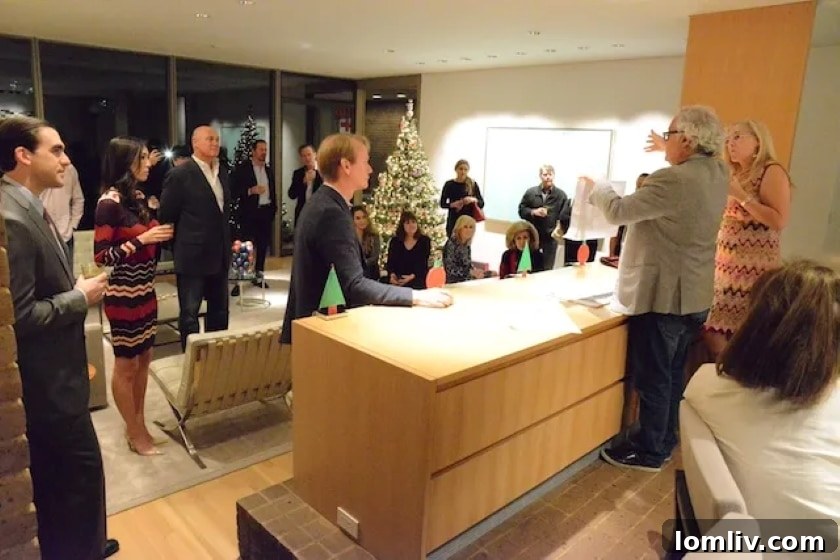
The daltxrealestate.com team even hosted a special “staff meeting” at the Hexter House – an immersive sip-and-learn event where we explored the residence and absorbed invaluable insights from architectural experts. This gathering underscored why the home had earned its status as one of Dallas’s most noteworthy modernist residences, celebrated for its innovative design principles and Hamilton’s forward-thinking approach.
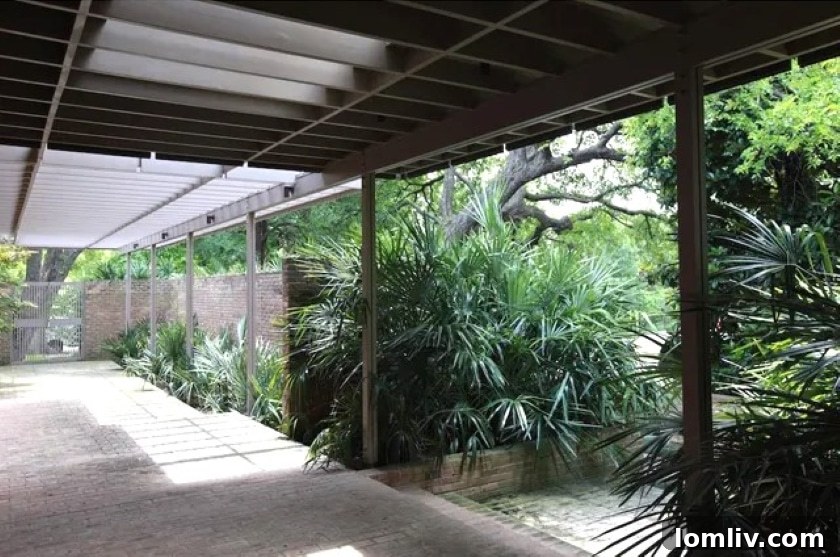
This 1963 gem garnered significant acclaim for Hamilton’s ingenious use of continuous planes, which seamlessly delineated interior and exterior spaces, and an innovative central garden that served as the heart of the home. The residence was masterfully constructed as a two-story glass and brick rectangle, with all living quarters thoughtfully designed around and above an expansive, open-plan living area. Upon entering the spacious, brick-floored foyer, one was immediately struck by the full view of lush gardens from every direction, blurring the lines between indoors and out. The home proudly showcased original St. Joe bricks, highly prized for their soft-mud craftsmanship and mottled color, and squared brick flooring throughout its generous 6,827 square feet. The original design was further enhanced and expanded in 1999 and 2008 by the extraordinary talents of bodron+fruit, with principals Svend Fruit & Mil Bodron overseeing sensitive updates and major additions that respected and elevated Hamilton’s original vision.
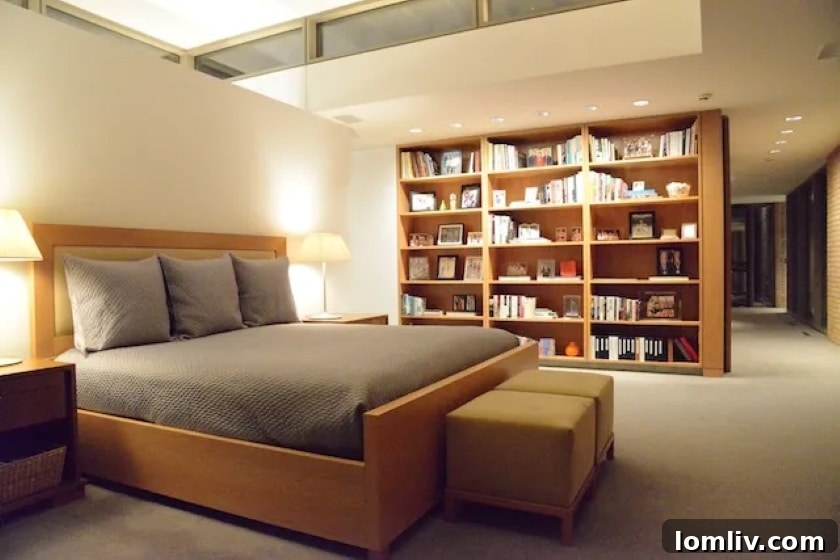
Despite its architectural grandeur and recent, multi-million dollar renovations that ensured its structural integrity and modern relevance, whispers of its impending demolition began to circulate. The home’s location on a prime, two-thirds of an acre corner lot on Crescent Avenue – arguably the most coveted street in Highland Park – made it an irresistible target for developers. The unfortunate absence of strong architectural preservation safeguards in Highland Park meant that the land value often superseded the intrinsic value of the existing structure. Mil Bodron, during our visit, presciently remarked, “This lot is so large and rare in Highland Park that, unfortunately, it’s tempting to tear down the home and rebuild on it.”
Bodron’s prediction proved accurate. On April 19, 2017, we reported that demolition permits had been filed by the home’s new owners. The news unleashed a flood of emotional responses from our readers, who lamented the impending loss of such a significant piece of Dallas architectural history. One reader eloquently wrote in our comments, “I’m not against tear downs or preservation for the sake of keeping an old structure, but this is insane. I can remember gazing upon this beauty when it appeared in the pages of Met Home some years ago,” reflecting the widespread dismay.
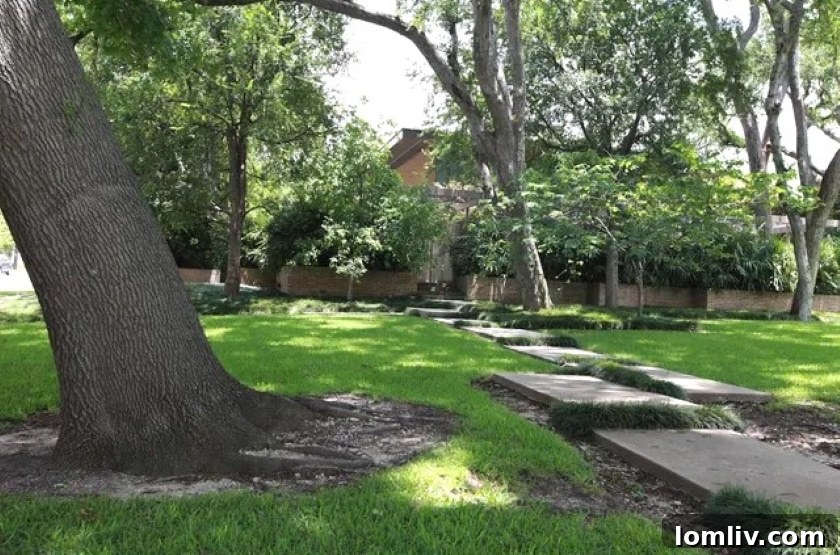

By August 2017, the Hexter House was gone. Our columnist Candy poignantly marked its passing with the words, “3616 Crescent, you had a good run.” The demolition of the Hexter House remains a stark reminder of the challenges faced in preserving Dallas’s modern architectural heritage, especially when confronted with the soaring values of prime real estate.
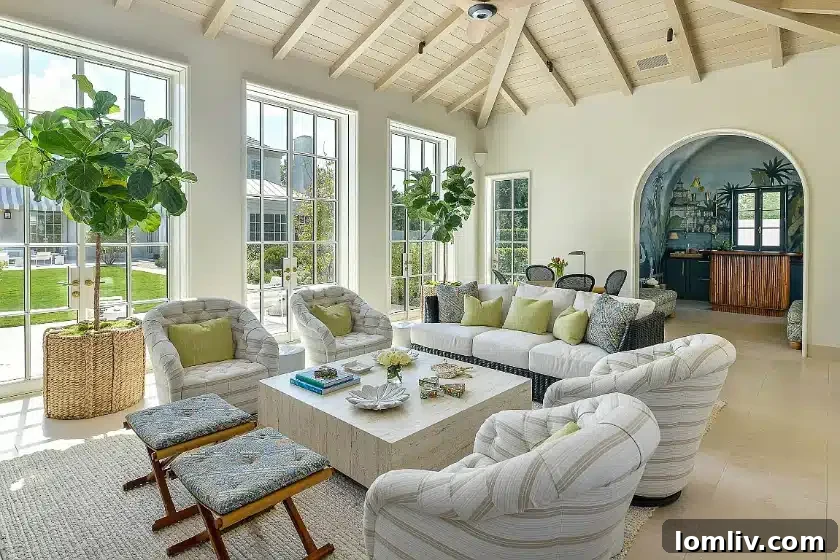
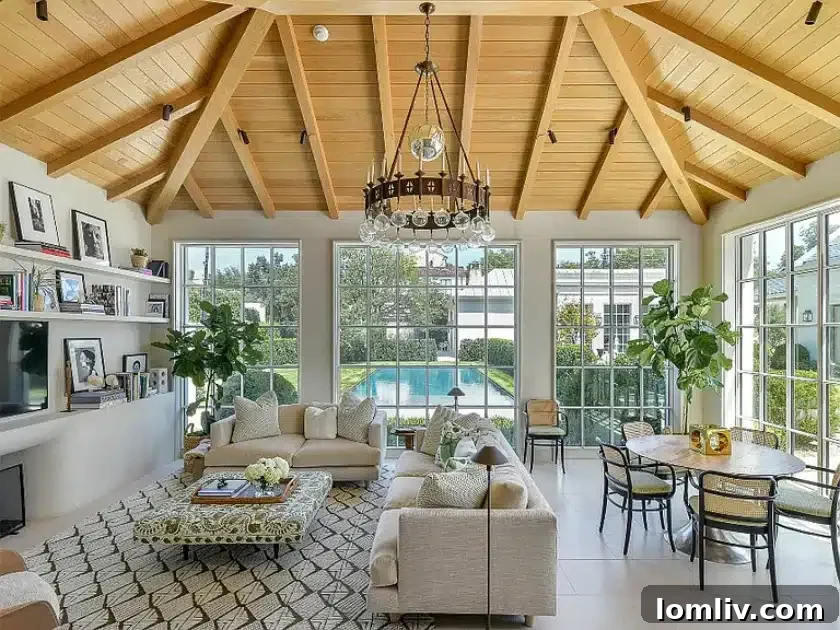
Yet, as we’ve noted before, the narrative of 3616 Crescent Avenue took an interesting turn. In October 2023, a new structure emerged from the ashes of the original Mid-Century Modern icon. While the ache for the lost E.G. Hamilton masterpiece, torn down shortly after receiving a multi-million dollar renovation and a clean bill of architectural health, still lingers, the new home represents a different chapter. As Karen Eubank wisely observed, “If you are going to tear a classic iconic home down, build an equally classic iconic home in its place.” The new residence, listed for a staggering $32 million, aims to honor that sentiment by offering a contemporary definition of iconic luxury in its predecessor’s footprint.
6882 Avalon Ave: A Personal Glimpse into Hamilton’s World
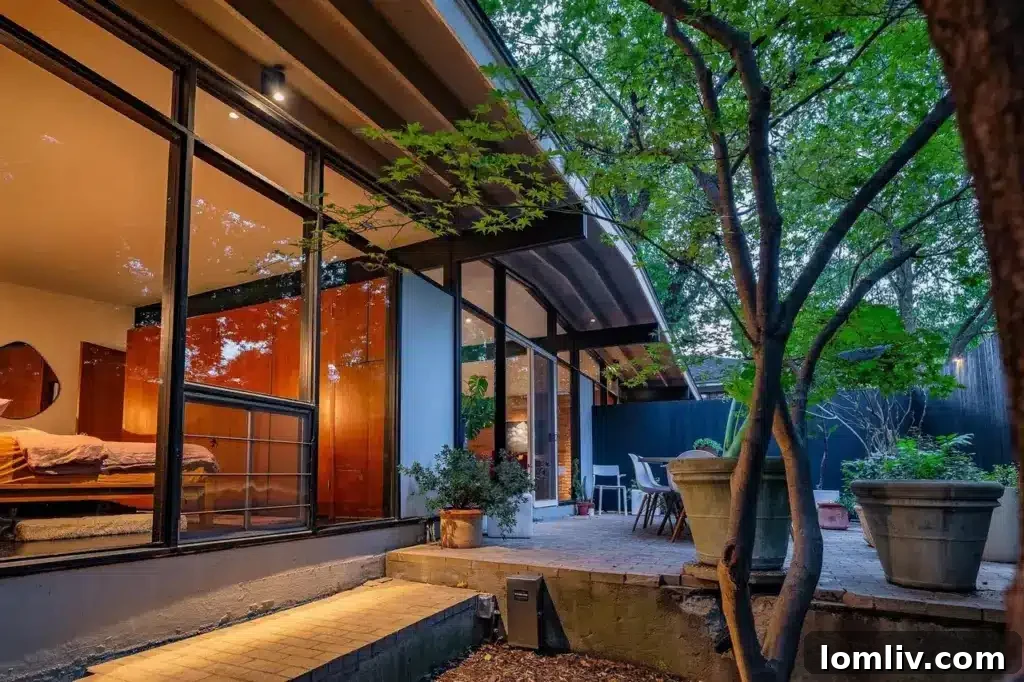
In stark contrast to the grand scale and dramatic fate of the Hexter House, another E.G. Hamilton-designed home has quietly captured our attention over the years: his own personal residence at 6882 Avalon Avenue. While not as overtly majestic in size, this unassuming Lakewood address is perhaps richer in its historical and personal resonance. It was within these walls that one can imagine Hamilton meeting with luminaries like Stanley Marcus of Neiman Marcus and real estate developer Ray Nasher, perhaps over martinis, to meticulously plan the audacious vision for NorthPark Center—a groundbreaking shopping center that would become the largest climate-controlled retail establishment in the world (though not the very first, as some might believe).
This home, truly Hamilton’s sanctuary and laboratory, offers a unique window into the mind of the architect who helped shape modern Dallas. It’s a more intimate reflection of his design philosophy and personal preferences, free from the constraints of client demands.
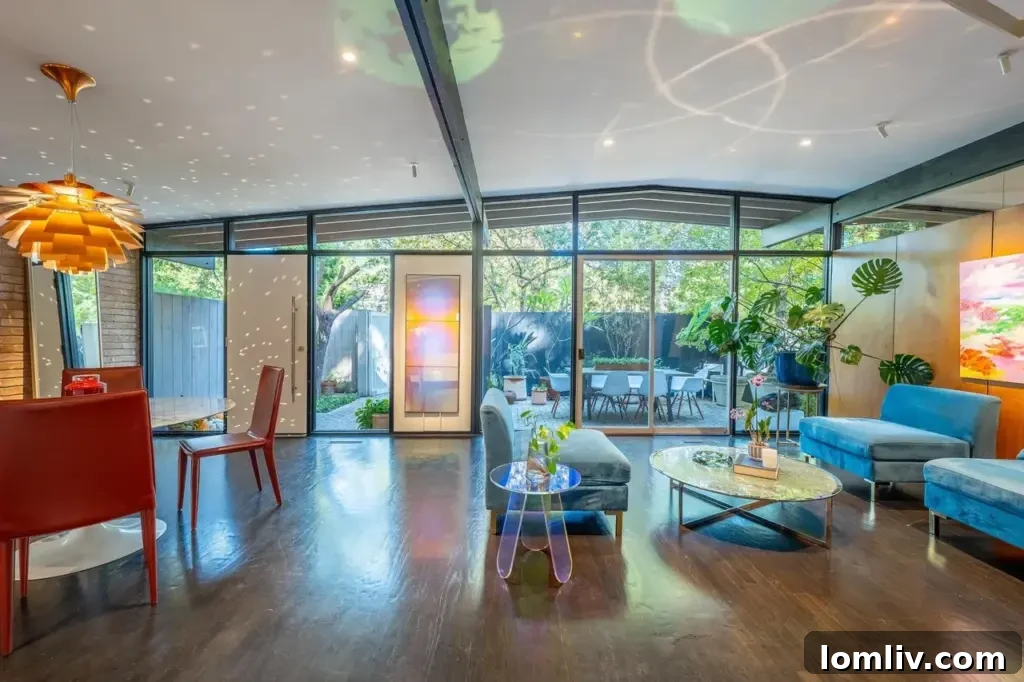
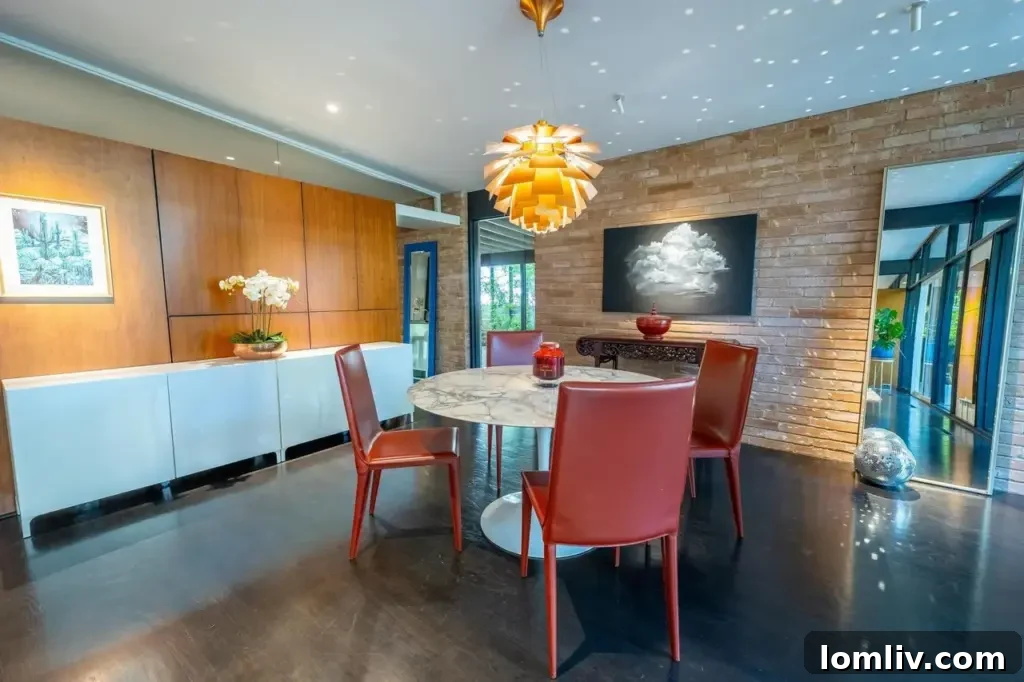
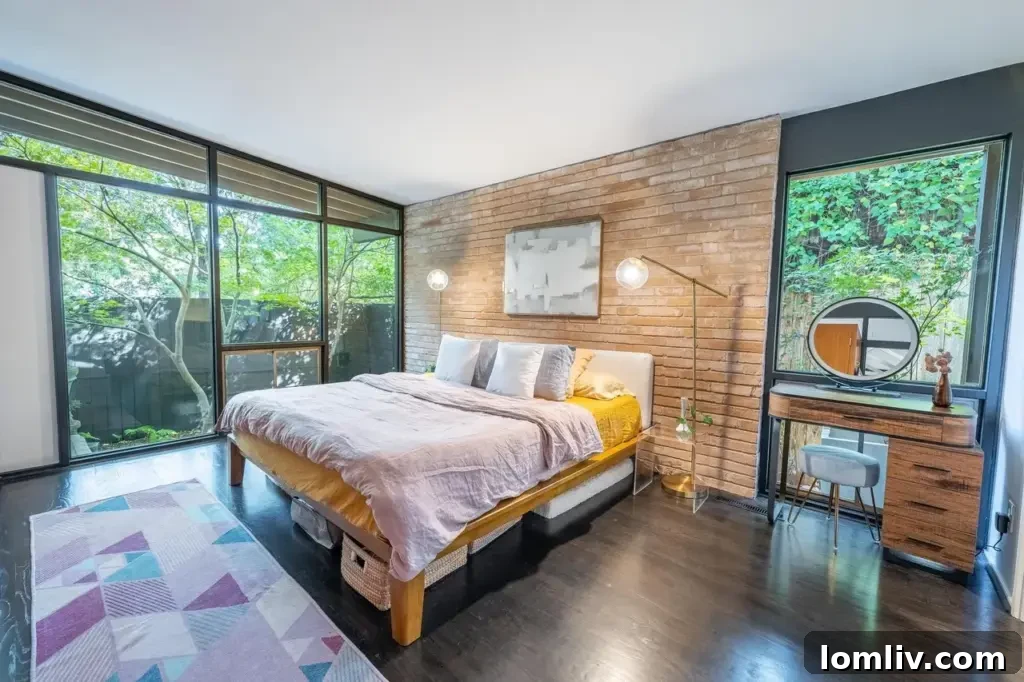
While the home was under a contingent contract in November 2023, it has since become available again, listed by Ali Stewart of Dave Perry-Miller Real Estate for $1.30 million. This presents a rare opportunity for discerning buyers to own a piece of Dallas architectural history, a home personally conceived and inhabited by one of the city’s most influential designers.
An illuminating 2015 interview with Hamilton provides fascinating context for this residence. As retold for the 2018 White Rock Tour of Homes, Hamilton recounted, “When I came to Dallas, I looked for a place to live – to build a house – and I found a lot over on Avalon. I found out who owned it, and I made a deal with them to design a spec house in exchange for the lot. So I built this little house in ’53, and I built the spec house up the street a little bit.” This account highlights Hamilton’s resourcefulness and his immediate engagement with the local landscape upon his arrival in Dallas.
Fortunately, this Avalon home has been spared the dramatic twists and turns that ultimately led to the demolition of the famed Hexter House. Instead, it boasts a wealth of quieter, yet equally compelling, historical narratives. Through meticulous archive research, we’ve uncovered charming details about this Mid-Century Modern gem, including its festive 1958 holiday decor featuring a “ribbon-striped canopy over the stone walkway.” Furthermore, our research revealed an earlier build date for the property than officially listed by DCAD, adding another layer to its rich and often surprising history. This home stands as a living document of E.G. Hamilton’s personal touch and enduring design principles, offering a tangible connection to the man behind so many of Dallas’s architectural landmarks.
For more detailed insights into our archival research and the charming holiday traditions of this significant Lakewood home, explore our previous feature: