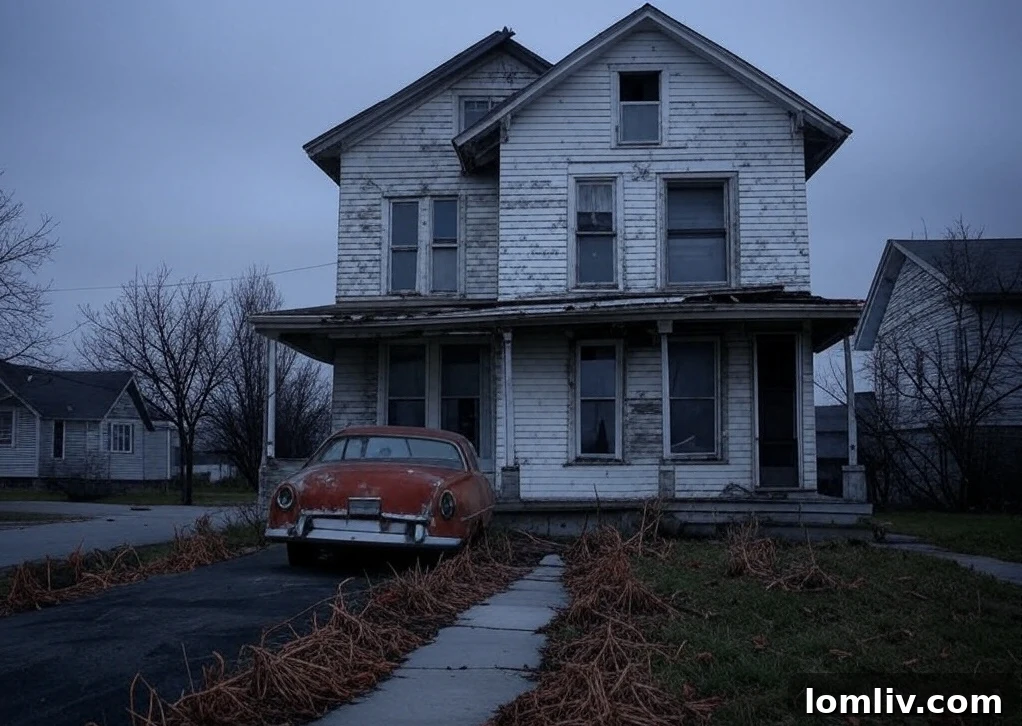
Selling a vacant house often presents a unique set of challenges compared to selling an occupied home. An empty property can appear less inviting, raise security concerns, and potentially accumulate maintenance issues over time, making potential buyers hesitant. However, understanding your options and strategically approaching the sale can lead to a successful outcome. Whether you prefer the traditional route or a quicker, less demanding cash sale, various pathways are available to help you move forward. This comprehensive guide explores these options, detailing their pros and cons, and provides essential steps to navigate the sale of your empty house efficiently.
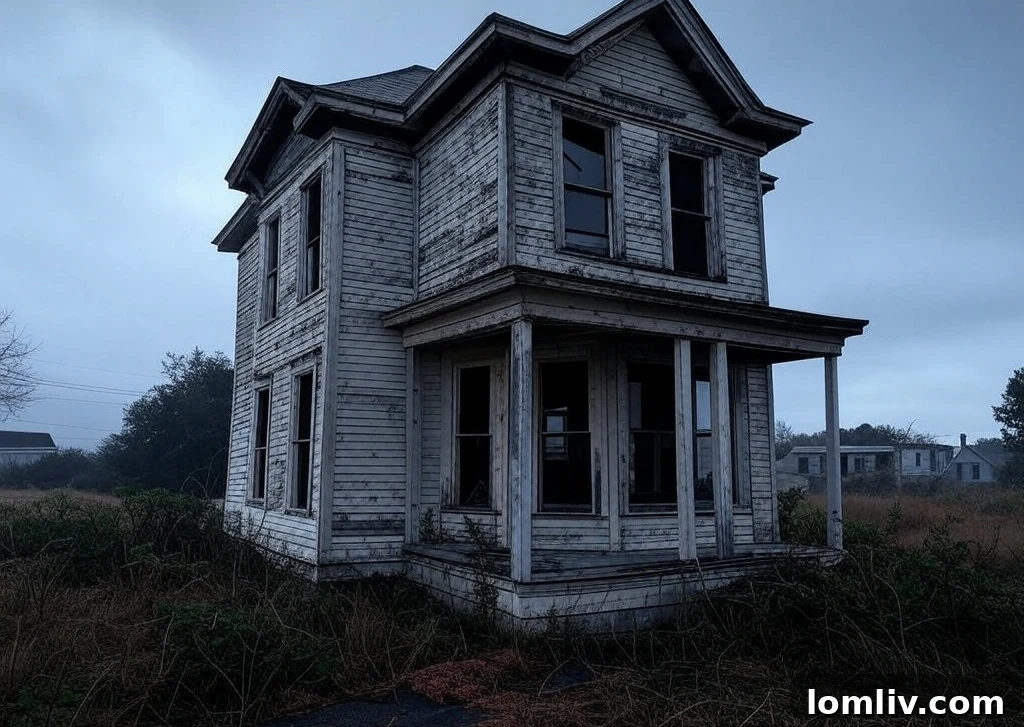
The Unique Challenges of Selling an Empty Property
While the goal of selling any home is to find the right buyer at the best possible price, vacant properties introduce specific hurdles. Awareness of these challenges can help you prepare and choose the most suitable selling strategy.
- Lack of Appeal and Staging: An empty house often feels cold and uninviting. Without furniture or decor, buyers struggle to envision themselves living in the space, making it harder for them to form an emotional connection. This can lead to longer market times.
- Maintenance and Upkeep: A vacant property still requires regular maintenance. Yards can become overgrown, minor repairs can turn into major issues if neglected, and potential buyers might perceive the property as poorly cared for, even if it’s not.
- Security Concerns: Empty homes are more susceptible to vandalism, theft, squatters, and accidental damage. This necessitates regular checks and potentially increased insurance premiums, adding to the holding costs.
- Utility Costs: Even unoccupied, a house may incur utility expenses for essential services like electricity (for security systems) and water, especially in colder climates to prevent pipes from freezing.
- Perception of Distress: Some buyers or agents might assume a vacant home is distressed, leading them to offer lower prices. This perception can be challenging to overcome without proper marketing and presentation.
- Higher Insurance Risks: Many homeowner insurance policies have clauses that limit coverage or increase premiums for properties that remain vacant for extended periods (e.g., 30-60 days).
Diverse Pathways to Selling Your Vacant Property
When you own an abandoned or vacant property and decide it’s time to sell, you have several distinct options. Each comes with its own set of advantages and disadvantages, primarily depending on your priorities regarding speed, effort, and desired profit.
1. Listing with a Real Estate Agent (Traditional Approach)
This is the most conventional method for selling any home, including a vacant one. A licensed real estate agent acts as your representative, handling the marketing, showings, negotiations, and much of the paperwork.
- Best for: Homeowners who prioritize achieving the highest possible market price and are willing to invest time and potentially money into repairs and staging (even if minimal). This method is ideal if you’re not in a rush to sell.
- Pros:
- Maximum Exposure: Agents have access to the Multiple Listing Service (MLS), exposing your property to a vast network of potential buyers and other agents.
- Expert Marketing: They can create professional listings, manage online presence, and even arrange for virtual staging to make an empty home more appealing.
- Negotiation Skills: Experienced agents are skilled negotiators, aiming to secure the best deal on your behalf.
- Legal Guidance: They assist with contracts, disclosures, and navigating the complexities of real estate transactions.
- Reduced Stress: The agent handles much of the heavy lifting, saving you time and effort.
- Cons:
- Time-Consuming: Selling through an agent can take months, sometimes longer for vacant properties that require extra marketing effort.
- Commissions and Fees: You’ll typically pay a commission (usually 5-6% of the sale price) to the agents involved, plus potential closing costs.
- Repair and Staging Demands: To attract top dollar, you might need to invest in repairs, renovations, and even professional staging services, which adds to upfront costs.
- Ongoing Holding Costs: While listed, you’re responsible for property taxes, insurance, utilities, and maintenance.
2. Selling On Your Own (For Sale by Owner – FSBO)
If you’re looking to avoid paying agent commissions, selling your vacant property as For Sale By Owner (FSBO) is an option. This means you take on all responsibilities typically handled by an agent.
- Best for: Savvy sellers who have experience in real estate transactions, are knowledgeable about the local market, and have ample time and resources to dedicate to marketing, showings, and legal paperwork. It’s also suitable for those with a strong desire to save on commission fees.
- Pros:
- No Agent Commissions: The most significant advantage is saving the 2.5-3% listing agent commission, potentially increasing your net profit.
- Full Control: You have complete control over pricing, marketing, and the negotiation process.
- Cons:
- Significant Effort: You’re responsible for everything from pricing and marketing to scheduling showings, negotiating, and managing legal paperwork. This can be particularly challenging for a vacant property that needs extra care in presentation.
- Marketing Expertise Required: Effective marketing is crucial, and without an agent’s network and tools, reaching a broad audience can be difficult.
- Legal Risks: Mistakes in contracts or disclosures can lead to legal issues down the road.
- Buyer Skepticism: Some buyers or their agents might be wary of FSBO properties, assuming potential complications or overpricing.
- Potentially Lower Price: Without expert negotiation, you might leave money on the table or struggle to get your asking price.
3. Selling at an Auction (Competitive Bidding)
Some sellers opt to auction their vacant homes. This method can generate rapid interest and potentially create a competitive bidding environment.
- Best for: Those seeking a quick sale with a definitive closing date, often for properties that might attract investors or those comfortable with the dynamic nature of an auction sale.
- Pros:
- Speed and Efficiency: Auctions typically have a set timeframe, leading to a much faster sale compared to traditional listings.
- Competitive Environment: Multiple interested buyers can drive up the price, potentially exceeding expectations.
- Reduced Negotiation: The terms are usually set upfront, minimizing back-and-forth negotiations.
- As-Is Sales: Many properties are sold “as-is” through auctions, meaning fewer demands for repairs from the seller.
- Cons:
- Price Uncertainty: While competition can boost prices, there’s no guarantee of reaching a specific target price, especially with a “no reserve” auction.
- Auctioneer Fees: You’ll pay a commission or fee to the auction company, which can sometimes be substantial.
- Limited Buyer Pool: Auctions primarily attract cash buyers or those with pre-approved financing, potentially narrowing the market.
- Marketing Costs: Sellers often need to cover some of the auction’s marketing expenses.
4. Selling to a Real Estate Investor or Cash Buyer (The Expedited Route)
This is often the fastest and simplest option, particularly appealing for vacant homes that require significant repairs or updates. Cash buyers, such as reputable local investors like Coastal NC Cash Offer, purchase homes directly, typically in “as-is” condition.
- Best for: Sellers who need a quick, simple, and hassle-free sale. This is ideal for inherited properties, homes needing extensive repairs, landlords tired of managing a vacant rental, or anyone prioritizing convenience and speed over maximizing the sale price.
- Pros:
- Unmatched Speed: Cash transactions can close in as little as a few days to a couple of weeks, bypassing lengthy mortgage approval processes.
- No Repairs Needed: Investors buy homes “as-is,” meaning you don’t have to spend money or time on cleaning, repairs, or renovations.
- No Agent Commissions: You sell directly to the buyer, eliminating the need for real estate agent fees.
- Certainty of Sale: Without financing contingencies, the deal is less likely to fall through.
- Reduced Paperwork and Stress: Cash buyers typically streamline the process, handling much of the administrative burden.
- Avoid Holding Costs: Stop paying property taxes, insurance, and utility bills almost immediately.
- Cons:
- Potentially Lower Price: While you save significantly on repairs, commissions, and holding costs, the cash offer might be below what you could get on the open market after all those expenses. However, for many, the convenience and speed outweigh this difference.
The Growing Appeal of Cash Sales for Vacant Homes

For homeowners facing the burden of a vacant property, the prospect of a quick and straightforward sale through a cash buyer is increasingly attractive. This method addresses many of the core challenges associated with empty homes, offering a streamlined solution. Here’s a deeper look into why cash sales have gained significant popularity for vacant properties:
- Unparalleled Speed: One of the most compelling benefits is the rapid closing time. Traditional sales involve mortgage applications, appraisals, and inspections, which can take weeks or even months. Cash buyers eliminate these delays, allowing you to sell and receive funds in as little as a few days or weeks. This is especially beneficial if you need to liquidate assets quickly due to relocation, financial need, or simply to free yourself from the property’s burden.
- Zero Repair Obligations: Vacant homes often require significant repairs, from cosmetic updates to structural issues, which can be costly and time-consuming. Cash buyers purchase properties “as-is,” meaning you don’t have to invest a single dollar in cleaning, painting, fixing a leaky roof, or renovating an outdated kitchen. They factor the necessary repairs into their offer, taking on the responsibility themselves.
- No Financing Contingencies or Loan Delays: When a buyer relies on a mortgage, the sale is contingent on their loan approval. If financing falls through, the deal collapses, forcing you to restart the selling process. Cash buyers, by definition, have immediate funds, removing this major risk and providing a much higher certainty of sale.
- Significantly Reduced Costs: Beyond avoiding repair expenses, cash sales cut down on several other costs. You typically pay no real estate agent commissions (which can be 5-6% of the sale price). In many cases, cash buyers also cover standard closing costs, further maximizing your net proceeds. Furthermore, you stop incurring holding costs such as property taxes, insurance, utilities, and ongoing maintenance much sooner.
- Simplified and Stress-Free Process: Selling a home can be complex, involving extensive paperwork, numerous showings, and stressful negotiations. Cash buyers often streamline this process, offering a simple contract and handling much of the administrative burden. This means less back-and-forth, fewer headaches, and a more predictable outcome. For vacant homes, this also means not worrying about securing the property for endless showings or dealing with potential buyer feedback on its empty state.
Many cash buyers, particularly in dynamic markets like Jacksonville, specialize in vacant, abandoned, or distressed properties. If your primary goal is to offload a property quickly, without the stress of repairs, showings, or waiting for financing, a cash sale often presents the most pragmatic and beneficial solution.
Essential Steps to Successfully Sell Your Vacant Property
No matter which selling method you choose, a structured approach can help ensure a smoother process and a fair deal for your vacant house. Here are the key steps to follow:
- 1. Initial Property Assessment and Security:
- Secure the Property: Before anything else, ensure all doors and windows are locked. Consider installing a basic alarm system or motion-activated lights, especially if the property has been vacant for a long time.
- Basic Clean-Up: While major repairs might be out of the question for a quick sale, a minimal effort clean-up can make a big difference. Remove any trash, debris, or overgrown vegetation from the yard. A tidy exterior improves curb appeal and creates a better first impression, even for an investor.
- Address Immediate Hazards: Fix any obvious safety hazards like broken railings, loose steps, or exposed wiring to prevent accidents during showings or inspections.
- 2. Gather Crucial Documentation:
- Property Records: Compile your deed, property survey, and any permits for past renovations.
- Tax Information: Have recent property tax statements ready.
- Utility Bills: Keep recent utility bills handy to show average costs, even if they are low due to vacancy.
- Repair History: If you have any records of past repairs or major maintenance, organize them. This can provide transparency to potential buyers.
- 3. Conduct Thorough Market Research and Pricing:
- Comparative Market Analysis (CMA): Research recent sales of similar vacant or distressed homes in your area (e.g., Jacksonville). Look at properties that have similar square footage, number of bedrooms/bathrooms, and lot size.
- Consider “As-Is” Value: If your home needs significant repairs, price it accordingly. Be realistic about its current condition and the investment a buyer will need to make.
- Factor in Holding Costs: The longer your home sits on the market, the more you spend on taxes, insurance, and utilities. Factor this into your pricing strategy.
- 4. Select the Optimal Selling Strategy:
- Evaluate Your Priorities: Do you need speed, maximum profit, or minimal hassle? Revisit the pros and cons of listing with an agent, FSBO, auction, or a cash buyer.
- Consult Professionals: Talk to a real estate agent for a traditional market appraisal and reach out to local cash buyers for their “as-is” offers. Compare these options against your goals.
- 5. Prepare for Showings or Investor Inspections:
- Ensure Easy Access: Make sure the property is easily accessible for showings or inspections, providing clear entry points.
- Turn on Utilities (if necessary): For traditional buyers, having utilities on can allow them to test systems. For cash buyers, they may still want to check basic functionality.
- Remove Valuables: If anything of value remains, remove it before allowing access to protect yourself from theft.
- 6. Negotiate and Evaluate Offers:
- Compare Terms, Not Just Price: An offer from a cash buyer might be lower than a traditional offer, but it comes with fewer contingencies, no commissions, and a faster closing. Weigh all aspects.
- Be Prepared for Negotiation: Buyers will likely try to negotiate, especially for a vacant property. Have your bottom line in mind.
- 7. Finalize the Sale and Transfer Ownership:
- Legal Review: Have a real estate attorney review all contracts and closing documents, regardless of the selling method.
- Closing Process: Complete all necessary legal paperwork at the closing table, transfer the deed, and receive your funds.
- Hand Over Keys: Once the sale is final, hand over all keys and access codes to the new owner.
Maximizing Your Vacant Property’s Value, No Matter the Method
Even if you choose to sell your vacant property quickly and “as-is” to a cash buyer, there are still small steps you can take to make the process smoother and potentially influence the offer positively. For traditional sales, these efforts are even more crucial.
- Basic Curb Appeal: Trim the lawn, clear walkways, and remove any visible trash. A well-maintained exterior suggests that the interior might also be manageable.
- Clear Out Clutter: Ensure the property is completely empty of personal belongings. Buyers, especially investors, want to see the bones of the house, not your old furniture.
- Cleanliness: A basic sweep and wipe-down can make a surprising difference. Even an empty house benefits from feeling clean and fresh.
- Ensure Proper Lighting: Open blinds and curtains to let in natural light during showings. If possible, turn on key lights to brighten darker areas.
- Address Lingering Odors: Vacant homes can develop stale or musty odors. Air out the property thoroughly before any viewings.
- Provide Clear Access: Make it easy for agents, buyers, or investors to enter and navigate the property safely.
- Highlight Potential: If the property has unique features (e.g., large lot, desirable location in Jacksonville, good school district), be prepared to point these out.
Deciding Which Selling Path Is Right for You
The “best” way to sell your vacant house ultimately depends on your individual circumstances, priorities, and tolerance for effort and risk. There is no one-size-fits-all answer.
- If your primary goal is to **maximize your profit** and you have the time and resources to invest in repairs, staging, and waiting, then listing with a **real estate agent** is likely your best bet.
- If you’re confident in your selling abilities, want to save on commission, and have the time to manage the entire process, **FSBO** could be a viable option.
- If you need a relatively **fast sale** and are comfortable with a competitive bidding process where the final price might fluctuate, an **auction** could be suitable.
- If **speed, convenience, and an “as-is” sale** are your top priorities, especially for a property that needs significant work or is a burden, selling to a **cash buyer or real estate investor** offers the most straightforward and stress-free solution.
It’s always recommended to explore at least two options—get an appraisal from a local real estate agent and solicit an offer from a reputable cash buyer—to compare what each method truly offers in terms of net profit, timeline, and effort required.
Conclusion
Selling an abandoned or vacant home doesn’t have to be a daunting task. While these properties present unique challenges, a variety of effective solutions are available to help you move forward. Whether you decide to take the traditional route by listing with a real estate agent, undertake the responsibilities of a For Sale By Owner transaction, explore the competitive environment of an auction, or opt for the speed and simplicity of a cash sale, there’s a method that can align with your specific wants and needs.
For those who prioritize a quick, hassle-free sale and want to avoid the expenses and effort of repairs, commissions, and prolonged market times, cash buyers offer an incredibly efficient option. However, if your primary goal is to achieve the absolute highest possible price and you are willing to invest the necessary time and resources into preparing and marketing the property, then a traditional listing might be more suitable.
The key to a successful sale lies in making an informed decision. Carefully weigh the pros and cons of each method against your personal circumstances, financial goals, and desired timeline. By understanding your options and taking decisive action, you can efficiently sell your vacant property and transition smoothly to your next chapter. The sooner you evaluate your choices and embark on the selling process, the sooner you can alleviate the burden of an empty home.