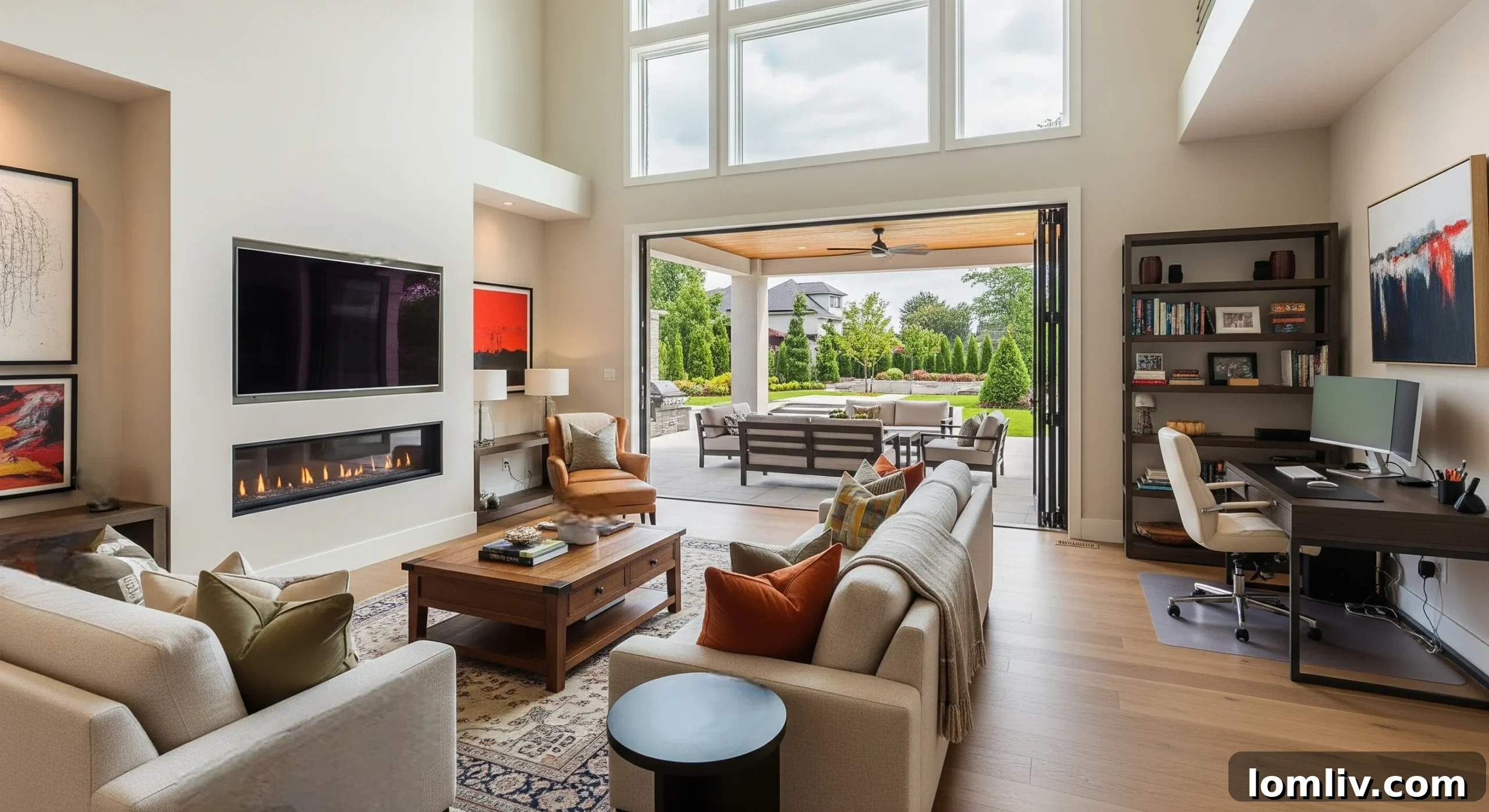
Purchasing high-end real estate is a distinctly specialized endeavor, setting it apart significantly from acquiring a standard home. The stakes are undeniably higher, the transactional systems more intricate, and the expectations for quality, lifestyle, and investment return are considerably greater. Whether your vision involves a breathtaking waterfront villa offering serene views, a cutting-edge modern smart home equipped with the latest technology, an exclusive penthouse commanding panoramic cityscapes, or an expansive private estate providing ultimate seclusion and grandeur, the journey to finding such a property demands meticulous planning and expert guidance. This comprehensive guide will walk you through the essential steps and considerations to help you find a luxury home that not only matches your discerning lifestyle but also aligns perfectly with your long-term financial and personal aspirations.
Define What ‘Luxury’ Means in Your Target Market
The definition of ‘luxury’ in real estate is highly fluid, shifting dramatically based on geographic location, cultural preferences, and local economic conditions. A high-end home in Dallas, for instance, might emphasize expansive acreage, custom ranch-style architecture, and elaborate equestrian facilities, offering a very different set of features from a luxury property in Dallas compared to a sophisticated, compact urban dwelling in New Jersey with unparalleled city views and smart home integration. Before embarking on your search for luxury real estate, it is crucial to immerse yourself in the local market to genuinely understand what specific attributes and amenities are typically classified as “luxury” in your desired area. This understanding will enable you to identify true value and avoid overpaying for features that might not command a premium in that particular market. Common features that often define luxury properties across various markets include:
- Premium Materials and Finishes: Expect the use of exquisite, high-quality materials such as imported marble, polished quartz, exotic hardwoods, custom cabinetry, and designer fixtures throughout the property. These materials not only elevate the aesthetic but also signify superior durability and craftsmanship.
- Advanced Smart Home Technology and Energy-Efficient Systems: Modern luxury homes frequently integrate sophisticated smart home systems that control lighting, climate, security, entertainment, and even appliance operation with seamless ease. Energy-efficient features, including solar panels, geothermal heating, and advanced insulation, are also increasingly standard, offering both environmental benefits and long-term cost savings.
- Generous Square Footage or Exceptionally Designed Open Layouts: While size often matters, true luxury also lies in intelligent space utilization. This could mean expansive floor plans with soaring ceilings, or meticulously designed open-concept layouts that maximize natural light and create a harmonious flow between living spaces.
- Resort-Style Outdoor Areas and Landscaping: Beyond the interior, luxury often extends to lavish outdoor living spaces. This includes custom-designed swimming pools and spas, outdoor kitchens with high-end appliances, sprawling landscaped gardens, private terraces, elaborate water features, and entertainment zones for hosting guests.
- Enhanced Security Features and Gated Entrances: Privacy and security are paramount in luxury real estate. Properties often feature secure, gated entrances, advanced surveillance systems, fortified entry points, and sometimes even dedicated security personnel or memberships in exclusive, guarded communities.
- Proximity to Top-Tier School Districts or Location within Exclusive Neighborhoods: Even if schooling isn’t a primary concern for the buyer, location within a highly-rated school district significantly boosts property value and desirability. Similarly, being situated in a renowned, exclusive neighborhood with a strong community feel and access to elite amenities is a hallmark of luxury.
- Unique and Bespoke Amenities: Beyond the standard, luxury properties often boast specialized amenities tailored for a sophisticated lifestyle, such as home theaters, fully equipped gyms, wine cellars, private libraries, art galleries, spa bathrooms, or even private elevators.
By diligently researching and understanding these localized luxury benchmarks, you position yourself to recognize properties that genuinely offer superior value and an unparalleled living experience, rather than simply paying a premium for superficial features.
Thoroughly Study the Market Before Making Any Decisions
The luxury real estate market operates under a unique set of dynamics, often distinctly different from the general housing market. It’s characterized by lower inventory, a smaller pool of highly discerning buyers, and properties that may not always be publicly listed. Inventory for exceptional properties can shift with surprising speed, and certain prime areas maintain intense competitiveness year-round, irrespective of broader economic trends. To navigate this complex landscape effectively, you must become an astute observer of market behavior. This involves rigorously tracking recent sales of comparable luxury properties, identifying prevailing pricing trends, and staying informed about upcoming developments or infrastructure projects that could impact property values. Understanding these subtle shifts is critical for making informed decisions.
When you are targeting a specific region, such as New Jersey, the value of working with a seasoned professional becomes immeasurable. For example, collaborating with a highly reputable real estate agent in Essex County, NJ, who specializes in luxury properties, can provide you with an indispensable advantage. Such an agent often possesses exclusive access to off-market homes, which are properties sold privately without public advertising, giving you a competitive edge. They also offer invaluable neighborhood insights, ranging from zoning regulations and future development plans to local amenities, community culture, and specific micro-market nuances that influence property values. Furthermore, their expertise in proper pricing guidance ensures you make an offer that is both competitive and reflective of the property’s true market worth. They can also provide strategic negotiation support, crucial for securing the best terms in high-value transactions. The more intimately you understand current demand, supply constraints, and the unique factors influencing the luxury sector, the better prepared you will be to act decisively and confidently when the ideal property that aligns with your specific criteria becomes available.
Get Your Financials Organized Early and Comprehensively

The acquisition of luxury homes inherently involves larger sums and, consequently, often comes with more stringent and complex lending requirements than standard real estate transactions. Even for those fortunate enough to be all-cash buyers, the process benefits immensely from proactive financial organization. High-value transactions are subject to heightened scrutiny and require more extensive verification processes to comply with financial regulations and ensure the legitimacy of funds. Preparing your financial documentation well in advance is not just a recommendation; it’s a critical step that can significantly streamline the purchasing process and bolster your position as a serious and capable buyer. Key preparatory steps include:
- Thoroughly Check Your Credit Health: A strong credit score and a clean credit history are paramount. Lenders scrutinize credit reports for jumbo loans more closely, as even minor discrepancies can affect interest rates and loan approval. Ensure all reports are accurate and address any issues proactively.
- Review and Gather Recent Tax Returns: Typically, lenders will require two to three years of tax returns to verify income stability and assess financial obligations. Ensure these documents are readily accessible and reflect an accurate financial picture.
- Compile Comprehensive Proof of Income and Assets: This includes pay stubs, W-2s, 1099s, bank statements, investment account statements, and documentation of any other income sources or significant assets. For self-employed individuals, detailed business financial statements will be essential.
- Obtain Pre-Approval for a Jumbo Loan, if Needed: If you plan to finance a significant portion of your luxury purchase, securing pre-approval for a jumbo loan (a loan exceeding conventional conforming loan limits) is crucial. This demonstrates your financial capability to sellers, significantly strengthening your offer and potentially shortening the closing timeline. The pre-approval process for jumbo loans is often more exhaustive, involving a deeper dive into your financial portfolio.
- Engage with Lenders Specializing in High-Value Properties: Not all lenders are equipped to handle the complexities of jumbo loans or the unique financial profiles of luxury real estate buyers. Seek out private banks, wealth management divisions of major financial institutions, or mortgage brokers who have extensive experience and a proven track record in originating loans for high-value properties. They understand the nuances and can offer tailored financial solutions.
By arriving at the negotiation table with fully organized and verified financials, you project confidence and credibility. This financial readiness not only puts you in a significantly stronger negotiating position but also accelerates the offer and closing processes, potentially giving you an edge in competitive bidding situations.
Focus on Long-Term Value and Lifestyle Integration
While the initial allure of a luxury property can be captivating, discerning buyers understand that not every expensive property will sustain or appreciate its value over time. When investing in luxury real estate, the enduring lifestyle benefits and long-term investment potential are just as crucial, if not more so, than the immediate aesthetic appeal or feature set of the home. It’s imperative to adopt a forward-thinking perspective and evaluate how the property will serve your needs and retain its desirability years down the line. To assess this long-term value, ask yourself a series of critical questions:
- Is the Area Stable, Desirable, and in Consistent Demand? Research the local economic indicators, population growth trends, and infrastructure development plans. An area with a robust economy, strong employment, and planned improvements is more likely to see sustained demand and property appreciation. Consider factors like proximity to major business hubs, cultural attractions, and natural amenities.
- Are the Schools Strong, Even if You Don’t Personally Need Them? High-performing school districts are consistently a significant driver of real estate value. Even if you don’t have children of school age, a property located within a top-tier school zone will always attract a broader pool of potential buyers and maintain higher resale value.
- Is the Neighborhood Currently Improving or Showing Signs of Decline? Observe signs of investment – new businesses, renovated properties, community improvements, and positive urban planning initiatives. Conversely, look for signs of neglect or disinvestment that could signal a potential decline in future value. A neighborhood on an upward trajectory offers greater appreciation potential.
- Will the Home’s Architectural Style and Interior Design Remain Appealing Over Time? While trendy designs can be exciting, timeless architecture and classic, high-quality finishes tend to hold their appeal and value better than highly stylized or niche designs that might quickly become outdated. Consider the overall aesthetic harmony and functional design.
- Is the Location Convenient and Practical for Your Specific Lifestyle? Beyond prestige, does the location genuinely enhance your daily life? Consider your commute to work, proximity to preferred recreational activities (golf courses, marinas, hiking trails), access to high-end dining and shopping, and travel convenience to airports or other destinations. A luxury home should integrate seamlessly into your preferred routine.
- What are the Potential Rental Income Opportunities? In some luxury markets, properties can also serve as lucrative investment vehicles, offering significant rental income potential, especially for seasonal or vacation rentals. Assess the feasibility and demand for such opportunities.
- Are There Any Restrictive Covenants or Homeowners Association (HOA) Rules? While HOAs can maintain standards, overly restrictive rules might impact your long-term enjoyment or ability to make desired modifications. Understand these implications thoroughly.
Ultimately, a luxury home situated in a fundamentally strong, appreciating area, coupled with timeless design and practical lifestyle advantages, is far more likely to retain its value and deliver excellent returns on your investment than a property chosen solely for its immediate opulent features.
Inspect Craftsmanship and Material Quality Closely
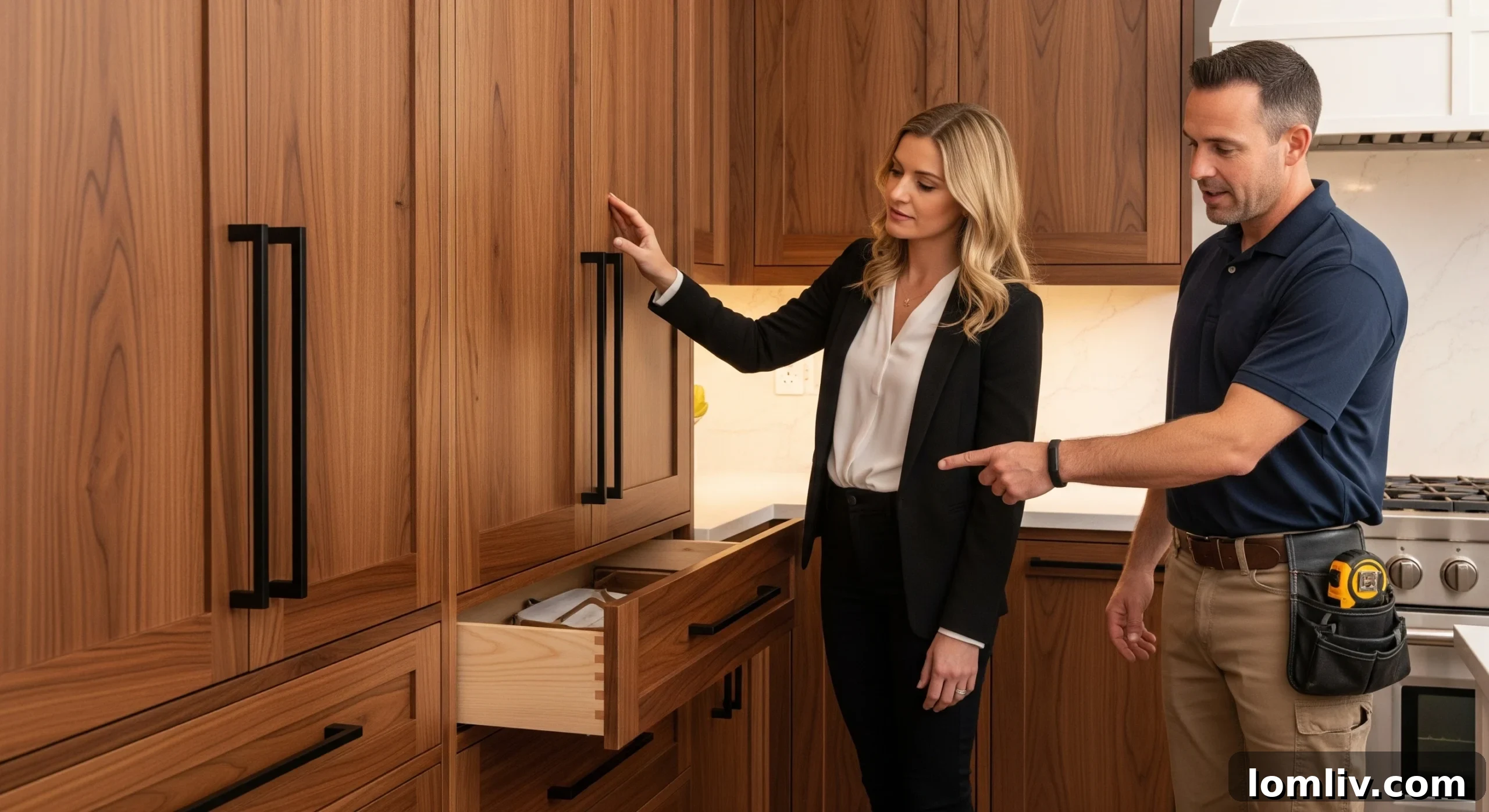
A true luxury home should embody impeccable craftsmanship, feel inherently solid, be exceptionally well-built, and feature meticulously thoughtful finishes in every detail. While professional photographs can often create an illusion of perfection, masking rushed workmanship or subpar materials, it is absolutely essential to take your time during walk-throughs and conduct a thorough, critical assessment. This careful examination is your first line of defense against potential disappointments and costly future repairs. Pay particular attention to the following aspects of construction and finish quality:
- Cabinet Quality and Hardware: Examine custom cabinetry for solid wood construction, dovetail joinery, and smooth, soft-close mechanisms. Hardware should be substantial, high-quality, and seamlessly installed, reflecting durability and elegance. Look for consistency in grain matching and flawless finishes.
- Flooring Transitions: Observe how different flooring materials (e.g., hardwood to marble, tile to carpet) meet. In a luxury home, transitions should be perfectly flush, seamless, and executed with precision, without gaps or unevenness. This indicates meticulous attention to detail.
- Window Construction and Seals: Inspect windows for high-quality framing, multi-pane glass, and robust seals that indicate superior insulation against both temperature fluctuations and external noise. Check for proper installation and smooth operation. High-end windows often feature advanced soundproofing and energy-saving properties.
- Finish Consistency Throughout: Scrutinize paintwork, trim carpentry, tile grouting, and other surface finishes. Look for perfectly straight lines, even textures, consistent coloring, and an absence of drips, cracks, or imperfections. Flawless finishing is a hallmark of luxury construction.
- Water Pressure and Plumbing Fixtures: Test all faucets and showers for strong, consistent water pressure. Examine high-end plumbing fixtures for quality materials, smooth operation, and secure installation. Inquire about the type of piping used and any water filtration systems present.
- Insulation and Noise Control: Pay attention to the acoustics within the home. Does it feel well-insulated from exterior noise? Is there sound transfer between rooms? Quality construction in luxury homes often incorporates advanced soundproofing materials and techniques for enhanced privacy and tranquility.
- Door Fit and Hardware: All doors, both interior and exterior, should fit snugly within their frames, operate smoothly without sticking or creaking, and be equipped with high-quality, substantial hardware.
- Exterior Facade and Roofing: Examine the exterior materials – stone, brick, stucco – for consistent application and quality. For roofing, inquire about the materials used (e.g., slate, copper, high-grade tiles) and their expected lifespan and maintenance.
If any element feels cheaply done, shows signs of shortcuts, or appears inconsistent, it often signals deeper underlying issues in construction or a general lack of attention to detail that could lead to significant expenses and frustrations down the line. Trust your instincts and ensure every aspect reflects the expected standard of a luxury property.
Utilize an Inspector Experienced with Luxury Homes and Advanced Systems
Just as not every real estate agent specializes in the luxury market, not every home inspector possesses the requisite knowledge and experience to adequately evaluate a high-end property. Luxury homes are often equipped with complex, custom, and advanced systems that demand a specialized understanding beyond what a standard inspector typically encounters. Engaging an inspector who has a proven track record with luxury properties is not merely an option; it is a critical investment that can protect you from potentially expensive and unforeseen problems after the purchase. An experienced luxury home inspector will be proficient in assessing, understanding, and identifying potential issues with a range of sophisticated features, including:
- Integrated Smart Home Automation Systems: This includes scrutinizing the functionality of integrated lighting, climate control, security cameras, automated blinds, multi-room audio-visual systems, and network infrastructure. They understand the complexity of these interconnected systems and can identify potential glitches or compatibility issues.
- High-End Kitchen Appliances: Beyond basic functionality, a luxury inspector will examine professional-grade appliances – such as commercial-grade ranges, built-in espresso machines, sophisticated refrigeration units, and wine coolers – for proper installation, operation, and potential maintenance requirements unique to these brands.
- Spa Features, Steam Rooms, and Saunas: These amenities involve specialized plumbing, electrical wiring, ventilation, and moisture control systems. An expert inspector will evaluate these intricate systems for safety, proper installation, and potential water damage risks.
- Custom HVAC Setups and Zoned Climate Control: Luxury homes often feature multiple HVAC units, zoned heating and cooling systems, radiant floor heating, and advanced air purification systems. The inspector will assess their efficiency, maintenance history, and overall performance.
- Dedicated Wine Storage and Cellars: These require specific temperature and humidity control systems. The inspector will check the integrity of these systems, insulation, and potential for environmental fluctuations that could compromise a wine collection.
- Elaborate Pools, Outdoor Kitchens, and Terraces: Beyond a simple visual check, the inspection will include the structural integrity of pools and decks, the functionality of pool equipment (pumps, heaters, filtration), the safety of outdoor kitchen appliances and gas lines, and the drainage and material quality of extensive terraces and hardscaping.
- Advanced Security Systems: This includes assessing complex alarm systems, CCTV networks, biometric access controls, and fortified safe rooms for proper operation and integration.
- Specialized Infrastructure: Features such as backup generators, private well systems, septic tanks, elevator systems, and advanced water filtration systems all require a nuanced understanding for proper evaluation.
The expertise of the right inspector can uncover hidden defects, expose inadequate installations, and prevent you from inheriting significant repair liabilities. Their detailed report will provide invaluable leverage during negotiations and ensure you have a complete picture of your investment, protecting you from expensive surprises and ensuring peace of mind post-purchase.
Embrace Patience: A Virtue in Luxury Home Buying
The process of acquiring a luxury home is rarely a swift transaction. Unlike standard home purchases, the luxury market is characterized by significantly lower inventory levels, a smaller pool of exceptionally unique properties, and a highly discerning buyer base. Consequently, the perfect property, one that meticulously aligns with all your exacting criteria and long-term aspirations, might not appear on the market immediately. Rushing into a property you’re uncertain about, or making compromises simply to expedite the process, frequently leads to buyer’s remorse and regret in the luxury tier. Patience, therefore, is not just a virtue; it is an indispensable strategic asset that allows you to wait for the ideal match. This measured approach helps you secure:
- The Absolute Right Location: Beyond a desirable neighborhood, patience allows you to wait for a property that boasts the optimal micro-location – perhaps a specific street with unparalleled views, a particular block offering maximum privacy, or proximity to very specific amenities crucial to your lifestyle.
- A Layout That Truly Fits Your Lifestyle: You’re not just buying square footage; you’re investing in how you live. Patience enables you to find a home with a floor plan that perfectly accommodates your entertaining needs, provides dedicated spaces for hobbies and work, and offers a natural flow that enhances your daily comfort and functionality without compromise.
- A Property with Exceptional Long-Term Value: Rushing might lead you to overlook critical factors affecting future appreciation, such as potential neighborhood changes, hidden structural issues, or outdated infrastructure. Patience allows for thorough due diligence, ensuring your investment is sound and poised for growth.
- A Price That Accurately Aligns with the Market and Value: In the luxury sector, properties are often priced based on unique features and perceived prestige. Waiting allows you to observe market trends, compare a broader range of properties, and ensure the asking price truly reflects the property’s intrinsic value, condition, and market standing, thereby avoiding overpayment.
- The Right Opportunity for Customization: Sometimes, the “perfect” home requires minor modifications or significant renovations to truly match your vision. Patience allows you to identify properties with excellent “bones” and potential, giving you time to plan and execute a bespoke transformation.
In the high-stakes world of luxury real estate, a patient and strategic approach almost invariably pays off, leading to a more satisfying purchase that genuinely fulfills your expectations and long-term goals.
Think Critically About How You Actually Live Your Life
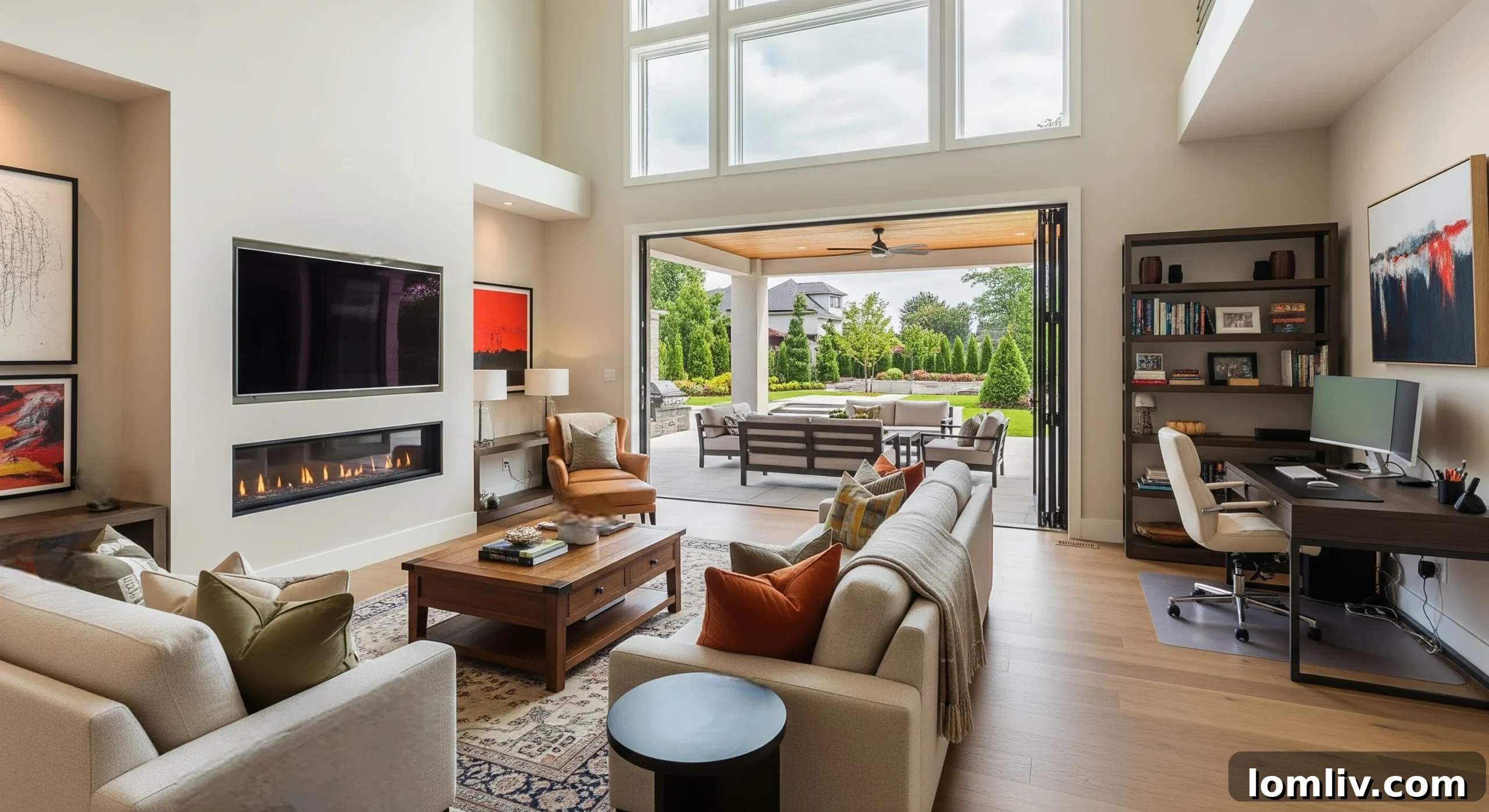
The ultimate purpose of a luxury home is to elevate your daily existence, making life feel effortless, comfortable, and deeply fulfilling, rather than complicated or overwhelming. Instead of getting caught up solely in the sheer size of a property or an endless list of features, shift your focus to how the home will genuinely integrate into and enhance your personal lifestyle. Consider your habits, passions, and daily routines to ensure the property serves your specific needs and desires. For example:
- If You Entertain Often: Prioritize properties with expansive, well-appointed kitchens that flow seamlessly into elegant dining areas and sophisticated outdoor entertaining spaces. Look for multiple living areas, wet bars, guest suites, and possibly features like a catering kitchen or a dedicated media room to host gatherings of any size.
- If You Work from Home Regularly: A dedicated, private office space is crucial. Look for a home with a quiet study, excellent connectivity (high-speed internet infrastructure), ample natural light, and perhaps a separate entrance to maintain professionalism and privacy. Soundproofing can also be a significant advantage.
- If You Value Peace, Quiet, and Seclusion: Opt for a home situated in a quieter, more serene neighborhood, perhaps on a cul-de-sac or with ample setback from main roads. Properties with extensive landscaping, natural buffers, or locations within tranquil gated communities will provide the solitude you seek, far removed from the hustle and bustle.
- If Convenience and Accessibility Matter Most: Consider proximity to key amenities that are essential to your routine – whether it’s an easy commute to your workplace, quick access to top-tier dining, shopping, cultural institutions, private airports, or exclusive clubs. Evaluate travel times and the ease of navigating your desired area.
- If You Have Specific Hobbies or Collections: A car enthusiast might need a multi-car garage or an auto display area. An art collector would prioritize ample wall space, specialized lighting, and climate control. A fitness enthusiast might seek a fully equipped home gym or a yoga studio. Tailor your search to these unique requirements.
- If Family Living is a Priority: Look for homes with family-friendly layouts, safe outdoor play areas, dedicated spaces for children, and proximity to parks or youth activities. Consider the flow and functionality for multiple generations.
True luxury is about creating an environment that complements and enriches your specific way of life. The ideal luxury home should not just impress; it should simplify your daily routines, provide comfort, foster well-being, and serve as a perfect backdrop for the life you aspire to live.
Approach the Purchase with Deliberation, Not Haste
The journey to acquiring a luxury property is undoubtedly an exhilarating experience, representing the pinnacle of homeownership and a significant life investment. However, to ensure a truly successful outcome, this journey demands a blend of meticulous preparation, unwavering patience, and a crystal-clear understanding of your specific desires and long-term objectives. It’s a process that benefits from thoughtful deliberation over hurried decisions.
By conducting thorough research into market nuances, enlisting the invaluable support of specialized luxury real estate professionals, diligently organizing your financial affairs, and paying acute attention to every detail from craftsmanship to lifestyle integration, you empower yourself to make a well-informed decision. With this strategic approach, you can confidently navigate the complexities of the high-end market and ultimately find a luxury home that not only feels undeniably impressive and aspirational but is also eminently practical, perfectly suited to your lifestyle, and a sound investment for your future.