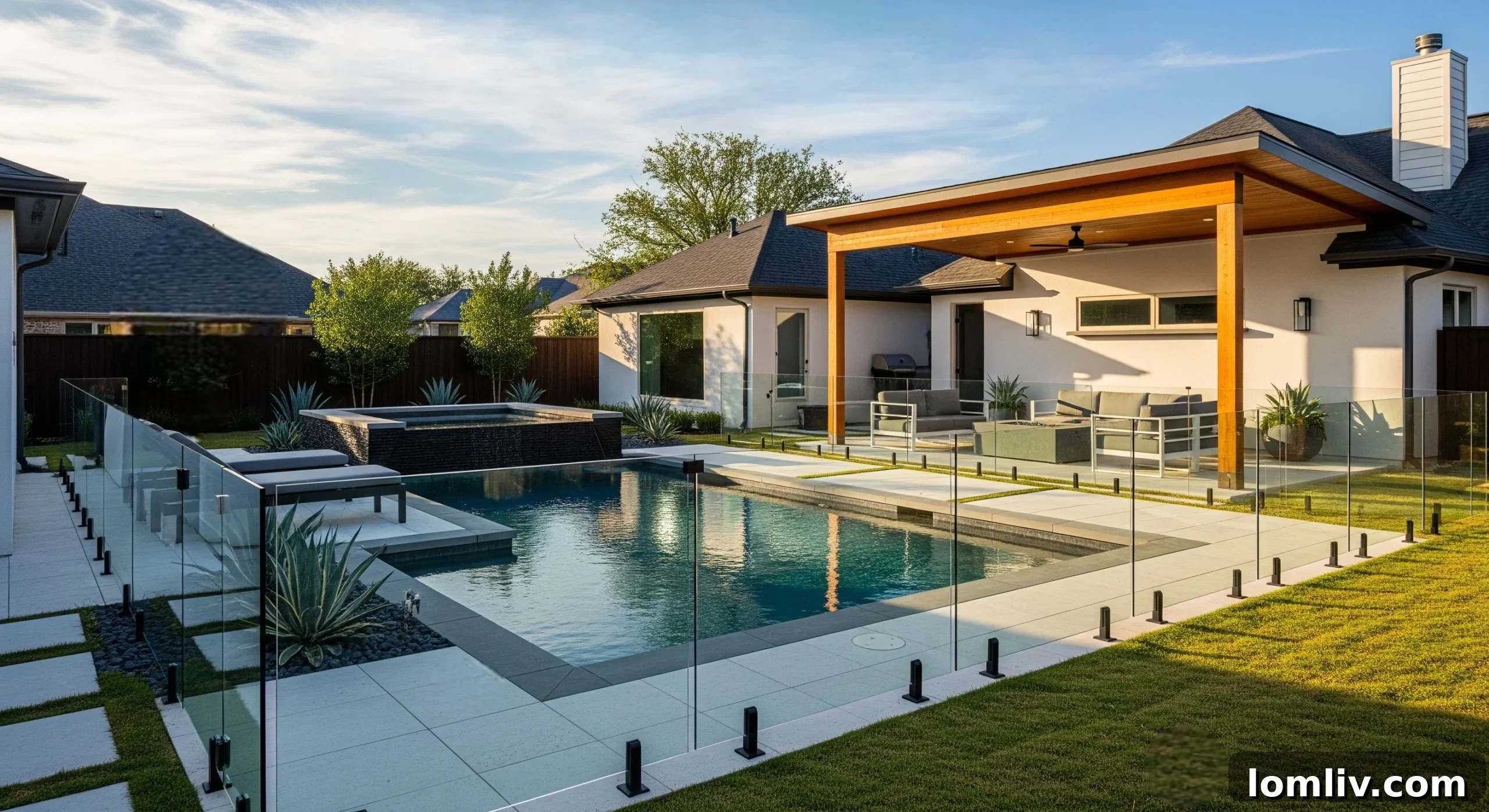
For homeowners across North Texas, the prospect of installing a backyard pool often conjures images of endless summer fun, refreshing dips, and vibrant outdoor gatherings. Given the region’s notoriously long, scorching summers, high temperatures, and a cultural emphasis on outdoor living, a swimming pool can indeed feel like a natural, even essential, enhancement to any home. However, while the allure of a personal oasis is strong, the decision to invest in a pool is far more complex than simply choosing a design and breaking ground. It represents a significant financial commitment and a lifestyle alteration that demands meticulous planning and a thorough understanding of various critical factors.
Before diving into pool construction, prospective owners must navigate a labyrinth of considerations, including local permitting and zoning regulations, stringent Homeowners’ Association (HOA) guidelines, the true costs extending beyond initial installation, climate-specific maintenance requirements, and the profound impact a pool can have on insurance and ultimately, the property’s long-term resale value. Especially within the dynamic Dallas-Fort Worth real estate market, where discerning buyers weigh every feature, a pool is not merely a leisure item; it’s a major asset that, when planned carefully, can significantly enhance enjoyment and property appeal, but if overlooked, can become an unexpected burden. This comprehensive guide will illuminate the crucial steps and considerations necessary for a successful and rewarding pool ownership journey in North Texas.
1. Navigating Local Permit and Zoning Requirements for Your North Texas Pool
The very first concrete step in any pool installation project in North Texas involves securing the necessary approvals from local city and county authorities. This critical phase cannot be understated, as failing to comply with regulations can lead to costly fines, project delays, or even the dreaded mandate to remove an improperly built structure. Across the diverse municipalities of North Texas, pool permits are universally required, though the specific documentation and processes can vary significantly from one city to another.
Most jurisdictions in the Dallas-Fort Worth metroplex and surrounding areas typically mandate a suite of permits, which often includes:
- Residential Pool Permit: This is the primary permit covering the construction of the pool structure itself. It ensures the design and structural integrity meet local building codes.
- Electrical Permit: Essential for all electrical components, including pumps, heaters, lighting, and any automation systems. This ensures safe installation and connection to the home’s power supply.
- Plumbing Permit: Required for the installation of all plumbing lines, filtration systems, and water features, ensuring proper water circulation and drainage.
- Safety Compliance: This often encompasses specific requirements for fencing and gates, including minimum height, self-latching mechanisms, and alarms, all designed to prevent unauthorized access and potential accidents.
- Multiple Stage Inspections: Throughout the construction process, various inspections will be scheduled at key milestones, such as excavation, plumbing rough-in, electrical rough-in, and final inspection before filling the pool. These ensure compliance at every phase.
Beyond the structural and utility-related permits, homeowners must also pay close attention to setback rules. These zoning regulations dictate the minimum distance a pool or any other structure can be from property lines, existing buildings (including the main house), and easements. In many North Texas cities, specific minimum distance requirements are in place to ensure adequate space for maintenance, emergency access, and to respect neighboring property boundaries. Understanding these rules early in the design phase is paramount to avoid expensive redesigns or relocation of the pool.
The intricacies of these regulations can be daunting. Therefore, engaging a reputable, licensed pool contractor with extensive experience in the North Texas market is highly advisable. Such professionals are well-versed in local codes, permit application processes, and inspection requirements, effectively serving as your guide through this complex administrative journey and helping to prevent costly missteps.
2. Adhering to HOA Guidelines and Restrictions in North Texas Communities
For homeowners residing within a community governed by a Homeowners’ Association (HOA), the HOA approval process is not just an important step but typically the *first* crucial hurdle to clear before any physical work on a new pool can commence. HOAs are established to maintain property values, aesthetic consistency, and quality of life within a neighborhood, and as such, they often have specific and detailed guidelines pertaining to exterior modifications, including pool installations.
The approval process can vary, but many HOAs demand comprehensive plans, which may include:
- Detailed architectural drawings of the proposed pool, including its dimensions, depth, and specific features.
- A site plan illustrating the pool’s exact placement relative to the house, property lines, and other structures.
- A list of all proposed materials for the pool, decking, coping, and fencing.
- Landscaping plans detailing any changes to be made around the pool area.
- Even a construction timeline to ensure minimal disruption to neighbors.
It’s equally important to be aware that some HOAs may impose outright restrictions on certain pool features or even prohibit pools of a certain type or size altogether. Therefore, a diligent review of your HOA’s Covenants, Conditions, and Restrictions (CC&Rs) and architectural guidelines early in the planning process is absolutely essential. This proactive approach can save significant time and potential frustration. The HOA approval process itself can take several weeks or even months, especially if plans need revisions or multiple committee reviews. It is imperative that no construction begins until you have received formal written permission from your HOA board or architectural review committee.
Common areas where HOAs typically impose regulations include:
- Pool Size and Placement: Restrictions on maximum footprint or specific locations within the backyard.
- Fence Height and Materials: Mandates on fence type (e.g., wrought iron, wood, glass), minimum height, and color to maintain community aesthetics and safety standards.
- Noise Considerations: Rules regarding construction hours and potential noise from pool equipment or usage, to ensure neighborly peace.
- Landscaping Changes: Requirements for specific plant types, water features, or lighting that blend with community standards.
- Construction Timelines: Imposed deadlines or hours for construction work to minimize inconvenience to residents.
Understanding and adhering to these HOA rules is critical not only for a smooth construction process but also for maintaining good standing within your community and avoiding potential fines or legal issues.
3. Budgeting Beyond the Initial Installation: Unveiling the True Cost of Pool Ownership in DFW
When prospective pool owners begin researching pool installation costs in Dallas-Fort Worth, it’s crucial to look beyond the initial price tag. The total investment in a pool extends far beyond the construction phase, encompassing a myriad of optional features and significant long-term maintenance expenses that can substantially impact your overall budget. Pool installation costs in North Texas can fluctuate widely, primarily depending on the chosen design complexity, the quality of materials, and unique site conditions.
Key cost considerations for the initial installation phase often include:
- Excavation and Site Preparation: This involves clearing the area, digging the pool shape, and potentially managing soil removal or rocky terrain, which can add significant expense.
- Pool Type: The choice between fiberglass (pre-formed shells), vinyl liner (customizable, lower upfront cost), or concrete/gunite (highly customizable, durable, but higher initial cost) dramatically influences the budget.
- Decking, Coping, and Safety Features: Costs for surrounding concrete, pavers, natural stone decking, safety fences, gates, and pool covers.
- Heating Systems and Automation: Options like natural gas heaters, electric heat pumps, or solar heaters, along with smart pool automation systems for remote control.
- Water Features and Enhancements: Waterfalls, jets, bubblers, tanning ledges, and integrated spas add to the aesthetic appeal and overall cost.
- Landscaping Repairs and Integration: The area around the pool will likely need significant landscaping work post-construction to blend the new feature seamlessly into your backyard.
However, the budget planning must extend into the ongoing expenses of pool ownership. These are often underestimated but are vital for long-term enjoyment and maintenance of your investment:
- Water Usage: Filling the pool initially and replenishing water lost to evaporation, splashes, or leaks, especially during North Texas’s hot, dry summers.
- Electricity Costs: Powering the pump, filter, heater, and lighting systems, which can significantly increase your utility bills.
- Chemicals and Cleaning Supplies: Regular testing and balancing of water chemistry are essential, requiring a steady supply of chlorine, pH balancers, algaecides, and other specialty chemicals.
- Routine Maintenance and Cleaning: This includes professional cleaning services (if not DIY), filter cleaning, and equipment checks.
- Repairs and Replacements: Over time, equipment like pumps, filters, heaters, or even the pool surface itself will require repairs or replacement, representing substantial costs.
- Insurance Premiums: As discussed below, adding a pool will almost certainly increase your homeowner’s insurance premiums due to increased liability.
- Winterization/Summerization: Preparing the pool for colder months (though often less severe in North Texas, freeze protection is crucial) and reopening it in spring.
A realistic budget should account for these recurring costs, ensuring that your dream pool remains a source of relaxation, not financial stress.
4. Climate Considerations and Essential Maintenance for North Texas Pool Owners
North Texas’s unique climate plays a profound role in every aspect of pool ownership, from design choices to daily maintenance routines. The region’s long, intensely hot summers, combined with occasional droughts, sudden severe storms, and infrequent but significant freezes, necessitate specific considerations for pool installation and ongoing care. Investing in energy-efficient equipment and ensuring proper drainage are not merely suggestions; they are crucial strategies that can help manage long-term operational costs, potentially reducing them by up to 40%. This includes features like variable-speed pumps, LED lighting, and high-efficiency heaters.
The intense heat of North Texas summers, while encouraging frequent pool usage, also brings its own set of challenges. High temperatures dramatically increase water evaporation, leading to greater water consumption and the need for more frequent chemical replenishment. It also puts more strain on pool equipment, leading to accelerated wear and tear. To combat these issues, homeowners should consider:
- Shade Structures: Installing pergolas, umbrellas, or strategically planted trees can reduce water evaporation, minimize chemical degradation from UV rays, and make the pool area more comfortable during peak heat.
- Pool Covers: An essential investment, pool covers significantly reduce evaporation (saving water and chemicals), retain heat (reducing heating costs), and provide an added layer of safety.
- Drought Management: Being mindful of local water restrictions during drought periods is crucial. Utilizing rainwater harvesting systems for pool top-offs or choosing drought-tolerant landscaping around the pool can be beneficial.
- Freeze Protection: While less frequent, North Texas does experience freezing temperatures. Ensuring your pool has adequate freeze protection (e.g., pump running continuously when temperatures drop) is vital to prevent costly damage to plumbing and equipment.
Homeowners must be prepared for the following climate-specific challenges and maintenance requirements:
- Increased Water Usage: Frequent topping off is required due to high evaporation rates, particularly in July and August.
- Higher Electricity Costs: Pumps and filtration systems often run longer to keep water clean in warmer temperatures, and heating the pool can add significantly to bills.
- Seasonal Maintenance and Cleaning: Beyond daily skimming, regular vacuuming, filter cleaning, and water chemistry balancing are intensified by heat and debris.
- Occasional Storm-Related Debris and Repairs: North Texas is prone to severe thunderstorms, hail, and strong winds, which can deposit significant debris into the pool, require extensive cleanup, and potentially damage equipment or structures.
Proactive maintenance and an understanding of how local weather impacts your pool will ensure it remains a pristine and enjoyable asset year-round.
5. Understanding Insurance and Liability Considerations for North Texas Pool Owners
Adding a swimming pool to your property fundamentally alters your homeowner’s insurance profile. Most insurance providers consider a pool an “attractive nuisance” and an increased liability risk, meaning you will almost certainly need to update your coverage to account for this significant change. It is not uncommon for insurance premiums to increase, and some carriers may even require specific safety enhancements before extending or continuing coverage.
To ensure adequate protection and maintain compliance with insurance policies, homeowners should take several proactive steps:
- Notify Your Insurance Provider Promptly: It is crucial to inform your insurance company before construction begins or as soon as a pool is installed. Failure to do so could result in a denial of claims should an accident occur.
- Confirm Adequate Liability Coverage: You will likely need to increase your liability coverage limits. Many experts recommend an umbrella liability policy, which provides additional coverage above and beyond your standard homeowner’s policy, typically offering protection of $1 million or more. This extra layer of security is vital in the event of severe injury or even death on your property.
- Ensure Safety Features Meet Requirements: Insurance companies often mandate specific safety measures to mitigate risk. These commonly include:
- Self-Latching and Self-Closing Gates: All gates leading to the pool area must automatically close and latch, preventing unintended access.
- Minimum Fence Height: Fencing around the pool must meet local and often insurance-specific minimum height requirements, typically 4 to 5 feet, with no gaps allowing passage.
- Pool Alarms: Door alarms on all exits leading to the pool area, or even alarms placed directly in the pool water, can alert homeowners to unsupervised access.
- Non-Slip Surfaces: Using non-slip materials for pool decking can reduce the risk of falls.
- Proper Signage: While not always mandated, posting clear rules, especially regarding children and diving (if applicable), can be a good practice.
Understanding the implications of increased liability is paramount. A swimming pool, while a source of joy, carries the risk of accidents, injuries, and even drowning. Having comprehensive insurance coverage provides peace of mind and financial protection against potential lawsuits or claims arising from pool-related incidents. Always consult with your insurance agent to review your policy, discuss necessary endorsements, and ensure you have sufficient coverage for your new aquatic addition.
How Pools Affect Resale Value in the North Texas Real Estate Market
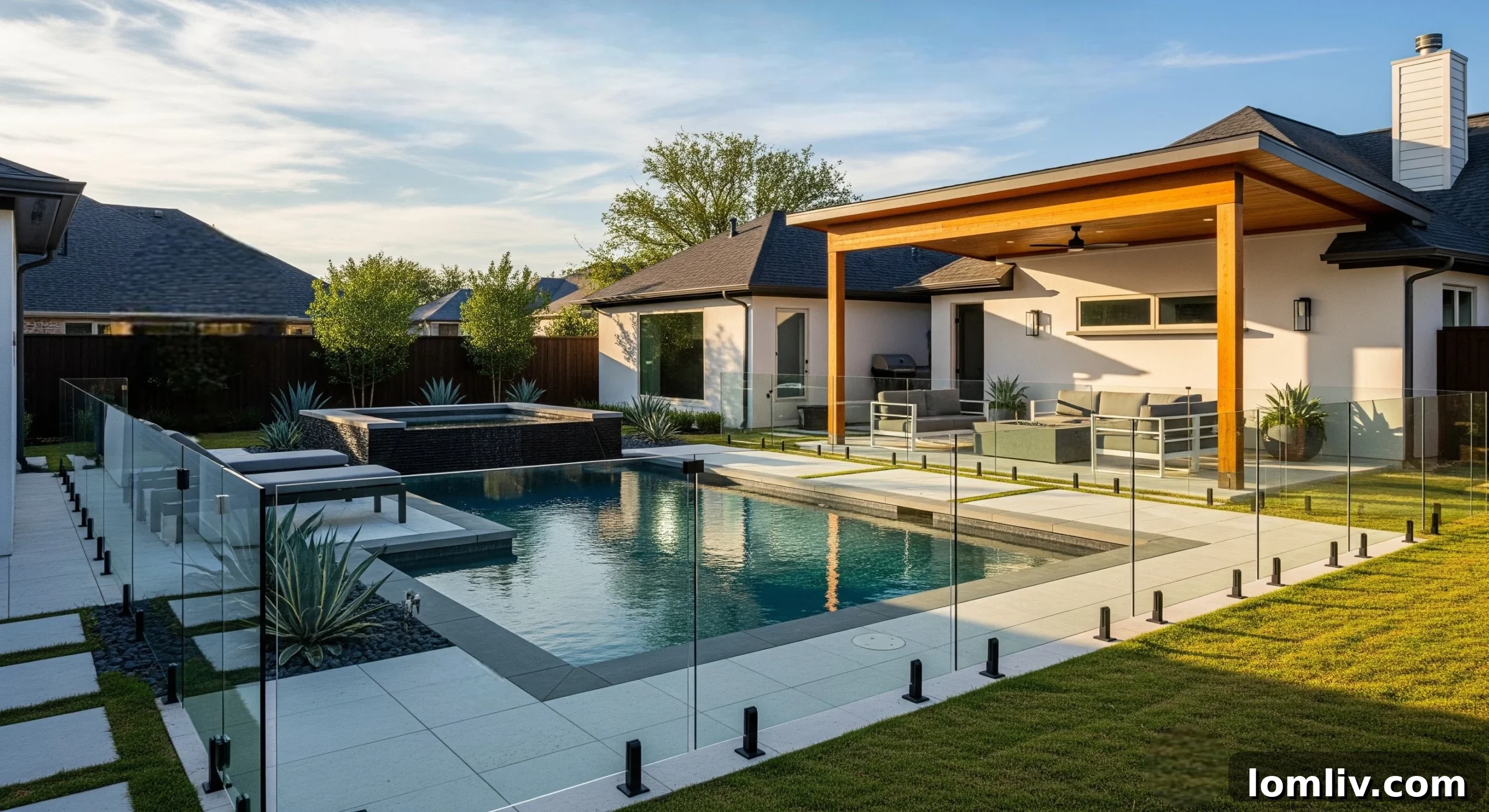
From a purely real estate perspective, a swimming pool can be a double-edged sword: a coveted asset for some buyers and a perceived liability for others. In the diverse and dynamic North Texas real estate market, where consumer preferences can vary significantly, the impact of a pool on your home’s resale value is highly nuanced. While pools are often a standard expectation or a desirable luxury in higher-end neighborhoods and communities that emphasize outdoor living, they tend to be less common and potentially less impactful in entry-level or more modest markets.
Homeowners who are considering selling their property within a few years should carefully evaluate whether adding a pool aligns with current local market demand and buyer demographics. In some areas, particularly those with a higher concentration of luxury homes or families seeking an active outdoor lifestyle, a well-designed, meticulously maintained pool can significantly increase buyer interest, reduce market time, and potentially boost the sale price. It can differentiate your home in a competitive market, making it stand out as a premier offering.
Conversely, in other market segments, a pool might limit the pool of potential buyers. Some buyers, especially those without children, older individuals, or those with tight budgets, may view a pool as a significant burden due to the perceived high maintenance costs, increased utility bills, and insurance premiums. They might prioritize a larger yard, a lower overall cost of ownership, or simply have no interest in the upkeep associated with a pool.
Factors that profoundly influence a pool’s impact on resale value include:
- Neighborhood Norms and Buyer Expectations: If most homes in your immediate area have pools, yours might be expected. If it’s an outlier, it might appeal to a niche buyer.
- Pool Condition and Age: A sparkling, modern, and well-maintained pool adds value. An aging, neglected, or outdated pool can be a deterrent, signaling potential repair costs to buyers.
- Maintenance History: A documented history of professional maintenance and care reassures buyers about the pool’s long-term health.
- Safety Features and Compliance: Ensuring all safety features (fencing, alarms) are up to code and in excellent working order is not only legally required but also a strong selling point for families.
- Aesthetics and Integration: How well the pool integrates into the overall landscape and backyard design matters. A cohesive, attractive outdoor living space is far more appealing than a standalone pool.
- Lot Size: A pool can feel like an asset on a generous lot, but on a smaller lot, it might consume too much valuable yard space, which some buyers prefer for play areas or gardening.
Ultimately, a pool’s influence on resale value is highly localized. Consulting with a knowledgeable North Texas real estate agent before embarking on a pool project can provide invaluable insight into how such an investment would fare in your specific neighborhood and market segment.
Conclusion: Making an Informed Decision on Your North Texas Pool Investment
The decision to install a swimming pool in your North Texas home is a significant undertaking that blends lifestyle desires with substantial financial and practical considerations. A pool, at its best, should serve as a harmonious extension of your home, perfectly fitting your current lifestyle needs while also aligning with your long-term property goals. Before taking the plunge, homeowners must carefully reflect on how long they envision staying in their current home, the frequency with which the pool will genuinely be utilized, and whether the ongoing maintenance demands and associated costs comfortably fit within their schedule and budget.
For residents of North Texas, where the appeal of a cool escape from the summer heat is undeniable, a pool can indeed be an exceptionally valuable upgrade. However, its true value—both in terms of personal enjoyment and property appreciation—is maximized when the investment is underpinned by thoughtful planning, professional guidance, and realistic budgeting. Navigating local regulations, understanding the unique challenges of the regional climate, and assessing the specific dynamics of the Dallas-Fort Worth real estate market are all non-negotiable steps.
By approaching pool installation with diligence and foresight, homeowners can ensure their aquatic addition remains a cherished source of relaxation and entertainment, rather than transforming into an unforeseen burden. A well-planned and meticulously maintained pool enhances not only your quality of life but also the enduring appeal and value of your North Texas property for years to come.