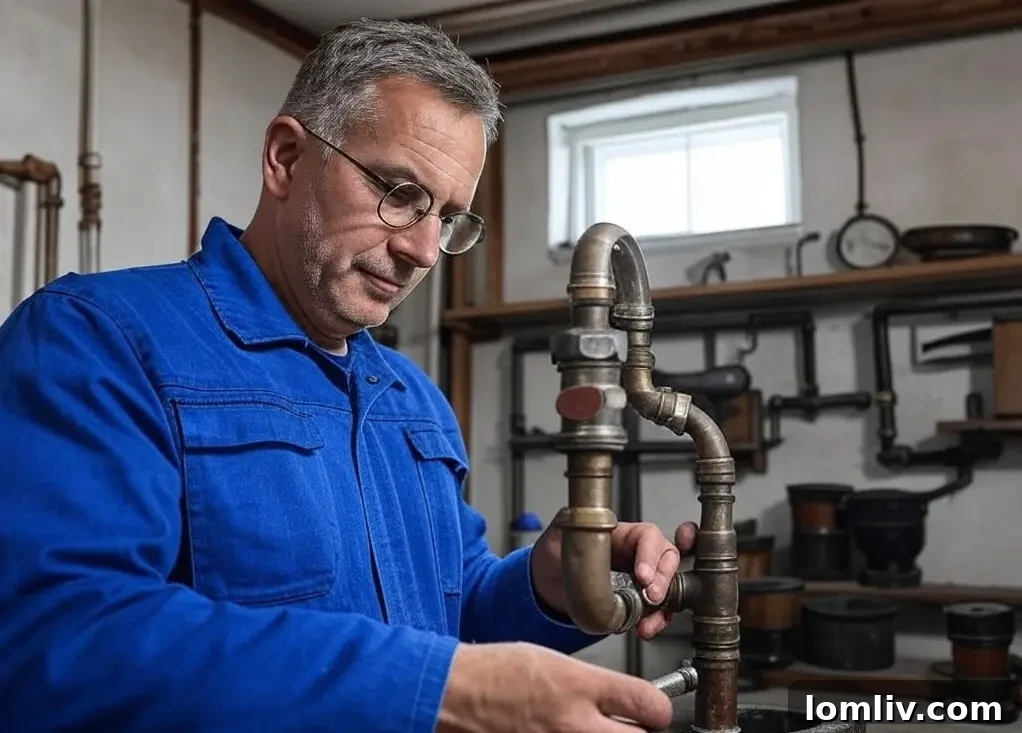
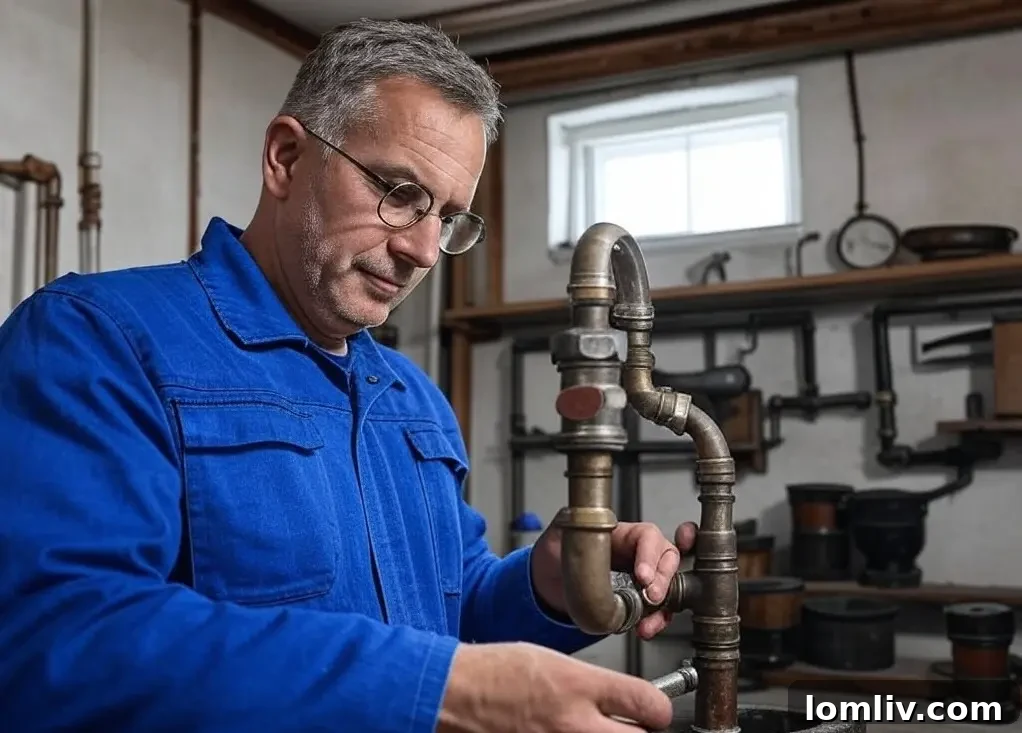
Are you facing the nuisance of a persistent drip, a sudden leak, or perhaps contemplating a significant upgrade to your home’s water system? Understanding the intricate network that is your home’s plumbing is not just beneficial; it’s absolutely essential for any homeowner. When plumbing problems rear their ugly heads, they can quickly transform a calm household into a stressful environment, making you feel like you’re navigating a swift river without a paddle. These challenges, from minor annoyances to catastrophic failures, can be daunting and intimidating, often leading to costly professional interventions if not addressed promptly and correctly.
This comprehensive guide aims to demystify your home’s plumbing, transforming complex issues into manageable tasks. With a focus on clarity, relevance, and real-life solutions, we’re here to empower you with the knowledge and confidence needed to tackle common plumbing challenges. Whether it’s a simple repair or a more involved project, our expert advice and practical tips will serve as your trusted companion throughout your plumbing journey. So, roll up your sleeves, gather your tools, and let’s dive into the world of effective home plumbing maintenance and DIY solutions.
Demystifying Your Home Plumbing System: A Comprehensive Guide
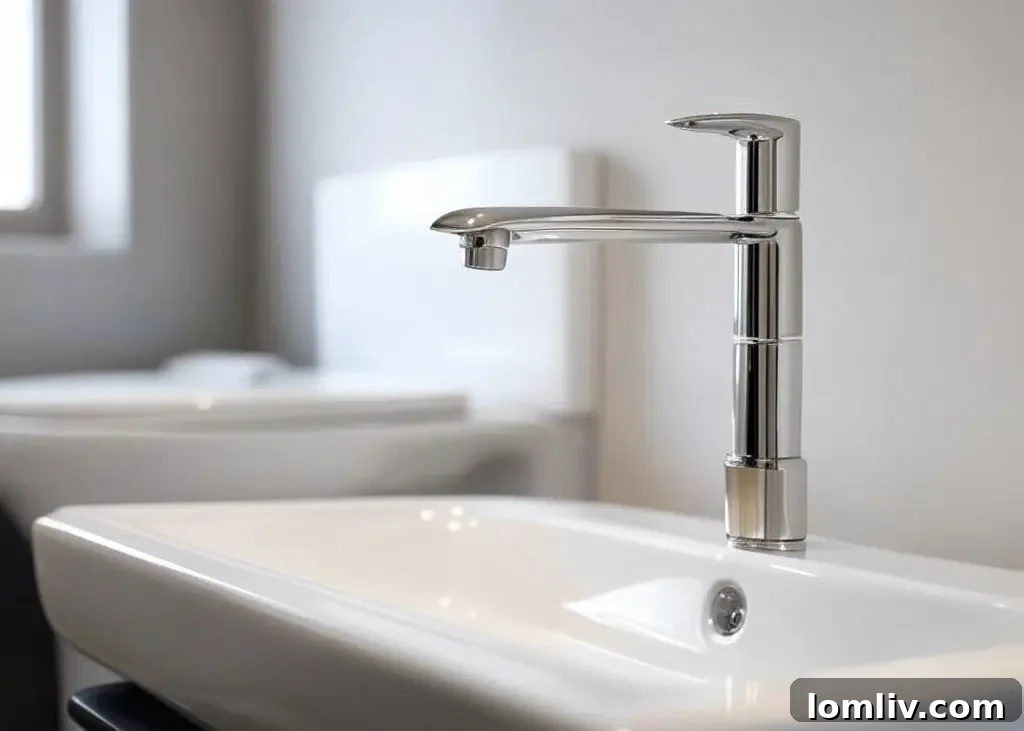
At its core, your home’s plumbing system is a sophisticated network designed to deliver clean water and efficiently remove wastewater, ensuring sanitation and comfort. Grasping the fundamentals of how this system operates is the first step towards effective home plumbing maintenance and successful DIY plumbing projects. The system is broadly categorized into supply lines, waste lines, and vents, each playing a critical role in maintaining optimal functionality.
Understanding the Key Components
- Supply Lines: These pipes bring fresh, potable water into your home from the municipal supply or a well. They branch out to various fixtures like faucets, toilets, water heaters, and appliances. Understanding your main shut-off valve is paramount, as it allows you to cut off water to the entire house in an emergency.
- Waste Lines: Also known as drain-waste-vent (DWV) systems, these are responsible for carrying used water and waste away from your home. They rely on gravity to move wastewater through a series of pipes to your septic system or the public sewer.
- Vents: Often overlooked, vent pipes are crucial for the proper functioning of your drainage system. They introduce air into the drain lines, preventing a vacuum from forming. Without adequate venting, drains would gurgle, slow down, and traps could lose their water seals, allowing sewer gases to enter your home.
Diverse Plumbing Systems in Your Home
Beyond the basic supply and waste, residential plumbing often incorporates several specialized systems:
- Potable Water System: This is the most vital system, delivering clean drinking and bathing water throughout your house. Ensuring its integrity means regular checks for leaks and maintaining appropriate water pressure.
- Sanitary Drainage System: Dedicated to disposing of wastewater from toilets, sinks, showers, and bathtubs. Proper functioning prevents backups and maintains hygiene.
- Stormwater Drainage System: Manages rainwater runoff from roofs and surrounding areas, directing it away from your foundation to prevent flooding and water damage. Gutters, downspouts, and French drains are key elements here.
Each system has its unique characteristics and maintenance requirements. Familiarizing yourself with their functions is fundamental to proactive plumbing care and preventing significant issues down the line.
DIY Projects vs. Professional Services: Knowing When to Call an Expert
Empowering yourself with DIY plumbing knowledge can save you money and build confidence. However, it’s equally important to recognize the limits of your expertise.
- Accessible DIY Plumbing Projects: Many minor issues are perfect for a hands-on approach. These include fixing a running toilet, replacing a worn-out faucet washer, unclogging a shallow drain with a plunger, or tightening a loose pipe connection. These quick fixes not only save you from professional fees but also deepen your understanding of your home’s mechanics.
- When to Call Professional Plumbers: For more complex or potentially hazardous problems, always defer to licensed professionals. This includes major sewer line issues, significant water heater installations or repairs, gas line work, persistent low water pressure problems, burst pipes, or any task that involves structural modifications to your plumbing system. Engaging an expert prevents potential dangers, ensures compliance with local codes, and can save you from far more costly mistakes in the long run.
The Role of Fittings and Pipe Materials
Fittings are the unsung heroes of your plumbing, making crucial connections within the system. Couplings connect pipes in a straight line, elbows change direction, and tees create branches. Keeping these parts well-labeled and organized in your toolbox will make future tasks significantly more manageable.
Understanding different pipe materials is also crucial for repairs and upgrades. Common materials include:
- Copper: Durable and corrosion-resistant, often used for supply lines.
- PVC (Polyvinyl Chloride): Lightweight, inexpensive, and primarily used for drain, waste, and vent (DWV) systems.
- PEX (Cross-linked Polyethylene): Flexible, easy to install, and resistant to corrosion and freezing, making it popular for modern supply lines.
A basic understanding of your system’s layout, its components, and the materials involved, coupled with regular maintenance, is the cornerstone of a healthy and efficient home plumbing system.
Assembling Your Essential Plumbing Toolkit: Readiness is Key
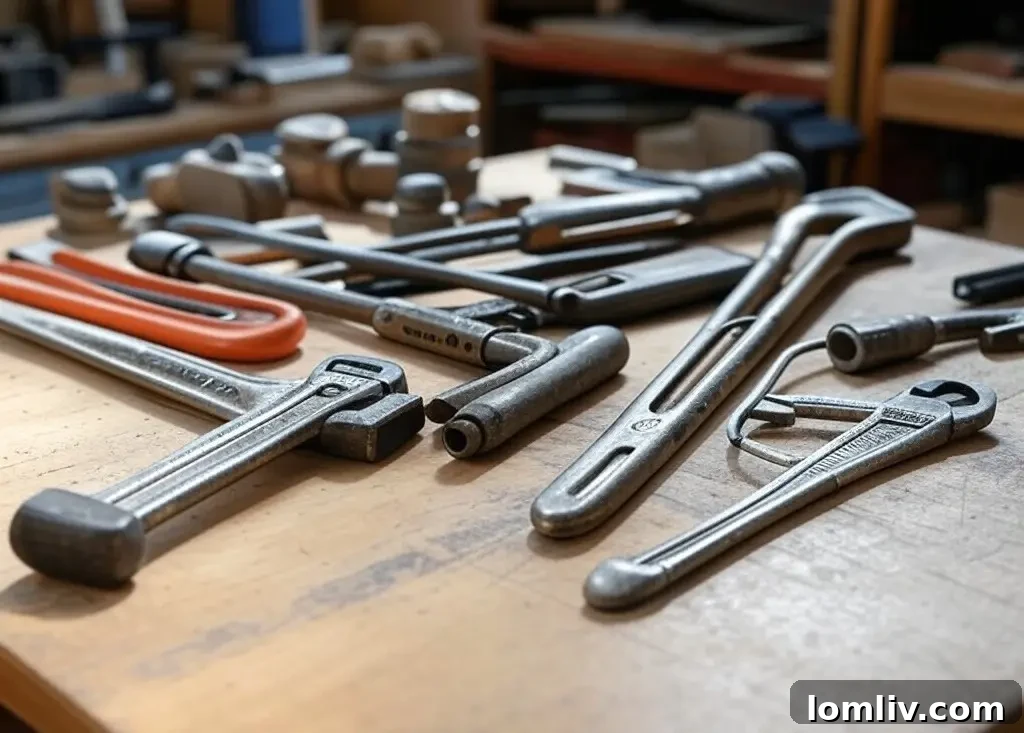
A well-equipped toolbox is every homeowner’s best friend when it comes to tackling plumbing issues. Investing in the right essential plumbing tools not only makes your job significantly easier but also helps prevent costly setbacks and unnecessary stress. Whether you’re dealing with a minor leak or embarking on a more ambitious plumbing overhaul, having these items at your disposal is invaluable.
Mastering Your Wrenches: The Backbone of Plumbing Repairs
Wrenches are indispensable for tightening and loosening various fixtures and pipes. Knowing which wrench to use for specific tasks is crucial:
- Pipe Wrenches: Designed for gripping and turning cylindrical pipes and fittings, these wrenches have serrated jaws that provide a strong, non-slip grip. They are robust and essential for working with larger pipes.
- Adjustable Wrenches: A versatile tool with smooth jaws, suitable for nuts, bolts, and fittings that require a precise fit without marring the surface. Every homeowner should have at least one of varying sizes.
- Basin Wrenches: Specifically designed with a long shaft and a swiveling jaw, a basin wrench is perfect for reaching and tightening or loosening nuts in tight, awkward spaces, particularly under sinks for faucet installation or removal.
- Faucet Key: A small, multi-faceted tool used for accessing and tightening or loosening packing nuts on faucets, often in confined areas.
Pipe Work Essentials: Cutting, Shaping, and Sealing
Working with pipes requires specialized tools to ensure clean cuts, smooth edges, and leak-proof connections:
- Hacksaw or Pipe Cutter: For clean, precise cuts on various types of pipes (PVC, copper, PEX). A dedicated pipe cutter offers a cleaner cut with less effort, especially for copper and plastic.
- Deburring Tool: After cutting pipes, especially copper or PVC, a deburring tool is used to smooth the rough edges. This prevents obstructions and ensures proper flow.
- Thread Sealing Tape (Plumber’s Tape/PTFE Tape): A thin, white tape used to wrap pipe threads, creating a watertight seal and preventing leaks at connections. It’s a must-have for almost any threaded pipe joint.
- Pipe Reamer: A tool used to remove burrs from the inside of a pipe, ensuring smooth water flow and preventing debris buildup.
- Flux and Solder (for Copper Pipes): If you have copper pipes and are doing repairs, you’ll need flux (a cleaning agent) and lead-free solder, along with a propane torch for sweating pipe joints.
Conquering Clogs and Blockages: Essential Tools and Safety Practices
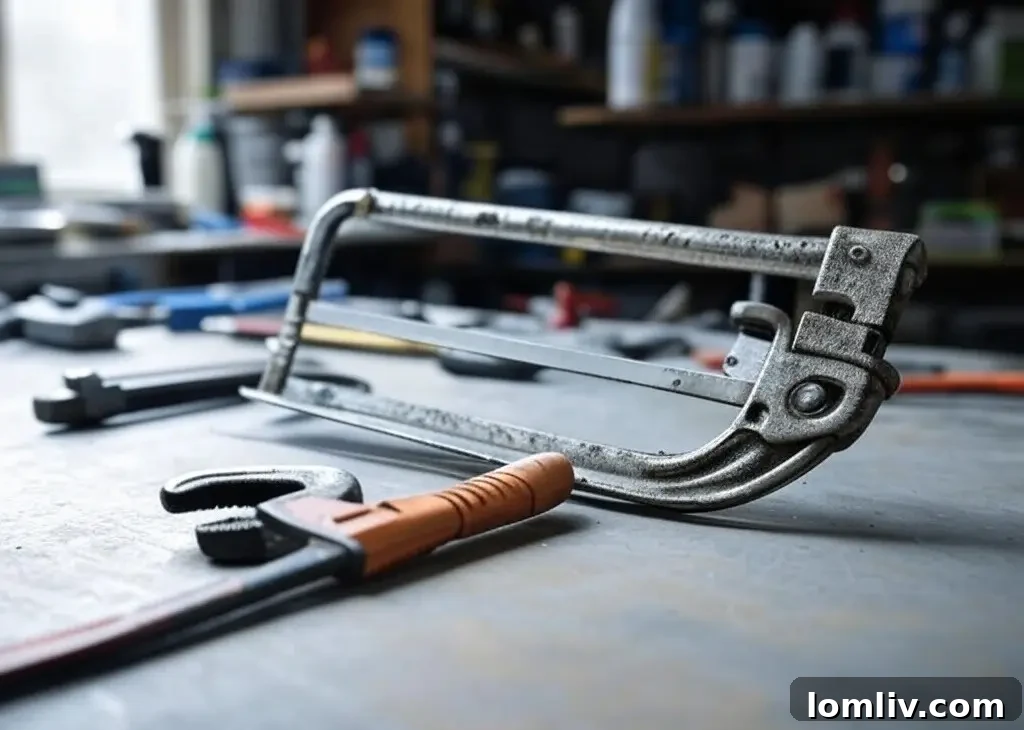
Clogged drains are among the most common and frustrating plumbing problems homeowners face. Having the right drain clearing tools can make the difference between a quick fix and a lingering headache. More importantly, understanding how to use them safely is paramount to protecting both yourself and your plumbing system.
Your Arsenal Against Clogs
- Plungers: A basic but highly effective tool. A cup plunger is suitable for sinks, while a flange plunger (with an extension) is best for toilets, creating a strong seal for maximum pressure.
- Hand Augers (Drain Snakes): For clogs beyond the reach of a plunger, a hand auger is invaluable. It’s a flexible cable that can be fed into a drain to break up or retrieve blockages. Manual versions are great for sink and shower drains.
- Snake Machines (Power Augers): For more stubborn or deeper clogs, especially in main drain lines, a motorized snake machine provides more power and reach. These are often used by professionals but smaller versions are available for homeowners.
- Inspection Cameras: A valuable diagnostic tool, especially for recurring clogs. These small, waterproof cameras are fed into drain lines, allowing you to visually identify the exact location and nature of a blockage without invasive procedures, helping to determine the best course of action.
Safety First: Protecting Yourself and Your Home
Plumbing work, especially when dealing with blockages or soldering, carries inherent risks. Prioritizing safety is non-negotiable:
- Personal Protective Equipment (PPE): Always wear safety goggles to protect your eyes from splashes, debris, or chemical fumes. Heavy-duty gloves protect your hands from grime, sharp objects, and harsh cleaning agents.
- Ventilation: When using chemicals or soldering, ensure adequate ventilation to disperse fumes. Work in a well-aired space or use fans.
- Flammable Materials: Be extremely cautious around flammable materials, especially when using a torch for soldering. Keep a fire extinguisher nearby and ensure the area is clear of combustibles.
- Electrical Hazards: Be mindful of electrical outlets and appliances when working with water. Always shut off power to nearby electrical circuits if there’s any risk of water contact.
- Water Shut-off: Before any major repair, locate and turn off the main water supply to prevent flooding and control the flow of water.
A safe workspace contributes not only to your personal well-being but also to the quality and success of your plumbing project.
Expanding Your Toolkit: Specialized and Handy Tools
As you gain experience, you might find specific tools beneficial for more advanced tasks:
- PEX Pipe Expanders and Crimpers: Essential if your home uses PEX piping for repairs or new installations, allowing for secure connections.
- Tube Benders: For copper tubing, these tools help create smooth, precise bends without kinking the pipe.
- Stubby Screwdrivers: Invaluable for reaching screws in exceptionally tight spaces where standard screwdrivers cannot fit.
- Flow Rate and Pipe Volume Measurement Tools: For precise material handling and ensuring optimal water pressure and flow.
- Headlamp: Provides hands-free illumination in dark, confined spaces under sinks or in basements.
- Utility Knife: Handy for cutting caulk, tape, or other materials.
Expert Tips for Tool Maintenance and Success
To maximize the lifespan and effectiveness of your tools, and to ensure smooth project execution:
- Organization is Key: Store tools neatly in a dedicated toolbox or wall organizer. This not only makes them easy to find but also prevents damage.
- Regular Inspection: Periodically check your tools for wear, corrosion, or defects. Replace or repair damaged tools promptly to avoid safety hazards and project delays.
- Stay Informed: The plumbing industry constantly evolves with new tools and techniques. Stay updated through reputable guides, videos, and professional resources to continuously improve your skills and efficiency.
With a well-organized and maintained set of tools, coupled with a commitment to safety, you’ll be well-prepared to handle a wide range of plumbing tasks confidently.
The Drip Stops Here: A Comprehensive Guide to Fixing Leaky Faucets
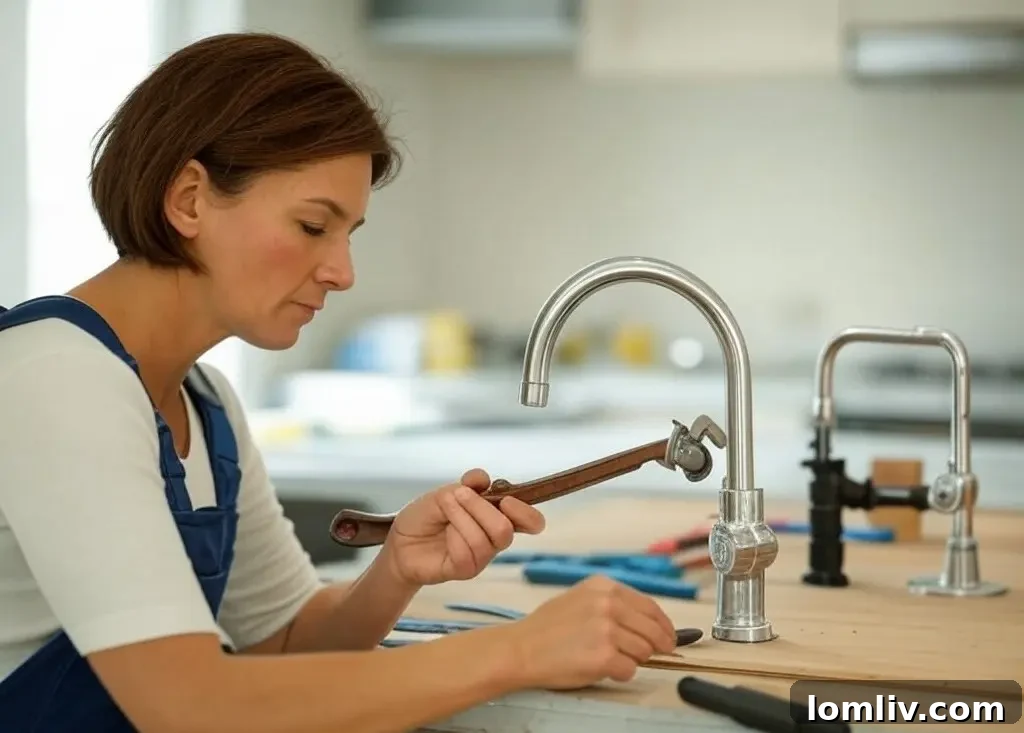
A leaky faucet is more than just an annoying sound; it’s a waste of water, an unnecessary expense on your utility bill, and a potential cause of water damage over time. Tackling this common DIY plumbing repair is often simpler than you think, especially with the right approach and a few basic tools. The key to success lies in understanding the type of faucet you have and systematically addressing the problem.
Step-by-Step Faucet Repair Process
Regardless of the faucet type, the initial steps for fixing a leak are universal:
- Isolate the Leak and Shut Off Water: The very first step is to turn off the water supply to the leaking faucet. Most sinks have shut-off valves directly underneath. If not, you’ll need to turn off the main water supply to your house. Open the faucet to drain any residual water from the lines.
- Gather Your Tools and Protect Your Sink: You’ll likely need screwdrivers (flathead and Phillips), an adjustable wrench, needle-nose pliers, and possibly an Allen wrench. Place a cloth or towel over the sink drain to prevent small parts from falling in.
- Disassemble the Faucet Carefully: Begin by removing the decorative caps (if any) and unscrewing the handle. Depending on the faucet type, you may need to remove additional components like a bonnet nut, packing nut, or a cartridge retention clip. Keep all parts organized, perhaps by laying them out in the order they were removed, to ensure easy reassembly.
- Inspect and Replace Worn Components: This is where the detective work begins. The vast majority of faucet leaks are caused by worn-out components. Look for:
- Washers: Especially common in compression faucets, these rubber seals can harden or crack over time.
- O-rings: Small rubber rings that provide seals between moving parts.
- Seals: Found in various faucet types, these ensure a tight fit.
- Cartridges: In cartridge faucets, the entire cartridge unit might need replacing if it’s faulty.
- Ball Assemblies: In ball faucets, the springs and rubber seats might be worn.
Replace any worn, cracked, or corroded parts with new ones. It’s often best to take the old parts to a hardware store to ensure you get exact matches.
- Clean and Lubricate: While the faucet is disassembled, take the opportunity to clean any mineral deposits or debris from the internal components and faucet body. Apply plumber’s grease to O-rings and moving parts to ensure smooth operation and a better seal.
- Reassemble with Plumber’s Tape: Carefully reassemble the faucet in reverse order. For any threaded connections (like the faucet spout threads or the threads on the supply lines), apply a thin layer of plumber’s tape (PTFE tape) in a clockwise direction. This ensures a tight, watertight seal. Avoid overtightening, as this can damage components.
- Test and Final Checks: Gradually turn the water supply back on to the faucet. Turn the faucet on and off, checking thoroughly for any drips or leaks. If you spot a minor drip, you might gently tighten the connections a small amount with your adjustable wrench. However, exercise caution to avoid stripping threads or cracking components. Sometimes, a worn handle, even if not directly causing the drip, can lead to instability and hasten the wear of internal components; replacing it can resolve the problem and improve usability.
Understanding Your Faucet Types
Knowing the specific type of faucet you have will greatly assist in troubleshooting and repair:
- Compression Faucets: These are the oldest and most traditional type, often found in older homes. They have separate hot and cold handles that you turn to compress a washer against a valve seat. Leaks typically stem from worn washers or O-rings.
- Cartridge Faucets: Featuring a single handle that moves up/down for water volume and left/right for temperature. They contain a cartridge, a cylindrical valve that controls water flow. Leaks usually mean the cartridge itself needs to be replaced.
- Ball Faucets: Recognizable by their single handle that operates on a rotating ball mechanism. They have several O-rings and spring-loaded rubber seals that can wear out, leading to leaks.
- Disc Faucets: Modern and highly durable, these also have a single lever handle and operate using two ceramic discs that slide against each other. Leaks are less common but usually indicate worn inlet and outlet seals or issues with the ceramic discs.
Each faucet type has unique mechanisms and common leak points, so tailoring your troubleshooting and repair accordingly will ensure a successful fix. By following these steps, you can effectively stop those annoying drips and extend the life of your faucets.
Unclogging Drains Safely and Effectively: Your Guide to Clear Pipes
A clogged drain is a common and frustrating household problem, often causing slow drainage, unpleasant odors, and even water backups. While the temptation might be to reach for harsh chemical drain cleaners, a safer and often more effective approach involves using natural solutions and appropriate tools. Understanding the best methods for safe drain cleaning can protect your pipes and prevent future blockages.
Why Avoid Harsh Chemical Drain Cleaners?
Chemical drain cleaners, while seemingly convenient, can cause significant damage to your plumbing system over time. Their corrosive nature can eat away at pipe linings, especially older PVC or metal pipes, leading to leaks or bursts. They can also pose serious health risks due to toxic fumes and potential skin burns. Furthermore, if the chemical doesn’t clear the clog, it can sit in your pipes, making the problem worse and creating a hazardous situation for a plumber to deal with.
Effective DIY Drain Cleaners and Methods
- The Plunger Power-Up: For most superficial clogs in sinks, tubs, and toilets, a good old-fashioned plunger is your first line of defense. Ensure a tight seal around the drain and apply firm, repetitive plunges. For toilets, use a flange plunger for maximum effectiveness.
- Baking Soda and Vinegar: The Natural Power Couple: This classic combination is excellent for breaking down greasy clogs and deodorizing drains.
- Pour half a cup of baking soda down the drain.
- Follow with half a cup of white vinegar.
- Allow the mixture to fizz and work for 20-30 minutes (or longer for stubborn clogs). The chemical reaction helps to loosen debris.
- Flush the drain with very hot (but not boiling) water.
- Baking Soda and Salt: For tougher grease and grime, a mixture of half a cup of baking soda and half a cup of salt, followed by hot water, can be very effective. Let it sit overnight, then flush with hot water in the morning.
- Boiling Water (Use with Caution): For minor, greasy clogs, slowly pouring a kettle of very hot water down the drain can sometimes melt the grease. *Caution: Do not use boiling water on PVC pipes if they are old or weakened, as it can soften or warp them. Also, avoid if you’ve recently used chemical drain cleaners, as it can cause dangerous fumes.*
- Using a Drain Snake or Hand Auger: For deeper clogs caused by hair, soap scum, or foreign objects, a drain snake (or hand auger) is invaluable. Carefully feed the snake into the drain until you encounter the blockage. Twist and push to break up or retrieve the obstruction. Always wear gloves.
Preventing Future Clogs: Proactive Plumbing Care
Prevention is always better (and cheaper) than cure. Adopting these habits can significantly reduce the frequency of drain clogs:
- No Grease Down the Drain: Never pour cooking grease, oil, or fat down the sink. As it cools, it solidifies and clings to pipe walls, building up over time to create stubborn blockages. Instead, pour it into an old container and dispose of it in the trash.
- Use Drain Strainers: Install strainers over all sink and shower drains to catch hair, food particles, soap scum, and other debris before they enter your pipes. Clean them regularly.
- Regular Flushing: Periodically flush drains with hot water, especially after heavy use, to help keep them clear. A monthly baking soda and vinegar treatment can also serve as preventative maintenance.
- Proper Garbage Disposal Use: Only put appropriate food waste into your garbage disposal. Avoid fibrous foods (celery, potato peels), coffee grounds, and anything non-biodegradable. Always run cold water before, during, and after using the disposal.
- Be Mindful of What Goes Down the Toilet: Only flush human waste and toilet paper. Wipes (even “flushable” ones), feminine hygiene products, cotton balls, and dental floss should always go in the trash.
By understanding the safe and effective methods for clearing clogs and, more importantly, implementing preventative measures, you can maintain clear drains and extend the life of your plumbing system, saving yourself from costly repairs and inconvenient backups.
The Cornerstone of Longevity: Regular Plumbing Inspections and Maintenance
Just like any other vital system in your home, your plumbing network benefits immensely from consistent attention and care. Regular inspections and proactive maintenance are not just recommended; they are critical for extending the lifespan of your plumbing components, preventing unexpected emergencies, and ultimately saving you a significant amount of money on costly repairs. A proactive approach helps you catch small issues before they escalate into major, disruptive problems.
Your Essential Plumbing Maintenance Checklist
Consider incorporating these checks into your routine, perhaps on a monthly, quarterly, or annual basis:
- Check for Leaks: Regularly inspect all visible pipes under sinks, around toilets, water heaters, and exposed basement/crawlspace pipes for any signs of water stains, drips, or corrosion. Even a tiny, slow leak can lead to significant damage over time. Pay attention to changes in your water bill, which could indicate a hidden leak.
- Test Toilets: Check for running toilets by adding a few drops of food coloring to the tank. If color appears in the bowl without flushing after 15-20 minutes, you have a leak, likely from a faulty flapper or fill valve. Also, ensure the flush mechanism is working correctly and not sticking.
- Inspect Faucets and Showerheads: Look for drips and ensure good water pressure. Clean aerators on faucets and showerheads regularly to remove mineral deposits that can restrict flow.
- Drain Care: As discussed, prevent clogs by using strainers and avoiding pouring grease down drains. Perform monthly natural drain cleanings (baking soda and vinegar) in all sinks and tubs.
- Water Heater Inspection: Annually, drain a few gallons from the bottom of your water heater to remove sediment buildup, which improves efficiency and extends the unit’s life. Check for any leaks around the base or connections. Test the pressure relief valve (T&P valve) carefully once a year to ensure it’s functioning.
- Check Water Pressure: High water pressure can stress your pipes and fixtures, leading to premature failure. You can buy a simple gauge to test your home’s water pressure (ideal is 40-60 psi). If it’s consistently too high, consider installing a pressure reducing valve.
- Look for Signs of Corrosion: Green or white discoloration around pipe joints or on fixtures can indicate corrosion or mineral buildup, signaling potential future leaks. Address these areas promptly.
- Sump Pump Check (if applicable): If you have a sump pump, test it quarterly by pouring a bucket of water into the pit to ensure it activates and drains properly.
- Hoses and Connections: Inspect hoses for washing machines, dishwashers, and ice makers. Look for cracks, bulges, or leaks. Replace rubber hoses every 3-5 years with braided stainless steel hoses for better durability.
Benefits of a Proactive Plumbing Maintenance Strategy
- Preventing Costly Repairs: Small issues, like a minor leak or a slow drain, are much cheaper and easier to fix than a burst pipe or a complete sewer line blockage.
- Extending System Lifespan: Regular cleaning, inspection, and timely part replacement can significantly prolong the operational life of your entire plumbing system and its components.
- Improving Water Efficiency: Fixing leaks and maintaining efficient fixtures reduces water waste, lowering your utility bills and contributing to environmental conservation.
- Ensuring Health and Safety: A well-maintained plumbing system prevents issues like mold growth from leaks, sewer gas intrusion from dry traps, and potential structural damage due to water intrusion.
- Peace of Mind: Knowing your plumbing is in good working order provides reassurance and prevents the stress and inconvenience of unexpected breakdowns.
Your home’s plumbing system is a critical asset, vital for the comfort, health, and functionality of your living environment. By dedicating a small amount of time to regular inspections and maintenance, you gain powerful control over its integrity. With the right tools and a commitment to continuous learning, you can ensure your plumbing performs flawlessly, silently doing its job day in and day out, allowing you to enjoy a comfortable and efficient home without a hitch. Stay diligent, stay informed, and your plumbing will reward you with years of trouble-free service.