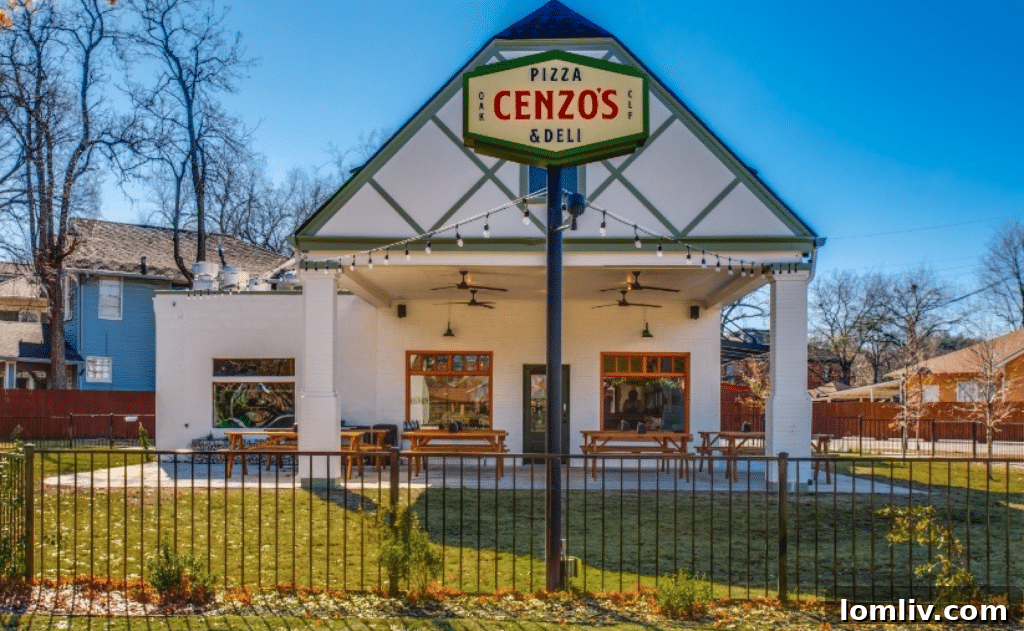
In an era where historic structures often face the threat of demolition, celebrating a significant preservation triumph is particularly heartening. Following a year marked by numerous architectural losses, we begin the new year with an inspiring success story: an adaptive reuse project that stands out as one of the most thoughtful and impactful transformations seen in recent memory. This narrative not only highlights a remarkable architectural revival but also underscores the power of community vision and entrepreneurial spirit.
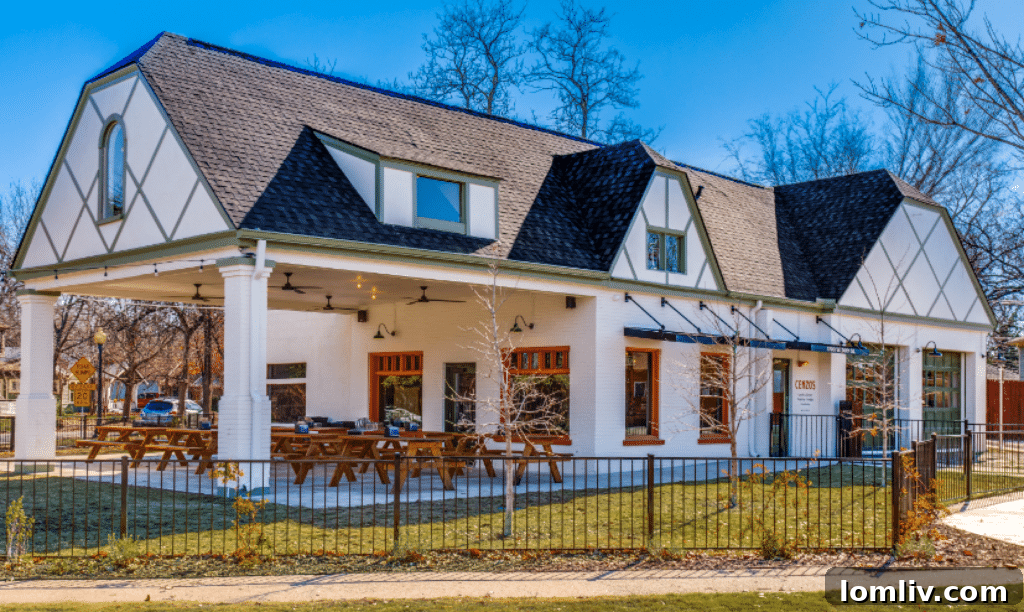
From Gas Pumps to Gourmet: A Tudor-Style Landmark in Oak Cliff
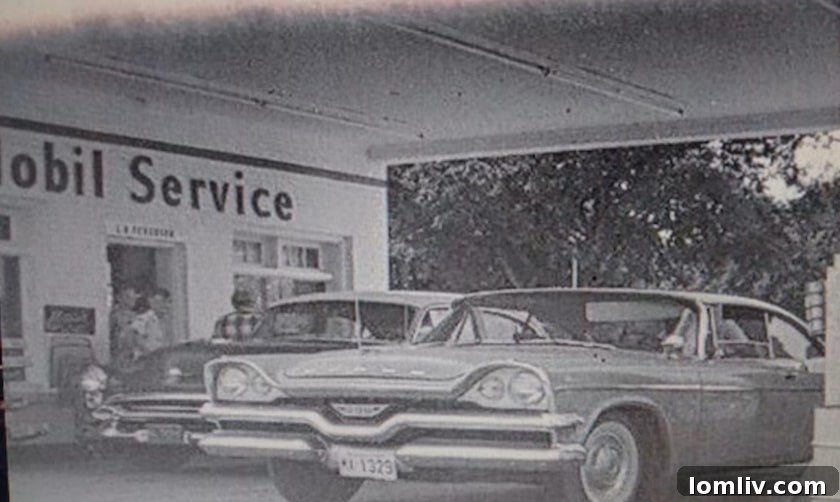
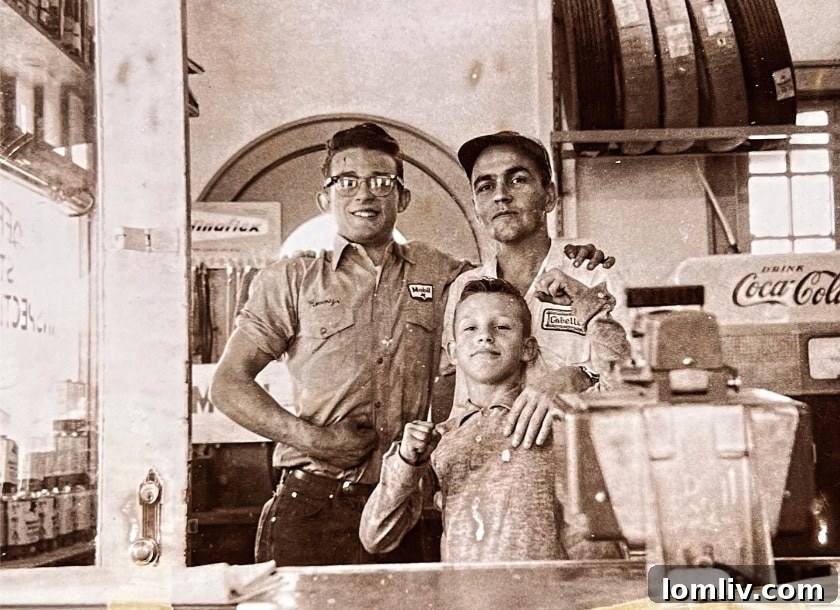
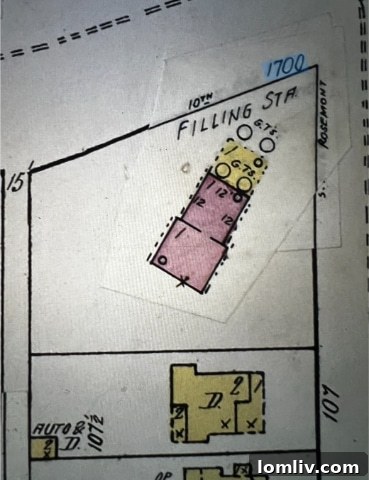
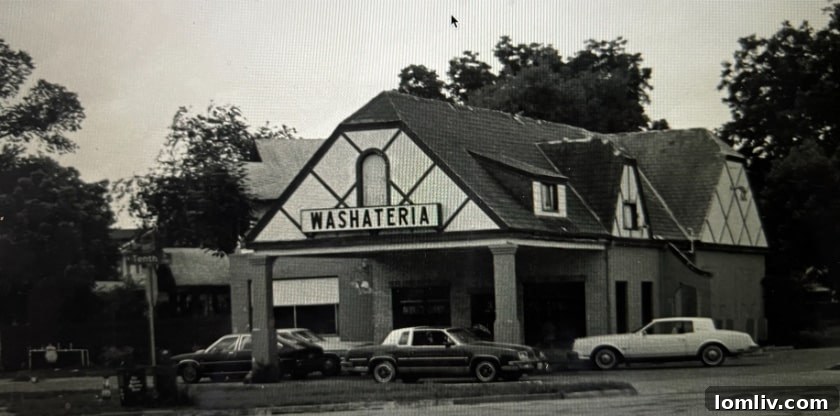
The story begins with a charming Tudor-style building located in the heart of Oak Cliff, Dallas. Constructed in 1933, this distinctive structure originally served as Magnolia Petroleum Service Center #963, operated by proprietor Jim Hogg Caldwell. In its heyday, neighborhood gas stations were vital hubs for burgeoning communities, yet their industrial nature often clashed with the residential aesthetics of the surrounding areas. To mitigate this friction and foster a sense of harmony with their surroundings, petroleum companies frequently adopted architectural styles more in keeping with residential design. This particular station was meticulously crafted to resemble a Jacobean Tudor home, a testament to the era’s innovative approach to urban planning and community integration. Its only tell-tale features, hinting at its true commercial purpose, were the prominent gas pumps positioned outside.
This architectural choice was not merely an aesthetic preference but a strategic move by oil companies to gain acceptance in affluent urban neighborhoods. As W. Dwayne Jones elaborates in “A Field Guide to Gas Stations in Texas,” the period after 1920 saw the proliferation of these neighborhood service stations, strategically placed on large corner lots to ensure accessibility from major arterial streets. Jones notes, “Neighborhood stations often took on materials and forms similar to a residence with special deference to nearby neighborhoods.” This Magnolia Petroleum Service Center epitomized that design philosophy, blending seamlessly into the residential fabric of Oak Cliff and becoming an understated yet integral part of its streetscape for decades.
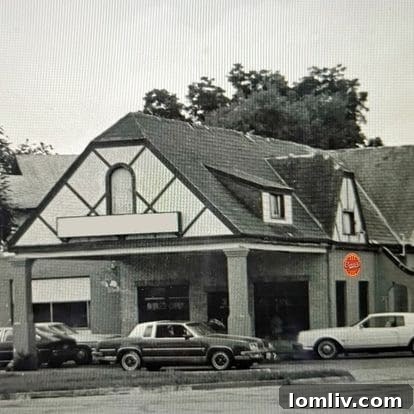
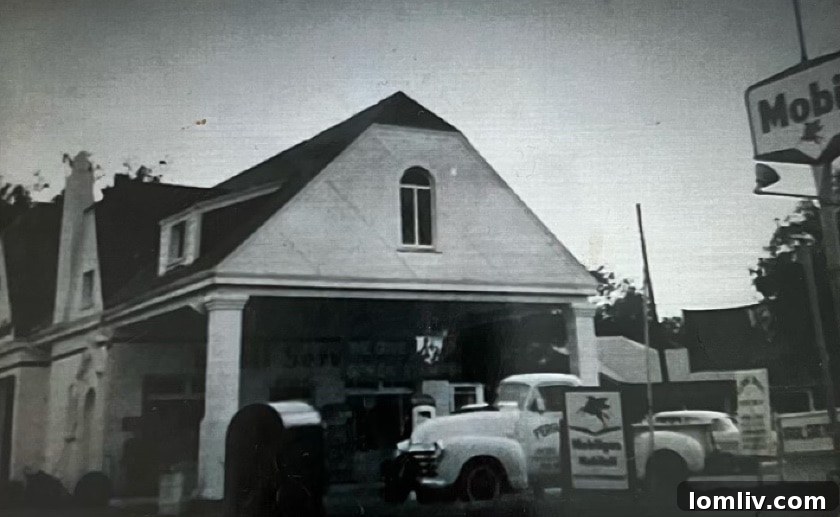
“After 1920, oil companies introduced neighborhood service stations in and around wealthy residential areas of urban communities. These neighborhood stations required large corner lots accessible from two primary arterial streets. Neighborhood stations often took on materials and forms similar to a residence with special deference to nearby neighborhoods.”
A Field Guide to Gas Stations in Texas, W. Dwayne Jones

A Legacy of Transformation: The Building’s Evolving Identity
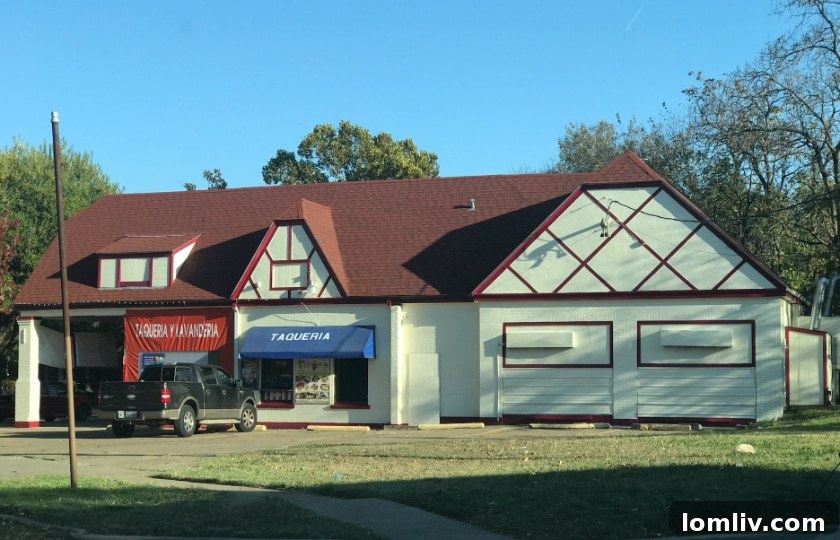
Over the decades, this resilient structure has undergone a series of intriguing transformations, each marking a new chapter in its adaptive reuse journey. From its origins as a bustling gas station, it later transitioned into a neighborhood washateria, serving the community’s laundry needs. Subsequently, it became a vibrant taqueria, dishing out Mexican culinary delights. Each incarnation demonstrated the building’s inherent flexibility and its capacity to meet the evolving demands of the Oak Cliff neighborhood. However, as time wore on, the building eventually found itself seeking a new purpose once again, listed for sale and awaiting its next chapter.
It was at this crucial juncture that two lifelong friends and Winnetka Heights residents, Vinnie Sherman and Chad Dolezal, recognized the building’s immense potential. Both had deep roots in Dallas and shared a vision for enriching their beloved community. Vinnie, a prominent Realtor known for his expertise in historic properties and community development, saw beyond the weathered facade to the historic charm and structural integrity. Chad, a seasoned culinary professional with a remarkable career spanning continents and acclaimed restaurants, envisioned a space where his gastronomic talents could merge with a burgeoning community need. Together, they embarked on a journey to transform this local landmark into something truly special, an endeavor that would redefine the meaning of adaptive reuse in Oak Cliff.
From Childhood Friends to Culinary Partners: The Birth of a Vision
Vinnie Sherman and Chad Dolezal’s partnership is a story forged in the vibrant landscape of Dallas. Growing up in the city, their paths converged as teenagers through mutual friends, a connection that deepened during their college years in Austin. Their careers, however, initially took different trajectories. Vinnie dedicated himself to military service in the Army before returning to Dallas to establish a successful career as a Realtor, specializing in understanding and preserving the unique architectural heritage of the area. Chad, meanwhile, pursued his passion for gastronomy, honing his culinary skills in prestigious kitchens across France, California, and Austin. With a family lineage deeply embedded in the restaurant business, Chad’s foray into the culinary world was, as the saying goes, a case of the apple not falling far from the tree.
After a string of successful restaurant ventures, including a notable period at actress Sandra Bullock’s Austin restaurant in the early 2000s, Chad felt the pull to return to his Dallas roots. By this time, both Vinnie and Chad were married and raising young families in the historic Winnetka Heights neighborhood. Their rekindled friendship evolved as they navigated the joys and challenges of parenthood, often meeting for lunch with their children in tow. It was during these outings that a shared realization sparked a groundbreaking idea.
“We got those looks when we’d walk in, everywhere we went,” Vinnie recalled, describing the common experience of parents with energetic toddlers in fine-dining establishments. This repetitive scenario illuminated a glaring gap in their community: a severe lack of genuinely kid-friendly, yet sophisticated and resilient, dining options in Winnetka Heights. With Vinnie’s extensive background as a Realtor, alongside his mother Diane Sherman, a celebrated preservationist and real estate expert, and Chad’s undeniable culinary prowess, the concept of a community-focused restaurant began to crystallize. It wasn’t just a necessary idea; it was a logical and deeply personal one, rooted in their own family experiences. The hunt for the perfect location, a building that could embody their vision, officially began.
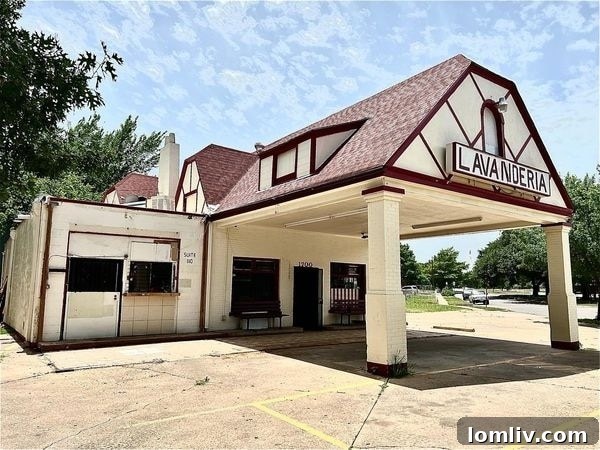
Adaptive Reuse: A Monumental Win for Winnetta Heights and Beyond
For Vinnie, the principles of historic preservation and adaptive reuse were ingrained from an early age. His parents, pillars of the Winnetka Heights community, had meticulously restored their own historic home, setting a powerful example. His father had refurbished a historic building for his law office, and his mother, Diane Sherman, has long been revered as one of Dallas’s leading preservation experts. Given this upbringing, it was almost predestined that a historic building would play a central role in their search for the ideal restaurant site.
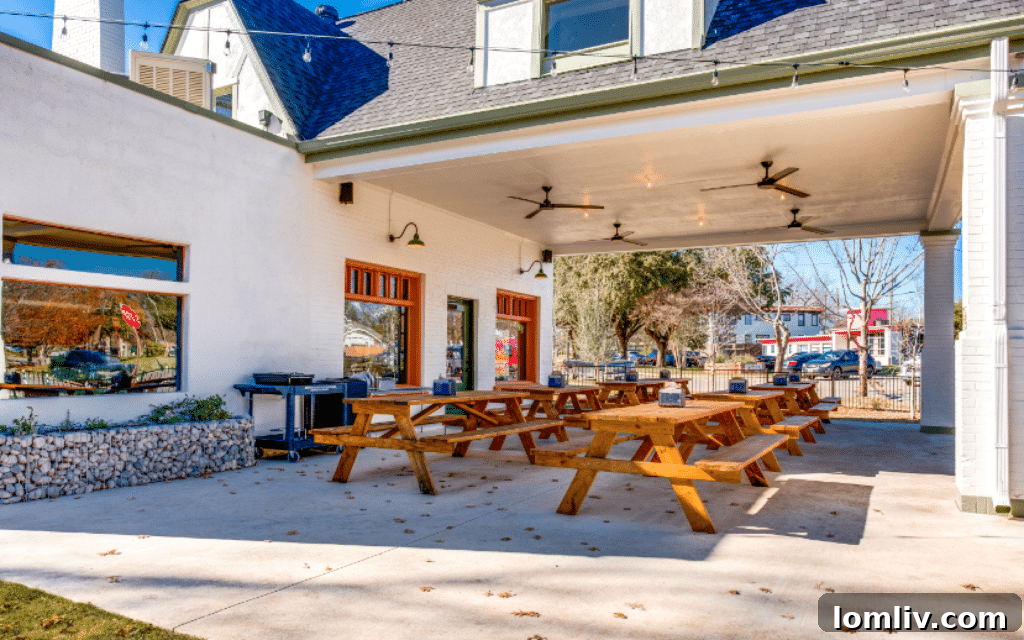
“We looked at a lot of places,” Chad confirmed, highlighting the extensive search that preceded their final decision. Yet, the former Magnolia Petroleum Service Center consistently lingered in the back of their minds. “This building was always in the back of our minds because it’s close by and has a big area for grass that could be fenced in for the kids,” Vinnie explained. This amenity was crucial, directly addressing the identified need for a family-friendly space. They keenly observed the changing demographics of Winnetka Heights, noting the increasing number of young families pushing strollers and the glaring absence of nearby family-oriented establishments. “We knew the concept would work here,” Vinnie asserted with conviction.
And, as is often the case, a mother’s intuition proved invaluable. Diane, with her deep understanding of the community and passion for preservation, consistently championed the idea of the boys acquiring the former Magnolia Petroleum Service Center. Her guidance, combined with their personal conviction, solidified their decision to undertake this challenging yet profoundly rewarding adaptive reuse project. The stage was set for a transformation that would not only bring a new dining experience to Winnetka Heights but also serve as a beacon of successful historic preservation in Dallas.
Navigating the Challenges of Historic Transformation
Was the journey to transform a relic into a vibrant restaurant an easy one? Absolutely not. Adapting a building that had previously functioned as both a filling station and a washateria into a modern, code-compliant restaurant presented a myriad of complex challenges. However, Vinnie, leveraging his extensive experience as a Realtor deeply entrenched in historic preservation and adaptive reuse, possessed a clear understanding of the intricate processes and potential hurdles involved. His foresight was invaluable in navigating the often-complex regulatory landscape.
Chad was equally prepared for the challenges, no stranger to the intricacies of preservation. He had successfully navigated the landmark designation process for his own home, providing him with firsthand experience of the bureaucratic and logistical demands. Together, they faced the typical delays in supply chains and endured five rigorous visits to the landmark commission, each requiring meticulous planning and presentation. Despite these numerous bureaucratic hoops and inevitable setbacks, the project garnered immense and unwavering community support. This collective enthusiasm proved to be a powerful catalyst, propelling them forward through every obstacle.
The community’s backing was so strong that when Vinnie and Chad presented their plans to the plan commission and city council, they arrived armed with over 60 letters of support and a host of passionate speakers. This overwhelming display of local endorsement culminated in a unanimous vote from the Dallas City Council, an extraordinary testament to the project’s resonance with the public. “When they went in front of the plan commission and city council, they had over 60 letters of support and a host of speakers, and a unanimous vote from the Dallas City Council,” Diane proudly recounted, emphasizing the profound community investment in the project.
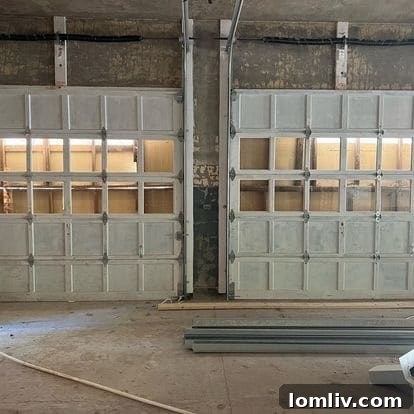
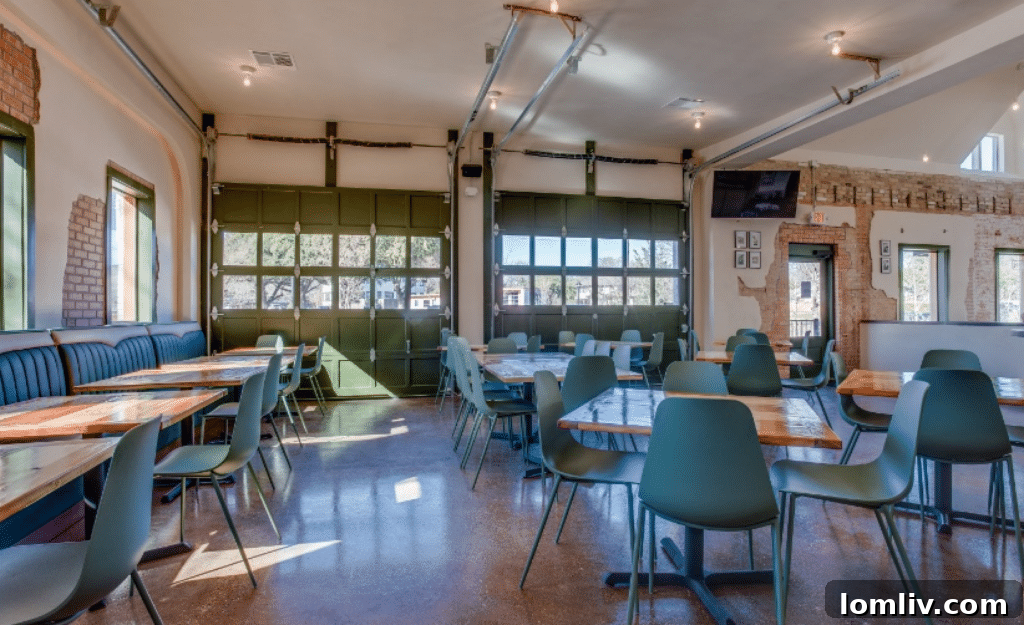
With official approvals secured, the real hard work began. The structural transformation uncovered hidden historical treasures. “When we tore out the dropped ceiling, we discovered the four original garage doors had been rolled up under it,” Vinnie revealed, describing a moment of thrilling discovery. While the doors were in considerable disrepair, they managed to salvage two, which would later be thoughtfully integrated into the new design, preserving a tangible piece of the building’s past.
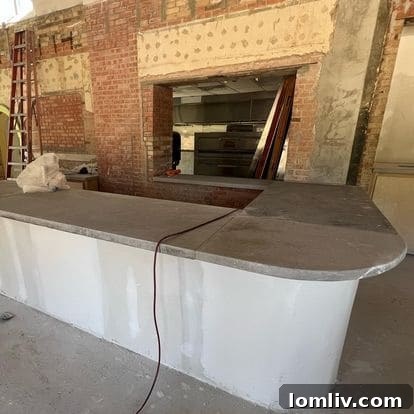
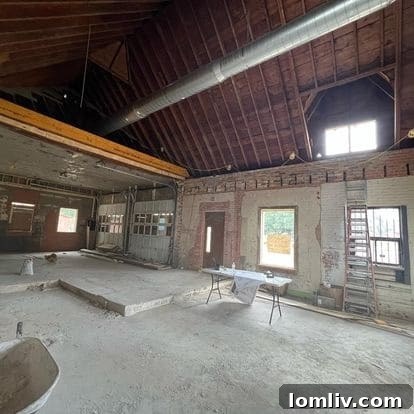
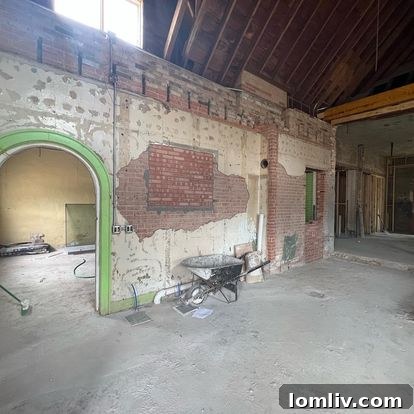
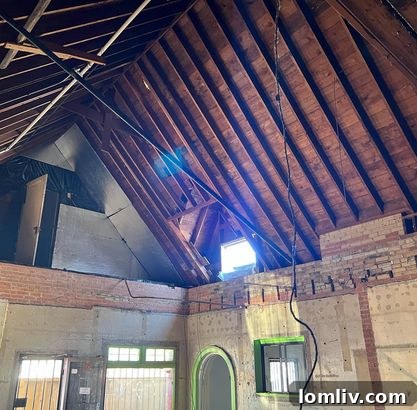
Vinnie’s vision for a vaulted ceiling, while aesthetically pleasing, initially posed a significant lighting challenge. Fortunately, the team had a secret weapon: Chad’s wife, Joy. With her background in architecture and design, Joy possessed an exceptionally keen eye for detail, particularly in lighting. She masterfully replicated some of the building’s historic light fixtures and carefully selected a color palette that perfectly complemented the structure’s original character. Furthermore, in a brilliant act of sustainable design, Vinnie repurposed the joists removed from the ceiling, transforming them into the restaurant’s unique and rustic tables, thereby weaving the building’s own history directly into its new identity.
Cenzo’s: A Culinary Gem and Community Anchor in Oak Cliff
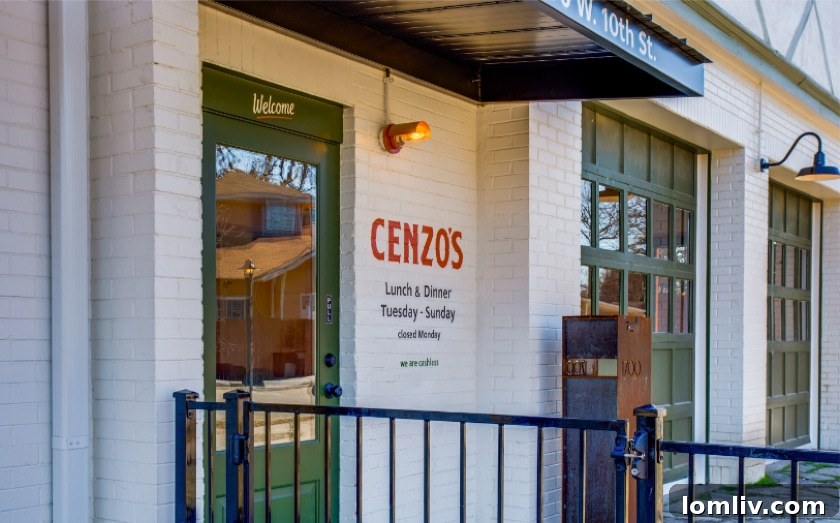
On December 19th, Cenzo’s, located at 1700 W. 10th St., officially opened its doors to an enthusiastic, packed house. This highly anticipated establishment immediately established itself as a culinary gem, offering chef-driven pizzas and an array of five distinctive sandwiches crafted by the talented Chef Jason Smith. Chef Smith’s commitment to quality is evident in his daily preparation of a secret dough recipe, forming the foundation of what many, including this author, can attest is truly exceptional pizza. Cenzo’s is more than just a restaurant; it’s a testament to passionate cooking, community collaboration, and the profound impact of thoughtful adaptive reuse.
The success of Cenzo’s serves as a powerful and inspiring lesson in the art of adaptive reuse, underscoring Oak Cliff’s broader reputation as a shining example of how to execute such projects with integrity and vision. The neighborhood consistently demonstrates a commitment to preserving its unique architectural heritage while fostering dynamic new businesses that enrich local life. As Diane Sherman aptly observed, “There is a lot to be said for being personally and professionally invested in a place. There is keen interest in leaving things better than you found them over here.” This ethos of improvement and deep-seated care is palpable in every corner of Cenzo’s, reflecting the dedication of its founders and the community that rallied behind them.
More Than a Restaurant: A Community Celebration
For Vinnie and Chad, the true reward of Cenzo’s extends far beyond culinary success. “The best thing about having Cenzo’s is making people happy,” Vinnie shared, drawing a parallel to his real estate career: “It’s the same as finding someone the right home.” This deep satisfaction of serving and bringing joy to others forms the bedrock of their venture. Chad echoed this sentiment, reflecting on his extensive career: “I’ve been in the restaurant business for 23 years now. I do it because I love to make people happy and see that in their faces.”
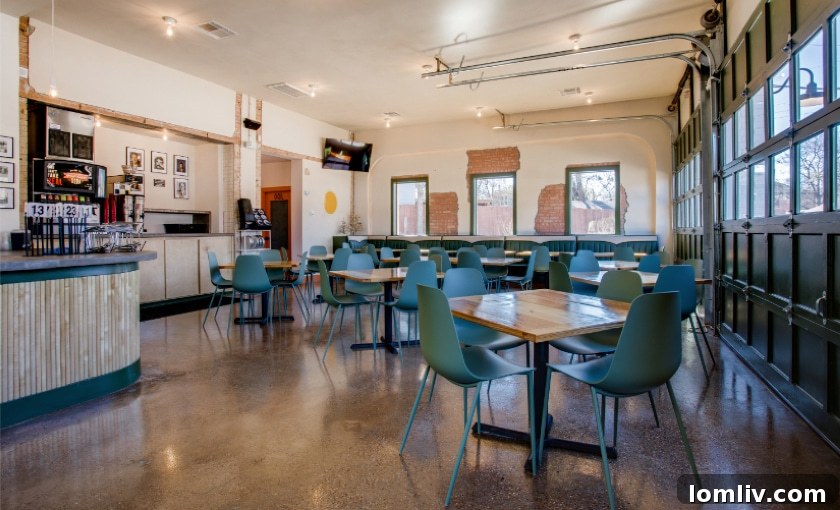
Cenzo’s has swiftly become a vibrant, comfortable, and friendly community space, designed to cater to diverse needs and occasions. Whether it’s a casual stop for a beer after work with friends, a lively birthday celebration for children, or simply a delicious family meal, the restaurant offers an inclusive atmosphere where everyone feels welcome. It embodies the spirit of Winnetka Heights, reflecting its demographic evolution and addressing the desire for high-quality, accessible family dining. This project is not merely about serving food; it’s about fostering connections, creating memories, and enhancing the quality of life within the neighborhood. Cenzo’s stands as a proud symbol of community revitalization, a testament to passionate entrepreneurship, and indeed, a magnificent preservation win for Oak Cliff.