
The allure of a career in real estate often stems from its perceived flexibility, independence, and the potential for substantial earnings. From an outsider’s perspective, the path seems straightforward: agents list properties, negotiate deals, and collect generous commission checks. However, the reality behind a successful sale involves a sophisticated blend of strategic planning, relentless effort, and a compensation model that many outside the industry do not fully comprehend. It’s a profession that demands much more than just showing homes; it requires the sharp business acumen of an entrepreneur, a deep understanding of market dynamics, and an unwavering commitment to client relationships.
For those contemplating obtaining a real estate license or simply curious about how their agent generates income, a deeper dive into the financial landscape of a realtor’s career is essential. This is particularly pertinent in markets like Canada, where unique economic factors and stringent local market conditions, especially in highly competitive regions such as British Columbia, significantly shape how these professionals build and sustain a profitable business. Understanding the multifaceted nature of real estate earnings is crucial for appreciating the true value and effort involved in every transaction.
Beyond the Commission Check: Deconstructing Realtor Compensation
At its core, a real estate agent’s income is predominantly commission-based. When a property successfully sells, a percentage of the final sale price is allocated as a commission. This gross commission is then typically divided between the buying agent’s brokerage and the selling agent’s brokerage. Subsequently, each brokerage splits its share with its respective agent. This multi-layered split is far more complex than a simple direct payment to the agent and is subject to numerous variables that dictate the agent’s actual take-home pay from any given deal.
The actual net income an agent receives can fluctuate dramatically based on several critical factors. These include prevailing market conditions – whether it’s a bustling seller’s market or a more challenging buyer’s market – the specific commission split agreement an agent has with their brokerage, their level of experience and reputation within the industry, their geographic location, and, perhaps most importantly, the sheer volume of transactions they successfully manage over time. Each of these elements plays a pivotal role in shaping an agent’s financial outcomes, highlighting the entrepreneurial nature of the profession.

For newer agents entering the field, the journey often begins with less favorable commission structures compared to their more seasoned counterparts. This initial phase typically involves a higher percentage of their commission going to the brokerage, in exchange for mentorship, administrative support, and access to resources. Furthermore, new agents must invest significantly more time and capital into marketing efforts, networking events, and lead generation activities long before they establish a consistent flow of transactions and, consequently, a steady paycheck. This initial investment is a critical hurdle that many aspiring realtors must overcome.
To illustrate, consider the typical commission structure prevalent in British Columbia, which often employs a tiered approach. It’s common for agents to charge a higher percentage, such as seven percent, on the first hundred thousand dollars of the purchase price, followed by a lower percentage, often two and a half percent, on the remaining balance. This tiered system acknowledges the foundational work involved in any transaction, regardless of property value, while adjusting for scale.
Using a hypothetical example of a million-dollar home in a high-value area like Vancouver, the total gross commission could easily reach or exceed twenty-nine thousand dollars. However, it’s imperative to remember that this substantial gross amount is first divided between the buying and selling sides of the transaction. Subsequently, each side’s share is further split with their respective brokers, and only then does the agent receive their portion. This multi-level distribution means the agent’s take-home pay is significantly less than the initial gross commission, underscoring the importance of understanding these intricate financial arrangements.
Understanding the Dynamic Nature of Real Estate Income
One of the most defining characteristics of a real estate career is the inherent variability of income. Unlike traditional salaried positions, an agent’s earnings can fluctuate dramatically from month to month, often shifting with seasonal market trends, economic cycles, and even unexpected global events. This lack of a predictable bi-weekly paycheck can be a significant source of stress, especially for new agents or those without substantial savings.
However, this variability also presents an unparalleled opportunity for unlimited earning potential. The ceiling for income in real estate is dictated solely by an agent’s drive, skill, and strategic effort. Navigating and surviving the lean months demands exceptional financial discipline, including meticulous budgeting, building an emergency fund, and prudent investment in their business. Agents who diligently cultivate a robust client network and establish a reliable referral pipeline will find their income growing exponentially over the years, transforming initial struggles into long-term prosperity and stability.

For aspiring agents and homeowners alike, trying to accurately calculate how gross commissions translate into actual take-home pay can be complex. Fortunately, various online calculator tools, such as the BC realtor commission calculator, are invaluable resources. These tools provide a transparent breakdown of how different commission rates, property values, and brokerage splits impact an agent’s net earnings at various stages of their career. They offer clear insights into the financial mechanics of a real estate transaction, demystifying the compensation process and allowing for more informed financial planning.
Cultivating a Robust Pipeline for Sustainable Success
Experienced and successful realtors understand that their financial stability and growth are not built upon the isolated success of a single transaction. Instead, true and sustainable income is generated by the strength and consistency of their business pipeline. This pipeline is a continuous stream of potential and active deals, nurtured through ongoing effort and strategic engagement, ensuring that when one deal closes, another is already in motion.
A healthy pipeline is meticulously constructed by skillfully juggling active clients, diligently nurturing warm leads, strategically expanding referral networks, and, critically, maintaining authentic relationships long after the closing paperwork has been signed. This sustained engagement ensures that clients think of their agent not just for one transaction, but for all future real estate needs and as a trusted resource for their friends and family. It’s a testament to the fact that real estate is fundamentally a relationship business, where trust and consistent value delivery are paramount.
This commitment to long-term relationships explains why agents dedicate a significant portion of their workweek to tasks that do not yield immediate financial returns. These activities are, in essence, investments in their future pipeline. They include hosting engaging weekend open houses, consistently following up with past buyers and sellers, actively building a recognizable and reputable personal brand, and maintaining a highly visible and engaged presence within their local communities. These efforts are not merely optional; they are foundational to creating a steady and predictable flow of business.
The cumulative effect of this daily hustle and strategic effort eventually compounds over time, transforming what might initially seem like sporadic transactions into a much more predictable and entirely sustainable long-term income stream. This long-game approach distinguishes top producers from those who struggle, as they recognize that consistent, diligent work on relationship building and brand development is the most powerful engine for enduring financial success in real estate.
Navigating Income: The Critical Role of Market Conditions
The income potential for real estate agents is inextricably linked to the prevailing market conditions. In a robust seller’s market, characterized by high demand and low inventory, homes tend to sell quickly and often above asking price. This environment creates more frequent opportunities for agents to close deals and accumulate commissions. Conversely, in a slower, buyer’s market, transactions may take significantly longer to materialize, requiring agents to adjust their strategies, often focusing more on extensive marketing, price adjustments, and creative negotiation to close sales.
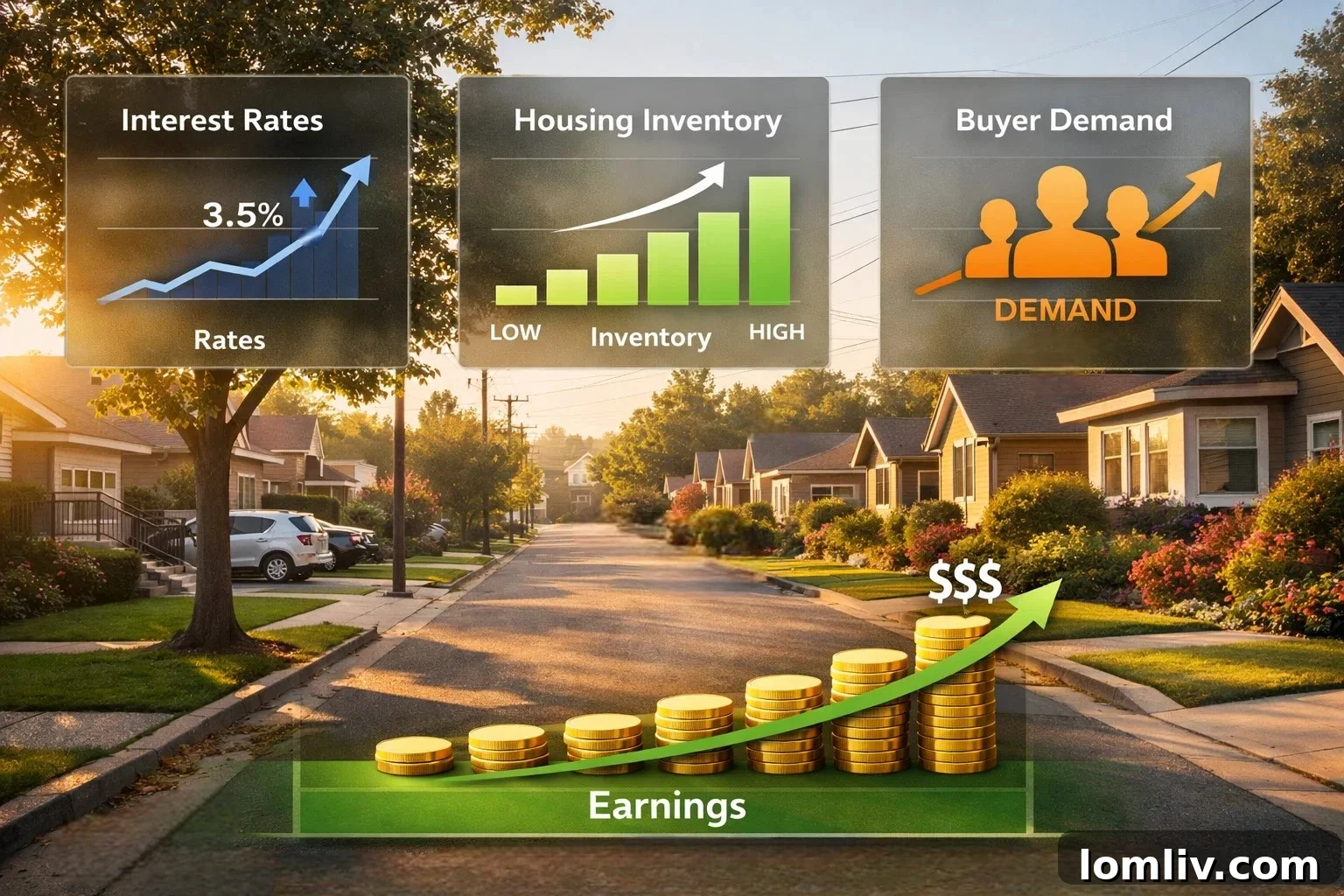
A myriad of economic indicators influences the activity and temperament of the real estate market, including interest rates, the overall housing supply, employment figures, and broader economic conditions. This inherent volatility is particularly pronounced in dynamic markets such as British Columbia, where inventory shortages and rapid price fluctuations frequently dominate headlines. Realtors who remain acutely informed about these market shifts and demonstrate a strong capacity for rapid adaptation are far better equipped to navigate these changes successfully, turning potential challenges into opportunities.
To aid professionals in staying abreast of these vital trends, organizations such as the Canadian Real Estate Association (CREA), along with provincial bodies like the British Columbia Real Estate Association (BCREA), consistently publish invaluable data, market analyses, and insightful forecasts. Access to and a deep understanding of this kind of information are not just beneficial; they are absolutely crucial for making informed decisions, developing responsive strategies, and ensuring long-term success in an ever-evolving market. These resources empower agents to be proactive rather than reactive, positioning them as trusted advisors to their clients.
According to recent industry data, the average gross income for a Canadian real estate agent typically hovers around forty-five to fifty thousand dollars during their initial couple of years. This period is often described as a “brutal initial learning curve,” demanding significant grit, resilience, and persistent effort to build a foundational client base and establish market expertise. However, once agents successfully navigate this challenging phase and solidify a loyal clientele, top-producing agents comfortably achieve and often exceed six-figure annual incomes. The key differentiator between an average earner and a neighborhood’s top producer invariably comes down to their aggressive adaptability to shifting inventory levels, fluctuating mortgage rates, and evolving client needs, coupled with an unyielding commitment to excellence and client service.
Niche Specialization: A Strategic Pathway to Scaling Income
As real estate agents accumulate experience and deepen their market knowledge, many strategically choose to develop areas of specialization. This deliberate focus allows them to hone their expertise and cater to specific segments of the market, which can significantly enhance their earning potential and market standing. They might exclusively target the high-end luxury market, providing bespoke services to affluent clients; or they could become the trusted guide for first-time homebuyers, helping them navigate the complexities of their inaugural purchase. Other agents may transition into commercial real estate, handling properties for businesses, or specialize in helping clients identify and acquire lucrative investment properties.
Mastering a specific niche provides several distinct advantages. It enables an agent to become the undisputed “go-to” expert in a particular neighborhood, property type, or client demographic. This specialization allows them to offer incredibly tailored services that directly address the unique needs and challenges of their target clientele, fostering deeper trust and perceived value. Ultimately, this expertise translates into landing significantly higher-value transactions, as clients are willing to pay a premium for specialized knowledge and exceptional service, thereby directly boosting the agent’s per-deal commission.
Beyond specialization, veteran agents also distinguish themselves through the implementation of incredibly efficient backend systems. These systems streamline operations, from lead management and client communication to transaction coordination, freeing up valuable time for client-facing activities. Coupled with ruthless negotiation skills honed over countless deals, and often having first dibs on the highest quality leads through established networks and referrals, veteran agents operate with unparalleled effectiveness. Every single one of these factors – from specialized knowledge and efficient systems to superior negotiation and access to prime leads – directly contributes to boosting their overall earning potential year after year, reinforcing their position at the top of the industry.
Managing the Significant Expenses Required for Growth
It’s crucial to acknowledge that a seemingly massive gross commission check is never pure profit. Running a successful real estate business entails very real and often substantial overhead costs that are essential just to keep operations running smoothly and to facilitate growth. These expenses are not optional; they are integral to maintaining visibility, attracting clients, and delivering professional service.
Each month, agents are responsible for a variety of recurring and significant outlays. These include substantial investments in marketing and advertising campaigns – from professional photography and virtual tours to online ad placements and print materials – mandatory licensing renewals and continuing education fees, monthly brokerage desk fees that cover office space and administrative support, subscriptions to expensive Customer Relationship Management (CRM) software vital for managing leads and client communications, and the endless costs associated with gas and vehicle maintenance required to shuttle clients around town for showings and meetings. These expenses can quickly add up, demanding careful financial planning.
However, the most successful agents rarely view these bills as a burden. Instead, they strategically frame them as necessary investments required to scale their operations, enhance their brand, and ultimately increase their profitability. Strategic spending on highly visible digital marketing initiatives, professional home staging services, and continuous professional education guarantees maximum visibility in an increasingly crowded marketplace. By investing wisely in their business, these agents ensure they are not just surviving, but thriving, by continually enhancing their value proposition and expanding their market reach.
Leveraging a Strong Personal Brand to Dominate the Market
In today’s fiercely competitive housing market, cultivating a polished and powerful personal brand is arguably the most critical factor when it comes to scaling an agent’s income and achieving market dominance. Homeowners rarely select an agent based on their resume or experience alone. Instead, their decision is almost entirely driven by factors such as trust, massive local visibility, a sterling reputation, and a palpable sense of connection. A strong personal brand communicates these qualities long before the first interaction.
The strategic cultivation of a powerful personal brand naturally attracts higher-quality clients who are often pre-disposed to trust and value the agent’s expertise. Furthermore, a well-established brand effortlessly generates warm referrals from satisfied past clients and professional networks, creating a self-sustaining cycle of business. Crucially, a distinct personal brand heavily differentiates an agent from the thousands of other licensed realtors operating in their city, making them memorable and the preferred choice in a sea of options. This differentiation is not just about standing out; it’s about being the obvious and best choice.
This understanding explains why top-producing agents meticulously invest significant resources into their digital presence, employing high-end social media video tours, engaging content creation, and aggressive online visibility strategies. They understand that consistent visibility across various digital platforms ensures they are the very first person a homeowner considers and calls the moment they decide to list their property. This proactive approach to branding and digital engagement positions them at the forefront of the market, capturing leads and building relationships long before a direct inquiry is even made.
Building Long-Term Wealth and Sustainable Stability
While the initial couple of years in the real estate industry are notoriously unpredictable and often challenging, long-term survival and persistence typically usher in a welcomed sense of financial stability and substantial wealth accumulation. Agents who dedicate years to meticulously building out a massive database of contacts, nurturing enduring relationships, and establishing reliable lead generation sources naturally begin to enjoy a much steadier and more robust cash flow over time. This consistent income stream moves them beyond transactional selling into a realm of sustainable business growth.
As top agents approach the ceiling of what they can effectively manage alone, they frequently embark on strategic expansion to further grow their footprint and leverage their success. This often involves hiring additional agents to build a full-service team, delegating tasks, and increasing overall transaction volume. Many also strategically begin buying up their own investment properties, diversifying their income streams and building personal wealth through real estate assets. Furthermore, some integrate complementary services such as property management, real estate consulting, or even staging services, capitalizing on their existing client base and expertise to create additional revenue sources.
These aggressive expansion strategies are designed to successfully create multiple streams of both passive and active income. This diversification significantly mitigates risk and completely eliminates the stress of relying solely on one single commission check to cover the mortgage or fund lifestyle needs. By building a multi-faceted business, top agents secure not only their financial future but also build a lasting legacy within the real estate industry, truly exemplifying the entrepreneurial spirit.
Real Estate: An Enduring Relationship Business
Stripping away all the complexities of market dynamics, commission splits, and marketing strategies, real estate remains, at its very core, fundamentally about human relationships. An agent’s ultimate take-home pay is directly and inextricably tied to the depth of trust they successfully build with clients, their unblemished reputation within the neighborhood and wider community, and their profound ability to successfully guide families and individuals through what is often the biggest and most emotionally charged financial decision of their lives. It’s a role that demands empathy, expertise, and unwavering support.
While the allure of massive commission checks frequently captures attention on reality television and in popular media, these substantial payouts are, in truth, the quiet and often delayed result of relentless daily effort, highly strategic business planning, and deeply rooted client relationships cultivated over months and years. These aren’t windfalls; they are earned. Fully understanding this fundamental reality is absolutely crucial for anyone contemplating obtaining their real estate license, as it sets the stage for a realistic and ultimately rewarding career path grounded in service and connection.
What It Truly Takes to Survive and Thrive in Real Estate
The promise of earning substantial money in real estate is entirely real and achievable for those who possess the right mindset and work ethic. However, the actual path to reaching that level of success is frequently misunderstood and underestimated by the general public. Surviving, let alone thriving, in this dynamic and often brutal industry requires more than just sales skills. It demands an incredibly thick skin to handle rejection and setbacks, the agility to pivot strategies immediately when market conditions shift unexpectedly, and, perhaps most importantly, an incredibly long-term mindset that prioritizes sustainable growth over quick wins.
By thoroughly understanding precisely how these dedicated professionals structure their compensation, manage their extensive expenses, and strategically scale their growth, both future aspiring agents and curious homeowners gain a much clearer, more realistic, and ultimately empowering picture of what true success genuinely looks like behind the scenes of every closed deal. This deeper insight fosters appreciation for the dedication involved and helps set realistic expectations for anyone entering the field.
When all is said and done, real estate is never really just about the houses themselves. It is, at its heart, entirely about building a bulletproof business by serving one family with integrity, nurturing one relationship with care, and transforming one community at a time. It’s a career built on service, trust, and the profound impact one can have on people’s lives.