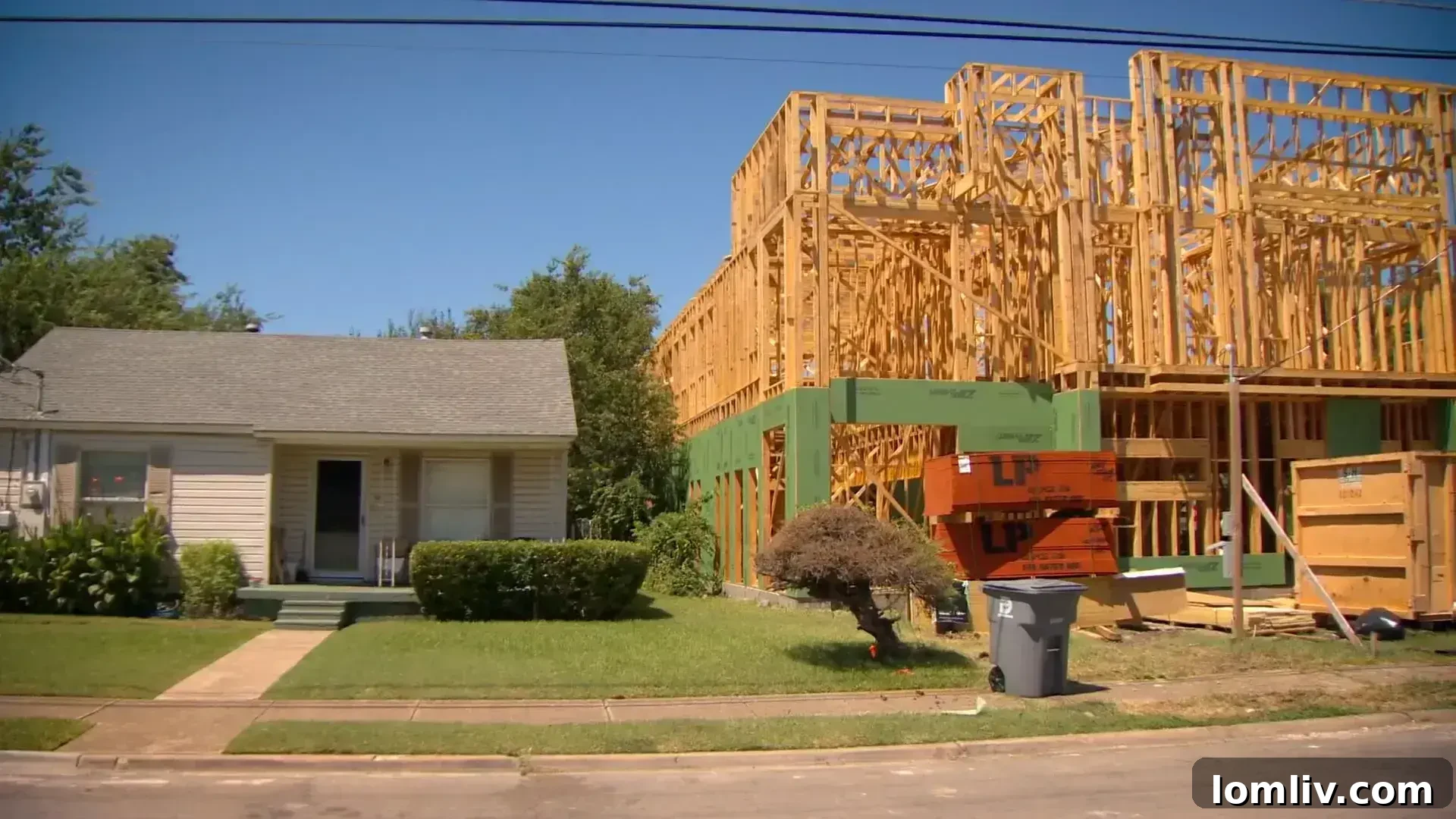
In a pivotal decision last week, a city panel convened to address critical issues concerning urban development and zoning compliance within the historic Elm Thicket-Northpark neighborhood of Dallas. The panel ultimately sided with two prominent builders, Danny Le and Akber Meghani, whose construction permits had previously been revoked by Dallas officials. This revocation stemmed from the construction of structures deemed non-complying with the area’s updated zoning regulations. Central to the panel’s ruling was an acknowledgment of the city’s significant culpability in the permitting errors, which created a complex tangle of violations related to height restrictions, roofing standards, and appropriate land use within this cherished community. This case highlights a broader ongoing struggle between preserving the unique character of legacy neighborhoods and the pressures of rapid urban development in Dallas.
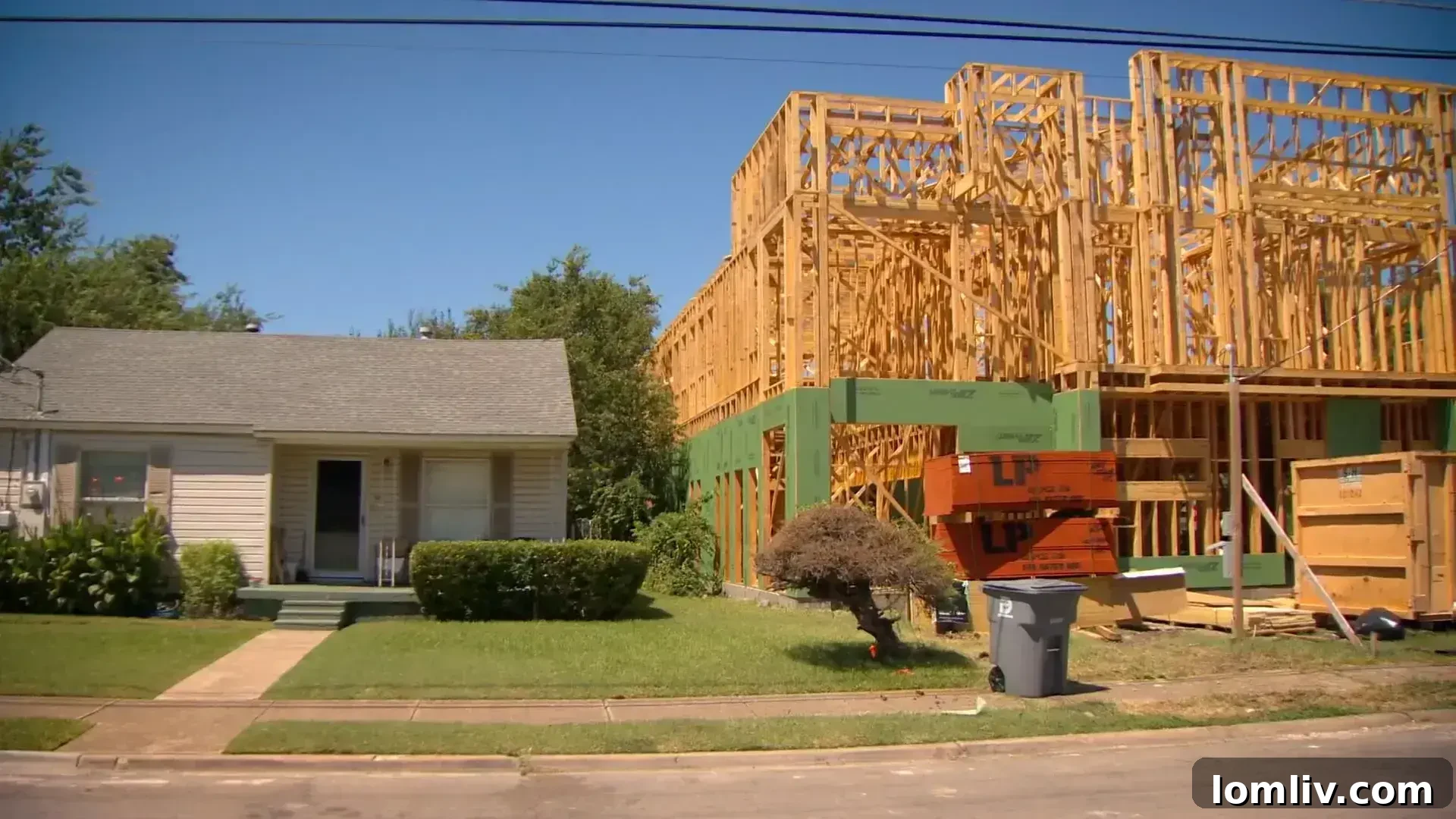
The Dallas Board of Adjustment, after careful deliberation, made the impactful decision to rescind the permit revocation for Akber Meghani. This ruling was not made lightly, but rather after a thorough review that highlighted the city’s role in the initial permitting errors and subsequent delays. Crucially, the panel determined that the City of Dallas had not acted with sufficient speed or diligence in identifying and rectifying the violations, thereby allowing construction to proceed based on what turned out to be outdated information. Documentation presented during the hearing revealed that the site’s original land use designation had, in fact, permitted duplexes, adding another layer of complexity to the enforcement of newly enacted zoning laws. This discrepancy pointed to a systemic breakdown in the city’s internal processes, where an apparent disconnect between policy changes and operational updates led to significant confusion and non-compliance. The board members ultimately voted to postpone a final decision on the broader case until their next meeting in November, indicating a desire for further comprehensive review of all pertinent documents. This cautious approach reflects the intricate legal and ethical considerations at play, seeking to balance the rights of developers with the imperative to protect the integrity of the community’s zoning. Out of 172 permits initially flagged for non-compliance across the neighborhood, a troubling thirteen permits still remained in violation, and an additional six property owners had yet to take any corrective action, underscoring the widespread nature of the problem and the ongoing challenges faced by city regulators and community residents alike.
The community’s response to these developments has been a mix of frustration and unwavering resolve. Residents, many of whom are legacy inhabitants with deep historical ties to Elm Thicket-Northpark, passionately urged the Board of Adjustment to uphold the city’s initial decision to revoke the permits. Their primary contention was that the builders, particularly Danny Le, were fully aware that the constructions in question did not comply with the new regulations, and proceeded nonetheless. This sentiment stems from a long-fought battle to protect the neighborhood’s unique character and prevent the encroachment of inappropriate development. As far back as 2022, the Dallas City Council had voted to implement significant zoning changes specifically designed to curb displacement and safeguard the area’s rich legacy as a historically Black neighborhood. These changes were the culmination of years of advocacy by residents determined to preserve their community against the pressures of rapid urban development and gentrification, which often threaten the cultural fabric and affordability of such unique areas. The residents emphasized that the integrity of these zoning laws is paramount to maintaining the social and economic stability of their long-established community, and any deviation undermines their hard-won protections.
For over half a decade, the dedicated legacy residents of the Elm Thicket-Northpark neighborhood in Dallas tirelessly championed efforts to cap the size and scale of new construction within their historically Black community. Their persistence led to the city’s adoption of new rules in 2022, aimed at limiting home sizes and preserving the architectural integrity and community feel of the area. These carefully crafted regulations were intended to prevent the construction of “McMansions” – oversized homes that clash with the existing residential scale and drive up property values, often leading to the displacement of long-term residents. However, a critical failure emerged: the City of Dallas seemingly neglected to update its internal zoning information systems concurrently with the passage of these new regulations. This oversight created a perilous gap, leading to the erroneous approval of numerous construction permits that should have been flagged for non-compliance. Preliminary fact-finding investigations have since confirmed that permit applications for various projects within the Elm Thicket-Northpark neighborhood, reviewed between October 12, 2022, and June 2, 2023, were processed using outdated zoning information. This systemic flaw meant that a significant number of permits may have been approved in error, directly contravening the very protections the city council had just put in place to empower the community and prevent unwanted development. This administrative lapse has not only caused distress within the community but also created a complex legal quagmire for both the city and the developers involved.
The scope of this administrative misstep quickly became apparent as city staff embarked on a thorough investigation. A total of 29 homes were identified for scrutiny, and a startling 19 of these were found to be in clear violation of the newly established zoning ordinances. This discovery has placed developers in a precarious position, many of whom are now appealing the stop-work orders and compliance mandates issued by the city. The financial burden of bringing these non-compliant structures into conformity is substantial; one developer, for instance, estimated that it could cost an additional $100,000 to meet the updated regulations, a cost that underscores the severe repercussions of bureaucratic errors. Such unexpected expenses can significantly impact project viability and profitability, leading to prolonged legal battles and financial strain. Recognizing the gravity and systemic nature of these errors, Interim City Manager Kim Tolbert has initiated a comprehensive review aimed at implementing larger, structural changes within the city’s permitting and planning departments. The objective is clear: to overhaul processes, enhance inter-departmental communication, and integrate robust safeguards to prevent such egregious administrative oversights from ever recurring. This proactive approach underscores a commitment to learning from past mistakes and ensuring future urban development aligns with community aspirations and legal mandates, fostering greater trust and efficiency in city planning.
The Dallas Board of Adjustment, acting as an oversight body, has not minced words in its criticism of city officials. They openly chastised departments responsible for issuing permits and approving plans based on outdated codes. This severe dereliction of duty resulted in a cascade of negative consequences, including 14 formal stop-work orders that halted construction abruptly, and an additional 17 letters advising builders in the Dallas Love Field-area neighborhood of Elm Thicket that their projects were not in compliance with the updated zoning regulations that had been passed almost two years prior. The Board’s strong admonition underscores the seriousness of the bureaucratic failures and the direct impact they have had on both developers and, more importantly, the residents of Elm Thicket. This public reprimand serves as a stark reminder of the accountability expected from city departments, especially when their actions directly affect the livelihoods of businesses and the quality of life within established communities. The need for clear, consistent, and up-to-date zoning enforcement is a critical lesson from this unfolding situation.
The call for a decision delay or, worse, a disapproval of the appeals, elicited profound disappointment and palpable frustration from the community residents. These individuals, many of whom are active members of the “Save Elm Thicket” activist group, voiced their concerns passionately before the board. They articulated a painful historical truth: there exists little favorable precedence in the city of Dallas for the proactive and robust preservation of its historic neighborhoods, particularly those predominantly inhabited by Black and Brown communities. For these residents, “progress” as defined by unchecked development too often comes at the direct expense of their cultural heritage, community cohesion, and economic stability. The Elm Thicket-Northpark neighborhood is far more than just a collection of houses; it is an invaluable old Freedman’s Community, a living testament to resilience and heritage, founded by formerly enslaved people seeking to build a new life post-emancipation. Its unique character, deeply rooted in its history, is paramount to preserve. The ongoing struggle is not merely about building heights or lot sizes; it is a profound fight against the forces of displacement and gentrification, which threaten to erase the identity of a community that has stood for generations. The ultimate decisions regarding these permits will set a significant precedent for how Dallas approaches urban development, historic preservation, and social equity in its diverse neighborhoods, making the upcoming November meeting a crucial juncture for the future of Elm Thicket-Northpark and similar communities across the city. The battle is far from over, and the eyes of many are keenly fixed on the Dallas Board of Adjustment as it navigates this delicate balance between development and preservation, ensuring that the voices of legacy residents are heard and respected in the evolving landscape of one of Dallas’s most significant and historically rich communities.