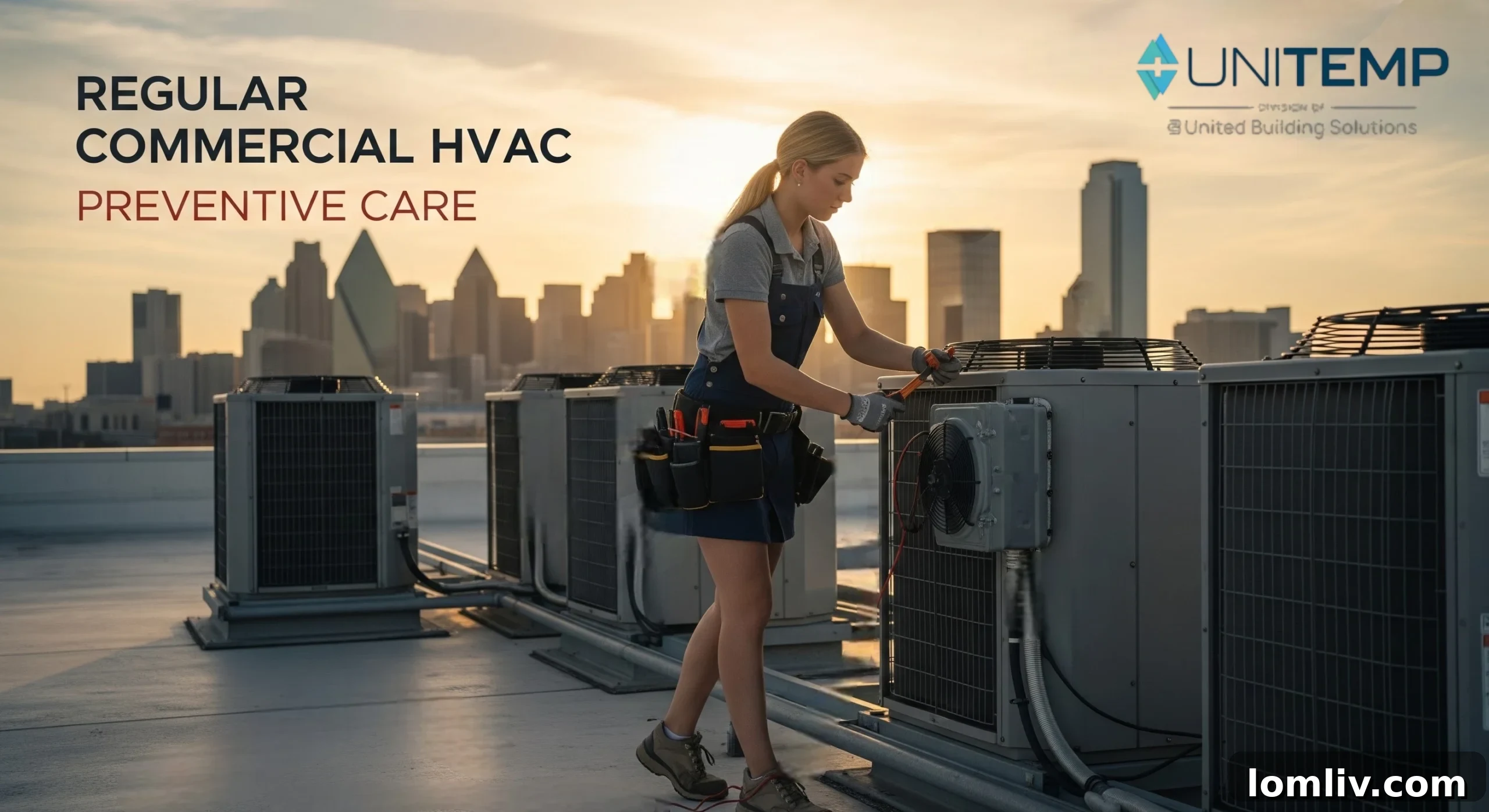
In the bustling world of commercial real estate, where comfort and operational efficiency are paramount, Heating, Ventilation, and Air Conditioning (HVAC) systems stand as the silent orchestrators of indoor environments. These complex systems are far more than just temperature regulators; they are vital arteries ensuring the health, productivity, and satisfaction of occupants. From towering office buildings to sprawling retail complexes and critical healthcare facilities, reliable HVAC performance is non-negotiable. However, the sophisticated nature of these systems means they require diligent attention to maintain optimal functionality. Regular, proactive care is not merely a recommendation; it’s a strategic imperative that ensures these systems operate at their peak, providing ideal indoor temperatures, superior air quality, and consistent comfort, all while minimizing unexpected disruptions.
Staying on top of preventive maintenance for commercial HVAC systems is a cornerstone of responsible property management. It empowers organizations to gain tighter control over escalating operational costs, significantly reduce the likelihood of costly emergency repairs, and most importantly, substantially prolong the operational life of their valuable equipment. This forward-thinking approach transforms HVAC management from a reactive chore into a strategic asset, contributing directly to a business’s bottom line and sustainability goals. By understanding and implementing a robust preventive maintenance schedule, businesses can unlock a multitude of benefits that resonate across various facets of their operations, from financial savings to enhanced occupant well-being.
Optimized Energy Efficiency for Lower Operating Costs
One of the most immediate and impactful benefits of diligent commercial HVAC preventive maintenance is the significant improvement in energy efficiency. When HVAC systems are meticulously cared for, they inherently operate at their peak performance levels. Routine inspections, which are a core component of any comprehensive maintenance plan, go far beyond a simple visual check. They involve detailed examination and calibration of crucial components that directly influence energy consumption.
For instance, regularly cleaning or replacing air filters is not just about air quality; it’s a critical step in maintaining airflow and preventing the system from overworking. Clogged filters restrict airflow, forcing the fan motor to consume more electricity to push air through, leading to higher energy bills and increased wear and tear. Similarly, inspecting and cleaning condenser and evaporator coils ensures optimal heat exchange. When these coils are dirty, they act as insulators, diminishing the system’s ability to efficiently cool or heat, compelling it to run longer and harder.
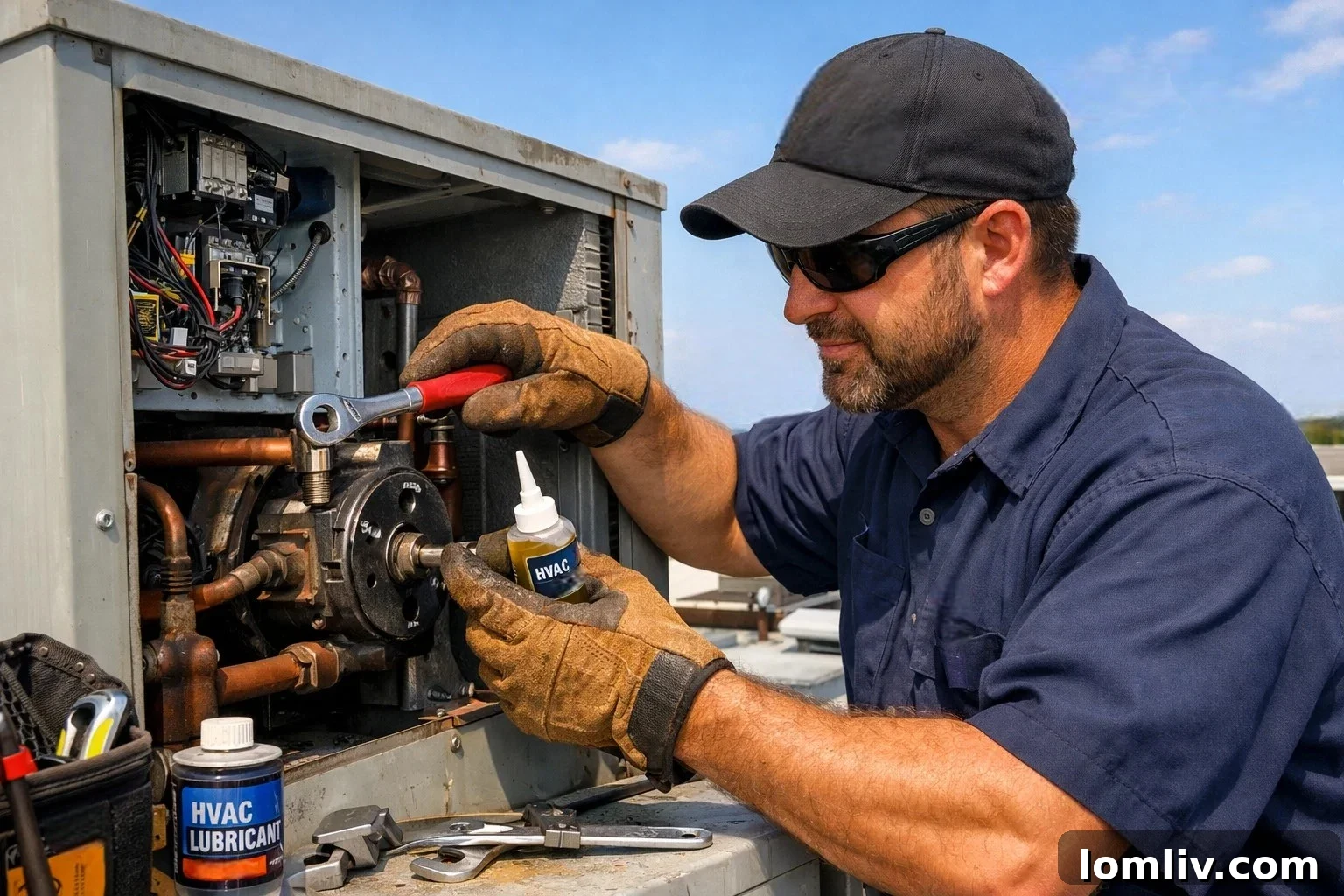
Beyond filters and coils, technicians also check refrigerant levels, calibrate thermostats, inspect electrical connections, and lubricate moving parts. Each of these tasks contributes to the overall efficiency of the system. When all components are functioning harmoniously and precisely as designed, it takes considerably less energy to achieve and maintain desired temperature ranges throughout the commercial property. This translates directly into substantial savings on monthly utility bills, offering a significant reduction in operating expenses without ever compromising on the comfort levels expected by staff, tenants, or visitors. Investing in regular maintenance is, therefore, a direct investment in your operational budget, yielding consistent returns through reduced energy consumption.
Enhanced Indoor Air Quality and Healthier Environments
An efficiently running commercial HVAC system is fundamental to maintaining a healthier and more productive indoor environment. As a crucial element of comprehensive commercial HVAC preventive maintenance, frequent filter replacements are essential. These filters act as the first line of defense, trapping an array of airborne particles including dust, pollen, allergens, mold spores, bacteria, and even some viruses, preventing them from recirculating throughout your building. High-efficiency filters, when regularly changed, dramatically improve the purity of the air occupants breathe.
Beyond filtration, regular duct cleaning is equally vital. Over time, air ducts can accumulate significant amounts of dust, debris, and moisture, creating an ideal breeding ground for mold, mildew, and other microbial contaminants. The presence of these substances within the ductwork can lead to the circulation of unpleasant odors and harmful spores throughout the building. Proactive duct cleaning prevents mold buildup inside the system, significantly reducing the risk of respiratory issues, allergies, and other health problems among occupants. By ensuring cleaner, fresher air, businesses create a safer, more hygienic, and more inviting work environment. This not only enhances the well-being of employees but also contributes to improved productivity, reduced absenteeism, and a more positive impression for clients and visitors. A clean air system is a testament to an organization’s commitment to the health and comfort of everyone within its walls.
Significantly Reduced Risk of Unexpected Breakdowns
One of the most stressful and costly aspects of commercial property management is the sudden and unplanned failure of critical equipment. Unanticipated HVAC breakdowns can bring operations to a grinding halt, disrupt business continuity, and lead to significant financial losses from emergency repairs, lost productivity, and potential damage to reputation. The primary benefit of a robust preventive maintenance schedule is its ability to drastically minimize these risks by proactively identifying and addressing minor issues before they escalate into major, system-crippling failures.
During a scheduled service visit, experienced HVAC technicians perform thorough diagnostics. They meticulously inspect all components, from the smallest sensors and wiring to large compressors and fans. This detailed examination allows them to detect minor problems such as worn belts, refrigerant leaks, loose electrical connections, or subtle system inefficiencies. Catching these nascent issues early means they can often be rectified with simple, cost-effective adjustments or part replacements. This proactive approach prevents the compounding effect that can turn a small, inexpensive fix into an extensive, emergency repair scenario that often requires specialized parts, overtime labor, and extended downtime. By investing in regular preventative care, businesses effectively inoculate themselves against the high costs and severe inconveniences associated with sudden outages, ensuring smoother operations and predictable HVAC performance.
Extended Equipment Lifespan and Asset Protection
Commercial HVAC systems represent a significant capital investment for any business. Protecting this investment and maximizing its return is a critical financial objective. Consistent and diligent preventive maintenance is the single most effective strategy for prolonging the operational lifespan of your heating and cooling equipment. Much like a well-maintained vehicle, an HVAC system that receives regular professional care will run more reliably and for a much longer period than one that is neglected.
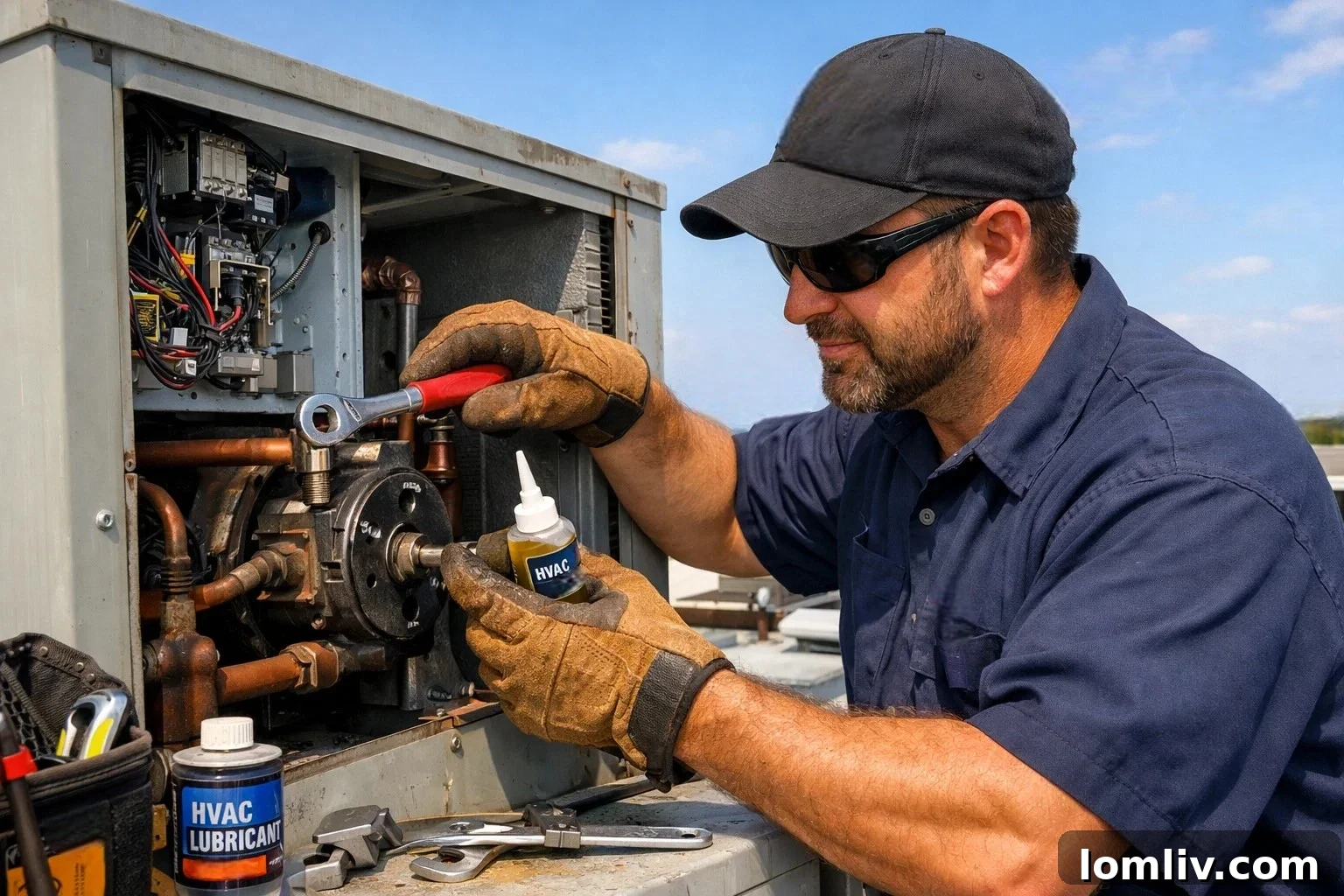
Maintenance tasks such as lubricating moving parts, tightening electrical and mechanical connections, and calibrating controls are not merely about efficiency; they are fundamental to mitigating wear and tear. Friction from unlubricated bearings or strain from loose connections can accelerate the degradation of components, leading to premature failure and the need for costly replacements. By addressing these issues proactively, technicians help reduce undue stress on motors, compressors, and other vital parts. This meticulous attention to detail ensures that each component functions within its optimal parameters, minimizing the cumulative damage that can significantly shorten an equipment’s life. Effectively, preventive maintenance acts as a protective shield for your HVAC assets.
For organizations, this translates into a tangible financial benefit: the ability to delay costly system replacements for many years beyond what would be expected for poorly maintained units. This deferment of major capital expenditures allows businesses to allocate resources more effectively, improve long-term financial planning, and ultimately, get the absolute maximum value and longevity out of their original investments in commercial heating and cooling infrastructure. It’s a strategic choice that safeguards assets and optimizes financial outlays over time.
Ensuring Compliance with Health, Safety, and Environmental Regulations
Commercial properties operate under a strict framework of health, safety, and environmental regulations designed to protect occupants and the wider community. Compliance with these diverse codes and standards is not optional; it’s a legal and ethical obligation that carries significant consequences if neglected. Routine HVAC maintenance performed by a qualified and certified HVAC technician plays a critical role in keeping your facilities compliant with local building codes, national safety standards, and various environmental guidelines.
These regulations often dictate specific requirements for ventilation rates, indoor air quality metrics, safe handling of refrigerants, and even the energy efficiency standards for commercial buildings. Regular inspections guarantee that ventilation systems are operating correctly, providing adequate fresh air exchanges to prevent the buildup of stale air, pollutants, and CO2. Filtration systems are checked and maintained to ensure they are effectively removing airborne contaminants, thereby reducing health risks associated with poor air quality. Furthermore, technicians ensure that refrigerant leaks are detected and repaired promptly, preventing the release of harmful greenhouse gases into the atmosphere, which is a key environmental concern.
Beyond the legal mandate, demonstrating a commitment to compliance through meticulous HVAC maintenance also safeguards a company’s reputation and prevents potential fines, penalties, or even operational shutdowns. It assures stakeholders that the business is responsibly managed and cares for the well-being of its occupants and the environment. This proactive approach to compliance builds trust and fosters a secure, legally sound operating environment.
Consistent Comfort for All Occupants
The core purpose of any HVAC system in a commercial setting is to provide a comfortable environment. However, when systems are neglected, fluctuating temperatures, drafts, and uneven heating or cooling can quickly make a building an uncomfortable place to be. This inconsistency can be a major source of complaint, impacting employee morale, productivity, and the overall experience of visitors and clients.
Proper and consistent maintenance ensures your HVAC systems run smoothly, reliably, and consistently. This translates directly into stable indoor temperatures and optimal humidity levels year-round, regardless of external weather conditions. Technicians calibrate thermostats, balance airflow, and address any zoning issues that might lead to hot or cold spots within the building. The result is a uniformly comfortable environment across all occupied spaces, eliminating the distractions and discomfort caused by temperature variations.
A consistently comfortable work environment has profound positive effects. For employees, it significantly boosts productivity and concentration, as they are not distracted by being too hot or too cold. It also contributes to higher job satisfaction and can even play a role in employee retention. For visitors and clients, a comfortable waiting area or meeting space creates a positive, professional impression, enhancing their overall experience and making them more likely to return or engage positively with your business. Ultimately, sustained comfort improves the entire occupancy experience, fostering a positive atmosphere conducive to business success and well-being.
Significant Cost Savings Over Time
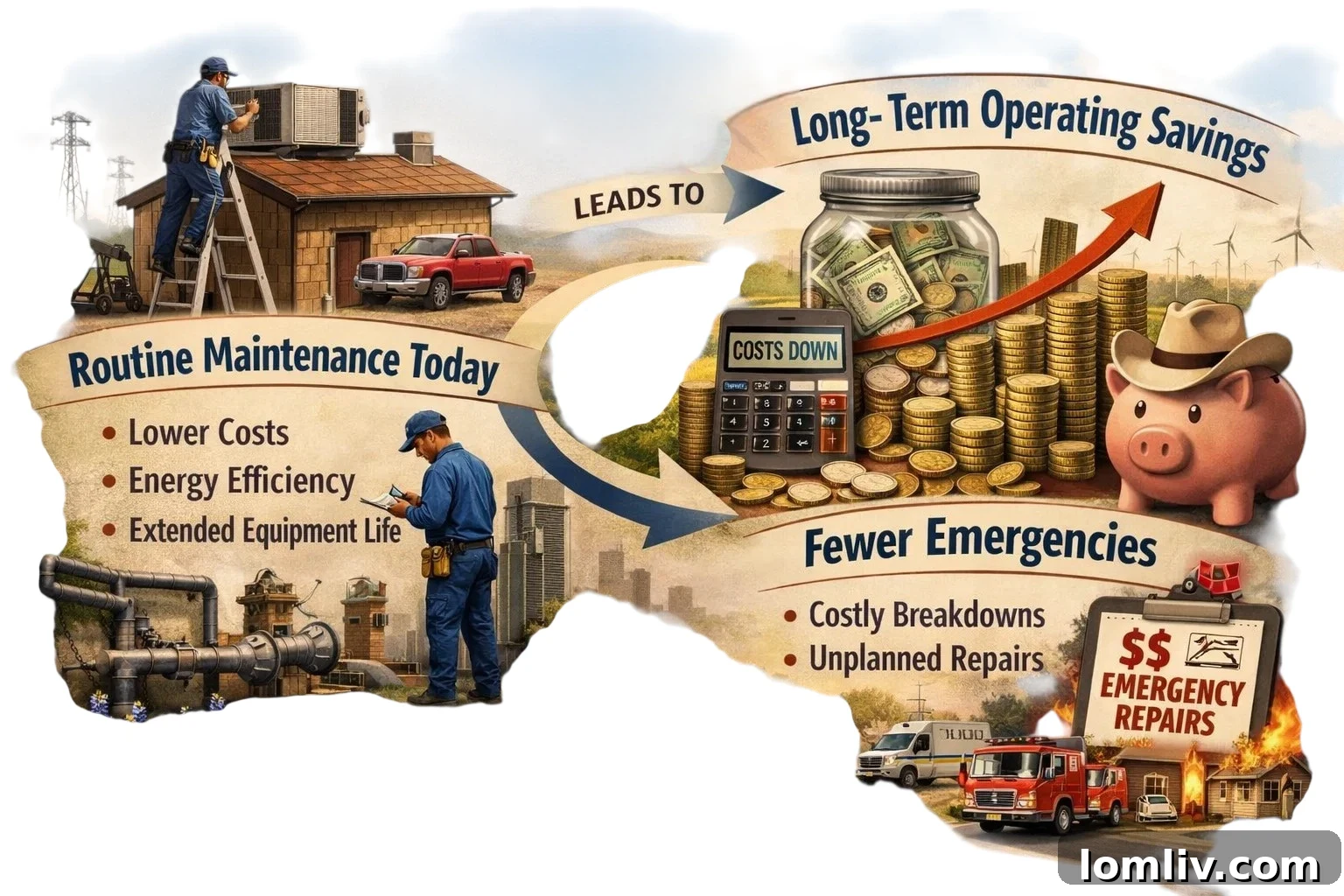
While the upfront cost of regular commercial HVAC preventive maintenance might initially appear as an additional expense, it is, in reality, a strategic investment that yields substantial and quantifiable cost savings in the long run. This return on investment manifests in several critical areas, fundamentally improving an organization’s financial health.
Firstly, the principle of “an ounce of prevention is worth a pound of cure” holds particularly true for HVAC systems. It is consistently far more cost-effective to identify and rectify a minor problem during a scheduled maintenance visit than to face the escalating expenses of an emergency repair for a major breakdown. Emergency services often incur higher labor rates (e.g., overtime, holidays), require expedited shipping for parts, and can lead to secondary damage to other components, inflating the repair bill significantly. By mitigating these costly surprises, preventive maintenance directly protects your budget.
Secondly, as discussed, more efficient systems consume less electricity. When coils are clean, filters are fresh, and components are properly calibrated, the HVAC unit doesn’t have to work as hard to achieve desired temperatures. This directly translates into lower monthly utility costs. These incremental savings on electricity bills might seem small on a month-to-month basis, but they quickly accumulate into substantial figures over the course of a year and multiple years, positively impacting the operating budget.
Thirdly, fewer breakdowns mean less lost revenue from business interruptions. When an HVAC system fails, especially in critical commercial environments like restaurants, data centers, or retail stores, the financial repercussions can be immense. Lost inventory, halted operations, dissatisfied customers, and decreased employee productivity all contribute to a significant loss of income. Preventive maintenance reduces the likelihood of such disruptions, ensuring business continuity and safeguarding revenue streams. Furthermore, by extending the lifespan of equipment, businesses can defer the significant capital expenditure associated with full system replacements, freeing up funds for other strategic investments. While these combined savings may not always be immediately apparent, their cumulative impact over years of operation makes a huge, positive difference to your organization’s bottom line.
Demonstrating Environmental Responsibility
In today’s global landscape, environmental stewardship and corporate social responsibility (CSR) are no longer optional but essential components of a robust business strategy. Commercial HVAC preventive maintenance offers a tangible pathway for businesses to demonstrate their commitment to environmental responsibility, aligning with sustainability goals and enhancing public perception.
The direct correlation between better HVAC performance and reduced energy consumption is a cornerstone of environmental responsibility. When systems operate efficiently, they require less energy to heat or cool the building, leading to a significant reduction in electricity demand. This, in turn, translates directly to fewer greenhouse gas emissions from power generation, thereby lowering your company’s overall carbon footprint. Proactive maintenance directly supports your organization’s sustainability objectives and helps meet environmental targets.
Furthermore, during routine service visits, environmental protocols are meticulously followed. This includes the responsible disposal of old or clogged filters in an eco-friendly manner, preventing unnecessary landfill waste. More critically, technicians are trained to responsibly manage refrigerants, which are potent greenhouse gases. Leaks are promptly detected and repaired, and during system decommissioning or replacement, refrigerants are recovered and recycled according to strict environmental regulations, preventing their release into the atmosphere. Showcasing such dedication to environmental responsibility not only appeals to an increasingly eco-conscious customer base and attracts like-minded business partners but also positions your business favorably to stay ahead of future regulations concerning energy use, emissions, and sustainable building practices. It builds a positive brand image and demonstrates a commitment to a healthier planet.
Conclusion: The Strategic Imperative of HVAC Maintenance
In essence, investing in regular preventive maintenance for commercial HVAC systems is not merely a task; it’s a strategic imperative that pays substantial, long-term dividends across every aspect of a business operation. From the tangible financial benefits of significant energy cost savings and extended equipment lifespan to the critical improvements in indoor air quality and enhanced occupant comfort, the advantages are multifaceted and far-reaching. By proactively addressing potential issues, businesses mitigate the risk of costly and disruptive breakdowns, ensure regulatory compliance, and foster a consistently pleasant environment for everyone within their premises.
The forward-thinking commitment to consistent HVAC care enables organizations to protect their financial bottom line through reduced operational expenses and deferred capital investments. Simultaneously, it demonstrates a profound commitment to environmental stewardship, helping to reduce carbon footprints and align with crucial sustainability goals. Ultimately, a well-maintained commercial HVAC system creates more than just a comfortable space; it cultivates a healthier, safer, more productive, and more efficient environment for employees, tenants, and visitors alike, solidifying its status as an indispensable asset for any successful commercial enterprise.