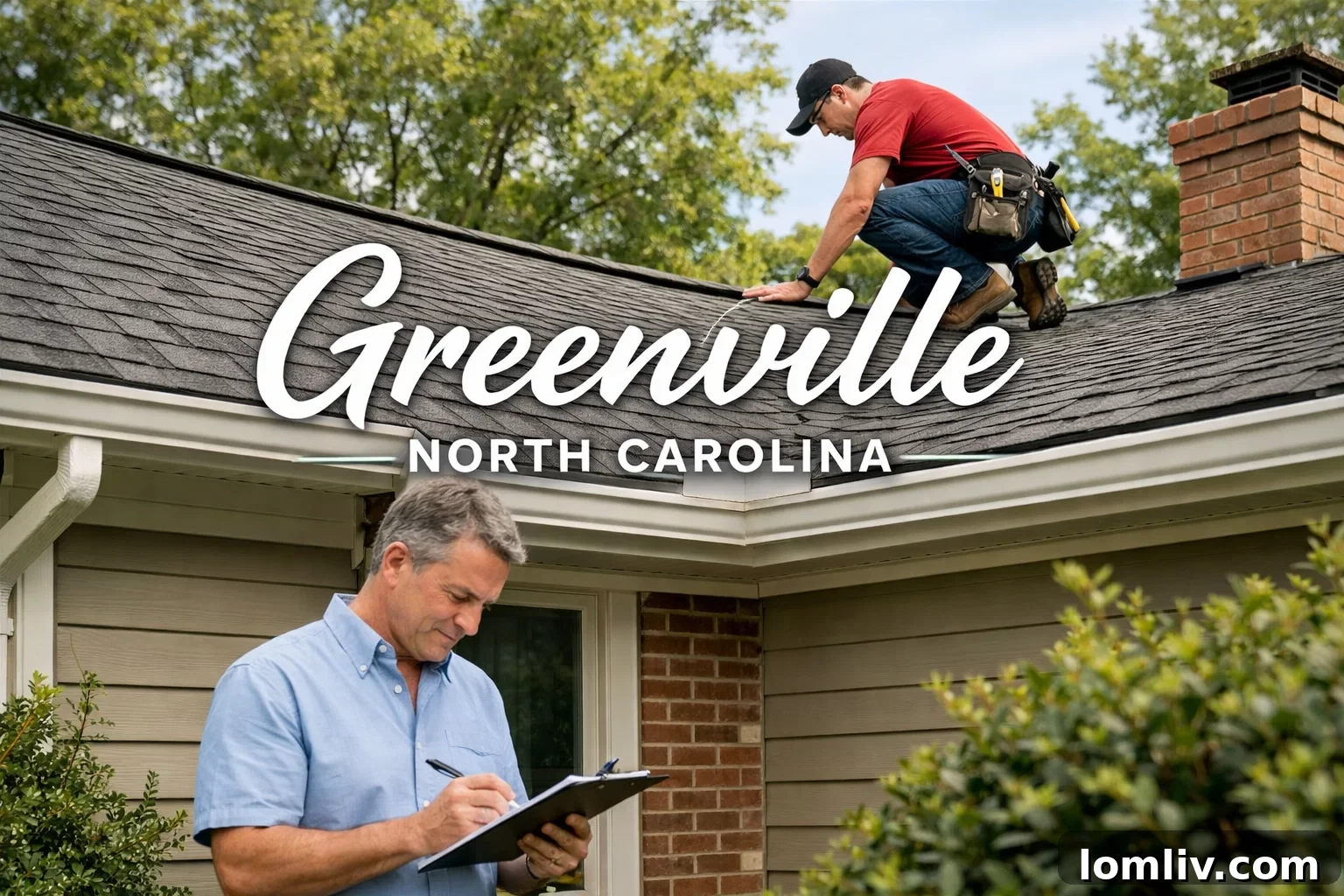
When roof problems arise, many homeowners are faced with a pivotal decision: should you invest in targeted roof repair, or is it a sign that a complete roof replacement is necessary? This choice is far more complex than a simple cost comparison; it’s a long-term investment in your home’s safety, structural integrity, and overall value. Making the correct decision upfront can prevent recurring issues, mitigate future financial burdens, and provide invaluable peace of mind for years to come.
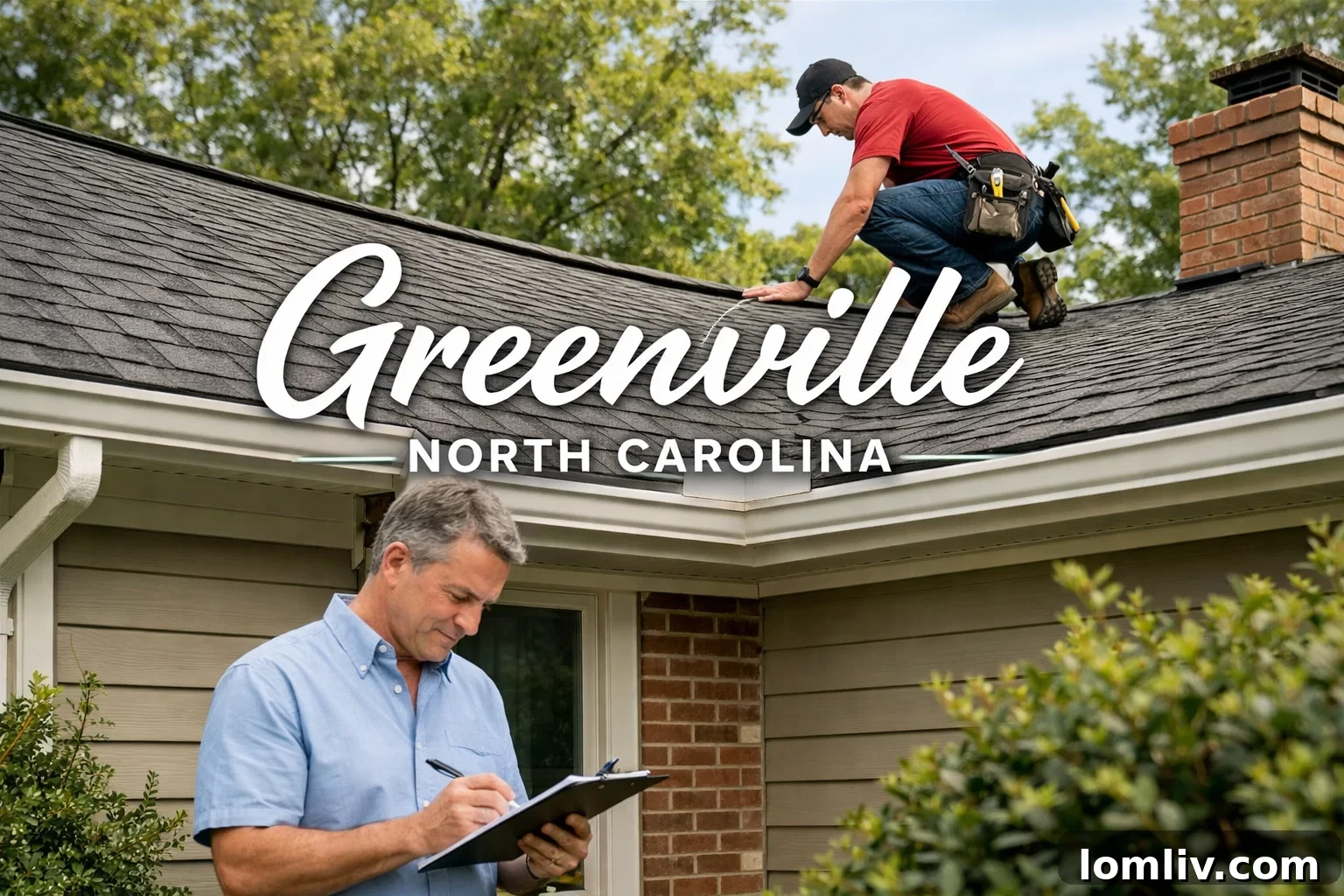
Understanding the nuances between these two options requires a thorough evaluation of several key factors. Below, we delve into the critical indicators that will help you determine the most appropriate and cost-effective solution for your home, ensuring its protection and longevity.
Assessing the Age and Lifecycle of Your Roof
The age of your roofing system is often the most significant initial indicator when deciding between repair and replacement. Every roofing material has a predictable lifespan, largely determined by its composition, installation quality, and the environmental conditions it endures.
- Asphalt Shingles: Typically last between 20 to 25 years. Architectural or laminate shingles might extend this to 30 years, while 3-tab shingles are often on the lower end of the spectrum.
- Metal Roofs: Known for their exceptional durability, metal roofs can last 40 to 70 years, sometimes even longer, with proper maintenance.
- Tile Roofs (Clay or Concrete): These can offer an impressive lifespan of 50 to 100 years or more, making them a very long-term investment.
- Slate Roofs: Considered one of the most durable options, slate roofs can last 75 to 200 years, often outliving the home itself.
- Wood Shake or Shingle Roofs: Generally last 25 to 30 years, though this can vary significantly based on climate and maintenance.
If your roof is approaching or has exceeded its expected lifespan, and you’re noticing persistent issues, repairs are increasingly likely to be a temporary, Band-Aid solution. Patching an aged roof often addresses only the symptom, not the underlying wear and tear that affects the entire system. In such scenarios, a full roof replacement becomes not just an expense, but a strategic investment that offers comprehensive protection, improved performance, and a renewed warranty, providing far greater value and reliability in the long term.
Evaluating the Extent and Nature of Roof Damage
The severity and widespread nature of roofing problems are paramount in guiding your decision. Not all issues necessitate a complete overhaul. Localized, minor damage can often be effectively resolved through professional roof repair, saving you the cost of a full replacement.
When Roof Repair is Viable:
- Isolated Leaks: A small leak stemming from a single damaged shingle, a compromised pipe flashing, or a loose seal around a vent.
- Cracked or Missing Shingles: A few individual shingles that have cracked due to weather or become dislodged can often be replaced without affecting the entire roof.
- Damaged Flashing: Problems with flashing around chimneys, skylights, or valleys can lead to leaks but are often repairable by resealing or replacing the specific flashing sections.
- Minor Granule Loss: While a certain degree of granule loss is normal for asphalt shingles, excessive loss might indicate wear. If it’s confined to a small area and the shingles are otherwise sound, it might be repairable.
When Roof Replacement is Imperative:
However, widespread and recurring damage paints a different picture. If your home is experiencing any of the following, a full replacement is usually the more sensible and sustainable course of action:
- Recurring Leaks: If you’re constantly battling leaks in multiple areas or the same spot repeatedly after repairs, it indicates a systemic failure of your roofing system.
- Significant Granule Loss: Widespread granule loss across a large portion of asphalt shingles signifies that the protective layer is eroding, leaving the shingles vulnerable to UV damage and rapid deterioration.
- Sagging Roof Deck: A visible sag or dip in your roofline indicates potential structural issues or widespread water damage to the underlying decking, a clear sign that the roof’s integrity is severely compromised.
- Extensive Water Damage or Rot: Evidence of widespread water penetration in the attic, rotten fascia boards, or damp insulation points to long-term leakage that has likely compromised the roof’s substructure.
- Large Sections of Missing or Broken Materials: If entire sections of shingles, tiles, or other roofing materials are missing, severely cracked, or broken, the protective barrier of your roof is critically compromised.
- Moss and Algae Growth: While sometimes treatable, widespread moss or algae, especially combined with dampness, can indicate a roof retaining too much moisture, accelerating its decay.
A professional roof inspection is crucial here. Experts can assess not only the visible damage but also the integrity of the underlying roof deck, insulation, and ventilation system. If the structure beneath the surface has been compromised, or if the damage is too extensive to be effectively contained by repairs, a full replacement is the safest and most economically sound recommendation.
Considering the Cost: Upfront vs. Long-Term Investment
The financial implications are a primary concern for most homeowners. While roof repair nearly always presents a lower upfront cost, it’s essential to look beyond immediate expenses and consider the true cost over the lifespan of your roof.
The Trap of Repeated Repairs:
Opting for repairs on an aging or extensively damaged roof can quickly become a false economy. If you find yourself frequently contacting roofers year after year to fix new leaks, replace more shingles, or address recurring issues, these cumulative costs can rapidly escalate. You might discover that the total expenditure on multiple repairs ultimately surpasses the cost of a single, comprehensive roof replacement, without delivering the same level of long-term security or performance.
The Value of a New Roof:
A new roof represents a significant initial investment, but it offers unparalleled durability, significantly reduced maintenance costs, and substantial long-term savings. Modern roofing materials are designed for resilience and longevity, providing superior protection against the elements. Furthermore, new roofs often come with robust manufacturer and labor warranties that span many years, offering invaluable protection against defects and premature wear. This warranty coverage provides homeowners with financial reassurance and peace of mind, knowing their investment is safeguarded.
Beyond the immediate protective benefits, a new roof also offers a compelling return on investment (ROI) in terms of property value. It enhances curb appeal, attracts potential buyers, and often increases the appraisal value of your home, making it a wise financial decision if you plan to sell in the future.
Interior Warning Signs: Don’t Overlook the Inside Story
Roofing problems don’t always manifest as obvious damage on the exterior. Often, the first subtle indications of a compromised roof appear inside your home. These interior warning signs are critical and should never be ignored, as they can signal deeper, more pervasive issues that require professional attention.
- Water Stains: Discoloration or water stains on your ceilings or walls are classic indicators of a leaky roof. Pay close attention to stains that expand, reappear after rain, or develop along seams or corners.
- Peeling Paint: Moisture intrusion can cause paint to bubble, crack, or peel on ceilings and upper walls. This indicates water penetration that is saturating drywall or plaster.
- Mold and Mildew Growth: Any sign of mold or mildew, particularly in your attic, on ceilings, or around windows, suggests excessive moisture. This is a health hazard and a strong indicator of an ongoing leak or poor ventilation.
- Musty Odors: A persistent musty or damp smell in your attic or upper levels of your home often points to hidden moisture issues and potential mold growth, even if not yet visible.
- Sagging Ceilings: A drooping or sagging ceiling is an alarming sign that the structural integrity of your ceiling materials (like drywall) has been compromised by prolonged water exposure.
- Increased Energy Bills: While not a direct sign of a leak, a sudden or gradual increase in heating and cooling costs can be linked to a poorly performing roof. Long-term leaks can damage attic insulation, reducing its effectiveness and leading to energy loss.
If insulation has been compromised by chronic leaks, or if your attic ventilation is inadequate due to long-standing issues, simply repairing the surface of the roof will not resolve the underlying problems. In such complex cases, a full roof replacement offers the opportunity to strip away damaged layers, replace saturated insulation, repair compromised decking, and upgrade the entire ventilation system. This holistic approach significantly improves energy efficiency, prevents future mold growth, and restores comfortable indoor conditions.
Factoring in Energy Efficiency and Home Performance
Your roof plays a pivotal role in your home’s overall energy efficiency. An older, deteriorating roof can be a significant culprit behind high energy bills and an uncomfortable indoor environment. Over time, roofing materials degrade, insulation becomes less effective due to compaction or moisture, and ventilation systems can become blocked or insufficient.
If your home feels drafty, struggles to maintain consistent temperatures, or experiences excessive heat buildup in the attic during summer, your roof could be a major contributing factor. Old roofs often lack the thermal performance of modern systems. They may have inadequate insulation beneath them, or critically, insufficient attic ventilation, which traps heat and moisture, forcing your HVAC system to work harder.
A roof replacement provides an ideal opportunity for a significant energy upgrade. When installing a new roof, you can choose from a range of high-performance materials designed for superior energy efficiency, such as cool roofing options with reflective surfaces that reduce heat absorption, or advanced shingles with enhanced insulating properties. Furthermore, a replacement allows for the installation of new, high-R-value insulation and a professionally designed attic ventilation system (including soffit vents, ridge vents, and proper exhaust) to ensure optimal airflow. This holistic upgrade helps regulate indoor temperatures more effectively, significantly reduces your energy consumption, and ultimately translates into tangible savings on your utility bills. While repairs can address immediate damage, they rarely deliver the comprehensive efficiency benefits and long-term cost savings that a new, energy-optimized roof can provide.
Considering Your Future Plans for the Property
Your long-term intentions for your home should heavily influence the repair vs. replacement decision. This choice is not just about the roof itself, but how it aligns with your broader property goals.
If You Plan to Sell Soon:
For homeowners contemplating selling their property in the near future, investing in a new roof can be an incredibly strategic move. A brand-new roof significantly boosts a home’s curb appeal, making a powerful first impression on prospective buyers. More importantly, it instills immense buyer confidence. Buyers are often wary of homes with aging or questionable roofs, knowing that a major replacement could be a substantial expense shortly after moving in. A new roof, often accompanied by a transferable warranty, removes this concern, making your home more attractive, easier to sell, and potentially commanding a higher asking price. It also helps avoid negative findings on pre-purchase home inspection reports, which could otherwise lead to costly negotiations or deal cancellations.
If You Plan to Stay Long-Term:
Conversely, if you intend to remain in your home for many years, investing in a complete roof replacement now offers unparalleled value, security, and peace of mind over the long haul. You benefit directly from the enhanced durability, improved energy efficiency, and modern aesthetics for decades to come. Avoiding repeated, incremental repair costs allows you to allocate your resources more effectively, and you’ll enjoy the comfort of knowing your family and belongings are protected by a robust, reliable roofing system designed to last.
Seeking Expert Advice from Professional Roofers
Navigating the complexities of roof repair versus replacement can be daunting, and the stakes are high. This is precisely why consulting an experienced and reputable roofing contractor is not just beneficial, but essential. Professional roofers bring specialized knowledge and diagnostic tools to the table that homeowners simply don’t possess.
A trusted roofer will conduct a thorough, multi-point inspection of your entire roofing system. This inspection typically includes:
- Exterior Assessment: Examining shingles, flashing, gutters, vents, and the overall integrity of the roof surface.
- Interior (Attic) Inspection: Checking the roof deck for signs of water damage, rot, sagging, and evaluating the condition of insulation and ventilation.
- Structural Evaluation: Assessing the underlying support structures for any compromises.
Based on their comprehensive findings, a reputable contractor will provide honest, unbiased recommendations tailored to your specific situation. They will explain all available options – whether it’s a targeted repair or a full replacement – outlining the pros and cons of each, clearly detailing the scope of work, material choices, and associated costs. A professional roofer prioritizes your home’s safety, performance, and your budget, and will never pressure you into unnecessary work. They will also educate you on warranty options and long-term maintenance strategies.
Making an Informed Decision That Protects Your Investment
Ultimately, the choice between roof repair and roof replacement is a multifaceted decision influenced by your roof’s current condition, its age, your financial considerations, and your long-term goals for the property. While minor, isolated issues often lend themselves well to cost-effective roof repairs, extensive damage, an aging roofing system, or persistent, recurring problems typically point towards the more comprehensive and durable solution of a full roof replacement.
By taking proactive steps, thoroughly evaluating all the contributing factors, and critically, by seeking expert advice from trusted roofing professionals, you empower yourself to make the most informed decision. This strategic approach will not only prevent further damage to your most valuable asset but will also protect your investment, enhance your home’s energy efficiency, boost its curb appeal, and most importantly, ensure that your home remains a safe, secure, and comfortable haven for you and your family for many years to come.
If you find yourself uncertain about the best course of action for your property, remember that contacting trusted and professional roofers for a comprehensive assessment is always the most prudent and beneficial first step. They can provide the clarity and expertise needed to guide your decision wisely.