Purchasing a home is one of the most significant financial and emotional investments you’ll ever make. The excitement of finding your dream property can often overshadow critical due diligence, particularly when that property has a history of flooding. Flood damage is insidious; it doesn’t always present itself overtly. Even after a property has been meticulously cleaned and cosmetically restored, severe underlying issues can linger, hidden beneath fresh paint and new flooring, posing substantial risks to your investment and your family’s well-being.
If you’re considering a property in Melbourne, a city occasionally susceptible to heavy rainfall and subsequent flooding, that has a known history of water damage, a standard walk-through simply won’t suffice. To truly understand the condition of such a property and uncover potential hidden hazards, a comprehensive Melbourne Building and Pest Inspection is not just recommended, it’s absolutely essential. This professional assessment provides an invaluable detailed report, equipping you with the knowledge needed to make an informed decision before committing to the purchase.
This article will delve into the critical areas professional building and pest inspectors meticulously examine in flood-affected homes, highlighting what potential buyers need to be acutely aware of before signing on the dotted line. Understanding these crucial inspection points can save you from costly future repairs, health risks, and significant financial regret.
1. Structural Water Damage: The Hidden Weaknesses
One of the primary concerns for inspectors in a flood-affected property is the extent of structural water damage. While it may seem straightforward, the true severity of this damage is often concealed. Water intrusion can profoundly compromise a building’s structural integrity, making a thorough assessment paramount. Inspectors are trained to look beyond superficial fixes to identify long-term issues that could undermine the safety and stability of your potential new home.
During their inspection, professionals will meticulously examine the foundation, load-bearing walls, framing, floors, and ceilings. They are specifically looking for tell-tale signs such as warping, swelling, sagging, or soft spots in wooden components, which are undeniable indicators that materials have been compromised by moisture. In properties constructed with concrete or brick, inspectors will search for hairline cracks, efflorescence (a powdery white residue indicating moisture seepage), and areas where water may have penetrated, potentially weakening the concrete over time. This includes checking critical areas like basements, crawl spaces, and attics, where water damage can accumulate unnoticed for extended periods.
Buyers must exercise extreme caution with properties that have undergone quick cosmetic repairs. Fresh coats of paint, new wallpaper, or recently installed flooring can cleverly obscure water stains and other signs of underlying damage. These seemingly innocent cover-ups often mask deeper, more problematic issues like wood rot, compromised drywall, or persistent mold growth. Such issues are not merely unsightly; they are typically expensive to remediate and can significantly impact the home’s overall structural integrity, its long-term durability, and ultimately, its resale value. An expert inspection will help differentiate between superficial fixes and proper, comprehensive restoration.
2. Mold and Mildew Growth: A Health Hazard Under Wraps
Floodwaters introduce substantial moisture into a property, creating an ideal breeding ground for mold and mildew. This is not just an aesthetic nuisance; it represents a significant health risk to occupants. In flood-affected properties, inspectors dedicate considerable attention to areas that were submerged in standing water or those that lack adequate airflow, as these conditions are prime for fungal proliferation.
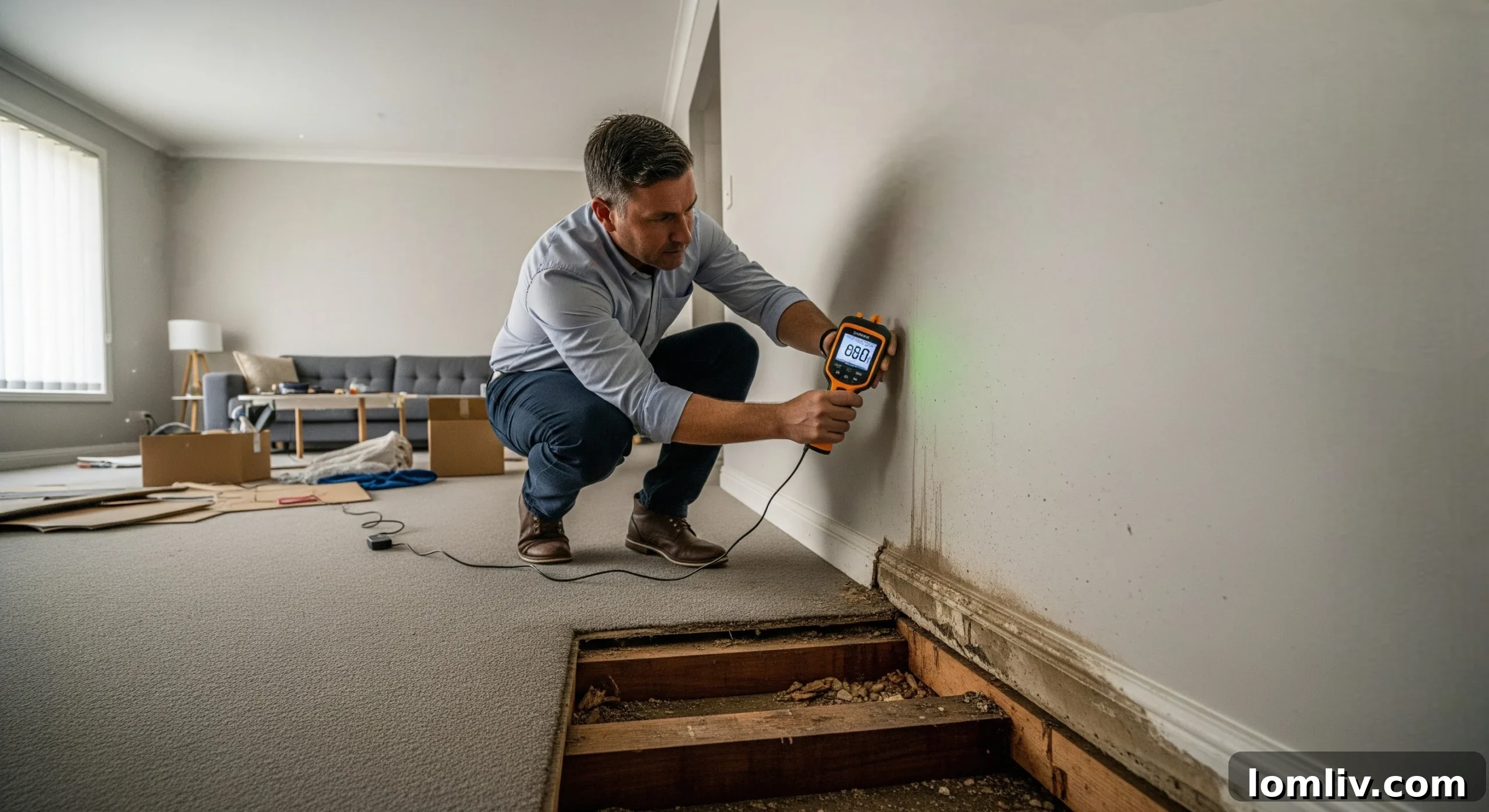
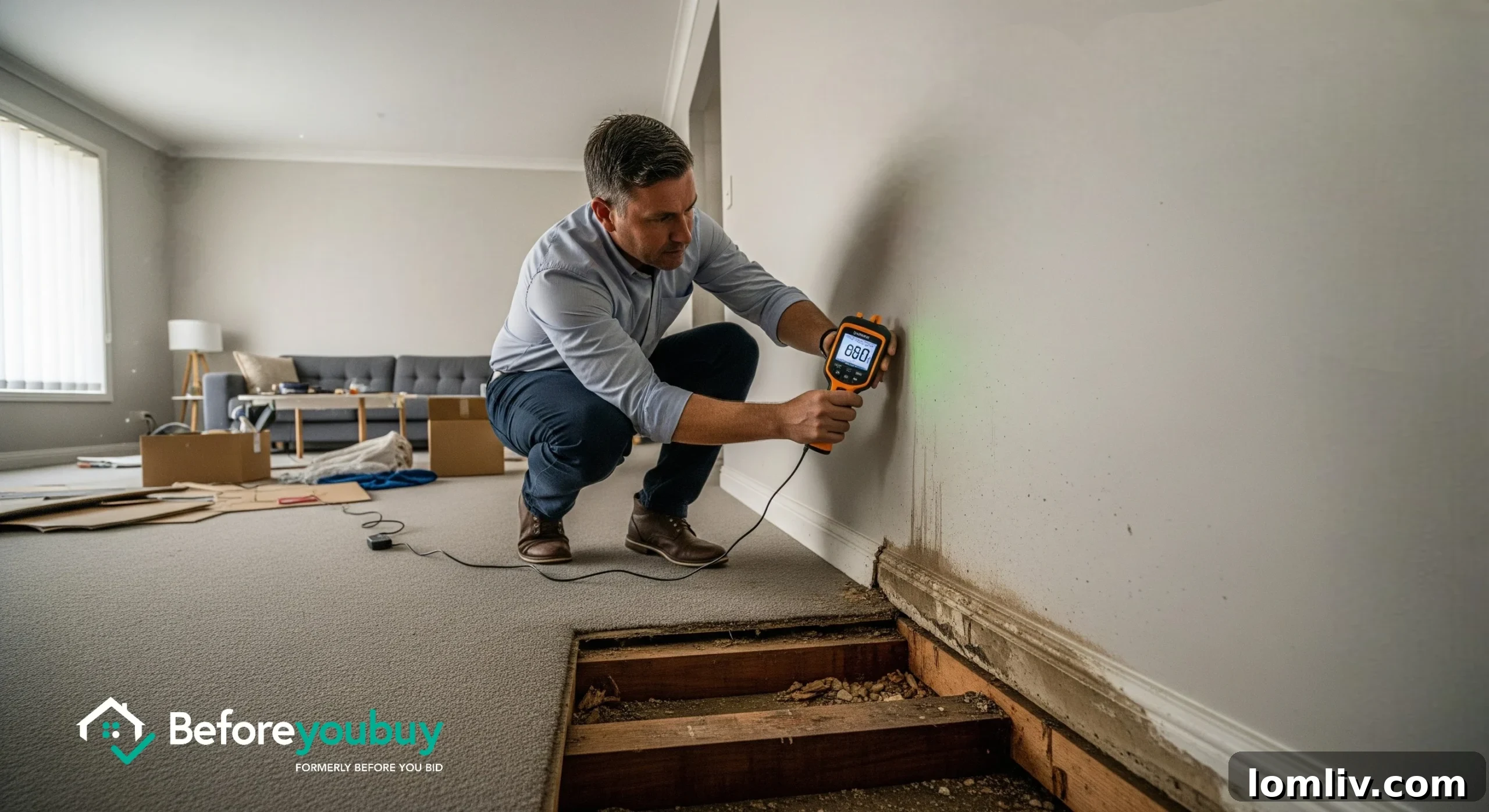
Beyond visible growth, which can appear as black, green, or white fuzzy patches on surfaces, professional inspectors utilize specialized tools such as moisture meters. These devices can detect hidden dampness within walls, behind drywall, under flooring, and within insulation, areas where mold loves to thrive unseen. Mold spores are tenacious and can establish colonies in subfloors, attics, within wall cavities, and even inside HVAC ductwork. Every nook and cranny must be thoroughly checked to ensure no hidden infestations remain.
Discovering mold during an inspection triggers a critical follow-up question: Is it a manageable, localized cleanup, or does it necessitate a major remediation project? Minor surface mold might be dealt with relatively simply, but extensive mold infestations often require the removal and replacement of contaminated materials such as drywall, insulation, flooring, and even structural wood. The scope and cost of professional mold remediation can be substantial, making this a crucial factor in your purchasing decision. Furthermore, living in a home with persistent mold can lead to respiratory issues, allergies, and other serious health problems, underscoring the importance of its complete eradication.
3. Electrical System Integrity: Safety First
The combination of water and electricity poses an extremely dangerous hazard. If a house has been subjected to flooding, a meticulous assessment of the entire electrical system is absolutely imperative. Water can severely damage wiring, outlets, switches, light fixtures, and major appliances, creating immediate risks of electrical fires, short circuits, and potentially fatal electric shocks. A certified inspector will meticulously evaluate the entire electrical infrastructure to ensure it meets safety standards and is free from flood-induced compromise.
Inspectors pay close attention to whether the main electrical panel, circuit breakers, and individual outlets or switches were exposed to water. Even if they appear dry, internal corrosion can occur. If any part of the wiring system got wet, it typically requires replacement because water can strip the insulation from wires, leading to exposed conductors and arcing. They will look for rust or corrosion on any electrical components, as this deterioration is a direct result of water exposure and will inevitably lead to safety hazards and system failures. Furthermore, they will check for signs of improper repairs or amateur attempts to restore power. If the property was not professionally and properly remediated after the flood, you might be looking at a complete electrical system overhaul, which can be one of the most expensive and critical repairs following water damage.
4. Plumbing and Drainage Systems: Beyond the Surface
The plumbing and drainage systems often endure significant stress and damage during a flood. Inspectors will thoroughly examine all pipes, drains, water heaters, and the entire sewage system (including septic tanks if applicable) to ensure they are fully functional and leak-free. Floodwaters can exert immense pressure on underground infrastructure, causing pipes to crack, disconnect, shift, or leak, leading to ongoing issues and expensive repairs. Backed-up sewers can also contaminate the plumbing system, requiring extensive cleaning and sanitization.
Visible signs of damage include rust, corrosion, active leaks, or compromised seals, particularly in areas like basements, crawl spaces, utility rooms, and under sinks. But the inspection extends beyond the internal plumbing. A crucial aspect involves assessing the property’s exterior “grading”—the slope of the land around the house. Inspectors verify that the landscape is properly sloped to direct surface water away from the home’s foundation. If the external drainage system, including gutters, downspouts, and sub-surface drains, was compromised or poorly designed, the property remains vulnerable to future flooding issues, especially during Melbourne’s characteristic heavy rainfall events. Improper drainage can lead to repeated foundation damage, basement flooding, and persistent moisture problems.
5. Foundation and Structural Shifting: The Ground Beneath Your Feet
When floodwaters inundate a property, the immense volume and movement of water can cause the ground beneath and around the home to erode, shift, or settle unevenly. This can lead to severe issues for the foundation, which is the very bedrock of the entire structure. A flood-affected house may settle unevenly, resulting in structural misalignment. Common indicators of foundation movement include sticking windows or doors, cracks in interior drywall or exterior brickwork, sloping floors, and gaps between walls and ceilings. These symptoms are critical red flags that should never be ignored.
Inspectors meticulously scrutinize the foundation for any signs of these shifts, cracks (especially horizontal or stair-step cracks), bulging, or bowing. They will also look for evidence of soil erosion directly beneath the foundation, which can weaken its load-bearing capacity. If the foundation has settled unevenly, repairs can be extraordinarily costly, complex, and time-consuming, often requiring specialized contractors to perform underpinning or extensive structural reinforcement. In severe instances, floodwaters can literally wash away soil from under portions of the home, leading to catastrophic structural weakness that may permanently compromise the property’s safety and stability, rendering it unsafe or uneconomical to repair.
6. Insulation, Ventilation, and HVAC Systems: Core Comfort & Efficiency
Floods wreak havoc on insulation and ventilation systems, both of which are absolutely crucial for maintaining a healthy, energy-efficient, and comfortable home. When insulation in walls, attics, or crawl spaces gets wet, it loses its thermal resistance, becoming ineffective. Damp insulation also provides a perfect environment for mold growth and can attract pests. Furthermore, many types of insulation, once saturated, are difficult or impossible to dry out completely and effectively, making them a continuous source of moisture and potential health hazards.
Inspectors will determine the condition of all insulation and whether it needs to be replaced. In most cases involving significant water exposure, it is safer and more cost-effective in the long run to remove and replace all affected insulation entirely rather than attempting to salvage it. They also thoroughly check ventilation systems, including attic vents, crawl space vents, exhaust fans, and especially the HVAC (heating, ventilation, and air conditioning) ductwork. Air ducts, if exposed to floodwaters, can harbor mold, mildew, and contaminants, recirculating unhealthy air throughout the home. Ensuring these systems are free of moisture, blockages, and contaminants is vital for indoor air quality and energy efficiency.
7. Pest Infestations: The Uninvited Guests of Floodwaters
The “Pest” component of a Melbourne Building and Pest Inspection is critically important for flood-affected homes. Floodwaters can dislodge existing pest colonies and drive new ones into higher ground, often directly into homes. Once the water recedes, the lingering dampness and damaged wood provide ideal conditions for various pests to thrive.
Inspectors specifically look for signs of termites, cockroaches, rodents, and other insects that are attracted to moist, dark, and secluded environments. Termites, in particular, can cause extensive damage to weakened, damp wood. Rodents and cockroaches can spread diseases and contaminate food sources. The presence of these pests, especially after a flood, can indicate a deeper moisture problem or structural compromises that make the home more accessible to infestations. A thorough pest inspection will identify current or past infestations, entry points, and conditions conducive to pest activity, helping you understand the full scope of potential issues.
What Can You Do? Empowering Your Purchase Decision

If you are seriously considering a flood-impacted home in Melbourne, it is paramount that you protect your interests legally and financially. The most effective way to do this is by including a robust home inspection contingency clause within your purchase agreement. This contingency is a contractual safeguard that allows you to cancel the sale or renegotiate the purchase price if the inspection uncovers significant problems, such as the severe issues outlined above.
This clause typically grants you a specific timeframe, usually between 7 to 10 days, to conduct comprehensive building and pest inspections and then make an informed decision based on the findings. It provides the necessary leverage to address unforeseen issues. If your Melbourne Building and Pest Inspection report reveals serious issues, such as extensive structural cracks, severe mold infestation, irreparable electrical damage, or widespread pest activity, you can strategically use this contractual clause to:
- Request the seller to make the necessary repairs: You can demand that the seller address and rectify the identified problems at their expense before closing the sale.
- Negotiate a lower selling price: If you prefer to manage the repairs yourself or want compensation for the anticipated costs, you can negotiate a reduction in the home’s purchase price to account for the repair expenses.
- Walk away from the sale: In cases where the issues are too extensive, costly, or pose unacceptable risks, the contingency allows you to legally withdraw from the purchase agreement and retrieve your earnest money deposit without penalty.
The Bottom Line: Informed Decisions for a Secure Future
Buying a house that has experienced flooding undoubtedly comes with unique challenges and potential pitfalls. However, it doesn’t have to be a blind gamble. By proactively enlisting the services of a professional, experienced building and pest inspector, you arm yourself with critical information, allowing you to uncover hidden issues that could otherwise lead to disastrous consequences. These experts possess the knowledge, tools, and experience to identify problems that are not apparent to the untrained eye, offering you peace of mind.
Taking these essential steps in your due diligence process—especially when considering a flood-affected property in Melbourne—is crucial. It allows you to avoid nasty surprises, negotiate from a position of strength, and ultimately ensure that your new Melbourne home is not only safe, secure, and structurally sound but also a truly fresh start for you and your family.