Dallas City Council Denies Watermark Church’s Rezoning Request Amidst Community Concerns
The final Dallas City Council meeting of 2023 concluded with a significant decision impacting urban development and community relations. Spanning several hours and filled with intense discussions on various city matters, including daycare facilities and permitting fees, a crucial rezoning request from a prominent Dallas megachurch ultimately faced unanimous opposition. The proposal by Watermark Community Church, aiming to redevelop a substantial parcel of land, became a focal point of debate, highlighting the complex interplay between religious institutions, commercial aspirations, and the needs of local communities. This denial signals a strong message from the council regarding the importance of transparency and authentic community partnership in large-scale development projects.
Watermark Community Church’s Vision and the Rezoning Proposal
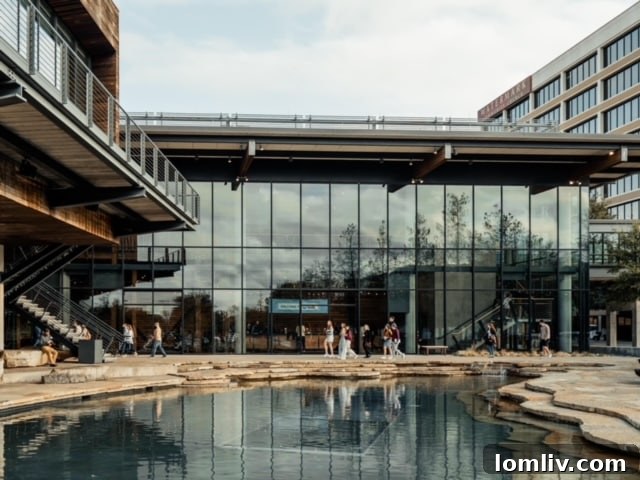
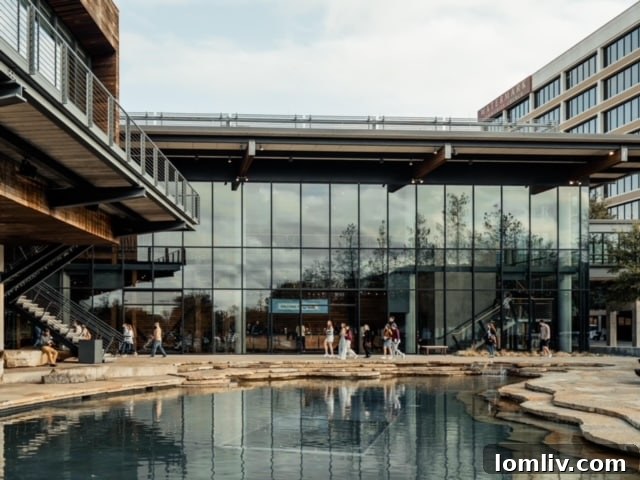
Watermark Community Church, a significant presence in the Dallas religious landscape, sought a rezoning approval for its campus located at 3400 Garden Lane. The church’s request was not merely for minor adjustments but aimed to establish a comprehensive “walkable mixed-use district” designed to significantly expand its services. This ambitious vision included plans to develop housing on the campus, a move that stirred considerable debate and scrutiny. The land in question was acquired by Watermark in 2019 from Dallas ISD for approximately $211,000, presenting a substantial opportunity for development.
The proposal itself had navigated through several preliminary stages, receiving recommendations for approval from both city staff and the City Plan Commission. However, these recommendations came with a crucial caveat: they were subject to specific deed restrictions. Such restrictions are often imposed to mitigate potential negative impacts of development, ensuring that projects align with broader city planning goals and community interests. The full staff case report, detailing the specifics of the proposal and the conditions, was made available to the public, underscoring the technical aspects of the request.
For more detailed information on the initial zoning case, interested parties can review past reports: Watermark Community Church Zoning Case Deferred.
Community Opposition: A Call for Transparency and Partnership
Despite the initial recommendations for approval, the rezoning request encountered substantial pushback from community members and advocacy groups. The discussion surrounding Watermark Community Church during the Dec. 13 council meeting, though lasting only about 20 minutes, conveyed a deep-seated apprehension. Dallas elected officials reported receiving significant public feedback indicating that the plan, as submitted, was widely perceived as unacceptable by residents.
Vague Goals and Unclear Intentions
One of the primary criticisms voiced by community representatives revolved around a perceived lack of clarity regarding Watermark’s intentions. Todd Atkins of the South Dallas Fair Park Faith Coalition articulated this concern succinctly. He noted that despite numerous public and community meetings, the fundamental goals and visions for the land and its proposed developments remained “vague and constantly changing.” This ambiguity fueled mistrust and left neighbors uncertain about the long-term impact on their area.
Atkins further highlighted confusion over which entity the coalition was expected to partner with – Watermark LLC, the church itself, or its community development corporation. This organizational opaqueness contributed to the perception that the project lacked a unified, transparent approach. Another resident, Andrea Rush, went so far as to refer to Watermark not as a church in this context, but rather as a “business,” suggesting that its development ambitions overshadowed its religious identity in the eyes of some community members.
Concerns Over Gentrification and Community Displacement
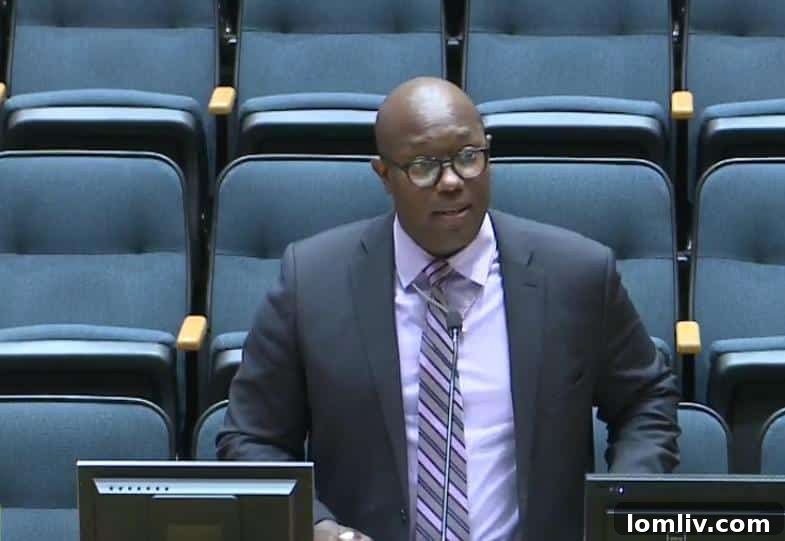
A significant underlying concern for many residents, particularly those in the surrounding South Dallas neighborhoods, was the potential for gentrification. Deputy Mayor Pro Tem Carolyn King Arnold openly expressed her apprehension that the church’s development plans, especially the proposed housing, could accelerate gentrification, leading to the displacement of long-standing residents and changes to the cultural fabric of the area. This fear resonates deeply in historically underserved communities, where development often arrives without adequate protections for existing populations.
Watermark officials’ reluctance to agree to deed restrictions further exacerbated these fears. While the church stated its desire to build housing, the specific nature of this housing—whether it would be genuinely affordable, mixed-income, or market-rate—remained unclear, contributing to worries that new developments might primarily cater to a different demographic, thus altering the community landscape.
The City Council’s Unanimous Decision and Its Rationale
Ultimately, the Dallas City Council voted unanimously to deny Watermark’s request. This decision, however, was rendered “without prejudice,” a critical distinction. It means that while the current plan was rejected, the church retains the option to revise its proposal, address the articulated concerns, and resubmit it for future consideration. This legal nuance provides a pathway forward while simultaneously sending a clear message about the shortcomings of the initial submission.
Council Members Emphasize Trust and Transparency
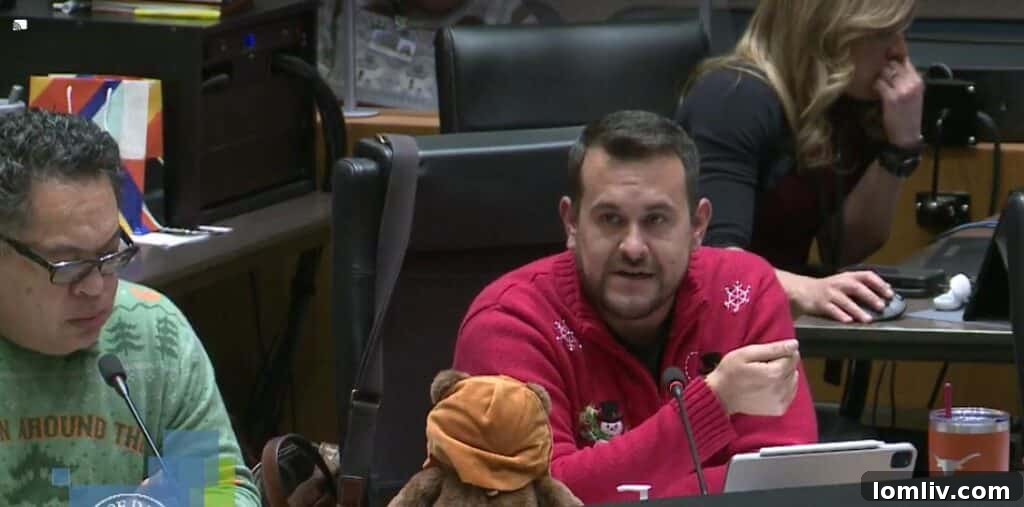
Council members articulated their reasons for the denial with a strong emphasis on community engagement and transparency. District 7 Councilman Adam Bazaldua, representing the district where the site is located, underscored the diligent efforts made by the community. He urged Watermark to “get back to the drawing board, to do what is necessary to earn trust within the community, and to answer a lot of these outstanding questions.” Bazaldua stressed that any foundational relationship must be “based on transparency,” questioning whether the project was truly about community benefit or primarily about Watermark’s desires.
District 6 Councilman Omar Narvaez echoed these sentiments, highlighting that the public interest did not appear to be a top priority in the submitted plan. He passionately conveyed the frustrations of residents, particularly those from “black and brown neighborhoods,” who often feel marginalized in development processes. Narvaez’s powerful statement resonated with the core issue: “you don’t want to get to know us and you want to shove something into our communities without making us a partner.” He advocated for genuine partnership, emphasizing the intelligence and clear vision of local community members regarding their neighborhoods’ needs and desires. “I hope this applicant will go back to the drawing board and make sure the community, the city, is getting what it needs and wants,” he concluded, setting a clear expectation for future submissions.
Implications and Future Outlook for Community-Centric Development
The Dallas City Council’s unanimous denial of Watermark Community Church’s rezoning request marks a significant moment for urban planning and civic engagement in the city. It serves as a powerful reminder that even large, well-resourced institutions must prioritize genuine community collaboration and address local concerns transparently when proposing major developments. The “denial without prejudice” offers Watermark a chance to recalibrate its approach, hopefully returning with a revised plan that directly incorporates community feedback and demonstrates a commitment to partnership rather than imposition.
For the South Dallas neighborhoods, this decision is a victory for grassroots advocacy, affirming that their voices are heard and valued by city leadership. It reinforces the importance of organizations like the South Dallas Fair Park Faith Coalition in safeguarding community interests against potential gentrification and ensuring that development contributes positively to existing residents’ well-being. This case sets a precedent, emphasizing that future large-scale projects in Dallas, particularly those in sensitive residential areas, must be built on foundations of trust, transparency, and a deep understanding of community needs and aspirations.
The path forward for Watermark Community Church will undoubtedly involve a more intensive and inclusive engagement process. The success of any future resubmission will depend on their ability to articulate clear, consistent goals, agree to reasonable deed restrictions, and demonstrate a sincere commitment to becoming a genuine partner in the South Dallas community. This episode underscores a growing trend in urban development where community-centric planning is no longer optional but a fundamental requirement for project approval and long-term success.