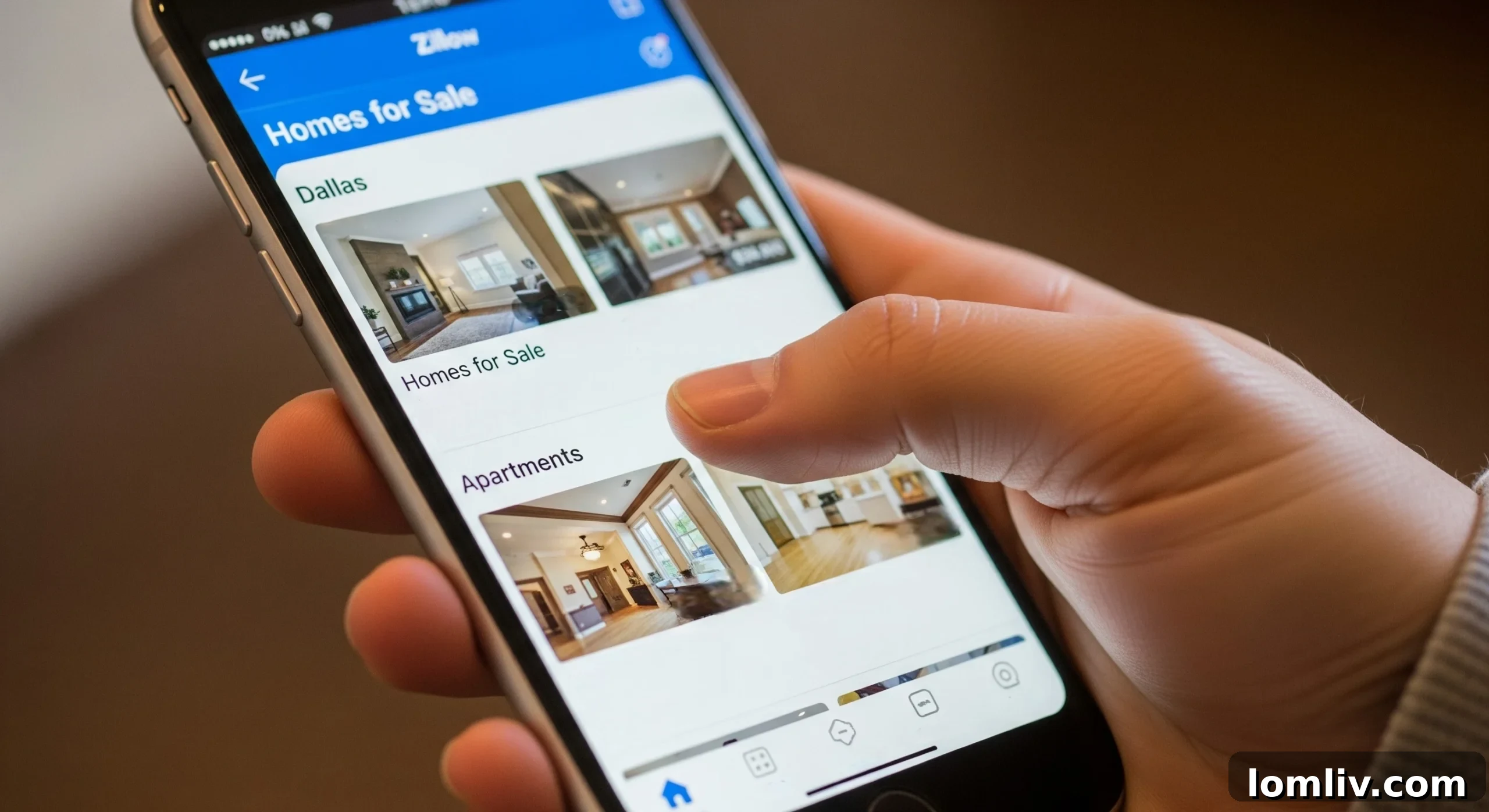
For over a decade, Zillow has stood as the undisputed titan in the American real estate landscape, particularly when it comes to the bustling market of Dallas. When residents of Dallas, Texas, embarked on the journey to buy or sell a house in Dallas, Zillow was often their first port of call. Its immense reach, comprehensive listings database, and the convenience of an instant home value estimate – the Zestimate – solidified its position as the go-to platform. In many respects, Zillow didn’t just participate in the Dallas real estate market; it largely dictated the terms of engagement for how properties were searched, valued, and showcased.
However, even the most dominant platforms have their limitations, and those who have navigated Zillow for buying or selling property in Dallas are increasingly aware of its imperfections. The widely cited Zestimate, while convenient, frequently deviates from actual market values, leaving both buyers and sellers questioning its accuracy. Real estate agents in Dallas often voice concerns about the quality of leads generated by the platform, finding that many don’t translate into serious client relationships. Furthermore, sellers in a dynamic and diverse market like Dallas ponder whether a national behemoth can truly grasp the intricate, street-level nuances that define their unique properties. While Zillow’s sheer scale is undeniably impressive, the crucial element of personalized, hyper-local connection often feels missing, a void that the savvy Dallas real estate community is beginning to pinpoint.
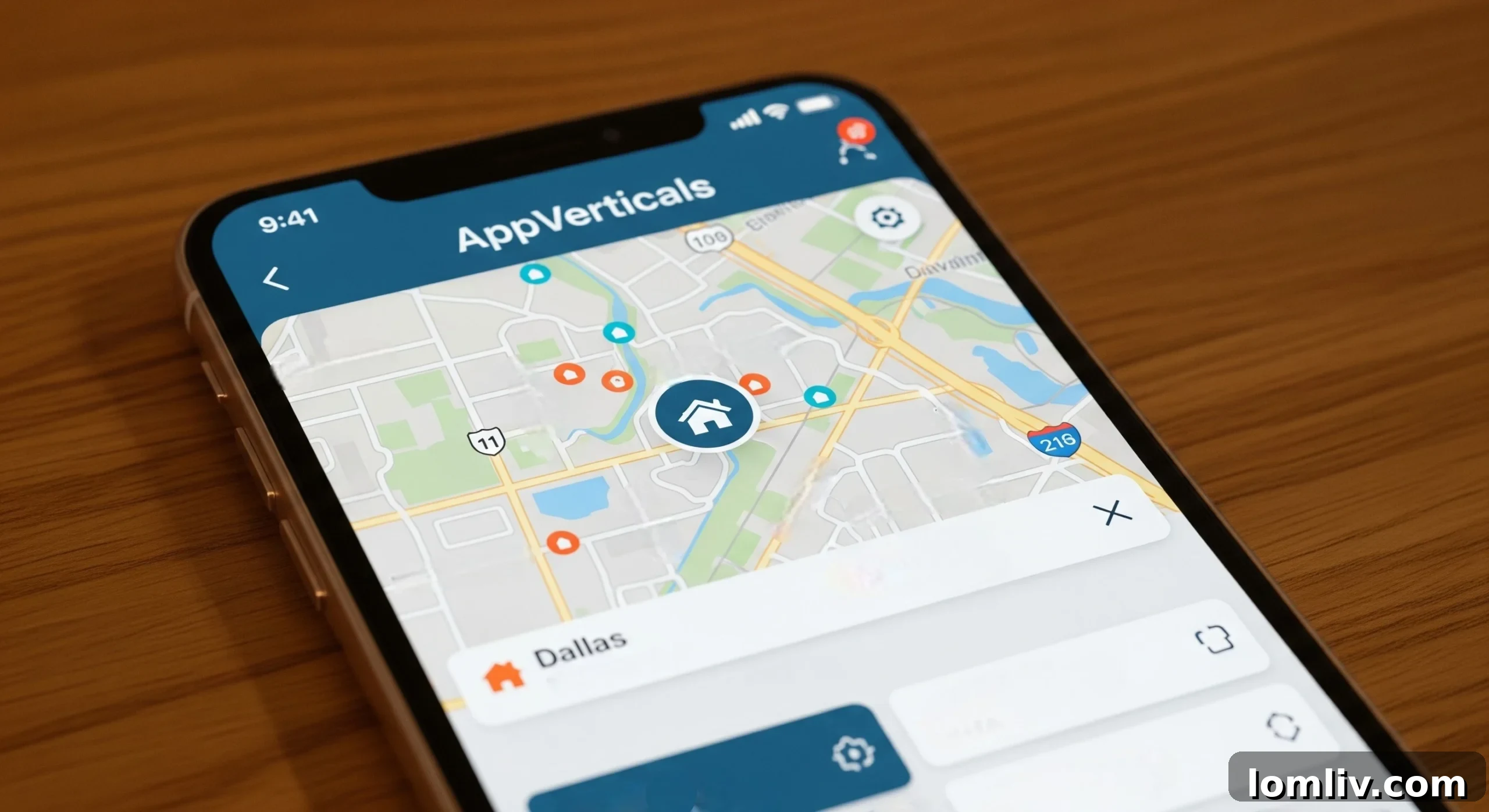
This growing dissatisfaction with a one-size-fits-all approach is now fueling a critical discussion: What if a truly localized real estate app emerged, one that possessed an intimate understanding of the Dallas market block by block? An application capable of fostering deeper trust with prospective buyers through precise, context-rich data, and simultaneously delivering more qualified, higher-converting leads for sellers? Should such a sophisticated, Dallas-centric platform gain traction, it could potentially mark a significant turning point, positioning Dallas as the pioneering city where Zillow finally encounters genuine, robust competition in the digital real estate space.
This paradigm shift won’t materialize overnight, but the whispers of change are growing louder, signifying a burgeoning movement towards more tailored solutions for the distinct needs of Dallas homebuyers and sellers.
Why Zillow Continues to Dominate Dallas Real Estate
In Dallas, Zillow isn’t merely a website; it has become synonymous with the very act of house hunting. For countless buyers initiating their property search, the automatic reflex is to open the Zillow app, scrolling through listings and visualizing potential homes long before considering a call to a professional real estate agent. Similarly, for those looking to sell a property in Dallas, Zillow is perceived as the most efficient and far-reaching avenue to gain visibility for their home. Real estate agents themselves acknowledge its omnipresence, understanding that to be absent from Zillow’s extensive database is to potentially miss out on a significant segment of the market. This platform has seamlessly integrated itself into the local real estate workflow to such an extent that its usage is often an unspoken, unquestioned first step for nearly everyone involved.
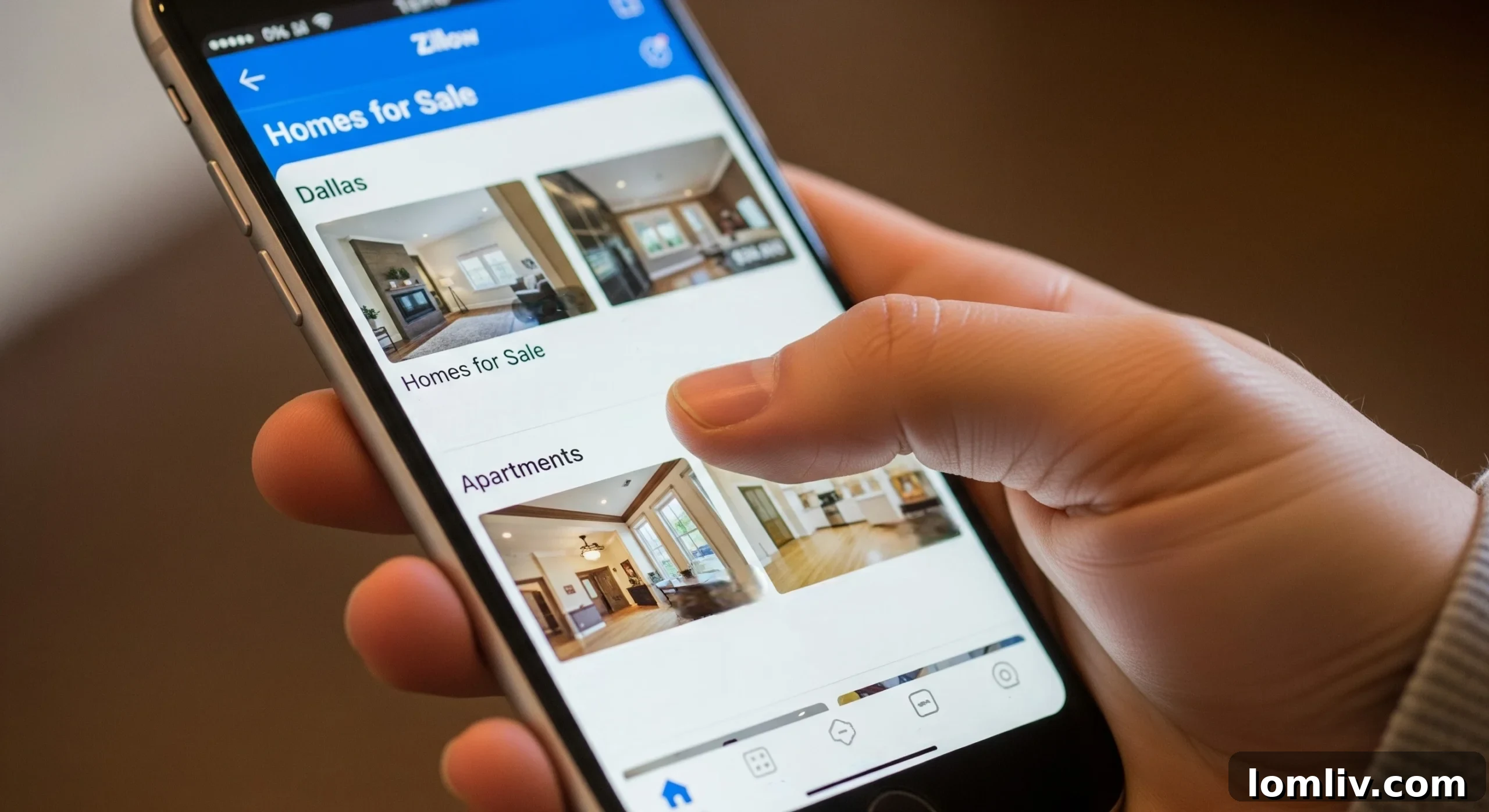
The core features offered by Zillow have been instrumental in cementing this leadership position. The Zestimate, despite its known inaccuracies, provides buyers with an immediate, albeit approximate, valuation, offering a crucial starting point for their budgeting and expectations. The platform’s extensive coverage spans virtually every neighborhood across Dallas and its sprawling metropolitan area, ensuring a comprehensive view of available properties. Moreover, Zillow’s powerful brand recognition has cultivated an inherent sense of trust and familiarity, making it the perceived natural first step in the home search process. In a rapidly expanding city like Dallas, where time is often of the essence and convenience is highly valued, Zillow has consistently delivered a streamlined, user-friendly experience that resonates with a broad audience.
The potent combination of unparalleled visibility, readily accessible data, and ingrained user habits has collectively rendered Zillow the default, primary marketplace for Dallas real estate. Yet, Dallas represents a dynamic and ever-evolving market, characterized by rapid growth and diverse housing demands. Even the most entrenched and trusted platforms can begin to lose their footing when the local populace, seeking more refined and accurate solutions, starts actively exploring superior alternatives. This underlying sentiment is precisely what is paving the way for a potential shift in the Dallas real estate technology landscape.
Uncovering the Cracks in Zillow’s Foundation in Dallas
Despite its formidable market penetration and extensive reach, Zillow exhibits specific vulnerabilities that become particularly pronounced within the unique context of the Dallas real estate market. The most frequently cited and widely recognized example of this imperfection is the Zestimate. Many prospective homebuyers, particularly those new to the market, tend to regard this automated valuation as an infallible indicator of a property’s worth. However, seasoned real estate agents operating in Dallas consistently report that the Zestimate can diverge significantly from actual market values, sometimes by tens of thousands of dollars in either direction. This discrepancy can lead to inflated buyer expectations or undervalued seller perceptions, complicating negotiations and fostering mistrust.
Another significant challenge lies in Zillow’s inherently national scale. The platform was meticulously engineered to cater to the diverse housing markets across the entire United States, not specifically optimized for a single metropolitan area like Dallas, which boasts dozens of highly distinct neighborhoods. Consider the stark contrast between a meticulously preserved historic Craftsman home in Munger Place and a brand-new, modern construction in the rapidly developing suburb of Frisco. While these properties cater to vastly different buyer demographics and possess unique market dynamics, Zillow’s platform often tends to flatten these critical distinctions. This homogenization deprives buyers of the essential hyper-local context they need to make informed decisions, while sellers struggle to effectively highlight the unique attributes and inherent value that make their home genuinely stand out within its specific Dallas enclave.
Dallas real estate agents also keenly feel the limitations. While Zillow undeniably generates a substantial volume of leads, a considerable proportion of these often fail to convert into legitimate, committed clients. Realtors frequently find themselves dedicating invaluable hours to pursuing inquiries that ultimately lead nowhere, a significant drain on resources that could otherwise be invested in serving serious buyers and sellers with personalized, high-quality assistance. This inefficiency can be frustrating and costly for local professionals.
These persistent gaps in accuracy, local contextualization, and lead quality do not inherently negate Zillow’s considerable presence and utility in the Dallas market. However, they undeniably create a palpable void, an open space ripe for the emergence of a more localized, demonstrably accurate, and ultimately more efficient real estate solution to take firm root and flourish within the dynamic Dallas ecosystem.
The Rise of Challenger Real Estate Apps in Dallas
In response to the observed shortcomings of national platforms, a new generation of real estate applications is beginning to emerge and gain traction in Dallas. These innovative platforms are meticulously designed with a fundamentally different philosophical approach compared to Zillow. Rather than pursuing an overarching national scale, these Dallas-centric apps prioritize delivering razor-sharp pricing tools, offering unparalleled neighborhood-level insights, and integrating features that precisely align with the distinct preferences and actual home shopping behaviors of Dallas residents. The housing requirements of a young professional seeking an urban lifestyle in Oak Lawn, for instance, are vastly different from the needs of a growing family searching for space and good schools in Plano. A traditional, one-size-fits-all model frequently struggles to accurately capture and cater to such nuanced and diverse demands.
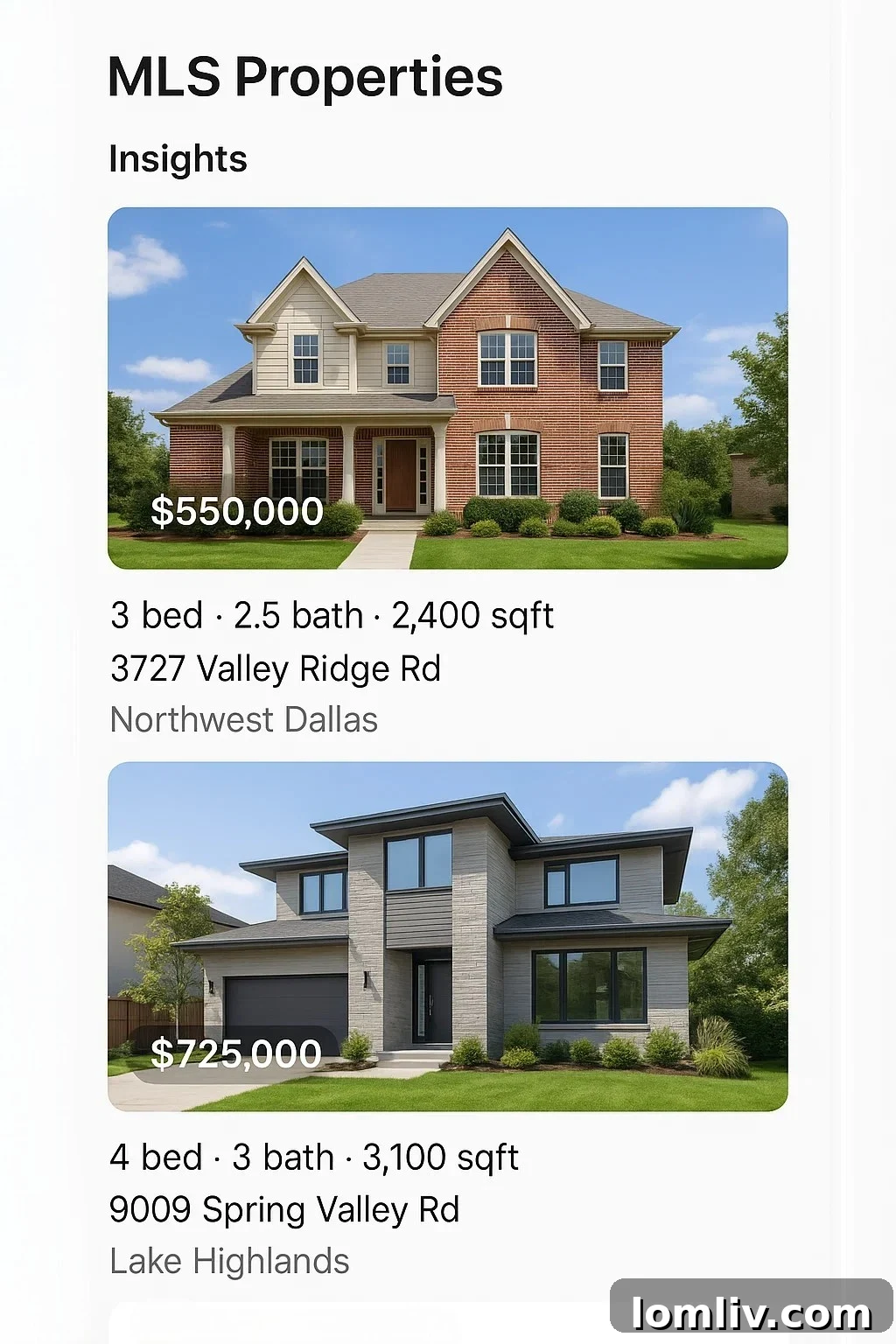
This new wave of sophisticated real estate applications leverages more advanced and granular valuation methodologies. They seamlessly integrate real-time data directly from local Multiple Listing Services (MLS) – the most accurate and up-to-date source of property information available to licensed professionals. Furthermore, these platforms boast cleaner, more intuitive user interfaces and designs that prioritize clarity and ease of navigation. The tangible benefits are clear: buyers can compare homes with a much richer, more relevant context, making more confident and informed decisions. Concurrently, real estate agents gain a significantly better opportunity to connect directly with serious, pre-qualified clients, rather than expending effort on casual browsers or less committed inquiries.
This wave of innovation is a testament to the increasing role of specialized real estate app development companies. These firms are working in close collaboration with Dallas-based real estate professionals to engineer digital tools that feel inherently native and bespoke to the city’s unique character. The overarching objective isn’t to outright replace Zillow overnight, but rather to construct robust, reliable platforms that genuinely reflect the distinctive charm and diverse characteristics of Dallas neighborhoods. These efforts aim to provide a more dependable and localized support system for all key stakeholders: prospective buyers, motivated sellers, and dedicated real estate agents operating within the Dallas metropolitan area.
Local Apps vs. Zillow: A Head-to-Head Comparison in Dallas
When one places a purpose-built Dallas real estate app alongside a national platform like Zillow, the distinctions become immediately apparent. Zillow’s primary strength lies in its unparalleled national reach and brand recognition, but this broad focus often comes at the expense of localized accuracy. Many homebuyers, as previously noted, perceive the Zestimate as a definitive, unchangeable valuation, leading to potential misunderstandings. However, experienced Dallas real estate agents know that the Zestimate can frequently miss the true market value by a considerable margin, failing to account for specific micro-market trends, recent comparable sales, or unique property features.
In contrast, local Dallas real estate apps are specifically engineered to lean heavily on precise MLS data. They then augment this foundation with invaluable contextual insights drawn directly from the neighborhoods themselves – factoring in local amenities, school district performance, specific street appeal, and recent sales figures that are relevant to that particular micro-market. This meticulous approach ensures that the valuation numbers presented align far more closely with what homes are genuinely selling for in the current Dallas market. This level of accuracy is crucial: it prevents buyers from inadvertently chasing inflated prices based on inaccurate estimates and empowers local agents with concrete, fact-based arguments that hold up robustly during negotiation processes.
The user interface and overall platform layout represent another significant point of divergence. Zillow’s interface, while functional, can often feel cluttered and overwhelming. It’s frequently peppered with advertisements, intrusive pop-ups, and an array of extra prompts that can detract from the core property browsing experience. The newer generation of Dallas-specific real estate apps, however, prioritize simplicity and a minimalist design aesthetic. The user experience is streamlined: you scroll, you view the property details, and that’s the primary interaction. This uncluttered approach allows agents more dedicated space and a clearer canvas to showcase a property’s best features, ensuring it commands attention without having to compete with extraneous digital noise.

It is important to clarify that Zillow is certainly not poised to disappear from the Dallas real estate scene. It would be a misrepresentation to suggest that an established app like Zillow possesses no inherent strengths or value. Its broad focus and accessibility remain undeniable assets. However, this very breadth creates inherent limitations, particularly in a nuanced market like Dallas, which local competitors are keenly eager to address and improve upon. In a sprawling and diverse metropolis like Dallas, that wide-angle lens frequently misses the critical, intricate details that genuinely matter to buyers and sellers. Smaller, more precisely focused platforms are demonstrating that they can be quicker, clearer, and ultimately, easier to trust when it comes to navigating the complexities of local property transactions.
The Unique Dallas Factor: A Perfect Storm for Real Estate Tech Innovation
Dallas, Texas, has rapidly ascended to become one of the most vibrant and fiercely competitive housing markets in the entire United States. This dynamic environment makes it an exceptionally fertile testing ground for innovative real estate technology. The city is experiencing an unprecedented influx of new residents, with demand for housing consistently outstripping supply. The sheer diversity of housing options available further complicates the search: from charming, revitalized starter homes in East Dallas to expansive suburban properties in Plano, and cutting-edge new developments sprawling across Frisco. A single, undifferentiated real estate application simply cannot effectively cater to these vastly different segments and expect to satisfy the discerning needs of Dallas homebuyers.
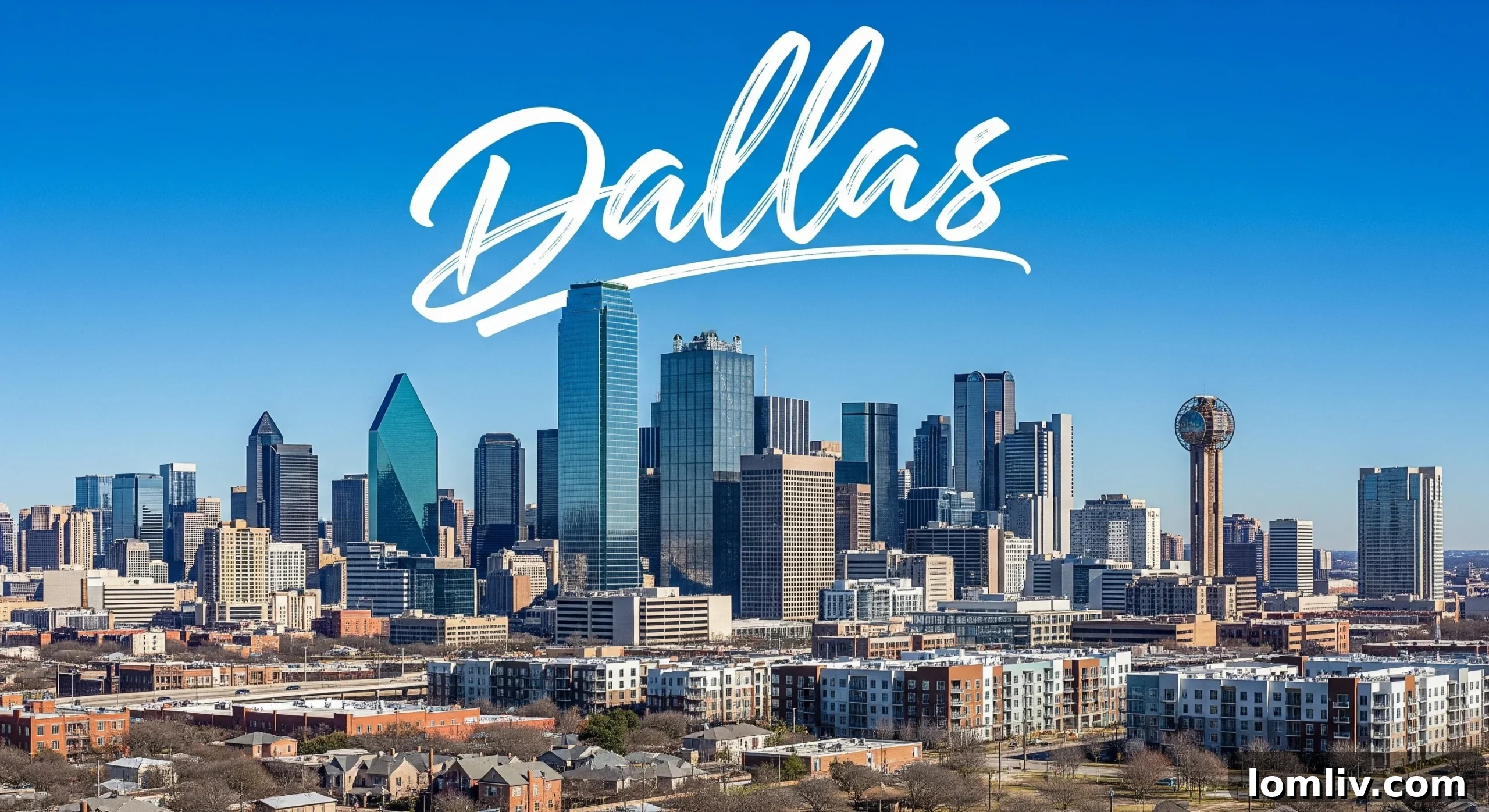
In Dallas, critical factors such as property prices, the quality of local school districts, and even the distinct architectural character or “feel” of a specific block can vary dramatically from one part of the city to the next. An application equipped with the sophisticated intelligence to discern the fundamental differences between a property in Oak Cliff and one in affluent Highland Park, or to distinguish the unique appeal of a historic home versus the modern amenities of a new build, will invariably outperform a generic, one-size-fits-all search tool. This hyper-local awareness is not just a luxury; it’s a necessity for navigating the Dallas market effectively.
Furthermore, the professional real estate community in Dallas is generally known for its proactive and adaptable approach. Local Realtors are increasingly willing to explore and adopt new technological solutions. They are actively seeking platforms that can deliver high-quality, pre-qualified leads, thereby minimizing wasted time and maximizing their efficiency. They are open to tools that grant them greater control over their listings, client interactions, and overall business processes. This prevailing openness to innovation among Dallas real estate professionals is a pivotal factor, providing a strong indication that Dallas is uniquely positioned to be the first major market where a serious and effective competitor to Zillow could truly gain significant momentum and flourish.
A Global Perspective: The Trend Towards Local Real Estate Solutions
The shift towards more localized real estate platforms is not an isolated phenomenon exclusive to Dallas; it’s a global trend, with various cities worldwide witnessing similar movements, each shaped by the distinctive characteristics of its own market. In the sprawling metropolis of London, for example, highly specialized rental apps often dominate the market, catering to a transient population and a unique leasing culture. In the compact and technologically advanced city-state of Singapore, the driving force behind new real estate technology is often a push for enhanced transparency and efficiency in property transactions. Meanwhile, in Toronto, Canada, innovative tools are emerging that cater specifically to its incredibly diverse buyer base, offering multi-lingual support and culturally sensitive search filters.
Consider Dubai, a vibrant global hub where international investors play a particularly significant role in the real estate market. It’s common to see a sophisticated mobile app development company in Dubai step in with bespoke tools designed to facilitate seamless browsing and purchasing of properties from anywhere in the world, catering to a predominantly international clientele.
Cities such as Sydney, Berlin, and countless others across the globe exhibit the same discernible pattern: real estate technology consistently adapts itself to precisely what the local market specifically demands. Sometimes this adaptation is driven by stringent local regulations, at other times by explosive population growth, or perhaps by intense investor pressure. Dallas now finds itself squarely in this global mix. The city possesses a unique opportunity to cultivate and deploy its own distinct version of advanced real estate tools – platforms that are genuinely custom-tailored to its diverse neighborhoods and accurately reflect the highly specific ways in which its residents buy and sell property. This localized approach promises to unlock greater efficiency, accuracy, and satisfaction for all participants in the Dallas real estate ecosystem.
Implications for Dallas Realtors and Homebuyers

For dedicated Dallas real estate agents, this emerging wave of localized apps represents a profound opportunity to recalibrate their focus and return to the core principles of client-centric service. Instead of diligently pursuing dozens of lukewarm leads that rarely culminate in genuine client relationships, they can now engage with platforms specifically engineered to deliver high-quality, pre-qualified leads. This fundamental shift means agents can allocate significantly more time to meaningful face-to-face interactions, strategic discussions, and personalized guidance for real buyers and sellers, rather than sifting through endless forms and inquiries that lead nowhere. The result is increased productivity, higher conversion rates, and ultimately, greater job satisfaction.
Prospective homebuyers in Dallas stand to gain immensely from enhanced clarity and confidence in their decision-making process. When home values are meticulously derived from authoritative MLS data and rigorously cross-referenced with actual, verifiable sales in specific neighborhoods like Oak Cliff, Plano, or Frisco, buyers can proceed with a much higher degree of certainty. They are no longer left to grapple with the anxiety of whether a Zestimate is off by a staggering $40,000. Instead, they can channel their energy and focus on the truly pivotal factors that impact their lifestyle and investment, such as optimal commute times along I-635, the performance and reputation of schools in Richardson, or the long-term appreciation potential of a particular home in East Dallas. This precise, context-rich information empowers buyers to make choices that align perfectly with their priorities and financial goals.
Home sellers in Dallas also benefit significantly from this market evolution. When buyers approach the process armed with more accurate and comprehensive information, and agents are equipped with superior, more efficient tools, properties can be priced more accurately in alignment with current market realities. Furthermore, homes can be showcased with rich context that genuinely highlights their true worth and unique selling propositions. This synergy leads to more streamlined and transparent negotiations, drastically reducing the likelihood of deals stalling or falling apart due to mismatched expectations or inaccurate valuations. The entire transaction process becomes smoother, faster, and more mutually beneficial for all parties involved.
While these technological advancements and market shifts will not revolutionize the Dallas real estate landscape overnight, they collectively signal a clear trajectory towards a future where technology is expertly tailored to fit the intricate dynamics of the city, rather than attempting to force Dallas into a restrictive, generic, one-size-fits-all model. This localized approach promises a more efficient, equitable, and satisfying real estate experience for everyone.
The Road Ahead: What’s Next for Dallas Real Estate Technology?
It is unequivocally clear that Zillow is not on the verge of disappearing from the Dallas market tomorrow. Its brand recognition is pervasive, and a substantial number of buyers will undoubtedly continue to utilize the familiar app as their initial step in the property search. However, the current landscape in Dallas is markedly different from previous years. The city is undergoing explosive growth, with over 150,000 new residents having moved into the metropolitan area in just the last few years. This rapid expansion, coupled with a diverse and increasingly sophisticated consumer base, is driving a strong demand for real estate tools that can genuinely reflect and keep pace with this dynamic environment.
What is most likely to unfold in the coming years is a gradual but discernible handoff in preferences. Dallas real estate agents will likely maintain Zillow as part of their comprehensive strategy, recognizing its broad reach. However, they will increasingly introduce and advocate for local, specialized real estate apps to clients who are seeking a sharper, more precise, and context-rich experience. Buyers, in turn, will be motivated to explore these alternatives, driven by a growing weariness of generic, often inaccurate, valuations that contradict the nuanced insights provided by their local agents. If these localized applications consistently deliver on their promises – offering cleaner, more accurate valuations, superior listing presentations, and robust, high-quality leads – then user trust will naturally and organically build over time, fostering a loyal user base.
The technological capabilities of these challenger apps are also rapidly advancing. Features such as sophisticated MLS-backed pricing algorithms that dynamically adjust to real-time market shifts, interactive maps that meticulously break down neighborhoods street by street, and even advanced filters that allow users to search based on highly specific criteria like walkability scores or precise commute times to specific destinations are already being rigorously tested and refined in other forward-thinking markets. It’s only a matter of time before these cutting-edge functionalities become standard offerings within Dallas-centric real estate platforms, further enhancing their utility and appeal.
The real estate market in Dallas will not undergo a radical, instantaneous transformation. But by closely observing the evolving behaviors, preferences, and demands of buyers, sellers, and agents within this vibrant city, one can undeniably perceive the subtle yet significant shifting of the ground beneath the feet of traditional real estate technology. Dallas is poised to lead the way in embracing a more intelligent, localized, and ultimately more effective future for digital real estate.