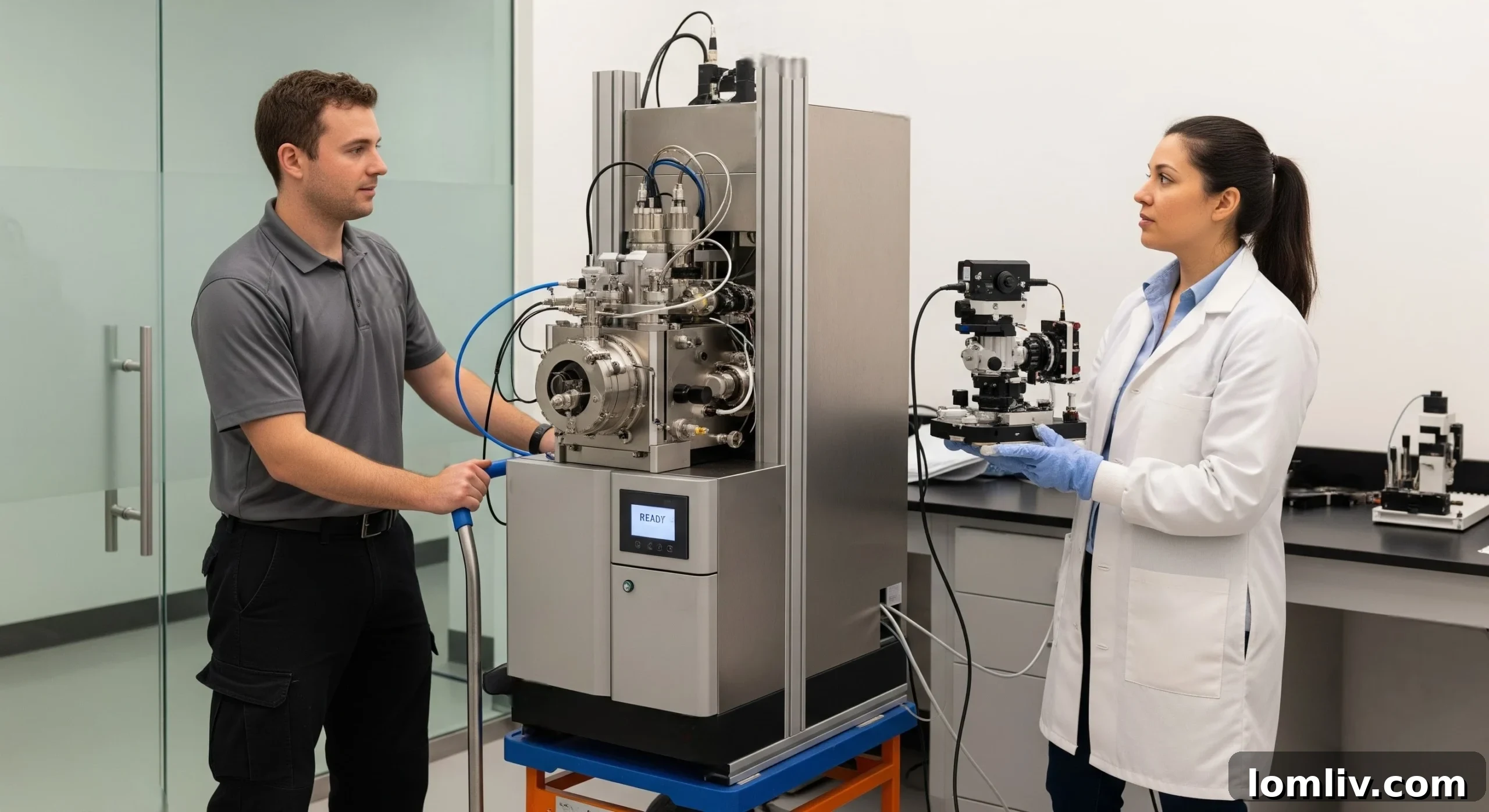
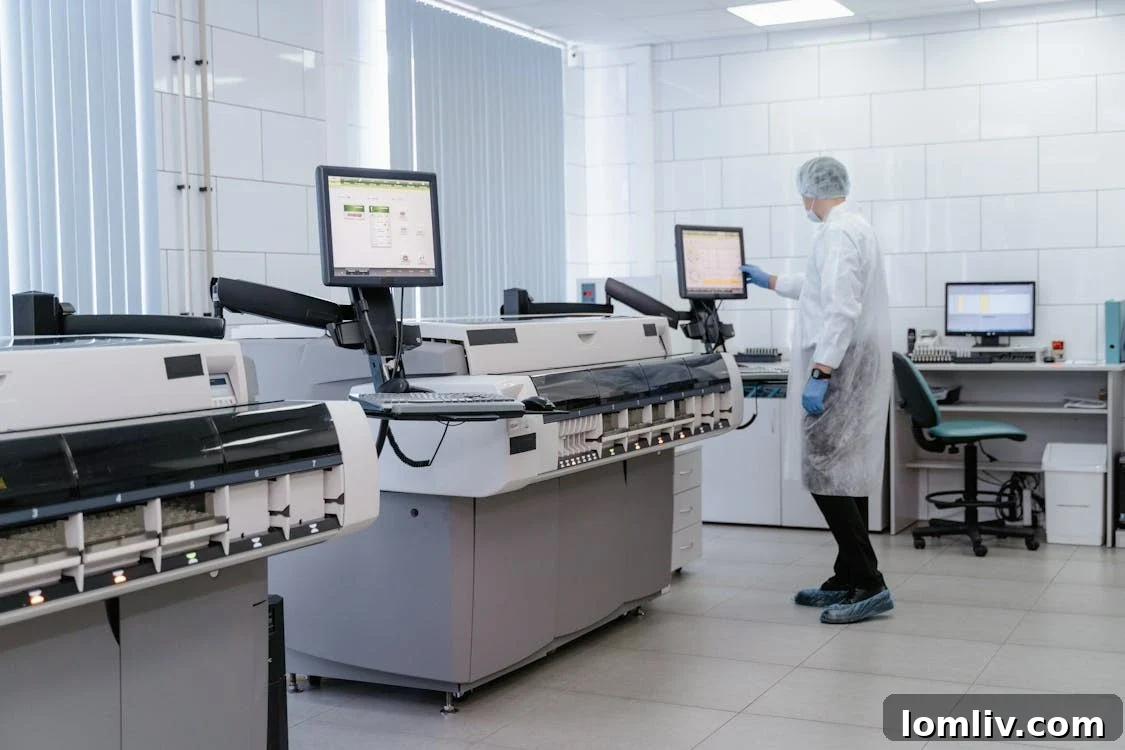
Relocating a laboratory is a critical operation that can either propel a business forward or halt its progress entirely. Unlike standard office moves, a laboratory relocation, particularly in a dynamic hub like Boston, involves an intricate dance of precision, compliance, and risk management. You are not just shifting furniture; you are transporting highly sensitive scientific equipment that is vulnerable to the slightest vibration, moving hazardous materials under strict regulatory controls, and adhering to complex rules that dictate every step of the process. What might appear as a straightforward change on a floor plan quickly escalates into a meticulously coordinated, high-stakes logistical challenge that demands specialized expertise.
When the planning for such a complex endeavor falls short, the repercussions are immediate, far-reaching, and incredibly expensive. It’s not merely a matter of schedules slipping; it impacts critical calibrations, disrupts chain-of-custody logs for sensitive samples, and compromises essential safety protocols. A single misstep can lead to severe compliance violations, irreparably damaged equipment, spoiled biological or chemical samples, and weeks, if not months, of interrupted research. These delays cascade into significant budget overruns, missed deadlines, and potentially lost opportunities. For facilities managers, the margin for error in a laboratory move is exceptionally slim, making expert planning and execution paramount.
Why Laboratory Relocations Demand More Than Standard Commercial Moves
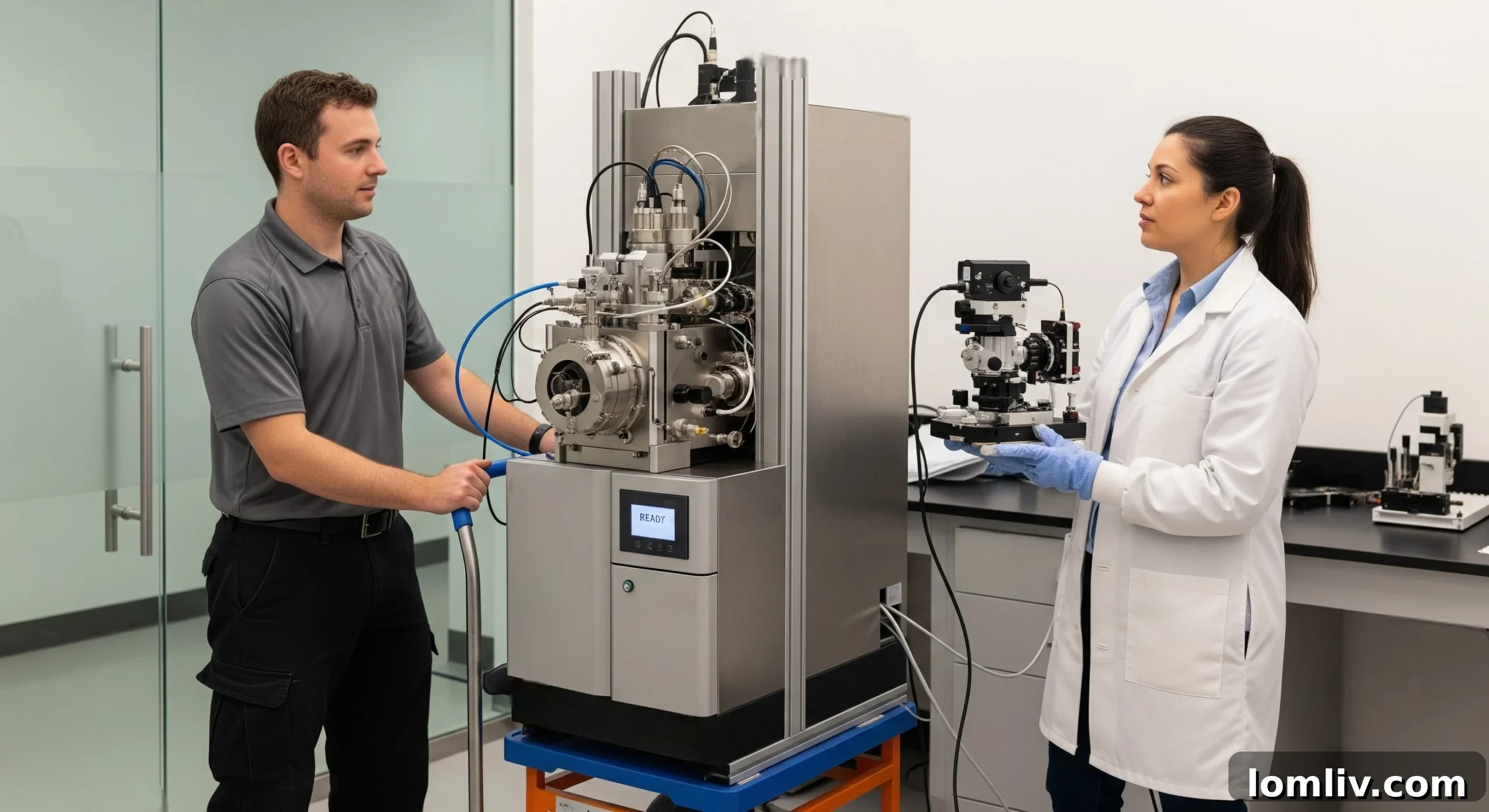
Standard commercial relocations typically involve the transfer of office furniture, file cabinets, and general electronics. In stark contrast, laboratory relocations navigate a landscape populated by volatile chemicals, exquisitely calibrated instruments, and irreplaceable biological samples that can degrade or become compromised within hours if critical cold-chain custody protocols are breached. This fundamental difference alone dictates an entirely unique approach to every aspect of the transition, from packing and transportation to installation and validation.
Adding another formidable layer of complexity are the stringent regulatory obligations. Guidelines from the Environmental Protection Agency (EPA), Occupational Safety and Health Administration (OSHA) standards, Department of Transportation (DOT) regulations for hazardous materials, and specific Massachusetts state-level permits do not simply pause during a move. They actively follow the laboratory to its new location. Any lapse in regulatory compliance during packing, transit, or unpacking can trigger immediate fines, mandatory shutdowns, or even legal action, significantly jeopardizing ongoing research and operations.
Furthermore, downtime in a laboratory compounds problems exponentially. A stalled research timeline doesn’t just mean a few lost days; it can lead to the expiration of expensive reagents, the corruption of irreplaceable data sets, and the complete invalidation of months or even years of painstaking work that must then be repeated from scratch. The financial and scientific cost of downtime in a specialized lab environment is astronomically higher than in a typical office setting, often impacting grant funding, intellectual property, and critical product development cycles.
This is precisely why collaborating with a specialized laboratory relocation company is not merely beneficial, but essential. Such a partner possesses extensive experience in handling delicate lab equipment, managing hazardous materials transport, and navigating the labyrinth of regulatory compliance. Their expertise ensures that downtime is minimized and all protocols are rigorously followed, effectively closing the critical gaps that general movers are simply not equipped or qualified to manage. From biotech lab moving to pharmaceutical lab relocation, specialized scientific equipment movers offer unparalleled peace of mind.
Crafting a Phased Lab Relocation Timeline for Success
A meticulously structured laboratory relocation timeline is the cornerstone for preventing the cascade of problems inherent in lab moves. By breaking the entire process into three distinct, manageable phases, facilities managers gain a robust framework that can be flexibly adapted to their specific scope, team size, and unique regulatory requirements, ensuring a smooth transition.
8 to 12 Weeks Out: Comprehensive Scoping and Logistics Planning
The initial phase of lab relocation is arguably where the highest-impact decisions are made, setting the tone for the entire project. It is imperative to appoint a dedicated move coordinator early in this stage. This individual will serve as the single point of accountability, streamlining communication and managing logistics across all departments involved. Equally critical is the immediate and continuous involvement of the Environmental Health and Safety (EHS) manager. They must be integrated from day one to proactively identify and mitigate potential hazards and ensure compliance, rather than being brought in later to troubleshoot preventable problems.
During this crucial 8 to 12-week window, the relocation team must diligently complete several key tasks:
- **Thorough Infrastructure Audit**: A comprehensive assessment of the destination lab’s infrastructure is paramount. This includes evaluating HVAC capacity for climate control, verifying sufficient electrical loads for all equipment, inspecting ventilation systems for fume hoods and biosafety cabinets, and confirming the configuration and pressure of specialized gas lines (e.g., nitrogen, argon, medical gases). Assessing floor loading capacity for heavy equipment and the availability of purified water systems and waste disposal infrastructure are also vital.
- **Secure Lease Overlap**: Negotiating and securing lease overlap between the original and new laboratory spaces is a non-negotiable step. This critical buffer ensures that the original lab remains fully accessible and operational during the initial setup, validation, and troubleshooting phases at the new location, preventing a full shutdown and enabling a phased transition.
- **Organize Business Contracts, Permits, and Licenses**: All existing business contracts, essential permits, and licenses must be meticulously organized. This includes chemical registrations, waste generator permits, institutional review board (IRB) approvals, and animal care and use committee (IACUC) protocols. A plan must be established for transferring these or applying for new ones at the new address, anticipating the lead times required for approval.
In highly competitive markets like Boston’s Cambridge or Seaport District, lease overlap is sometimes viewed as an optional cost-saving measure. However, it provides an indispensable buffer. Should any critical aspect at the new site, such as a utility connection or a safety system, not be ready as planned, operations can continue uninterrupted in the old facility, preventing costly delays and ensuring research continuity.
4 to 6 Weeks Out: Detailed Equipment and Material Preparation
With the overarching logistics firmly established, the focus of the relocation shifts to the meticulous preparation of the physical inventory. Building a comprehensive lab moving checklist, systematically organized by functional zones or departments, keeps this complex phase manageable. Each zone should categorize equipment not only by type but also by its sensitivity level (e.g., standard, delicate, ultra-sensitive). It’s crucial to flag instruments that require manufacturer-led decommissioning (such as electron microscopes or NMR machines due to their complexity, warranty requirements, or internal component safety) and to note all items that will necessitate recalibration or requalification after reinstallation at the new site.
Hazardous materials demand their own rigorously separate logistics track. Licensed carriers specializing in hazmat transport must be scheduled well in advance. Packaging protocols for these materials need to align precisely with DOT and EPA requirements, including specific container types, labeling, placarding, and segregation rules to prevent incompatible substances from being stored or transported together. For controlled substances, maintaining a strict chain of custody and detailed manifest documentation is vital. Simultaneously, vendor availability for specialized scientific equipment relocation and subsequent recalibration or requalification at the destination must be confirmed during this phase, as scheduling delays here can easily stall the entire move and impact critical research timelines.
Final 2 Weeks: Execution and Verification, Zone by Zone
The carefully developed phased move plan truly comes to life in the final two weeks, with the actual execution unfolding zone by zone. Before any laboratory equipment arrives at the new site, it is absolutely essential that all utility and safety systems are thoroughly verified and confirmed to be fully operational. This includes running functional checks on fume hoods to ensure proper airflow rates, testing emergency showers and eyewash stations, verifying the integrity of specialized gas lines through pressure tests, and confirming the reliability of backup power systems to prevent critical surprises on day one of operation.
Furthermore, all permits and regulatory compliance documentation for the new address must be confirmed as active and valid before any hazardous materials are brought on-site. Skipping this critical step poses a significant legal and safety risk, potentially leading to severe violations, hefty fines, and operational delays that could far exceed the duration of the move itself. The methodical, zone-by-zone approach minimizes overall disruption, allows for focused troubleshooting, and ensures a controlled environment throughout the final stages of the relocation.
Post-Move Calibration, Requalification, and Safety Checks: Ensuring Operational Integrity

Once specialized lab equipment arrives and is reinstalled at the new facility, the work is far from complete. The inherent stresses of relocation—vibration during transit, fluctuations in temperature or humidity, and even minor handling shifts—can push precision instruments out of their specified tolerances. Without rigorous post-move verification, a laboratory team could inadvertently resume work on equipment that appears functional but is, in reality, delivering unreliable or inaccurate results, compromising the integrity of all subsequent research.
Equipment calibration and requalification after a move is far more than simply a best practice; it is a fundamental regulatory requirement, and there are several important reasons to calibrate equipment after a laboratory move. Documented verification, confirming that each instrument meets its original operational specifications and traceability to national or international standards, must be completed and recorded before any lab operations can legitimately restart. Neglecting this crucial step puts both regulatory compliance and the scientific data integrity at significant risk, potentially invalidating research outcomes or leading to costly rework.
A comprehensive post-move validation checklist needs to meticulously cover several specific and critical areas:
- **Updated Calibration Records**: Meticulously update and document calibration records for every single precision instrument, ensuring traceability and compliance with standards such as ISO 17025, GLP (Good Laboratory Practice), or GMP (Good Manufacturing Practice).
- **Safety System Tests**: Conduct exhaustive tests on all safety systems, including emergency shutoffs, fire suppression systems, alarms, chemical spill kits, first aid stations, and emergency power systems.
- **Fume Hood Recertification**: Every fume hood and biosafety cabinet must undergo recertification at its new location to confirm proper airflow, containment, and protective functionality.
- **Cold Storage Temperature Verification**: Implement and verify continuous temperature monitoring for all cold storage units (refrigerators, freezers, ultra-low freezers) over a minimum 24-hour period, ensuring stable temperature mapping and alarm functionality.
Laboratory teams should also strategically build a contingency window into the relocation schedule. If post-move calibration or requalification reveals hidden damage or unforeseen functional issues that were not visible during transit, having backup options ready prevents open-ended downtime from completely derailing the entire timeline. This could involve leveraging rental instruments from trusted suppliers or arranging temporary access to partner lab facilities to fill critical operational gaps while repairs or replacements are arranged.
Protecting Research Continuity and Uptime Across the Entire Transition
The fundamental distinction between a highly disruptive laboratory move and a seamlessly executed one almost always hinges on the thoroughness of the planning window, rather than solely on the moving day itself. When a dedicated team is afforded ample time for meticulous preparation, they can proactively identify potential infrastructure gaps, strategically schedule qualified and specialized vendors, and ensure all regulatory documentation remains current and compliant, effectively preventing last-minute scrambles and costly oversights. Every single phase of this intricate process converges to support one clear, overarching goal: to get the laboratory fully operational in its new commercial property with absolute minimal disruption, zero compliance gaps, unquestionable data integrity, and no irreplaceable equipment losses.
For diligent facilities managers, achieving this outcome demands a steadfast commitment to implementing and adhering to a structured lab relocation timeline. It also necessitates strategically partnering with professional laboratory moving companies who possess an intimate understanding of complex lab requirements, and unequivocally treating post-move calibration, requalification, and safety verification as non-negotiable, essential steps. When executed with this level of precision and expertise, the laboratory transition not only protects your invaluable personnel and groundbreaking research but also safeguards your critical operational uptime and ensures the long-term success and continuity of your scientific endeavors.