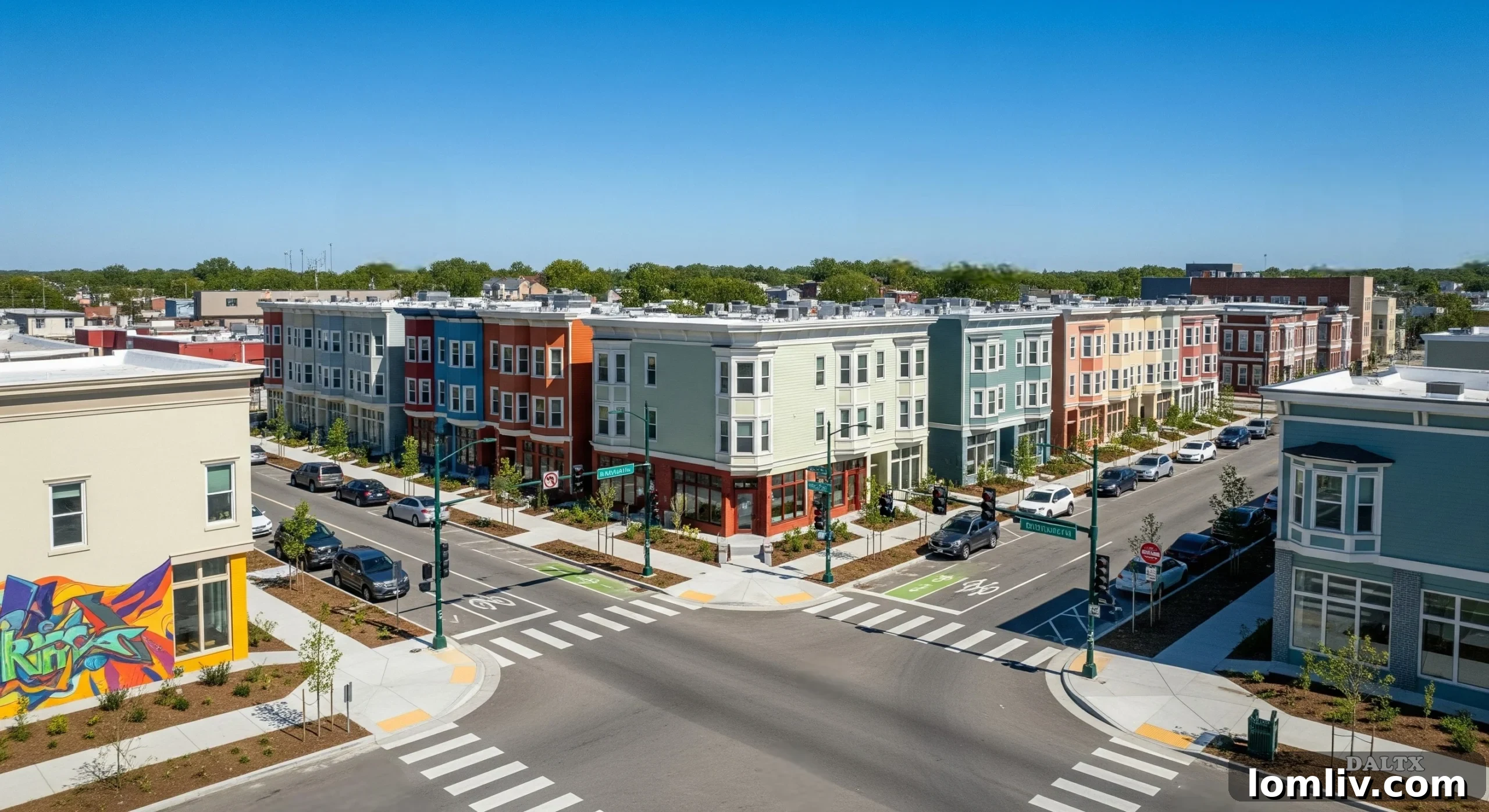
Transitional housing represents a critical bridge for individuals and families navigating the journey from homelessness or crisis toward permanent, stable living. It’s more than just a temporary roof; it’s a comprehensive, supportive environment designed to equip residents with the skills and resources necessary for long-term self-sufficiency. Emerging prominently in the 1980s as an evolution from basic emergency shelters, these programs recognized the deeper need for sustained support beyond immediate refuge. The focus shifted to skill-building, fostering personal stability, and empowering individuals to reclaim their independence. By integrating housing with essential services, transitional housing not only helps residents rebuild their lives but also plays a vital role in reducing local homelessness rates and enhancing overall neighborhood stability and well-being. This innovative approach addresses the multifaceted challenges faced by vulnerable populations, offering a structured pathway to a brighter future.
Transformative Impact: How Transitional Housing Empowers Residents
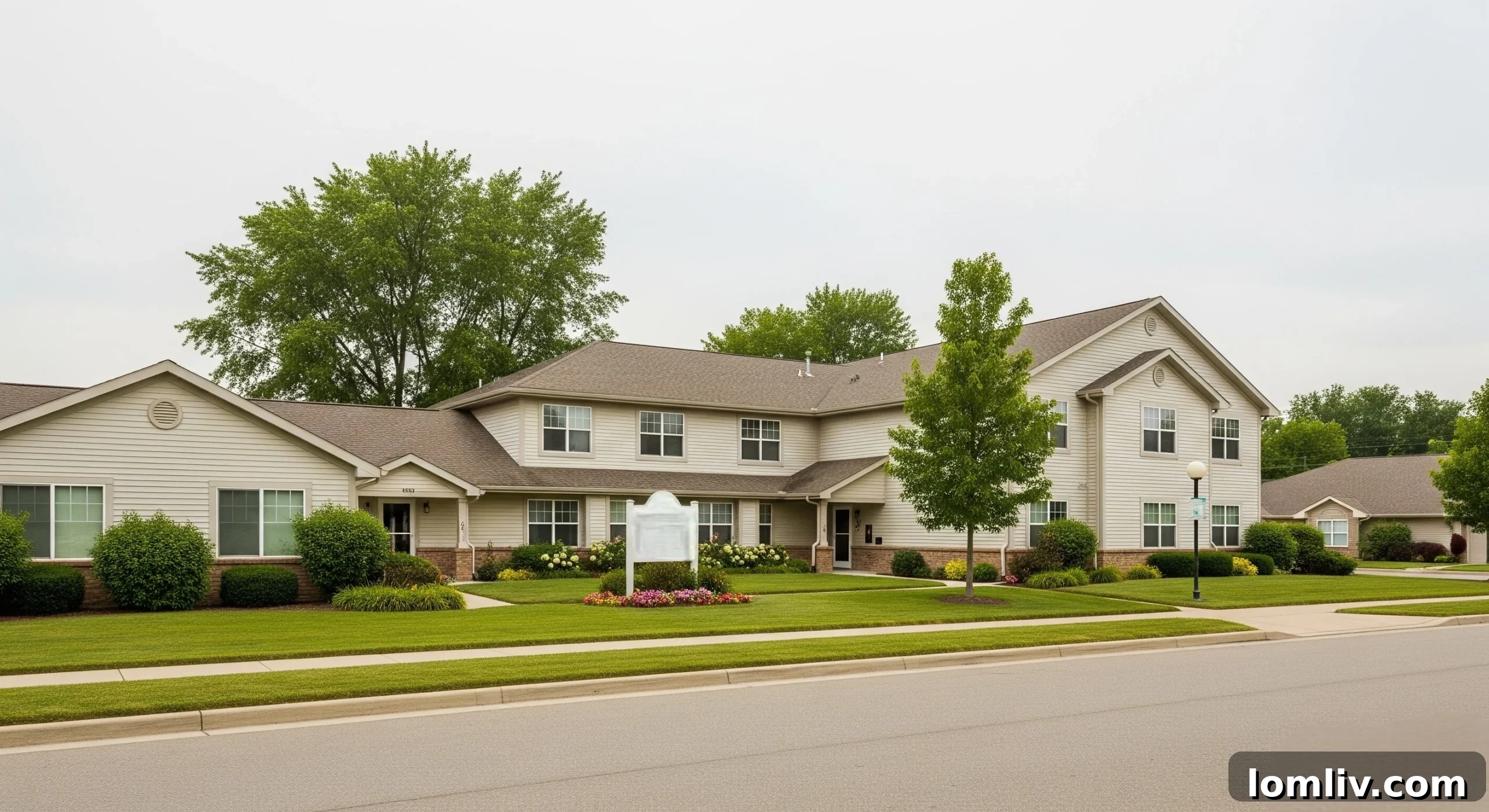
Transitional housing offers a meticulously structured and deeply supportive environment where individuals can wholeheartedly concentrate on rebuilding their lives. It’s a sanctuary that goes beyond providing mere shelter, fostering a sense of security and stability essential for personal growth and healing. Residents typically gain access to a wide array of support services, meticulously tailored to address their unique needs and challenges. These vital services often include targeted job placement assistance, practical life skills training covering everything from budgeting to healthy cooking, and crucial mental health counseling sessions. Through these integrated interventions, residents are empowered to develop the foundational skills and confidence required to achieve lasting independence. The comprehensive nature of these programs ensures that individuals are not just housed, but actively supported in their journey towards a self-sufficient future, significantly reducing the likelihood of returning to homelessness.
Consider the practical applications: many programs provide rigorous job readiness workshops that help residents craft compelling resumes, develop strong interview skills, and navigate the complexities of the modern job market. Concurrently, therapy sessions, both individual and group, address underlying trauma, addiction, or mental health issues that may have contributed to their housing instability. This holistic model is instrumental in helping residents cultivate financial stability by securing sustainable employment and managing their finances effectively. Moreover, it significantly boosts their self-confidence and self-worth, crucial elements in breaking the cycle of homelessness. Organizations like the Legacy Healing Center exemplify how a safe, structured living environment, coupled with therapeutic support, can provide the necessary foundation for individuals to not only regain their footing but thrive. The evidence is compelling: research consistently demonstrates that approximately 70% of individuals participating in transitional housing programs successfully transition into permanent housing within a six-month period, underscoring the efficacy and critical role these programs play in community welfare.
Strengthening Communities: Neighborhood Benefits of Transitional Housing
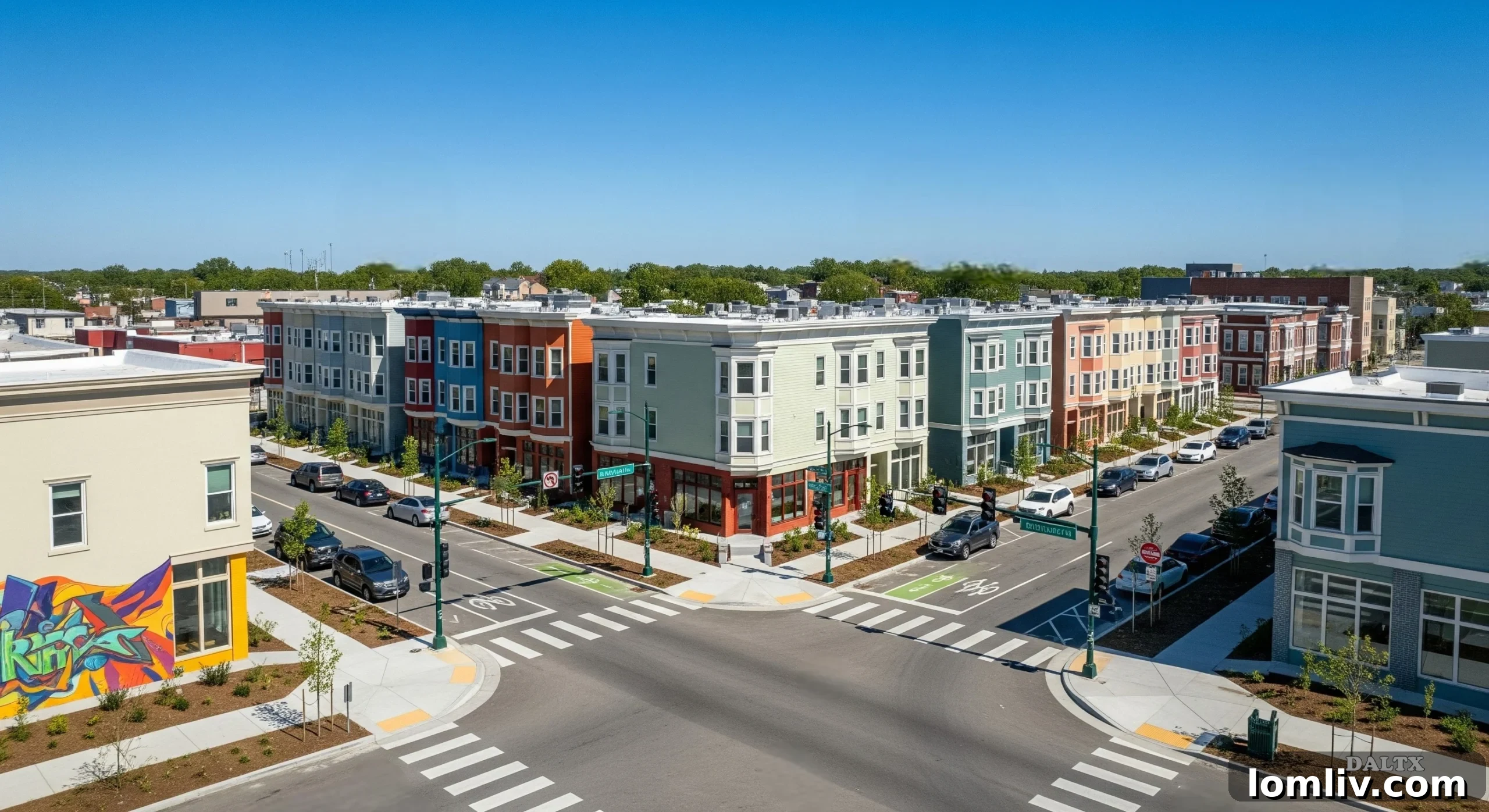
The positive ripple effects of transitional housing extend far beyond the individual residents, significantly benefiting local communities as a whole. By effectively reducing the number of people living unsheltered, these vital programs alleviate the considerable strain on overloaded emergency services, including hospitals, police departments, and social welfare agencies. This reduction in visible homelessness directly contributes to an improvement in public safety and the overall aesthetic appeal of neighborhoods. Well-managed transitional housing initiatives have been consistently linked to lower crime rates within their vicinities and a noticeable decrease in public loitering or the formation of encampments in public spaces. This creates a safer, more welcoming environment for all residents, fostering a greater sense of community pride and security.
Furthermore, residents of transitional housing are frequently encouraged and supported to actively engage with their local community. This involvement can manifest in various ways, such as volunteering for local events, participating in neighborhood clean-up drives, joining community groups, or utilizing local businesses. Such integration helps to break down social barriers and dismantle misconceptions, ultimately fostering stronger neighborhood cohesion and a more inclusive environment. Over time, this proactive engagement helps to build a more stable, supportive, and close-knit community where everyone feels a sense of belonging. In numerous instances, the establishment of transitional housing has even contributed to an increase in nearby property values by revitalizing previously vacant lots, renovating underused buildings, and stimulating local economic activity. By transforming neglected properties into vibrant, supportive living spaces, these programs act as catalysts for urban renewal, demonstrating a clear positive correlation between transitional housing and enhanced community prosperity.
Comprehensive Support: Essential Services Provided by Programs

At the very heart of transitional housing lies a robust framework of support services. These services are not merely supplementary; they are a core, indispensable component designed to empower individuals to achieve long-term self-sufficiency and stability, rather than simply providing a temporary place to reside. The aim is to address the root causes of homelessness and equip residents with the tools to prevent future crises. Common and crucial services typically include:
- Employment Training and Resume Assistance: Programs offer workshops on job search strategies, interview skills, and workplace etiquette. They also provide personalized assistance in crafting effective resumes and cover letters, connecting residents to potential employers and vocational training opportunities.
- Mental Health and Addiction Counseling: Recognizing the often complex interplay between mental health, addiction, and homelessness, these programs provide access to individual and group therapy, substance abuse treatment, and referrals to specialized mental health professionals. This ensures holistic healing and recovery.
- Financial Literacy and Budgeting Classes: Essential for long-term independence, these classes teach residents how to manage their money, create budgets, save for the future, understand credit, and navigate banking services, fostering financial responsibility and stability.
- Case Management and Referral Services: Dedicated case managers work one-on-one with residents to assess their needs, set personalized goals, and connect them with vital community resources such as healthcare, legal aid, educational programs, and permanent housing options.
- Life Skills Development: Beyond the core services, programs often include practical life skills training, covering topics like healthy cooking, household management, parenting skills, stress management, and effective communication, all crucial for successful independent living.
These meticulously designed and integrated services are pivotal in preparing residents for truly independent living, significantly mitigating the likelihood of a relapse into homelessness or another crisis. By fostering an environment of continuous learning and support, transitional housing programs ensure that individuals are not just surviving, but actively thriving as they move towards a self-reliant and fulfilling future.
Navigating Hurdles: Key Challenges Facing Transitional Housing Programs
Despite their undeniable successes and critical importance, transitional housing programs contend with a formidable array of challenges that can impede their reach and effectiveness. One of the most significant and persistent issues is securing stable and sufficient funding. Many programs heavily rely on fluctuating government grants, which can be unpredictable and subject to political shifts, or on private donations that can vary significantly. This inconsistent financial support makes it incredibly difficult to maintain consistent staffing levels, provide comprehensive programming, and plan for long-term sustainability, often leading to staff burnout and gaps in essential services.
Community opposition, frequently termed the “Not In My Backyard” (NIMBY) phenomenon, represents another formidable obstacle. Neighborhood resistance to new housing developments, particularly those serving vulnerable populations, is often deeply rooted in misconceptions about safety, potential increases in crime rates, and fears of diminished property values. These unfounded concerns can lead to contentious public hearings, protests, and lengthy legal battles, often delaying or entirely derailing much-needed housing projects. To overcome such resistance, programs must proactively invest substantial time and resources in robust community outreach, transparent communication, and educational initiatives aimed at dispelling myths and building trust with local residents. Demonstrating the tangible benefits that transitional housing brings to the community is crucial in garnering support.
Additionally, transitional housing programs are specifically designed to serve individuals with incredibly complex and often multi-layered needs. Many residents arrive with pre-existing conditions such as chronic mental illnesses, severe substance use disorders, histories of trauma, or a combination of these factors. Effectively meeting these profound needs demands highly trained professionals—including therapists, social workers, and addiction counselors—who can provide specialized, compassionate, and trauma-informed care. The recruitment and retention of such qualified staff, along with the provision of continuous, integrated support, are entirely dependent on stable and adequate funding. Without it, programs struggle to offer the intensive, individualized care that is essential for the sustained recovery and success of their residents, highlighting the intricate interdependencies within this critical social safety net.

Beacons of Hope: Illustrative Examples of Success
Successful transitional housing programs often distinguish themselves through a confluence of shared traits, forming a robust foundation for resident empowerment and lasting change. These include unwavering and stable funding, a team of highly qualified and compassionate staff, and the provision of tailored, individualized services that genuinely address the unique needs of each resident. When these elements align, the outcomes are profoundly transformative, yielding significant positive impacts for both individuals and the broader community. These programs are veritable beacons of hope, demonstrating that with the right support, individuals can overcome immense adversity and achieve sustained stability.
The measurable successes stemming from such well-executed programs are extensive and impactful, frequently leading to:
- Steady Employment for Residents: Graduates of these programs often secure and maintain stable, full-time employment, moving from unemployment or sporadic work to consistent income, which is fundamental for economic independence.
- Completion of Vocational or Educational Training: Many residents pursue and successfully complete vocational certifications, GED programs, or higher education courses, enhancing their skill sets and long-term career prospects.
- Long-Term Housing Stability: A primary goal, individuals transition from temporary housing to securing and maintaining their own permanent housing, whether it be independent apartments, shared living, or homeownership, breaking the cycle of homelessness.
- Reduced Rates of Re-hospitalization or Incarceration: By providing comprehensive mental health and addiction support, as well as addressing underlying social determinants of health, programs significantly lower instances of re-hospitalization for mental health crises and reduce rates of re-offense or incarceration.
- Improved Physical and Mental Health Outcomes: Access to healthcare, counseling, and a stable environment leads to overall improvements in residents’ physical and mental well-being, fostering a healthier and more productive life.
- Family Reunification and Stability: For families experiencing homelessness, successful transitional housing often facilitates reunification with children or other family members, establishing stable and nurturing environments for future generations.
Beyond these concrete metrics, when residents succeed, they often evolve into active, engaged, and contributing members of their communities. They pay taxes, support local businesses, volunteer their time, and build robust support networks. Their personal triumphs not only transform their own lives but also create a positive ripple effect, strengthening the social fabric and economic vitality of the entire community, proving the immense value and societal return on investment that transitional housing provides.
The Future Landscape: The Outlook for Transitional Housing

As housing insecurity continues its alarming ascent in numerous cities and regions across the U.S. and globally, transitional housing remains an unequivocally critical tool in the arsenal against homelessness. Its unique model of combining shelter with essential support services positions it as a highly effective intervention for those in crisis. Looking ahead, expanding access to these vital programs is paramount. This expansion will likely involve developing more flexible funding models, moving beyond traditional grants to include diverse revenue streams and innovative public-private partnerships. Such flexibility would allow programs to adapt more swiftly to evolving needs and ensure long-term sustainability.
The integration of cutting-edge technology and sophisticated data analytics tools is also revolutionizing how transitional housing operates. These advancements are empowering programs to better assess resident needs, tailor services with greater precision, and track outcomes more effectively, ultimately leading to improved success rates. For instance, data-driven insights can help identify which interventions are most effective for specific demographics or challenges, allowing for continuous program refinement and optimization. Furthermore, proactive collaboration among diverse stakeholders will be absolutely key to future growth and impact. This includes forging stronger alliances between non-profit organizations that deliver the services on the ground, local governments responsible for policy and funding, healthcare systems addressing complex health needs, and even educational institutions providing skill-building opportunities. By working in concert, these entities can create a more cohesive, efficient, and impactful network of support, ensuring that transitional housing continues to evolve and meet the demands of a changing society, offering hope and stability to those who need it most.
The Bottom Line: A Path to Lasting Independence and Community Strength
In conclusion, transitional housing offers far more than just a temporary roof over one’s head; it represents a meticulously structured and compassionate pathway toward long-term independence and enhanced community stability. By diligently addressing both the immediate, critical need for shelter and the underlying, complex challenges that lead to homelessness – such as mental health issues, addiction, unemployment, and lack of life skills – these programs provide tangible, real-world solutions for individuals seeking a fresh start and for neighborhoods striving for greater resilience. Transitional housing fosters self-sufficiency, restores dignity, and empowers individuals to become active, contributing members of society. As housing pressures continue to intensify and the specter of homelessness looms larger in many regions, the role of transitional housing will only grow in significance. It stands as an indispensable cornerstone in building stronger, more equitable, and profoundly resilient communities, demonstrating that investing in people’s potential is the most effective strategy for collective well-being.