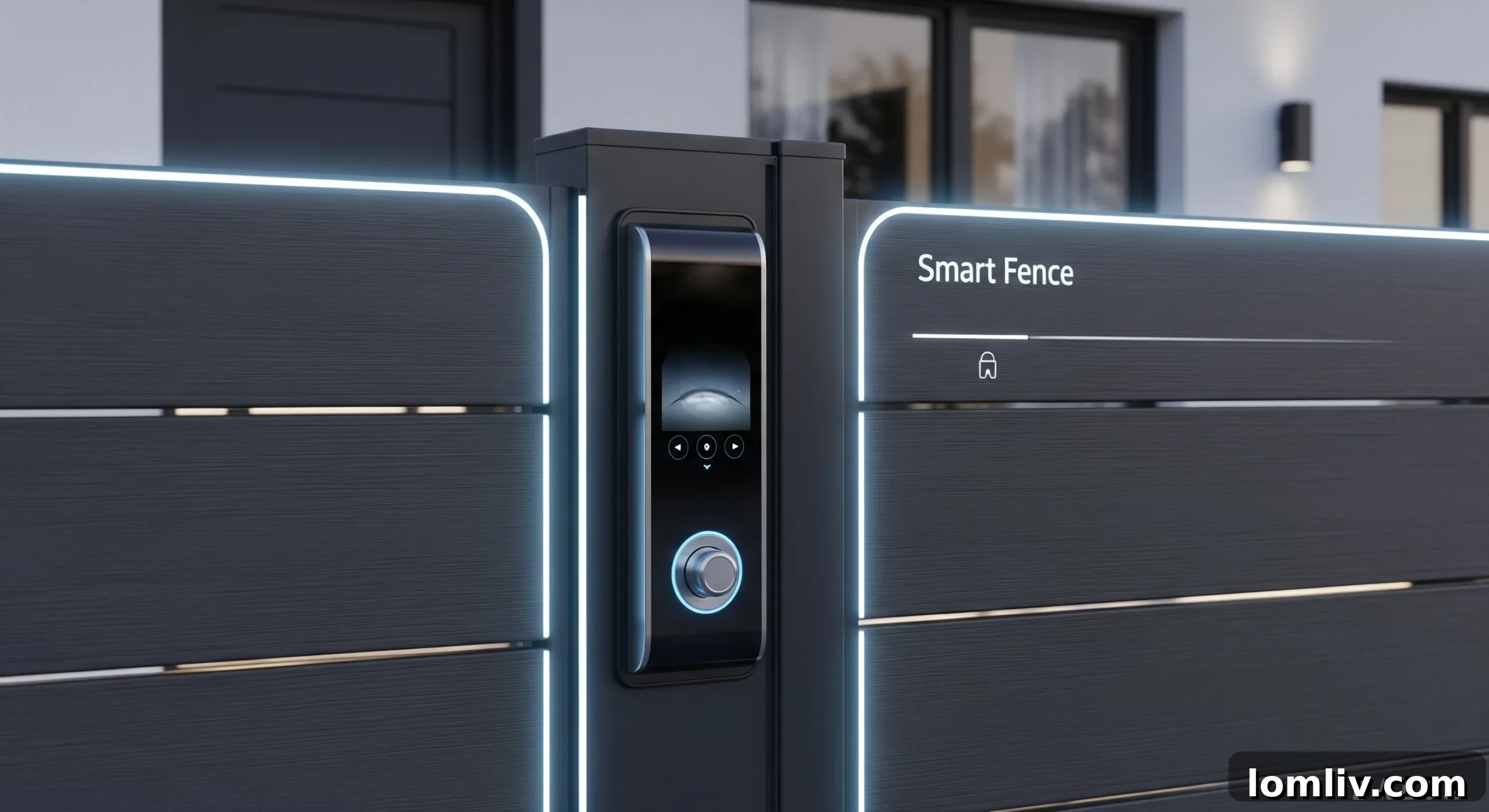
In today’s rapidly evolving world, the traditional fence is transforming from a mere boundary marker into a sophisticated component of modern home security. Far beyond simply defining your property lines, contemporary fences can actively enhance your home’s safety, convenience, and overall smart appeal. Integrating innovative technologies, these smart fence systems offer an unprecedented level of control and awareness, allowing homeowners to manage their perimeter security with ease.
Upgrading your fence with smart features can start with fundamental elements like an automated gate, eliminating the hassle of keys and offering seamless entry and exit controlled directly from your smartphone. For heightened vigilance, strategically placed security cameras near entry points or along secluded sections of your property can provide crucial visual monitoring. Complementing this, motion-activated lights serve as an excellent deterrent, illuminating dark areas instantly upon detection and improving nighttime visibility.
Beyond visual and access control, advanced smart fences incorporate sophisticated sensors designed to detect various forms of intrusion. These sensors can register movement, pressure, or even vibrations, alerting you instantly if someone attempts to climb, cut, or dig under your fence. The true beauty of these systems lies in their interconnectedness; most integrate seamlessly with existing smart home platforms and applications, centralizing control and simplifying management for a truly cohesive security solution.
The extent of your smart fence setup will naturally depend on your specific security needs, property size, and budget. However, even a few thoughtfully selected smart features can significantly elevate your sense of security and enhance the connected living experience of your home. They provide peace of mind, knowing that your perimeter is actively monitored and responsive to potential threats, all while adding tangible value to your property.

Exploring the Landscape of Smart Fence Technologies
When considering an upgrade to a smart fence, the array of available technologies offers solutions for every homeowner’s needs and preferences. Typically, the journey into smart perimeter security often begins with an automated gate system, providing a foundation of convenience and controlled access. These smart gates offer multiple modes of operation, allowing you to open and close them effortlessly using a smartphone app, a dedicated remote control, a secure keypad, or even through voice commands via your smart home assistant. This accessibility proves invaluable, especially when you’re arriving home with hands full of groceries or managing deliveries.
Advanced smart gate models take security and convenience a step further by integrating video intercom systems. These allow you to visually identify and communicate with visitors at your gate from anywhere, even when you’re away from home. For those seeking the pinnacle of automation, high-end systems are now available with facial recognition or license plate recognition capabilities, enabling the gate to open automatically for authorized individuals or vehicles, streamlining your daily routine while maintaining stringent security. Such features are not just about convenience; they add a robust layer of access control, ensuring only approved individuals can enter your property.
Beyond the gate, outdoor cameras and motion sensors represent another increasingly popular and vital component of modern smart fencing. These devices are strategically positioned near common entry points, such as pedestrian gates or driveways, and along more secluded or vulnerable sections of the fence line. When motion is detected, you receive instant notifications on your smartphone, allowing you to quickly assess the situation. Modern systems are remarkably intelligent, utilizing advanced analytics to differentiate between potential threats like a person or a vehicle, and benign occurrences such as a passing animal or rustling leaves, significantly reducing false alarms and ensuring you’re alerted only to relevant events. Many cameras offer high-definition video, night vision, and even two-way audio, enabling you to communicate with visitors or deter intruders.
For the most comprehensive and robust protection, specialized perimeter control systems offer unparalleled security. These sophisticated systems delve deeper than surface-level detection, utilizing various technologies to create an invisible, impenetrable barrier around your property. Some systems employ buried sensor cables, which can detect subtle ground disturbances caused by digging or climbing attempts. Others use infrared (IR) beams positioned along the fence line, creating an invisible tripwire that triggers an alarm if a beam is broken. Even more advanced are fiber optic lines integrated directly into the fence structure, which can sense minute vibrations caused by tampering, cutting, or climbing, providing immediate and precise alerts. These systems are particularly effective for larger properties or those requiring maximum security, offering early detection of intrusion attempts before a breach even occurs.
Seamless Integration: Smart Fence Features and Home Automation

The true power of smart fence technology is fully realized when it’s integrated into a broader home automation ecosystem. Today, most smart fence systems are meticulously designed to be compatible with popular smart home platforms like Google Home, Amazon Alexa, Apple HomeKit, and others. This compatibility is key, as it allows you to centralize control of all your smart devices from a single interface, be it your smartphone, tablet, or a smart hub.
Once connected, the possibilities for creating custom routines and automated scenarios are extensive. Imagine your garage door opening, the smart gate swinging wide, and the pathway lights illuminating as your car approaches, all triggered by your geo-location or a simple voice command. You can program outdoor security lights along the fence line to switch on automatically when motion is detected during nighttime hours, or have a camera begin recording as soon as the gate opens. These routines not only elevate convenience but also enhance security by creating a dynamic and responsive environment tailored to your daily habits and preferences.
The real transformative benefit emerges when your smart fence becomes an integral part of a comprehensive home security setup. When linked with your indoor and outdoor security cameras, door/window sensors, smart locks, and general outdoor lighting, all components work in concert to create an encompassing protective shield around your property. For instance, if a perimeter sensor detects an anomaly, not only will your fence security system alert you, but it could also trigger floodlights, sound an external alarm, and prompt multiple cameras to begin recording, simultaneously sending live feeds directly to your device. This holistic approach means you can monitor, control, and respond to security events from a unified app, regardless of whether you’re at home, at work, or thousands of miles away on vacation, providing unparalleled peace of mind and control over your property’s safety.
Strategic Budget Planning for Smart Fence Features
Investing in smart fencing is a decision that requires careful financial planning, as costs can fluctuate significantly based on the complexity and scope of the desired features. For instance, merely automating an existing gate with basic smart functionality might cost around a thousand dollars, encompassing the motor, control panel, and rudimentary integration. However, as you begin to incorporate more advanced elements like high-definition security cameras with analytics, sophisticated motion and perimeter sensors, and a comprehensive home automation integration, the total investment can rapidly escalate. It’s not uncommon for a fully integrated, multi-layered smart fence system, especially for larger properties, to range anywhere from $5,000 to upwards of $20,000.
Beyond the cost of the smart devices themselves, installation expenses are a critical factor to consider. Most advanced smart fence systems, particularly those involving complex wiring, integration with existing home networks, and precise calibration of sensors, necessitate professional installation. Engaging a reputable fence contractor or a specialized smart home installer ensures that the system is set up correctly, optimized for performance, and adheres to all safety standards. Professional installation is also crucial for warranty validity, as improper setup can often void manufacturer guarantees. While a DIY approach might seem appealing for minor components, the intricacies of a cohesive system often warrant expert intervention to guarantee reliability and longevity.
Furthermore, budgeting for smart fence features must also account for potential ongoing operational fees. Many cloud-based services, such as video storage for recorded footage from security cameras, advanced AI analytics, or remote access tools that allow you to monitor and control your system from anywhere, often come with monthly or annual subscription costs. These recurring fees are essential for maximizing the functionality and convenience of your smart fence system and should be factored into your long-term financial plan. It’s advisable to research and compare these service plans thoroughly before committing to a particular system.
Lastly, like any technology-driven system, a smart fence requires periodic maintenance and occasional upgrades. While the initial installation is a significant outlay, neglecting routine checkups can lead to performance issues or premature component failure. Budget for potential software updates, which are crucial for security and performance enhancements, as well as the eventual replacement of consumable parts like batteries in wireless sensors, typically every few years. Proactive maintenance ensures your investment remains effective and reliable for years to come, safeguarding your property with consistent vigilance.
Fortifying Your Smart Fence Against Cyber Threats
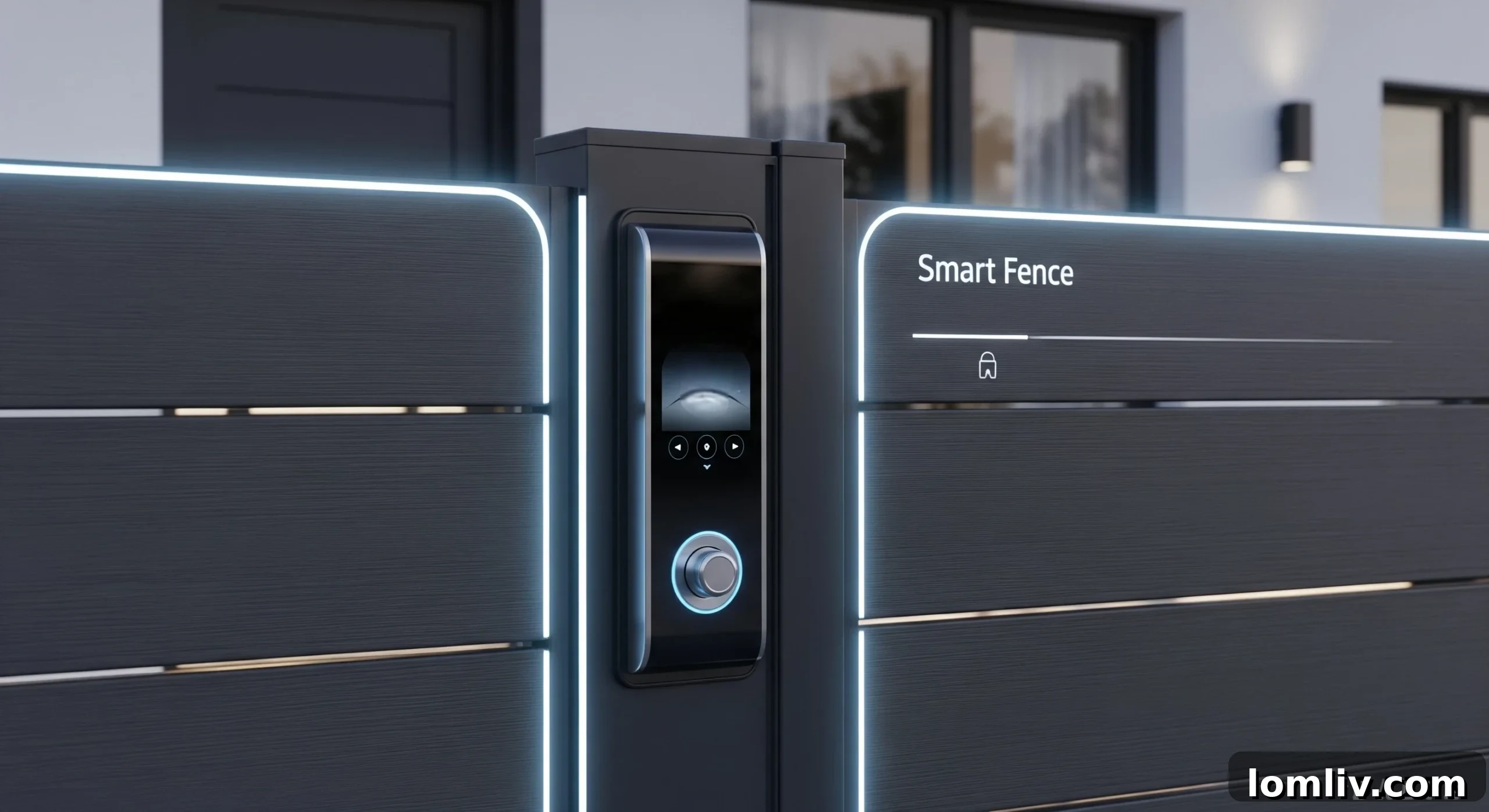
As smart fences become increasingly integrated with home networks and serve as critical access points, their cybersecurity becomes as important as their physical security. It’s imperative to adopt a proactive approach to protect your smart fence system from potential hacking attempts and unauthorized access. Start by prioritizing systems that boast robust encryption protocols and offer multi-factor authentication, such as two-step verification. Encryption ensures that data transmitted between your devices and the cloud is scrambled and unintelligible to eavesdroppers, while multi-factor authentication adds an extra layer of security, making it significantly harder for unauthorized individuals to gain access even if they manage to compromise your password.
A fundamental, yet often overlooked, security measure is to immediately change all default passwords that come with your smart fence components upon installation. Manufacturers often use generic, easily guessable passwords, which are prime targets for cybercriminals. Instead, create strong, unique passwords that combine letters, numbers, and symbols for each device. Furthermore, a smart and highly recommended practice is to segment your network. Consider placing all your outdoor smart devices, including your smart fence components, on a dedicated Wi-Fi network or a guest network, separate from the primary network you use for personal computers and sensitive data. This creates a barrier, so if an outdoor device were to be compromised, the breach would be isolated and less likely to affect your main home network and its valuable information.
Regular software and firmware updates are also crucial for maintaining the security posture of your smart fence. Manufacturers frequently release updates to patch newly discovered vulnerabilities and improve overall system performance. Many reputable systems offer automatic updates, ensuring your devices are always running the latest, most secure software. If automatic updates are not available, make it a point to manually check for and install them on a regular basis. Staying current with these updates is vital for protecting your system from evolving cyber threats.
Finally, meticulous access management is key, especially if multiple individuals have privileges to control your smart fence. Maintain a detailed record of who has access to the system, what their permissions are, and when any changes to these settings are made. Periodically review and revoke access for individuals who no longer require it, such as former house sitters or contractors. Implementing these cybersecurity best practices will significantly reduce the risk of your smart fence being exploited, ensuring it remains a robust guardian of your property, not a vulnerability.
Proactive Maintenance for Optimal Smart Fence Performance

Ensuring the longevity and reliable operation of your smart fence system hinges on consistent and proactive maintenance, particularly given its exposure to the elements. Weather conditions are arguably the biggest adversary for outdoor smart equipment. Therefore, it is paramount that every component you install is specifically rated for outdoor use and designed to withstand the local climate. If you reside in an area prone to severe weather, such as harsh winters with heavy snowfall, intense heat, or frequent torrential rains, consider implementing additional protective measures. This might involve installing weather-resistant covers, shields, or enclosures, especially for sensitive components like the gate motor, control panels, and various sensors, to prevent moisture ingress, extreme temperature damage, or physical impact.
For smart fence components that rely on batteries, such as wireless sensors or remote controls, budgeting for regular replacement is essential. Typically, batteries in these devices have a lifespan of one to two years, depending on usage and environmental factors. Proactive replacement prevents unexpected system failures and ensures continuous operation. For systems incorporating solar-powered elements, maintaining the cleanliness of the solar panels is crucial. Dust, dirt, leaves, and snow can significantly reduce their efficiency in converting sunlight into energy, so a simple periodic wipe-down can make a substantial difference in power generation and device functionality.
Sensors, whether motion, pressure, or infrared, require periodic inspection to ensure they remain properly aligned and free from obstructions. Misaligned sensors can lead to false alarms or, critically, a failure to detect genuine threats. Clear any vegetation or debris that might impede their field of view or trigger unwanted activations. The sensitivity settings of these sensors might also need occasional adjustment based on environmental changes or to optimize their performance.
Lastly, reliable wireless connectivity is the backbone of any smart fence system. For large properties or areas with known Wi-Fi dead zones, signal strength can become a significant issue, leading to dropped connections, delayed alerts, or complete system outages. A professional installer will typically conduct a thorough site survey to assess Wi-Fi coverage and may recommend installing Wi-Fi boosters, mesh network extenders, or even hardwired connections where feasible, to ensure consistent and robust connectivity across your entire perimeter. Regularly running a quick system diagnostic test can help identify and address connectivity issues or other minor problems before they escalate into major malfunctions, safeguarding your investment and ensuring your smart fence performs as intended, round the clock.
Final Considerations for Your Smart Fence Investment
Embarking on the journey to equip your property with a smart fence system is a significant investment that promises enhanced security, unparalleled convenience, and increased property value. However, to maximize these benefits and ensure you make the most informed decisions, careful planning is key. Before engaging with any contractors or technology providers, take the time to thoroughly survey your property. Identify areas that are most vulnerable, consider your primary security concerns, and map out the specific entry and exit points that would most benefit from automation and monitoring. Understanding these unique aspects of your property will empower you to clearly articulate your needs and priorities.
When you sit down with a reputable fence contractor or a smart home security expert, having a clear vision of your requirements will enable them to propose solutions that are precisely tailored to your situation. This clarity will not only help in designing an effective security perimeter but also prove invaluable in managing your budget effectively. By prioritizing the features that genuinely matter most to you and your property’s specific demands, you are far more likely to stay within your financial parameters while simultaneously ensuring you derive true, lasting value from the system. A well-planned smart fence is not just an expense; it’s a strategic enhancement that protects your home, simplifies your life, and significantly boosts your property’s appeal and market worth for years to come.