There’s nothing quite like the warmth and ambiance of a roaring fireplace on a cold day, creating a cozy sanctuary within your home. Yet, beneath this comforting glow lies a critical responsibility: maintaining the safety and efficiency of your chimney system. As smoke rises, it deposits tiny particles and unburnt fuel onto the inner walls of your flue, slowly accumulating into a hazardous layer of soot and creosote. Ignoring these hidden residues isn’t just a minor oversight; it’s a significant gamble with your family’s safety and the structural integrity of your home. These deposits can restrict airflow, reduce heating efficiency, and, most dangerously, ignite, leading to devastating chimney fires that often go unnoticed until it’s too late. Many homeowners delay essential maintenance, viewing professional chimney sweeping as a confusing or daunting task.
This comprehensive guide aims to demystify the entire process of professional chimney cleaning and maintenance. We’ll walk you through what a certified chimney sweep does, from meticulous inspections using specialized tools to the thorough removal of hazardous deposits, all designed to ensure your heating system operates safely and efficiently. You’ll gain a clear understanding of the inspection tools, effective brushing methods, and rigorous safety checks involved, empowering you with the knowledge to make informed decisions about your home’s care. Furthermore, we’ll explain the optimal times to schedule service, what you should expect during a professional visit, and how consistent, routine care can actually save you money by preventing costly repairs down the line. By understanding the critical steps and benefits, what might seem like a complex chore transforms into a straightforward, essential habit that protects your home, enhances indoor air quality, and provides invaluable peace of mind for you and your loved ones.
Understanding Professional Chimney Sweeping: More Than Just Cleaning
A chimney is far more intricate than a simple vertical tunnel; it’s a sophisticated system designed to safely vent exhaust gases and smoke from your home. Inside the flue, the combustion process leaves behind a variety of residues. While soot is a powdery, black substance, the real danger comes from creosote, a tar-like, highly flammable byproduct of incomplete combustion. Creosote accumulates in layers, ranging from a flaky, easy-to-remove deposit to a hard, glazed, and extremely hazardous buildup that can ignite at relatively low temperatures, leading to uncontrolled chimney fires.
Professional chimney sweeping is a meticulous process that begins with a comprehensive visual and physical review of your entire chimney system. This includes inspecting the chimney stack (the part visible above the roofline), the firebox, damper, smoke chamber, and the flue liner itself. The technician carefully checks all access points, measures clearances to ensure proper spacing from combustible materials, and develops a strategic plan to effectively reach and clean every internal surface. Many homeowners unfortunately only begin their search for a chimney sweep near me when they notice tell-tale signs like smoke drifting back into the room or an unusual smell. However, for optimum safety and efficiency, regular chimney service should be a proactive measure, scheduled well before any problems arise.
A thorough professional appointment always encompasses several key stages: an initial assessment, comprehensive brushing to dislodge deposits, efficient vacuum removal of all debris, and a final safety review. Modern chimney sweeps utilize advanced tools, including powerful HEPA vacuums and specialized cameras, to ensure that dust and debris are contained, keeping your living spaces spotless throughout the process. Crucially, detailed records are maintained, providing you with a written report that outlines the date of service, specific findings, and any recommendations for repairs or upgrades. This documentation is invaluable; it helps you monitor the rate of residue accumulation, guiding the optimal timing for future visits, and serves as proof of responsible property maintenance for insurance purposes. By understanding these meticulous steps, the once-confusing world of chimney care becomes a clear, manageable routine, empowering you to engage confidently with professionals and ensure your home receives the highest standard of care it deserves.
Key Components of a Chimney System
- Firebox: The area where fuel is burned.
- Damper: A movable plate that opens and closes the flue, controlling airflow.
- Smoke Chamber: The transitional area above the firebox, directing smoke into the flue.
- Flue Liner: The inner conduit that carries smoke and gases out of the home. Can be clay, metal, or cast-in-place.
- Chimney Stack: The visible exterior portion of the chimney, extending above the roof.
- Chimney Cap: A protective covering at the top of the chimney, preventing rain, debris, and animals from entering.
The Indispensable Benefits of Regular Chimney Maintenance
Regular chimney sweeping extends far beyond simple soot removal; it’s a critical investment in the safety, health, and long-term value of your property. Incorporating routine chimney care into your household maintenance plan yields a multitude of advantages that resonate throughout your home life.
- Enhanced Fire Safety: The primary and most vital benefit is a drastic reduction in the risk of uncontrolled chimney fires. By meticulously removing flammable creosote and soot buildup from inside the flue, you eliminate the fuel source that could otherwise ignite from stray sparks or intense heat, protecting your home and loved ones from potential devastation.
- Improved Indoor Air Quality: A clean exhaust path ensures that smoke, carbon monoxide, and other harmful combustion byproducts are efficiently expelled from your home. This prevents dangerous gases from backdrafting into your living spaces, improving overall indoor air quality and ensuring easier, healthier breathing for everyone, particularly those with respiratory sensitivities.
- Prevention of Carbon Monoxide Poisoning: Blocked or partially obstructed chimneys can lead to carbon monoxide (CO) backing up into your home. CO is an odorless, colorless, and highly toxic gas that can be fatal. Regular sweeping ensures a clear exhaust route, significantly reducing this silent but deadly threat.
- Extended System Lifespan and Property Value: Scheduled visits allow technicians to identify and address minor issues like cracks or loose mortar early on. This proactive approach prevents small problems from escalating into expensive structural repairs, thereby preserving the integrity of your chimney system and extending its operational lifespan. Furthermore, a well-maintained chimney is a valuable asset, contributing positively to your home’s overall market value and appeal.
- Cost Savings: While there’s an upfront cost for professional sweeping, it’s a fraction of what you might pay for emergency repairs stemming from a neglected chimney. Preventing chimney fires, extensive water damage from cracks, or the need for complete flue relining through early detection translates into substantial long-term financial savings.
- Insurance Compliance: Many homeowners’ insurance policies require regular maintenance of heating systems, including chimneys. Detailed reports from certified technicians serve as verifiable proof of responsible property care, ensuring you remain compliant with your policy terms and potentially avoiding issues in the event of a claim.
The Professional Chimney Sweeping Process: A Step-by-Step Overview
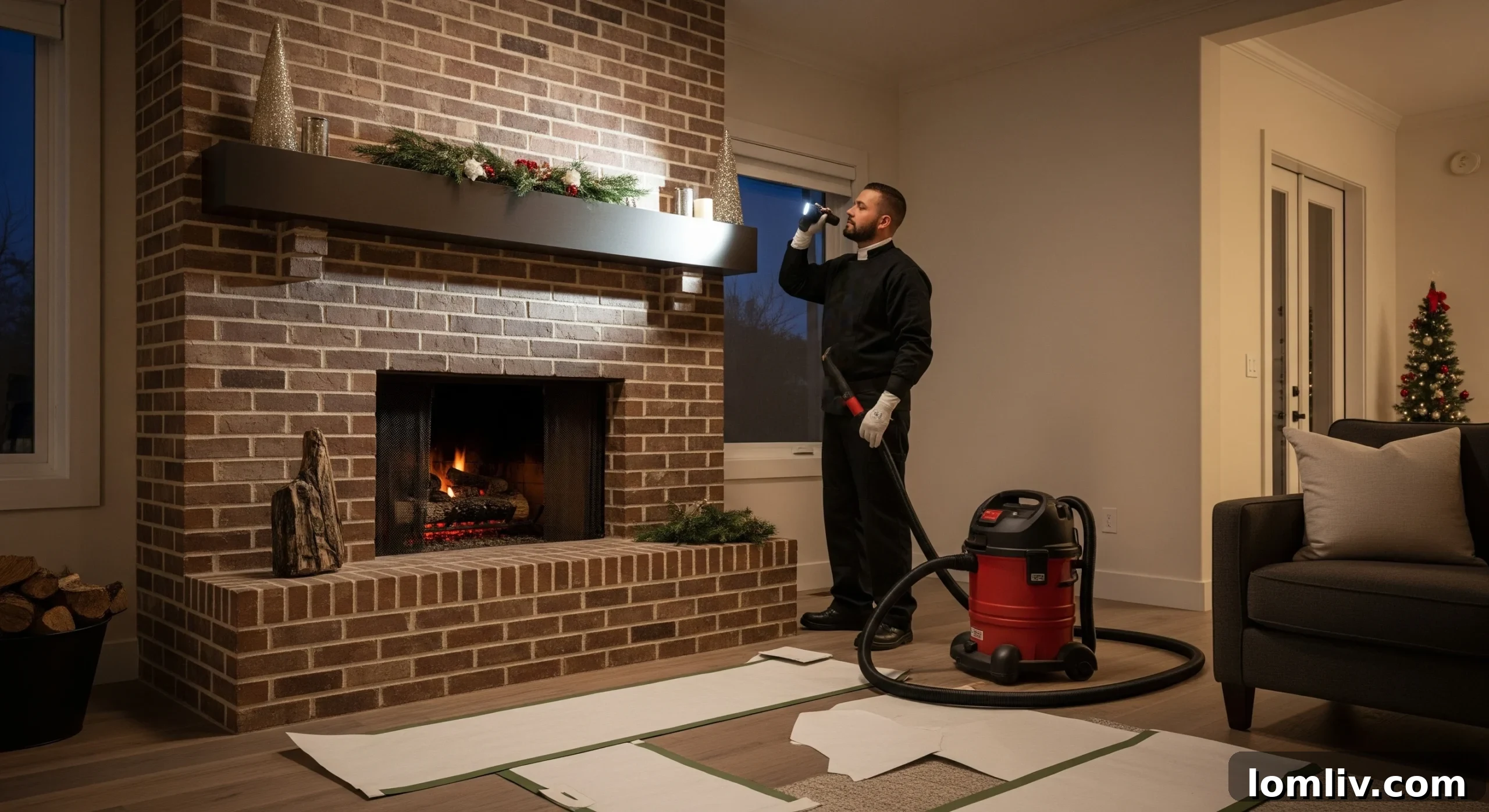
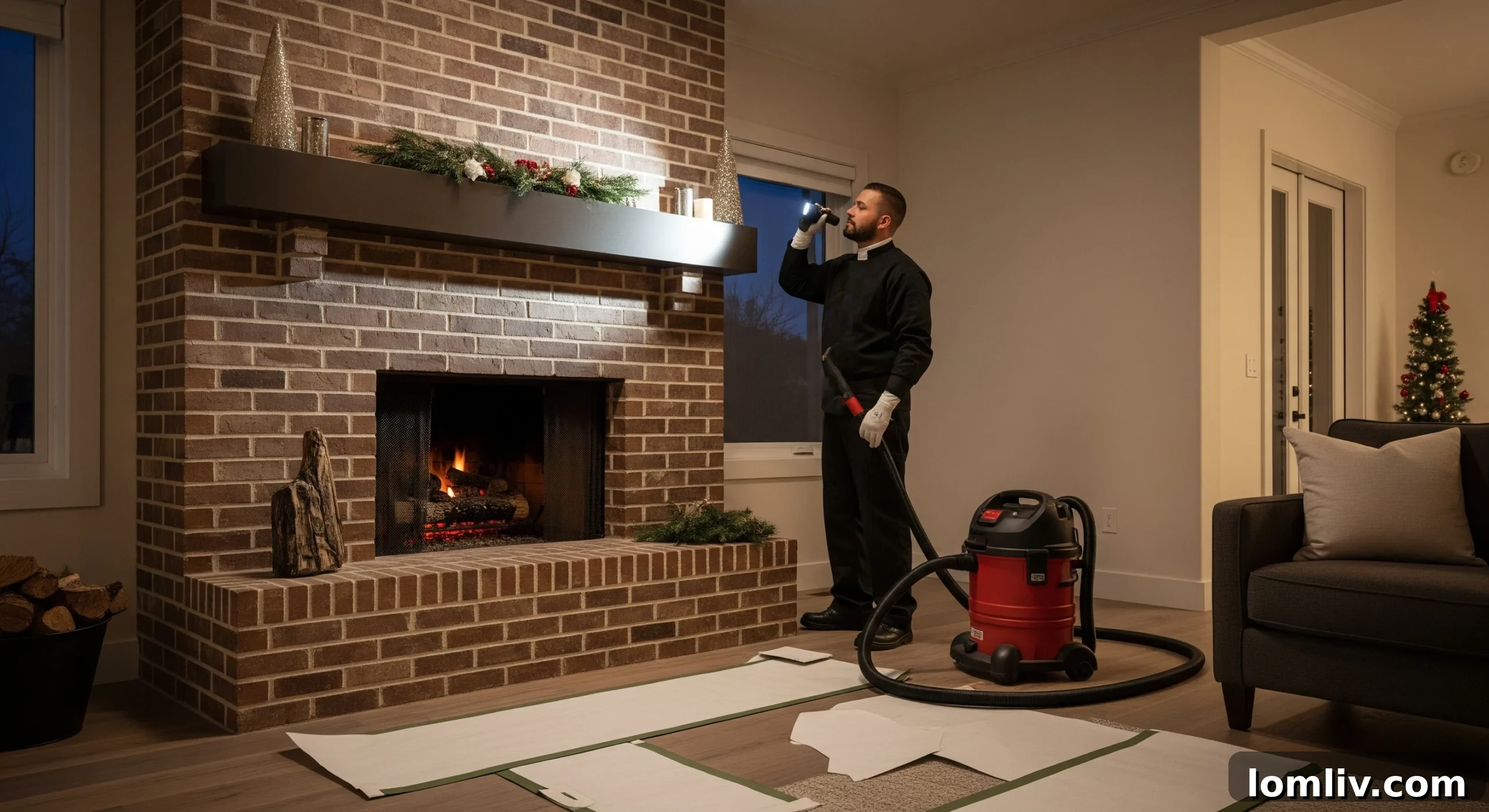
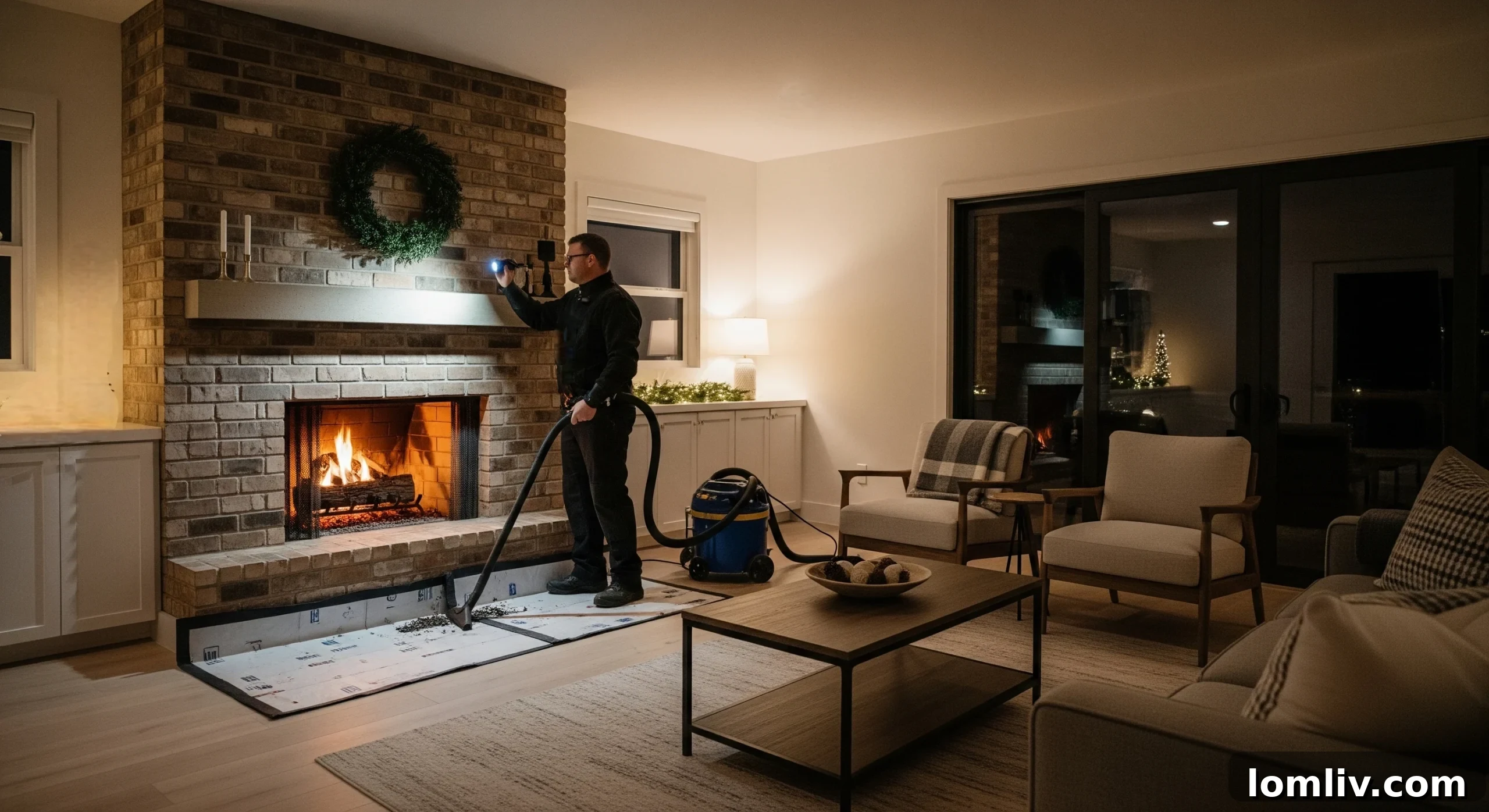
When professional chimney technicians arrive, their first priority is to protect your home. They meticulously lay down protective coverings over furniture, carpets, and rugs in the fireplace area, ensuring that no soot or debris touches your personal belongings. The process typically unfolds as follows:
- Preparation and Setup: The work area is sealed off with tarps and drop cloths. The fireplace opening is often covered with a specialized vacuum-attached shroud to contain all dislodged soot and dust, ensuring your home remains clean throughout the service.
- Initial Inspection: Using high-powered lights and specialized chimney inspection cameras, the technician performs a thorough internal inspection of the flue. This allows them to identify any creosote buildup, obstructions (like bird nests or animal blockages), cracks, spalling, or other signs of damage that might not be visible from a simple external check.
- Brushing and Cleaning: Brushes specifically sized for your chimney’s flue are attached to flexible rods. These rods are then systematically pushed upward from the firebox and/or lowered downward from the chimney top, section by section, effectively loosening and scraping away built-up soot and creosote from the flue walls. The type of brush (wire, poly, or rotary) and cleaning method depend on the specific type and amount of creosote present.
- Debris Removal: A powerful, industrial-grade HEPA vacuum system operates continuously during the brushing phase, capturing all falling dust and debris the moment it’s dislodged, preventing it from entering your living space. After brushing, the technician carefully clears the firebox, smoke shelf, and damper of any remaining loose soot or fragments. They also check the damper’s movement and functionality, ensuring it opens and closes smoothly and seals properly when shut.
- System Assessment and Testing: Beyond cleaning, the professional conducts critical safety assessments. This may include a smoke path test, using a small puff of smoke or a smoke generator to visually confirm the proper draw and identify any leaks around joints, seams, or into the home. They also inspect the chimney cap, crown, and flashing for damage or deterioration.
- Final Review and Reporting: Once the cleaning is complete, the work area is meticulously tidied, and all tools are packed away. The technician then prepares a detailed inspection report, complete with findings, before-and-after photos (if cameras were used), and any recommendations for necessary repairs or upgrades. They will explain which tasks are urgent for safety and which are optional for enhanced performance or longevity.
- Client Consultation: Before leaving, the technician will answer any questions you have about your chimney’s condition, burning habits, and future care. They’ll provide expert advice on fuel choices, burning techniques, and suggest an appropriate schedule for your next service, ensuring you feel fully informed and prepared for the upcoming heating seasons.
Knowing When to Book Your Chimney Sweeping Service
Many homeowners make the mistake of waiting until noticeable problems arise before calling a professional chimney sweep. However, proactive maintenance is always the safest and most cost-effective approach. Recognizing the early warning signs can help you schedule service in time, preventing potential hazards and costly repairs. Pay close attention to these clues, which strongly suggest your flue requires professional attention soon:
- Visible Dark Stains: If you notice dark, sooty stains around the fireplace opening or on the exterior of your chimney, particularly near the top, it’s a strong indicator of heavy smoke residue buildup or a potential blockage within the flue, causing smoke to leak or escape improperly.
- Lingering Burnt Odors: A persistent, strong burnt odor, even when the fireplace is not in use, often indicates that creosote deposits within the stack are still smoldering or reacting to ambient conditions. This is a critical warning sign of significant buildup and a potential fire hazard.
- Smoke Pushes Back into Living Areas: If smoke consistently backs up into your room during startup or operation, it’s a clear sign of a partial or complete blockage in the flue, or a serious downdraft issue. This compromises indoor air quality and indicates your chimney is not venting efficiently or safely.
- Unusual Burning Habits: If your fire struggles to draw air, produces excessive smoke, or requires more effort to start and maintain, it could be due to a restricted flue.
- You Can’t Recall the Last Service Date: If you haven’t had your chimney inspected or swept in over a year, or simply cannot remember the last service date, an inspection becomes an urgent necessity rather than an optional task. The National Fire Protection Association (NFPA) recommends annual inspections for all chimneys, regardless of fuel type.
- Creosote Buildup (1/8 inch rule): If you can see even 1/8 inch of creosote buildup on the inside of your flue, it’s time to call a professional. This amount is considered the threshold for needing a sweep to prevent fire hazards.
- Animals or Debris: If you hear scratching noises, see evidence of animal entry (like nests or droppings), or notice unexplained debris in your firebox, it’s highly likely your chimney is obstructed.
Frequency of Sweeping Based on Fuel Type
The frequency of professional chimney sweeping can vary based on your usage habits and the type of fuel you burn:
- Wood-Burning Fireplaces: Should be inspected annually and swept as needed, typically after burning about a cord of wood, or when creosote buildup reaches 1/8 inch.
- Gas Fireplaces: While gas burns cleaner, gas chimneys still require annual inspections to check for blockages, proper venting, and structural integrity, especially if ceramic logs are used, which can contribute to soot.
- Oil Furnaces: Chimneys venting oil furnaces should also be inspected annually, as oil combustion can produce corrosive residues that damage the flue.
Dispelling Risks and Common Chimney Care Myths
Misunderstandings and outdated beliefs about chimney care can dangerously escalate risks within a property. Some commonly held ideas may seem logical, yet they completely ignore the complex physics of heat, smoke, and residue behavior. Clearing up these persistent myths is crucial for reducing avoidable dangers and encouraging practical, safety-first decisions for your home.
- Myth: Occasional roaring fires “self-clean” the chimney.
Reality: Believing that a hot, intense fire will burn away creosote is extremely dangerous. These “fires” are actually uncontrolled chimney fires, where the creosote itself ignites. While they might appear to burn off some deposits, they generate immense, damaging heat that can crack flue liners, compromise the structural integrity of the chimney, and quickly spread to combustible materials in your home’s walls or attic. This is a leading cause of house fires. - Myth: Small cracks in the masonry are purely cosmetic.
Reality: Ignoring even minor cracks in the flue liner or masonry can have severe consequences. Cracks allow heat, smoke, and dangerous carbon monoxide to escape into hidden timber sections behind walls, potentially igniting a fire or silently poisoning occupants. They also allow moisture to penetrate the chimney structure, leading to further deterioration and expensive repairs. - Myth: Smoke always goes straight up and out.
Reality: Assuming smoke only exits upward overlooks the common occurrences of downdrafts and backdrafts. These can be caused by various factors like wind conditions, negative pressure inside the house (due to exhaust fans, sealed homes), or chimney blockages. When smoke is pushed back indoors, it brings with it soot, odors, and dangerously high concentrations of carbon monoxide. - Myth: DIY cleaning products or old wives’ tales are sufficient.
Reality: Relying on chemical creosote removers or folk remedies instead of trained professional assessment and physical cleaning risks unsafe shortcuts. While some chemical products can help condition creosote, they do not eliminate the need for physical removal and thorough inspection. Only a certified sweep has the tools, training, and experience to safely and effectively clean and inspect a chimney, identifying hidden hazards that amateur methods would miss. - Myth: If I rarely use my fireplace, I don’t need to clean it.
Reality: Even if you only use your fireplace a few times a year, inspections are still crucial. Animals can build nests, debris can fall in, and even minimal use can lead to some creosote buildup. More importantly, the structural integrity of the chimney can deteriorate over time due to weather exposure, regardless of usage.
Essential Professional Care Tips for Homeowners
While professional chimney sweeping is vital, simple habits between visits can significantly contribute to a healthier, safer fireplace and prolong the effectiveness of your chimney system. Integrating these easy tips into your routine will not only enhance safety but also improve the efficiency of your heating:
- Burn Only Dry, Seasoned Wood: This is arguably the most crucial tip. Freshly cut or “green” wood contains a high moisture content, which causes it to burn inefficiently, producing significantly more smoke and, consequently, more sticky creosote deposits on the flue surfaces. Always burn wood that has been split and air-dried for at least six to twelve months, reducing its moisture content to below 20%. Seasoned wood burns hotter and cleaner, resulting in less creosote buildup.
- Avoid Using Liquid Fire Starters: While convenient, liquid fire starters can create sudden, uncontrolled flare-ups that send intensely high temperatures rapidly through the flue. This thermal shock can be damaging to the chimney liner and mortar, leading to cracks or deterioration over time. Opt for natural kindling, firestarters, or newspaper instead.
- Regular Visual Inspections: Before each cold season, and periodically throughout the burning season, take a bright flashlight and shine it inside the fireplace opening. Look for any unusual staining, significant soot or creosote buildup (remember the 1/8 inch rule!), signs of animal nests, loose fragments of masonry, or any strong, persistent odors that suggest a problem. If you spot any of these warning signs, book professional service promptly rather than waiting.
- Ensure Proper Airflow: Make sure your damper is fully open before lighting a fire and remains open throughout its duration. A partially closed damper can restrict airflow, leading to incomplete combustion and increased creosote formation.
- Install and Maintain a Chimney Cap with a Screen: A chimney cap is an inexpensive yet highly effective protective measure. It prevents rain, snow, and moisture from entering the flue (which can mix with soot to form corrosive acids), keeps out birds, squirrels, and other animals, and acts as a spark arrestor, preventing hot embers from landing on your roof or nearby combustible materials. Ensure it’s clean and in good repair.
- Don’t Burn Household Trash: Avoid burning cardboard, wrapping paper, plastics, or treated lumber in your fireplace. These materials can release toxic fumes, burn at dangerously high temperatures, or leave behind exceptionally stubborn and hazardous residues.
Why Choosing Local, Certified Chimney Experts Matters
While a quick online search might yield numerous options for chimney services, choosing a local, certified professional brings a host of distinct advantages that go beyond convenience. A nearby expert often possesses invaluable knowledge about regional specificities, ensuring a more effective and tailored approach to your chimney care. These suggestions will help you find dependable and trustworthy support close to home:
- Regional Expertise and Building Codes: Local specialists are intimately familiar with the typical building styles, architectural nuances, and common chimney issues prevalent in your area. They also understand local fuel choices (e.g., types of wood available), prevailing weather patterns, and, critically, adhere to specific local building codes and safety regulations, ensuring your chimney is not only clean but also compliant.
- Certification and Standards: Search local directories for certified firms that belong to recognized national organizations like the Chimney Safety Institute of America (CSIA) or the National Fireplace Institute (NFI). These certifications signify that technicians have undergone rigorous training, passed comprehensive exams, and are committed to upholding the highest safety standards and industry best practices.
- Reputation and References: Ask neighbors, friends, or trusted local contractors who have recently utilized chimney sweeping services for their honest feedback and recommendations. Word-of-mouth referrals are often the most reliable indicator of a company’s professionalism, quality of work, and customer satisfaction. Check online reviews on platforms like Google, Yelp, or Angie’s List, looking for consistent positive feedback and how the company responds to any concerns.
- Detailed Inspection Reports: When comparing services, pay close attention to the quality of their inspection reports. A reputable professional will provide a comprehensive, written report, ideally with photos, detailing their findings, measurements, and clear, written explanations for any suggested repairs or upgrades. This transparency builds trust and helps you understand the condition of your chimney.
- Long-Term Relationship and Reminder Schedules: Choose a service that emphasizes building a long-term relationship, offering reminder schedules for future cleanings. This ensures that essential maintenance never slips from your calendar, promoting consistent care and allowing the same team to become familiar with your specific chimney system over time. This historical knowledge can be invaluable for identifying subtle changes or recurring issues.
- Insurance and Licensing: Verify that any company you consider is fully licensed and insured. This protects you in case of any accidents or damage during the service. A professional company will readily provide proof of their credentials.
The Value of a Trusted Provider Relationship
When you establish a relationship with a trusted local chimney care provider, you gain far more than just a basic sweeping service. The same team of professionals learns the unique characteristics and operational history of your fireplace and chimney over many seasons. They gain an intimate understanding of your usual burning habits, the typical fuel loads you use, and any past issues or repairs meticulously noted in earlier reports. This invaluable historical perspective enables the company to offer highly personalized recommendations for future check-up schedules, suggest specific products that might benefit your system, or advise on repairs and upgrades that truly suit your property’s individual needs and budget. This ongoing expertise ensures that your chimney remains a safe, efficient, and reliable part of your home for years to come.
Chimney Care Frequently Asked Questions (FAQ)
- How often should chimney sweeping and inspection occur?
Most homes with active fireplaces or wood stoves need an annual inspection by a certified professional. Sweeping should occur as needed, typically when creosote buildup reaches 1/8 inch or after burning approximately one cord of wood, whichever comes first. Even gas chimneys require annual inspection for blockages and structural integrity. - Can I clean the flue alone or with a DIY kit?
While basic brushing might remove some loose soot, a full and proper chimney inspection and deep cleaning require specialized tools, training, and expertise. DIY methods often miss hidden dangers, structural issues, or hazardous creosote formations that only trained support can identify and address safely. It’s not recommended for comprehensive care. - Does rain reduce chimney fire risk?
No, quite the opposite. Moisture from rain or humidity can mix with existing soot and creosote deposits, forming a highly corrosive substance. This acidic mixture can accelerate the deterioration of your flue liner and masonry, potentially leading to expensive damage and compromising the overall integrity of your chimney system. - How long does a professional chimney service typically take?
Most routine chimney sweeping and inspection visits for a single-flue system finish within a couple of focused hours. However, the exact duration can vary depending on the chimney’s condition, the extent of buildup, the type of system, and whether any immediate minor repairs or extensive camera inspections are required. - What is creosote and why is it dangerous?
Creosote is a highly flammable, tar-like substance that forms as a byproduct of incomplete combustion in wood-burning fireplaces. It builds up on the inner walls of the flue. There are different stages of creosote, from flaky to hard, glazed deposits. It’s dangerous because it is the primary fuel for chimney fires, which can reach extremely high temperatures and severely damage the chimney or spread to the home. - What should I do to prepare for a chimney sweep’s visit?
Before the technicians arrive, ensure the fireplace is completely cool and empty of ashes. Remove any items from the mantelpiece and clear the area around the fireplace (furniture, rugs, decorations) to provide easy access for the sweep. This helps the team set up their protective coverings efficiently.
Warm Home Assurance: Embracing Proactive Chimney Care
Embracing ongoing, proactive chimney care is the single most effective way to keep your fireplace safe, efficient, and reliable, while significantly lowering the chance of hidden smoke issues or dangerous chimney fires. Regular cleaning not only removes hazardous buildup but also supports smooth, controlled heating, ensuring every flame burns with optimal efficiency and every exhaust gas is safely vented. By integrating a simple, consistent service plan into your home maintenance routine, you protect your property and your loved ones through each season, fostering a true sense of security and significantly reducing the likelihood of unexpected surprises or costly emergencies. Invest in the peace of mind that comes with a professionally maintained chimney; it’s an investment in the warmth, health, and safety of your entire home.