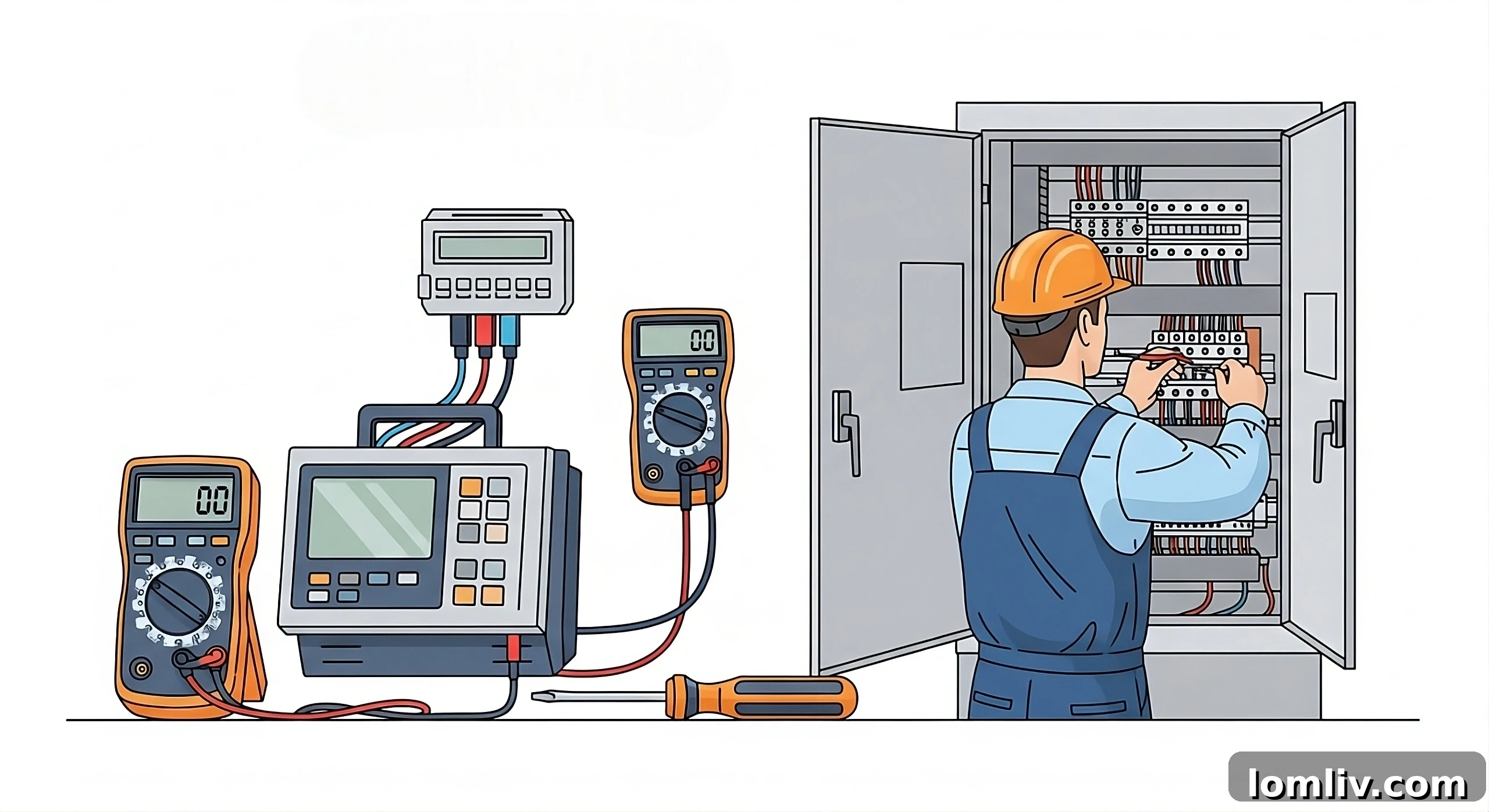
In our modern homes, electricity is more than just a convenience; it’s the lifeline that powers our daily lives. From illuminating our spaces to charging our devices and running essential appliances, a reliable electrical system is non-negotiable. However, like any complex system, your home’s electrical infrastructure can develop problems. These issues can range from minor annoyances to serious safety hazards, potentially leading to property damage, fires, or even personal injury.
Understanding when to seek professional help for electrical problems is crucial for maintaining a safe and functional home. Ignoring warning signs can escalate small issues into significant dangers and costly repairs. This comprehensive guide outlines 10 critical signs indicating it’s time to call a qualified electrician. By recognizing these indicators, you can proactively protect your home and loved ones, ensuring your electrical system operates safely and efficiently.
1. Frequent Circuit Breaker Trips
If your circuit breakers are constantly tripping, it’s more than just an inconvenience; it’s a clear signal that your home’s electrical system is under strain. Circuit breakers are safety devices designed to automatically shut off power when they detect an overload or a short circuit, preventing overheating and potential fires. An occasional trip might be due to plugging too many devices into a single outlet, but if it happens regularly, especially without a clear cause, it indicates a deeper issue.
Persistent tripping can point to several problems: an overloaded circuit that can’t handle the power demands of your modern appliances, a short circuit caused by faulty wiring, or a ground fault. Repeatedly resetting a breaker without addressing the underlying problem can lead to damaged wiring, appliance failure, and significantly increase the risk of an electrical fire. A licensed electrician can thoroughly inspect your electrical panel and wiring to identify the root cause, assess the capacity of your existing system, and recommend appropriate solutions such as redistributing loads, repairing faulty wiring, or upgrading your electrical panel to meet your home’s current power needs. Addressing this issue promptly ensures your home remains safe and your electrical system functions reliably.
2. Flickering or Dimming Lights
Have you ever noticed your lights flickering erratically or dimming when a major appliance, like a microwave or dryer, kicks on? While it might be easy to dismiss these subtle changes as minor quirks, they are often early warning signs of underlying electrical issues. These fluctuations indicate that your home’s electrical system, designed perhaps for a different era, is struggling to keep up with contemporary power demands.
Flickering or dimming lights can stem from various problems, including loose connections in wiring or switches, an overloaded circuit struggling to distribute power evenly, or even voltage fluctuations within your home’s main electrical supply. Such instability not only affects the performance and lifespan of your light bulbs and electronic devices but also suggests potential stress on your entire electrical infrastructure. Ignoring these signals means overlooking a system that is working harder than it should, increasing the risk of overheating, component damage, and potential fire hazards. A professional electrician can diagnose the exact cause of these power inconsistencies, ensuring proper voltage delivery and strengthening your electrical system for safe, efficient operation.
3. Burning Smell or Discolored Outlets
Few signs are as alarming and urgent as a burning smell emanating from an outlet, switch, or electrical panel, or the sight of scorch marks and discoloration around an electrical component. These aren’t just cosmetic flaws or peculiar odors; they are critical indicators of an immediate and serious electrical problem, often involving overheating wires or components. A burning smell typically signifies that electrical insulation is melting, a precursor to a potential fire, while scorch marks are evidence of extreme heat or electrical arcing.
The danger here is immense. Overheating can occur due to loose connections, frayed wires, overloaded circuits, or a faulty component that generates excessive resistance. When insulation melts, it can expose live wires, increasing the risk of short circuits, electrocution, and, most critically, fire. This is not a situation for DIY remedies or procrastination. If you detect a burning smell or observe any discoloration around outlets or switches, evacuate immediately if the smell is strong or persistent, and then contact a certified electrician without delay. They possess the expertise and specialized tools to safely identify the source of the heat, repair or replace damaged components, and verify the integrity of your entire electrical system, mitigating serious safety risks.
4. Buzzing or Crackling Sounds
Your home’s electrical system should operate silently. Any audible buzzing, crackling, popping, or humming sounds emanating from outlets, switches, or the electrical panel are abnormal and demand immediate attention. These unsettling noises are often tell-tale signs of serious underlying electrical issues that could compromise safety and system integrity.
These sounds frequently indicate loose connections, faulty wiring, or arcing electricity. When electrical connections are loose, electricity can “jump” between terminals, creating miniature sparks and producing a crackling sound. This arcing generates significant heat, which can quickly degrade insulation, melt components, and ultimately lead to a fire. Similarly, a persistent buzzing sound can signal an overloaded circuit, a failing switch or outlet, or even an issue within the circuit breaker itself, all of which pose risks of overheating and electrical failure. Ignoring these auditory warnings can have severe consequences, including fire hazards, electrocution risks, and damage to connected appliances. A qualified electrician can accurately pinpoint the source of these noises, perform necessary repairs such as tightening connections, replacing faulty devices, or upgrading your panel, ensuring your system is both quiet and safe.
5. Warm or Vibrating Outlets
Electrical outlets should always remain cool to the touch. If an outlet feels warm or hot, or if it wiggles noticeably when you plug or unplug a device, these are critical indicators of potential problems within your home’s electrical system. A warm outlet suggests excessive electrical resistance or current draw, while a vibrating or loose outlet points to unstable connections or internal damage.
The heat generated in a warm outlet is often a result of an overloaded circuit, a loose connection that creates increased resistance, or a faulty internal component. This excessive heat can melt the outlet’s plastic housing, damage appliance plugs, and, most dangerously, ignite nearby flammable materials, leading to an electrical fire. A loose or vibrating outlet, on the other hand, indicates that the internal wiring connections may be compromised or the outlet itself is improperly secured to the wall box. Loose wires can arc and spark, posing a significant fire hazard and increasing the risk of electrocution. Such instability also means power delivery is inconsistent, potentially damaging electronic devices. An experienced electrician will thoroughly inspect the outlet and its connections, rectify any wiring issues, replace damaged components, and ensure all connections are secure and properly grounded. Prompt attention to warm or vibrating outlets is essential to prevent energy waste and eliminate serious safety hazards.
6. Outdated Wiring
For homes built more than 30 years ago, there’s a significant chance the electrical wiring system is outdated and ill-equipped for the demands of modern living. Common in older properties are wiring types like knob-and-tube or early aluminum wiring, neither of which meets current safety standards or the capacity required by today’s multitude of electronic devices and high-power appliances. These older systems were not designed for constant device charging, sophisticated kitchen gadgets, home office setups, or extensive entertainment systems that are now commonplace.
Outdated wiring presents a range of serious issues. Knob-and-tube wiring, often lacking a ground wire, is susceptible to brittle insulation and damage, increasing electrocution and fire risks. Aluminum wiring, prevalent in the 1960s and 70s, is known for its tendency to expand and contract more than copper, leading to loose connections at outlets and switches, which can cause overheating and fires. Even if you don’t experience immediate problems, older wiring can lead to inconsistent power, frequent outages, higher electricity bills due to inefficiencies, and a greatly increased risk of electrical fires. A professional electrical inspection can assess the condition and type of your existing wiring, identify potential hazards, and recommend a partial or full home rewire. Upgrading to modern, grounded wiring not only enhances safety and brings your home up to code but also improves energy efficiency and increases your property’s value.
7. Electrical Shocks from Appliances
Receiving an electrical shock, no matter how minor, when plugging in an appliance or touching a metal casing, is a serious warning that should never be dismissed. While it might feel like a “static zap” or be attributed to an old outlet, any electrical jolt indicates a fault within your home’s electrical system or the appliance itself. This seemingly small incident is your electrical infrastructure signaling a significant problem that could lead to severe injury or even fatality.
The causes of electrical shocks can vary: faulty wiring, an improper or compromised grounding system, worn or damaged insulation on wires, or a defective appliance. In many cases, it points to a breakdown in the protective barrier that should prevent electricity from escaping its intended path. Furthermore, if a Ground Fault Circuit Interrupter (GFCI) outlet is supposed to be present in areas prone to moisture (like kitchens, bathrooms, or laundry rooms) but fails to trip when a shock occurs, it means this critical safety device is not functioning correctly. An electrician’s expertise is vital to diagnose the exact source of the shock. They will meticulously inspect your wiring, test outlets and appliances for proper grounding, and ensure that all GFCIs are installed and operating effectively. Addressing these issues promptly is paramount to safeguard against serious electrical injuries and ensure your home’s system meets crucial safety standards.
8. Increased Electricity Bills
If you observe a noticeable and unexplained surge in your electricity bills without a corresponding increase in usage or utility rate changes, it’s a strong indication that your home’s electrical system might be running inefficiently. While seasonal fluctuations are normal, a sudden or consistent spike suggests that electricity is being wasted somewhere within your property, often due to hidden electrical issues.
This energy waste can be attributed to several factors: outdated or inefficient wiring that allows for resistive losses, continuously running faulty appliances that draw excessive power, loose electrical connections generating unnecessary heat, or even “phantom loads” from devices constantly drawing power even when turned off. These inefficiencies not only inflate your monthly expenses but also signify a system that is straining harder than it should. This constant strain can accelerate wear and tear on electrical components, potentially leading to overheating, component failure, and increased fire risks over time. Engaging a professional electrician for an energy audit can be a highly cost-effective solution. They can identify the exact sources of energy drain, such as poorly insulated wires, inefficient fixtures, or problematic appliances, and recommend solutions to improve your home’s overall electrical efficiency. Investing in these repairs can lead to significant long-term savings and a safer, more sustainable electrical system.
9. Power Surges
Experiencing frequent power surges is much more than a mere annoyance; it’s a critical indicator that your home’s electrical system requires immediate professional attention. While powerful external events like lightning strikes can cause occasional surges, recurrent surges typically point to problems originating within your home’s own electrical infrastructure or from issues with the utility grid connections.
Power surges, characterized by a sudden spike in electrical voltage, can wreak havoc on your sensitive electronics and appliances. Even if they don’t cause immediate visible damage, repeated surges can gradually degrade internal components, significantly shortening the lifespan of everything from your television and computer to your refrigerator and HVAC system. Common internal causes include the switching on and off of high-power appliances (like air conditioners or washing machines), faulty or old wiring, overloaded circuits, or issues within your electrical panel. An electrician can perform a comprehensive inspection of your home’s electrical system to diagnose the source of these surges. More importantly, they can install a whole-house surge protector. This vital device acts as a first line of defense, safeguarding all your connected electronics and appliances from both external power fluctuations and internal surges, ensuring the longevity of your devices and the stability of your home’s power supply.
10. Non-functioning Outlets or Switches
When an electrical outlet or switch ceases to function, it’s not merely an inconvenience; it’s a direct signal that something is amiss within your home’s electrical network. While it might sometimes be a simple tripped breaker, often it indicates a more complex issue, potentially ranging from loose wiring to component failure or even deeper systemic problems that aren’t immediately apparent.
Ignoring a dead outlet or switch can lead to dangerous workarounds, such as relying excessively on extension cords or overloading other functional outlets, both of which introduce significant fire hazards. The underlying cause could be a loose connection within the outlet or switch itself, a broken wire segment, an improperly wired circuit, or a problem within the electrical panel. For instance, a single dead outlet might be part of a larger circuit experiencing an issue, indicating that other unseen problems could be developing. Trying to diagnose or fix such issues without professional expertise can be dangerous, risking electrical shock or inadvertently creating further damage. A licensed electrician will systematically troubleshoot the problem, safely identify the root cause – be it a faulty component, a wiring issue, or a breaker problem – and perform the necessary repairs or replacements. This ensures that all your electrical points are functioning correctly and safely, preventing reliance on hazardous temporary solutions and maintaining the overall integrity of your home’s electrical system.
The Importance of Professional Electrical Repair Services
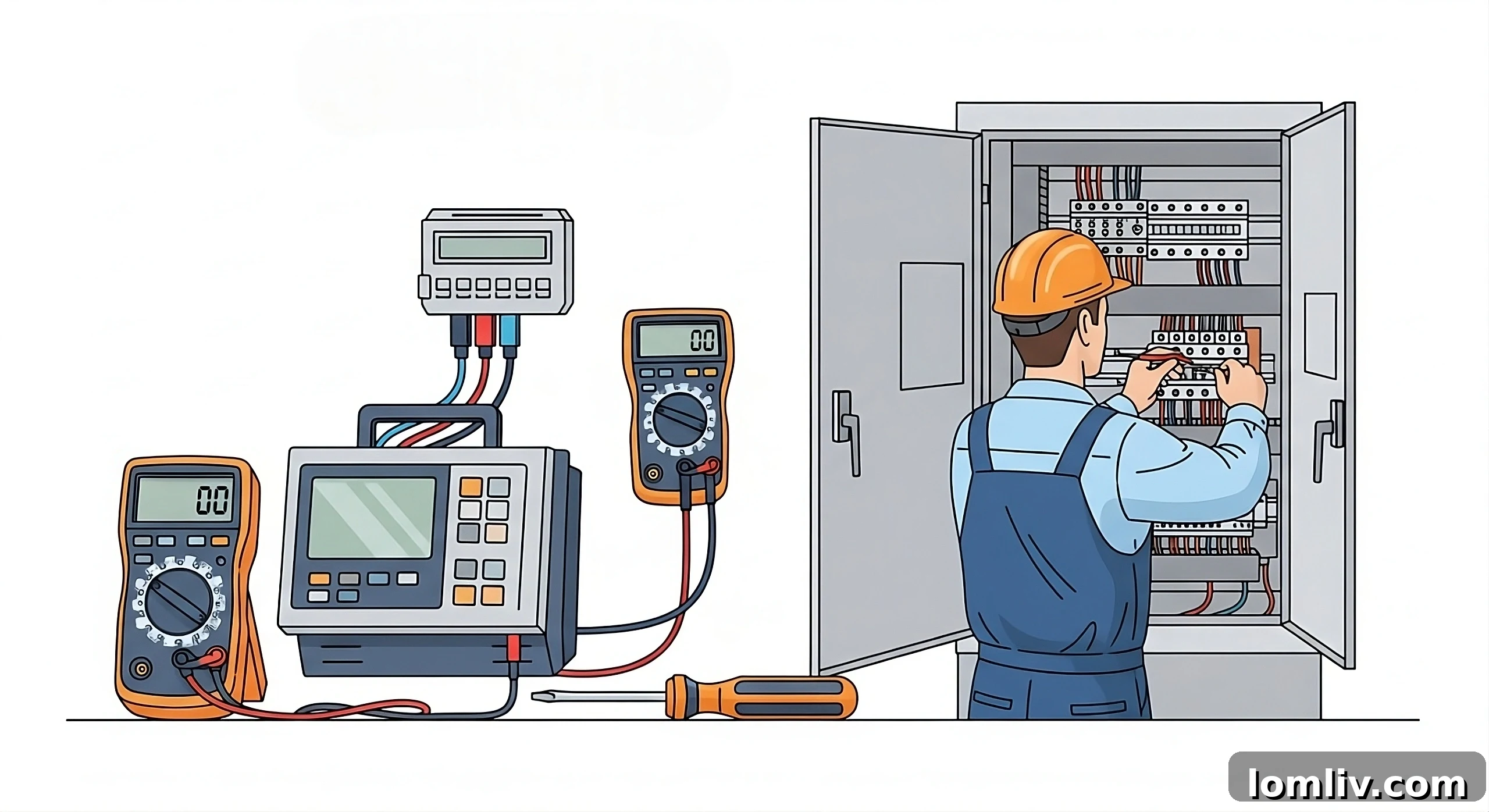
When confronted with electrical problems, the temptation to attempt a DIY fix can be strong, often driven by a desire to save money or simplify the process. However, electricity is inherently dangerous, and what might appear to be a straightforward repair can quickly become a complex and hazardous undertaking for anyone without the proper training, tools, and expertise. This is precisely why engaging professional electrical repair services is not just recommended, but essential for the safety and long-term health of your home.
Professional electricians possess extensive knowledge of electrical codes, safety regulations, and the intricate workings of various electrical systems. They are equipped with specialized diagnostic tools that allow them to accurately pinpoint the root cause of an issue, rather than simply addressing the symptoms. Their training enables them to identify potential hidden dangers, such as faulty wiring, outdated components, or code violations, that an untrained eye would easily miss. Beyond immediate repairs, they offer solutions that adhere to the highest safety standards, ensuring your home’s electrical system is not only functional but also compliant and secure.
While professional services involve an investment, this cost is often outweighed by the peace of mind and long-term savings they provide. Professional repairs typically come with warranties, offering reassurance in the quality of work performed. Moreover, proactive inspections and timely repairs by a certified professional can prevent minor issues from escalating into major, costly emergencies, such as widespread electrical damage or devastating fires. Their expertise extends beyond standard outlets and switches to more advanced systems like backup generators, solar panels, or high-demand commercial setups requiring specialized equipment such as power inverters or phase shifters, which demand a higher level of technical knowledge to inspect and repair safely. Choosing a licensed electrician means prioritizing safety, efficiency, and the overall well-being of your property and its occupants.
While most electrical issues at home involve everyday components like outlets, switches, and circuit breakers, some homes use more advanced systems, such as backup generators, solar panels, or high-demand appliances. In those setups, more specialized equipment like power inverters or even phase shifter might be part of the system. These components require a higher level of expertise to inspect and repair safely.
Conclusion
Recognizing the 10 critical signs discussed in this guide is paramount for safeguarding your home and ensuring the continuous, safe operation of your electrical system. From frequently tripping circuit breakers and flickering lights to the alarming smell of burning or the presence of non-functional outlets, each warning sign serves as an urgent call for professional intervention. These indicators are not merely minor inconveniences but potential precursors to serious hazards, including electrical fires, irreparable damage to valuable appliances, and significant risks of electrocution or injury to you and your family.
The complexity and inherent dangers of electricity necessitate that all electrical issues be addressed by trained, licensed professionals. Attempting to diagnose or fix electrical problems without the requisite expertise and safety equipment can exacerbate existing issues and create new, more dangerous ones. Procrastinating on these repairs can transform a manageable fault into a costly emergency or, tragically, a catastrophic event. Therefore, if you have observed any of these warning signs, do not delay. It is imperative to contact a trusted electrical repair service for a thorough inspection and professional resolution.
Prioritizing regular maintenance and swift, expert repairs for your home’s electrical system is an investment in safety, efficiency, and peace of mind. A well-maintained electrical system not only performs optimally but also complies with current safety codes, protecting your property and ensuring a secure environment for everyone within. When it comes to electricity, the adage holds true: it is always better to be safe than sorry.