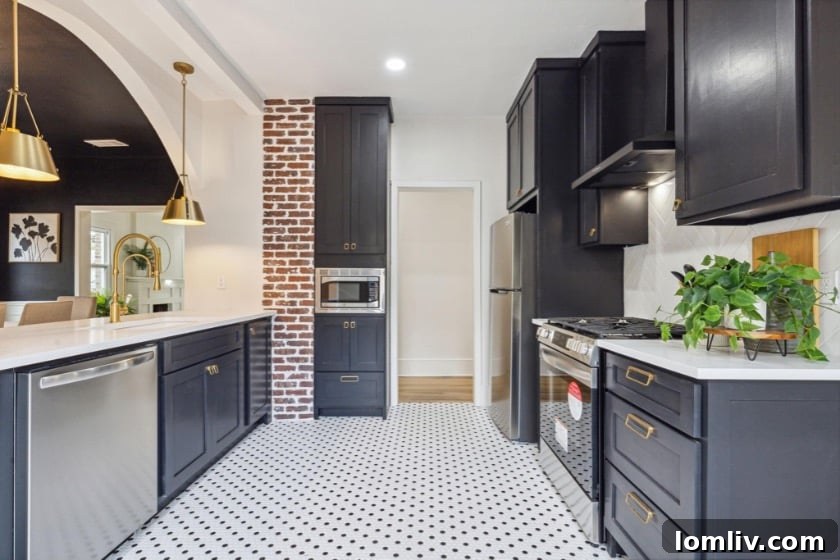
Mastering Home Renovation: Expert Tips for a Successful & Budget-Friendly Transformation
Embarking on a home renovation project, whether for personal enjoyment or as a strategic move in the competitive “fix and flip” market, can often feel like navigating a complex maze. Many homeowners and investors find themselves asking, “Where do I even begin?” The good news is that industry experts, Amy Stevens and Chad Martin of MHR Construction, possess a wealth of knowledge and are eager to share their insights to help streamline your renovation journey. With years of experience transforming properties, they offer invaluable tips, practical strategies, and proven advice that can make all the difference in achieving a stunning and cost-effective remodel.
From optimizing your budget to making smart design choices, this comprehensive guide will equip you with the essential tools and perspectives needed for a successful home transformation. Let’s delve into their expert-backed tips, illustrated with compelling examples, to ensure your next renovation project is not only beautiful but also strategically sound.
Note: While MHR Construction contributes significantly to the real estate landscape, not all featured remodels in this article were completed by their team. For a showcase of MHR Construction’s exceptional work, you can explore their projects here. The accompanying photographs have been carefully selected from the daltxrealestate.com archives to visually support the renovation principles discussed.
Essential Strategies for Your Home Renovation Project
1. Embrace the Power of Online Shopping for Home Renovation Deals
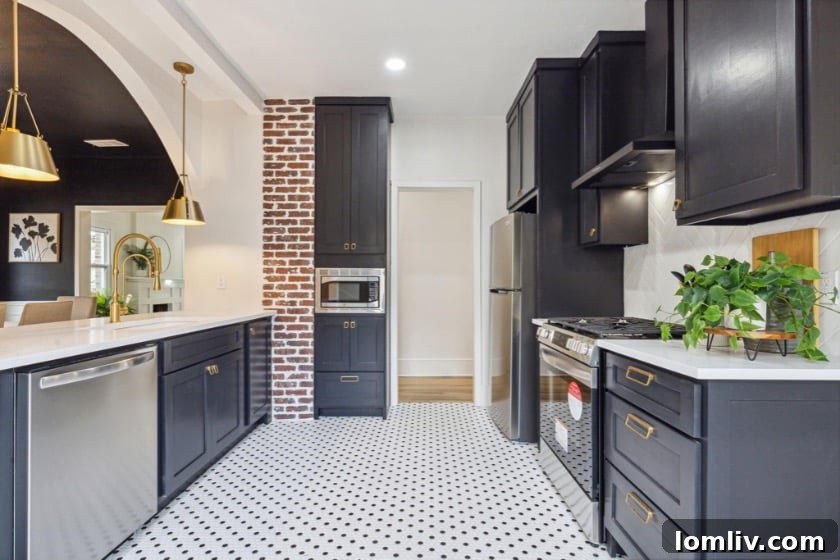
In today’s digital age, the first step towards a successful and budget-friendly home renovation often begins online. What might seem like an obvious recommendation is, in fact, a cornerstone of smart remodeling. Amy Stevens highlights the vast potential of e-commerce platforms like Amazon, Wayfair, and AllModern for sourcing high-quality, stylish, and often more affordable renovation materials. These online retailers offer an unparalleled selection of everything from chic floating vanities and modern lighting fixtures to unique hardware and tiling options, often at prices significantly lower than traditional brick-and-mortar stores.
The benefits extend beyond mere cost savings. Online shopping provides the convenience of browsing an extensive catalog from the comfort of your home, allowing for thorough comparison of styles, specifications, and customer reviews. This accessibility empowers renovators to discover unique pieces and explore design trends that might not be readily available locally, ensuring your project achieves a distinctive and personalized aesthetic without breaking the bank. Always remember to check return policies and read reviews to ensure product quality and customer satisfaction.
2. Leverage Visual Search Tools Like Amazon Lens for Cost-Effective Sourcing
Beyond general online shopping, specialized visual search tools offer a game-changing advantage for budget-conscious renovators. Stevens specifically champions the Amazon Lens feature, a powerful tool that allows you to find similar-looking items at potentially lower prices. The concept is elegantly simple and incredibly effective:
- How it Works: Open the Amazon app on your smartphone and select the “Lens” icon. You can either take a real-time photo of an item you admire (perhaps in a showroom, a friend’s home, or a magazine) or upload an existing image from your device’s gallery.
- The Analysis: The Amazon Lens technology then analyzes the image, identifies key product attributes, and scours Amazon’s vast marketplace to present you with visually similar products.
- The Benefit: This capability is invaluable for discovering more affordable alternatives to high-end designs you might have seen, or for tracking down specific fixtures and finishes that caught your eye. Imagine seeing a stunning brass pull or a unique tile pattern and being able to instantly find similar options within your budget. This feature transforms inspiration into tangible, affordable reality, making high-design looks accessible to more renovation budgets.
3. Collaborate Early and Effectively with a Qualified Contractor
One of the most critical steps in any home renovation is engaging a professional contractor right from the planning stages. While many homeowners might first visualize their dream design, a contractor’s expertise provides the essential logistical and structural insights. Stevens and Martin emphasize the importance of walking the property with your chosen contractor before finalizing any major design decisions.
Consider a common renovation desire: opening up a kitchen by removing a wall. What might seem like a simple structural alteration to a homeowner could be a complex, costly endeavor if that wall is load-bearing. A seasoned contractor will immediately identify such critical structural elements, assess their implications, and provide accurate cost estimates for necessary reinforcements, such as adding support beams. Skipping this crucial consultation can lead to unexpected expenses, significant delays, and potential structural issues down the line. Contractors don’t just execute plans; they help you craft realistic, safe, and efficient ones, ensuring your vision aligns with structural integrity and budgetary constraints. Their early involvement is not an expense, but an investment that prevents costly mistakes.
4. Achieve Cohesion and Space with Consistent Flooring Throughout Your Home
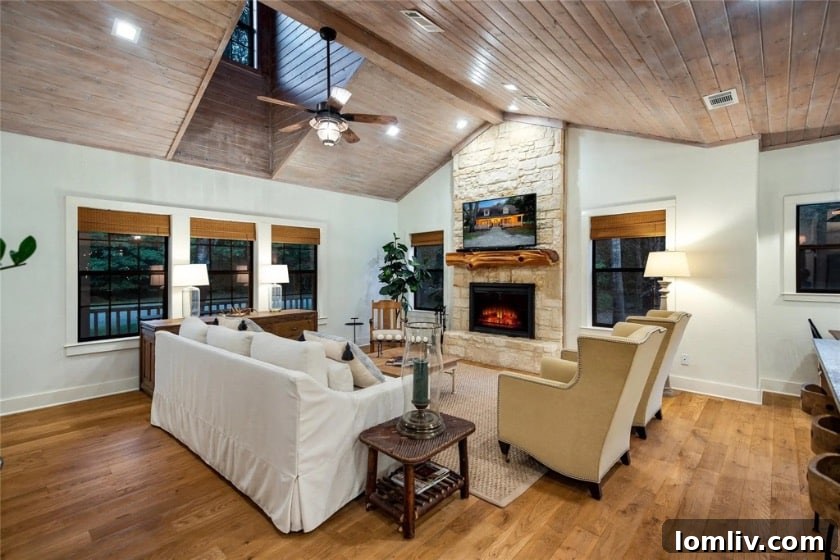
A key principle for creating a visually expansive and harmonious home environment is to utilize the same flooring material throughout as many areas as possible. This design choice, strongly recommended by MHR Construction, eliminates visual breaks that can chop up a space, instead fostering a sense of flow and continuity. A singular flooring type not only provides a more cohesive aesthetic but also tricks the eye into perceiving a larger, more open floor plan.
In contemporary home renovation projects, particularly those geared towards the “fix and flip” market, luxury vinyl plank (LVP) flooring has emerged as a top contender. Its popularity stems from a compelling combination of attributes: it offers the aesthetic appeal of natural wood or stone, yet boasts superior durability and is often entirely waterproof. This makes LVP an ideal choice for high-traffic areas, kitchens, bathrooms, and even basements, providing a stylish yet practical solution that appeals to a broad range of buyers. Opting for a consistent, high-quality, and resilient flooring material like LVP throughout your living spaces is a smart investment that enhances both the look and longevity of your renovation.
5. Simplify and Expand with a Unified Interior Paint Color

Much like consistent flooring, adopting a single paint color for both walls and baseboards throughout your home is another ingenious strategy to make rooms feel larger and more interconnected. This approach eliminates the visual division created by contrasting trim, allowing the eye to flow uninterrupted across surfaces. The result is an expansive, airy feel that contributes significantly to the perceived size and sophistication of the home.
Beyond the aesthetic advantages, this method offers practical benefits that translate into tangible savings. Selecting one paint color simplifies the purchasing process and reduces waste from multiple partially used cans. More importantly, it can significantly lower labor costs for the painter, as they won’t need to meticulously cut in different colors or tape off trim. This efficiency translates directly into a more budget-friendly renovation without compromising on style. Neutrals and light, subtle tones are often preferred in this strategy, as they offer timeless appeal and serve as a versatile backdrop for various decor styles, increasing a property’s marketability.
6. Discover Savings by Resurfacing Instead of Replacing Fixtures
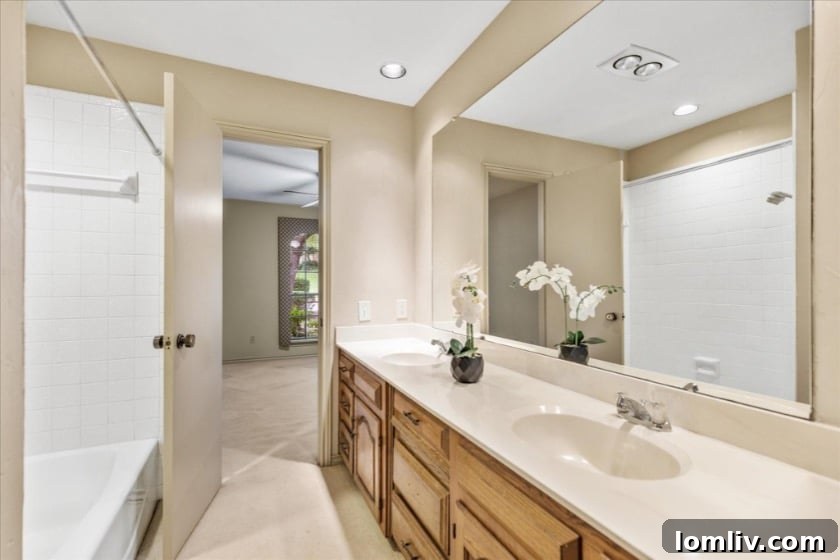
In the pursuit of cost-effective renovation, identifying opportunities to preserve and enhance existing elements rather than opting for complete replacement can yield substantial savings. Amy Stevens advises a keen eye for fixtures with enduring quality or sentimental value. A prime example is a classic cast iron bathtub. These fixtures are renowned for their durability and timeless appeal. If an existing cast iron tub is structurally sound but shows signs of wear, such as chips, stains, or a dull finish, resurfacing or refinishing it is a far more economical and environmentally friendly solution than tearing it out and installing a new one.
Resurfacing involves applying a new, durable coating that can make an old tub look brand new, extending its lifespan for many more years. This principle can be applied to other elements as well, such as solid wood cabinets that are structurally sound but outdated in appearance, or original hardwood floors that can be sanded and stained. Prioritizing restoration over replacement not only saves money on materials and installation labor but also contributes to sustainable renovation practices by minimizing waste. It’s about recognizing the inherent value in existing quality and giving it a fresh lease on life.
7. Maintain the Original Plumbing Footprint to Minimize Costs
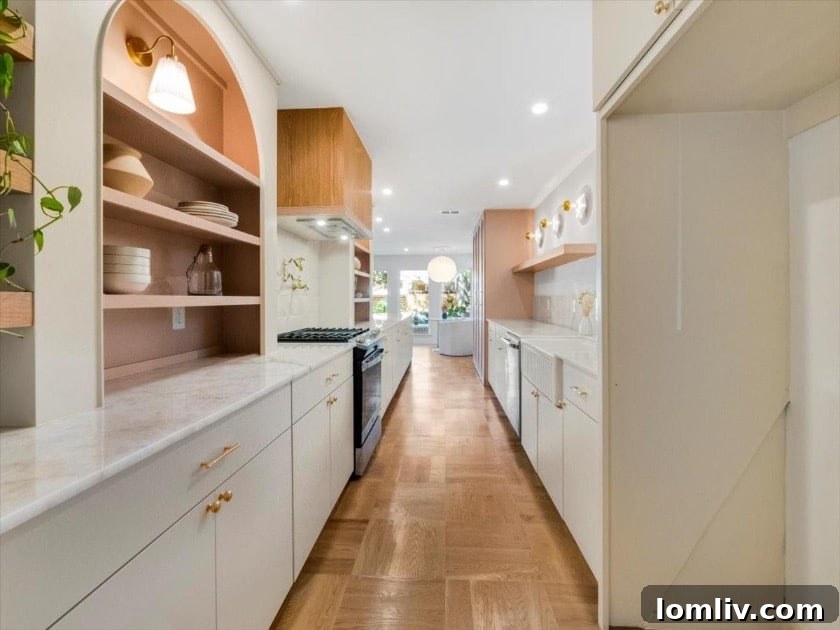
When planning kitchen and bathroom renovations, a significant cost-saving strategy involves preserving the original plumbing footprint as much as possible. The reason is simple: moving pipes and relocating plumbing fixtures is one of the most expensive aspects of a renovation project. It requires skilled labor, involves opening up walls and floors, and often necessitates adjusting existing structural elements or installing new lines, all of which add considerably to both material and labor costs.
For instance, if your kitchen has a functional layout that simply needs an aesthetic upgrade, consider keeping the sink, dishwasher, and refrigerator in their current locations. Similarly, in bathrooms, maintaining the positions of the toilet, sink, and shower/tub can drastically reduce expenses. While a complete reconfiguration might be necessary in some cases to improve functionality or flow, always weigh the design benefits against the financial implications. If the existing layout is reasonable and can be enhanced with new fixtures and finishes, keeping the plumbing footprint intact is a smart move that allows you to allocate more of your budget to visible upgrades that deliver a greater impact on overall appeal and value.
8. Optimize Efficiency by Minimizing Subcontractor Visits
Efficient project management is paramount in controlling renovation costs and timelines, and a critical component of this is minimizing the number of visits required from subcontractors. Each trip a subcontractor makes to your site typically incurs a charge, not just for their work but often for travel time and setup. Amy Stevens and Chad Martin advocate for a meticulous planning phase where all work is bundled and clearly defined before any subcontractors are called in.
This means having all your design decisions finalized, materials ordered, and a comprehensive scope of work established well in advance. For example, if you need an electrician, a plumber, and a drywaller, ensure all their tasks are coordinated and scheduled consecutively or simultaneously if possible, avoiding situations where they have to return multiple times for different phases of the project. Last-minute changes to the renovation plan are notorious for escalating costs because they often necessitate additional subcontractor trips, revisions to previously completed work, and subsequent charges for each new visit. By “buttoning up” all details upfront and communicating clear expectations, you can significantly reduce these avoidable expenses and keep your project on track and within budget.
9. Prioritize Practicality Over Extravagance in Bedrooms

When it comes to bedroom renovations, particularly in the context of increasing property value for resale, Stevens recommends a pragmatic approach: simplicity and functionality over elaborate installations. While tempting to outfit every room with high-end fixtures, bedrooms typically don’t require complex lighting schemes or extensive built-ins. Her advice is straightforward: “Add a ceiling fan with a light kit and call it a day.”
Recessed lighting, while popular in living areas and kitchens, is generally unnecessary for bedrooms unless you are the ultimate end-user with a specific personal preference. For prospective buyers, a simple, well-placed ceiling fan provides essential air circulation and adequate ambient light. Crucially, every bedroom must have a permanent light source. Relying solely on lamps can be an oversight that detracts from a room’s appeal and functionality, especially during showings. By focusing on these core necessities, renovators can save on expensive electrical work and fixture costs, allocating those resources to areas of the home where they will have a greater impact on buyer appeal and return on investment.
10. Eliminate “Furdowns” to Maximize Cabinet Storage and Modernize Aesthetics
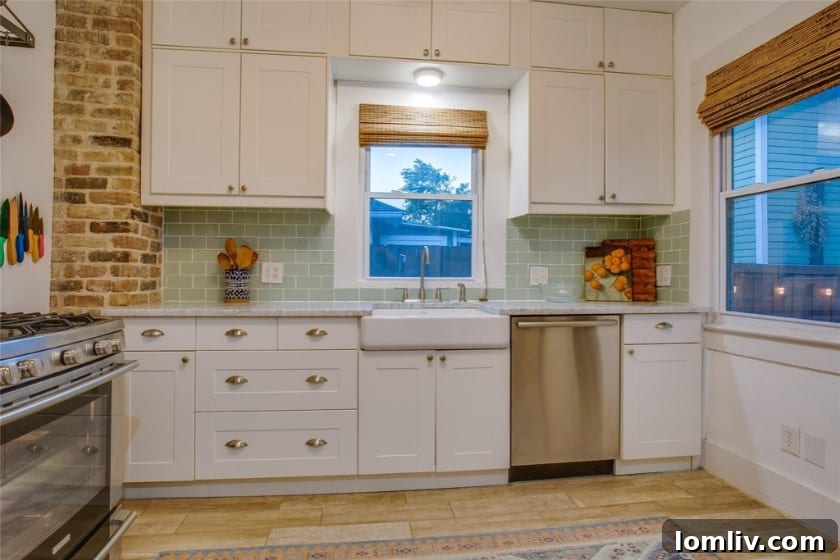
In older homes, kitchens often feature “furdowns”—those unsightly dropped ceiling sections that typically house ductwork or plumbing. If you’re undertaking a full kitchen gut renovation in an older property, removing these furdowns is an excellent strategy for several reasons. Primarily, it allows you to extend your upper cabinets all the way to the ceiling, instantly gaining a substantial amount of valuable storage space. This transformation not only enhances functionality but also creates a more modern, streamlined aesthetic that buyers highly covet.
The process involves relocating the existing ductwork, often by rerouting it through the attic space, and then installing new ceiling vents. While this requires additional labor from HVAC professionals and potentially a general contractor, the investment is often well worth it. The visual impact of uninterrupted cabinetry reaching the ceiling, combined with the practical benefit of increased storage, dramatically elevates the kitchen’s appeal and perceived value. It eliminates a dated architectural feature and brings the kitchen design firmly into the 21st century.
11. Smart Cabinet Updates: Paint, Reface, or Replace?

Kitchen cabinets are a focal point of any home, and their condition significantly impacts a home’s overall appeal. Amy Stevens highlights that updating cabinets doesn’t always necessitate a complete overhaul. If your existing cabinets are structurally sound, a relatively easy and inexpensive update is to paint them. A fresh coat of paint can dramatically transform the look of a kitchen, making it feel brighter, cleaner, and more contemporary without the high cost of replacement.
However, Stevens cautions against assuming that simply “refacing” cabinets will always be a significant cost-saver compared to new installations. Refacing involves replacing cabinet doors and drawer fronts while keeping the existing cabinet boxes. While it can be quicker than a full replacement, it still often involves custom millwork and working with real hardwoods, which can accumulate costs quickly. Chad Martin adds a valuable footnote: Shaker style cabinets are currently one of the most popular trends due to their clean lines and timeless appeal, and they are also among the least expensive cabinet styles to manufacture and install. This makes Shaker cabinets an excellent choice for renovators looking for a stylish yet budget-friendly option that resonates with a broad market.
12. Tailor Your Design Choices to Your Target Audience

A crucial, yet often overlooked, aspect of successful home renovation—especially for those in the “fix and flip” business—is understanding and designing for your target audience. Amy Stevens emphasizes that she always considers who will ultimately live in the home. Is it a young couple with dual incomes and no children, seeking urban sophistication? Or is it a family of four looking for practical, durable, and child-friendly features in the suburbs? The answers to these questions should profoundly influence your design and material choices.
For example, a modernized Tudor-style home in a trendy urban neighborhood like the M Streets might perfectly accommodate a dramatic, dark-painted dining room, appealing to buyers who appreciate bold design and entertaining. Conversely, a family home in a suburban setting would likely benefit more from lighter, more resilient finishes, open-concept living spaces, and practical storage solutions. Understanding your demographic extends to everything from the number of bedrooms and bathrooms you feature, to the type of outdoor space, and even the smart home technology you integrate. Tailoring your renovation decisions to the preferences and lifestyle needs of your likely buyer ensures your investment yields the highest possible return and a quicker sale.
Conclusion: Renovate Smarter, Not Harder
Home renovation doesn’t have to be a daunting endeavor fraught with uncertainty and spiraling costs. By incorporating the strategic advice from MHR Construction’s Amy Stevens and Chad Martin, you can approach your next project with confidence and clarity. From harnessing the power of online tools and understanding the critical role of your contractor, to making smart, cost-effective design choices in every room, these tips provide a robust framework for success.
Remember, the most successful renovations blend aesthetic appeal with practical functionality and sound financial planning. By focusing on cohesive design elements, prioritizing lasting value over fleeting trends, and always keeping your target audience in mind, you can transform any property into a highly desirable home. Embrace these expert insights to ensure your renovation journey is not only rewarding but also brilliantly executed, adding significant value and timeless appeal to your property.