The landscape of work has fundamentally shifted. More than one-third of households in the USA reported working from home more frequently since the pandemic began. Years later, remote work and hybrid models have firmly established themselves as the new norm, significantly reducing traditional office attendance by almost 30%. This profound transformation isn’t just a temporary trend; it’s a systemic change redefining how and where people work, with lasting implications for urban planning and real estate.
These societal shifts have sent palpable ripples throughout the commercial real estate market. Property owners and savvy investors are now grappling with a crucial question: Is owning traditional commercial properties, especially office spaces, still a viable and profitable long-term investment? The increased prevalence of empty offices has sparked a surge of interest in innovative solutions, prompting many to explore the potential of transforming commercial real estate into residential units.
While the long-term future of remote work remains an evolving narrative—whether it’s a temporary phase or a permanent fixture for generations to come—the immediate impact is undeniable. The current reality of underutilized commercial buildings presents both unique challenges and significant opportunities. This article will delve into the intricacies of commercial property transformation, exploring the compelling benefits, the inherent challenges, and the essential considerations for anyone contemplating this increasingly popular form of urban revitalization and adaptive reuse.
Unlocking Potential: Benefits of Converting Commercial Properties into Residential Units
Adaptive reuse, specifically converting commercial spaces into residential units, offers a compelling array of advantages for developers, urban planners, and communities alike. This strategic approach addresses current market needs while promoting sustainability and urban growth.
Abundant Estate Availability and Mitigating Vacancy Rates
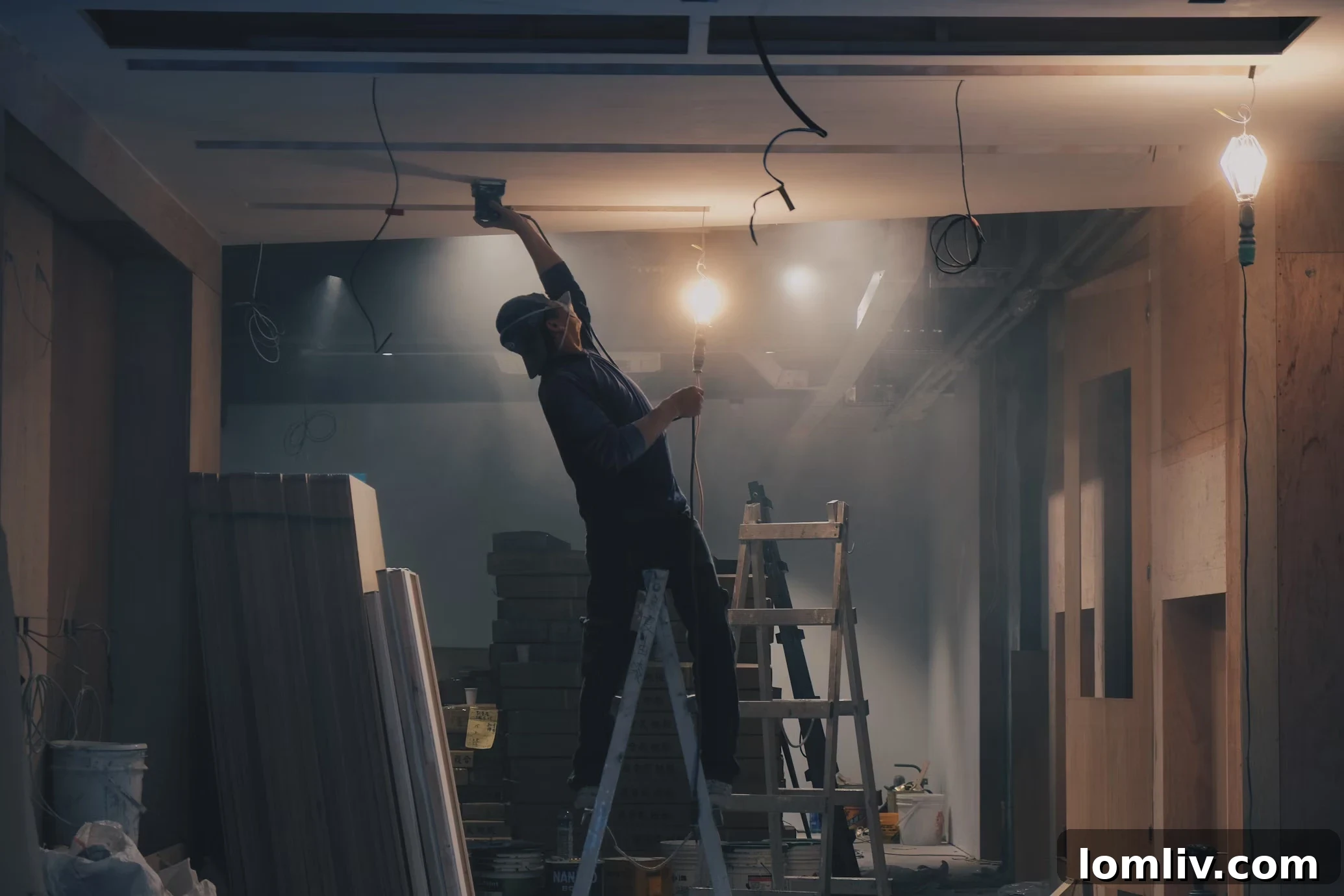
The exodus from traditional offices has created an unprecedented availability of commercial space. Industry statistics predict that the vacancy rate of commercial properties is projected to peak around 2026, largely driven by the sustained popularity of remote and hybrid work models. This trend isn’t just leading to empty buildings; it’s actively eroding the value of commercial estates, with projections indicating a potential loss of almost $250 billion. This glut of vacant commercial real estate presents a significant opportunity for developers to acquire properties at more favorable prices and repurpose them to meet the burgeoning demand for housing, particularly in urban cores. Such conversions breathe new life into underutilized assets, contributing to the revitalization of downtown areas that might otherwise struggle with high vacancy rates and reduced foot traffic.
Streamlined Timeline and Cost-Effectiveness
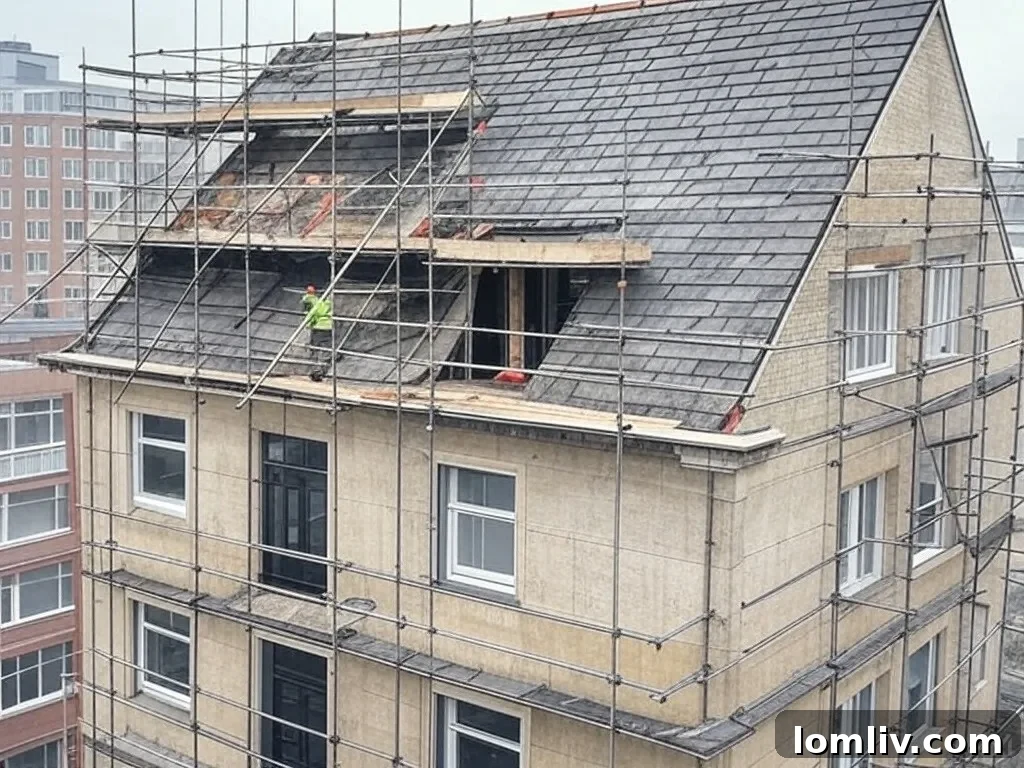
One of the most attractive aspects of converting existing office spaces into residential units is the potential for a quicker project timeline and often, a more cost-effective approach compared to new construction. Instead of demolishing an entire structure and rebuilding from the ground up, developers can leverage the existing building shell, foundations, and often, core infrastructure. This means significant savings on land acquisition, demolition costs, and the extensive time typically required for laying new foundations and erecting structural frames. While comprehensive remodeling and repair work are usually necessary—including potential commercial roof repair, upgrading electrical wiring and plumbing systems, and addressing any seepage or structural issues—these are often less complex and time-consuming than starting from scratch. By retaining much of the original building, projects can move faster through various development phases, from permitting to occupancy, thereby reducing carrying costs and accelerating return on investment.
Significant Environmental Impact and Sustainability Benefits
The real estate and construction sectors are substantial contributors to global carbon emissions. In the U.S. alone, buildings account for almost 29% of greenhouse gas emissions, with commercial estates making up more than half of that figure. Commercial-to-residential conversions offer a powerful tool for sustainable urban development. By reusing existing structures, these projects dramatically reduce the demand for new building materials, which in turn lowers embodied carbon—the carbon emissions associated with the extraction, manufacturing, transportation, and installation of materials. This adaptive reuse strategy directly lessens landfill waste and conserves natural resources. Furthermore, conversions provide an excellent opportunity to integrate modern, energy-efficient features. Developers can go beyond the basics by incorporating sustainable elements like energy-efficient windows, robust insulation, green roofs, rainwater harvesting systems, and solar panels, making these transformed buildings not only practical but also powerful examples of environmentally responsible development.
Navigating the Hurdles: The Challenges of Commercial-to-Residential Conversions
While the benefits of converting commercial properties are substantial, the process is not without its complexities. Developers must carefully navigate a series of challenges, from design limitations to community integration, to ensure a successful and sustainable transformation.
Bridging the Gap: Convenience and Amenity Deficiencies
One of the primary hurdles in transforming commercial buildings into residential units lies in their inherent design and location, which often lack the conveniences and amenities essential for residential living. Commercial districts, by nature, are designed for business operations and may not offer the vibrant, community-oriented environment that residents seek. Potential inhabitants naturally look for easy access to grocery stores, quality schools, healthcare services, recreational parks, and community spaces that are typically found in established residential neighborhoods. Commercial properties, particularly older office blocks, often exist within zones that are active during business hours but become quiet or even deserted after dark, lacking the pedestrian activity and essential services that contribute to a high quality of life for residents. Overcoming this requires strategic planning to integrate retail, green spaces, or community facilities on-site or advocate for broader neighborhood improvements.
Overcoming Structural and Design Limitations
Perhaps the most technically challenging aspect of commercial-to-residential conversions is adapting the existing structure and design. While a significant number of commercial spaces may be vacant, only a fraction are truly eligible for cost-effective conversion. For instance, in a major metropolis like New York City, despite over 15% of office spaces being vacant, only about 3% might meet the specific criteria for viable transformation. Key factors posing challenges include:
- Deep Floor Plates: Many office buildings are designed with deep floor plates to maximize office space, which makes it difficult to provide natural light and ventilation to interior residential units. This often necessitates creative design solutions or even partial demolition to create light wells or courtyards.
- Window Placement and Size: Office buildings typically feature continuous strip windows or large glass facades designed for open-plan offices, which may not translate well to individual residential units needing distinct windows and privacy. Extensive modifications are often required to achieve residential aesthetic and functional standards.
- Core and Shell Design: Office buildings have centralized HVAC, plumbing, and electrical systems designed for large, open spaces, which must be extensively reconfigured for individual residential units, each requiring separate utility meters, kitchen, and bathroom hookups.
- Building Codes and Safety: Residential buildings are subject to different and often more stringent building codes concerning fire safety, sound insulation, accessibility, and structural integrity compared to commercial properties. Significant upgrades might be needed to meet these standards.
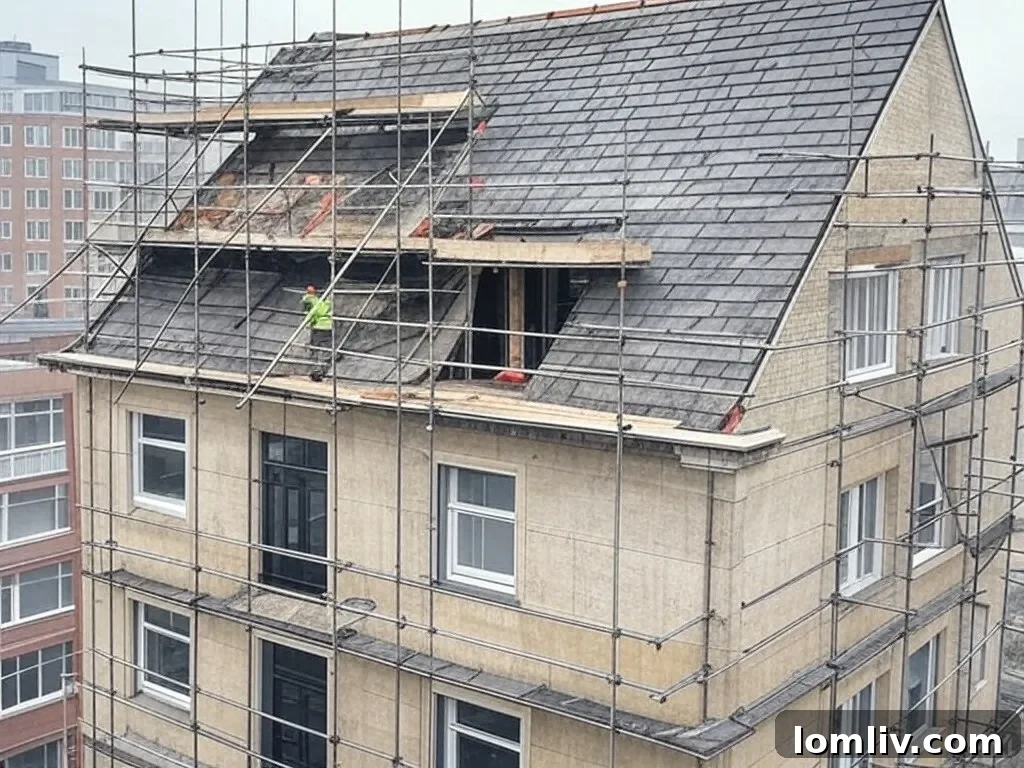
These modifications are not just about aesthetics; they are crucial for safety and livability. For instance, experts like Peak Builders and Roofers of Denver emphasize that proactive roof maintenance is critical to minimize future repairs and expenses, detecting potential issues early and preventing significant problems from escalating. The costs for such extensive repairs and structural adaptations can vary widely, ranging from $100 to over $500 per square foot, depending heavily on the age and condition of the existing structure, making thorough initial assessments indispensable.
Strategic Considerations Before Committing to a Commercial-to-Residential Project
Embarking on a commercial-to-residential conversion requires careful strategic foresight. Several critical factors must be thoroughly evaluated to mitigate risks and ensure the long-term success and profitability of the project.
Understanding the Evolving Future of Telework
The longevity and ultimate impact of the remote work trend remain subjects of ongoing debate and analysis. While the immediate post-pandemic period saw a significant drop in office attendance, many companies are now experimenting with mandatory hybrid models. Studies indicate that workers are currently attending the office an average of 3.5 days a week. This fluctuating demand for commercial space creates uncertainty for long-term real estate investments. Developers must consider various scenarios: Will hybrid work stabilize at current levels, or will there be a gradual return to more office-centric models? Conversely, could technological advancements further enable fully remote work, deepening the impact on commercial vacancies? A nuanced understanding of these potential futures is crucial for making informed investment decisions and projecting the sustained demand for converted residential units.
Leveraging Federal and Local Government Initiatives
Recognizing the dual challenges of commercial vacancies and housing shortages, governments at federal, state, and local levels have begun to incentivize office-to-residential transformations. Legislation such as the Revitalizing Downtowns Act offers valuable tax incentives, grants, and funding opportunities for such projects. Beyond federal efforts, many state and municipal governments are implementing their own programs, including expedited permitting processes, property tax abatements, and low-interest loans, all aimed at stimulating urban revitalization and increasing housing supply. Developers are strongly advised to conduct thorough research into these diverse policies, understanding their specific eligibility criteria, application processes, and the long-term benefits they offer. Engaging with local planning departments early in the process can also provide invaluable insights into available support and regulatory nuances.
Securing Adequate and Flexible Project Financing
Financing commercial-to-residential conversion projects can be considerably more complex than traditional residential mortgage loans or even standard commercial property loans. Lenders often perceive these conversions as higher-risk ventures due to several factors: the inherent complexity of adapting an existing structure, the potential for unexpected construction delays and cost overruns, and the uncertainty regarding market acceptance of residential units in traditionally commercial areas. This elevated risk profile can make securing conventional loans difficult. Developers should be prepared to explore alternative financing avenues, including specialized commercial real estate lenders with expertise in adaptive reuse, public-private partnerships, impact investors seeking social and environmental returns, and potentially, equity partners. A meticulously detailed business plan, comprehensive feasibility study, and a robust contingency budget are essential to present a compelling case to potential financiers and navigate the intricacies of project funding successfully.
An Essential Checklist for Successful Commercial-to-Residential Transformations
Before committing to a commercial-to-residential project, meticulous due diligence is paramount. This checklist outlines the critical factors to assess, helping to mitigate risks and pave the way for a successful conversion.
- Zoning and Legal Compliance: Begin by thoroughly checking local zoning ordinances and land-use regulations. Confirm that the proposed conversion to residential use is permissible or identify necessary re-zoning applications or variances required. Investigate historic preservation laws if applicable, and understand all local building codes and safety regulations specific to residential properties.
- Structural Integrity and Feasibility: Engage experienced architects, structural engineers, and mechanical engineers to conduct a comprehensive assessment of the building’s current structure. This includes evaluating its strength, load-bearing capacity, and suitability for residential conversion. Look for potential issues like asbestos, lead paint, seismic vulnerability, and the condition of the foundation, roof, and exterior envelope.
- Detailed Cost Analysis: Develop a meticulous and realistic cost analysis that covers all potential expenses. This should include acquisition costs, demolition (if any), hard construction costs (framing, electrical, plumbing, HVAC, finishes), soft costs (architectural fees, engineering, legal, permits, financing), and crucially, a substantial contingency budget (typically 15-20% of hard costs) for unforeseen issues.
- Permitting and Regulatory Approvals: Research all required permits from local authorities, including building permits, environmental permits, and occupancy permits. Understand the expected timeline for approvals, as this can significantly impact project schedules. Be prepared for potential public hearings and community input processes, especially for larger or more complex conversions.
- Neighborhood Context and Amenities: Carefully evaluate the surrounding neighborhood. Assess its suitability for residential living, considering proximity to essential amenities such as grocery stores, public transportation, schools, parks, healthcare facilities, and cultural attractions. Research local demographics and demand for housing types to ensure market viability.
- Utility Infrastructure Assessment: Verify that the existing utility infrastructure (water, sewer, electricity, gas, internet) can adequately support an increased residential density. Office buildings often have different utility demands than residential, and significant upgrades may be necessary.
- Market Demand and Unit Mix: Conduct thorough market research to determine the demand for residential units in that specific location. Identify the optimal unit mix (e.g., studios, one-bedroom, family-sized apartments) and target demographic to maximize occupancy and rental or sale prices.
- Design and Livability Considerations: Prioritize good design that maximizes natural light, ventilation, and livability for future residents. Address challenges posed by deep floor plates or limited windows creatively, ensuring each unit meets modern residential standards for comfort and functionality.
Recent research indicates a growing trend: almost 90% of real estate investors are actively considering or planning to undertake office-to-residential conversions within the next five years. This burgeoning interest highlights not only the evolving dynamics of the work environment but also the urgent need to revitalize aging urban buildings and address persistent housing shortages. With a strategic approach, thorough due diligence, and a commitment to innovative design, these transformations can emerge as not only practical and financially viable solutions but also as powerful drivers of affordable, environmentally friendly, and vibrant urban regeneration.