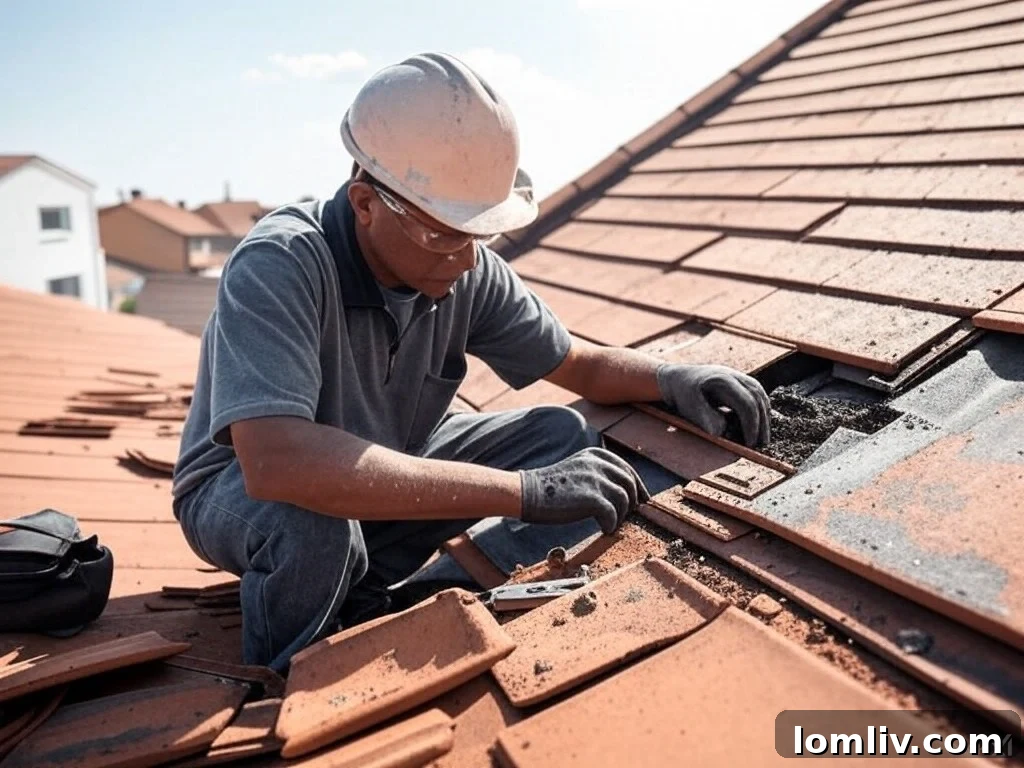
Your roof stands as the first line of defense against the relentless forces of nature. From scorching summer sun to torrential downpours, biting winds, and heavy snowfalls, it constantly shields your home and loved ones. While modern roofing materials are designed for exceptional durability, even the most robust systems are subject to wear and tear over time. Neglecting the health of your roof can lead to a cascade of problems, transforming minor issues into costly structural damage, compromised indoor air quality, and significantly higher utility bills. Recognizing the early signs of roof deterioration is not just about maintenance; it’s about safeguarding your entire home, preserving its value, and ensuring your family’s comfort and safety. Proactive identification and timely intervention can spare you from extensive and expensive repairs or even a full roof replacement down the line.
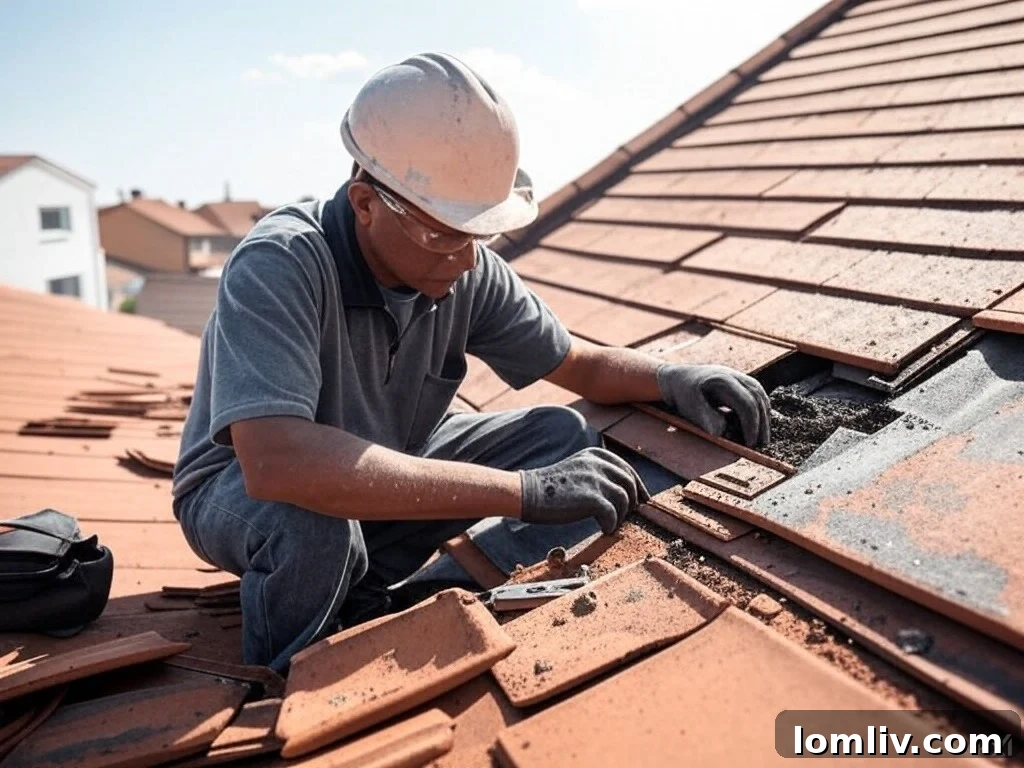
Unmistakable Signs Your Roof Demands Attention and Repair
Water damage stands as one of the most common and financially draining issues for homeowners, often originating from a compromised roof. Identifying roof problems early can prevent water from infiltrating your home, causing mold growth, structural rot, and damaged insulation. Beyond obvious leaks, several subtle indicators can signal that your roof requires professional attention. Paying close heed to these visual cues and performance changes can save you a great deal of stress and expense.
Exterior Red Flags: What to Look For on Your Roof
- Damaged or Missing Shingles: Shingles are your roof’s primary shield. If you notice shingles that are cracked, curling at the edges, buckled, blistered, or entirely missing, it’s a clear sign of vulnerability. These imperfections expose the underlayment to the elements, leading to rapid deterioration.
- Granules in Gutters: Asphalt shingles are coated with ceramic granules that protect them from UV rays and physical impact. If you find a significant accumulation of these sand-like granules in your gutters or downspouts, it indicates that your shingles are aging and shedding their protective layer, reducing their effectiveness and lifespan.
- Moss, Algae, or Fungi Growth: While often appearing as a cosmetic issue, extensive moss or algae growth can trap moisture against the roof surface, accelerating its decay. It can also lift shingles, allowing water to seep underneath, and lead to granule loss. Black streaks, common in humid climates, are often a form of algae that, while less damaging than moss, can still indicate moisture retention issues.
- Sagging Roof Deck: A noticeable dip or sag in your roofline is a critical structural warning sign. This usually indicates widespread water damage to the underlying roof deck, rafters, or trusses, which can compromise the entire integrity of your roof and potentially the rest of your home.
- Compromised Flashing: Flashing, typically made of metal, seals the areas where the roof meets vertical surfaces like chimneys, skylights, and vent pipes. If the flashing is rusted, bent, cracked, or improperly installed, it creates direct entry points for water.
- Damaged Gutters and Downspouts: While not part of the roof itself, damaged or clogged gutters can lead to water overflowing and pooling around the foundation, or backing up onto the roof, causing fascia and soffit damage.
Interior Warning Signs: What Your Home Tells You
- Water Stains on Ceilings or Walls: One of the most obvious signs of a leaking roof is the appearance of brown, yellow, or dark water stains on your interior ceilings or walls. These stains often appear directly below the source of the leak, though water can travel along structural elements before manifesting.
- Peeling Paint: If paint is peeling or blistering on interior walls or ceilings, especially in the attic or top floors, it could be due to excessive moisture intrusion from a roof leak.
- Mold or Mildew: Any visible mold or mildew growth in your attic, on ceilings, or in upper walls is a serious health hazard and a definitive sign of persistent moisture problems, frequently linked to roof leaks.
- Unexplained Drafts and Higher Energy Bills: A compromised roof often means compromised insulation. If you notice that your heating and cooling systems are working harder than usual, leading to unexpectedly high energy expenses, it could be a sign of inadequate insulation or air leaks caused by a failing roof structure.
Regular inspection of both the interior (especially the attic) and exterior of your roof is crucial, particularly after severe weather events. Early detection is your best defense against escalated damage.
The Critical Impact of Missing Shingles: More Than Just a Cosmetic Flaw
Yes, absolutely. Missing shingles are far more than a minor aesthetic concern; they are a gaping vulnerability in your home’s protective shell. Each missing shingle exposes the underlying layers of your roof, including the felt underlayment and the roof deck itself, to the direct assault of rain, snow, ice, and intense UV radiation. This immediate exposure initiates a chain reaction of potential problems:
- Direct Water Infiltration: The most immediate consequence is direct water exposure. Rainwater can easily penetrate the exposed area, leading to leaks that manifest as stains on your ceiling, dripping water, or pooling in your attic.
- Structural Damage: Persistent moisture can cause the wooden components of your roof structure—the decking, trusses, and rafters—to rot and weaken. This compromises the structural integrity of your entire roof, potentially leading to costly and complex repairs, or even a complete structural failure in severe cases.
- Mold and Mildew Growth: Dark, damp conditions created by leaks are ideal breeding grounds for mold and mildew. These fungi can spread rapidly, damaging insulation, drywall, and wood, and posing significant health risks to your family, particularly those with allergies or respiratory issues.
- Compromised Insulation: When insulation becomes wet, its effectiveness drastically diminishes. Damp insulation loses its R-value, leading to increased heat transfer and consequently higher energy bills as your HVAC system struggles to maintain indoor temperatures.
- Reduced Lifespan of Remaining Roof: Even if the initial leak is small, the overall exposure of the underlying materials accelerates the aging process of the entire roof system, reducing its expected lifespan.
- Decreased Home Value: A visibly damaged roof with missing shingles immediately signals neglect and potential underlying problems to prospective buyers, significantly detracting from your home’s curb appeal and market value.
Ignoring missing shingles in an attempt to cut costs is a false economy. The repair costs associated with subsequent water damage, mold remediation, and structural repairs will inevitably far exceed the expense of promptly replacing a few missing shingles. Address them without delay to prevent these escalating issues.
When Repair Becomes a Temporary Fix: The Case for Roof Replacement
Deciding between roof repair and a full roof replacement is a pivotal choice that homeowners often face. While repairs are suitable for isolated and minor issues, there comes a point when a replacement becomes the more sensible, cost-effective, and ultimately safer option. This decision hinges on several critical factors, primarily the age and overall condition of your roof.
Key Indicators Suggesting a Full Roof Replacement:
- Advanced Age: Every roofing material has an estimated lifespan. For instance, asphalt shingle roofs typically last between 20 to 30 years, while metal roofs can endure for 40 to 70 years, and clay or concrete tiles often exceed 50 years. If your roof is nearing or has surpassed its expected lifespan, even minor repairs may only offer a short-term solution, as the entire system is likely nearing the end of its functional life.
- Widespread Damage: If damage is not localized but rather spread across multiple sections of the roof, such as extensive cracking, curling, blistering, or granule loss over a large area, it often indicates systemic failure. Patching numerous spots becomes inefficient and may not prevent new issues from arising elsewhere.
- Multiple, Persistent Leaks: A roof that develops recurrent leaks in different areas despite repeated repairs is sending a clear message: its integrity is compromised. These persistent leaks often point to underlying issues with the underlayment, flashing, or structural decking that cannot be effectively addressed through simple patches.
- Visible Sagging or Structural Compromise: Any noticeable sagging in the roof deck or ridge line is a severe indicator of structural damage, often due to water infiltration and rot. This condition demands immediate attention and almost always necessitates a full replacement to ensure the safety and stability of your home.
- Mold or Mildew in the Attic: Extensive mold growth in your attic, particularly if it’s recurrent after remediation efforts, suggests a pervasive moisture problem that a new, properly installed roof system can resolve.
- Outdated Materials or Construction: If your home has an older roof that doesn’t meet current building codes or energy efficiency standards, a replacement offers an opportunity to upgrade to more durable, energy-efficient, and code-compliant materials.
Are you experiencing a need for a complete roof replacement? Click here to learn more! Opting for a full roof replacement, while a significant investment, can dramatically improve your home’s safety, enhance its energy efficiency, boost its curb appeal, and provide long-term peace of mind, often backed by substantial warranties.
Navigating Storm Damage: When to Repair, When to Replace
Storms, particularly those involving hail, high winds, and heavy rainfall, can inflict devastating damage on roofs. The immediate aftermath of a severe storm presents a critical juncture where homeowners must assess the extent of the damage to decide whether repairs will suffice or if a full replacement is warranted. Making the wrong decision can lead to prolonged issues and unnecessary expenses.
Types of Storm Damage and Their Implications:
- Hail Damage: Hailstones can leave behind circular dents, cracks, or punctures on shingles, leading to granule loss and exposing the underlying asphalt or fiberglass mat. While minor hail impacts might only cause cosmetic damage, widespread bruising or fracturing of shingles significantly reduces their protective capabilities and lifespan. Hail can also damage other roof components like vents, skylights, and gutters.
- Wind Damage: High winds can lift, tear off, or curl shingles, especially on older roofs or those with improper nailing. Strong gusts can also cause tree branches or entire trees to fall onto the roof, resulting in punctures or structural damage. Wind damage often exposes the roof deck to subsequent rain.
- Falling Debris: Storms frequently bring down trees, limbs, or other airborne debris that can create significant holes, punctures, or structural impact damage to the roof.
Repair or Replace? Making the Call:
- Minor, Localized Damage (Repair): If the storm damage is confined to a small, isolated area, such as a few missing shingles, a single puncture, or minor hail bruising on a relatively new roof, targeted repairs are usually the most cost-effective solution. A professional roofer can seamlessly blend new materials with existing ones, restoring the roof’s integrity.
- Extensive Damage (Replacement): When storm damage is widespread across large sections of the roof, or if it has compromised the structural integrity of the roof deck or underlying supports, a full replacement often becomes the only viable option. This is particularly true for older roofs that were already nearing the end of their lifespan; extensive storm damage simply accelerates the inevitable.
- Compromised Structural Integrity: Any storm damage that impacts the structural components of your roof—like severe sagging, large holes penetrating the deck, or significant impact damage from falling objects—mandates a replacement. Attempting to repair structural damage with patches is not only ineffective but also dangerously compromises the safety of your home.
- Age of the Roof: The age of your roof plays a crucial role. A 5-year-old roof with minor hail damage might be easily repaired. However, a 15-year-old asphalt roof with similar damage might be better off replaced, as its remaining lifespan might not justify extensive repairs that leave large sections vulnerable.
After a storm, it is imperative to have a professional roofing contractor conduct a thorough inspection. They can accurately assess the full extent of the damage, differentiate between repairable issues and those requiring replacement, and provide detailed documentation for insurance claims. Often, if a significant portion of the roof is damaged (e.g., 25% or more, depending on insurance policies), an insurer may cover the cost of a full replacement, making it both safer and more cost-effective in the long run than multiple small repairs.
Cost vs. Long-Term Value: A Strategic Perspective on Roof Investment
When faced with a damaged roof, the immediate instinct might be to opt for the cheapest solution: repairs. While roof repairs certainly carry a lower upfront cost, a purely short-term perspective can lead to a cycle of recurring expenses that ultimately outweigh the initial savings. A strategic approach considers the long-term value, understanding that a roof replacement is not just an expense but a significant investment in your home’s future.
The Cumulative Burden of Repairs:
Constant repairs, while individually cheaper, can quickly add up. Each repair addresses a symptom, not always the root cause, especially in an aging or widely damaged roof. You might find yourself scheduling multiple repair visits annually, each costing a few hundred to a thousand dollars. Over five to ten years, these cumulative repair costs can easily approach or even exceed the cost of a full replacement, all while providing diminishing returns in terms of roof performance and peace of mind.
The Compelling Value of a Roof Replacement:
Replacing your roof offers a multitude of benefits that translate into substantial long-term value:
- Enhanced Durability and Longevity: A new roof provides a fresh start with materials designed to last for decades, offering superior protection against the elements and reducing the need for constant maintenance. You gain a fully integrated system, not just patched sections.
- Improved Energy Efficiency: Modern roofing materials and proper installation techniques, combined with updated insulation, can significantly enhance your home’s thermal performance. A new roof can minimize heat loss in winter and heat gain in summer, leading to noticeable reductions in your monthly energy bills.
- Increased Home Value and Curb Appeal: A new roof dramatically boosts your home’s curb appeal, making it more attractive to potential buyers. It’s often cited as one of the best home improvement projects for return on investment (ROI). According to Home Guide, a new roof can offer up to 85% return on investment, making it a sound financial decision if you plan to sell in the coming years.
- Superior Protection: With a new roof, you benefit from the latest advancements in waterproofing, wind resistance, and impact resistance, offering a higher level of protection for your home and its contents.
- Peace of Mind and Warranty: A new roof comes with comprehensive manufacturer and installer warranties, providing significant peace of mind knowing that your investment is protected against defects and premature failure.
- Insurance Benefits: Some insurance companies offer discounts for new roofs, especially those made with impact-resistant materials or those that meet stricter building codes. Conversely, an old or poorly maintained roof can lead to higher premiums or even denial of coverage.
While the initial outlay for a roof replacement is higher, it represents a wise, long-term investment that fortifies your home, enhances its efficiency, increases its market value, and provides enduring security and comfort for your family. View it as a strategic upgrade rather than just an expense.
Top Roofing Materials to Consider for Your Home in 2025 and Beyond
The roofing industry continues to innovate, offering homeowners a diverse range of materials that blend aesthetics, durability, and sustainability. As we look towards 2025, certain trends and materials stand out for their advanced features and long-term benefits.
Leading Choices for Modern Homeowners:
- Metal Roofing: Metal roofs are rapidly gaining popularity due to their exceptional durability, longevity, and environmental benefits. Available in various styles (standing seam, metal shingles, tiles) and colors, they can mimic the look of traditional materials while offering superior performance.
- Pros: Extremely long lifespan (50-70+ years), highly resistant to fire, rot, mildew, and insects. Excellent wind and impact resistance. Highly energy-efficient, reflecting solar radiant heat to reduce cooling costs. Made from recycled content and fully recyclable at the end of its life.
- Cons: Higher initial installation cost compared to asphalt. Can be noisy during heavy rain or hail if not properly insulated. Installation requires specialized expertise.
- Solar Shingles/Tiles: Integrating photovoltaic technology directly into roofing materials, solar shingles are an innovative solution for homeowners seeking to generate their own clean energy without the bulky appearance of traditional solar panels.
- Pros: Generate electricity, reducing or eliminating utility bills. Seamlessly blend with the roof, maintaining aesthetic appeal. Durable and weather-resistant. Increase home value and potentially qualify for tax credits.
- Cons: Very high initial cost. Specialized installation required. Power output can be less efficient per square foot than traditional panels.
- Asphalt Shingles: Still the most common roofing material in North America, asphalt shingles offer a balance of affordability, versatility, and ease of installation. Advances in manufacturing have led to improved durability and aesthetic options.
- Pros: Most cost-effective option. Wide range of colors and styles (3-tab, architectural/laminated). Relatively easy and quick to install. Good fire resistance.
- Cons: Shorter lifespan (20-30 years) compared to metal or tile. Susceptible to wind uplift and granule loss over time. Less environmentally friendly than other options.
- Clay and Concrete Tiles: These materials are renowned for their durability, unique aesthetics, and suitability for warm climates. They evoke a classic, Mediterranean, or Spanish architectural style.
- Pros: Exceptional lifespan (50-100+ years). Excellent fire resistance. Highly resistant to rot, insects, and harsh weather. Good thermal mass provides insulation benefits in hot climates.
- Cons: Very heavy, requiring additional structural reinforcement for installation. Higher initial cost. Can be brittle and crack under impact. Installation is labor-intensive.
- Synthetic Roofing Materials: Often made from recycled plastics or rubber, synthetic shingles and tiles can mimic the appearance of slate, wood shakes, or clay tiles without the associated weight, cost, or maintenance issues.
- Pros: Lightweight, durable, and highly resistant to impact, fire, and rot. Long lifespan. Environmentally friendly (often made from recycled materials). Low maintenance.
- Cons: Can be more expensive than asphalt shingles. Limited track record compared to traditional materials.
When selecting a material, consider your climate, architectural style, budget, desired lifespan, and long-term energy goals. Consulting with a professional roofing contractor can help you navigate these choices and find the best fit for your home.
Why Expert Roof Inspections Are Non-Negotiable for Home Longevity
The health of your roof is paramount to the safety and structural integrity of your entire home, yet it’s often overlooked until a problem becomes apparent. This is where the invaluable role of expert roof inspections comes into play. Regular assessments by a qualified roofing professional are not merely a recommendation; they are a critical component of proactive home maintenance that can significantly extend your roof’s lifespan, prevent catastrophic failures, and save you substantial money in the long run.
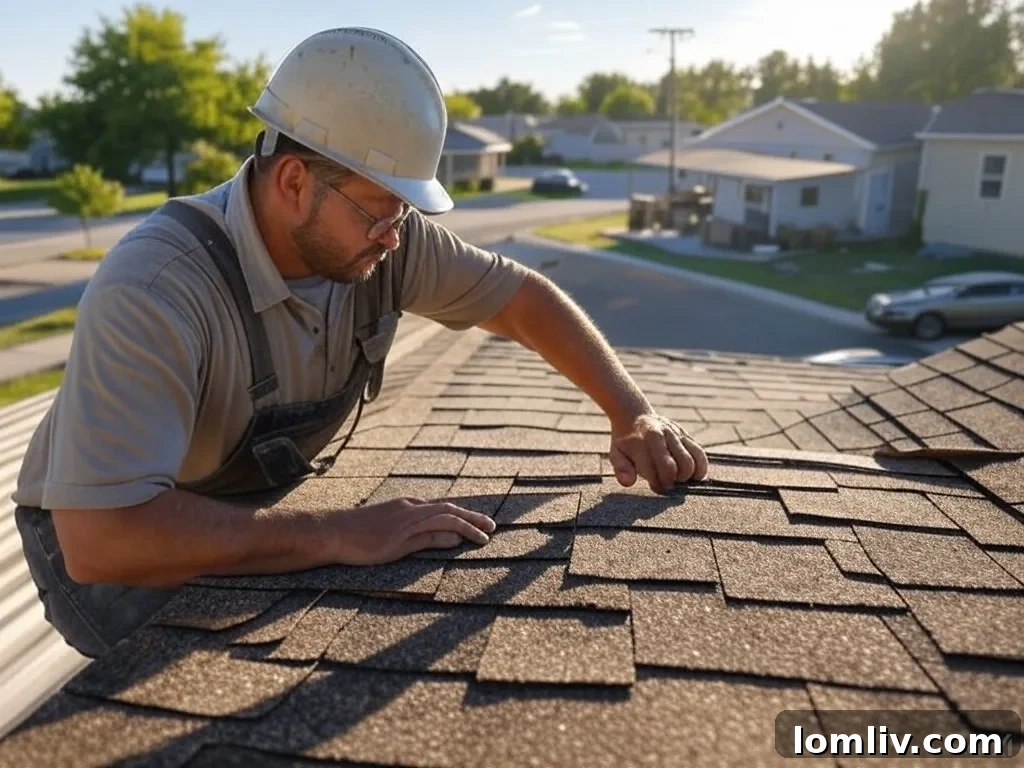
The Comprehensive Scope of a Professional Inspection:
Unlike a quick visual scan from the ground, a professional roof inspection is a meticulous, multi-point assessment that covers every aspect of your roofing system. Inspectors examine:
- Exterior Components: Shingles (for cracks, curling, granule loss, blistering, missing pieces), flashing (around chimneys, skylights, vents), gutters and downspouts (for blockages, damage), fascia and soffits, roof decking (for sagging or soft spots), and any penetrations like vents or pipes.
- Interior Components (Attic): The underside of the roof deck for signs of water stains, rot, mold, or mildew. They also check for proper ventilation, which is crucial for preventing moisture buildup and extending shingle life.
- Structural Integrity: An expert can identify subtle shifts, weaknesses, or damage that might not be visible to the untrained eye but could indicate deeper structural issues.
The Undeniable Benefits of Regular Expert Inspections:
- Early Issue Detection: Professionals possess the trained eye and experience to spot nascent problems – a tiny crack, a loose shingle, a failing seal – long before they escalate into major leaks or structural damage. Catching these issues early allows for minor, less expensive repairs.
- Extended Roof Lifespan: Proactive maintenance based on inspection findings helps address wear and tear effectively, thereby maximizing the useful life of your existing roof and delaying the need for costly replacement.
- Prevention of Costly Repairs: A small leak left unaddressed can lead to extensive water damage, mold growth, compromised insulation, and even electrical hazards. An inspection helps pinpoint these vulnerabilities, preventing thousands of dollars in secondary damages.
- Validation for Insurance Claims: In the event of storm damage, a documented inspection from a professional can be invaluable when filing an insurance claim, providing credible evidence of pre-existing condition and post-storm damage.
- Maintaining Warranties: Many roofing material warranties require regular professional inspections to remain valid. Neglecting inspections could void your warranty, leaving you exposed to full replacement costs for premature failures.
- Enhanced Safety: Climbing onto a roof can be dangerous, especially for homeowners unfamiliar with safety protocols. Professionals have the necessary equipment and training to conduct inspections safely.
Understanding Inspection Costs:
The cost of a roof inspection can vary based on several factors, including the size and complexity of your roof, its material, pitch, accessibility, and your geographic location. Generally, the cost for a residential roof inspection will range from $119 to $900. For larger or more complex residential roofs, or certain specialized materials, the cost might be on the higher end. For larger commercial roofs over 1,500 square feet, inspections can be more involved and may cost between $1,000 and $2,000, reflecting the greater complexity and scale of the assessment.
Investing in regular professional inspections is a small price to pay for the significant protection and peace of mind it offers, ensuring your home remains secure and your roof performs optimally for years to come.
Conclusion:
The decision to repair or replace your roof is a critical one that directly impacts the safety, efficiency, and value of your home. This choice hinges primarily on two factors: the current condition of your roof and its age. While targeted repairs can effectively extend the life of a newer roof suffering from localized damage, older roofs exhibiting widespread wear, persistent leaks, or structural compromise are typically better served by a complete replacement. A new roof not only resolves existing issues but also offers enhanced durability, superior energy efficiency, increased curb appeal, and a strong return on investment.
Regardless of the immediate problem, the most prudent course of action is to consult with a reputable and experienced roofing professional. Their expertise in diagnosing problems, assessing overall roof health, and understanding the nuances of various materials and repair techniques is invaluable. A professional inspection and honest recommendation ensure you make an informed decision that optimally safeguards your home, protects your investment, and provides lasting peace of mind.