Luka Doncic’s Shocking Lakers Trade: Unpacking the $15 Million Dallas Home Drama and NBA Fallout
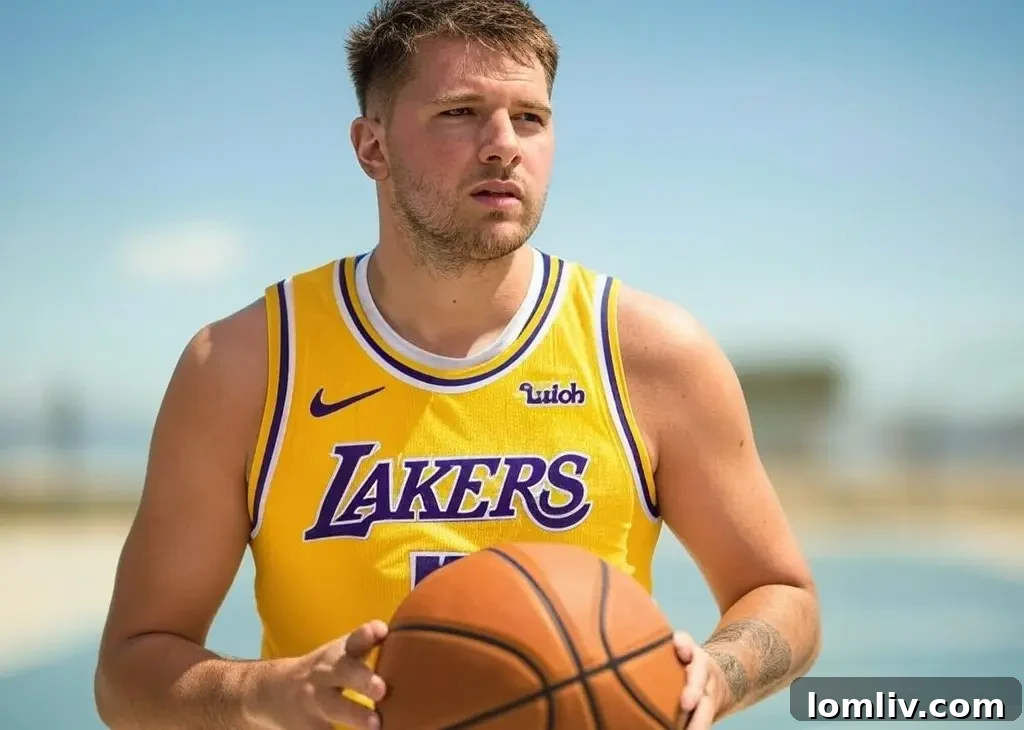
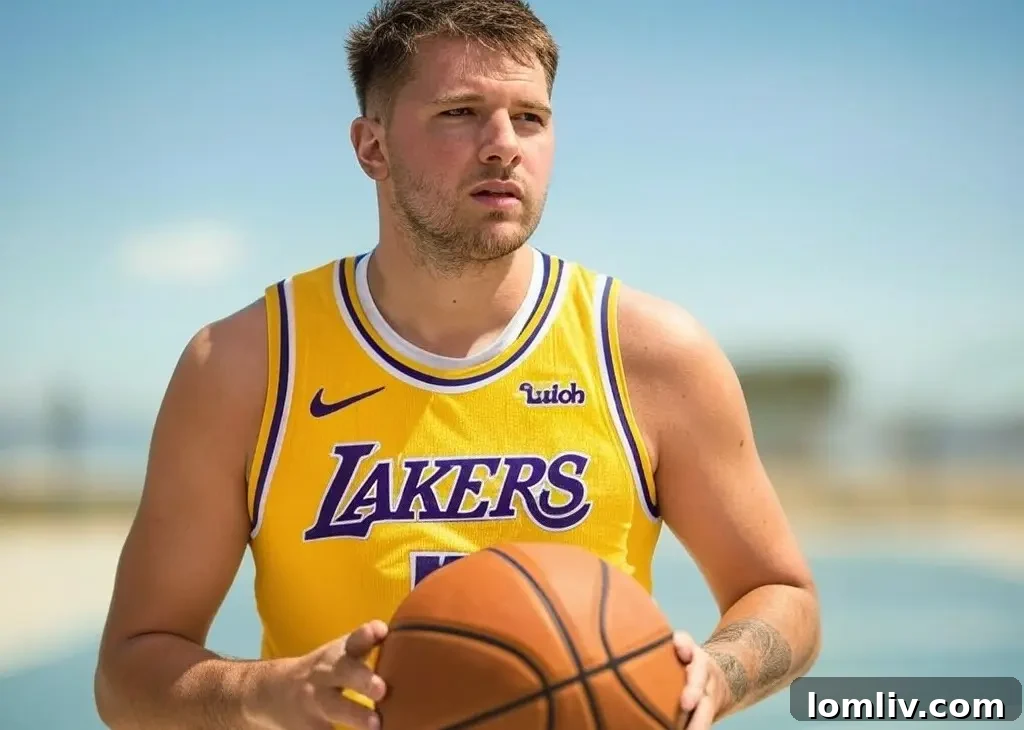
The NBA landscape was rocked by an unexpected and deeply emotional trade that saw Dallas Mavericks superstar, Luka Dončić, move to the Los Angeles Lakers. This seismic shift, announced on February 2, sent shockwaves through the league, leaving fans, teammates, and reportedly, Dončić himself, reeling. Adding a poignant layer to the dramatic transfer, reports emerged that the 25-year-old phenom had just invested a staggering $15 million in a new Dallas residence, a detail shared by former NBA player Chandler Parsons, amplifying the personal cost of this professional upheaval.
The Blockbuster Deal: How the Mavericks-Lakers Trade Unfolded
The trade, which unfolded swiftly and without prior public indication, marked the end of Dončić’s seven-season tenure with the Dallas Mavericks. On February 2, basketball enthusiasts woke to the astonishing news that one of the league’s brightest young stars was headed to Hollywood. The details of the trade were significant, illustrating the high stakes involved for both franchises. The Los Angeles Lakers acquired Luka Dončić, along with key rotational players Maxi Kleber and Markieff Morris. In exchange, the Mavericks received seasoned All-Star Anthony Davis, promising young talent Max Christie, and a coveted first-round draft pick in 2029, signaling a strategic play for future assets.
A Shift in Franchise Dynamics
For the Mavericks, the trade represented a bold, albeit controversial, pivot from their established superstar-centric strategy around Dončić. Since his arrival in 2018, following a draft-day trade from the Atlanta Hawks, Dončić had rapidly ascended to become the undisputed face of the franchise. He inherited the mantle from legendary Dirk Nowitzki and, in a remarkably short span, had cultivated a deep connection with the city of Dallas and its passionate fanbase. He led the team to its first NBA Finals appearance in 13 years, a testament to his transformative impact and status as the team’s cornerstone. Dončić’s exceptional playmaking, scoring prowess, and clutch performances consistently placed him among the league’s elite, making him a perennial MVP candidate and the focal point of the Mavericks’ offensive scheme.
The move to the Lakers, one of the NBA’s most storied franchises, immediately thrust Dončić into a new spotlight, pairing him with other elite talents. This trade wasn’t just about moving players; it was about fundamentally altering the trajectories of two prominent NBA teams and, more profoundly, the personal and professional life of a young superstar. The Lakers, already boasting a roster of veteran talent, now gain a dynamic, young playmaker capable of carrying an offense, potentially reshaping their championship aspirations for years to come.
The Mavericks’ Rationale and Fan Outcry
Dallas General Manager Nico Harrison addressed the trade in an interview with ESPN, attempting to clarify the organization’s reasoning. Harrison emphasized concerns over the team’s defensive performance and expressed confidence that acquiring Anthony Davis would significantly “step up their game” on that end of the court. Davis, a multiple-time All-Star, former Defensive Player of the Year candidate, and an elite rim protector, was positioned as the missing piece the Mavericks believed they needed to contend seriously. The rationale suggested a strategic rebalancing of the roster, prioritizing a defensive anchor to complement their offensive firepower.
However, Harrison’s explanation did little to quell the widespread discontent among the Mavericks’ loyal fanbase and a significant portion of the basketball media. Many viewed the trade as a misstep, if not a betrayal, of a player who had given his all to the franchise. The emotional investment of fans in Dončić was immense; he was seen as a generational talent, a cultural icon, and the future of Dallas basketball. Reports from USA Today underscored this sentiment, stating unequivocally that Dončić had not requested a trade and was “crushed by the news.” This perception of a unilateral decision by the Mavericks’ front office, seemingly without full consideration for their star player’s wishes or feelings, further fueled public skepticism regarding the team’s transparency and long-term vision. The outcry painted a picture of a fanbase deeply hurt by the perceived disrespect shown to their beloved superstar.
The Personal Fallout: A $15 Million Home and Tears
Perhaps the most heartbreaking revelation came from former NBA player Chandler Parsons, who disclosed details about Dončić’s personal life just prior to the trade. Appearing on FanDuel’s “Run It Back,” Parsons shared that Dončić had finalized the purchase of a lavish $15 million home in Dallas just a week before the trade announcement. This timing added a profound layer of personal tragedy to the professional shock, symbolizing a deep commitment to the city that was suddenly and abruptly severed. The sheer value of the reported transaction highlighted Dončić’s intention to establish long-term roots in Dallas, making the sudden uprooting even more poignant.
“I’m also not buying that Jason Kidd just didn’t know. … Luka Doncic just bought a $15M house, just closed like last week in Dallas. Apparently he cried when he found out. … Jimmy Butler’s off the hook a little bit based on this move.” – @ChandlerParsons pic.twitter.com/dJfBFUEyKJ
— Run It Back (@RunItBackFDTV) February 3, 2025
Parsons’ account painted a vivid picture of Dončić’s emotional state, asserting that the young star “apparently he cried when he found out.” This raw, human reaction underscored the depth of his attachment to Dallas and the abrupt, unsolicited nature of the trade. The purchase of a significant property typically signifies long-term commitment and plans to settle, making the sudden relocation even more jarring. Such a major life investment just days before a forced departure highlights the unforeseen and often brutal nature of professional sports, where personal plans can be instantly overridden by team decisions.
“This dude bought a $15 million house, just closed, like, last week in Dallas,” Parsons emphasized. “Apparently, he cried when he found out.”
The Real Estate Discrepancy: Clarifications and Property Records
Following Parsons’ sensational claims, Luka Dončić’s business manager, Lara Beth Seager, stepped forward to offer a crucial clarification. While she confirmed that Dončić was indeed “in the process of purchasing a home in the area for himself and his family,” she stated that the deal had not yet officially closed. Seager reiterated Dončić’s sentiment, conveyed by him previously, that “he expected to spend his career in Dallas,” highlighting his genuine desire to remain with the Mavericks. However, details regarding the specific $15 million property remained undisclosed by his management, leading to ongoing speculation about the exact nature and status of the transaction.
Public property records offered further insight, or perhaps, confusion. As of the time of the trade, the only Dallas property officially registered under Luka Dončić’s name was a four-bedroom house situated in the affluent Preston Hollow neighborhood. This property, acquired in June 2020 for $3.3 million (reported as $3.7M in one of the tweets), stood as his confirmed residence. Built in 1984, the home had undergone extensive modern renovations, boasting an open-plan layout, elegant hardwood floors, and a state-of-the-art kitchen. Its location in a serene cul-de-sac made it a favored choice among athletes seeking privacy and tranquility, further cementing Dončić’s roots in the Dallas community. This established property, acquired years prior, starkly contrasts with the narrative of a recent, multi-million dollar commitment just before the trade.
At least according to property records, Luka hasn’t purchased a house recently. Just the $3.7M home he bought in 2020 https://t.co/GfVQPPwAFx
— Andrew Joseph (@AndyJ0seph) February 3, 2025
This discrepancy between Parsons’ definitive statement about a closed $15 million deal and Seager’s clarification, coupled with publicly available property records, only intensified the speculation surrounding the abrupt nature of the trade. Many observers and fans theorized that the Mavericks’ organization failed significantly in its communication with Dončić, leaving him blindsided by a decision that profoundly impacted his life and future. The lack of clarity around his housing situation further symbolized the perceived chaos and disorganization surrounding the trade, fueling public debate and adding another layer to the already complex narrative.
Behind the Scenes: Criticism, Disappointment, and Denial
The aftermath of the trade saw a torrent of criticism directed at the Dallas Mavericks’ management, particularly concerning their handling of a franchise player. Chandler Parsons, not one to mince words, vehemently criticized the organization’s approach, labeling it “bad business” and “extreme BS.” He emphatically underscored Dončić’s deep commitment to Dallas, dismissing any notions that the player was seeking an exit or was unhappy with his situation. Parsons, who understands the inner workings of NBA front offices, suggested a profound lack of respect and professionalism in how the trade was executed, causing unnecessary distress for a loyal star.
“It wasn’t a case where Luka was unhappy and wanted out of Dallas. He was invested in the community and the city,” Parsons declared, highlighting the player’s deep ties and disproving the notion that Dončić sought a move.
A Father’s Heartache and Luka’s Emotional Farewell
The emotional impact of the trade extended beyond Dončić himself, reaching his inner circle. His father, Sasa Dončić, publicly voiced profound disappointment in an interview with Arena Sport, expressing a sense of betrayal and hurt on behalf of his son. His comments resonated deeply with fans who felt a similar sentiment, recognizing the human toll of such a drastic professional decision.
“I understand there comes a moment when you disagree with a certain philosophy. You don’t like this or that player, all good—I get it,” Sasa Dončić acknowledged, reflecting on the pragmatic aspects of team management and the inherent disagreements that can arise in professional sports. He showed an understanding of the business, but not of the method.
However, he quickly shifted to the personal aspect: “But I think this secrecy, or maybe even hypocrisy, hurts me personally. Because I think Luka absolutely doesn’t deserve this.” These powerful words painted a picture of a family feeling deeply wronged by the lack of transparency and respect shown to a player who had dedicated years to the franchise, suggesting that the manner of the trade was as damaging as the trade itself.
Luka Dončić himself, in a heartfelt farewell message to the Dallas faithful, conveyed his immense sadness and love for the city. His message, shared publicly, revealed a poignant regret over leaving a team he envisioned spending his entire career with, underscoring his strong loyalty and dedication to the Mavericks’ cause.
“Seven years ago, I came here as a teenager to pursue my dream of playing basketball at the highest level. I thought I’d spend my career here and I wanted so badly to bring you a championship,” Dončić penned, encapsulating his dreams and aspirations for Dallas, highlighting his unfulfilled goal of delivering an NBA title to the city. He concluded with a sincere note of gratitude: “Dallas is a special place, and Mavs fans are special fans. Thank you, from the bottom of my heart.” His words served as a stark reminder of the human element often overshadowed by the business of professional sports, leaving many fans with a mix of sadness and empathy.
Mark Cuban’s Disavowal of Involvement
In a surprising twist, former majority owner of the Mavericks, Mark Cuban, who famously once quipped he’d rather divorce his wife than see Dončić leave, denied any involvement in the trade. Cuban, who now retains a 23% stake in the team after selling a majority share, claimed he was “in the dark” about the deal until it was finalized. This assertion, however, was met with considerable skepticism by many, given his historically hands-on approach and deep connection with the team’s operations and personnel. For years, Cuban had been the public face of the Mavericks, known for his direct engagement with players and fans, making his alleged detachment from such a monumental decision difficult for many to believe.
The Larger Picture: The Brutal Business of the NBA
Beyond the immediate drama and emotional fallout, Luka Dončić’s unexpected trade to the Lakers serves as a potent illustration of the often-unforgiving business side of the NBA. It highlights a growing chasm between player loyalty and team affiliation, demonstrating that even foundational, franchise-altering talents are not immune to abrupt, unexpected moves. In a league increasingly driven by star power, financial considerations, and transactional dynamics, the narrative of players dedicating their entire careers to a single team appears to be an increasingly rare and romanticized phenomenon. Dončić’s situation underscores the harsh reality that professional sports careers are ultimately business decisions, often made without regard for personal attachment or long-term player aspirations.
Navigating the Real Estate Aftermath
As Luka Dončić embarks on his new chapter in Los Angeles, the status of his real estate holdings in Dallas remains a practical, yet emotionally charged, uncertainty. It is currently unknown whether he will choose to sell his established Preston Hollow property, which served as his home for years, or if the process of purchasing the rumored $15 million home, if it indeed was further along than initially clarified, will be revisited in his new home city. The logistics of such a sudden relocation are complex, involving not just personal preference but significant financial implications. Meanwhile, Anthony Davis, now transitioning to Dallas, faces a similar decision regarding his impressive $31 million residence in California. Whether he will put it on the market or maintain it as a secondary dwelling adds another layer to the intricate personal logistics accompanying these high-profile trades, highlighting the ripple effect these decisions have on the lives of top athletes.
Can’t spell Luka without LA pic.twitter.com/3bNjnNtnhc
— Los Angeles Lakers (@Lakers) February 3, 2025
A New Era: Impact on Teams and League Dynamics
The trade’s ramifications extend far beyond the personal lives of the players involved. For the Dallas Mavericks, losing Dončić means rebuilding around a new core, with Anthony Davis bringing a different dynamic to the team, theoretically bolstering their defense and interior presence. This marks a new era for the Mavericks, challenging their coaching staff to integrate new talent and redefine their team identity without their primary playmaker. For the Los Angeles Lakers, the acquisition of Dončić instantly elevates their championship aspirations, forming a formidable new duo or trio alongside their existing stars, and providing a fresh, young face to lead the franchise into the future. This move reshapes the competitive landscape of the Western Conference and indeed, the entire NBA, setting the stage for new rivalries, narratives, and an exciting, yet unpredictable, period of basketball.
Now that the initial shock has subsided, the dust is beginning to settle, revealing the profound and lasting impact this trade has had on Dončić, the Mavericks organization, and their heartbroken fanbase. The struggle for many fans to reconcile with the loss of their favorite superstar underscores the deep emotional investment that often accompanies sports fandom, making this a defining moment in recent NBA history. It serves as a powerful reminder that even in the high-flying world of professional sports, the human element—the dreams, the commitments, and the heartbreaks—remains at its core.
Conclusion: A Defining Moment in NBA History
The trade of Luka Dončić from the Dallas Mavericks to the Los Angeles Lakers is far more than just a player transaction; it’s a saga rich with personal drama, strategic gambles, and the often-harsh realities of professional sports. The revelation of his reported $15 million home purchase just before the trade paints a vivid picture of a superstar deeply rooted in his adopted city, only to be uprooted unexpectedly. This event has not only reshaped the immediate future of two prominent NBA franchises but has also sparked intense conversations about player loyalty, organizational transparency, and the profound emotional connections forged between athletes and their communities. As Dončić embarks on his next chapter in the purple and gold, his departure from Dallas will undoubtedly be remembered as one of the most surprising and impactful trades in recent memory, a stark reminder that in the dynamic world of the NBA, nothing is truly permanent, and even the most beloved figures can find their careers taking an unforeseen turn. This trade leaves a complex legacy, one of both heartbreak and the potential for new triumphs, forever etched in the annals of NBA history.