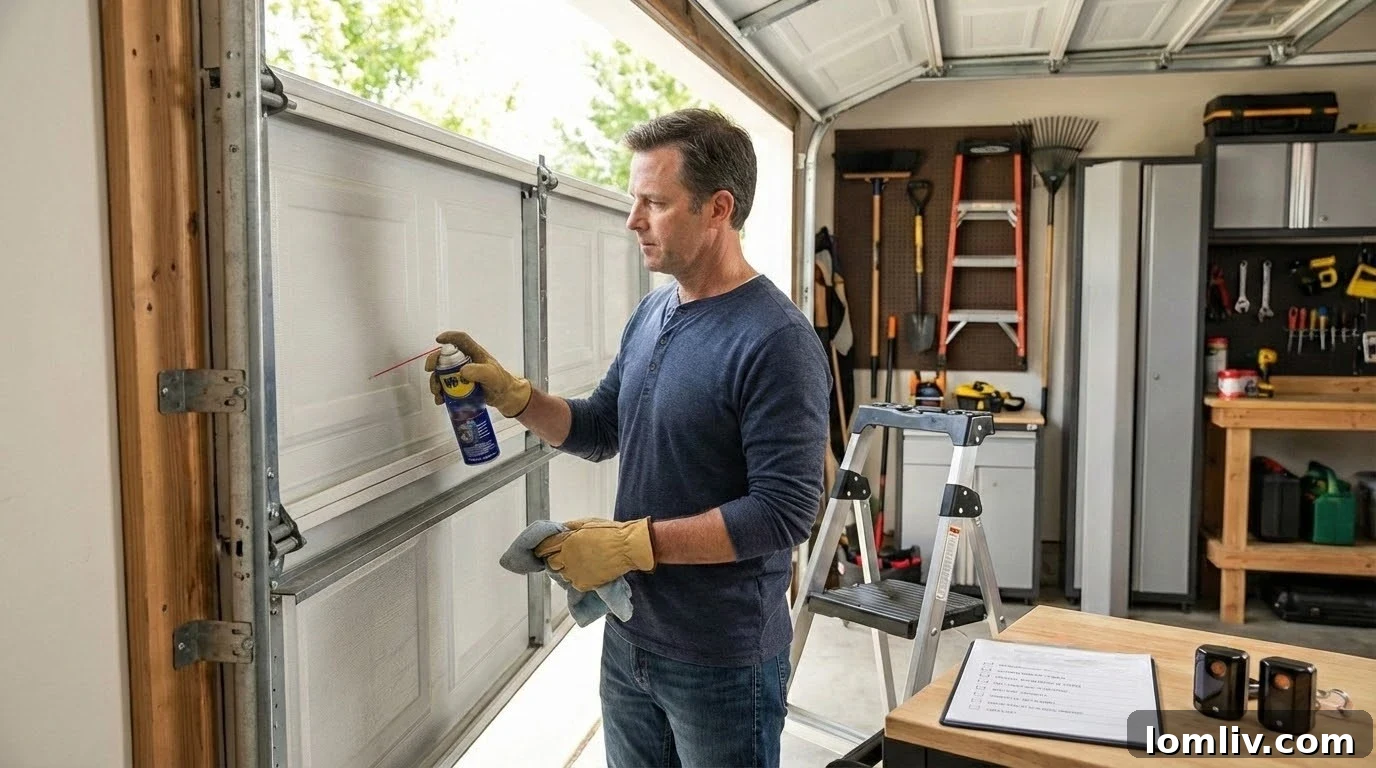
A malfunctioning garage door is more than just an inconvenience; it’s a significant disruption to your daily routine, a potential safety hazard, and a glaring vulnerability for your home’s security. Imagine being stuck inside your garage when you need to leave, or worse, finding your garage door stubbornly open, exposing your belongings. Fortunately, many common garage door problems have straightforward solutions, especially if you address them promptly. This comprehensive guide will help you understand the most frequent issues, empowering you to tackle simple fixes yourself or recognize when it’s time to call in a professional for reliable garage door repair.
Considering that the average residential garage door opens and closes approximately 1,500 times a year, it’s easy to see why wear and tear are inevitable. Like any frequently used mechanical system, your garage door requires attention and occasional troubleshooting to maintain its optimal performance. Understanding the warning signs and common culprits behind a faulty door is the first step toward a quick and effective resolution, ensuring your home remains secure and your daily life uninterrupted.
Start with the Basics: Power and Remote Troubleshooting
Before you jump to conclusions about a serious mechanical failure, it’s always wise to begin with the simplest checks. Often, the solution to a unresponsive garage door lies in the power supply or the remote control itself. This initial diagnostic step can save you time, effort, and potentially an unnecessary service call.
Common issues that prevent your garage door from operating:
- Dead Remote Batteries: This is arguably the most frequent and easiest problem to fix. If your remote isn’t working, or its range seems unusually short, depleted batteries are often the cause.
- Power Outage or Unplugged Motor: A power surge, a tripped circuit breaker, or even an accidentally unplugged opener can render your garage door inoperable. It’s surprising how often this simple oversight is the root of the problem.
- A Faulty Wall Switch: Sometimes, the remote works fine, but the wall-mounted control doesn’t. This could indicate an issue with the switch itself or its wiring.
What to do: The first step is to replace the batteries in your remote control. If that doesn’t resolve the issue, check the power outlet where your garage door opener is plugged in. Ensure it’s securely connected and test the outlet with another appliance to confirm it has power. Look for a tripped circuit breaker in your home’s electrical panel. If the opener’s motor unit has power, try activating the door using the wall switch. If only the remote isn’t working, it might need reprogramming or replacement. If neither the remote nor the wall switch works, the issue might be with the motor unit’s internal wiring or the logic board, which typically requires professional attention.
Inspect the Safety Sensors: Your Home’s Critical Guardian
Modern garage door openers are equipped with crucial safety sensors located near the bottom of the door tracks. These sensors project an invisible infrared beam across the garage door opening. If anything breaks this beam while the door is closing, the door will automatically reverse to prevent injury or damage. When these sensors are obstructed or misaligned, the door’s safety mechanism kicks in, preventing it from closing fully or at all.
Key indicators of safety sensor problems:
- The door starts to close, then immediately reverses: This is a classic symptom, signifying that the safety beam was interrupted during the closing cycle.
- Flashing lights on the motor unit: Many opener models have diagnostic lights that flash a specific code when the safety sensors detect an issue. Consult your owner’s manual for the specific meaning of these flashes.
- The door won’t close at all: If the safety sensors are completely misaligned or blocked, the door will refuse to budge, prioritizing safety above all else.
To fix this: Begin by carefully examining both sensors for any physical obstructions. Remove any dirt, spiderwebs, leaves, or debris that might be blocking the infrared beam. Next, check the alignment of the sensors. They should be perfectly aligned and facing each other directly. A slight bump can knock them out of sync. You might see a small LED light on each sensor – usually, one is green (transmitter) and one is amber (receiver). Both lights should be solid, indicating a clear connection. If a light is flickering or off, realign the sensors until both lights are solid. Finally, gently clean the lenses of both sensors with a soft, dry cloth to ensure nothing is obscuring their view. This is one of the most common and often easiest garage door problems to resolve, restoring full functionality and safety.
Examine the Tracks for Obstructions or Damage
The garage door tracks are vital for guiding the door smoothly as it opens and closes. These metal channels, which run vertically and horizontally along the garage walls, can accumulate dirt, debris, or even sustain damage over time, impeding the door’s movement.
What to look for when inspecting your garage door tracks:
- Built-up dirt or grime: Over time, dust, grease, and other airborne particles can accumulate inside the tracks, creating friction and hindering the rollers.
- Bent or damaged tracks: A minor impact, loose mounting bolts, or even general wear can cause the tracks to become bent, crimped, or misaligned, preventing the rollers from moving freely.
- Objects blocking the path: Small tools, toys, or other items left too close to the tracks can fall into the path of the rollers, causing the door to get stuck or derail.
Solution: Start by thoroughly cleaning the tracks with a damp cloth or brush, removing any visible dirt, grease, or debris. Once clean, inspect the tracks for any signs of damage. If you notice any minor bends, you might be able to gently tap them back into place with a rubber mallet, but proceed with caution. However, if the tracks are severely bent, cracked, or significantly misaligned, attempting to force the door or repair the tracks yourself can lead to further, more extensive and costly damage, or even cause the heavy door to come off its tracks entirely. In such cases, it is highly recommended to call a professional garage door technician. They have the specialized tools and expertise to safely repair or replace damaged tracks and ensure proper alignment, preventing serious operational issues and safety risks.
Critical Components: Springs and Cables
The springs and cables are the workhorses of your garage door system, providing the necessary tension to lift and lower the heavy door with ease. Most residential doors use either torsion springs (mounted horizontally above the door opening) or extension springs (mounted above the horizontal tracks). When one of these critical components fails, the door’s balance is compromised, leading to immediate and noticeable problems.
Urgent warning signs that indicate spring or cable issues:
- A loud bang from the garage: This is often the tell-tale sign of a broken torsion spring snapping under tension. It can be startlingly loud, sounding like a gunshot.
- The door only opens partially or struggles to lift: If the door seems to be fighting against the opener, opening only a few inches before stopping, or if one side lifts higher than the other, it points to a spring or cable issue.
- The door feels extremely heavy when lifted by hand: If you try to lift the door manually (after disengaging the opener) and it feels unusually weighty, it’s a clear indication that the springs are not providing adequate assistance.
- Visible gaps in a torsion spring or frayed/broken cables: A visual inspection might reveal a distinct gap in the coiled spring, or cables that are visibly snapped, frayed, or unwound from their drums.
Important: Due to the extreme tension they are under, garage door springs and cables are incredibly dangerous to repair or replace without proper training, specialized tools, and safety equipment. Attempting to DIY this repair can result in severe personal injury, including lacerations, broken bones, or even death, as well as significant damage to your garage door system. If you suspect an issue with your springs or cables, disengage the opener using the manual release only if it’s safe to do so and the door is in the closed position, then immediately contact a professional garage door technician. They are equipped to handle these high-tension components safely and efficiently.
Test the Manual Release: Diagnosing Opener vs. Mechanical Issues
Every garage door opener is equipped with a manual release cord, typically red, hanging down from the trolley connected to the door. This mechanism allows you to disengage the door from the automatic opener system, enabling you to open and close it by hand. This simple test is invaluable for quickly narrowing down the source of your garage door problem.
To perform the test, ensure the garage door is fully closed. Pull the manual release cord firmly downwards. You should hear a click as the trolley detaches from the door. Now, try to open the door manually. If the door glides open smoothly and easily with minimal effort, this indicates that the problem likely lies with your garage door opener’s motor, drive system, or electrical components. The door itself and its tracks, springs, and cables are likely in good working order. However, if the door remains stiff, heavy, uneven, or completely stuck even after disengaging the opener, it points to a mechanical issue with the door’s hardware, such as damaged springs, cables, rollers, or tracks. This diagnostic step helps direct your troubleshooting efforts more efficiently.
Check the Opener Settings: Limit and Force Adjustments
Sometimes, the issue isn’t a mechanical breakdown or an electrical fault, but simply an incorrect adjustment of your garage door opener’s settings. Modern garage door openers have “limit” and “force” settings that tell the opener how far to open and close the door, and how much power to exert in doing so.
Common opener setting issues:
- Limit settings are off: If the “up” limit is set too low, the door won’t open all the way. If the “down” limit is too high, the door won’t close completely, leaving a gap.
- Force settings need adjustment: The “force” setting dictates how much resistance the opener can overcome before automatically reversing (a safety feature). If the force is set too low, the door might reverse mid-way if it encounters even minor resistance. If it’s set too high, it could potentially overcome a genuine obstruction, which is a safety risk.
- Travel limits are incorrect: Similar to limit settings, these define the full range of motion. Changes in temperature, humidity, or even slight shifts in the door’s hardware can necessitate minor adjustments.
Solution: The best approach is to refer to your specific garage door opener’s owner’s manual. It will provide detailed instructions on how to locate and adjust the limit and force settings. These adjustments usually involve turning screws or pressing buttons on the motor unit itself. Always make small adjustments and test the door’s operation after each change. If you feel uncomfortable making these adjustments, or if the manual isn’t clear, it’s safer to contact a qualified garage door technician. They can accurately calibrate your opener, ensuring both proper function and essential safety compliance.
Listen for Unusual Noises: Your Door’s Cues for Help
Your garage door often communicates its problems through sounds. Paying close attention to any unusual noises can provide valuable clues about the underlying issue before it escalates into a major breakdown. A healthy garage door should operate relatively smoothly and quietly, with only a low hum from the motor and perhaps a gentle rumble from the rollers.
Common sounds and what they usually indicate:
- Grinding: A persistent grinding noise usually points to worn-out gears within the opener’s motor unit, issues with the chain or belt drive, or excessive friction in the tracks due to lack of lubrication or debris.
- Squeaking or Squealing: This high-pitched sound is almost always a sign of inadequate lubrication. Rollers, hinges, springs, and even the chain/screw drive require regular lubrication to reduce friction and allow for smooth movement.
- Banging or Clunking: A loud, sudden bang could indicate a broken torsion spring (as mentioned earlier). A repetitive clunking sound might mean loose hardware, such as bolts on the hinges or tracks, or a worn roller that’s catching as it moves.
- Rattling: Rattling sounds often suggest loose nuts, bolts, or other hardware that needs to be tightened on the hinges, tracks, or even the door panels themselves.
Note: Many of these noise-related issues can be prevented or resolved with simple, regular maintenance. Lubricating moving parts like rollers, hinges, and springs with a specialized garage door lubricant every few months can significantly extend the lifespan of your door and keep it running quietly. Additionally, periodically checking and tightening all visible nuts and bolts can prevent rattling and ensure all components are secure. However, if noises persist after basic maintenance, or if they are accompanied by erratic door behavior, a professional inspection is warranted.
When to Call a Professional Garage Door Specialist
While many common garage door issues can be resolved with a bit of DIY troubleshooting, certain problems demand the expertise and specialized tools of a professional. Recognizing when a job is beyond your skill level is crucial for both your safety and the longevity of your garage door system. Attempting complex repairs without the proper knowledge can lead to further damage, costly repairs, or, most importantly, serious personal injury.
You should immediately call a garage door repair specialist if you encounter any of the following:
- Damaged Springs or Cables: As emphasized, these components are under immense tension and are extremely dangerous to handle. Always defer to professionals for spring or cable replacement or repair.
- The Door is Off Its Tracks: A garage door that has come off its tracks can be incredibly heavy and unstable. Forcing it back into place can cause severe damage to the door panels, tracks, or even the opener system.
- The Motor Isn’t Responding (and basic checks failed): If you’ve checked the power, remote, and wall switch, and the motor unit still shows no signs of life, it likely indicates an internal electrical or mechanical failure that requires a trained technician.
- The Door is Uneven or Unstable: If the door hangs crookedly, sways, or jams frequently, it suggests a significant balance issue or structural problem that could worsen rapidly.
- Visible Damage to Door Panels: Dents, cracks, or holes in the door panels can compromise the door’s integrity and aesthetic. Professionals can often repair or replace individual panels.
- Any Issue That Makes You Feel Unsafe: If you’re unsure about the cause of a problem, or if you feel uneasy attempting a repair, it’s always best to err on the side of caution and call a professional. Your safety is paramount.
Hiring a reputable garage door specialist ensures that repairs are performed correctly, safely, and efficiently, restoring your door to full functionality and extending its lifespan.
How to Prevent Future Issues: A Proactive Maintenance Checklist
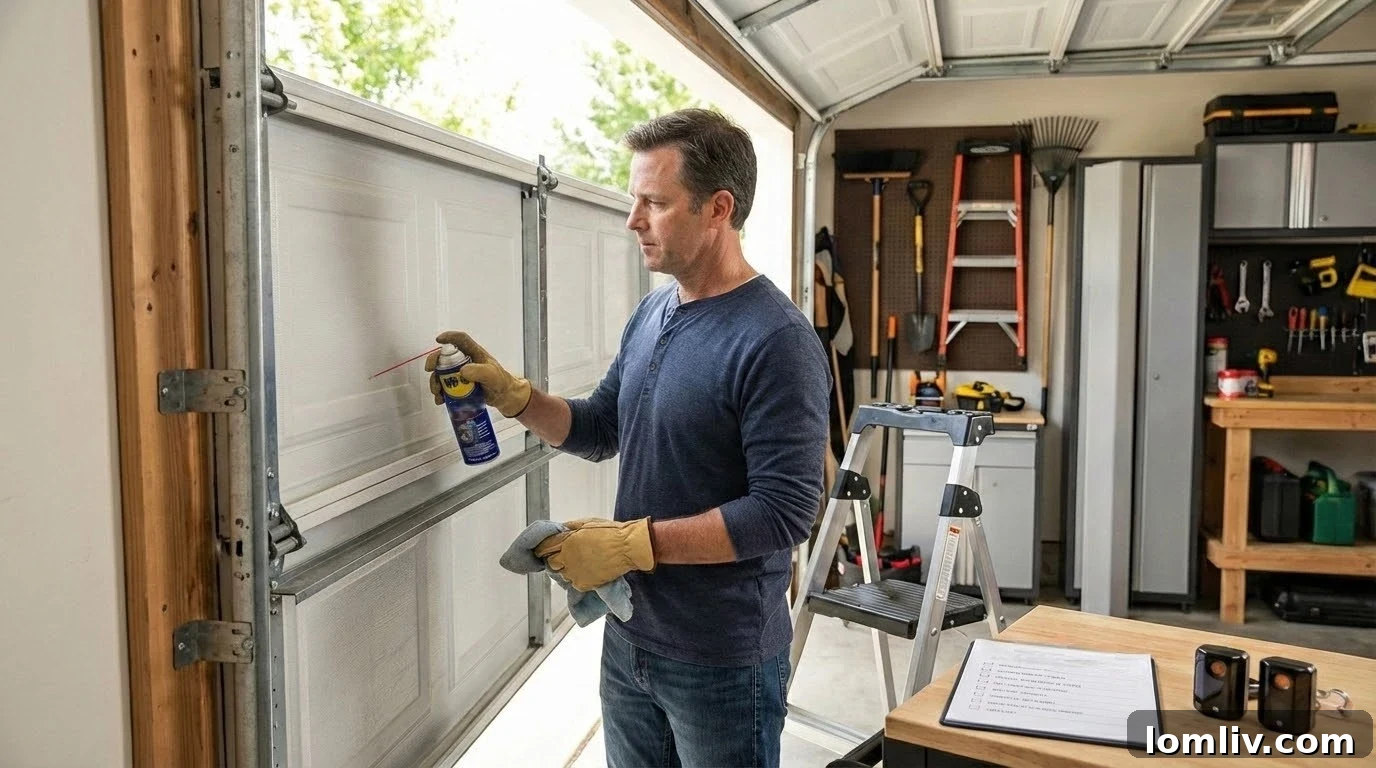
Proactive maintenance is the best defense against unexpected garage door breakdowns and costly repairs. By dedicating a small amount of time to routine checks and care, you can significantly extend the life of your garage door system, ensure its reliable operation, and maintain your home’s security.
Implement this preventative maintenance checklist to keep your garage door in top condition:
- Lubricate Moving Parts Every Few Months: Use a silicone-based or lithium-based garage door lubricant on all moving metal parts, including rollers, hinges, springs (especially torsion springs), and the opener’s chain or screw drive. This reduces friction, prevents rust, and ensures smooth, quiet operation. Avoid WD-40, as it can attract dirt and dry out quickly.
- Check and Tighten Hardware Regularly: Over time, the constant vibration of the door can cause nuts, bolts, and screws on hinges, tracks, and mounting brackets to loosen. Periodically inspect all visible hardware and tighten anything that feels loose with a wrench or screwdriver.
- Test Safety Sensors and Auto-Reverse Features: Every month, perform a simple test of your safety sensors. Place an object (like a cardboard box) in the path of the closing door. The door should immediately reverse. For the auto-reverse feature, place a 2×4 flat on the floor in the door’s path. The door should reverse upon contact. If either test fails, have a professional inspect the system immediately.
- Inspect Rollers for Wear: Examine your garage door rollers (both steel and nylon) for signs of wear, chips, or cracks. Worn rollers can cause jerky movement and excessive noise. Replace them if they are visibly damaged.
- Examine Cables for Fraying: Look closely at the lift cables for any signs of fraying, broken strands, or rust. Damaged cables are a serious safety hazard and must be replaced by a professional.
- Schedule Professional Servicing Annually: Even with regular DIY maintenance, an annual professional inspection is invaluable. Technicians can identify potential issues before they become major problems, make precise adjustments, and perform maintenance tasks that homeowners might overlook, such as spring tensioning and opener recalibration.
A little preventative maintenance truly goes a long way toward extending the life of your garage door, enhancing its safety, and preventing those frustrating, unexpected breakdowns.
Final Thoughts: Empowering Homeowners with Garage Door Knowledge
A garage door that refuses to cooperate can be incredibly frustrating, disrupting your day and compromising your home’s security. However, with the right knowledge, many of these issues are simpler to resolve than you might initially think. By systematically troubleshooting common culprits like power supply, remote batteries, safety sensors, and track obstructions, you can often diagnose and fix minor problems quickly and effectively, saving you both time and money.
For more complex and potentially dangerous issues, especially those involving the high-tension springs, lift cables, or the intricate mechanics of the opener motor, it is always in your best interest to call in a professional for dedicated garage door repair. These professionals possess the necessary expertise, specialized tools, and safety equipment to handle such repairs without risk. Acting early and performing regular preventative maintenance can prevent small issues from escalating into bigger, more costly problems down the track. By taking a proactive approach, you can ensure your garage door remains a secure, functional, and reliable component of your home for many years to come.
A malfunctioning garage door is more than just an inconvenience; it’s a significant disruption to your daily routine, a potential safety hazard, and a glaring vulnerability for your home’s security. Imagine being stuck inside your garage when you need to leave, or worse, finding your garage door stubbornly open, exposing your belongings. Fortunately, many common garage door problems have straightforward solutions, especially if you address them promptly. This comprehensive guide will help you understand the most frequent issues, empowering you to tackle simple fixes yourself or recognize when it’s time to call in a professional for reliable garage door repair.
Considering that the average residential garage door opens and closes approximately 1,500 times a year, it’s easy to see why wear and tear are inevitable. Like any frequently used mechanical system, your garage door requires attention and occasional troubleshooting to maintain its optimal performance. Understanding the warning signs and common culprits behind a faulty door is the first step toward a quick and effective resolution, ensuring your home remains secure and your daily life uninterrupted.
Start with the Basics: Power and Remote Troubleshooting
Before you jump to conclusions about a serious mechanical failure, it’s always wise to begin with the simplest checks. Often, the solution to a unresponsive garage door lies in the power supply or the remote control itself. This initial diagnostic step can save you time, effort, and potentially an unnecessary service call.
Common issues that prevent your garage door from operating:
- Dead Remote Batteries: This is arguably the most frequent and easiest problem to fix. If your remote isn’t working, or its range seems unusually short, depleted batteries are often the cause.
- Power Outage or Unplugged Motor: A power surge, a tripped circuit breaker, or even an accidentally unplugged opener can render your garage door inoperable. It’s surprising how often this simple oversight is the root of the problem.
- A Faulty Wall Switch: Sometimes, the remote works fine, but the wall-mounted control doesn’t. This could indicate an issue with the switch itself or its wiring.
What to do: The first step is to replace the batteries in your remote control. If that doesn’t resolve the issue, check the power outlet where your garage door opener is plugged in. Ensure it’s securely connected and test the outlet with another appliance to confirm it has power. Look for a tripped circuit breaker in your home’s electrical panel. If the opener’s motor unit has power, try activating the door using the wall switch. If only the remote isn’t working, it might need reprogramming or replacement. If neither the remote nor the wall switch works, the issue might be with the motor unit’s internal wiring or the logic board, which typically requires professional attention.
Inspect the Safety Sensors: Your Home’s Critical Guardian
Modern garage door openers are equipped with crucial safety sensors located near the bottom of the door tracks. These sensors project an invisible infrared beam across the garage door opening. If anything breaks this beam while the door is closing, the door will automatically reverse to prevent injury or damage. When these sensors are obstructed or misaligned, the door’s safety mechanism kicks in, preventing it from closing fully or at all.
Key indicators of safety sensor problems:
- The door starts to close, then immediately reverses: This is a classic symptom, signifying that the safety beam was interrupted during the closing cycle.
- Flashing lights on the motor unit: Many opener models have diagnostic lights that flash a specific code when the safety sensors detect an issue. Consult your owner’s manual for the specific meaning of these flashes.
- The door won’t close at all: If the safety sensors are completely misaligned or blocked, the door will refuse to budge, prioritizing safety above all else.
To fix this: Begin by carefully examining both sensors for any physical obstructions. Remove any dirt, spiderwebs, leaves, or debris that might be blocking the infrared beam. Next, check the alignment of the sensors. They should be perfectly aligned and facing each other directly. A slight bump can knock them out of sync. You might see a small LED light on each sensor – usually, one is green (transmitter) and one is amber (receiver). Both lights should be solid, indicating a clear connection. If a light is flickering or off, realign the sensors until both lights are solid. Finally, gently clean the lenses of both sensors with a soft, dry cloth to ensure nothing is obscuring their view. This is one of the most common and often easiest garage door problems to resolve, restoring full functionality and safety.
Examine the Tracks for Obstructions or Damage
The garage door tracks are vital for guiding the door smoothly as it opens and closes. These metal channels, which run vertically and horizontally along the garage walls, can accumulate dirt, debris, or even sustain damage over time, impeding the door’s movement.
What to look for when inspecting your garage door tracks:
- Built-up dirt or grime: Over time, dust, grease, and other airborne particles can accumulate inside the tracks, creating friction and hindering the rollers.
- Bent or damaged tracks: A minor impact, loose mounting bolts, or even general wear can cause the tracks to become bent, crimped, or misaligned, preventing the rollers from moving freely.
- Objects blocking the path: Small tools, toys, or other items left too close to the tracks can fall into the path of the rollers, causing the door to get stuck or derail.
Solution: Start by thoroughly cleaning the tracks with a damp cloth or brush, removing any visible dirt, grease, or debris. Once clean, inspect the tracks for any signs of damage. If you notice any minor bends, you might be able to gently tap them back into place with a rubber mallet, but proceed with caution. However, if the tracks are severely bent, cracked, or significantly misaligned, attempting to force the door or repair the tracks yourself can lead to further, more extensive and costly damage, or even cause the heavy door to come off its tracks entirely. In such cases, it is highly recommended to call a professional garage door technician. They have the specialized tools and expertise to safely repair or replace damaged tracks and ensure proper alignment, preventing serious operational issues and safety risks.
Critical Components: Springs and Cables
The springs and cables are the workhorses of your garage door system, providing the necessary tension to lift and lower the heavy door with ease. Most residential doors use either torsion springs (mounted horizontally above the door opening) or extension springs (mounted above the horizontal tracks). When one of these critical components fails, the door’s balance is compromised, leading to immediate and noticeable problems.
Urgent warning signs that indicate spring or cable issues:
- A loud bang from the garage: This is often the tell-tale sign of a broken torsion spring snapping under tension. It can be startlingly loud, sounding like a gunshot.
- The door only opens partially or struggles to lift: If the door seems to be fighting against the opener, opening only a few inches before stopping, or if one side lifts higher than the other, it points to a spring or cable issue.
- The door feels extremely heavy when lifted by hand: If you try to lift the door manually (after disengaging the opener) and it feels unusually weighty, it’s a clear indication that the springs are not providing adequate assistance.
- Visible gaps in a torsion spring or frayed/broken cables: A visual inspection might reveal a distinct gap in the coiled spring, or cables that are visibly snapped, frayed, or unwound from their drums.
Important: Due to the extreme tension they are under, garage door springs and cables are incredibly dangerous to repair or replace without proper training, specialized tools, and safety equipment. Attempting to DIY this repair can result in severe personal injury, including lacerations, broken bones, or even death, as well as significant damage to your garage door system. If you suspect an issue with your springs or cables, disengage the opener using the manual release only if it’s safe to do so and the door is in the closed position, then immediately contact a professional garage door technician. They are equipped to handle these high-tension components safely and efficiently.
Test the Manual Release: Diagnosing Opener vs. Mechanical Issues
Every garage door opener is equipped with a manual release cord, typically red, hanging down from the trolley connected to the door. This mechanism allows you to disengage the door from the automatic opener system, enabling you to open and close it by hand. This simple test is invaluable for quickly narrowing down the source of your garage door problem.
To perform the test, ensure the garage door is fully closed. Pull the manual release cord firmly downwards. You should hear a click as the trolley detaches from the door. Now, try to open the door manually. If the door glides open smoothly and easily with minimal effort, this indicates that the problem likely lies with your garage door opener’s motor, drive system, or electrical components. The door itself and its tracks, springs, and cables are likely in good working order. However, if the door remains stiff, heavy, uneven, or completely stuck even after disengaging the opener, it points to a mechanical issue with the door’s hardware, such as damaged springs, cables, rollers, or tracks. This diagnostic step helps direct your troubleshooting efforts more efficiently.
Check the Opener Settings: Limit and Force Adjustments
Sometimes, the issue isn’t a mechanical breakdown or an electrical fault, but simply an incorrect adjustment of your garage door opener’s settings. Modern garage door openers have “limit” and “force” settings that tell the opener how far to open and close the door, and how much power to exert in doing so.
Common opener setting issues:
- Limit settings are off: If the “up” limit is set too low, the door won’t open all the way. If the “down” limit is too high, the door won’t close completely, leaving a gap.
- Force settings need adjustment: The “force” setting dictates how much resistance the opener can overcome before automatically reversing (a safety feature). If the force is set too low, the door might reverse mid-way if it encounters even minor resistance. If it’s set too high, it could potentially overcome a genuine obstruction, which is a safety risk.
- Travel limits are incorrect: Similar to limit settings, these define the full range of motion. Changes in temperature, humidity, or even slight shifts in the door’s hardware can necessitate minor adjustments.
Solution: The best approach is to refer to your specific garage door opener’s owner’s manual. It will provide detailed instructions on how to locate and adjust the limit and force settings. These adjustments usually involve turning screws or pressing buttons on the motor unit itself. Always make small adjustments and test the door’s operation after each change. If you feel uncomfortable making these adjustments, or if the manual isn’t clear, it’s safer to contact a qualified garage door technician. They can accurately calibrate your opener, ensuring both proper function and essential safety compliance.
Listen for Unusual Noises: Your Door’s Cues for Help
Your garage door often communicates its problems through sounds. Paying close attention to any unusual noises can provide valuable clues about the underlying issue before it escalates into a major breakdown. A healthy garage door should operate relatively smoothly and quietly, with only a low hum from the motor and perhaps a gentle rumble from the rollers.
Common sounds and what they usually indicate:
- Grinding: A persistent grinding noise usually points to worn-out gears within the opener’s motor unit, issues with the chain or belt drive, or excessive friction in the tracks due to lack of lubrication or debris.
- Squeaking or Squealing: This high-pitched sound is almost always a sign of inadequate lubrication. Rollers, hinges, springs, and even the chain/screw drive require regular lubrication to reduce friction and allow for smooth movement.
- Banging or Clunking: A loud, sudden bang could indicate a broken torsion spring (as mentioned earlier). A repetitive clunking sound might mean loose hardware, such as bolts on the hinges or tracks, or a worn roller that’s catching as it moves.
- Rattling: Rattling sounds often suggest loose nuts, bolts, or other hardware that needs to be tightened on the hinges, tracks, or even the door panels themselves.
Note: Many of these noise-related issues can be prevented or resolved with simple, regular maintenance. Lubricating moving parts like rollers, hinges, and springs with a specialized garage door lubricant every few months can significantly extend the lifespan of your door and keep it running quietly. Additionally, periodically checking and tightening all visible nuts and bolts can prevent rattling and ensure all components are secure. However, if noises persist after basic maintenance, or if they are accompanied by erratic door behavior, a professional inspection is warranted.
When to Call a Professional Garage Door Specialist
While many common garage door issues can be resolved with a bit of DIY troubleshooting, certain problems demand the expertise and specialized tools of a professional. Recognizing when a job is beyond your skill level is crucial for both your safety and the longevity of your garage door system. Attempting complex repairs without the proper knowledge can lead to further damage, costly repairs, or, most importantly, serious personal injury.
You should immediately call a garage door repair specialist if you encounter any of the following:
- Damaged Springs or Cables: As emphasized, these components are under immense tension and are extremely dangerous to handle. Always defer to professionals for spring or cable replacement or repair.
- The Door is Off Its Tracks: A garage door that has come off its tracks can be incredibly heavy and unstable. Forcing it back into place can cause severe damage to the door panels, tracks, or even the opener system.
- The Motor Isn’t Responding (and basic checks failed): If you’ve checked the power, remote, and wall switch, and the motor unit still shows no signs of life, it likely indicates an internal electrical or mechanical failure that requires a trained technician.
- The Door is Uneven or Unstable: If the door hangs crookedly, sways, or jams frequently, it suggests a significant balance issue or structural problem that could worsen rapidly.
- Visible Damage to Door Panels: Dents, cracks, or holes in the door panels can compromise the door’s integrity and aesthetic. Professionals can often repair or replace individual panels.
- Any Issue That Makes You Feel Unsafe: If you’re unsure about the cause of a problem, or if you feel uneasy attempting a repair, it’s always best to err on the side of caution and call a professional. Your safety is paramount.
Hiring a reputable garage door specialist ensures that repairs are performed correctly, safely, and efficiently, restoring your door to full functionality and extending its lifespan.
How to Prevent Future Issues: A Proactive Maintenance Checklist
Proactive maintenance is the best defense against unexpected garage door breakdowns and costly repairs. By dedicating a small amount of time to routine checks and care, you can significantly extend the life of your garage door system, ensure its reliable operation, and maintain your home’s security.
Implement this preventative maintenance checklist to keep your garage door in top condition:
- Lubricate Moving Parts Every Few Months: Use a silicone-based or lithium-based garage door lubricant on all moving metal parts, including rollers, hinges, springs (especially torsion springs), and the opener’s chain or screw drive. This reduces friction, prevents rust, and ensures smooth, quiet operation. Avoid WD-40, as it can attract dirt and dry out quickly.
- Check and Tighten Hardware Regularly: Over time, the constant vibration of the door can cause nuts, bolts, and screws on hinges, tracks, and mounting brackets to loosen. Periodically inspect all visible hardware and tighten anything that feels loose with a wrench or screwdriver.
- Test Safety Sensors and Auto-Reverse Features: Every month, perform a simple test of your safety sensors. Place an object (like a cardboard box) in the path of the closing door. The door should immediately reverse. For the auto-reverse feature, place a 2×4 flat on the floor in the door’s path. The door should reverse upon contact. If either test fails, have a professional inspect the system immediately.
- Inspect Rollers for Wear: Examine your garage door rollers (both steel and nylon) for signs of wear, chips, or cracks. Worn rollers can cause jerky movement and excessive noise. Replace them if they are visibly damaged.
- Examine Cables for Fraying: Look closely at the lift cables for any signs of fraying, broken strands, or rust. Damaged cables are a serious safety hazard and must be replaced by a professional.
- Schedule Professional Servicing Annually: Even with regular DIY maintenance, an annual professional inspection is invaluable. Technicians can identify potential issues before they become major problems, make precise adjustments, and perform maintenance tasks that homeowners might overlook, such as spring tensioning and opener recalibration.
A little preventative maintenance truly goes a long way toward extending the life of your garage door, enhancing its safety, and preventing those frustrating, unexpected breakdowns.
Final Thoughts: Empowering Homeowners with Garage Door Knowledge
A garage door that refuses to cooperate can be incredibly frustrating, disrupting your day and compromising your home’s security. However, with the right knowledge, many of these issues are simpler to resolve than you might initially think. By systematically troubleshooting common culprits like power supply, remote batteries, safety sensors, and track obstructions, you can often diagnose and fix minor problems quickly and effectively, saving you both time and money.
For more complex and potentially dangerous issues, especially those involving the high-tension springs, lift cables, or the intricate mechanics of the opener motor, it is always in your best interest to call in a professional for dedicated garage door repair. These professionals possess the necessary expertise, specialized tools, and safety equipment to handle such repairs without risk. Acting early and performing regular preventative maintenance can prevent small issues from escalating into bigger, more costly problems down the track. By taking a proactive approach, you can ensure your garage door remains a secure, functional, and reliable component of your home for many years to come.