Choosing the Perfect Roof Tiles: A Comprehensive Guide for Homeowners
The roof over your head is more than just a protective shield; it’s a defining architectural feature that significantly impacts your home’s aesthetic appeal, energy efficiency, and long-term value. When it comes to selecting the right roof tiles, the sheer variety of materials, styles, and colors available can indeed feel overwhelming. However, by understanding the fundamental characteristics and considerations, you can navigate this important decision with confidence, ensuring your chosen roofing solution perfectly complements your home’s design, withstands local weather challenges, and fits comfortably within your budget.
This comprehensive guide aims to demystify the process of selecting roof tiles, offering insights into popular materials, stylistic considerations, climate adaptability, durability, and cost implications. Making an informed choice now can save you considerable time, money, and hassle in the future, safeguarding your investment and enhancing your home’s curb appeal for decades to come.
Understanding Essential Roof Tile Materials
The foundation of your roof tile decision lies in the material. Each material boasts unique properties, benefits, and distinct visual appeals, making this the most critical choice you’ll make. Familiarizing yourself with these options is the first step towards simplifying your selection process.
Clay Roof Tiles: Timeless Elegance and Enduring Strength
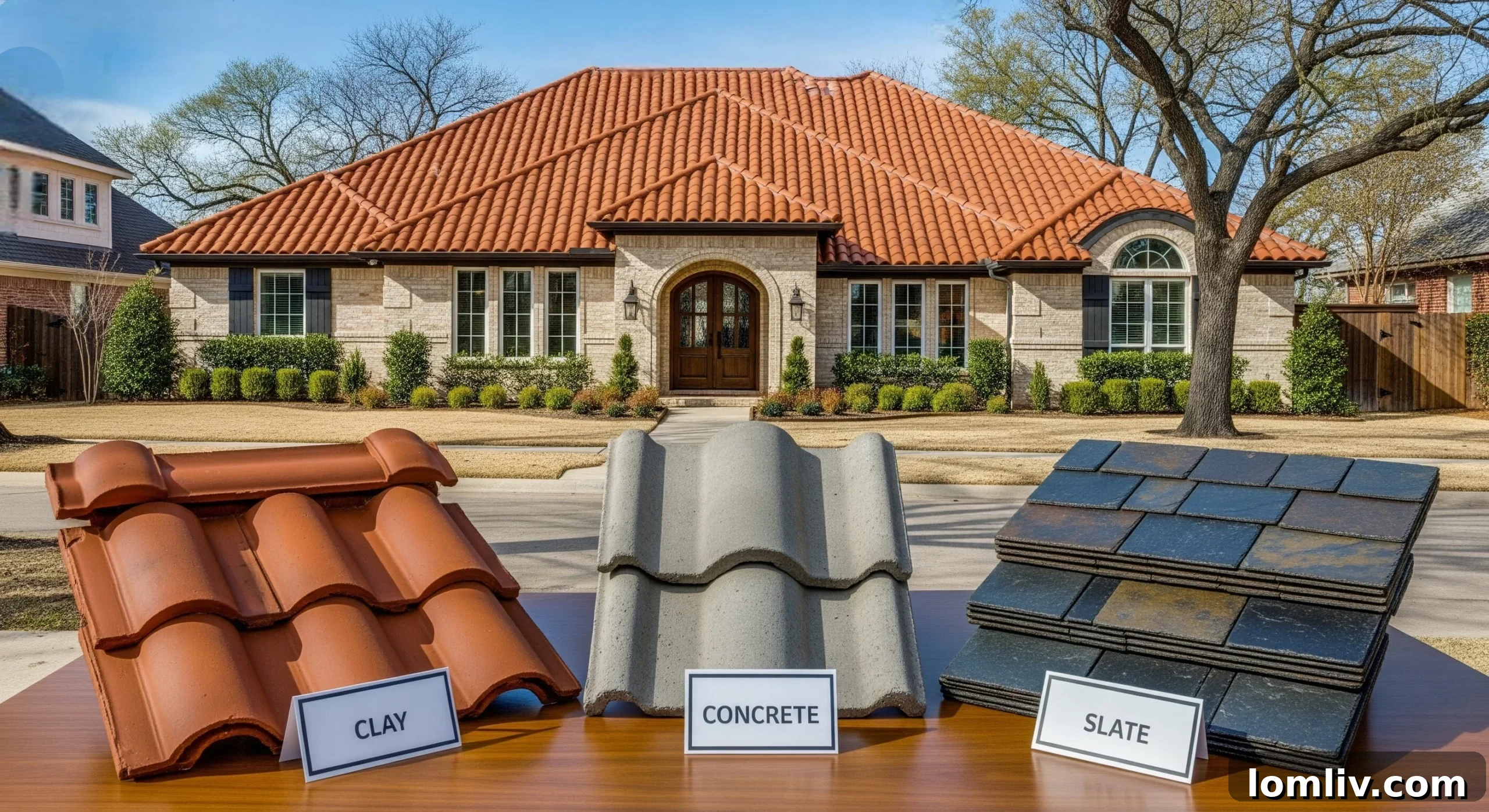
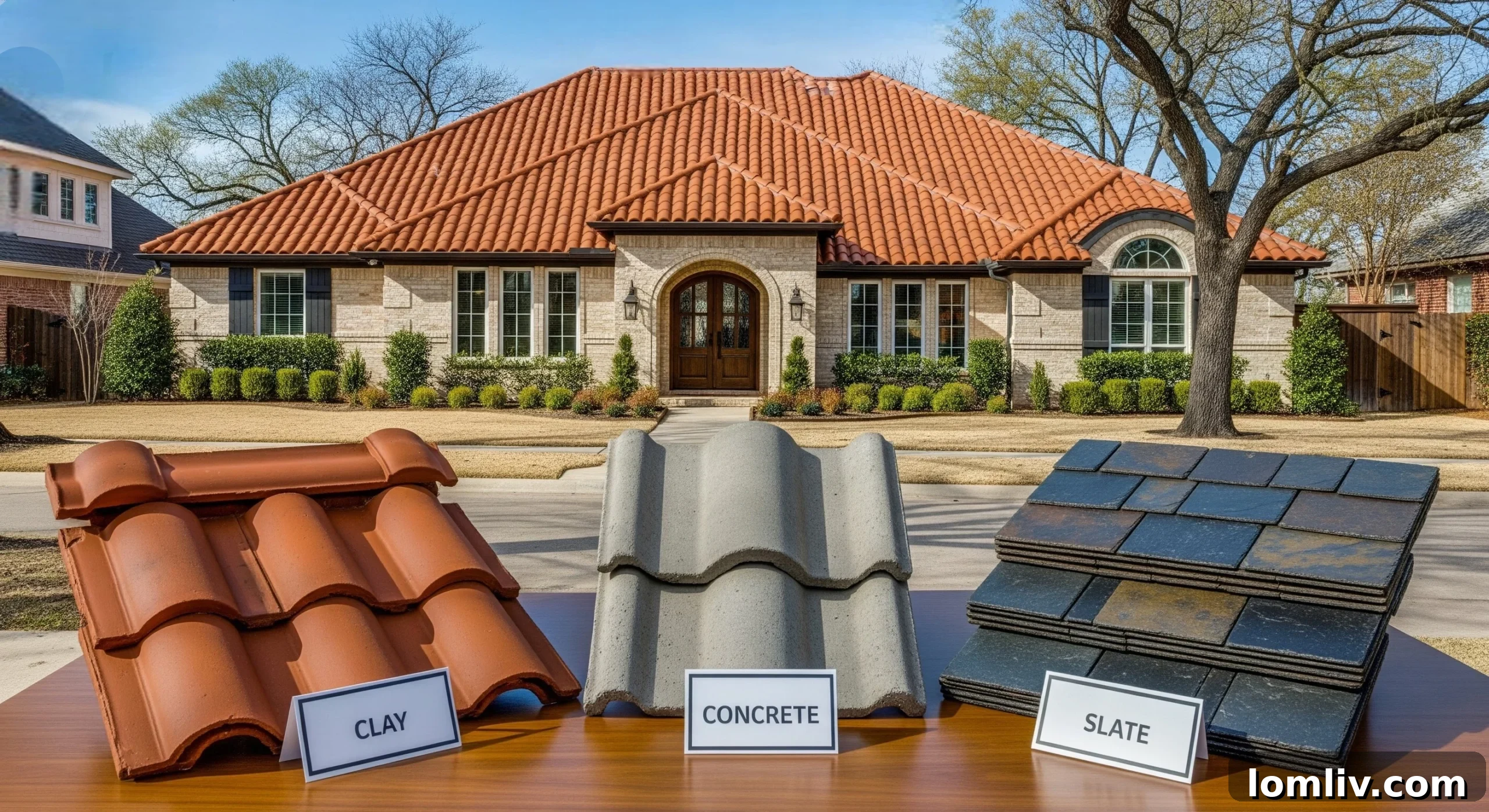
Clay tiles represent a classic and sophisticated roofing choice, celebrated for their exceptional durability and a timeless aesthetic that has adorned structures for centuries. Beyond their visual appeal, clay tiles offer superb resistance to rot, pests, fire, and UV fading, ensuring their vibrant color and structural integrity remain intact for generations. Available in an impressive array of shapes and hues – from the iconic Spanish barrel tiles that evoke Mediterranean charm to sleek, flat designs suitable for contemporary architecture – clay can seamlessly enhance virtually any architectural style, adding an element of historical gravitas and natural beauty. However, it’s crucial to acknowledge their considerable weight. Before selecting clay, a professional assessment of your home’s roof structure is paramount to confirm its capacity to support the additional load, potentially requiring structural reinforcement for older homes.
Modern clay tiles are often manufactured with advanced techniques that improve their density and reduce water absorption, further enhancing their resistance to freeze-thaw cycles in colder climates. Their inherent thermal mass also provides excellent insulation, helping to regulate indoor temperatures and potentially lowering energy costs by keeping homes cooler in summer and warmer in winter. While the initial investment for clay tiles can be higher than some alternatives, their unparalleled lifespan, often exceeding 100 years with proper maintenance, presents a compelling long-term value proposition.
Concrete Roof Tiles: Versatility, Durability, and Affordability
Concrete tiles offer an excellent balance of aesthetics, performance, and cost-effectiveness, making them a popular choice for many homeowners. Engineered to convincingly mimic the sophisticated look of more expensive materials like clay or natural slate, concrete tiles provide a durable and attractive roofing solution at a more accessible price point. Their robust composition allows them to withstand a wide range of harsh weather conditions, from intense heat and strong winds to heavy rain and snow, making them a highly resilient option for diverse climates.
One of the most significant advantages of concrete tiles is their remarkable versatility. They can be molded into various shapes, profiles (such as flat, low-profile, and high-profile ‘S’ styles), and textures, and are available in a broad spectrum of colors. This design flexibility ensures that concrete tiles can complement virtually any architectural style, from traditional to modern. While incredibly tough, concrete tiles may require some periodic upkeep to maintain their pristine appearance. This can include occasional cleaning to prevent moss and algae growth, and in some cases, repainting or resealing to refresh their color over several decades, particularly in areas with extreme UV exposure. Despite this, their 30-50 year lifespan and relative affordability often make them a preferred choice for homeowners seeking a beautiful, durable, and budget-friendly roofing material.
Slate Roof Tiles: Unmatched Elegance and Peerless Longevity
Slate tiles stand as the epitome of luxury and natural beauty in roofing, offering an unrivaled high-end aesthetic that significantly elevates a home’s curb appeal. Derived from natural stone, each slate tile possesses a unique texture and color variation, contributing to a distinctive and sophisticated roofscape. Their exceptional durability is legendary; slate is inherently waterproof, highly fire-resistant, and remarkably impervious to rot, insects, and extreme weather conditions. These intrinsic qualities make slate a premium choice suitable for a vast array of climates and provide a virtually maintenance-free lifespan that can easily exceed 100 years, often outlasting the structure it protects.
However, the superior qualities of slate come with a higher price tag. Not only is the material itself more expensive, but the installation process also demands highly specialized skills and craftsmanship. Just like clay, slate is an extremely heavy material. A thorough structural evaluation by a qualified engineer is absolutely essential to confirm that your home’s framing can adequately support the substantial weight of a slate roof. While the initial investment for a slate roof is substantial, its incredible longevity, minimal maintenance requirements, and the significant boost it provides to a property’s resale value make it an unparalleled choice for those seeking the ultimate in roofing excellence and enduring elegance.
Styles and Curb Appeal: Shaping Your Home’s Identity
Once you’ve settled on a suitable material, the next exciting step is to explore the vast array of styles available. The shape and profile of your chosen roof tiles will profoundly influence the overall architectural character and curb appeal of your home, setting its visual tone and making a lasting impression.
- Flat Tiles: These tiles are a hallmark of contemporary and minimalist design, offering clean, crisp lines that project a sophisticated, modern aesthetic. Typically crafted from clay or concrete, flat tiles are renowned for creating a smooth, uninterrupted surface. When expertly installed, they not only provide an aesthetically pleasing finish but also facilitate efficient water runoff, contributing to the roof’s long-term performance and integrity. They blend seamlessly with modern architectural trends, offering a sleek look that emphasizes simplicity and geometric harmony.
- S-Shaped Tiles (Spanish/Mediterranean Tiles): Evoking the romantic charm of Mediterranean and Spanish Colonial architecture, S-shaped tiles are instantly recognizable by their distinctive, flowing curves. These unique wave patterns not only add a rich textural dimension and classic elegance to a roof but are also highly effective in directing water drainage. Beyond their aesthetic appeal, their design contributes to excellent insulation properties, creating air pockets that help to regulate attic temperatures and improve energy efficiency, making them ideal for warmer climates.
- Interlocking Tiles: Designed for efficiency and enhanced weather protection, interlocking tiles feature a clever design where each tile securely locks into the adjacent ones. This interlocking mechanism greatly simplifies the installation process, often reducing labor costs and time. More importantly, it creates a robust, continuous barrier that offers superior protection against wind uplift and water penetration, making them exceptionally weather-resistant. Available in a wide variety of shapes, profiles, and materials, interlocking tiles provide remarkable versatility, ensuring a perfect match for nearly any home style and design preference. Their practical advantages combined with diverse aesthetics make them a highly popular choice.
Beyond these primary styles, consider how color and texture play a role. Lighter colors reflect sunlight and reduce heat absorption, ideal for hot climates, while darker shades can absorb heat, beneficial in colder regions. Textured tiles can add depth and character, mimicking natural stone or wood, further customizing your home’s appearance.
Climate Matters: Tailoring Your Roof to Its Environment
The local climate is arguably one of the most critical factors dictating the ideal roof tile choice. Different materials and styles are inherently better suited to specific environmental conditions, and selecting a tile that thrives in your region will significantly impact its longevity, performance, and your home’s overall resilience.
- Hot Climates: In regions subjected to intense sunlight and high temperatures, the reflective properties of your roof become paramount. Light-colored clay or concrete tiles are exceptional choices as they reflect a significant portion of solar radiation, reducing heat absorption into your attic and home. This “cool roof” effect not only helps to maintain more comfortable indoor temperatures but can also lead to substantial savings on air conditioning costs. Their inherent insulating properties further contribute to a stable indoor environment, making them an energy-efficient solution for sunny areas.
- Cold and Snowy Conditions: For areas that experience freezing temperatures, heavy snowfall, and frequent freeze-thaw cycles, the density and moisture resistance of roofing materials are vital. Slate tiles, with their dense, impermeable nature, are an outstanding option. They are highly resistant to water absorption, preventing freeze-thaw damage that can crack less suitable materials. Moreover, their smooth, dense surface allows snow to shed easily, preventing heavy accumulation that could lead to ice dams, structural stress, or leaks. Proper underlayment and ventilation are also crucial here to manage moisture.
- Rainy and Storm-Prone Areas: In regions characterized by frequent and heavy rainfall, strong wind-driven rains, or even hail, a roof’s ability to create an impenetrable barrier is non-negotiable. Both clay and concrete tiles excel in these conditions, forming a robust shield against leaks and moisture intrusion. Their inherent durability allows them to withstand constant exposure to moisture without succumbing to rot, warping, or deterioration. For wind-prone areas, interlocking tile designs and professional installation with appropriate fasteners are essential to resist uplift. Consideration of impact resistance (for hail) should also guide your selection in such environments.
Understanding these climate-specific performances will ensure your roof not only looks good but also provides optimal protection and minimizes the need for premature repairs or replacement.
Longevity and Upkeep: An Investment in Durability
Beyond the initial aesthetic appeal, a critical consideration for any homeowner is the projected lifespan of their roof and the level of maintenance it will demand over time. Investing in durable roof tiles can significantly reduce future repair or replacement costs and provide peace of mind.
- Clay and Slate Tiles: These materials are renowned for their extraordinary longevity. With proper installation and routine, albeit minimal, maintenance, both clay and natural slate roofs can easily last 75 to 100 years, and often much longer – sometimes even outlasting the home itself. Their natural resilience and resistance to degradation contribute to this impressive lifespan. Maintenance primarily involves periodic inspections to check for cracked or displaced tiles (often due to impact rather than material failure), and occasional cleaning of gutters to ensure proper drainage.
- Concrete Tiles: While not quite matching the century-plus lifespan of clay or slate, high-quality concrete tiles still offer impressive durability, typically lasting between 30 and 50 years. Their longevity is highly dependent on the quality of the material, the manufacturing process, and, crucially, the precision of the installation. Regular maintenance, such as cleaning away moss, algae, and debris, along with potential recoating or resealing every few decades, can help maximize their lifespan and preserve their appearance.
- Maintenance Best Practices: Regardless of the material chosen, regular inspections and proactive cleaning are vital to prolonging the life of any tiled roof. It’s highly advisable to schedule professional inspections at least once every few years, or after severe weather events. Professionals can identify minor issues like cracked or loose tiles, compromised flashing, or blocked gutters before they escalate into costly problems. Addressing these small concerns promptly ensures that your roof remains in optimal condition, protecting your home for its full intended lifespan.
Understanding these maintenance expectations and committing to them is part of making a wise long-term roofing investment.
Budget Breakdown: Understanding the Total Cost of Ownership
Your budget will undoubtedly be a significant factor in your final decision. While it might be tempting to opt for the lowest upfront cost, it’s essential to consider the “total cost of ownership,” which includes material, installation, maintenance, and long-term energy savings. A seemingly cheaper option could lead to higher maintenance expenses or an earlier replacement, costing more in the long run.
- Clay Tiles: Clay tiles typically represent a higher upfront investment compared to concrete or asphalt shingles. This cost encompasses both the raw material and the specialized labor required for proper installation. However, their exceptional longevity and minimal maintenance requirements often mean that the initial higher cost is offset over their extended lifespan, providing excellent value over many decades. Furthermore, their insulating properties can contribute to long-term energy savings.
- Concrete Tiles: Concrete tiles generally fall into the mid-range cost category, offering a superb balance between initial budget outlay and long-term durability. They are more affordable than clay or slate but offer significantly greater resilience and lifespan than asphalt shingles. This makes them an attractive option for homeowners seeking a durable, aesthetically pleasing roof without the premium price tag of natural materials. Installation costs are typically moderate, making them a well-rounded financial choice.
- Slate Tiles: Natural slate represents the highest initial investment among roofing materials. This premium cost is due to the labor-intensive quarrying process, the material’s inherent quality, and the highly skilled craftsmanship required for its installation. However, slate offers the best longevity in the industry, requiring virtually no maintenance for a century or more, and significantly boosts a home’s curb appeal and resale value. For those with the budget, slate is a truly aspirational choice that provides unparalleled long-term value and architectural distinction.
When budgeting, remember to factor in not just the tiles themselves, but also the underlayment, flashing, fasteners, ventilation, and the labor costs associated with a professional, warrantied installation.
Choosing a Reputable Supplier and Installer
The quality of your roofing project hinges not only on the materials you select but also on the expertise of your supplier and, critically, your installer. Partnering with the right professionals can make a significant difference in the success and longevity of your new roof. Look for suppliers that offer a diverse and extensive selection of materials, ensuring you have access to a wide variety of tile types, styles, and colors, so you don’t have to compromise on your vision. A knowledgeable supplier can also provide invaluable advice on material suitability for your climate and architectural style.
Equally important is selecting a reputable and experienced roofing contractor. Seek out installers with proven expertise in the specific type of tile you choose, especially for materials like slate or specialized clay tiles. Verify their credentials, check references, review their portfolio, and ensure they are licensed, insured, and offer comprehensive warranties on both materials and workmanship. A skilled installer will ensure proper flashing, ventilation, and structural considerations are addressed, guaranteeing your roof performs as intended for its full lifespan.
The Bottom Line: Making an Informed Roofing Decision
Selecting the right roof tiles is a decision that significantly impacts your home’s curb appeal, energy efficiency, structural integrity, and long-term value. By thoroughly understanding the nuances of various materials like classic clay, versatile concrete, and luxurious slate, alongside stylistic considerations, climate adaptability, longevity expectations, and budget implications, you empower yourself to make a truly informed choice.
Investing in the appropriate roofing solution is not merely an expense; it’s a strategic investment in the durability, beauty, and comfort of your home. Whether your preference leans towards the timeless elegance of clay, the cost-effectiveness and versatility of concrete, or the unmatched prestige and longevity of slate, a well-chosen and professionally installed roof will undoubtedly pay dividends for decades to come. Take your time, meticulously compare all your options, and always consult with experienced roofing professionals before committing to ensure your new roof is a perfect fit for your home and lifestyle.