Dallas, a city often celebrated for its vibrant culture and dynamic growth, harbors a lesser-known, yet equally captivating, secret: it’s a veritable treasure trove of Midcentury Modern homes. While many are familiar with the iconic “Disney Streets” and their charming 1950s architectural gems, numerous other pockets exist, each requiring a deeper understanding of the city’s unique neighborhoods – a knowledge often held exclusively by seasoned real estate professionals and dedicated preservationists. Among these hidden enclaves, the Sylvania Dells community stands out, a meticulously preserved collection of exceptional homes nestled within the broader Highland Meadows neighborhood of Northwest Dallas. The unique architectural integrity and timeless appeal found here elevate its “cool factor” to unparalleled heights.
Discovering these architectural havens is akin to unearthing a piece of living history. Midcentury Modern design represents more than just a passing trend; it embodies a philosophical approach to living, born from a period of optimism and innovation. Dallas’s embrace of this style, from individual houses scattered across the city to concentrated communities like Sylvania Dells, speaks volumes about its progressive architectural landscape during the post-war era. This article delves into the enduring allure of Midcentury Modernism, its significant presence in Dallas, and shines a spotlight on a rare opportunity within the coveted Sylvania Dells enclave.
Defining Midcentury Modern: More Than Just a Style
The term “Midcentury Modern” itself has a fascinating origin. It was coined not by an architect or historian, but by a perceptive writer, Cara Greenberg. Her seminal 1984 book, “Mid-Century Modern: Furniture of the 1950s,” was the first to distinctly define and name this burgeoning style, which until then was colloquially referred to as mere “50s stuff.” Greenberg’s insight transformed a general period description into a recognized and revered design movement.
I’ve been an observer of the MCM phenomenon since my book Mid-Century Modern: Furniture of the 1950s came out in 1984, giving what was then an unnamed style a descriptive label that stuck.
Cara Greenberg for 1st Dibs
The Enduring Appeal of Midcentury Style in Architecture
Midcentury Modern architecture emerged and gained immense popularity in America following World War II, roughly from 1945 to 1969, peaking around the mid-1950s. This period was characterized by a desire for forward-thinking design, functionality, and a seamless integration with nature, reflecting the optimism and changing lifestyles of the post-war boom. The style is primarily recognized by several key characteristics that make these homes instantly identifiable and highly sought-after today:
- Clean Lines and Minimalist Aesthetic: Midcentury Modern homes typically feature sleek, uncluttered designs with strong horizontal lines and often flat or low-pitched roofs. This emphasis on simplicity allows the architectural forms themselves to become the focus.
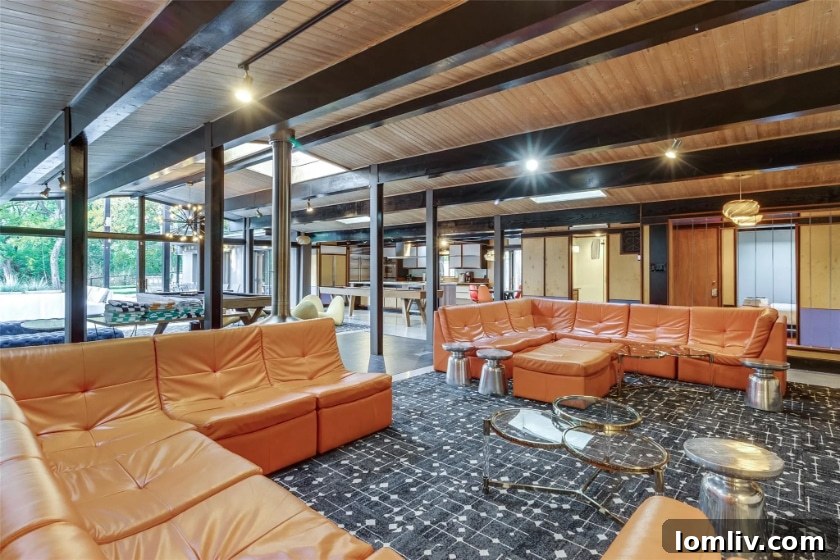
- Open-Plan Interiors: A significant departure from traditional compartmentalized layouts, MCM homes embraced open-concept living spaces, fostering a sense of spaciousness and encouraging interaction. Living areas, dining rooms, and kitchens often flowed into one another, creating versatile environments for modern families.
- Integration with Nature (Indoor-Outdoor Living): Perhaps the most defining feature, Midcentury Modern architects masterfully blurred the lines between interior and exterior spaces. Expansive floor-to-ceiling windows, sliding glass doors, and thoughtful landscaping allow natural light to flood the interiors and bring the surrounding environment directly into the living experience. This connection to the outdoors was central to the philosophy, promoting a harmonious relationship with nature.
- Functional Design: “Form follows function” was a guiding principle. Every element, from built-in furniture to room layouts, was designed with practicality and efficiency in mind, eschewing unnecessary ornamentation.
- Innovative Use of Materials: While often incorporating natural materials like wood and stone, MCM also embraced new technologies and materials like steel, glass, and plywood, demonstrating a progressive spirit and adaptability.
- Wide, Low Footprint: Many homes of this era were designed to sprawl across the landscape rather than ascend, creating a grounded, understated presence that blended with their surroundings.
However, the definition of Midcentury Modern is not entirely rigid; this architectural movement also allowed for bold experimentation and creativity, sometimes venturing into the “funky” and futuristic.
Indeed, some designs pushed the boundaries of what was considered conventional. Iconic examples, often immortalized in film, showcase the diverse range within Midcentury Modernism. John Lautner’s 1968 Elrod House in Palm Springs, for instance, with its dramatic concrete dome and expansive views, served as a futuristic backdrop in the 1971 James Bond film “Diamonds Are Forever.” Lautner’s 1949 Schaffer House in Los Angeles captivated audiences in the 2009 film “A Single Man,” while his spectacular 1963 design for the Sheats Goldstein Residence famously featured in “The Big Lebowski.” Closer to home for many, the elegant Ben Rose House in Highland Park, Illinois, designed by A. James Speyer and David Haid, became a memorable setting in the 1986 classic “Ferris Bueller’s Day Off.” These cinematic appearances undoubtedly amplified public awareness and fostered a widespread longing for these uber-cool, architecturally significant dwellings, transforming them into cultural icons.
Dallas’s Storied Legacy: Home to Exceptional Midcentury Architects
While global architectural titans like Mies van der Rohe, Frank Lloyd Wright, Philip Johnson, and Richard Neutra are celebrated for their monumental contributions to Midcentury Modern design, Dallas boasts its own impressive roster of talented architects who shaped the city’s modern landscape. Visionaries such as Scott Lyons, E.G. Hamilton, Arch Swank, O’Neil Ford, Gordon Nichols, and Thomas Scott Dean left an indelible mark on Dallas, contributing numerous residential and commercial structures that embody the period’s innovative spirit. These local pioneers adapted the core principles of Midcentury Modernism to the Texas climate and lifestyle, often creating unique regional interpretations that are both functional and aesthetically striking.
You’ll find remarkable Midcentury Modern homes gracefully integrated into various Dallas neighborhoods, from the tree-lined streets of Midway Hollow and the sprawling landscapes of Lake Highlands and Lakewood, to the charming communities of Lochwood, Eastwood, and Keistwood. Each area offers glimpses into Dallas’s architectural past. However, what makes an enclave like Sylvania Dells truly exceptional is the concentration of these significant homes, creating a distinctive architectural identity and a strong sense of community for residents who appreciate this timeless design.
According to Coldwell Banker’s Ed Murchison, a revered authority on Midcentury Modern architecture in Dallas, there’s a compelling theory behind the unique density of architecturally significant homes in Sylvania Dells. He suggests a fascinating genesis for this special pocket:
John Travis Jr.’s father owned the property at Northwest Highway and Plano Road. He was an architect and built himself a house on Langdale Circle, backing up to Dixon Branch Creek. I have always assumed he must have reached out to his architect friends and told them to come and build homes here because there are so many. One of the most notable is the John Bartell house with a triangular-shaped roof. There are at least three Ju-Nel houses and others that could be, but Ju-Nels don’t have the documentation, all in this little enclave.
Ed Murchison
This theory paints a picture of a collaborative architectural hub, where influential designers were invited to shape a community, resulting in a unique collection of bespoke homes. The presence of a John Bartell house, celebrated for its distinctive triangular roofline, and multiple Ju-Nel creations – even those lacking full documentation but unmistakably bearing their signature style – further underscores the architectural pedigree of Sylvania Dells. This concentration of masterworks by local architectural talents makes Sylvania Dells not just a neighborhood, but a living museum of Midcentury Modern innovation.
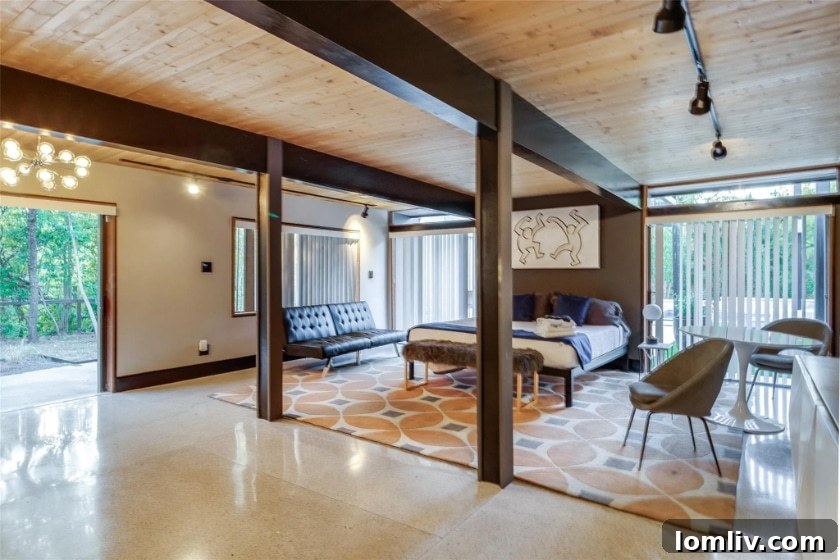
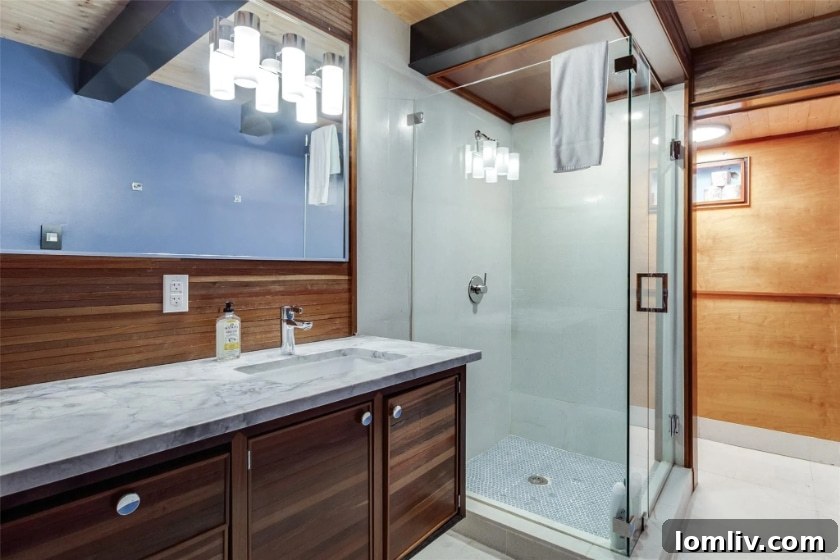
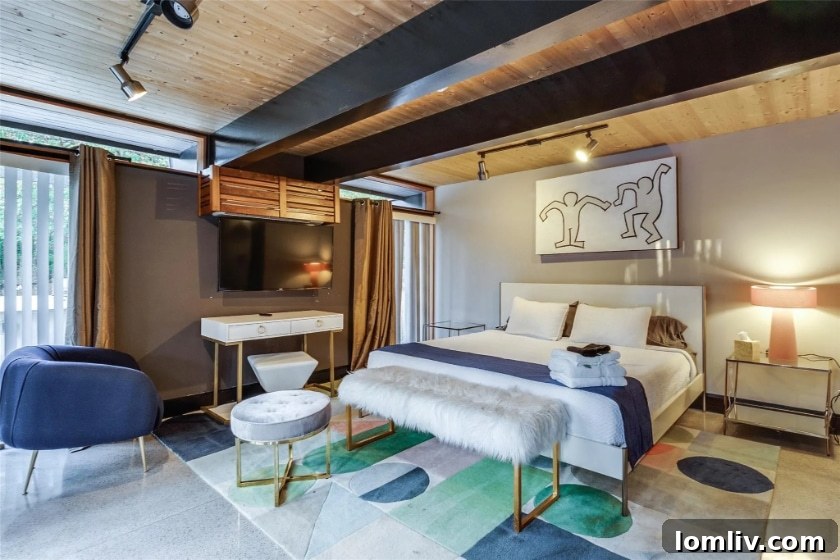
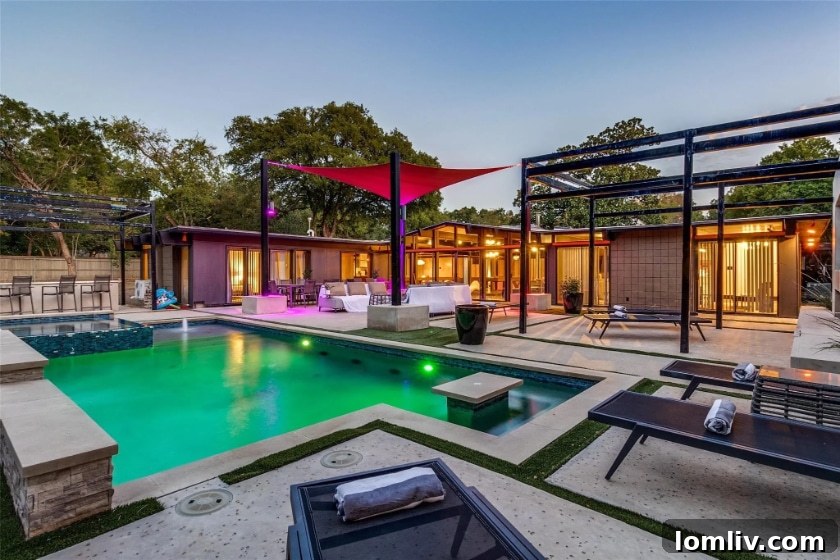
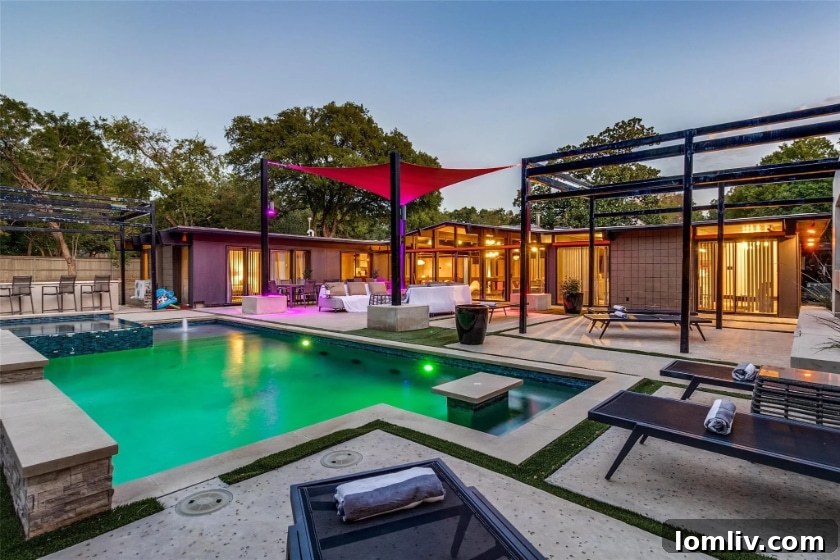
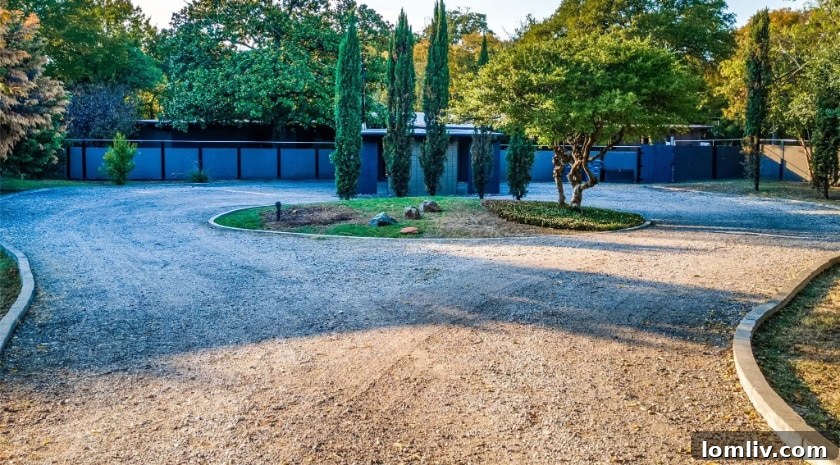
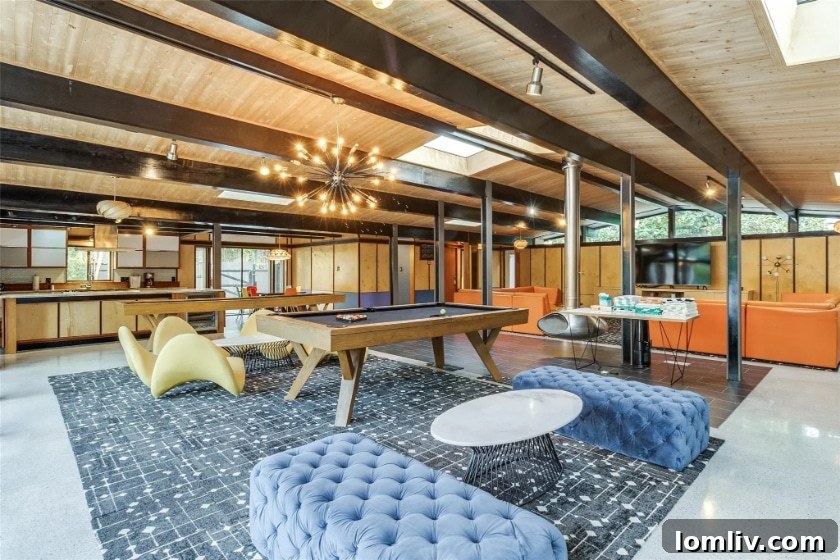
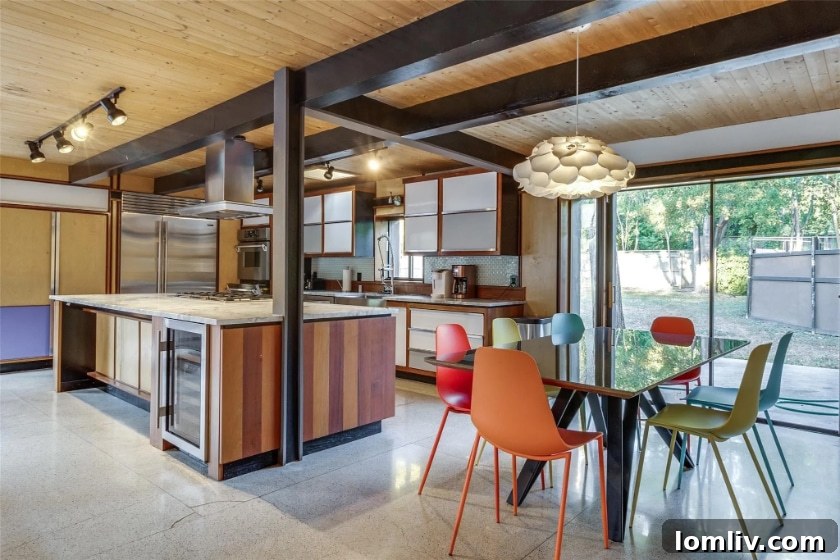
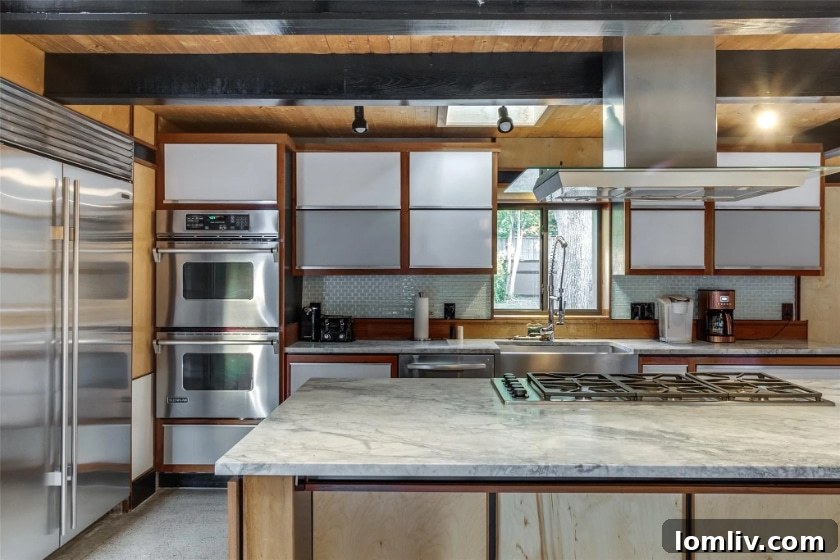
Given this rich history and architectural significance, it’s clear why the arrival of a Midcentury Modern home on the market within Sylvania Dells is considered a major event. We have it on excellent authority that the featured residence, located at 10741 Eden Roc Dr., was custom-built by its original owner for his family in 1964. Spanning just over an acre, the property benefits immensely from its unique positioning, with Dixon Branch Creek gracefully bordering two of its sides. This natural boundary provides an extraordinary level of privacy and tranquility, creating a serene oasis amidst the urban landscape of Dallas.
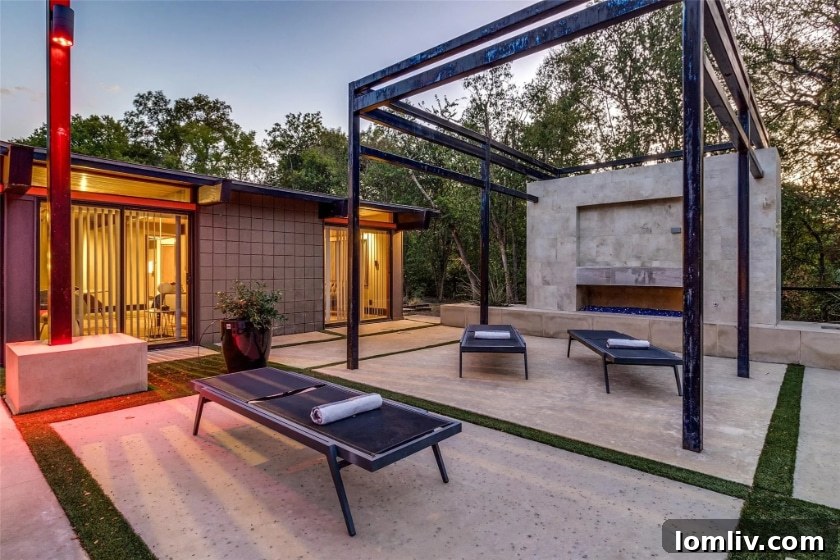
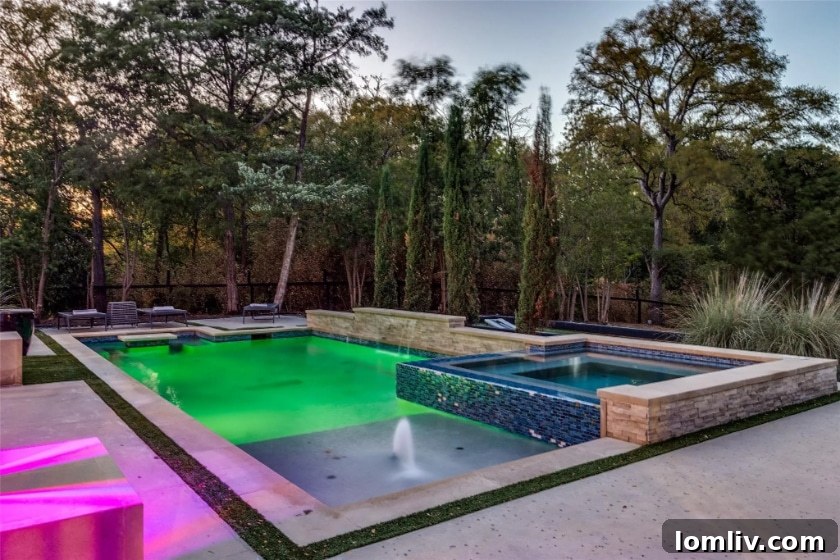
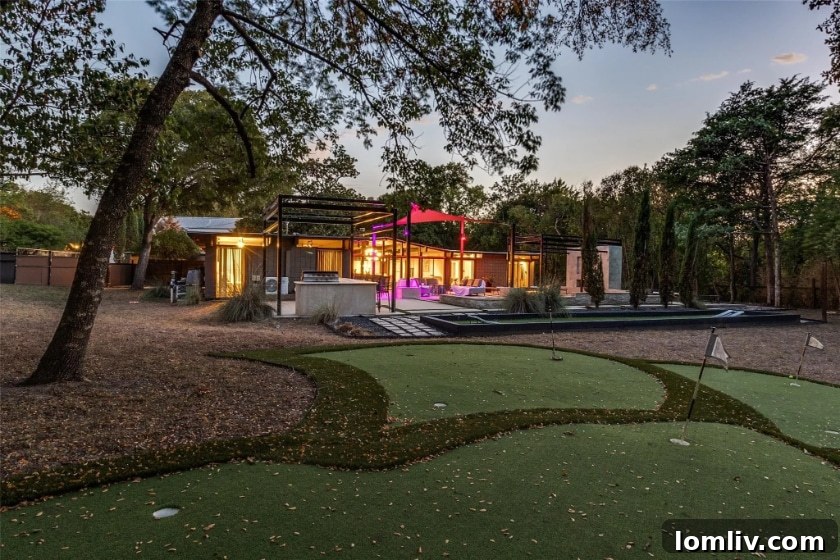
Over the years, this expansive 4,047-square-foot residence, boasting five bedrooms and four bathrooms, has been meticulously cared for, undergoing thoughtful restorations and tasteful updates. The goal has been to preserve its authentic Midcentury Modern character while integrating contemporary comforts and efficiencies. Beyond the interiors, extensive effort has transformed the grounds into a truly complete outdoor living experience, designed to impress even the most discerning connoisseurs of 1950s architectural innovation. The thoughtful additions include a sparkling pool, perfect for cooling off on warm Texas days, a cozy outdoor fireplace for evening gatherings, and a fully equipped outdoor kitchen for seamless al fresco dining. An integrated area to watch TV outdoors provides modern entertainment, while recreational amenities like a private putting green and a custom cornhole area ensure endless family fun. These enhancements not only elevate the property’s luxury but also reinforce the Midcentury Modern ideal of seamlessly blending indoor and outdoor lifestyles.
Where else in a bustling city like Dallas can one discover such complete privacy and the freedom to let children explore remarkable, sprawling wooded grounds? This property truly embodies a family paradise, offering a unique combination of seclusion, luxury, and recreational opportunities. Its captivating architecture and idyllic setting make it a prime candidate for film locations, so don’t be surprised if a film company comes knocking on your door, eager to capture its undeniable charm and timeless appeal.
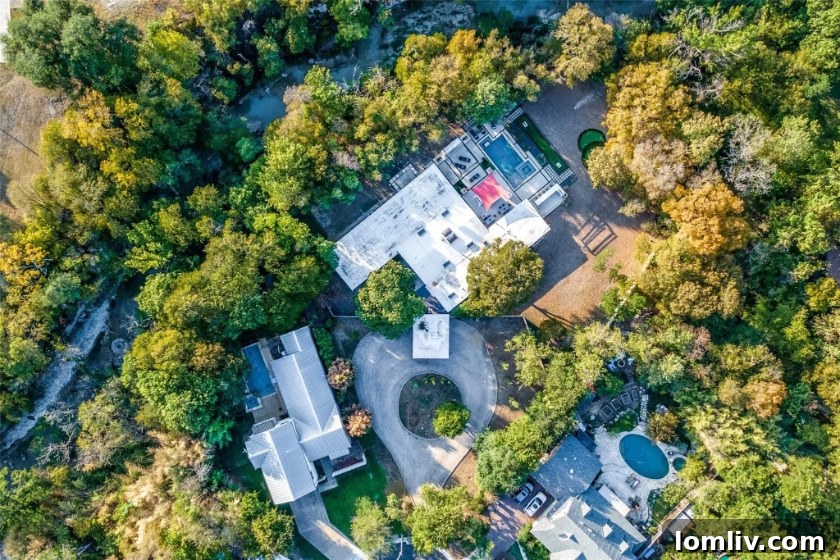
This exceptional Midcentury Modern residence, located at 10741 Eden Roc Dr., is currently listed for $1.395 million by Lee Lamont of eXp Realty. It represents a rare opportunity to own a piece of Dallas’s rich architectural heritage, updated for modern living while preserving the soul of its original design.