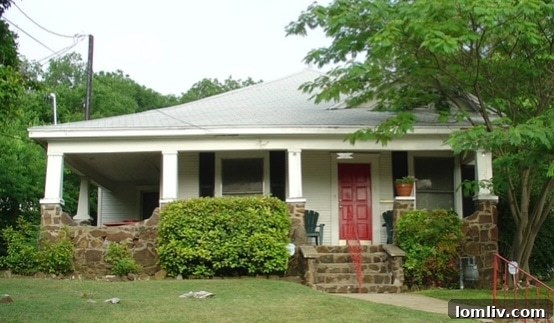
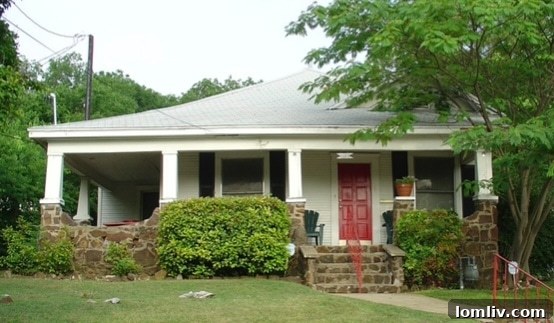
In a momentous stride toward rectifying historical injustices and safeguarding invaluable heritage, the Dallas City Council has taken decisive action. They unanimously repealed an antiquated ordinance that permitted the demolition of homes smaller than 3,000 square feet within designated Landmark Districts. This crucial policy reversal is especially vital for the Tenth Street Historic District, a beacon of Black history in Dallas. Activists and community leaders passionately argued at Wednesday’s city council meeting that abolishing the problematic 2010 ordinance was not merely an act of historic preservation; it was, fundamentally, a monumental step towards achieving racial equity.
Dallas policymakers listened intently to their constituents, who vocalized the profound and disproportionate impact this ordinance had on predominantly Black neighborhoods in Southern Dallas. The widespread support for the repeal underscored a collective recognition of its necessity. Councilwoman Jaynie Schultz, alongside numerous colleagues, extended heartfelt gratitude to Deputy Mayor Pro Tem Carolyn King Arnold, who represents District 4, for her unwavering dedication and leadership in spearheading the charge to amend the city’s development code. Her persistent efforts brought this critical issue to the forefront, culminating in a victory for preservationists and advocates alike.
“This is a victory over something that was so wrong for way too long,” Councilwoman Schultz declared, emphasizing the protracted struggle against the destructive policy. She added, “Thank you for leading this charge to get this demolition ended, not just for the sake of historic Tenth Street, which has been abused for too long by too many people, but also for all the historic structures that are small in our city that deserve to be protected.” Her words resonated deeply, highlighting that the repeal offers protection not only to the iconic Tenth Street but to countless other modest yet historically significant homes across Dallas, preserving the diverse architectural tapestry of the city.
The Tenth Street Historic District holds profound significance as one of the last remaining freedmen’s towns in the United States, established by formerly enslaved people after the Civil War. Its modest, often smaller homes, characterized by vernacular architectural styles, tell the story of resilience, self-determination, and community building in the face of systemic oppression. These homes, though often less than 3,000 square feet, are not merely structures; they are living testaments to the enduring spirit of Dallas’s Black community, embodying generations of history, culture, and aspiration. The previous ordinance, by disproportionately targeting these smaller, more affordable dwellings, inadvertently (or in some views, directly) threatened the very essence of what made Tenth Street historically unique and culturally vital.
Read the comprehensive case report detailing the historical context and the detrimental effects of the ordinance here.
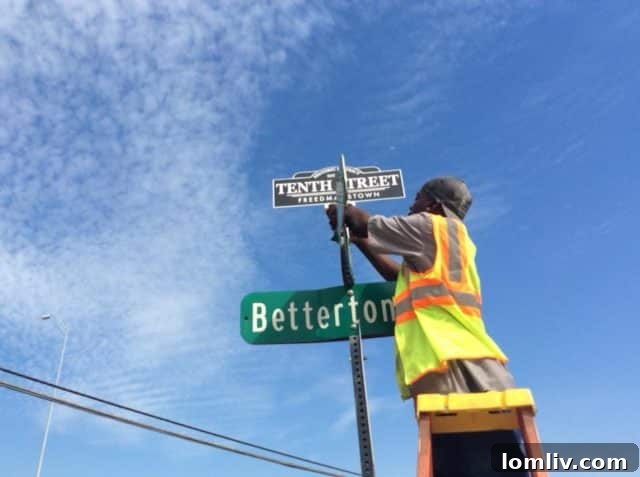
Public Comments Drive Change for Tenth Street Historic District
The “3,000-square-foot rule” had a devastating impact on the Tenth Street neighborhood over the past decade. According to a compelling report by the Dallas Morning News, this single ordinance led to the demolition of dozens of the district’s approximately 260 homes. A minimum of 30 homes, each a piece of living history, were irrevocably lost under the provisions of the old code. These demolitions didn’t just remove buildings; they erased tangible links to the past, fragmented the community, and contributed to a creeping sense of vulnerability among residents.
The Dallas City Council meeting provided a platform for passionate public commentary, with five speakers directly addressing the council in staunch support of the development code amendment. Their testimonies highlighted not only the urgency of the matter but also the extensive period of advocacy and struggle that preceded this moment. Many noted that this change was “a long time coming,” a sentiment that resonated deeply, underscoring years of tireless efforts by community members and preservation groups to protect the district’s irreplaceable heritage.
Tameshia Rudd Ridge, a prominent voice from the community, eloquently encouraged the council to “be on the right side of history.” Her powerful address painted a vivid picture of the district’s enduring legacy. “Tenth Street … is a symbol of resilience and vision built by dreamers and freedom-seekers,” Ridge asserted. “It’s a place where people thrived against all odds.” Her words encapsulated the profound historical narrative of Tenth Street, emphasizing its origins as a refuge for former slaves seeking autonomy and self-sufficiency, and its continued role as a powerful symbol of Black excellence and perseverance in Dallas.
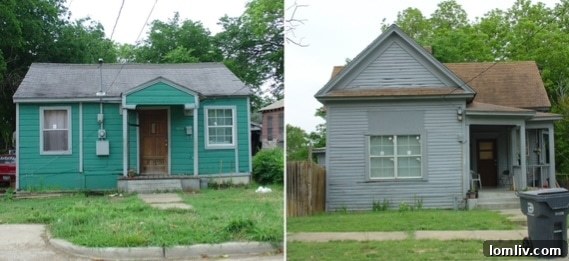
The chorus of voices advocating for change included Carolyn Howard, Executive Director of Preservation Dallas, a leading organization committed to protecting the city’s architectural and cultural legacy. She was joined by Evelyn Mayo, Jennifer Rangel, and Shaun Montgomery, all of whom delivered compelling arguments for amending the outdated development code. Each speaker contributed a unique perspective, but their collective message was clear: the time for change was long overdue, and the preservation of Tenth Street was not just an aesthetic concern but a moral imperative rooted in justice.
Evelyn Mayo further underscored the historical struggle, referencing a significant 2019 lawsuit that the Tenth Street Residential Association filed against the City of Dallas. This legal challenge highlighted the stark disparity in how demolitions were handled, citing “the disproportionate demolition of their homes compared to predominantly white historic districts.” The lawsuit, though complex, served as a powerful testament to the systemic inequities that had plagued the district for years, bringing national attention to the plight of Tenth Street residents.
Mayo also outlined a comprehensive vision for the future, extending beyond mere demolition prevention. “The homes on Tenth Street need to be repaired,” she stated, acknowledging the years of deferred maintenance and neglect that many properties suffered, partly due to the uncertainty created by the demolition ordinance. She also called for proactive solutions: “The city-owned land bank lots should be dedicated for the construction of new historically-compatible and affordable housing in collaboration with the community.” This forward-thinking approach aims to not only restore what was lost but also to build new, sensitive developments that respect the district’s character while addressing the critical need for affordable housing. Furthermore, Mayo emphasized, “There’s a huge need for infrastructure improvements in the neighborhood.” Modernizing roads, sidewalks, lighting, and utilities is essential to enhance the quality of life for residents and ensure the district’s long-term viability. She concluded with a hopeful yet firm sentiment: “I hope this is just one of many steps the city will take to undo the harm done to this neighborhood.”
Protecting a Community From Rapid Gentrification and Ensuring Equitable Development
The motion to amend the development code was brought forward by Deputy Mayor Pro Tem Carolyn King Arnold, a testament to her steadfast commitment to her constituents and the preservation of Southern Dallas’s unique cultural heritage. Her leadership throughout this challenging process has been instrumental in galvanizing support and achieving this landmark repeal. The community recognizes her tireless advocacy as a cornerstone of this victory, signaling a new chapter for historic preservation and racial equity in Dallas.
In her address, Deputy Mayor Pro Tem Arnold expressed profound gratitude: “I want to make sure I thank, first of all, this council for supporting us when we ask for your support on initiatives that impact Tenth Street.” Her words reflected the collaborative spirit required to enact such significant policy changes. Crucially, she also looked ahead, acknowledging that the fight for Tenth Street’s future is ongoing. “We continue to need you as we continue to protect — as much as we can — that community from rapid gentrification.” This statement underscores a critical challenge facing historic Black neighborhoods across the nation: how to preserve heritage and empower existing residents in the face of escalating development pressures and rising property values. The repeal of the demolition ordinance is a powerful defensive tool, but it is just one component of a broader strategy needed to ensure equitable growth and prevent displacement in areas like Tenth Street.
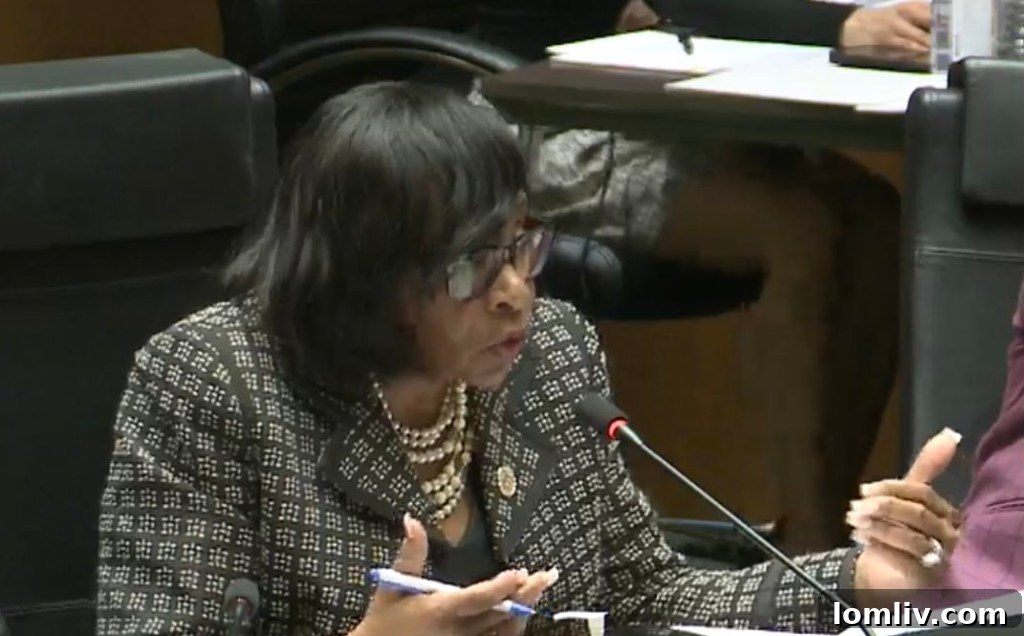
Mayor Pro Tem Tennell Atkins also weighed in on the significance of the council’s decision, commending City Manager T.C. Broadnax for his forward-thinking vision and commitment to fostering racial equity and robust historic preservation efforts throughout Dallas. Broadnax, who submitted his resignation effective June 3, leaves behind a legacy of progress in addressing these complex urban challenges. His leadership, particularly in recognizing the interconnectedness of heritage and social justice, has paved the way for more inclusive development policies.
Atkins powerfully articulated the overarching principle guiding these efforts: “You cannot grow without history.” This statement serves as a potent reminder that a city’s true progress is not solely measured by new construction or economic expansion, but by its ability to cherish, protect, and learn from its past. For Dallas, preserving the Tenth Street Historic District and other culturally significant areas means acknowledging the full, complex narrative of its development, including the invaluable contributions of its Black communities. This approach ensures that future growth is built upon a foundation of respect, equity, and a deep appreciation for the diverse tapestry of human experience that defines the city. The repeal of the demolition ordinance represents a pivotal moment, signaling Dallas’s commitment to a future where history is not erased but embraced as an essential component of its identity and continued prosperity.