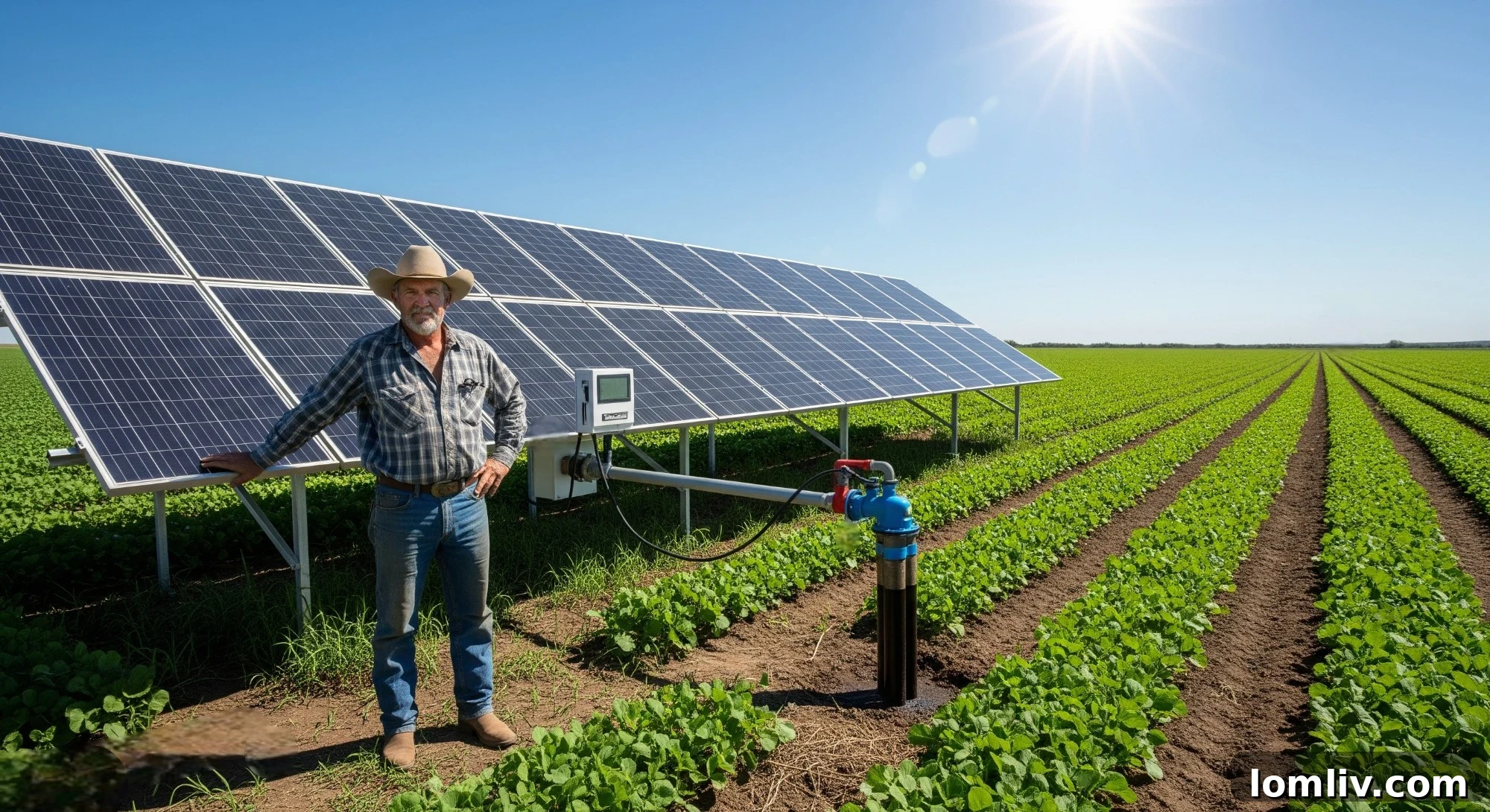
Harnessing the Sun: The Ultimate Guide to Solar-Powered Water Pumps for Sustainable Irrigation
In an era demanding sustainable solutions and energy independence, solar-powered water pumps have emerged as a revolutionary technology for irrigation. These innovative systems provide a consistent and reliable water supply, completely eliminating the need for conventional grid electricity or expensive diesel fuel. By converting sunlight directly into electricity, solar panels efficiently power pumps that draw water from diverse sources such as wells, ponds, rivers, and even lakes. This technology not only ensures a steady flow of water but also dramatically reduces operational expenses, often to as little as two cents per thousand gallons. For farms and agricultural operations, this translates into significant long-term savings and a substantial boost to profitability.
Beyond the financial benefits, solar irrigation systems seamlessly integrate with natural daytime watering schedules. Solar output naturally peaks during the sunniest hours when crops typically require the most water, creating an inherently efficient and synchronized watering cycle. These versatile systems are now scalable to cover a wide spectrum of needs, from irrigating small home garden beds to supplying vast, multi-acre commercial farms. Daily water output can range from hundreds to well over 10,000 gallons, depending on the system’s size, design, and local solar irradiance. With proper selection and regular upkeep, these robust systems are engineered to perform reliably for decades, positioning them as an outstanding choice for off-grid locations, remote rural operations, and anyone committed to environmentally responsible water management.
How Solar-Powered Water Pumps Work for Irrigation
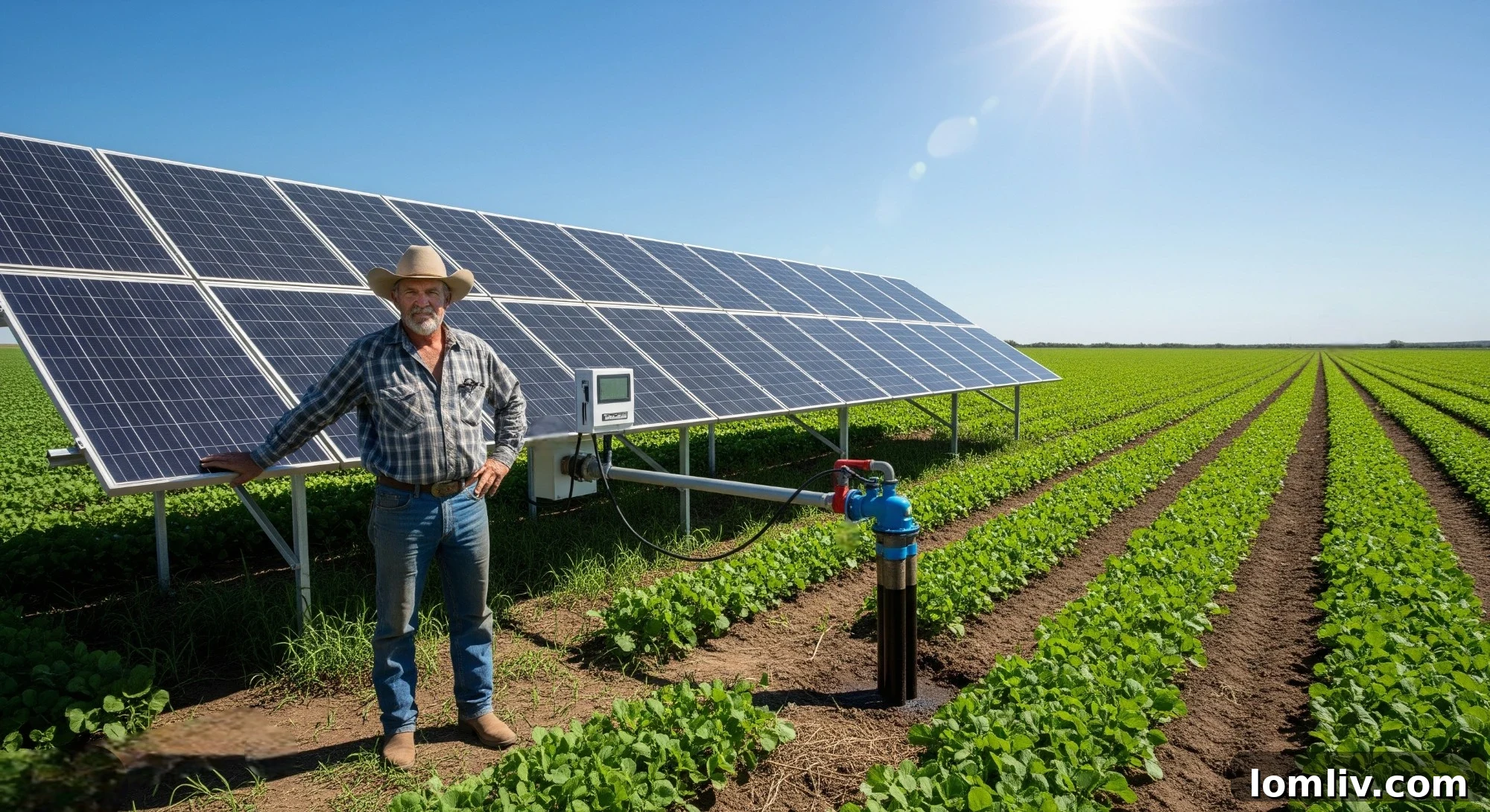
Solar irrigation systems operate on a straightforward yet highly effective principle: they convert the abundant energy of the sun into the electrical power required to drive water pumps. This power then facilitates the delivery of water from its source directly to the areas where it is needed for irrigation. Understanding the core components and their interplay is crucial for appreciating the efficiency and reliability of these systems.
Basic System Operation Explained
At its heart, a solar pump system is designed to harness the sun’s energy, working hardest when sunlight is most intense. This natural alignment with peak solar hours is a key factor in their efficiency for daytime irrigation.
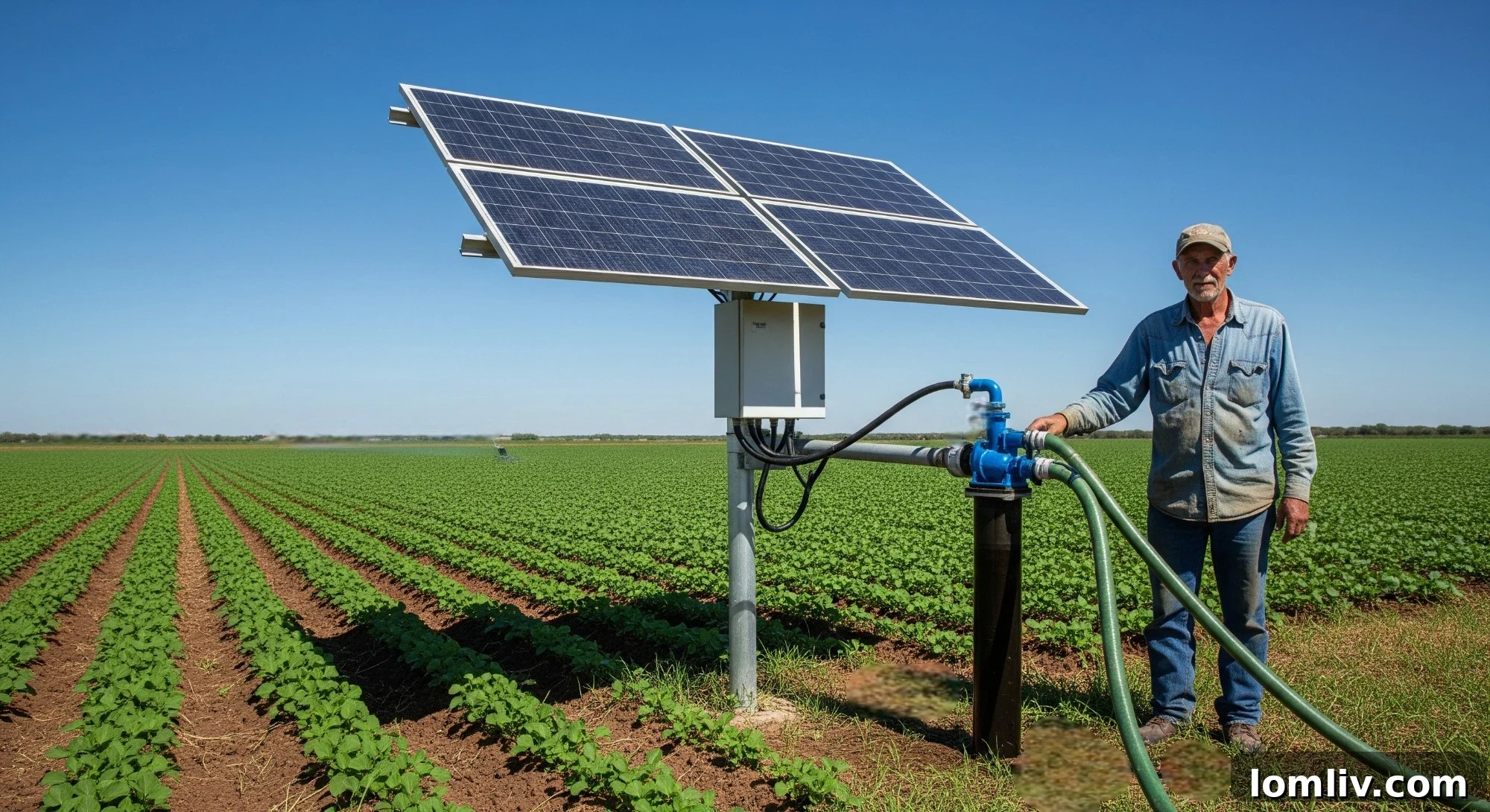
Solar Panel Array: This is the cornerstone of any solar water pump system. Solar photovoltaic (PV) panels absorb sunlight and convert it into direct current (DC) electricity. The size and type of the solar array directly influence the system’s pumping capacity. A larger array, comprised of more panels or higher-wattage panels, generates more electricity, enabling it to power pumps with greater horsepower and thus move more water daily. The orientation and tilt angle of the panels are also critical for maximizing energy capture throughout the day and across seasons.
Pump Controller: An essential component, the pump controller acts as the brain of the solar pumping system. It regulates the electrical power flow from the solar panels to the pump, ensuring optimal performance and protecting the pump from potential damage. Modern controllers often incorporate Maximum Power Point Tracking (MPPT) technology, which continuously adjusts the electrical load to extract the maximum possible power from the solar panels under varying sunlight conditions. This intelligent management significantly enhances the system’s overall efficiency.
Water Delivery: Once powered, the pump draws water from your chosen source—be it a well, pond, stream, or river. This water is then moved through a network of pipes or hoses to the designated irrigation zones. Many advanced solar irrigation systems integrate storage tanks. These tanks are filled during peak sunny periods when the pump is most active, providing a crucial reservoir of water. This stored water can then be utilized during cloudy spells, at night, or at specific times when direct solar pumping might not be feasible, offering unparalleled flexibility in water management.
System Components and Integration
A well-designed solar-powered pump system relies on a few core, seamlessly integrated parts to deliver reliable water. Getting these foundational elements right ensures the entire system operates effectively and efficiently for years.
- Solar Panel Array: Typically configured in 12V, 24V, or 48V systems, sized to match the pump’s power requirements and daily water output goals.
- Water Pump: This can be either a surface pump for shallow sources or a submersible pump for deeper wells, chosen based on the water source’s characteristics.
- MPPT Pump Controller: Essential for maximizing energy harvest from the solar panels and protecting the pump from electrical fluctuations and dry-running.
- Water Storage Tank (Optional but Recommended): Provides flexibility for watering schedules, maintains consistent pressure, and stores water for non-sunny periods.
- Pipes and Distribution Lines: A network of durable pipes and hoses designed to efficiently transport water from the pump or storage tank to the irrigation points.
- Fittings and Accessories: Includes valves, pressure switches, float switches, and filters to ensure optimal system operation and water quality.
For truly comprehensive and efficient irrigation, a high-quality solar-powered water pump system often comes as a complete package. These kits are meticulously designed with all necessary components engineered to work together harmoniously and efficiently, simplifying the design and installation process considerably.
Most solar pumps are engineered for automatic operation: they activate as soon as sufficient sunlight strikes the panels and gracefully shut down as light diminishes. The period of strongest output typically occurs from late morning to mid-afternoon. During these prime solar hours, generally between 10 AM and 4 PM, approximately 60 to 80 percent of the system’s daily water volume is delivered, aligning perfectly with the sun’s peak power generation. This natural synchronization makes solar irrigation remarkably efficient.
According to the International Water Management Institute, “Solar-powered irrigation systems can reduce pumping costs by 70-90% compared to diesel generators while providing more reliable water access in remote areas.” This compelling statistic underscores both the economic and practical advantages of adopting solar technology for water management.
Water Storage and Distribution Strategies
The method of water storage and distribution significantly impacts the flexibility and efficiency of a solar irrigation system. Some setups prioritize direct pumping, while others integrate storage for greater control.
Water Storage Tanks: Integrating storage tanks offers considerable advantages. Water can be efficiently collected during sunny hours when solar production is at its peak, and then utilized at any time, day or night, or during periods of reduced sunlight. This decoupling of pumping from irrigation schedules provides immense flexibility. Storage tanks also play a crucial role in maintaining consistent water pressure, which is vital for efficient operation of sprinkler systems or drip irrigation. By providing a buffer, the pump doesn’t need to run continuously, reducing wear and tear on equipment and extending its lifespan. This setup is ideal for complex irrigation schedules or when water needs to be delivered outside of peak solar hours.
Direct Pumping to Fields: In certain scenarios, water is pumped directly from the source to the fields without intermediate storage. This approach is most effective for flood irrigation, systems with minimal pressure requirements, or when watering times naturally coincide with peak solar production during the day. While simpler in design and often lower in initial cost, it offers less flexibility than systems with storage, making it suitable for specific, less variable irrigation needs.
Types of Solar Water Pumps for Irrigation Systems
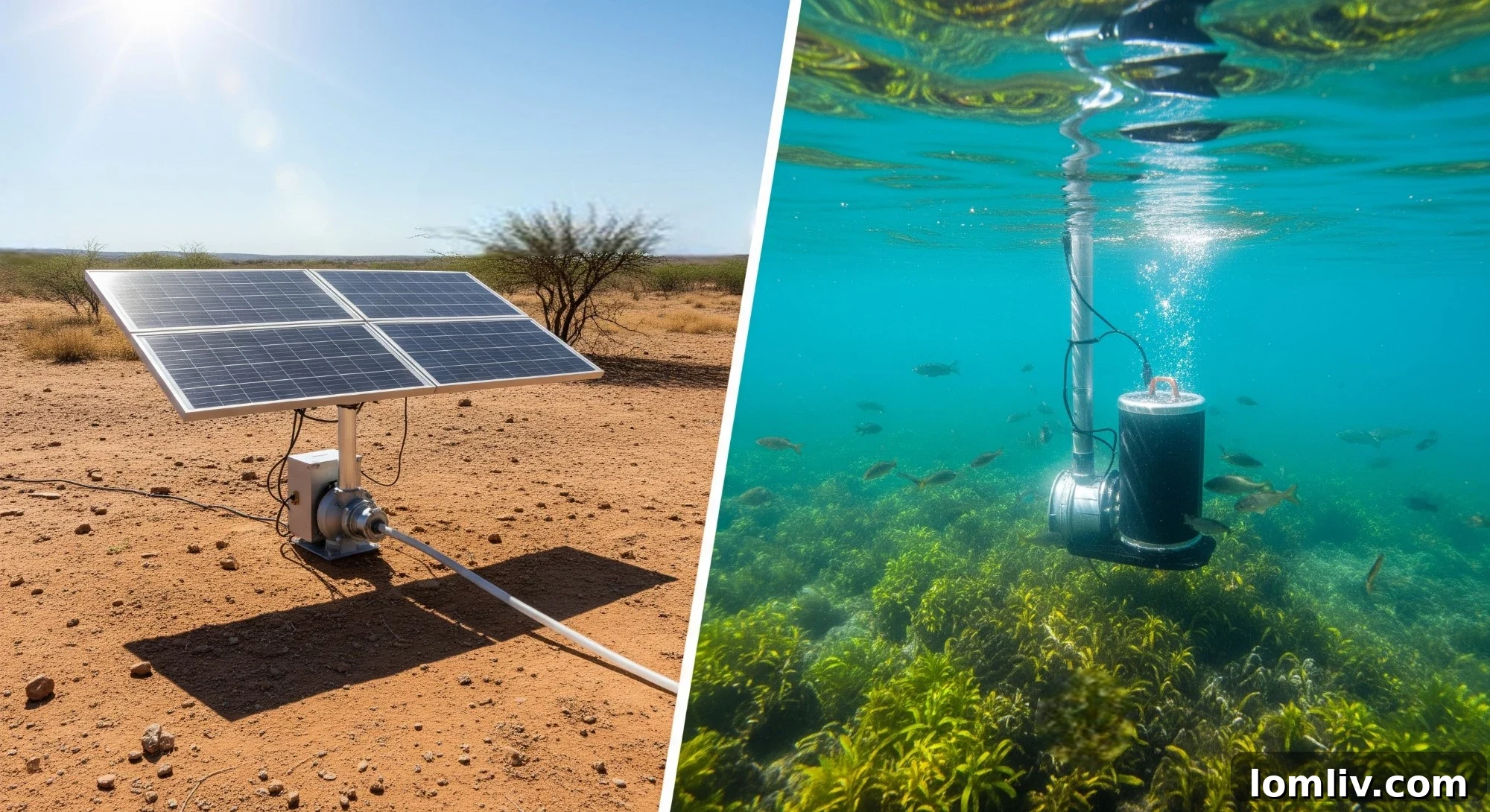
Selecting the appropriate solar water pump is critical for an efficient and effective irrigation system. The choice largely depends on several key factors: the depth of your water source, your daily water volume requirements, and the specific pressure demands of your chosen irrigation method. Understanding the different pump types is the first step towards making an informed decision.
Surface Pumps vs. Submersible Pumps: A Comparative Overview
| Pump Type | Best For | Typical Water Source Depth | Advantages | Disadvantages |
| Surface Pumps | Shallow wells, ponds, streams, rivers, tanks. Ideal for lifting water from readily accessible sources. | 0-25 feet (0-7.6 meters) deep | Easier to install and maintain due to accessibility, generally lower initial cost, simple troubleshooting. | Limited suction depth (typically max 25 ft), less effective for high pressure/volume over long distances. |
| Submersible Pumps | Deep wells, boreholes. Designed to push water from significant depths. | 25-500+ feet (7.6-150+ meters) deep | Higher pressure and flow rates, more reliable for deep water sources, less prone to cavitation. | Harder and more expensive to install and service, higher initial cost, requires specialized equipment for removal. |
When deciding between these two primary types, consider not just the initial cost but also long-term maintenance, specific site conditions, and the complexity of installation. Surface pumps are visible and accessible, making them ideal for readily available water bodies or cisterns. Submersible pumps, however, are engineered to operate submerged within the water source, offering superior performance for deep water extraction where surface pumps would fail.
Solar Well Pump Systems: Tailored for Different Depths
Solar well pumps are specifically designed to address the challenges of extracting water from underground sources, offering specialized solutions based on well depth.
- Shallow Well Pumps: These are typically surface-mounted solar pumps that excel in drawing water from wells up to 25 feet deep. Their above-ground installation simplifies both the setup process and ongoing maintenance, making them a popular choice for smaller farms, homesteads, and residential properties with accessible groundwater.
- Deep Well Solar Pumps: For significantly deeper water sources, submersible solar well pumps are the go-to solution. These robust systems can effectively lift water from depths ranging from 50 feet to over 500 feet. They are engineered to deliver higher water pressure and substantial flow rates, capabilities that are often indispensable for larger-scale agricultural irrigation projects and commercial operations where high volume and consistent pressure are paramount.
- Solar Well Pump Kits: To streamline the implementation of solar well pumping solutions, many manufacturers offer complete solar well pump kits. These comprehensive packages include all the necessary components for installation: solar panels, the chosen pump (surface or submersible), a specialized controller, and all required mounting hardware and wiring. Opting for a kit simplifies the system design process, eliminates compatibility concerns between components, and often reduces the overall installation time.
Achieving the Right Flow and Pressure for Optimal Irrigation
Understanding and calculating your system’s flow rate and pressure requirements is fundamental to selecting a solar pump that meets your irrigation needs without wasting energy or water.
- Gallons Per Minute (GPM): The flow rate, measured in GPM, dictates how quickly water can be delivered. Solar irrigation pumps vary widely in their GPM capabilities, from modest 1-2 GPM pumps suitable for small garden plots or individual livestock troughs, to powerful 20+ GPM pumps designed for expansive agricultural applications. Pumps with higher GPM ratings naturally require more solar panel wattage and larger, more robust controllers to meet their increased power demands. Matching GPM to your specific crop water requirements and irrigation area is crucial for efficient watering.
- Daily Water Output: To estimate your daily pumping capacity, multiply the pump’s GPM rating by the average number of hours of peak sun your location receives. For example, a 5 GPM pump operating for 6 hours of peak sun will deliver approximately 1,800 gallons daily. It’s important to factor in seasonal variations, potential cloudy days, and the specific water needs of your plants or livestock when calculating the required daily output.
- Pressure Requirements (PSI): The pressure, measured in Pounds per Square Inch (PSI), is equally vital, especially for certain irrigation methods. Drip irrigation systems typically operate efficiently with lower pressures, needing around 15-30 PSI. In contrast, sprinkler systems, whether impact, rotary, or spray, generally require higher pressures, typically ranging from 30-60 PSI, to achieve proper water distribution and coverage. Selecting a pump that can consistently meet these pressure demands ensures your irrigation system functions as intended, providing uniform water application across your fields.
Popular Solar Pump Applications Across Sectors
The versatility of solar-powered pumps extends across numerous applications, demonstrating their adaptability and effectiveness in various environments.
- Agricultural Irrigation: This is arguably the most significant application, encompassing large-scale crop irrigation. Solar pumps for agriculture can range from 1 to 20 horsepower (HP) or more, catering to diverse field sizes from 10 to over 500 acres, providing essential water for optimal crop growth and yield.
- Livestock Watering: Smaller solar pump systems, typically ranging from 0.5 to 3 HP, offer a dependable and continuous water supply for cattle, sheep, and other livestock in remote pastures where grid power is unavailable or cost-prohibitive. This ensures animal welfare and reduces the labor associated with manual water transport.
- Garden and Residential Use: Compact solar pump kits, usually in the 100-500 watt range, are perfect for home garden irrigation, circulating water in decorative ponds, creating serene residential water features, or providing supplementary water for household needs.
- Pool Circulation and Filtration: Solar pool pumps are an energy-efficient alternative for swimming pools, spas, and hot tubs. They power circulation and filtration systems, significantly reducing electric bills associated with continuous pool maintenance while contributing to a greener home.
Benefits of Solar Irrigation Pump Systems: A Sustainable Investment
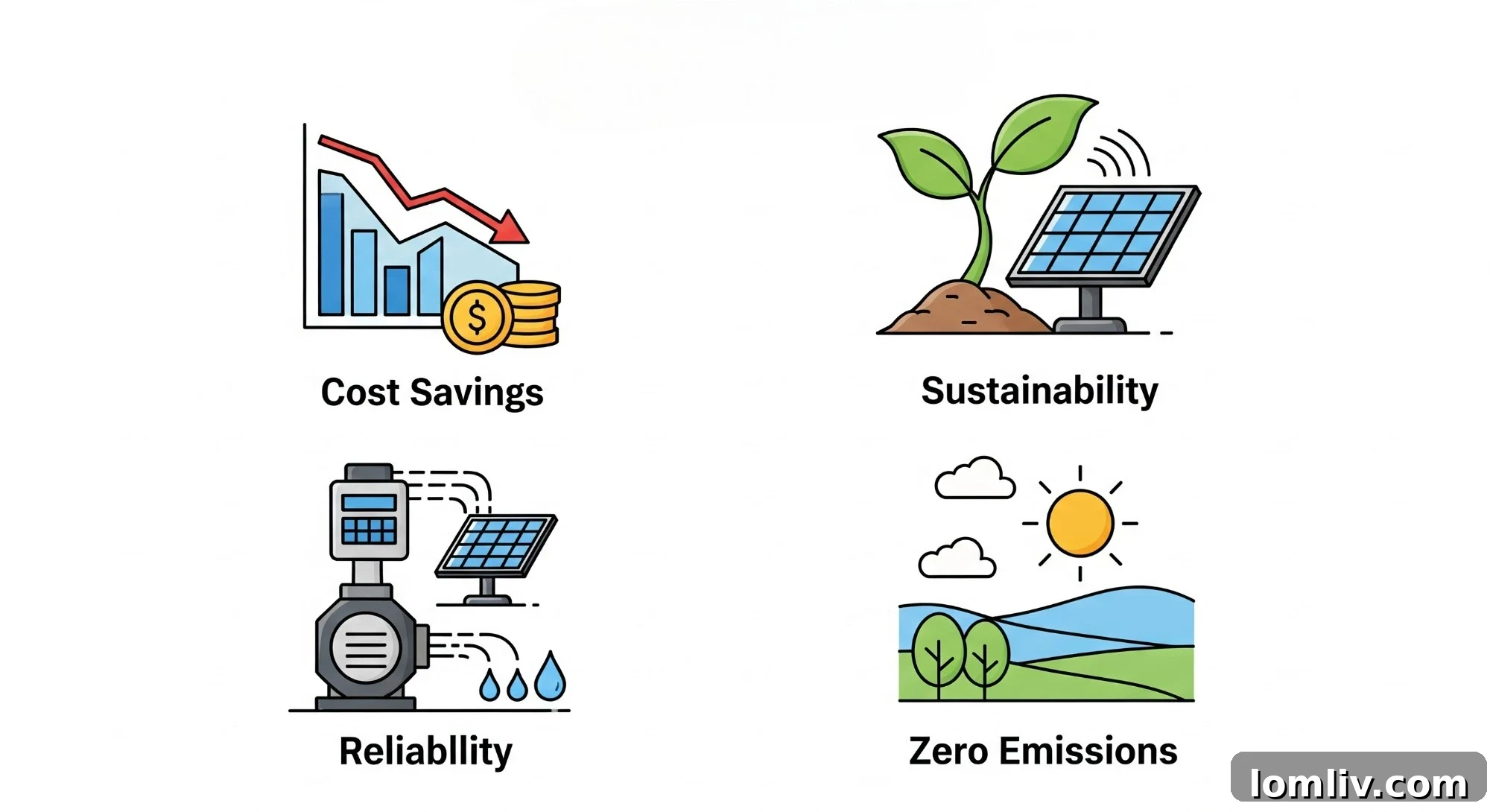
The advantages of transitioning to solar irrigation extend far beyond merely cutting fuel costs. A thoughtfully planned and properly installed solar irrigation system represents a long-term investment that can deliver returns well exceeding its initial installation cost, proving to be both economically astute and environmentally responsible.
1. Significant Cost Savings and Economic Advantages
- Elimination of Fuel Costs: One of the most compelling benefits is the complete eradication of fuel expenses. Diesel generators, a common alternative, can incur costs ranging from $0.10 to $0.30 or more per 1,000 gallons pumped. Over the typical 20-25 year lifespan of a solar system, these accumulated fuel savings alone often surpass the initial investment, leading to substantial financial relief for farmers and landowners.
- Remarkably Low Operating Costs: After the initial installation, solar water pump systems operate virtually free of charge. There are no ongoing fuel purchases, minimal maintenance requirements compared to combustion engines, and the system boasts a long lifespan (25+ years for panels, 10-20 years for pumps). This combination provides an exceptional return on investment (ROI), making them an incredibly cost-effective solution in the long run.
- Enhanced Grid Independence: Solar irrigation systems are inherently self-sufficient, making them ideal for remote agricultural lands or properties without access to the conventional power grid. This independence not only opens up new possibilities for land use and development but also completely eliminates unpredictable monthly electric bills for irrigation, providing budgeting certainty and freedom from utility rate fluctuations.
The Food and Agriculture Organization (FAO) reports that “Solar-powered irrigation can reduce water pumping costs by up to 95% compared to diesel systems while improving food security in rural areas.” This global endorsement highlights the profound economic and social impact of solar irrigation.
2. Environmental and Sustainability Benefits
- Zero Emissions Operation: Unlike diesel generators, which release harmful pollutants and greenhouse gases into the atmosphere, solar water pumps produce absolutely zero emissions during operation. This significantly reduces your carbon footprint, contributing to cleaner air quality and helping combat climate change, aligning with global efforts towards environmental stewardship.
- Harnessing Renewable Energy: Solar pumps utilize sunlight, a freely available and inexhaustible renewable energy source. This sustainable approach reduces reliance on finite fossil fuels, supporting a greener economy and promoting energy independence. It’s a key step towards building more resilient and environmentally friendly agricultural practices.
- Promotion of Water Conservation: Interestingly, farmers who transition to solar irrigation often become more acutely aware and conscious of their water usage. Because the energy to pump water is “free” from the sun, there’s an inherent incentive to optimize irrigation practices, leading to more efficient water application, reduced waste, and better overall water management.
3. Unparalleled Reliability and Consistent Performance
- Robust Weather Independence: Solar pumps are designed to operate reliably in a wide range of weather conditions. While output is highest on clear, sunny days, even partly cloudy conditions can generate sufficient power for continued pumping at reduced capacity. For extended cloudy periods or nighttime irrigation, integrating battery backup systems ensures continuous water availability, providing true weather independence.
- Minimal Maintenance Requirements: Compared to complex diesel engines or grid-powered pumps, solar irrigation systems boast fewer moving parts, leading to significantly lower maintenance needs. Typical maintenance involves simple tasks like annual cleaning of solar panels to maximize light absorption and periodic inspection of the pump and controller. This minimal upkeep translates into less downtime and reduced labor costs.
- Exceptional Long Lifespan: Quality solar panel arrays are built to last 25 years or more, often retaining over 80% of their initial efficiency after this period. The pumps themselves typically have a lifespan of 10-20 years, and controllers can last 15+ years. This remarkable longevity provides decades of dependable water delivery, offering peace of mind and consistent service without frequent replacements or major overhauls.
Installation and Key System Components: Ensuring Optimal Performance
Proper installation and careful selection of each system component are paramount to ensuring your solar irrigation system operates perfectly, delivering reliable water for decades to come. A well-designed system maximizes efficiency and minimizes potential issues.
Solar Panel Array Sizing and Configuration
The solar panel array is the power generator, and its proper sizing is crucial for meeting your water demands.
- Wattage Requirements Calculation: Determining the correct solar panel wattage involves assessing the pump’s power requirements (HP or watts), the desired daily water volume, and the average peak sun hours at your location. Most irrigation pumps, depending on their size and duty cycle, will require anywhere from 100 watts for small garden pumps to 2,000 watts or more for larger agricultural applications. Accurate calculations prevent undersizing (insufficient water) or oversizing (unnecessary cost).
- Panel Configuration: Solar panels can be wired in series to increase voltage or in parallel to increase current. The optimal configuration depends on the specific voltage and current input requirements of your pump controller. Modern MPPT controllers are often highly flexible, accepting a wide range of input voltages, which simplifies panel configuration and allows for greater design versatility.
- Mounting Options: The choice of mounting significantly impacts performance and accessibility. Ground-mounted systems are generally easier to install, access for cleaning, and maintain, but they require more dedicated land space. Pole-mounted arrays, while requiring sturdier foundations, save space and can often be adjusted seasonally (or equipped with trackers) to optimize their angle for maximum sun exposure throughout the year, boosting overall energy capture.
Pump Controllers and MPPT Technology: The Brain of the System
The pump controller is a critical component that optimizes performance and protects your investment.
- Controller Functions Beyond Regulation: Beyond simply regulating power flow, advanced solar pump controllers offer a suite of crucial functions. These include comprehensive protection against various electrical faults and operational hazards, features like automatic start/stop based on sunlight intensity, dry-run protection (preventing pump damage when the water source runs low), and often integrated system monitoring capabilities that can provide real-time data on performance.
- Benefits of MPPT Technology: Maximum Power Point Tracking (MPPT) controllers are a game-changer for solar pump efficiency. By continuously tracking and adjusting the electrical load, MPPT controllers can extract 15-30% more power from the solar panels compared to basic controllers. This significant increase in efficiency means that you can often power a larger pump or achieve a higher daily water output with a smaller, more cost-effective solar array.
- Comprehensive System Protection: Quality pump controllers are equipped with essential protection mechanisms. These safeguard the pump and the entire system against common issues such as overvoltage, undervoltage, motor overload, and crucially, dry running (operating without water). Implementing these protective features is vital for extending the lifespan of your pump and preventing costly repairs or premature system failure, ensuring long-term reliability.
Storage and Distribution Systems: Maximizing Water Utility
Efficient storage and distribution ensure water is available when and where it’s needed most.
- Storage Tank Sizing: Properly sizing your water storage tanks is essential for uninterrupted irrigation. Tanks should typically be large enough to hold 1-3 days’ worth of your peak irrigation water needs. While larger tanks offer greater flexibility and serve as a crucial backup during extended cloudy periods, they also represent a higher initial cost and require robust support structures to manage the considerable weight of water.
- Irrigation Distribution Systems: The stored or directly pumped water needs to be efficiently delivered. This involves connecting tanks or pumps to your chosen irrigation method, whether it’s precision drip irrigation, broad-coverage sprinkler systems, or traditional flood irrigation, depending on your crop requirements and topography. For systems requiring consistent high pressure, integrating pressure tanks or booster pumps may be necessary to ensure adequate water pressure throughout the entire distribution network.
- Advanced System Controls: To further enhance automation and efficiency, various system controls can be integrated. Timers allow for scheduled irrigation cycles, pressure switches activate or deactivate pumps based on desired pressure levels, and float switches in tanks prevent overfilling or dry running by monitoring water levels. These intelligent controls help automate irrigation scheduling, optimize pump operation, and safeguard the system from potential damage.
How to Choose the Right Solar Water Pump System for You
Selecting the ideal solar irrigation system requires a thoughtful assessment of your specific water needs, environmental conditions, and long-term operational goals. A tailored approach ensures maximum efficiency and satisfaction.
Prioritizing Long-Term Reliability and Maintenance
Investing in quality and planning for maintenance are key to a system that performs consistently for decades.
- Component Quality is Paramount: Do not compromise on component quality. Investing in high-quality pumps, panels, and controllers from reputable manufacturers is crucial. Cheap, generic components often fail prematurely, leading to expensive replacements, unexpected downtime, and significant crop loss, ultimately costing far more in the long term than the initial savings. For reliable solar irrigation equipment, The Solar Store provides quality pumps, controllers, and complete system packages all in one place, simplifying the process of getting the right setup for your irrigation needs with confidence.
- Proactive Maintenance Planning: Even with minimal maintenance, a plan is essential. This includes routine tasks like annual cleaning of solar panels to ensure maximum energy production, periodic visual inspection of the pump for any signs of wear, and regular checks of the controller’s functionality. It’s also prudent to budget for pump replacement every 10-15 years, as this is typically the component with the shortest lifespan.
- Leveraging System Monitoring: For larger or more critical irrigation systems, consider options with remote monitoring capabilities. These systems can alert you to potential problems (e.g., low water levels, pump errors, panel performance issues) via smartphone applications or web dashboards. Early detection of issues can prevent costly damage to equipment, minimize crop loss due to water deprivation, and optimize system performance.
Accurate Sizing for Your Water Requirements and Source
Precision in sizing ensures you get the right amount of water when and where you need it.
- Calculate Daily Water Needs Meticulously: Begin by precisely determining the total number of gallons (or liters) per day your crops, livestock, or specific irrigation system requires. This calculation should factor in critical variables such as crop type, soil type, local climate conditions, seasonal variations (e.g., higher demand in summer), and peak demand periods. Overestimating can lead to an oversized, costly system, while underestimating can result in water shortages.
- Comprehensive Well and Water Source Assessment: For well-based systems, accurate measurements are vital: determine the total well depth, the static water level (water level when not pumping), and the recovery rate (how quickly the well refills). For other water sources like ponds or rivers, assess their flow capacity, seasonal fluctuations, and potential for sediment. This data is critical for selecting a pump with the correct head pressure and flow rate.
- Thorough Solar Resource Evaluation: Evaluate your location’s solar resource accurately. Tools like NREL’s solar maps (National Renewable Energy Laboratory) or local weather data can provide average daily peak sun hours. Locations with 4-6+ hours of peak sun daily are generally excellent candidates for efficient solar irrigation systems. Understanding your solar resource helps in sizing the panel array to match your daily pumping needs.
Understanding System Costs and Maximizing Return on Investment
A clear financial outlook helps in making an informed decision about your solar investment.
- Initial Investment Breakdown: The total cost of a complete solar irrigation system can vary significantly, typically ranging from $3,000 for smaller garden systems to $15,000+ for mid-sized agricultural applications. Large-scale commercial systems can exceed $25,000. These costs encompass solar panels, the pump, controller, mounting hardware, pipes, and installation labor. Generally, larger systems tend to offer a better cost per gallon pumped due to economies of scale.
- Rapid Payback Period Analysis: One of the most attractive financial aspects of solar irrigation is its relatively short payback period. Most systems pay for themselves within 3-7 years, primarily through the elimination of ongoing fuel or electricity costs. Systems installed in areas with prohibitively expensive diesel fuel, high electricity rates, or significant government incentives will often see an even faster return on investment.
- Exploring Financing Options and Incentives: Before making a purchase, thoroughly research available financing options. Many governmental agencies (e.g., USDA in the US), non-profits, and local authorities offer grants, rebates, tax credits, or low-interest loans specifically for renewable energy irrigation systems. These incentives can substantially reduce the initial investment, making solar irrigation even more accessible and financially viable for farmers and property owners.
What Makes Solar Pumps Worth It: A Concluding Perspective
Solar-powered irrigation stands as a compelling and increasingly vital solution for modern water management. It provides an inherently reliable and sustainable method to move water precisely where it’s needed, liberating users from the unpredictable costs and logistical challenges of grid electricity or traditional fossil fuels. These systems are particularly well-suited for regions blessed with ample sunshine, especially where water demand naturally peaks during daylight hours.
The technology behind solar water pumps has advanced significantly, moving from niche applications to robust systems capable of supporting a broad spectrum of needs—from nurturing delicate small gardens to sustaining expansive, full-scale commercial farms. With the correct system design, high-quality components, and a modest maintenance regimen, a solar irrigation setup can perform flawlessly for decades, offering remarkable operational longevity and nearly zero running costs.
If your needs include securing a reliable water supply in remote locations, substantially reducing your energy bills, or making a definitive switch to a cleaner, more sustainable, and environmentally responsible water solution, then considering solar irrigation is not just a smart choice, but a future-proof investment for your land and its productivity.
Frequently Asked Questions About Solar Water Pumps
- How much water can a solar-powered pump deliver daily?
The daily water output of a solar pump system is highly dependent on several factors: the pump’s size (horsepower/wattage), the capacity of the solar array (number and efficiency of panels), the peak sun hours at your location, and the depth of the water source. Small systems designed for gardens or individual livestock can typically pump between 500-2,000 gallons daily. In contrast, larger agricultural systems, equipped with more powerful pumps and extensive solar arrays, are capable of delivering well over 10,000 gallons per day, making them suitable for significant irrigation demands. - Do solar water pumps work on cloudy days?
Yes, solar pumps do function on cloudy days, but their output will be reduced. Solar panels still generate electricity under overcast conditions, albeit at a lower capacity. Most systems can pump effectively at 20-40% of their normal output on heavily cloudy days. For situations requiring continuous water supply regardless of weather, integrating a battery backup system is an excellent solution. These systems store excess energy generated on sunny days, allowing for full pumping capacity during extended cloudy periods or for nighttime irrigation. - How much does a solar irrigation system cost?
The cost of a complete solar irrigation system varies widely based on its size, complexity, and specific components. Small garden or residential systems can start around $1,500-$3,000. Mid-sized agricultural systems, designed for larger plots or livestock watering, typically range from $3,000-$15,000+. For very large-scale commercial agricultural operations requiring powerful pumps and extensive solar arrays, costs can exceed $25,000. These figures generally include solar panels, the pump, controller, and mounting hardware, but installation labor costs can add to the total. - What maintenance do solar water pumps require?
Solar water pumps are renowned for their low maintenance requirements, especially when compared to diesel alternatives. The primary maintenance tasks include: annual cleaning of the solar panels to ensure maximum light absorption and efficiency; periodic inspection of the pump (especially surface pumps) for any debris, blockages, or signs of wear; and routine checks of the controller for proper functioning and error codes. Submersible pumps are largely maintenance-free once installed, though professional inspection every few years is recommended. Most pumps are designed to run reliably for 10-20 years before needing replacement, while solar panels can last 25+ years. - Can solar pumps provide enough pressure for sprinkler irrigation?
Absolutely, properly sized solar pumps are fully capable of providing the necessary pressure for efficient sprinkler irrigation systems. Sprinkler systems typically require pressures ranging from 30-60 PSI (Pounds per Square Inch) for optimal operation and coverage. Submersible pumps, by their nature of pushing water from depth, often inherently provide higher pressures compared to surface pumps. When designing your system, it’s crucial to select a pump with a head pressure rating that exceeds your system’s total dynamic head, which includes elevation changes and friction losses in the piping, to ensure adequate pressure at all sprinkler heads.