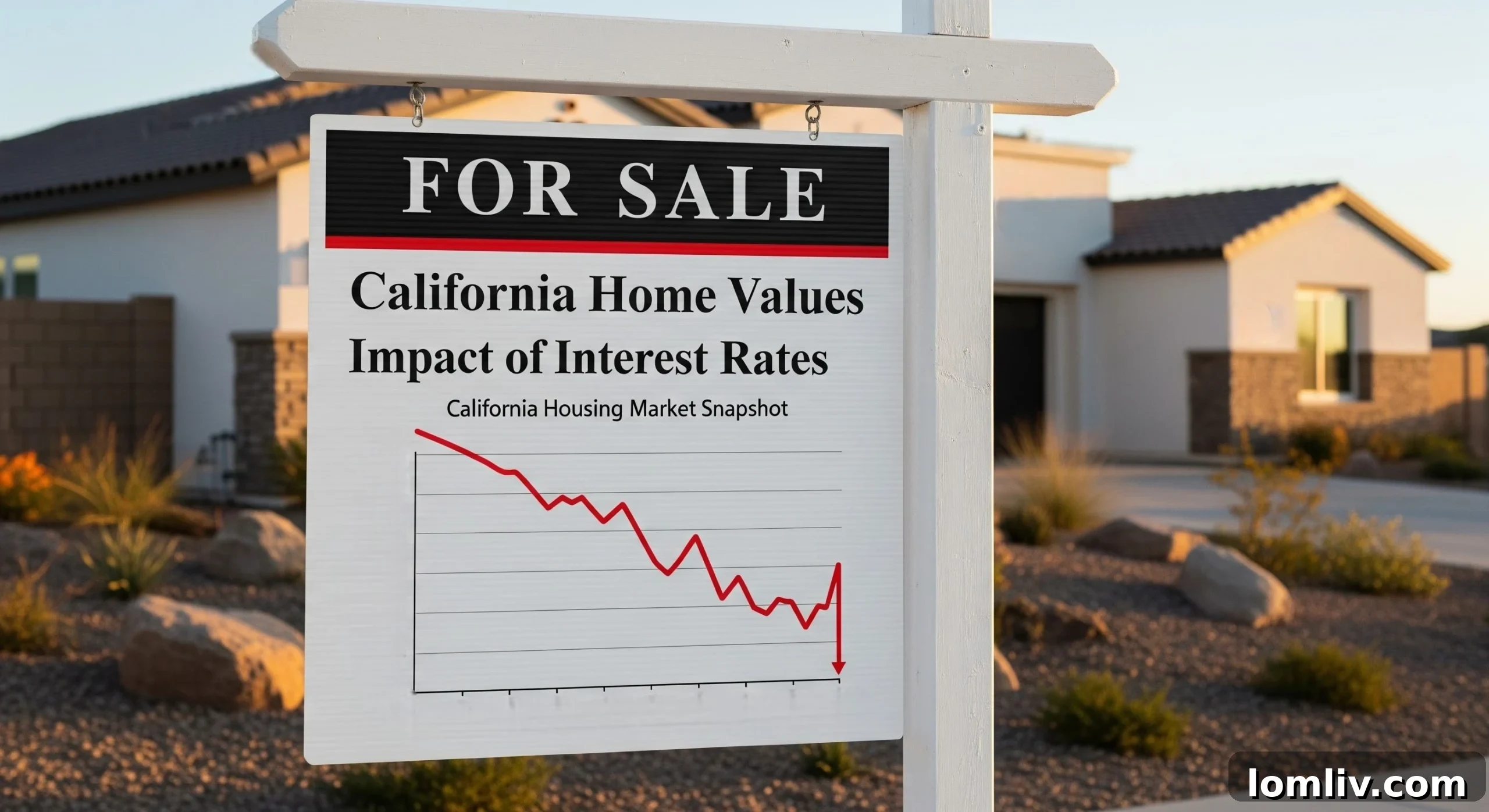
In the dynamic landscape of California real estate, where property values can soar and market trends shift rapidly, one seemingly background detail holds immense power: interest rates. Far from being a minor economic indicator, interest rates are the invisible hand that steers every investment decision, influences buyer behavior, and ultimately dictates the profitability of your real estate ventures. Even the slightest fluctuation in these rates can mark the critical difference between securing a substantial profit and enduring a costly misstep.
For savvy investors aiming to maintain a competitive edge and ensure their portfolio’s resilience, a deep understanding of how interest rate shifts operate is not just beneficial—it’s absolutely essential. Failing to grasp this fundamental connection can leave you with an illiquid asset in a cooling market, jeopardizing your financial goals. By staying informed and proactive, you can anticipate market movements and strategically position your investments for long-term success.
To navigate the complexities of the California real estate market successfully, let’s explore the intricate mechanics of interest rates and uncover how they profoundly impact every facet of your investment strategy.
Deciphering the Federal Reserve’s Influence on Interest Rates
At the heart of the U.S. financial system, the Federal Reserve plays a pivotal role in setting the nation’s monetary policy, which directly influences interest rates. The Fed’s primary objectives are to promote maximum employment, stabilize prices (control inflation), and maintain moderate long-term interest rates. To achieve this delicate balance, it adjusts the federal funds rate, a benchmark rate at which banks lend to each other overnight.
When the Federal Reserve raises or lowers this benchmark rate, a ripple effect permeates the entire financial system. Local commercial banks, in turn, adjust their prime lending rates, which then dictate the interest rates offered on various consumer and business loans. This is why you observe fluctuations in the interest rates applied to credit cards, auto loans, and, most critically for real estate investors, mortgage rates. These shifts are not arbitrary; they are strategic maneuvers by the Fed to either stimulate economic growth by making borrowing cheaper or curb inflation by making borrowing more expensive.
In real estate investing, these seemingly incremental changes can have monumental consequences for property values, investor returns, and your long-term equity. Think of interest rates and real estate affordability as a seesaw: when interest rates are low, borrowing becomes more affordable and accessible for potential buyers, igniting demand and driving up property values. Conversely, when rates climb, the cost of borrowing escalates, tightening the market, dampening demand, and often leading to a stabilization or even a decline in property prices. Understanding this inverse relationship is fundamental to mastering real estate investment in any market cycle.
Mortgage Dynamics: Interest Rates, Affordability, and Buyer Behavior
The immediate and most palpable effect of rising interest rates on the real estate market is the dramatic shift in mortgage costs and, consequently, buyer purchasing power. As interest rates ascend, the monthly payments for a given loan amount increase significantly. This seemingly small adjustment can swiftly erode a potential buyer’s total budget, forcing them to either seek less expensive properties or exit the market altogether.
This reduction in affordability invariably leads to a shrinking pool of qualified buyers. Individuals who were once pre-approved for a certain loan amount suddenly find that their debt-to-income (DTI) ratios no longer meet lender requirements at the higher interest rates, or the monthly payments become unmanageable. The result is fewer active participants in the market, which can be particularly challenging for sellers. Your listing, which might have garnered multiple offers in a lower-rate environment, could now linger on the market for weeks or even months longer than anticipated.
Furthermore, higher rates can amplify the presence of all-cash buyers, who are immune to mortgage rate fluctuations. This creates an uneven playing field, where financed buyers face greater competition from those with liquid assets, making it harder for them to secure desirable properties. For investors looking to sell, this often translates into accepting lower offers or undergoing extended negotiation periods, impacting their overall return on investment.
The Direct Link: Interest Rates and Property Valuation Shifts
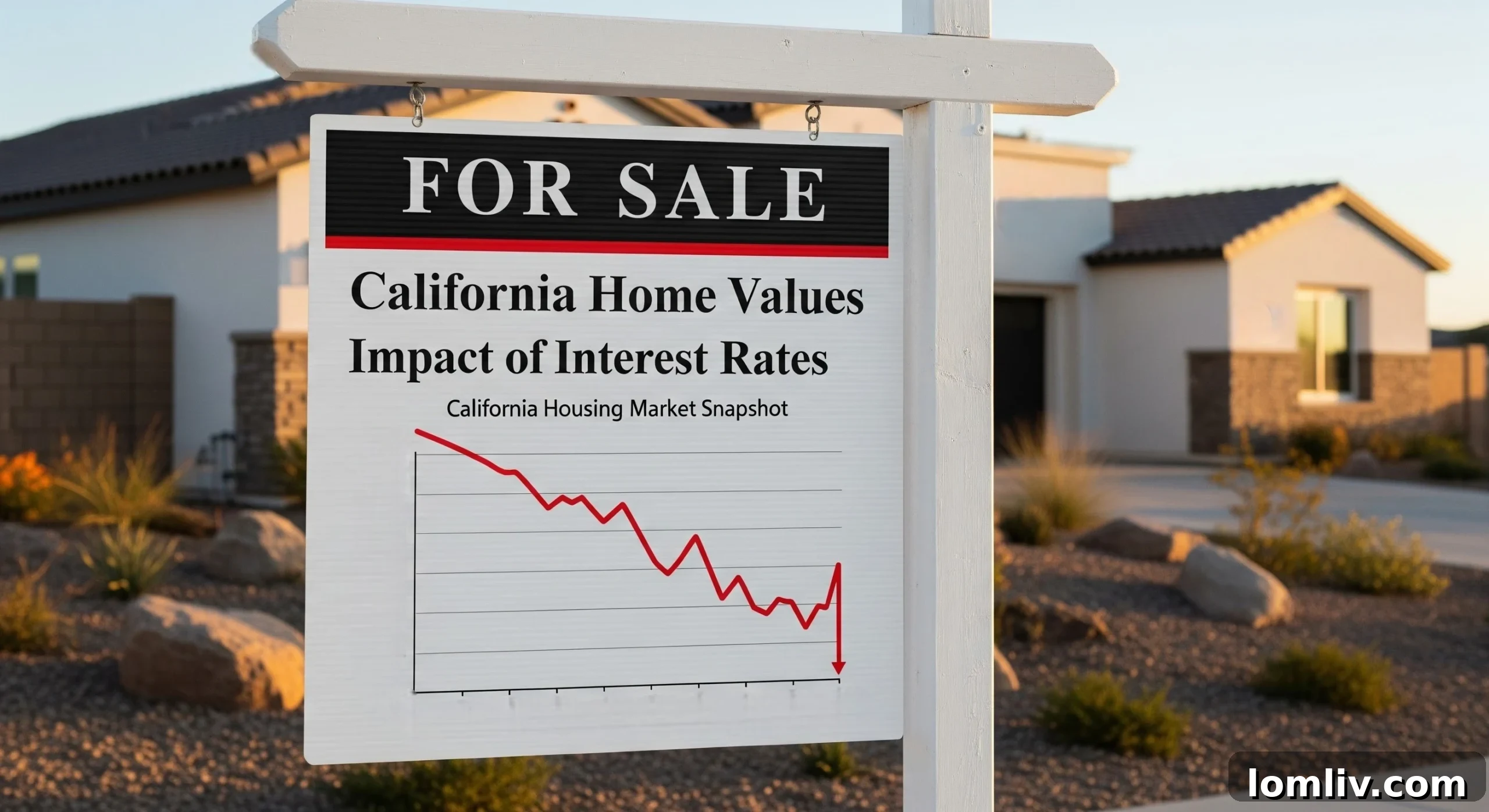
The relationship between interest rates and property values is a cornerstone of real estate economics. When borrowing costs increase, the number of individuals financially capable of taking on a mortgage decreases. This reduced demand directly impacts the competition for available properties. In a market where fewer people are actively bidding, sellers lose their leverage to command premium prices, leading to a natural stabilization—or even a downward adjustment—of home values. The “skyrocketing” home prices often seen in low-rate environments begin to level out as the market cools.
Conversely, when interest rates drop, the market typically experiences a surge in buyer interest. Mortgage payments become more affordable, more buyers qualify for loans, and the allure of homeownership intensifies. This heightened demand sparks increased competition, often leading to bidding wars and rapidly appreciating property values. For sellers, a low-rate environment empowers them to set higher asking prices, confident that a robust pool of qualified buyers will compete for their listing. Understanding this dynamic is crucial for timing your purchases and sales to maximize profit and mitigate risk, ensuring your smart borrowing strategies align with market realities.
The Rental Market Ripple: A Refuge in High-Rate Environments
The influence of interest rates extends beyond the sales market, creating a significant ripple effect on the rental sector. When the cost of buying a home becomes prohibitively expensive due to high mortgage rates, a larger segment of the population opts to rent for longer periods than they might have initially planned. This fundamental shift in consumer behavior creates a surge in demand within the rental market, directly benefiting landlords and property managers overseeing apartments, condos, and single-family rental homes.
Increased rental demand often translates into the ability to charge higher rents, providing a valuable stream of passive income. For investors, this additional cash flow can be instrumental in offsetting the increased cost of borrowing for their existing portfolio or future acquisitions. This scenario highlights why a “buy-and-hold” strategy, particularly for income-generating properties, becomes highly profitable and attractive when the broader sales market experiences a slowdown or stagnation due to elevated interest rates. Investors can capitalize on stable rental income, long-term appreciation potential, and tax advantages, making it a resilient strategy during various market cycles.
Adapting Your Investment Strategy to Rate Fluctuations
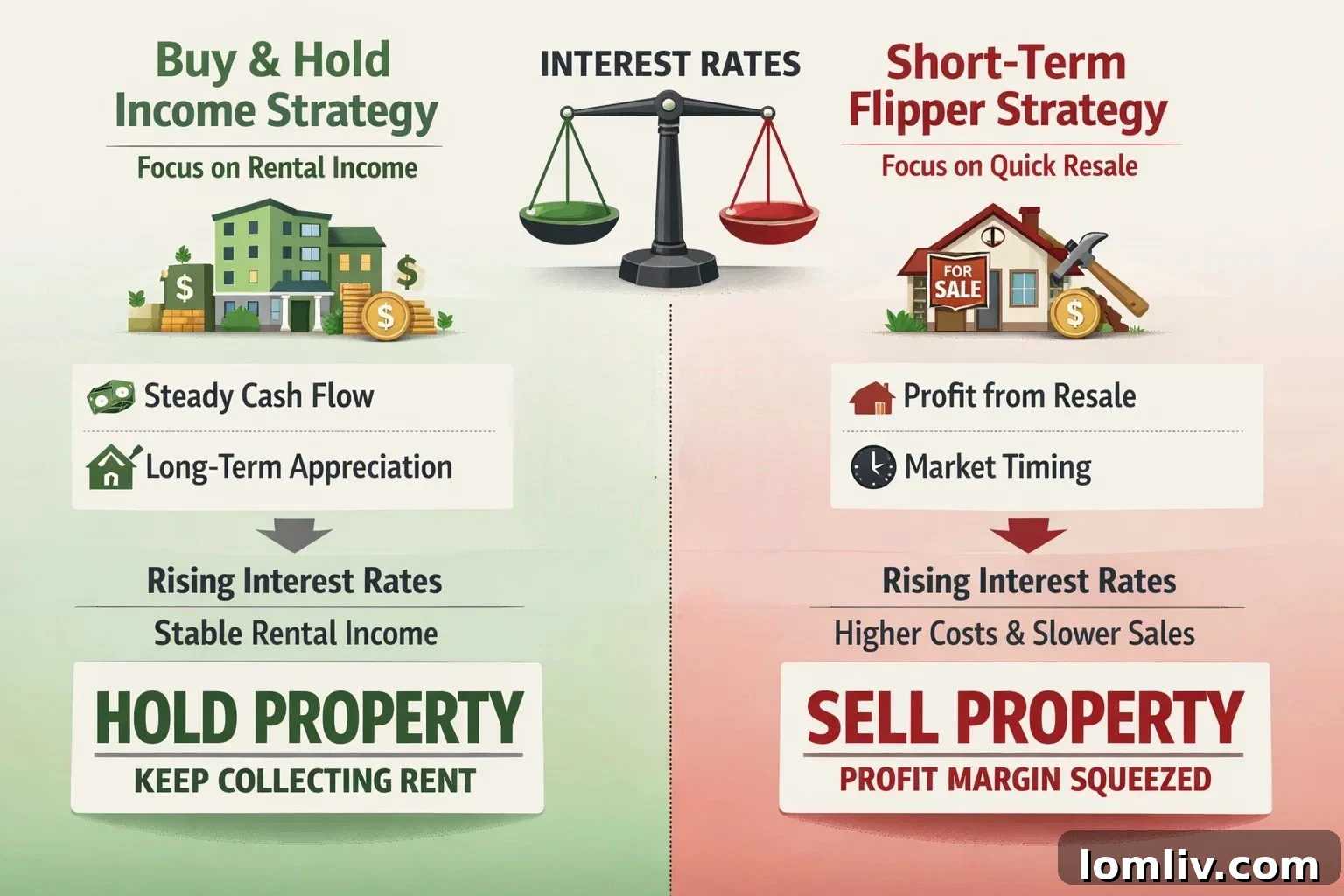
Successful real estate investing hinges on adaptability. The optimal strategy in a low-interest-rate environment often differs significantly from what works best when rates are high. Savvy investors constantly pivot their approaches to align with prevailing economic conditions, ensuring their capital is deployed most effectively.
High-Rate Markets: Focusing on Cash Flow and Income Properties
When interest rates are elevated, the cost of financing a property increases substantially. In such an environment, many investors gravitate towards strategies focused on generating consistent monthly income. Rental models, especially those involving multi-family units, student housing, or short-term rentals, become particularly appealing. The steady cash flow from rent helps to offset higher mortgage payments, providing a more predictable and stable return. This “buy-and-hold” approach emphasizes long-term equity growth and income generation, making it a defensive and often profitable strategy when the cost of capital is high. Investors might also explore commercial properties with strong tenant leases, as their income stability can be a buffer against market volatility.
Low-Rate Markets: Capitalizing on Quick Gains with Fix-and-Flip
Conversely, when borrowing costs are lower, the landscape shifts dramatically, favoring strategies geared towards quicker gains. Lower interest rates make it more affordable to acquire properties, finance renovation projects, and carry the property during the improvement phase. This is the prime environment for “fix-and-flip” projects. Investors can purchase distressed or undervalued properties, complete strategic renovations, and then sell them for a substantial profit in a relatively short timeframe, capitalizing on the high demand and buyer affordability fueled by cheap money. The reduced carrying costs significantly boost potential profit margins, making this a popular strategy when rates are in the investor’s favor.
Financing Renovation Projects: HELOCs, Construction Loans, and Cost Management
For investors specializing in buying fixer-upper properties, interest rates are a critical determinant of strategy and profitability. Many fund these renovation projects using various financing tools, such as home equity lines of credit (HELOCs), private money loans, or conventional construction loans. When interest rates climb, borrowing this additional capital becomes considerably more expensive, directly impacting the project’s bottom line.
Higher interest payments on renovation financing can rapidly erode projected profits. Money allocated to interest payments is money diverted from the actual renovation, potentially forcing investors to compromise on the quality of materials, labor, or even the scope of the project itself. This can shrink your return on investment (ROI) or, in worst-case scenarios, push your margins into the red. Therefore, meticulous budgeting and a thorough understanding of financing costs are paramount when undertaking renovation projects, especially in a fluctuating rate environment, to ensure you can still afford quality materials and contractors.
Proactive Debt Management: Safeguarding Your Portfolio
For investors holding Adjustable-Rate Mortgages (ARMs), rising interest rates can be one of the most significant financial threats. Unlike fixed-rate mortgages, where your monthly payment remains constant, ARMs feature interest rates that periodically reset based on market benchmarks. As these rates climb, your monthly debt payments increase, often substantially. This rise in expenses can quickly deplete the capital available for new investments, reduce your cash flow from existing properties, and potentially push your investment property into a negative cash flow situation, costing you more each month than it generates.
It is always prudent to conduct rigorous stress tests and “worst-case” scenario analyses on your portfolio well in advance of potential market shifts. By simulating the impact of higher interest rates on your mortgage payments and overall cash flow, you can identify vulnerabilities and proactively develop mitigation strategies, such as considering refinancing into a fixed-rate mortgage or adjusting rental rates, before market changes adversely impact your bottom line. Being aware of how lower interest rates will be a bright spot can also help you plan for future opportunities.
Developer Insights: New Construction and Project Viability
For those involved in building or developing new properties, interest rates often represent the fundamental factor determining whether a project even gets off the ground. Development projects are typically capital-intensive, requiring significant financing for land acquisition, zoning, permits, and construction. These funds are usually secured through construction loans, which are highly sensitive to interest rate fluctuations.
When borrowing costs escalate, every stage of the development process becomes more expensive. The cost of financing the land, purchasing materials, and paying the construction crew all rise. These additional expenses can quickly transform a meticulously planned and potentially profitable project into a financial drain. Consequently, developers frequently pause or delay new ventures when interest rates become volatile or unacceptably high, waiting for more favorable market conditions. This directly impacts the supply of new housing and commercial spaces, creating a ripple effect across the entire real estate ecosystem.
Navigating the Future: Vigilance for Sustainable Real Estate Success
In the complex and interconnected world of real estate, a seemingly minor shift in one market indicator, such as interest rates, can trigger a far-reaching chain reaction across various segments. From buyer affordability and property valuations to rental demand and development viability, interest rates permeate every layer of the investment landscape.
While predicting the exact timing and magnitude of interest rate changes remains a challenge, a commitment to closely monitoring economic indicators and the Federal Reserve’s guidance provides investors with a crucial head start. This vigilance enables you to evaluate potential investments with greater foresight, adapt your strategies proactively, and make informed decisions that are most likely to deliver strong, sustainable long-term returns in the ever-evolving California real estate market. Staying ahead of the curve is not just about reacting to change, but about anticipating it and positioning your investments for optimal performance.
Author Bio
Dalip Jaggi: Entrepreneur, technologist, and passionate business leader sum up the core of Dalip Jaggi, co-founder of Revive Real Estate, a PropTech company with a goal to democratize house flipping. Since its 2020 inception, Revive has since become the smartest solution for homeowners to maximize their home’s sales value across the nation.