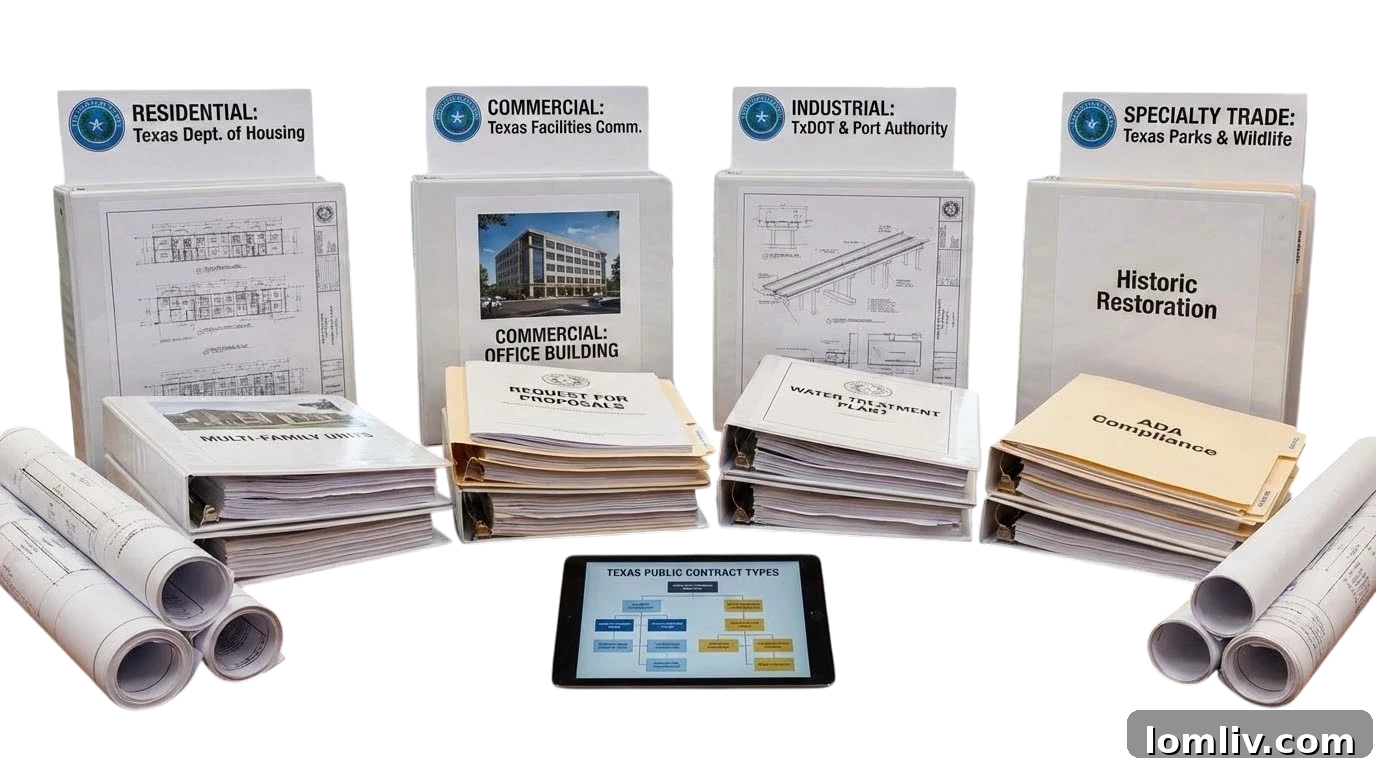
Venturing into the world of government contracting in Texas presents an immense opportunity for businesses aiming for expansion and stable revenue streams. The Lone Star State’s government is a colossal consumer, investing billions of dollars annually into a vast array of goods and services. This creates a vibrant, albeit highly competitive, marketplace for dedicated suppliers and service providers. Indeed, Texas stands out as a leader in state-level procurement, awarding over $20 billion in state contracts each year. Whether your company is a burgeoning small business, a dynamic minority-owned enterprise, or a well-established large corporation, a deep understanding of the tender process is not just advantageous—it’s essential for securing the contracts that will propel your business forward.
This comprehensive guide will walk you through the intricacies of navigating Texas government procurement, from identifying lucrative opportunities and understanding various contract types to mastering the bidding process and leveraging state resources. By streamlining your approach and adhering to best practices, you can significantly enhance your chances of success in this lucrative sector.
Exploring Diverse Government Contract Opportunities in Texas
The journey to securing lucrative government contracts begins with effectively identifying the right opportunities. In Texas, state agencies consistently publish tenders for an incredibly diverse range of goods, services, and construction projects. This breadth allows contractors to precisely target projects that align perfectly with their core expertise, operational capabilities, and strategic objectives. Successful contractors are those who remain vigilant and proactive in their search for suitable bids.
One of the primary and most critical platforms for discovering state-level procurement opportunities is the Texas Electronic State Business Daily, or ESBD. This online portal serves as the central hub where the vast majority of state agency tenders are officially listed. Beyond the ESBD, savvy contractors should also explore federal opportunities on SAM.gov, delve into individual local government websites, and monitor city procurement portals to track both active and upcoming projects at municipal, county, state, and even federal levels.
For businesses specializing in vital services such as construction estimating services Texas, staying meticulously updated with these platforms is absolutely paramount. Timely access to tender information enables faster and more accurate bid preparation, robust cost planning, and a stronger competitive position when vying for high-value and complex contracts. Understanding the landscape of available opportunities is the foundation upon which all successful bidding strategies are built.
Once potential opportunities are identified, the crucial next step involves comprehending the various types of government contracts prevalent in Texas. Each category demands a tailored estimating approach, a thorough understanding of the project scope, and a finely tuned bidding strategy to maximize the likelihood of success.
Key Contract Categories within Texas Government Procurement
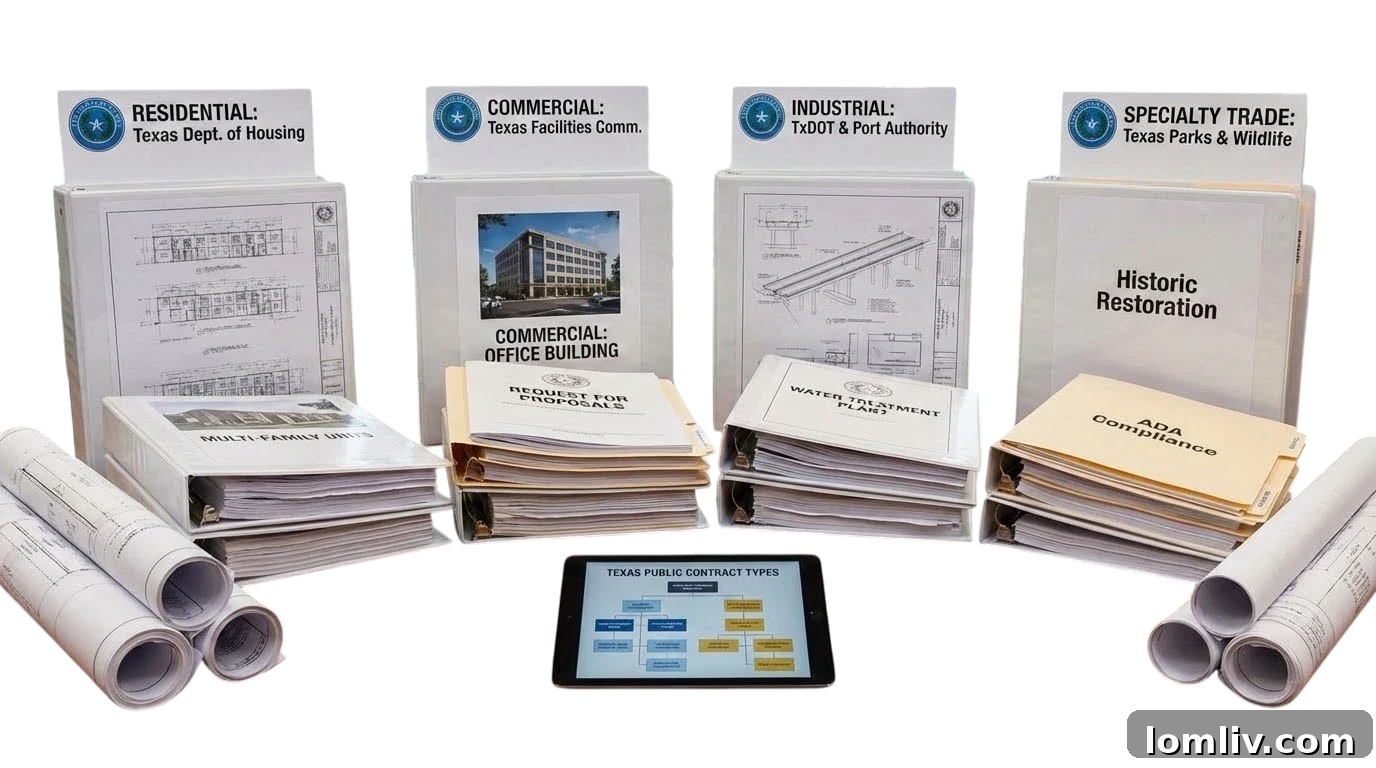
Texas government contracts span an expansive spectrum, catering to virtually every industry. For construction-related businesses, specific categories of contracts offer distinct challenges and rewards. Mastering the nuances of each type is key to submitting compelling proposals.
Residential Contracts
Government residential projects in Texas encompass a wide array of initiatives, including new housing developments, extensive renovations of existing public housing units, and critical upgrades funded by state and local agencies. These projects are often driven by community needs, urban revitalization efforts, or disaster recovery programs. Contractors who leverage specialized residential estimating Texas services gain a significant competitive advantage. This expertise allows for the submission of highly accurate material takeoffs and precise cost projections, covering everything from foundational elements to interior finishes. Precise estimates are crucial not only for ensuring competitive bids but also for maintaining healthy profitability, especially in large-scale projects involving multi-family housing complexes, senior living facilities, or broader community development initiatives. Understanding local zoning laws, accessibility requirements, and specific agency housing standards is also vital for these projects.
Commercial Contracts
Commercial government contracts involve the construction, renovation, and maintenance of essential public infrastructure such as state office buildings, public schools, government-owned hospitals, municipal administration centers, and libraries. These projects are characterized by their detailed scope analysis, stringent adherence to building codes, and strict compliance with a myriad of regulations, including ADA standards and specific state architectural guidelines. Utilizing advanced Texas commercial estimating practices empowers contractors to efficiently break down all associated costs, encompassing raw materials, specialized labor, equipment, and precise project timelines. Accurate and comprehensive estimates are absolutely crucial for winning bids in this intensely competitive sector, where project margins are often tight and deadlines are rigidly controlled. Furthermore, an understanding of the specific operational needs of public facilities (e.g., maintaining operations during renovation) can set a proposal apart.
Industrial Contracts
Industrial projects within the government sector are typically complex and large-scale, involving facilities like public utility warehouses, water treatment plants, manufacturing plants for state-owned enterprises, and critical infrastructure-related facilities such as transportation hubs or correctional facilities. These projects demand exceptionally detailed and sophisticated cost planning due to their sheer size, specialized equipment requirements, and often hazardous working conditions. Contractors engaged in such endeavors rely heavily on expert industrial estimating to accurately manage large-scale material quantities, source specialized components, account for complex logistical challenges, and budget for labor-intensive scopes. A well-prepared and rigorously reviewed estimate ensures robust risk management, minimizes unforeseen costs, and significantly increases the chances of contract approval. Environmental compliance and safety protocols are paramount in this sector.
Painting Contracts
Government painting contracts are a consistent source of work, typically involving routine maintenance, aesthetic renovations, and critical finishing work for new construction across various public buildings. From refreshing classrooms in public schools to updating public offices and community centers, these projects require meticulous surface area calculations, precise material planning, and an understanding of durable, low-VOC paint specifications. By employing specialized painting estimating techniques, contractors can accurately forecast paint quantities, estimate labor hours, calculate equipment costs, and account for surface preparation and primer needs. This level of detail enables them to submit highly precise and competitive bids, ensuring both profitability and project quality. Public access considerations and minimal disruption requirements are common in these bids.
Electrical Contracts
Electrical government contracts encompass a broad spectrum of services, including the installation of new electrical systems, comprehensive upgrades to existing public infrastructure, and ongoing maintenance of critical power grids, lighting systems, and communication networks. These projects demand unwavering adherence to national electrical codes (NEC), local ordinances, and precise technical specifications. Contractors leveraging advanced electrical estimating tools and expertise can ensure accurate calculations for wiring, conduits, fixtures, panels, switchgear, and labor costs. This unparalleled level of precision is vital for compliance, safety, and operational efficiency, thereby significantly improving bid success rates and preventing costly errors during project execution.
Wood & Lumber Contracts in Texas
Wood-related government contracts are integral to many public projects, covering everything from structural framing and intricate carpentry work to specialized millwork and general timber construction in public parks, offices, or historical renovations. These scopes necessitate accurate quantity takeoffs for various types of lumber, fasteners, adhesives, and other related materials. With expert lumber takeoff Texas or dedicated wood estimating services, contractors can meticulously plan their material needs. This proactive approach helps to avoid costly material shortages or wasteful overestimation, leading to more competitive, reliable, and ultimately successful bids. Understanding sustainable sourcing requirements and fire-rated wood applications can also be a strong advantage.
Registering on the Texas Centralized Master Bidders List (CMBL)
To successfully secure state contracts in Texas, one of the most crucial initial steps is registering on the Centralized Master Bidders List, or CMBL. This comprehensive list serves as the primary database of pre-qualified suppliers and vendors authorized and ready to bid for state contracts. Joining the CMBL is more than just a formality; it strategically positions your business directly in front of state purchasing agents and decision-makers across various agencies.
Registered vendors on the CMBL benefit from an automated alert system, receiving timely email notifications for new bidding opportunities that precisely match their registered products or services. This proactive notification system ensures that you never miss out on relevant tenders, streamlining your search for potential projects.
- Access the Application: Vendors simply need to visit the Texas Comptroller of Public Accounts website, navigate to the procurement section, and complete the online CMBL application. The process is user-friendly and designed to gather essential business information.
- Provide Business Details: The application requires comprehensive details regarding your basic business structure (e.g., sole proprietorship, LLC, corporation), federal tax ID, and a clear, concise outline of your company’s core capabilities, goods, and services. Accurate and detailed information here will ensure you receive relevant bid notifications.
- Maintain Active Status: Paying the annual registration fee is essential to keep your CMBL profile active and your business visible to state agencies. This fee ensures continuous access to bidding opportunities and maintains your qualification status for various tenders throughout the year.
Beyond simply receiving bid notifications, CMBL registration also signals to state agencies that your business is serious about government contracting and has taken the necessary steps to participate, enhancing your credibility and initial consideration by procurement officers.
Qualifying as a Historically Underutilized Business (HUB) in Texas
The Historically Underutilized Business (HUB) program in Texas is a cornerstone initiative designed to actively promote economic diversity and provide a significant competitive edge for businesses owned by minorities, women, and disabled veterans in the pursuit of state contracts. Texas demonstrates its commitment to this program by setting ambitious annual spending goals for HUB-certified vendors. For instance, the state actively targets awarding 21.1 percent of building construction contracts and 26 percent of all other services and commodities contracts to HUB-certified enterprises. This certification is an invaluable asset, unlocking exclusive contracting opportunities, facilitating participation in targeted networking events, and providing access to specialized skills acquisition programs.
Achieving HUB certification instills immediate credibility and significantly boosts a company’s competitive standing within the government contracting sector. To qualify for this impactful program, a business must rigorously meet the following specific criteria:
- Ownership Structure: The company must be at least 51 percent owned by one or more individuals who are eligible minorities, women, or disabled veterans. The ownership must be verifiable and clearly documented.
- Principal Place of Business: The business must maintain its principal office and primary operational presence within the state of Texas. This ensures that the program directly benefits the state’s economy.
- Active Management and Control: The qualifying owners must actively manage and control the daily operations and strategic decision-making processes of the company. This ensures that the business is genuinely run by the certified individuals, not merely serving as a pass-through entity.
The HUB certification process involves a detailed application and verification by the Texas Comptroller’s office. Once certified, businesses gain access to a network of support, mentorship opportunities, and a distinct advantage in competing for a substantial portion of state contract dollars, truly embodying the state’s commitment to inclusive economic growth.
Understanding the Statewide Procurement Division (SPD) Certification Process
The Statewide Procurement Division (SPD), a vital arm of the Texas Comptroller of Public Accounts, is responsible for developing, managing, and enforcing the procurement policies and procedures that govern all state agencies. For businesses aspiring to become authorized vendors and bid on higher-value, more profitable state projects, securing certification from the SPD is a critical step that signifies compliance and credibility. This certification process ensures that vendors adhere to the state’s rigorous requirements, fostering fair competition and ensuring the responsible use of taxpayer funds.
Becoming an authorized vendor through the SPD framework involves registering with the Texas Comptroller Vendor Performance Tracking System. This system not only monitors vendor performance but also serves as a critical repository of authorized suppliers. Achieving SPD certification offers several key advantages:
- Access to Lucrative Projects: SPD authorization often grants access to a wider range of profitable projects, particularly those with higher values or more complex scopes, which are typically reserved for proven, compliant vendors.
- Building Long-Term Relationships: This certification process helps create a channel for businesses to secure long-term, faithful supplier relationships with state agencies, fostering trust and repeat business.
- Demonstrated Compliance: It verifies that a business is solvent, possesses the necessary expertise and capabilities within its particular sector, and fully complies with all state procurement regulations, including ethical standards and reporting requirements.
The SPD’s stringent review process ensures that only qualified and reputable firms are approved to tender for state business, thereby minimizing risks and maximizing value for Texas taxpayers. Maintaining this certification requires ongoing adherence to standards and continuous good performance on awarded contracts.
Leveraging the Texas Secretary of State HUB Program Initiatives
While the HUB certification is managed by the Comptroller’s office, the Texas Secretary of State actively works to complement these efforts, playing a crucial role in promoting fair competition and fostering an inclusive state contract market. This initiative is primarily focused on boosting and reinforcing the status of minority and small businesses by providing vital support and resources that help them navigate the complexities of government contracting. The Secretary of State’s office enhances the HUB program through several strategic avenues:
- Educational Materials and Training: They offer comprehensive educational materials, workshops, and training sessions specifically designed to demystify the government bidding process. These resources cover everything from understanding bid documents to crafting compelling proposals and managing contracts effectively.
- Outreach and Networking Events: The office actively hosts and participates in numerous outreach events, trade shows, and networking forums. These events serve as invaluable platforms to connect HUB-certified businesses directly with state buyers, prime contractors, and other key decision-makers, fostering relationships that can lead to subcontracting or direct contract opportunities.
- Advocacy for HUB Vendors: The Secretary of State’s office actively encourages and supports government agencies in awarding a larger percentage of their contracts to HUB-certified vendors, ensuring that the state’s annual spending goals are met and surpassed. They work to remove barriers and streamline processes for HUBs.
By engaging with and joining the initiatives promoted by the Texas Secretary of State, businesses can significantly improve their visibility within the government procurement ecosystem, enhance their understanding of the contracting landscape, and ultimately boost their chances of being noticed, considered, and awarded state contracts. These programs are designed to empower small and diverse businesses to thrive.
Understanding and Meeting Texas Bidding Requirements
Once a strategic decision has been made to bid on a specific Texas government contract, the business must commit to a thorough understanding of the state’s rigorous procurement rules and specific bidding requirements. Every tender issued by a state agency comes with a set of explicit eligibility standards that must be met without exception. Failure to comply with even one requirement can lead to immediate disqualification, wasting valuable time and resources. Key areas to scrutinize include:
- Proper Licensing and Certification Mandates: Verify that your business holds all necessary professional licenses, permits, and certifications required by the state of Texas and specific to the industry or service being offered (e.g., general contractor license, electrical contractor license, specialized environmental certifications).
- Strict Financial and Insurance Obligations: Bid documents will detail mandatory financial stability requirements, including proof of adequate capital or bonding capacity. Furthermore, businesses must carry specific types and levels of insurance, such as general liability, worker’s compensation, and professional liability insurance to protect and expand business operations, often exceeding standard commercial policies.
- Full Compliance with State Labor and Safety Regulations: Texas state contracts mandate adherence to all relevant labor laws, including prevailing wage requirements for certain projects (like those governed by the Davis-Bacon Act if federal funding is involved), worker classification rules, and strict occupational safety and health administration (OSHA) standards.
- Ethical Standards and Conflict of Interest Disclosures: Bidders must often affirm their compliance with state ethics laws, disclose any potential conflicts of interest, and ensure transparency in all dealings.
Thoroughly reviewing all bid documents, including the Request for Proposal (RFP), Invitation for Bid (IFB), or Request for Qualifications (RFQ), ensures that businesses meet every eligibility standard before investing significant time, effort, and resources into the application process. Utilizing pre-bid conferences and clarification questions to the issuing agency can help resolve any ambiguities early on.
Developing a Winning Bid Proposal for Texas Contracts
The submission of a strong, meticulously crafted proposal is arguably the most critical step in the entire process of securing a Texas government contract. A winning bid is not merely a price quote; it’s a comprehensive document that strategically addresses the agency’s needs, highlights your company’s strengths, and demonstrates unparalleled value. To stand out in a competitive environment, a proposal must cover several critical points with clarity and precision:
- Absolute Compliance with Specifications: The bid must unequivocally demonstrate that the bidder meets, and ideally exceeds, all project requirements, technical specifications, and administrative mandates outlined in the solicitation. Every point must be addressed, leaving no room for doubt about your understanding and capability.
- Strategic and Competitive Pricing: While cost is important, a winning proposal offers a great balance of cost-effectiveness and uncompromising quality. This means presenting a transparent and justifiable pricing structure that is competitive within the market but also ensures profitability for your firm. Avoid simply being the lowest bidder; focus on demonstrating value.
- Compelling Capability Statement: This section is your opportunity to showcase your company’s experience, expertise, and past performance. It should highlight specific, relevant projects, detail your team’s qualifications, and explicitly articulate how your background, resources, and unique approach directly relate to and benefit the specific project at hand.
- Professional and Clear Formatting: A proposal must be clear, concise, well-organized, and easily digestible for evaluators. It must strictly adhere to all submission standards regarding document format, page limits, font sizes, and required appendices. A professional appearance reflects positively on your company’s attention to detail.
- Robust Project Plan and Timeline: Detail your proposed methodology, work breakdown structure, critical path, and a realistic timeline for completion. This demonstrates your organizational prowess and understanding of project management.
- Risk Mitigation Strategy: Outline potential risks and challenges specific to the project and present your proactive strategies for mitigating them, assuring the agency of your foresight and problem-solving abilities.
Beyond these elements, the proposal must also scrupulously comply with all applicable procurement laws and ethical guidelines. Additionally, before even drafting the proposal, companies must execute a thorough bid analysis to determine if a specific contract is truly a good fit for their current capacities, resources, and strategic objectives. This ensures that efforts are focused on opportunities where success is genuinely attainable.
Navigating the Procurement and Award Process in Texas
The journey from proposal submission to contract award is a multi-stage process that requires patience, transparency, and a clear understanding of the governmental review mechanisms. From the moment a tender is officially handed in, the procurement process typically moves through the following critical stages:
- Proposal Evaluation: State agencies meticulously review all submitted proposals. This stage involves an in-depth assessment of qualifications, the proposed pricing structure, technical compliance, and adherence to all administrative requirements. Evaluation criteria are usually outlined in the solicitation document, and proposals are scored based on these predefined metrics.
- Negotiation (for certain contracts): For some types of contracts, particularly those involving complex services or high-value projects, a negotiation phase may follow the initial evaluation. During this stage, agencies may engage in discussions with top-ranked bidders to clarify terms, optimize pricing, refine the exact project scope, or address any outstanding questions before a final decision is made.
- Award Notification: Following evaluation and potential negotiations, the successful vendor receives an official award notification. This communication typically includes details about the contract terms, the start date, and specific instructions on how the contract will be implemented and managed. Unsuccessful bidders are also notified, and often provided with debriefing opportunities to understand areas for improvement in future bids.
- Contract Execution and Kick-off: Once the award is made, the formal contract document is signed by both parties. A kick-off meeting is usually scheduled to align expectations, introduce project teams, and establish communication protocols for the duration of the contract.
It is important to remember that understanding the detailed evaluation criteria specified in the solicitation and maintaining professional, responsive contact with procurement officials throughout this process can significantly increase the chances of winning contracts. Staying engaged and being prepared for each phase demonstrates your company’s commitment and professionalism.
Strategic Partnering with Prime Contractors in Texas
For small businesses that may initially feel uncertain about their capacity to independently undertake large-scale government contracts, a highly effective strategy is to consider subcontracting with well-established prime contractors. These prime contractors are typically larger firms that have already secured major government contracts and are responsible for overseeing the entire project. Partnering with a prime contractor offers smaller firms a gateway into government work and provides several key benefits:
- Invaluable Experience Acquisition: Subcontracting allows smaller businesses to gain critical hands-on experience by working on specific, manageable parts of a much larger contract. This practical experience is essential for building a robust portfolio and understanding the intricacies of government project execution without the full burden of prime contractor responsibilities.
- Networking and Relationship Building: It provides unparalleled opportunities to connect directly with state procurement officials, agency representatives, and other leading contractors. Building successful professional relationships within this ecosystem is vital for future growth and direct contracting aspirations.
- Establishing a Solid Track Record: Successfully completing subcontracting work under a prime contractor builds a credible performance history and a solid track record. This demonstrated capability and reliability are invaluable when your business decides to pursue direct contract bids in the future, as past performance is a key evaluation factor.
- Reduced Risk and Resource Strain: Subcontracting typically involves less administrative burden, lower bonding requirements, and reduced financial risk compared to holding a prime contract. This allows smaller firms to grow their capacity strategically.
Actively seeking and cultivating contacts among leading contractors, especially at industry events, trade shows, and through online procurement networks, opens the door for numerous short-term and long-term subcontracting opportunities. This collaborative approach can be a powerful engine for growth, leading to more substantial projects and ultimately, direct prime contract awards.
Utilizing State Resources for Small Businesses in Texas
Recognizing the vital role small businesses play in its economy, the government of Texas has proactively established several robust instruments and programs specifically designed to assist and empower small businesses in their pursuit of securing state contracts. Leveraging these resources can significantly enhance a company’s competitive edge and streamline its entry into the government contracting arena. Among these invaluable programs are:
- The Texas Small Business Development Center (SBDC): The SBDC network delivers exceptional training programs, comprehensive business counseling, and vital financial consultancy services. These centers offer guidance on business planning, marketing strategies, and financial management, often with a specific focus on preparing businesses for government contracting.
- The Procurement Technical Assistance Center (PTAC): Texas PTACs are an indispensable resource, offering free, expert government contract consulting services. Their advisors can assist with everything from understanding solicitations and preparing bids to navigating registration processes (like SAM.gov and CMBL), and ensuring compliance with complex federal and state regulations. They provide one-on-one counseling tailored to your business needs.
- The Texas Comptroller Vendor Liaison Program: This program is designed to act as a bridge between vendors and state agencies, helping businesses easily comply with complex procurement rules and resolve any issues or questions that may arise during the bidding or contract execution process. They offer guidance on various state policies and administrative requirements.
- HUB Coordinators at State Agencies: Many state agencies have dedicated HUB coordinators whose role is to help HUB-certified businesses identify opportunities within that specific agency, understand their procurement needs, and navigate their internal bidding processes.
By actively engaging with and harnessing the support provided by such tools and programs, a company can not only secure a government contract but also efficiently manage its execution, foster continuous improvement, and position itself for sustained success within the Texas public sector market.
Compliance and Performance Monitoring for Texas Government Contracts
Securing a government contract is a significant achievement, but it is merely the initial step. The long-term success and reputation of a business in the government contracting sphere depend heavily on its ability to meticulously follow all contract terms, meet stringent reporting requirements, and consistently achieve or exceed performance benchmarks. In Texas, the performance of vendors is rigorously controlled and monitored by state agencies through a multi-faceted approach designed to ensure accountability, quality, and value for taxpayer money:
- Regular Audits and Progress Reports: Agencies conduct periodic audits to verify financial records, project expenditures, and adherence to contractual clauses. Vendors are also typically required to submit regular progress reports detailing project milestones, current status, and any challenges encountered.
- Quality Assurance Reviews and Inspections: For goods and services, agencies often conduct quality assurance reviews and on-site inspections to ensure that deliverables meet specified standards and that work is performed in accordance with agreed-upon terms and conditions.
- Vendor Performance Ratings on State Tracking Systems: Texas maintains a vendor performance tracking system, which rates contractors based on their adherence to schedules, budget compliance, quality of work, responsiveness, and problem-solving abilities. These ratings are crucial as they significantly influence a company’s eligibility and competitive standing for future contracts.
- Closeout Procedures and Final Reviews: At the conclusion of a contract, a formal closeout process is initiated, including final inspections, financial reconciliation, and a comprehensive review of the project’s overall success and the vendor’s performance.
Proactive compliance, transparent reporting, and a steadfast commitment to exceptional performance are not just mandatory; they are absolutely essential if a firm desires to cultivate a strong, enduring relationship with the state and successfully obtain subsequent contracts. A robust positive performance record is your most powerful asset for future government procurement endeavors.
Expanding to Federal and Local Government Contracts in Texas
After a company has achieved a track record of success in securing and managing state contracts in Texas, the natural progression for sustainable growth often involves strategically extending its business operations to the federal and local government markets. This expansion allows businesses to diversify their revenue streams, reduce reliance on a single market, and tap into even broader procurement opportunities. The strategies for effectively transitioning and expanding into these new government sectors include:
- Registering with SAM.gov for Federal Contracts: The System for Award Management (SAM.gov) is the primary database for entities doing business with the U.S. federal government. Registration is mandatory for any business seeking federal contracts or grants. This involves a detailed process of providing business information, certifications, and banking details.
- Applying for Federal Small Business Certifications: Beyond SAM.gov, businesses can significantly enhance their federal competitiveness by applying for specialized certifications through the Small Business Administration (SBA). Key certifications include the 8(a) Business Development Program (for socially and economically disadvantaged businesses), Women-Owned Small Business (WOSB), Service-Disabled Veteran-Owned Small Business (SDVOSB), and HUBZone (Historically Underutilized Business Zone) certifications. These open doors to set-aside contracts.
- Building Relationships with Local Municipalities: For city and county contracts, success often hinges on cultivating strong relationships with local procurement officials. This involves attending local vendor fairs, responding to Requests for Proposals (RFPs) issued by city councils or county commissioners, and understanding local economic development priorities. Networking at local business events is also critical.
- Understanding Local Bid Requirements: Each city and county will have its own unique bidding requirements, registration processes, and local preference programs (similar to state HUB programs). Businesses must research and comply with these specific regulations.
By strategically introducing and managing various types of contracts across state, federal, and local levels, businesses can build a strong, resilient revenue stream and successfully break into new, highly profitable markets. This multi-tiered approach to government contracting is a testament to a company’s growth, adaptability, and long-term vision.
Frequently Asked Questions About Texas Government Contracts
1. How long does it typically take to get HUB certified in Texas?
The entire application and verification process for HUB certification in Texas typically takes around 60 to 90 days from the submission of a complete application packet. The duration can vary based on the completeness of your documentation and the volume of applications being processed by the Comptroller’s office.
2. Is being on the CMBL a mandatory prerequisite to bid for Texas contracts?
While being registered on the Centralized Master Bidders List (CMBL) is not always a strict legal prerequisite for every single Texas state contract, it is highly recommended and offers significant advantages. CMBL registration not only helps dramatically increase your business’s visibility to state purchasing agents but also significantly enhances your chances of winning state contracts by ensuring you receive direct notifications for relevant opportunities.
3. Can out-of-state businesses bid for Texas government contracts?
Yes, out-of-state businesses are generally permitted to bid for Texas government contracts. However, it’s important to note that Texas-based businesses, especially those that are HUB-certified, may receive preferential treatment or have an inherent advantage in certain contracts or solicitations due to state policies aimed at supporting local economies.
4. What is Texas SmartBuy and how can I register as a vendor?
Texas SmartBuy is an innovative online purchasing system utilized by state agencies, local governments, and higher education institutions to procure a wide range of goods and services. It acts as an e-commerce platform for state procurement. Vendors can register to become suppliers within the Texas SmartBuy system through the official Texas Comptroller of Public Accounts website, typically by linking their CMBL registration to their SmartBuy profile.
5. What are the most effective ways to improve my chances of winning a government contract?
To significantly increase the likelihood of winning a government contract, focus on several key strategies: meticulously comply with all bid requirements, technical specifications, and administrative instructions; present a highly competitive yet realistic pricing strategy that demonstrates excellent value; and most importantly, clearly and persuasively display your company’s relevant experience, proven past performance, and available resources in a well-structured and professional proposal. Networking, attending pre-bid conferences, and seeking clarification on ambiguities also play a vital role.