Moving to a new city, especially one as vibrant and expansive as Dallas, Texas, is an exciting journey. As you explore the diverse array of neighborhoods in Dallas, from the historic charm of Deep Ellum to the serene streets of Wilshire Heights, or the rapidly developing The Cedars, your ultimate goal is to establish a comfortable and healthy living environment. While aesthetics and amenities are important, the foundational well-being of your home often depends on addressing hidden threats that can compromise your family’s health and property value. Among the most critical concerns for any homeowner in Dallas are the insidious challenges of water damage and the persistent nuisance of mosquitoes. Finding reputable water damage restoration services and expert mosquito exterminators is not just a luxury; it’s a vital step towards ensuring your new Dallas home remains a safe and healthy sanctuary. This article will delve into why these services are indispensable and how to secure the best professionals in your area.
Understanding the Silent Threat: Water Damage and Its Ramifications
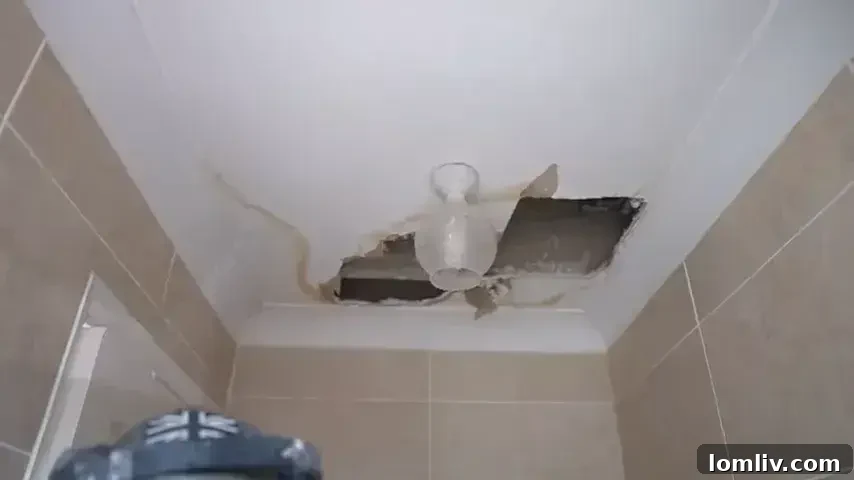
While moving into a new home, you might quickly spot obvious issues like a chipped paint or a loose tile. However, some of the most detrimental problems can be hidden from plain sight, silently eroding the integrity of your home and posing serious health risks. Water damage is a prime example of such an issue. It can originate from various sources, ranging from natural occurrences like heavy Texas rains and flooding to internal plumbing failures, leaky roofs, burst pipes, malfunctioning appliances, or even sewer line backups.
The Dangers Lurking Within Walls and Foundations
The deceptive nature of water damage lies in its ability to penetrate and linger in unseen areas – behind walls, under flooring, in attics, or within crawl spaces. Over time, this moisture can lead to a cascade of problems:
- Structural Weakness: Continuous exposure to water can compromise the structural integrity of your home. Wooden beams can rot, drywall can soften and crumble, and foundations can shift, leading to costly repairs and potential safety hazards.
- Electrical Risks: Water infiltration near electrical systems is extremely dangerous, increasing the risk of short circuits, power outages, and even electrical fires.
- Compromised Indoor Air Quality: Damp environments are breeding grounds for bacteria and fungi. The most common and concerning byproduct of prolonged moisture is mold growth.
The Insidious Growth of Mold and Its Health Impacts
Water damage often leads to mold, which is far more than just an unsightly stain. Mold spores are microscopic and omnipresent, but they only thrive and multiply in the presence of moisture. Once established, mold can spread rapidly, often within 24-48 hours of water exposure, and can be incredibly difficult to eradicate without professional intervention.
The health risks associated with mold exposure are significant and varied. For many, contact with mold can trigger allergic reactions, leading to symptoms like sneezing, runny nose, itchy eyes, skin rashes, and asthma attacks. For individuals with compromised immune systems or pre-existing respiratory conditions, mold exposure can lead to more severe respiratory infections, bronchitis, and other serious health complications. Some molds, like black mold, can produce mycotoxins, which are toxic compounds that can cause neurological problems, fatigue, and other systemic health issues. Identifying and addressing mold early is paramount for maintaining a healthy living environment.
The Professional Water Damage Restoration Process
Attempting to tackle significant water damage yourself can be risky and often ineffective. Professional water damage restoration experts possess the specialized equipment and expertise to handle the situation thoroughly and safely. Their process typically involves several critical steps:
- Emergency Contact and Inspection: Responding quickly is key. Professionals will assess the extent of the damage, identify the source of water, and categorize the water type (clean, grey, or black water).
- Water Extraction: High-powered pumps and wet vacuums are used to remove standing water quickly, preventing further saturation of materials.
- Drying and Dehumidification: Industrial-grade air movers and dehumidifiers are deployed to thoroughly dry affected areas, including hidden pockets of moisture, preventing mold growth.
- Cleaning and Sanitizing: All affected surfaces and contents are cleaned, sanitized, and deodorized to remove contaminants and prevent mildew and odors.
- Mold Remediation (if necessary): If mold is detected, specific protocols are followed to safely contain, remove, and prevent its return, often involving specialized filtration and chemical treatments.
- Restoration and Repair: The final stage involves repairing or replacing damaged structural elements like drywall, flooring, and insulation, restoring your home to its pre-damage condition.
By engaging professional water damage restoration services in Dallas, you ensure that the problem is not just superficially addressed but completely resolved, safeguarding your property and your family’s health.
Combating the Persistent Pest: Mosquitoes in Dallas
As if water damage wasn’t enough, the presence of standing water – a common consequence of unaddressed water issues – creates an ideal breeding ground for another significant threat to Dallas homeowners: mosquitoes. The warm, often humid climate of North Texas is particularly conducive to mosquito activity, making professional mosquito control an essential aspect of home maintenance.
More Than Just Annoying: The Health Risks of Mosquitoes
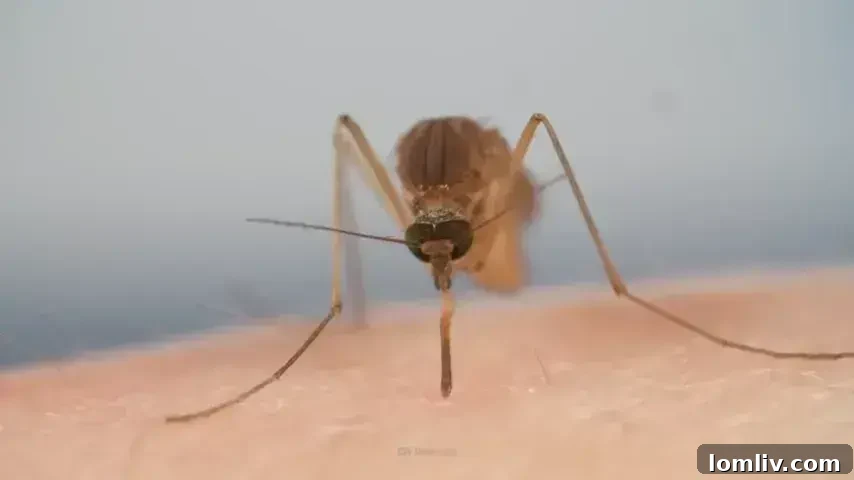
Mosquitoes are more than just itchy nuisances; they are vectors for serious diseases that can pose significant health risks to you and your family. In Texas, and specifically in the Dallas area, common mosquito-borne illnesses include:
- West Nile Virus (WNV): This is the most common mosquito-borne disease in the U.S. While most people show no symptoms, WNV can cause fever, headaches, body aches, joint pain, diarrhea, or rash. In severe cases, it can lead to neuroinvasive disease, causing meningitis, encephalitis, or acute flaccid paralysis.
- Zika Virus: Although less prevalent now, Zika virus has been a concern, particularly for pregnant women due to its link to microcephaly and other severe birth defects.
- Chikungunya Virus and Dengue Fever: While primarily found in tropical regions, isolated cases have been reported in Texas, carried by specific mosquito species.
The itchy welts left by mosquito bites are uncomfortable enough, but the potential for these severe diseases underscores the critical need for effective mosquito control.
The Connection Between Water Damage and Mosquito Infestations
The link between water damage and mosquito problems is direct and undeniable. Mosquitoes require standing water to lay their eggs, which then hatch into larvae and pupae before emerging as adult biting insects. Unaddressed water damage, whether from a leaky roof creating puddles in the attic, a damp basement, or clogged gutters, provides perfect breeding habitats. Even small amounts of standing water, like that found in plant saucers or forgotten buckets, can become nurseries for hundreds of mosquitoes.
This is why professional pest control is often a crucial follow-up service after water damage restoration. Once the water source is eliminated and the area is dried, exterminators can focus on eliminating any existing mosquito populations and implementing strategies to prevent future infestations.
Effective Mosquito Extermination and Prevention
Professional exterminators play a vital role in breaking the mosquito life cycle and reclaiming your outdoor spaces. Their services typically include:
- Source Reduction: Identifying and eliminating potential breeding sites, such as standing water in gutters, bird baths, or poorly draining areas.
- Larvicide Treatments: Applying treatments to standing water sources that kill mosquito larvae before they can mature into adults.
- Adulticide Treatments: Using targeted sprays or fogging techniques to reduce adult mosquito populations, often focusing on foliage where mosquitoes rest.
- Barrier Treatments: Creating a protective barrier around your property that repels or kills mosquitoes for an extended period.
After initial extermination, experts can provide invaluable guidance on ongoing prevention. This includes advising on proper drainage, maintaining your yard, ensuring window screens are intact, and recommending personal repellents. A comprehensive approach to mosquito control is essential for a pest-free and healthy outdoor living experience in Dallas.
Securing the Best Experts: Your Guide to Professional Services
When facing water damage or a mosquito infestation, choosing the right professionals is paramount. The quality of service directly impacts the safety and longevity of your home. You need experts who are not only skilled but also reliable, transparent, and responsive.

Methods for Locating Reputable Professionals in Dallas
Finding the right team requires a strategic approach. Here are several effective ways to locate top-tier water damage restoration and mosquito extermination services:
- Personal Recommendations: Ask friends, family, neighbors, or colleagues who live in the Dallas area for their recommendations. Personal referrals often lead to trusted service providers.
- Local Observation: Keep an eye out for service vehicles in your neighborhood. Companies frequently working in your specific area are likely familiar with local regulations and common issues.
- Online Search Engines: Utilize search engines with specific keywords like “water damage restoration Dallas,” “mold removal Dallas,” or “mosquito control Dallas.” Pay attention to companies with high ratings and numerous positive reviews.
- Online Review Platforms: Check sites like Google Reviews, Yelp, and the Better Business Bureau (BBB). These platforms offer insights into customer experiences, service quality, and responsiveness.
- Professional Associations: For water damage, look for companies certified by the Institute of Inspection, Cleaning and Restoration Certification (IICRC). For pest control, check for state-licensed and certified pest management professionals.
Vetting and Selecting Your Service Provider
Once you have a list of potential candidates, a thorough vetting process is essential to ensure you choose the best fit for your needs:
- Explain Your Situation Clearly: When you first contact a service provider, describe your problem in detail. Many companies offer free initial inspections, especially for water damage, to assess the scope of work.
- Verify Licensing and Insurance: This is non-negotiable. Ensure they are licensed to operate in Texas for their respective services (e.g., pest control operators require specific state licenses). Crucially, confirm they carry liability insurance and workers’ compensation. This protects you from financial responsibility in case of accidents or damage during the work.
- Check for Certifications: For water damage, IICRC certification indicates a high level of training and adherence to industry standards. For mold, ask about specific mold remediation certifications.
- Request Detailed Written Estimates: Obtain at least three quotes from different companies. Ensure these are written estimates that clearly outline the scope of work, materials, timeline, and total cost. Be wary of significantly low bids, as they might indicate shortcuts or hidden fees.
- Inquire About Experience and References: Ask how long they have been in business and if they have experience with similar situations. Don’t hesitate to ask for references from past clients.
- Understand Availability and Response Time: Water damage, in particular, often requires an immediate response. Inquire about their emergency service availability and typical response times.
- Ask About Warranties or Guarantees: A reputable company will stand by its work. Understand any warranties or guarantees offered on their services.
Depending on the extent of the water damage or the severity of the mosquito infestation, you may need to vacate your property temporarily. The experts will advise you on this during their inspection, prioritizing your safety and the efficiency of their work. Once the work begins, these professionals will diligently work to restore your home to the safe, healthy condition you desire.
Proactive Home Maintenance for Peace of Mind in Dallas
Integrating professional water damage restoration and mosquito extermination into your home maintenance strategy is more than just reacting to problems; it’s about being proactive. Regular home inspections, addressing leaks promptly, and maintaining your yard to eliminate standing water sources can significantly reduce the risk of these issues escalating. Investing in preventative measures and understanding the importance of expert intervention when problems arise contributes immensely to your overall quality of life in your Dallas neighborhood.
By taking these steps, you safeguard your most valuable asset – your home – and protect the health and well-being of your family. Living in Dallas offers so many wonderful opportunities, and ensuring your home environment is safe and healthy allows you to fully enjoy everything the city has to offer. Being proactive now will undoubtedly make you and your family happy, healthy, and truly at home in Dallas.