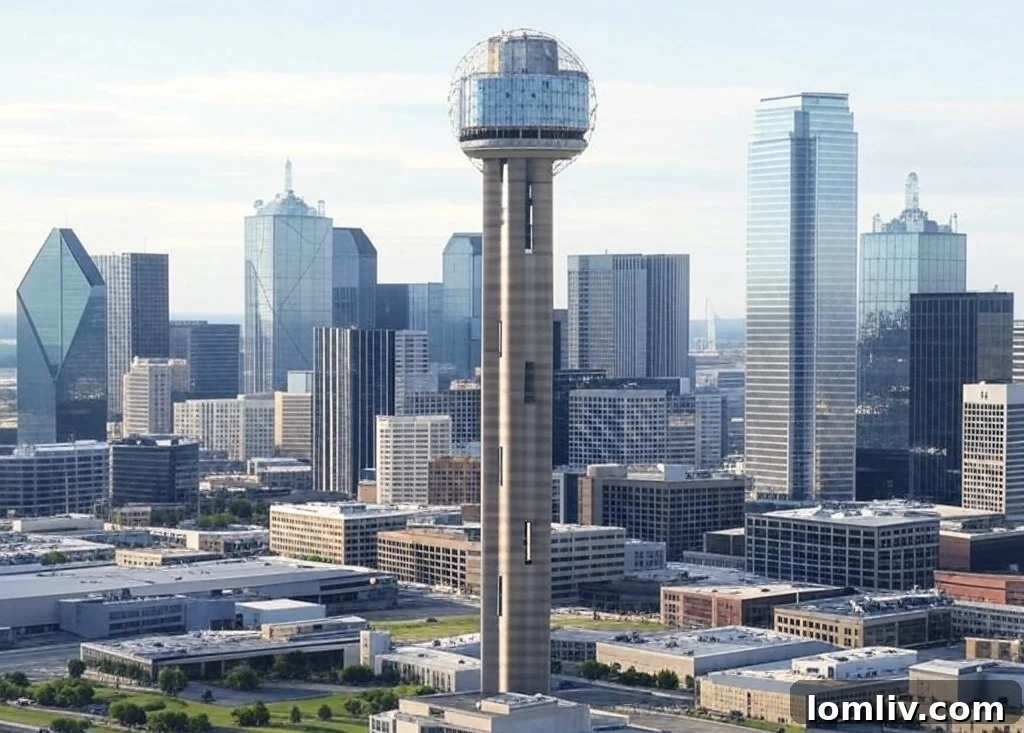
Texas, a state renowned for its vast landscapes, booming economy, and vibrant culture, attracts countless individuals and families looking for a new place to call home. But for those making the big move, one of the most significant decisions involves choosing between the bustling energy of a city center and the tranquil charm of its surrounding suburbs. This choice is particularly prominent when considering major metropolitan areas like Dallas and Houston, two of Texas’s most influential economic powerhouses. Both offer unique lifestyles, distinct job markets, and diverse communities. While urban cores like downtown Dallas and Houston provide a dynamic atmosphere with abundant career opportunities and cultural hotspots, the suburbs boast peaceful neighborhoods, top-rated schools, and expansive green spaces perfect for family life. Understanding the nuances of each option is crucial for making an informed decision that aligns with your personal and professional aspirations. Let’s delve deeper into what urban and suburban living in these two Texan giants truly entails, helping you navigate the exciting journey of finding your ideal home.
Exploring Urban Living in Dallas: A Hub of Modernity and Culture
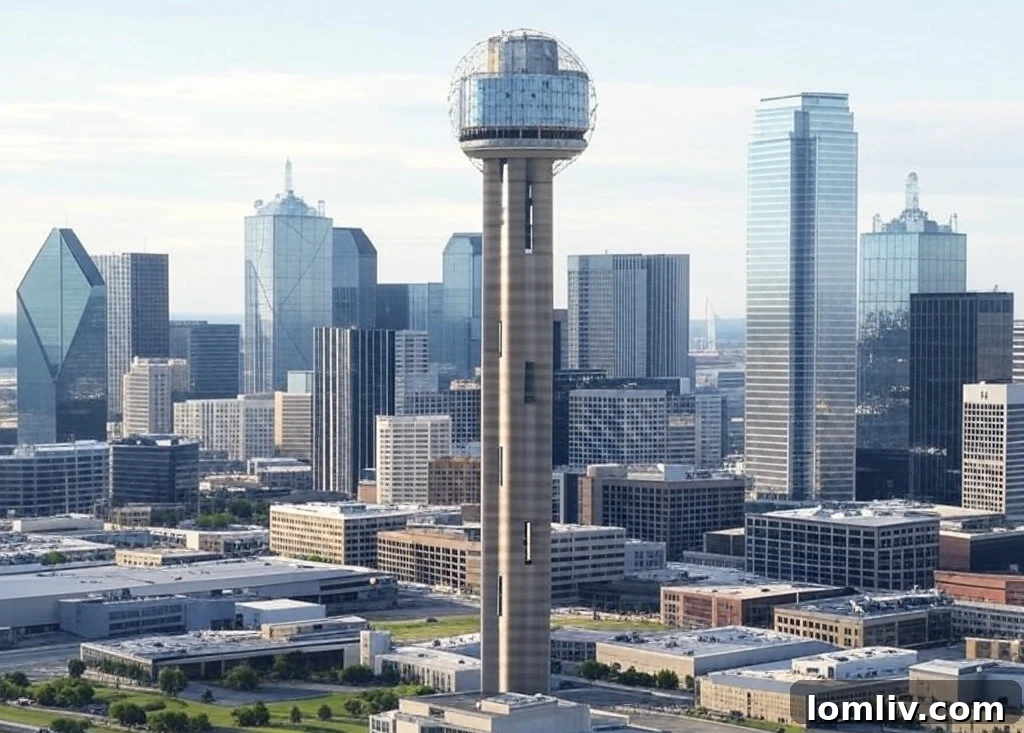
Dallas stands as a beacon of modern urban living, offering a diverse array of neighborhoods, each with its own distinct character and appeal. For young professionals and those seeking a dynamic social scene, Uptown Dallas is an undeniable favorite. This lively district buzzes with popular restaurants, chic bars, upscale boutiques, and an abundance of luxury apartments and condominiums that cater to a sophisticated urban lifestyle. It’s an area where work-life balance often means a short walk to your favorite eatery or a vibrant night out with friends.
Downtown Dallas, once primarily a business district, has undergone a remarkable transformation into a thriving residential hub. Historic buildings have been meticulously repurposed into industrial-style lofts, blending classic architecture with contemporary design. Alongside these unique conversions, a growing number of sleek, modern apartments and condos now dot the skyline, offering residents unparalleled access to cultural institutions, entertainment venues, and major corporate headquarters. Living downtown means being at the pulse of the city, with museums, parks like Klyde Warren Park, and performance halls just steps away.
For those drawn to a more bohemian and artsy atmosphere, the Bishop Arts District and Deep Ellum offer eclectic charm and a strong sense of community. These highly walkable neighborhoods are renowned for their independent boutiques, quirky cafes, vibrant street art, and an impressive selection of craft breweries that attract connoisseurs of unique flavors. Housing in these areas primarily consists of apartments, townhomes, and condos, with prices typically ranging from $300,000 for well-appointed units to over $1 million for luxury residences, reflecting the high demand for their distinctive lifestyles.
Navigating Dallas is made significantly easier by its robust public transportation system, the DART (Dallas Area Rapid Transit). With an extensive network of light rail, commuter rail, and bus lines, DART connects various parts of the city and its surrounding suburbs, making daily commutes more convenient for many residents. While a considerable portion of Dallasites still rely on their cars for everyday activities, especially for travel beyond the immediate urban core, the city is continuously investing in infrastructure to become more pedestrian- and cyclist-friendly. This commitment to walkability and alternative transportation options enhances the urban experience, particularly in dense neighborhoods.
When considering safety in a new city, comprehensive research is key. For a detailed local perspective on crime rates, neighborhood safety, and general peace of mind in Dallas, you might find our full article on ‘Is Dallas Safe? A Local’s Insight on Crime & Safety’ particularly helpful. Understanding the nuances of urban safety is an important part of making an informed decision about where to live.
Delving into Urban Living in Houston: Diversity and Dynamic Growth
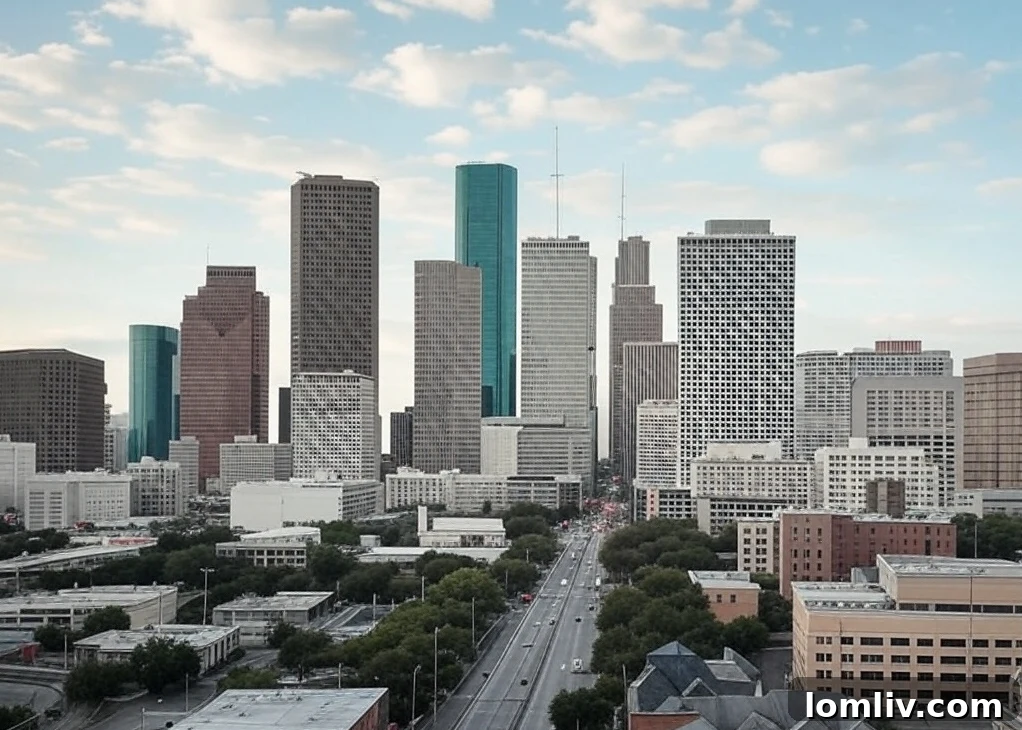
As the fourth-largest city in the United States and one of the fastest-growing metropolises in Texas, Houston is a sprawling and incredibly diverse urban center. Its status as a major economic hub, particularly in the energy, healthcare, and aerospace sectors, attracts a global population, contributing to its rich cultural tapestry. This diversity is reflected in its myriad neighborhoods, which range from bustling business districts to historic residential areas and burgeoning cultural enclaves.
Houston’s real estate market is characterized by continuous growth and innovation. The downtown area and its surrounding districts are constantly evolving, with new modern apartments, condominiums, and stylish lofts rising to meet the demand of urban dwellers. Midtown, for instance, has become a hotspot for those craving a vibrant urban lifestyle, boasting an impressive array of restaurants, bars, and entertainment venues, all within easy reach of contemporary apartment complexes. It’s a neighborhood that epitomizes convenience and a lively social scene.
In contrast, The Heights offers a more laid-back, historic atmosphere. Known for its beautifully preserved Victorian and Craftsman-style bungalow homes, tree-lined streets, and strong community spirit, The Heights provides a charming escape from the typical urban grind. Residents enjoy local boutiques, art galleries, and acclaimed eateries, all contributing to its unique, village-like ambiance. For art and culture enthusiasts, the Museum District is an unparalleled choice, housing a remarkable concentration of world-class museums, art institutions, and public green spaces, providing a constant source of inspiration and engagement.
Despite the undeniable allure of Houston’s urban core, many residents continue to choose its expansive suburbs for their quieter neighborhoods, highly-rated schools, and abundant green spaces. Master-planned communities like Sugar Land, Katy, and The Woodlands are consistently popular choices, offering a blend of modern amenities, family-friendly environments, and a strong sense of community. For instance, we’ve observed numerous attractive homes for sale in Harvest Green, a prime example of a master-planned community that integrates modern housing with extensive amenities, including farms, parks, and trails, catering to a wholesome family lifestyle.
However, one of Houston’s primary challenges lies in its transportation infrastructure. Unlike Dallas, which benefits from a relatively well-developed public transportation network, Houston’s public transit system is less extensive, and car ownership is largely considered a necessity for most residents. The city’s vast geographical spread and highway-centric design mean that daily commutes are heavily dependent on private vehicles, often leading to significant traffic congestion, particularly during peak hours. While efforts are underway to expand transit options and improve walkability in certain areas, Houston remains a city where personal automobiles play a central role in getting around.
Dallas or Houston: Which Texas Metropolis Aligns with Your Lifestyle?
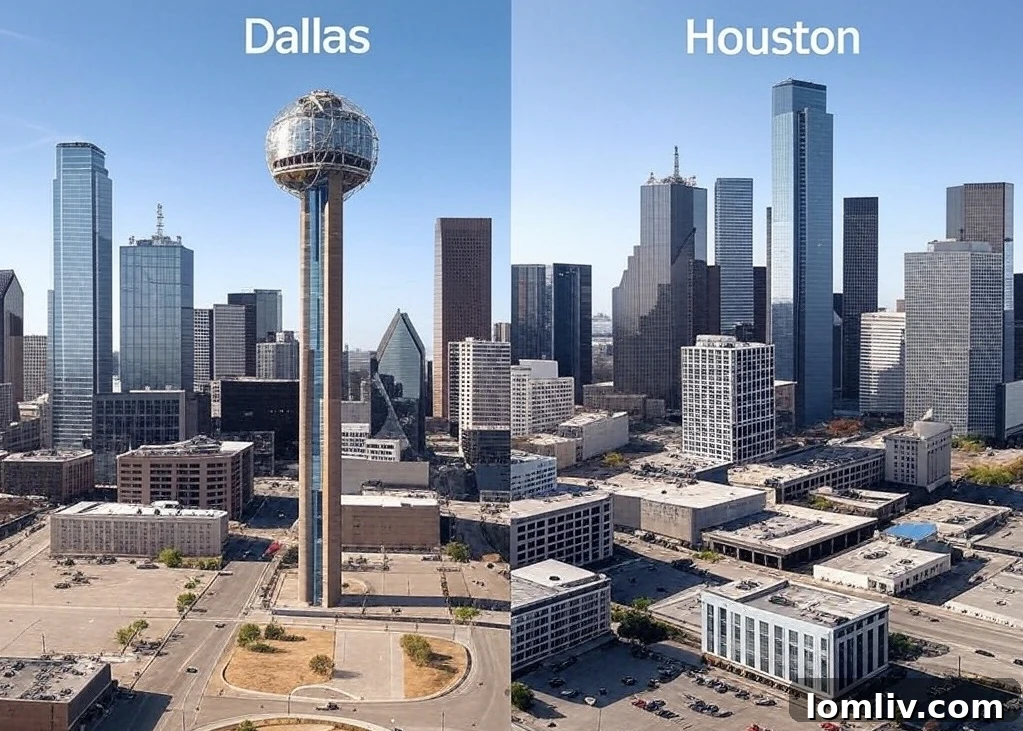
The choice between Dallas and Houston ultimately comes down to personal preferences, as each city boasts a distinct personality and offers a unique living experience. Dallas is often perceived as more structured, modern, and polished, characterized by its meticulously planned developments and a strong emphasis on aesthetics. Its stricter zoning regulations contribute to a more organized urban landscape, often with clear distinctions between residential, commercial, and industrial areas. This can lead to a more predictable and, for some, a more aesthetically pleasing urban environment.
Houston, on the other hand, embraces a more diverse, relaxed, and sprawling vibrancy. Famously lacking traditional zoning laws, Houston’s development has been guided more by market forces and private covenants, resulting in a fascinating mix of architectural styles and land uses that can often be found side-by-side. This absence of strict zoning allows for rapid growth and a greater degree of flexibility in development, though it can also lead to a less uniform urban fabric. This difference in urban planning profoundly impacts the daily life and character of each city.
When it comes to climate, both cities share the common Texan trait of intensely hot summers. However, their geographical locations introduce distinct climatic differences. Houston, being closer to the Gulf of Mexico, experiences significantly higher humidity levels and a greater amount of rainfall throughout the year. This proximity to the coast also makes Houston more susceptible to tropical storms and hurricanes, a factor that many homebuyers in the region are acutely aware of, often influencing decisions regarding flood insurance and home elevation. Dallas, situated further inland, experiences a drier heat during the summer months, with less humidity and typically lower annual rainfall, though it is still prone to severe thunderstorms and occasional tornadoes.
Economically, Dallas and Houston are both powerhouses, yet their primary industries diverge significantly. Dallas excels as a major hub for finance, technology, and telecommunications, hosting numerous corporate headquarters and fostering a thriving professional services sector. It’s a magnet for professionals in banking, insurance, IT, and corporate management. Houston, by contrast, is globally recognized as the energy capital of the world, serving as a critical hub for the oil and gas industry, renewable energy research, and related engineering fields. Beyond energy, Houston also boasts a world-class healthcare sector, anchored by the Texas Medical Center, and a significant aerospace industry, offering abundant career opportunities in medical research, biotechnology, and space exploration. The choice between these two cities often hinges on the specific industry and career path one is pursuing.
Understanding these fundamental differences in urban planning, climate, and economic drivers is vital for anyone considering a move to either Dallas or Houston. Each city offers a unique blend of opportunities and challenges, and the ‘better’ choice is entirely subjective, dependent on individual priorities and desired lifestyle.
Making Your Decision: Dallas or Houston?
Conclusion
Deciding between Dallas and Houston is a significant choice, demanding careful consideration of various intertwined factors that shape daily life and future prospects. Both cities offer vibrant economies, diverse cultures, and unique attractions, yet they cater to different preferences and priorities. To help crystallize your decision, here’s a summary of key aspects to weigh:
- Careers and Industries: Your professional aspirations might heavily influence your choice. Dallas is a powerhouse in finance, corporate headquarters, technology, and telecommunications, making it ideal for those seeking opportunities in these sectors. Houston, on the other hand, dominates the global energy industry, boasts the world-renowned Texas Medical Center (a leader in healthcare and medical research), and has a significant aerospace presence. If your career path lies in engineering, medical fields, or the energy sector, Houston may offer a more robust job market.
- Climate and Environment: While both cities endure hot Texas summers, their distinct climates can be a deciding factor. Houston’s proximity to the Gulf of Mexico results in higher humidity and greater annual rainfall, making it prone to tropical storms and potential flooding. Dallas, being further inland, experiences a drier heat with less humidity, though it still contends with severe weather such as thunderstorms and occasional tornadoes. Consider your comfort level with humidity and your preparedness for different weather patterns.
- Transportation and Commute: Ease of getting around is crucial for daily life. Dallas benefits from a more developed and extensive public transportation system (DART), which includes light rail and bus services connecting many parts of the city and its suburbs. While still car-dependent, DART offers more alternatives. Houston, by contrast, is largely a car-centric city with a less comprehensive public transit network. Commutes in Houston often involve significant time spent in traffic, making personal vehicle ownership almost a necessity.
- Housing Market and Lifestyle: Both cities offer a wide range of housing options, from urban lofts to suburban family homes. Generally, housing in Houston’s suburbs tends to be perceived as more affordable, offering spacious homes and master-planned communities designed for families. Dallas, particularly in its core urban neighborhoods, has seen significant gentrification and rising property values, offering a more polished, upscale urban living experience. Your preference for affordability versus a more curated urban environment, or suburban space versus city density, will guide your housing decision.
- Education and Family Life: Both Dallas and Houston are surrounded by excellent school districts, making them attractive to families. However, specific suburban areas often stand out for their highly-rated public schools and family-friendly amenities. For instance, suburbs like Plano and Frisco in the Dallas-Fort Worth metroplex are frequently cited as top choices for education, while The Woodlands and Katy in the Houston area are highly sought after for their quality schools and community offerings. Access to higher education institutions is also robust in both metropolitan areas.
Ultimately, the “best” city is the one that aligns most closely with your personal values, career goals, financial situation, and lifestyle preferences. We genuinely hope this comprehensive article provides the detailed insights you need to confidently decide where to build your new life in the great state of Texas.