Revolutionizing Real Estate: Why Digital Brochures Outperform Traditional PDFs for Modern Homebuyers
In today’s fast-paced digital landscape, the journey of buying a home invariably begins online. Long before potential buyers ever step foot inside a property, they embark on an extensive virtual exploration. They diligently scroll through countless listings, meticulously compare high-resolution photos, and delve deep into property specifications, all from the convenience of their digital devices. By the time they decide to engage with a real estate agent, most buyers have already formed strong initial impressions and a clear opinion about a property, often based solely on its online presentation. This pivotal online phase underscores the critical need for real estate professionals to present listings in a manner that is not only visually compelling but also effortlessly accessible and highly engaging.
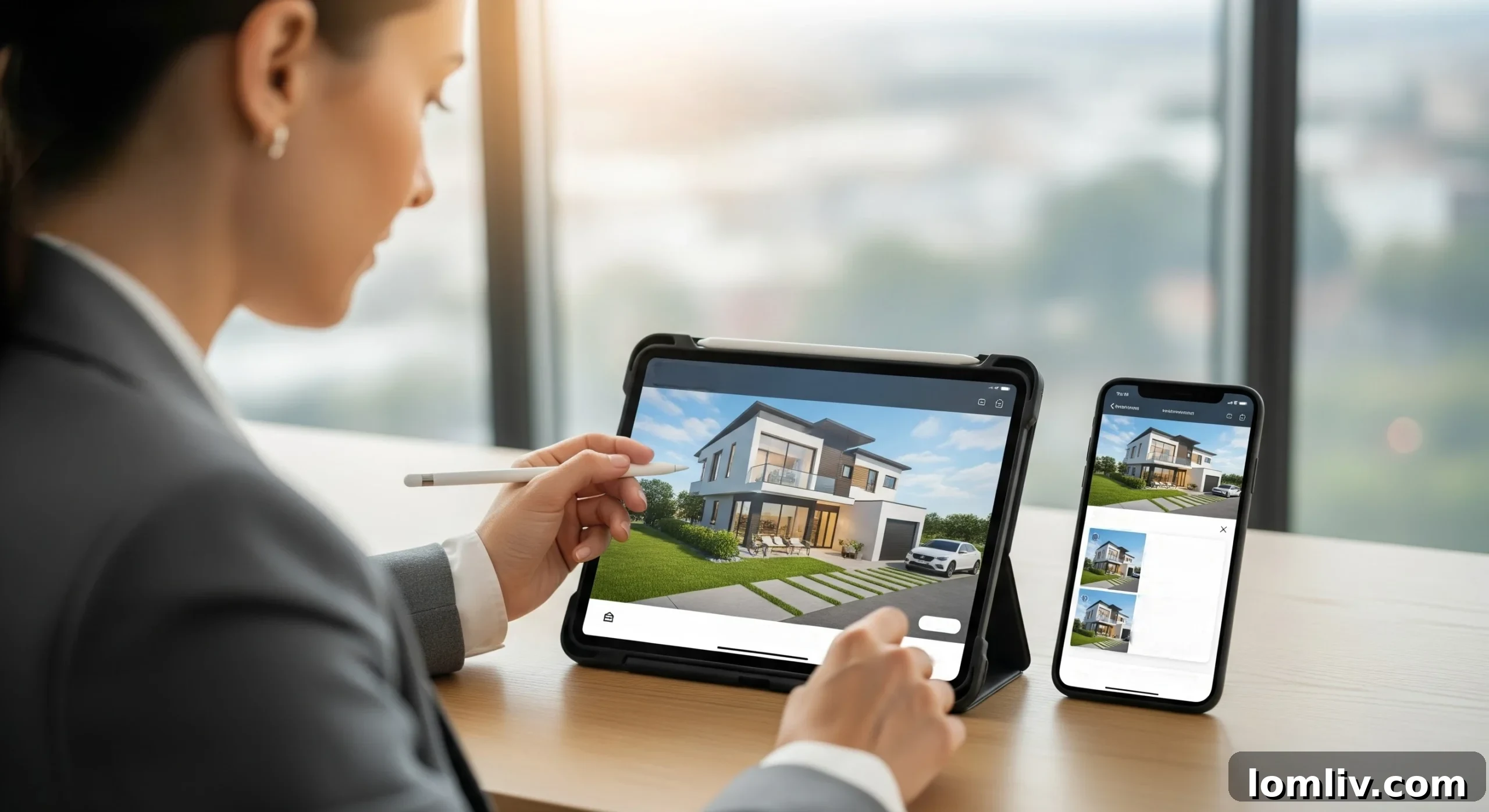
While traditional PDF documents have long been the go-to format for sharing property details—familiar and easy to email—they are increasingly proving to be a significant hindrance, especially when viewed on mobile devices. The common frustrations of pinching and zooming to decipher minuscule text, or enduring agonizing waits for large files to download, create an immediate barrier to engagement. When images, crucial floor plans, and descriptive text are not optimally formatted for smartphones and tablets, it becomes immensely challenging for prospective buyers to gain a comprehensive and immersive understanding of a home. This digital friction can quickly lead to disinterest, causing potential buyers to move on to the next listing that offers a superior viewing experience. Recognizing these evolving challenges, forward-thinking agents are actively seeking innovative and more effective methods to present the very same critical information. Consequently, it’s becoming common to see questions such as how to make a flipbook? as they strive to make their online listings replicate the tactile and engaging feel of a traditional, high-quality brochure, while simultaneously ensuring seamless online browsing and superior mobile compatibility.
Understanding What Modern Homebuyers Truly Seek in Online Listings
Contrary to the exhaustive reading of a physical brochure, today’s online buyers rarely consume digital content cover to cover. Instead, their interaction is characterized by scanning, pausing on key elements, and revisiting specific details that resonate most with their personal needs and preferences. This distinctive browsing behavior highlights the immense power of an intelligently crafted layout in capturing and sustaining a buyer’s attention. A well-organized digital presentation allows buyers to quickly identify the crucial information they need, making their decision-making process more efficient and enjoyable.
Most discerning buyers are acutely focused on several core elements that collectively paint a vivid picture of a potential new home:
- High-quality, professional photography: These images should not merely showcase individual rooms but meticulously demonstrate the seamless flow and intrinsic connection between different living spaces. Photos are the first impression, and they must convey a sense of spaciousness, light, and aesthetic appeal.
- Clear and accessible floor plans: Legible and easy-to-interpret floor plans are paramount. They provide critical spatial context, helping buyers visualize furniture placement, understand room dimensions, and assess the overall layout and functionality of the home.
- Core property specifications: Essential details such as accurate square footage, the precise number of rooms, and pertinent neighborhood insights are non-negotiable. These facts form the foundation of a buyer’s initial assessment.
- A tangible sense of how the space functions and feels: Beyond mere aesthetics, buyers strive to understand the practical utility and emotional ambiance of a home. They want to envision their daily life unfolding within its walls, considering factors like natural light, privacy, and outdoor access.
When these vital elements are presented within a coherent, intuitive, and thoughtfully structured digital format, buyers tend to remain engaged for significantly longer periods. This prolonged interaction fosters a clearer, more accurate mental image of the property, enhancing their emotional connection and bringing them closer to making an informed decision. An effective online listing doesn’t just display information; it tells a story, guiding the buyer through the property in a way that feels natural and compelling.
Where Traditional PDFs Fall Short in the Digital Real Estate Arena
While PDFs excel as a print-ready format, their inherent design limitations make them notoriously inadequate for digital screen consumption, especially on the mobile devices that dominate today’s online home search. The repetitive and often frustrating cycle of constant zooming, panning, and endless vertical scrolling severely fragments the user experience, making it astonishingly easy for potential buyers to overlook crucial selling points and lose interest. This outdated presentation method not only detracts from the property’s appeal but actively hinders the agent’s ability to effectively communicate its value.
Common and frustrating issues that plague PDF real estate listings include:
- Endless vertical scrolling: Pages upon pages of text and images demand continuous scrolling, which quickly becomes tiresome and disorienting, especially on smaller screens. This linear presentation fails to mimic the natural way people explore a home.
- Images displayed without narrative context: Oftentimes, photos in a PDF appear as isolated elements, divorced from explanatory text or a clear sense of the overall property tour. This disjointed presentation makes it difficult for buyers to understand the story behind each image or its relation to other spaces.
- Floor plans disconnected from related photos: A significant drawback is the separation of floor plans from their corresponding room photographs. Buyers are forced to mentally bridge this gap, flipping back and forth, which diminishes their ability to seamlessly visualize the layout and its features.
- Key features buried at the bottom: Important amenities, upgrades, or unique selling propositions are frequently relegated to the end of a lengthy document, often missed by buyers who grow fatigued by the poor user experience.
Given that a substantial majority of prospective homebuyers now rely primarily on their smartphones throughout the entire property search process, a subpar mobile viewing experience can be a deal-breaker. It possesses the power to extinguish a buyer’s nascent interest before they even consider reaching out to an agent, costing valuable leads and opportunities. In a competitive market, a seamless and engaging digital presence is no longer a luxury but an absolute necessity for real estate professionals.
Why Structure Outweighs Flashy Design in Property Presentation
In the realm of effective property marketing, the true magic lies not in superficial, flashy design elements but in the underlying structure and logical flow of information. While aesthetics are important, buyers can grasp and appreciate a home far more effectively when the presented information unfolds along a clear, intuitive narrative. A thoughtfully structured digital brochure acts as a virtual tour guide, leading the buyer through the property in a way that mirrors an actual walk-through. This approach fosters deeper understanding and a stronger emotional connection, which are far more valuable than any purely decorative design.
A clear and purposeful structure consistently yields the best results:
- Begin with captivating hero photos and essential facts: Immediately grab attention with the property’s most stunning images and critical high-level details. This immediate impact sets the tone and entices buyers to explore further.
- Progress systematically through the home, room by room: Mimic the natural path of a physical tour. Guide buyers from the entrance, through the main living areas, into bedrooms, and finally to outdoor spaces. This progressive revelation helps build a mental map.
- Introduce detailed floor plans once the layout becomes familiar: After showcasing individual rooms and providing visual context, present the floor plans. At this stage, buyers can more easily connect the visual images to the overall spatial arrangement.
- Conclude with comprehensive technical specifications and noteworthy upgrades: Reserve the detailed specifics, such as material finishes, smart home features, energy efficiency ratings, and recent renovations, for the end. This allows buyers to absorb the emotional and visual appeal first, then delve into the practicalities.
This strategic approach to information presentation significantly aids buyers in visualizing the property’s full potential without requiring them to mentally piece together disparate information themselves. It transforms a scattered collection of facts into a cohesive and memorable narrative, significantly enhancing the overall buyer experience and leaving a lasting positive impression.
Embracing a More Natural and Engaging Way to Browse Real Estate Listings
Interactive digital brochures, often referred to as flipbooks, offer a browsing experience that feels inherently more intuitive and organic than traditional linear scrolling. The ability to smoothly “flip” through virtual pages evokes the familiar and satisfying sensation of perusing a luxurious, high-end magazine or a beautifully printed coffee-table book. This engaging interaction encourages potential buyers to deliberately slow down their pace, fostering a deeper level of engagement where they genuinely absorb and appreciate the intricate details of a property, rather than merely mindlessly scrolling past them.
Instead of superficial skimming, the flipbook format invites a more deliberate examination. Buyers begin to consciously notice crucial elements such as the harmonious proportions of rooms, the smooth transitions between different living spaces, and the unique architectural features or custom upgrades that truly define and sell a home. This enhanced focus allows the distinct personality and value of a property to shine through, helping buyers forge a more profound emotional connection and making the listing far more memorable than a static PDF ever could. This natural interaction translates into higher engagement rates and a more comprehensive understanding of the property’s true character.
How Real Estate Agents Effectively Implement Digital Brochures in Practice
For modern real estate agents, the integration and sharing of these dynamic digital assets is remarkably seamless and efficient. Digital brochures fit perfectly into virtually every stage of the sales cycle, enhancing client interactions and streamlining communication. Their versatility makes them an invaluable tool for any agent looking to elevate their professional presentation and improve client engagement across the board.
These interactive brochures are optimally utilized in various critical scenarios:
- Responding to inbound leads from listing portals: When a potential buyer expresses interest via an online portal, an agent can immediately send a comprehensive and engaging digital brochure. This swift, high-quality response sets a professional tone and provides the buyer with immediate, in-depth information.
- As pre-listing packets before a scheduled showing: Sending a digital brochure ahead of a physical showing allows buyers to familiarize themselves with the property’s layout and features. This pre-engagement means they arrive better informed and more focused, making the in-person tour more productive.
- As a follow-up after an open house or private showing: Post-viewing, a digital brochure serves as an excellent reminder of the property’s key selling points. Buyers can revisit details at their leisure, reinforcing their positive impressions and keeping the property top-of-mind.
- Integrated into nurture campaigns: For prospective clients who are still early in their home search, digital brochures can be incorporated into ongoing email or communication campaigns. This keeps them engaged with relevant properties and maintains the agent’s presence as a valuable resource.
A key advantage is that these brochures are shared as a simple, elegant link rather than a cumbersome, heavy attachment. This makes it incredibly convenient for clients to instantly access, revisit, or even text the brochure to family members or partners without the hassle of digging through cluttered email inboxes. This ease of sharing extends the reach of the listing and simplifies the collaborative decision-making process for buyers, further enhancing their overall experience.
Superior Preparation Fosters More Effective and Meaningful Showings
The provision of detailed, high-quality pre-reading materials, such as interactive digital brochures, significantly elevates the quality and effectiveness of property showings. When prospective buyers arrive at a property already possessing a fundamental understanding of its layout, key features, and overall aesthetic, the physical tour transforms from a mere process of discovery into a critical phase of confirmation. This shift in dynamic allows both buyers and agents to maximize their time and achieve more impactful interactions during the showing.
The tangible benefits of this enhanced preparation are clear:
- Buyers arrive with a basic understanding of the layout and flow: Having already virtually explored the property, buyers are not starting from scratch. They can immediately orient themselves and focus on the nuances that a physical visit uniquely offers.
- They know which areas interest them most and can prioritize their focus: Pre-engagement allows buyers to identify rooms or features they wish to examine more closely. This targeted approach ensures they spend their time efficiently, focusing on what truly matters to them.
- Their questions are more targeted, insightful, and specific: Instead of generic inquiries about room sizes or basic features, buyers can ask more nuanced questions about finishes, potential renovations, neighborhood specifics, or the feel of the space, leading to more productive conversations.
Ultimately, this level of preparation ensures that both buyers and real estate agents can utilize their valuable time far more effectively during the showing. Agents can focus on highlighting specific features and answering in-depth questions, while buyers can immerse themselves in evaluating the property against their refined expectations, leading to more confident and quicker decision-making.
Setting Clear and Honest Expectations Early in the Buying Process
One of the most common pitfalls in real estate showings occurs when the physical reality of a property fails to align with the expectations set by its online listing. A room might feel considerably smaller than its photos suggested, or a floor plan that appeared ideal on paper might function quite differently in person. These discrepancies can lead to disappointment, erode trust, and ultimately waste everyone’s time.
Comprehensive, transparent digital brochures play a crucial role in mitigating these issues by setting accurate and realistic expectations upfront. By honestly showcasing the property—including its charming quirks, unique features, and even minor imperfections—digital brochures foster a sense of transparency. Buyers genuinely appreciate this forthrightness, even in instances where a listing, despite its honest portrayal, turns out not to be the perfect fit for their needs. This level of honesty builds invaluable trust between the buyer and the agent, establishing a foundation for future successful interactions, regardless of the outcome for a particular property. An agent who is transparent from the outset cultivates a reputation for integrity, which is paramount in the relationship-driven world of real estate.
Maintaining the Highest Level of Accuracy in Listing Information
The real estate market is inherently dynamic and constantly evolving. Property prices can fluctuate, market conditions shift, and specific listing details, such as availability or features, are subject to change without much notice. In this fluid environment, the ability to keep property information meticulously current is not merely beneficial but absolutely essential. Here, digital brochures offer a distinct and powerful advantage over their static PDF counterparts.
Unlike immutable PDF files, which become outdated the moment a detail changes, digital brochures can be updated instantly and seamlessly via a single, persistent link. This means that an agent can modify prices, update descriptions, add new photos, or reflect any changes to the property in real-time. This ensures that every potential buyer accessing the brochure is always viewing the most accurate and up-to-date information available. The risk of prospective clients viewing or acting upon erroneous or outdated details is virtually eliminated, thereby preventing confusion, frustration, and potential disputes that can arise from inconsistent information.
However, while the technology facilitates easy updates, the fundamental commitment to accuracy remains paramount. All measurements, detailed floor plans, crucial property data, and any other factual information presented in a digital brochure should always be meticulously sourced from highly reliable and authoritative origins. This includes, but is not limited to, official tax records, professional appraisals, and verified architectural plans. This dedication to verifiable accuracy safeguards both the agent’s professional credibility and the buyer’s confidence in the information provided.
A Gradual but Inevitable Shift in How Real Estate Listings Are Shared
The industry’s move towards adopting digital brochures for real estate listings is far more than a fleeting trend; it represents a fundamental and necessary response to the profound evolution of consumer behavior and technological expectations. Today’s homebuyers, accustomed to the instantaneous gratification and seamless functionality of modern digital platforms, naturally expect property marketing materials to load without delay, display with crystal clarity, and function flawlessly across any device, be it a desktop computer, a tablet, or a smartphone. Any deviation from these expectations creates friction and can lead to a lost opportunity.
For many real estate agents, embracing this transformative technology doesn’t happen overnight with a wholesale overhaul. Instead, adoption often occurs gradually, one listing at a time. Agents typically start by utilizing digital brochures for their most prominent or challenging properties, or for clients who are particularly tech-savvy. As they experience the undeniable benefits—such as increased engagement, better-qualified leads, and streamlined communication—the adoption naturally expands across their entire portfolio. This incremental approach allows agents to comfortably integrate new tools into their workflow, proving the value of digital brochures through real-world results and tangible improvements in their marketing efforts.
Final Thoughts: Elevating the Real Estate Experience Through Superior Presentation
At its core, the business of selling real estate remains deeply rooted in the foundational pillars of trust, clear communication, and invaluable local knowledge. These human elements are irreplaceable. However, the effectiveness of this vital work is undeniably amplified and supported by the quality and accessibility of the property’s presentation. In an increasingly digital world, how a home is showcased online can significantly impact its perceived value and ultimately, its selling potential.
When comprehensive property information is presented in an accessible, engaging, and mobile-friendly digital format, prospective buyers are empowered to make decisions more swiftly and with a far greater degree of confidence. Interactive digital property brochures serve as a crucial bridge, seamlessly connecting the initial online search experience with the ultimate goal of the closing process. They transform a potentially fragmented and frustrating journey into a coherent, enjoyable, and efficient one.
In the highly competitive and technologically driven real estate market of today, the strategic and thoughtful presentation of a listing holds just as much weight and importance as the inherent qualities of the home itself. Agents who embrace these modern tools are not just adopting new technology; they are fundamentally enhancing the buyer’s journey, building stronger client relationships, and positioning themselves for greater success in a rapidly evolving industry.