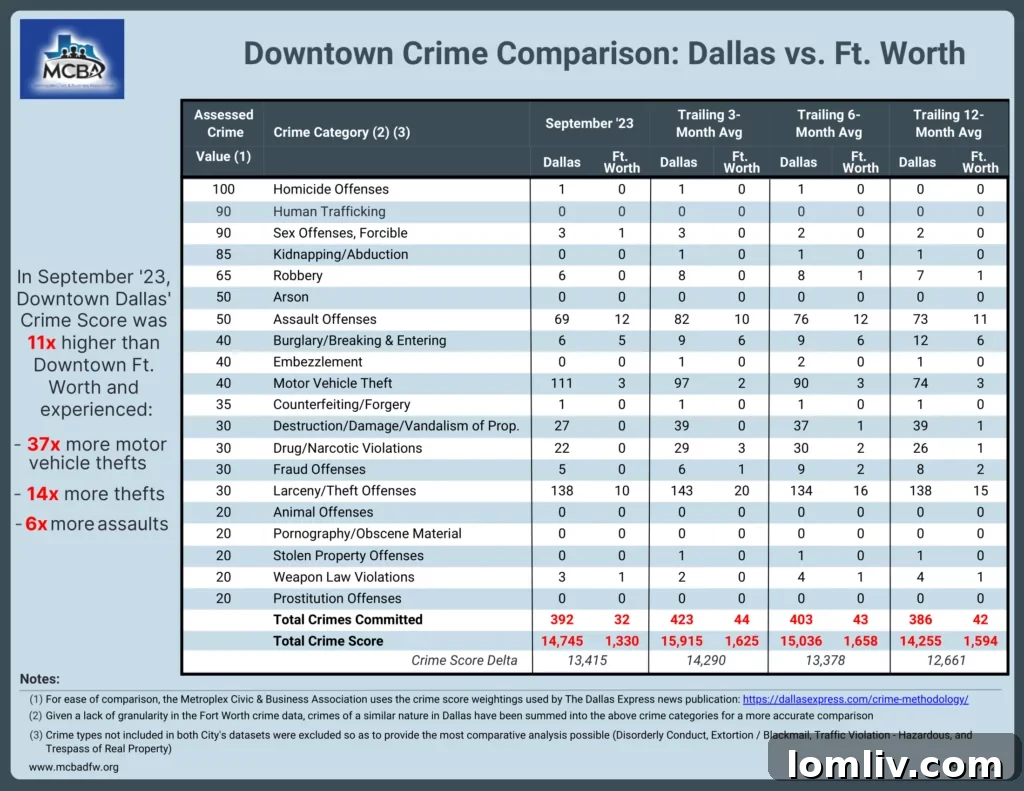
The bustling urban landscapes of Texas’s DFW Metroplex often invite comparisons, particularly when evaluating key indicators of urban health like crime rates and economic vitality. Recently, the Metroplex Business and Civic Association (MCBA) ignited a spirited discussion by releasing a graphic asserting significantly lower crime rates in downtown Fort Worth compared to downtown Dallas for the month of September. This report quickly drew attention and sparked questions regarding the methodology behind such comparisons.
As the adage famously attributed to Mark Twain reminds us, there are “lies, damned lies, and statistics.” The initial graphic, while provocative, immediately prompted a deeper inquiry into the numbers and their context, highlighting the crucial need for transparent and consistent data analysis when evaluating complex urban dynamics.
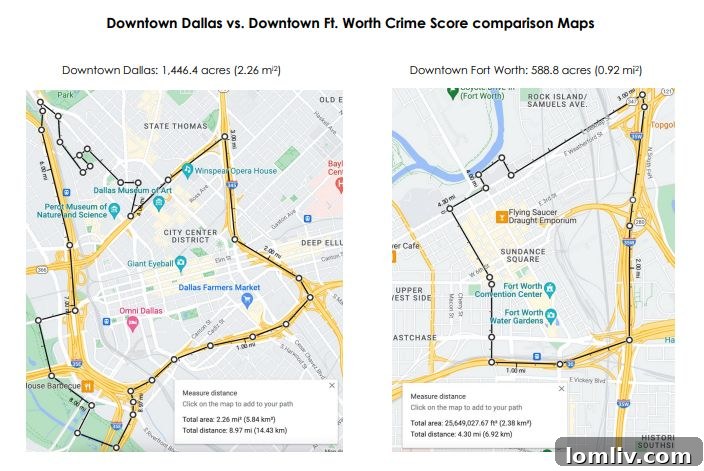
In response to the MCBA’s findings, daltxrealestate.com reached out to Scott Goldstein, Chief of External Affairs and Government Relations at Downtown Dallas Inc. (DDI). Goldstein raised several pertinent questions that underscore the complexity of urban data analysis. He specifically questioned the geographic boundaries utilized for each dataset, asking for clarity on where the “downtown” areas were precisely defined for both cities. Furthermore, he challenged the methodology behind the “crime score” cited in the graphic, which appeared to be an arbitrary metric crafted by another local news source rather than a standardized, recognized measure. These questions are vital for any meaningful comparison, as varying definitions can dramatically skew results and lead to misinterpretations.
The discussion also brought to light a fundamental question: can downtown Fort Worth and downtown Dallas truly be subjected to an “apples-to-apples” comparison? Downtown Dallas is considerably larger in area and generally experiences a higher volume of daily visitors, commuters, and residents. Downtown Dallas Inc. clearly defines its operational boundaries by the city’s Central Business District (CBD). A larger footprint and greater population density inherently introduce different variables when assessing crime rates or overall urban activity, making a direct numerical comparison potentially misleading without proper normalization.
A source from the MCBA clarified that the downtown Dallas crime data used for their comparison was extracted directly from the city’s official Crime Analytics Dashboard, a publicly accessible resource. Similarly, the Fort Worth crime statistics were sourced from the City of Fort Worth’s own open data portal. The MCBA also provided the specific geographic boundaries it applied to gather this data for both cities. To verify these claims and ensure accuracy, daltxrealestate.com has filed an open records request with the Dallas Police Department to obtain raw crime data specifically within the Central Business District as defined by Downtown Dallas Inc. Such requests typically require at least two weeks for fulfillment, but the follow-up investigation promises to shed more light on whether the reported numbers align with official police records and DDI’s defined area.
This ongoing debate highlights the critical importance of transparent data collection and consistent methodologies when comparing urban performance indicators. Without these, statistics can be easily manipulated or misinterpreted, leading to skewed perceptions rather than informed understanding of a city’s true state.
Booming Downtown Fort Worth: A Model for Urban Revitalization
While the crime statistics debate unfolds, one thing remains clear: Downtown Fort Worth is experiencing a period of remarkable growth and revitalization. Andy Taft, president of Downtown Fort Worth Inc. (DFWI), proudly describes downtown Fort Worth as a “highly managed, clean, safe, and well-designed mixed-use district.” This assertion is backed by visible indicators of a thriving urban core, which stands in stark contrast to the challenges faced by many downtown areas across the nation.

Taft elaborated on what makes Fort Worth’s downtown unique: “Our historic building inventory blends seamlessly with contemporary office towers, modern residential complexes, luxurious hotel high-rises, and a vibrant array of unique restaurants and retail shops. This creates an exciting, dynamic, and pedestrian-friendly environment that appeals to residents and visitors alike,” he told daltxrealestate.com. He emphasized that meticulous attention to maintaining downtown’s high standards for cleanliness, safety, and accessibility has been paramount. This proactive management, coupled with the development of quality market data, targeted incentives for developers, and strategic ‘market proving’ investments, has successfully set the stage for significant corporate and private investment, fueling a continuous cycle of growth and enhancement.
Downtown Fort Worth’s success story is particularly striking given the broader national trend. A recent report in the Wall Street Journal highlighted that many downtowns across America are struggling with empty office spaces and declining vibrancy, a legacy of the shift towards remote work and other post-pandemic changes. The WSJ article noted, “For decades, downtown office districts across the U.S. powered local economies, generating commerce, tax revenue and an aggregation of ambition, talent, and disposable income.” Yet, many cities now find themselves with “half-empty office buildings” and are desperate to “survive the new remote-work era without bulldozing swaths of downtown and starting from scratch.” Fort Worth, however, appears to have navigated these challenges with remarkable resilience, demonstrating a thriving urban core that continues to attract investment and residents.
Another crucial aspect of urban health is addressing homelessness. According to a recent Point in Time Count, Tarrant County recorded approximately 2,700 homeless residents. In comparison, Dallas and Collin counties collectively counted about 4,200 individuals in the same study. While homelessness remains a challenge across urban areas, Fort Worth’s lower number relative to the larger Dallas area indicates a potentially different scale or approach to addressing this societal issue, which can impact the perception and reality of downtown safety and cleanliness.
Regarding public safety, Taft highlighted Downtown Fort Worth’s highly coordinated network of public and private security providers. This collaborative effort actively mitigates issues such as late-night noise and public misbehavior, contributing significantly to the downtown area’s reputation for safety. “The Fort Worth Police Department, the Sheriff’s Office, and various private security resources work in close coordination,” Taft explained. “Our Ambassador service, which provides a visible presence and assistance to visitors, maintains an excellent relationship with these critical groups, ensuring a unified approach to maintaining order and security.” This integrated security strategy helps create a welcoming and secure environment for everyone.
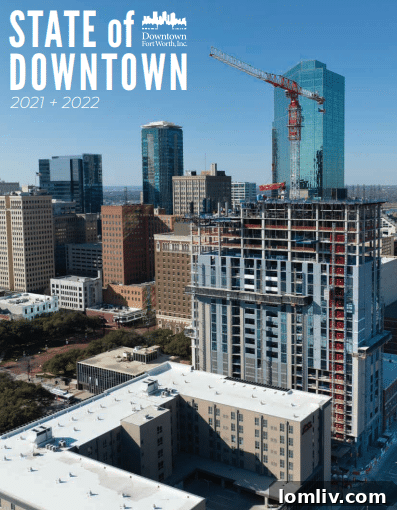
The “State of Downtown” publication for 2021-22, produced by Downtown Fort Worth representatives, further corroborates this narrative of success. The report indicates that primary economic indicators for downtown Fort Worth reflect “an extraordinary post-COVID recovery.” This resilience is evident in substantial development activity: “As of Q4 2022, more than $2 billion worth of multifamily, education, institutional, and hospitality developments are either planned or actively under construction,” the report states. “This serves as striking evidence that Downtown Fort Worth is emerging from the pandemic era with remarkable strength and a clear trajectory for future growth.” While the return of office workers was slower than anticipated, office occupancy has steadily rebounded. Hotel occupancy rates, driven by weekend and leisure travelers and a strong convention schedule, have largely filled the void left by temporarily absent business travelers, illustrating the diverse appeal of Fort Worth’s downtown as a destination.
Fort Worth’s Allure: Luxury Listings and Urban Living Near Downtown
The burgeoning appeal of Fort Worth is not lost on potential homebuyers. Many are increasingly choosing Fort Worth for its attractive combination of big-city amenities and a significantly lower property tax rate compared to Dallas. This financial advantage, coupled with the city’s vibrant urban core, makes Fort Worth an increasingly desirable location for individuals and families seeking quality urban living without the higher cost burden often associated with larger metropolitan centers.
Beyond the immediate downtown core, several popular and dynamic neighborhoods offer convenient access to all that downtown Fort Worth has to offer. These include the historic Near Southside, known for its medical district and burgeoning culinary scene; the trendy West 7th area, a hub for entertainment and nightlife; Linwood; the revitalized River East district; the up-and-coming Near Eastside; and the charming, historic Fairmount district, famous for its craftsman bungalows. Each of these areas offers a unique flavor of Fort Worth living, from historic charm to modern urban convenience, all within a stone’s throw of the bustling downtown.
The difference in property tax rates further sweetens the deal for Fort Worth residents. Homeowners in Dallas pay 73.57 cents per $100 of assessed valuation in property taxes, while Fort Worth homeowners enjoy a lower rate of 67.25 cents per $100 assessed valuation. This difference, though seemingly small per $100, can translate into substantial savings over the lifetime of a mortgage, making Fort Worth a more economically attractive option for homeownership.
Downtown Fort Worth real estate, characterized by its modern conveniences, stunning views, and central location, truly embodies a young professional’s dream. The price tags of these properties reflect their prime location and the abundance of luxury amenities available to residents.
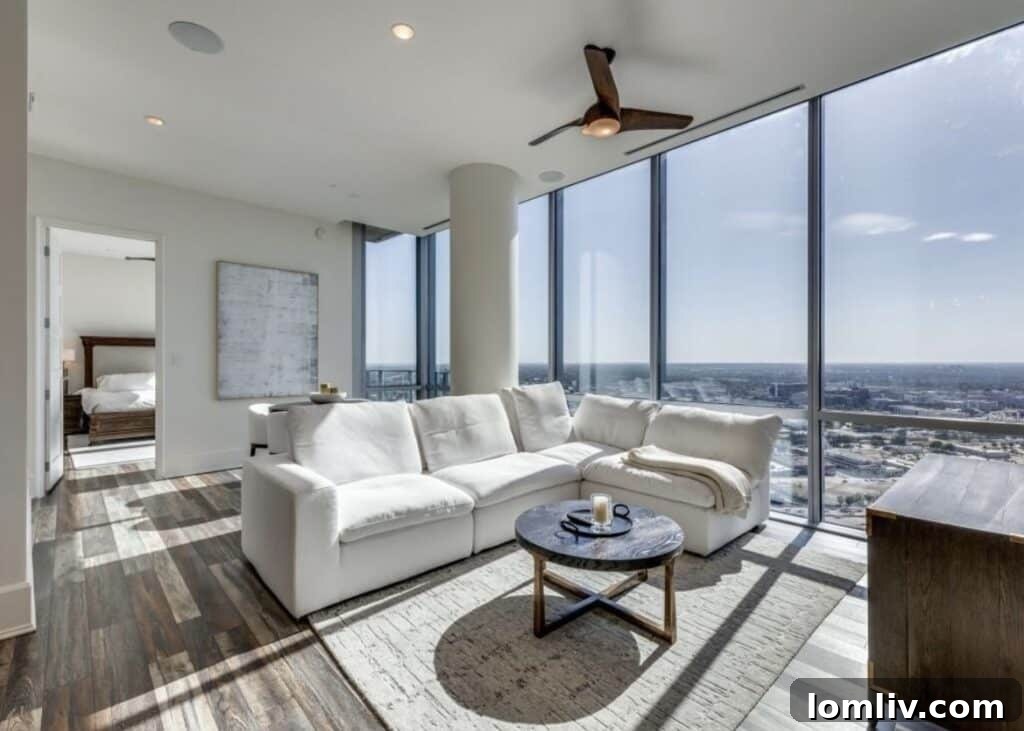
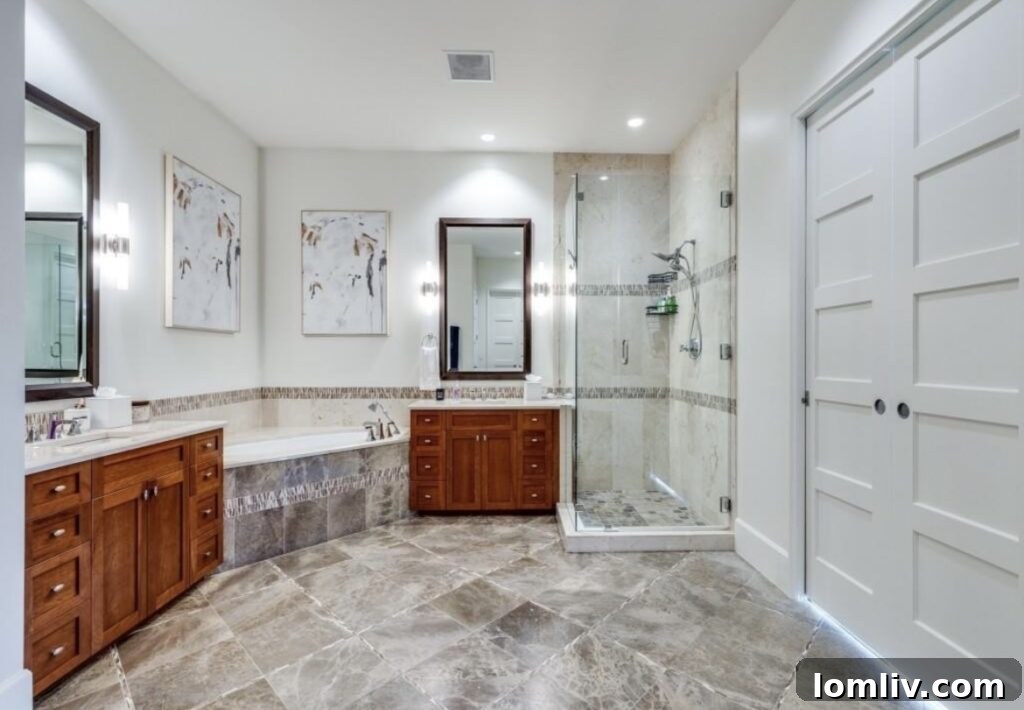
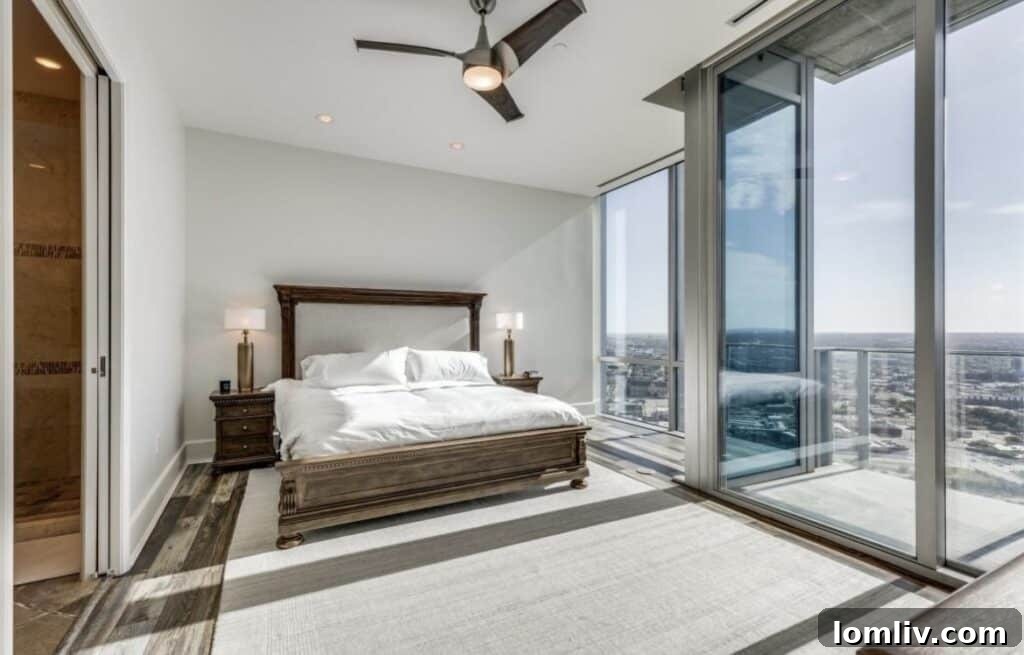
Consider, for example, an exquisite $861,000 condo in the prestigious Omni Residences. This unit boasts two spacious bedrooms, two modern bathrooms, a kitchen outfitted with high-end appliances, and a generous walk-in closet. Residents of this high-rise at 1301 Throckmorton St. also gain access to an impressive array of building amenities, including a state-of-the-art fitness center, a sparkling rooftop pool perfect for relaxation, an outdoor grilling area ideal for entertaining, and a convenient concierge service that caters to their needs. This particular unit, Apartment No. 3105, is currently being listed by Realtor Paul Cleaveland with Allie Beth Allman & Associates, representing a pinnacle of luxury urban living.
Another exceptional property offering stunning downtown views is located at 422 Mills St. This residence exemplifies sophisticated urban design and spacious living.
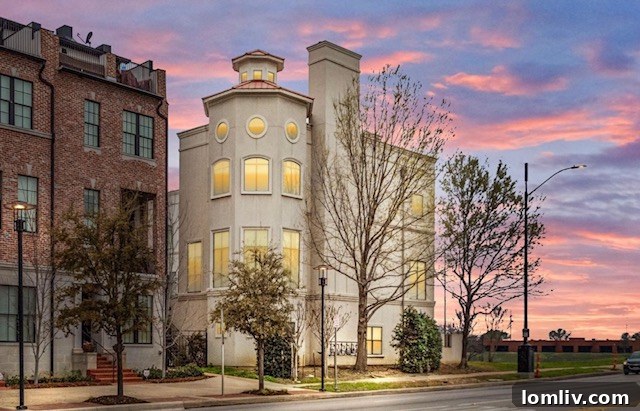
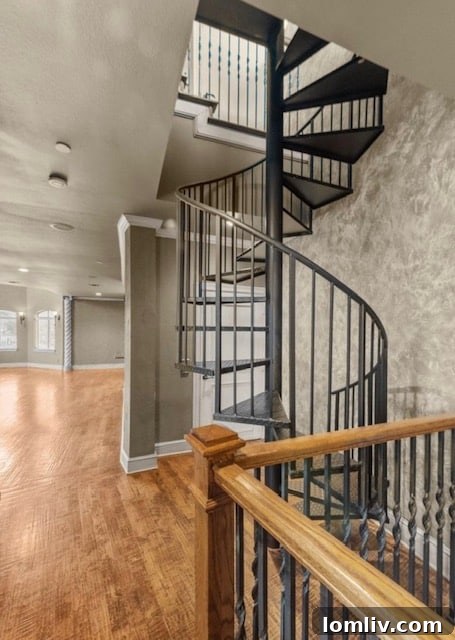
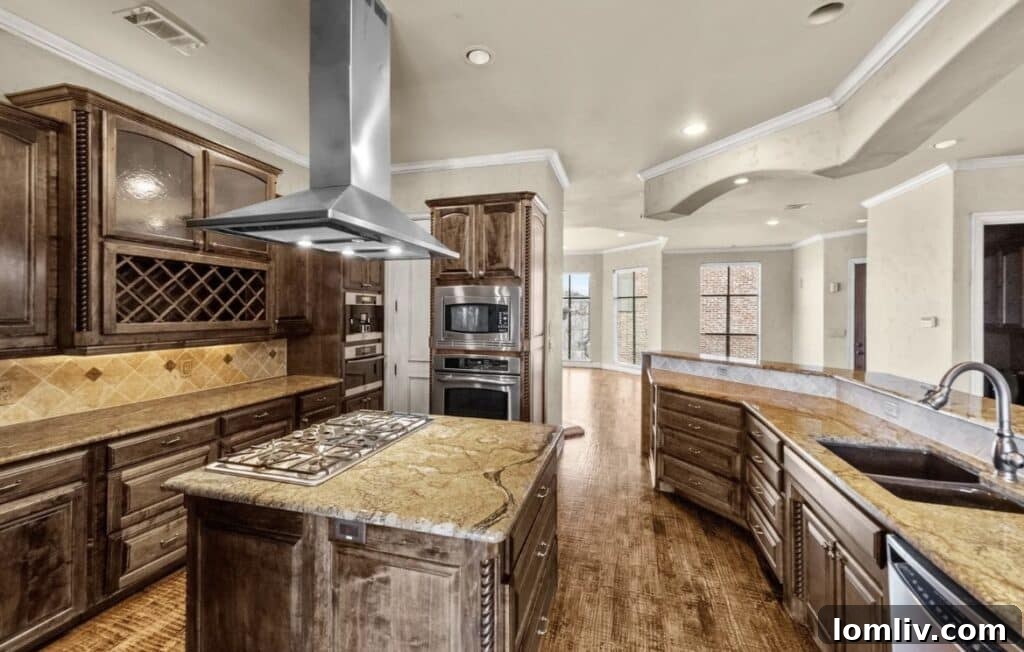
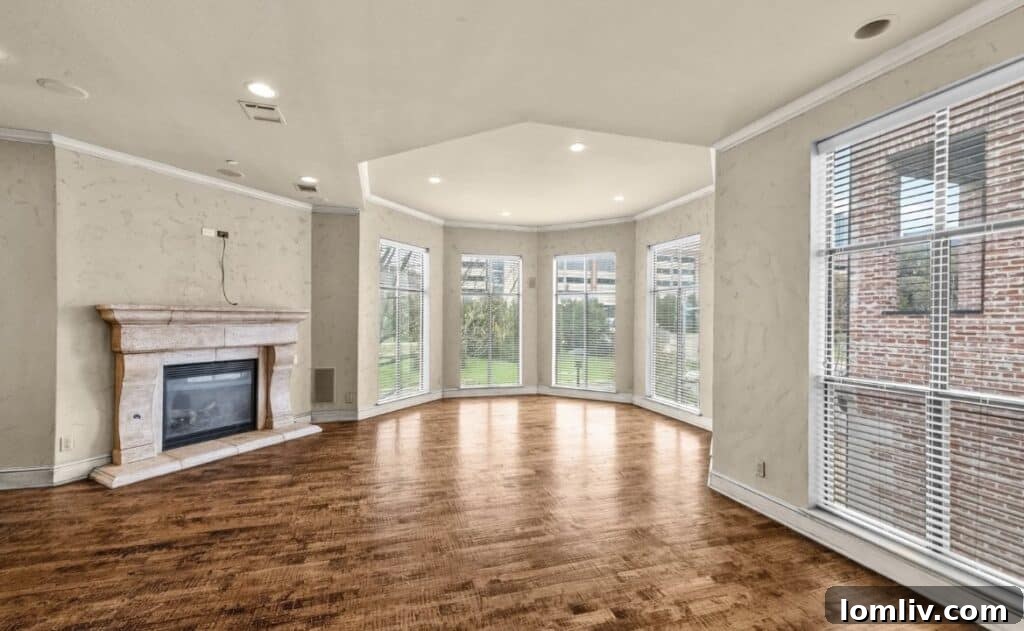
This luxurious three-story condo spans an expansive 3,722 square feet, featuring two well-appointed bedrooms and three modern bathrooms. The heart of the home is a gourmet kitchen, perfect for culinary enthusiasts and entertaining. The third floor is dedicated to a grand primary bedroom, which offers a private sitting area, a cozy fireplace, custom built-in shelves, and a convenient wet bar – an ideal retreat that might just tempt guests to extend their stay. This remarkable home is listed for $694,000 by Realtor Theresa Wright with United Real Estate DFW Properties, offering a unique opportunity for sophisticated urban living.
The growth in residential options underscores the increasing demand for downtown living. According to the most recent State of Downtown report, downtown Fort Worth’s apartment inventory reached an impressive 4,241 units in 2022. The future looks even brighter, with significant residential growth projected: “Developments currently in the planning process indicate a pipeline of 3,021 additional units,” the report details. “As of Q4 2022, there are already 1,264 apartment units actively under construction,” promising a continuous influx of new residents to the city center. This robust development reflects strong market confidence and a vibrant urban residential appeal. The downtown apartment occupancy rate stands at approximately 90 percent, according to city documents, indicating high demand and a healthy rental market.
Andy Taft confirms that development projects totaling approximately $2.5 billion are currently in the downtown pipeline. He highlighted several of these as “catalytic developments” – projects expected to significantly transform and enhance the downtown landscape, generating even greater demand and investment. “Chief among those are the ongoing Convention Center Expansion, the Omni Hotel’s expansion, a new Convention Headquarters Hotel to bolster our tourism and business travel, Texas A&M’s continued expansion, the ambitious Butler Place redevelopment, the modern Deco 969 residential project, and the transformative Panther Island development,” Taft explained. “These projects collectively will create even more development demand in downtown, solidifying its position as a premier urban destination in North Texas.” Fort Worth’s proactive vision and strategic investments are clearly paying off, setting the stage for continued prosperity and making its downtown a beacon of urban revitalization.