
In the dynamic world of commercial kitchens, where precision, speed, and safety are paramount, maintaining impeccable hygiene is not just a best practice—it’s the bedrock of successful operation. At the heart of this commitment to cleanliness lies the humble yet indispensable commercial hand sink. Far more than just a basin for washing, a well-chosen and strategically placed stainless steel commercial hand sink serves as a critical frontline defense against cross-contamination, ensuring food safety and streamlining kitchen workflows. Whether for bustling restaurants, artisan bakeries, or high-volume food processing plants, these specialized sinks are an absolute necessity, directly impacting health code compliance, operational efficiency, and ultimately, your establishment’s reputation.
The strategic positioning of handwashing facilities just steps away from prep stations, expo areas, or dish drop-off zones allows staff to wash their hands frequently without disrupting their workflow. This not only significantly reduces the risk of spreading pathogens but also keeps orders moving smoothly, enhancing overall productivity. For any operation that prioritizes the quality of its products and the safety of its patrons, investing in the right commercial hand sink is not merely a purchase; it’s a smart, high-return investment in a safer, more efficient, and more reputable kitchen environment.
Why Stainless Steel Dominates Commercial Kitchen Sinks
The material choice for commercial kitchen equipment is a decision that directly impacts hygiene, durability, and operational longevity. For hand sinks, stainless steel stands out as the undisputed champion, offering a combination of properties perfectly suited to the rigorous demands of a food service environment. Its inherent characteristics make it the ideal material for maintaining stringent cleanliness standards and withstanding the daily wear and tear of a busy kitchen.
Firstly, stainless steel is renowned for its exceptional hygienic properties. Its non-porous surface provides no refuge for bacteria, viruses, or other pathogens, making it incredibly easy to clean and sanitize effectively. This crucial feature ensures that every wash cycle truly cleanses both hands and the sink itself, preventing the buildup of harmful microbes. Secondly, durability is a key factor. Commercial kitchens are high-impact zones, and stainless steel, particularly higher gauges like 16-gauge, offers superior resistance to dents, scratches, and impacts that could compromise less robust materials. This resilience translates into a longer lifespan for your sink, reducing the need for frequent replacements and associated costs.
Furthermore, stainless steel boasts excellent corrosion resistance, a vital attribute in an environment constantly exposed to water, food acids, and harsh cleaning chemicals. Unlike other metals that might rust or degrade over time, stainless steel maintains its integrity and appearance, ensuring a professional look and consistent performance for years. Its ease of maintenance, requiring only routine cleaning with non-abrasive agents, further adds to its appeal, allowing kitchen staff to focus on food preparation rather than complex sink upkeep. Choosing a commercial stainless steel hand sink is a testament to an operation’s commitment to long-term hygiene and operational excellence.
Navigating Your Options: Types of Commercial Hand Sinks for Kitchens
Commercial hand sinks come in a variety of configurations, each designed to meet specific space requirements, operational demands, and workflow needs. Understanding the different types available allows you to select a unit that seamlessly integrates into your kitchen layout and daily routine, maximizing efficiency and compliance.
- Standard Wall-Mounted Hand Sinks: These are arguably the most common and versatile type of commercial hand sink. Designed for direct installation onto a wall, they free up valuable floor space, making them ideal for busy prep areas, service counters, and dishwashing stations. Their single-bowl design offers a dependable handwashing station, ensuring employees handling produce, dough, or proteins are always within arm’s reach of a sink. This promotes frequent washing, reduces cross-contamination risks, and keeps staff on task. When choosing a wall-mounted unit, consider the mounting bracket’s strength and stability, ensuring it can withstand heavy daily use.
- Compact & Space-Saving Hand Sinks: For operations where space is at a premium, such as food trucks, small cafes, kiosks, or galley kitchens, compact, corner, or narrow-profile sinks are invaluable. These ingeniously designed units fit neatly into tight spaces, saving critical floor area without compromising accessibility to essential handwashing facilities. They ensure that even the smallest commercial environments can maintain high hygiene standards, making compliance achievable in challenging layouts.
- Hands-Free Commercial Sinks: Representing the pinnacle of hygiene innovation, hands-free sinks are designed to minimize touchpoints and further reduce the risk of cross-contamination. These sinks typically feature knee pedal, foot pedal, or sensor-activated faucets. During peak service hours, when staff need to wash hands repeatedly and quickly, hands-free operation allows for rapid, hygienic handwashing without ever touching a faucet handle. This feature is particularly beneficial in high-volume settings where maintaining a sterile environment is crucial and can significantly contribute to overall food safety.
- Freestanding Hand Sinks: While less common than wall-mounted units, freestanding hand sinks offer flexibility and can be positioned where traditional wall plumbing isn’t feasible or for temporary setups. Some models may include integrated storage or a waste bin underneath, adding functionality. Though they occupy floor space, they can be a solution for unique kitchen designs or in areas needing a dedicated, self-contained handwashing station.
- Multi-Station Hand Sinks: In very large kitchens, training facilities, or institutional settings where multiple staff members might need to wash their hands simultaneously, multi-station sinks featuring two or more bowls side-by-side can be incredibly efficient. These units ensure that bottlenecks at handwashing stations are avoided, maintaining a smooth workflow during busy periods.
Note
Ensure handwashing remains effortless and accessible precisely where your team needs it most—around food preparation lines, service counters, and dishwashing areas—to support continuous hygiene and efficient operations.
Beyond the Basics: Key Features to Consider When Selecting a Hand Sink
While the type of sink dictates its placement and general function, several specific features can further enhance its utility, hygiene, and durability in a commercial kitchen. Making informed choices about these elements can significantly impact the long-term performance and value of your investment.
One crucial consideration is the **faucet type**. Beyond hands-free options, traditional lever or knob faucets offer simplicity, though they require touch. Gooseneck faucets, with their high-arc design, provide ample clearance for handwashing without splashing. For consistency in water temperature, thermostatic mixing valves are excellent additions, ensuring warm water is always available and preventing scalding. The **bowl design and depth** also matter. Deeper bowls help contain splashes, while bowls with smoothly rounded corners are easier to clean and sanitize, preventing food particles from accumulating in sharp angles.
**Integrated splash guards** are invaluable, extending upwards from the sink basin to protect adjacent walls and work surfaces from water splashes and soap residue. This not only maintains a cleaner environment but also reduces the effort required for cleanup. Pay attention to the **material gauge** of the stainless steel; lower gauges (e.g., 16-gauge) indicate thicker, more durable steel, which is preferred for heavy-duty commercial use compared to lighter 18-gauge steel. Lastly, consider the **drainage system**. Efficient drains that quickly clear water are essential, often featuring removable strainers to catch debris and prevent clogs, ensuring continuous functionality throughout busy shifts.
Upholding Excellence: Compliance and Safety Standards for Commercial Hand Sinks
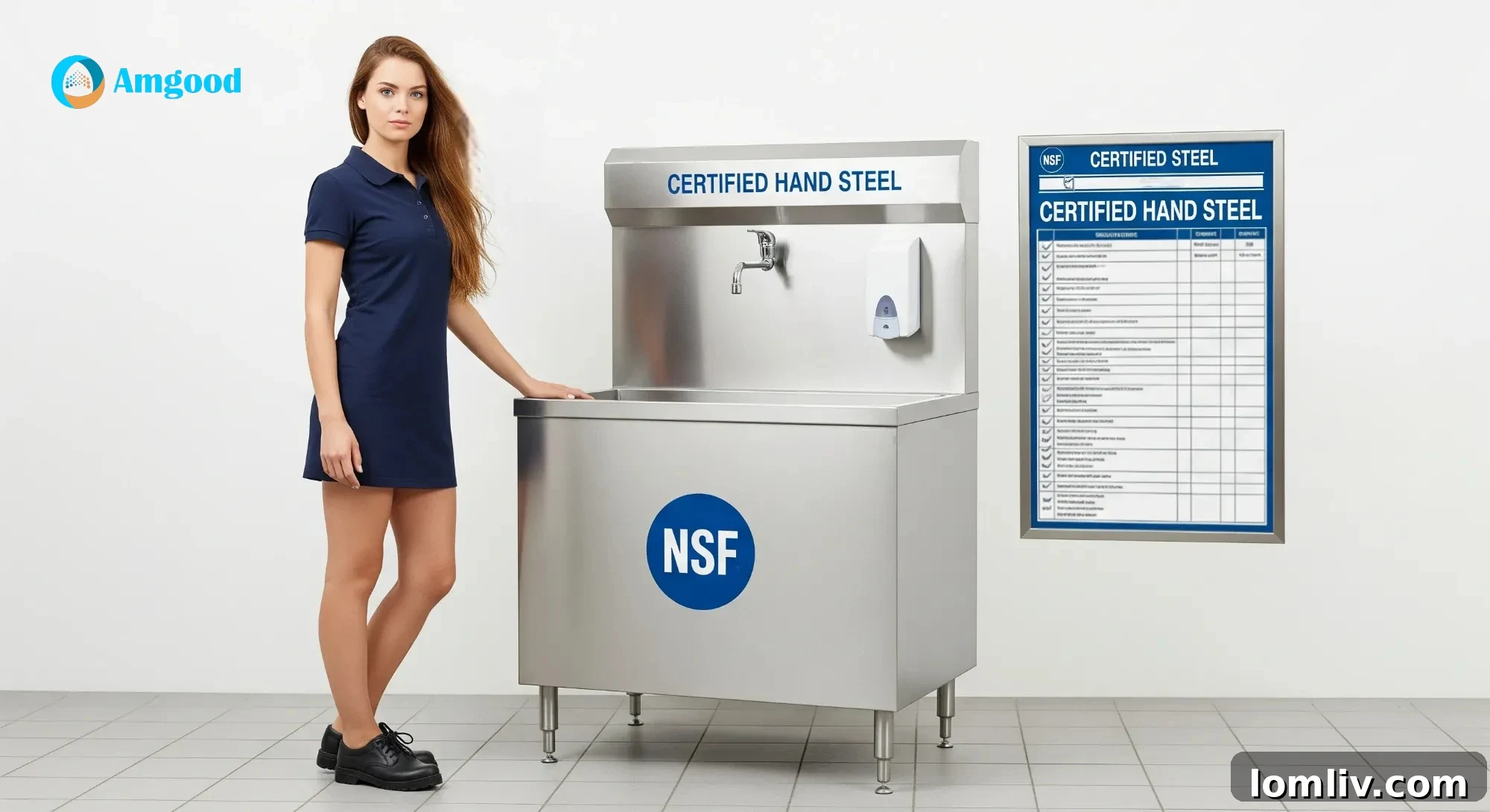
Adherence to industry standards is not negotiable in food service. A commercial kitchen hand sink plays a pivotal role in meeting these compliance requirements, which are designed to protect public health and ensure operational integrity.
- NSF-Approved Hand Sinks: NSF International certification is a hallmark of quality and safety in commercial kitchen equipment. An NSF-approved hand sink guarantees that the unit has been rigorously tested and verified to meet strict public health standards. This includes criteria for material safety, design for sanitation, and ease of cleanability, all of which are essential for preventing foodborne illnesses. Choosing NSF-listed equipment not only ensures a high level of hygiene but also makes health inspections smoother and helps staff consistently follow Standard Operating Procedures (SOPs).
- ADA-Compliant Hand Sinks: Accessibility is a critical aspect of modern commercial spaces, extending to both staff and guests. An ADA-compliant hand sink is designed to accommodate individuals with disabilities, ensuring clear floor space for wheelchair access, appropriate knee clearance underneath, and controls that are within reachable ranges and operable with minimal force. Integrating ADA-ready models into your kitchen design supports inclusivity and prevents the need for costly redesigns down the line, demonstrating your commitment to accessibility for all.
- Contamination Prevention Protocols: Effective contamination prevention goes beyond just having a sink; it involves strategic placement and consistent practices. Sinks should be positioned where task changes occur most frequently, such as after handling raw proteins, disposing of trash, or transitioning from food preparation to plating. Each handwashing station must be fully stocked with warm, running water, ample soap, single-use paper towels, and a readily accessible trash receptacle. Clear, visible signage reinforcing proper handwashing techniques and emphasizing the importance of hygiene helps solidify these standards among staff and demonstrates proactive compliance to inspectors.
Heads-up:
Local health codes and regulations vary significantly by jurisdiction. Always confirm specific placement, supply requirements (e.g., water temperature), and mandatory signage with your local health department to ensure your kitchen layout and equipment specifications meet every local standard.
Optimal Integration: Placement and Installation Strategies for Commercial Hand Sinks

The true success and effectiveness of a commercial stainless steel hand sink are not solely dependent on its features but heavily on its smart placement and diligent maintenance. Thoughtful planning during installation can dramatically improve workflow, compliance, and overall kitchen hygiene.
- Strategic Placement for Workflow Efficiency: Sinks should be strategically positioned to minimize travel time for staff. Ideal locations include areas adjacent to food preparation lines, close to the dishwashing drop-off point, and near service pass-through windows. This ensures that staff never need to backtrack or move through different zones of the kitchen to wash their hands, thus preventing potential contamination and maintaining efficient movement. In larger kitchen footprints, consider adding multiple handwashing stations to reduce travel distances and encourage more frequent handwashing. Analyzing your kitchen’s workflow can pinpoint optimal locations that integrate seamlessly into daily operations.
- Customer-Facing Stations for Building Trust: In establishments with open kitchens or visible food preparation areas, a clearly visible, well-maintained handwashing station can serve as a powerful reassurance to guests that cleanliness is a top priority. This transparency builds trust and reinforces your establishment’s commitment to hygiene and food safety. Such stations should be impeccably clean and regularly stocked to make a positive impression.
- Installation Considerations: Proper installation is paramount for functionality and longevity. This includes ensuring robust plumbing connections for both hot and cold running water, as well as efficient drainage systems. For wall-mounted units, secure fastening to structural supports is crucial to prevent detachment and ensure stability. Furthermore, consider the ergonomic height of the sink, allowing comfortable use for the majority of your staff to encourage consistent handwashing habits. Ensuring adequate space around the sink for movement and waste receptacles is also part of a thoughtful installation.
- Touchless Upgrades During Installation: If not already incorporated, consider adding touchless sensor faucets or foot/knee-operated valves during installation. These upgrades significantly reduce touchpoints, enhancing hygiene and decreasing the spread of germs. Installing splash guards on nearby walls and tempered-water mixing valves to ensure a consistent, safe water temperature further elevates the handwashing experience and safeguards the surrounding environment.
Sustaining Peak Performance: Best Practices for Maintenance and Longevity
The investment in a high-quality commercial hand sink pays dividends through years of reliable service, but only with consistent care and periodic maintenance. Establishing clear routines for upkeep will ensure your sinks remain hygienic, functional, and compliant.
- Daily Care and Cleaning Routines: Hand sinks, especially bowls and splash surfaces, should be sanitized multiple times throughout the day, particularly during busy periods. At the close of service, a thorough deep-clean is essential. Use non-abrasive commercial cleaners specifically designed for stainless steel to prevent scratching or dulling the finish. Always rinse thoroughly with water and dry the surfaces to prevent water spots and mineral buildup, which can harbor bacteria and degrade the steel over time.
- Periodic Checks and Preventative Maintenance: Integrate a quick inspection of all handwashing stations into your opening checklist. This daily check should confirm that warm water is flowing, soap and single-use towels are fully stocked, and drains are running clear without any obstructions. Beyond daily checks, schedule periodic preventative maintenance. This includes descaling aerators to maintain proper water flow, inspecting all plumbing connections for any signs of leaks, and checking the condition of faucets and valves. Addressing minor issues proactively can prevent major disruptions.
- Keeping it Built to Last: Protect your investment by taking measures to extend its lifespan. Installing durable splash protection on nearby walls (e.g., stainless steel panels or tiling) prevents water damage and simplifies cleaning. Keeping the space under sinks clear and accessible facilitates easier plumbing maintenance and prevents clutter that can attract pests. Maintain a small stock of essential spare parts, such as faucet cartridges, gaskets, and aerators. Having these on hand means that a small, easily fixable issue doesn’t take a sink out of action during a critical dinner rush, minimizing downtime and maintaining operational continuity.
- Staff Training on Proper Use and Care: Educate all kitchen staff not just on the importance of handwashing, but also on the correct use and basic care of the sinks. This empowers them to contribute to maintaining cleanliness and identifying potential issues early, fostering a collective responsibility for kitchen hygiene.
Final Thoughts: Investing in the Right Commercial Hand Sink for a Brighter Future
In the demanding environment of a commercial kitchen, a hand wash sink is far more than just a piece of plumbing; it is a fundamental food safety tool, a cornerstone of compliance, and an essential component that supports the smooth flow of your operation. The decision to invest in the right model reflects a profound commitment to public health, operational excellence, and your establishment’s long-term success.
By carefully selecting a certified, durable, and easy-to-sanitize model, positioning it strategically where your crew needs it most, and maintaining it with simple yet consistent daily routines, you lay the groundwork for a kitchen that operates at its peak. The tangible results are immediate and far-reaching: safer food products, faster and more efficient service, smoother and stress-free health inspections, and a significantly strengthened reputation within your community. Every meal you serve becomes a testament to your unwavering dedication to quality and hygiene, ensuring customer trust and fostering a positive, productive work environment for your team.