By Norman Alston, FAIA
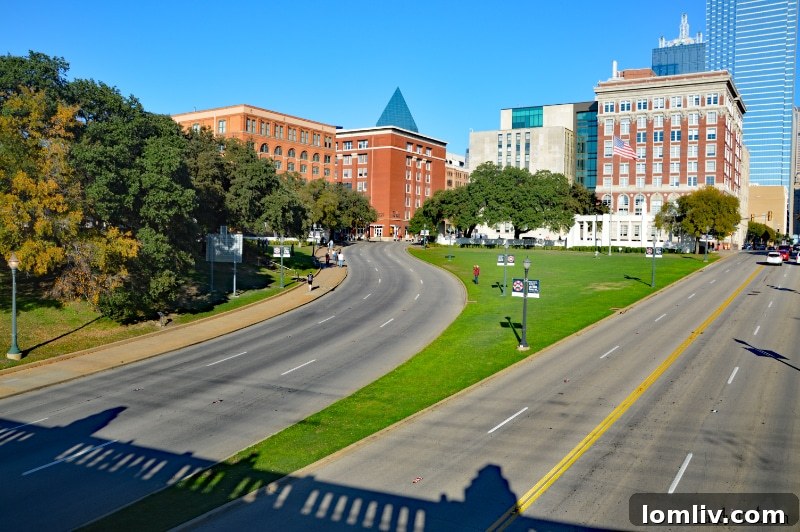
Dealey Plaza stands as an indelible symbol of a pivotal moment in American history. More than just a park, it is a nationally important historic site, deeply embedded in the narrative of Dallas and the United States. Yet, in the past year, discussions surrounding its future have revealed a disconcerting truth: many within Dallas possess only a superficial understanding of their city’s complex history. This limited perspective often leads to a struggle in determining the most appropriate ways to interpret Dallas’s story while diligently preserving the very sites and structures that serve as its tangible connection to the past.
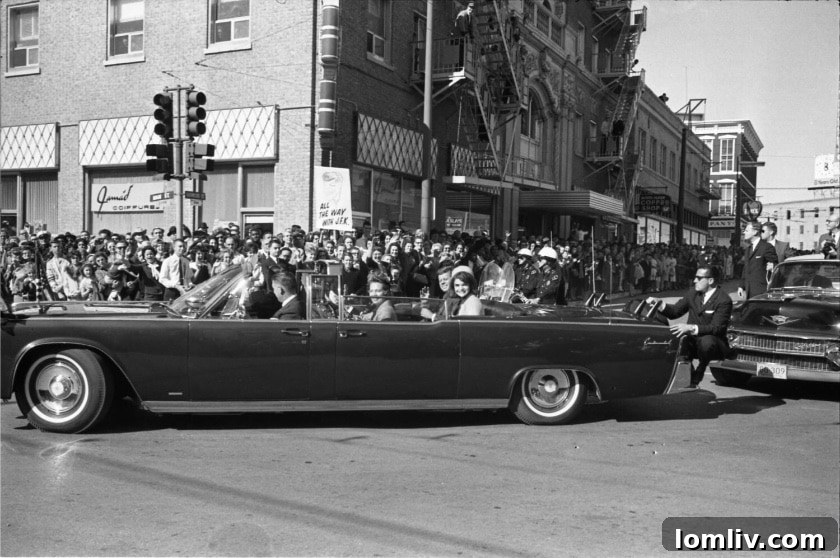
As the 60th anniversary of the John F. Kennedy assassination approached, a wave of well-publicized opinions emerged, suggesting that Dealey Plaza fails to adequately honor President Kennedy or appropriately serve the countless visitors who pilgrimage to this significant site. These proposals, often cloaked in the language of modernization, advocate for “enhancing the visitor experience” through various upgrades. Advocates envision improvements such as better accessibility, enhanced pedestrian safety, expanded interpretive opportunities, and a generally more aesthetically pleasing, park-like environment. The underlying sentiment is that these changes would represent a “better and higher use” for this profoundly important historical landscape. While these intentions may seem well-meaning, they inadvertently echo a dangerous precedent in the realm of historic preservation.
The core issue with such proposals is that this very rationale – the desire to make a site “better” or achieve a “higher use” – has historically been the exact justification employed for undertakings that ultimately diminish or destroy irreplaceable historic buildings and sites across the globe. It represents a fundamental misunderstanding of what makes a historic site truly valuable.
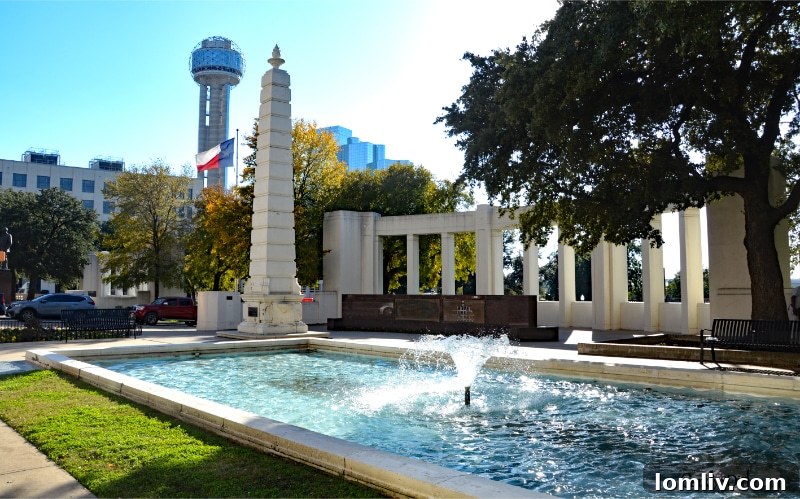
These suggestions for “enhancement” often fail to grasp the profound depth of history that Dealey Plaza embodies. They overlook the critical role historic buildings and sites play as tangible artifacts, the unique narratives they convey, and the authentic, often raw, manner in which they communicate those stories. In almost every instance where a historic structure is destroyed, altered beyond recognition, or otherwise compromised, the primary justification rests on the belief that the new intervention will somehow improve the site or make it more relevant to contemporary audiences. This perspective, however, risks stripping these locations of their very essence and historical integrity.
Unpacking the Transformative History of Dealey Plaza and Dallas
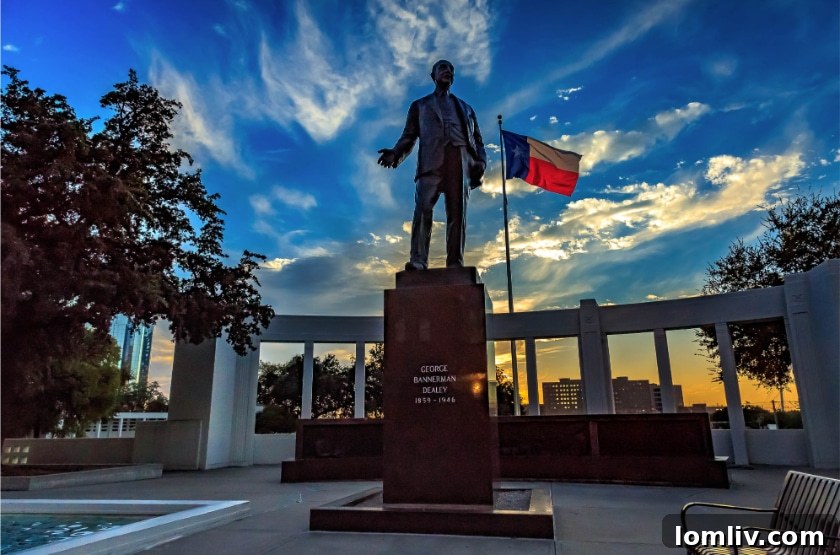
As highlighted earlier, the root of this challenge lies in a fundamental lack of comprehensive appreciation for, and knowledge of, Dallas’s history. During public forums discussing these proposed “enhancements” for Dealey Plaza, I frequently encountered the criticism that such changes were necessary because Dallas had supposedly “never dealt with” the tragedy of the Kennedy assassination. This assertion is not only remarkable but demonstrably false. Nothing could be further from the truth; Dallas’s response to the assassination was a period of intense, painful, and ultimately transformative self-reflection.
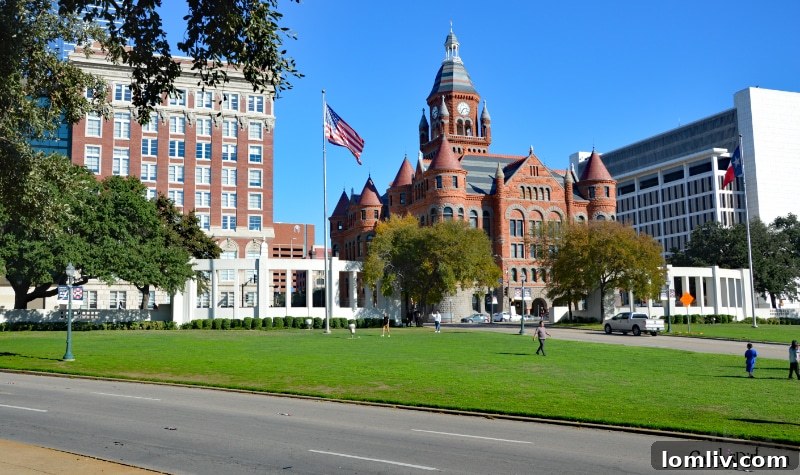
The Genesis of Modern Dallas: The “Goals for Dallas” Initiative
In the immediate aftermath of the Kennedy assassination, Dallas found itself reeling, desperate to shed the ignominious label of the “City of Hate.” This period of profound civic trauma ignited a robust and unprecedented self-examination. Under the visionary leadership of prominent business leader J. Erik Jonsson, a founder of Texas Instruments and a future mayor of Dallas, an ambitious civic initiative known as “Goals for Dallas” was conceived. This program was not merely a superficial attempt at rebranding; it was a deeply ingrained effort to chart a comprehensive and progressive path forward for the city, fundamentally reshaping its identity and future trajectory.
The transformative impact of the “Goals for Dallas” initiative is undeniable and well-documented by institutions like the Dallas Historical Society. Jonsson’s ambitious program served as the catalyst for monumental civic projects that continue to define modern Dallas. It spurred the construction of major infrastructure like DFW Airport and the Dallas Convention Center. It championed cultural institutions such as the New Museum of Fine Arts and laid the groundwork for the iconic Dallas City Hall. Beyond physical structures, the program’s vision extended to vital social services, helping to establish public school kindergartens, citywide family planning resources, and expanding educational opportunities with the creation of the University of Texas at Dallas. Furthermore, it fostered community development through the establishment of numerous branch libraries and neighborhood parks, demonstrating a holistic approach to civic improvement that addressed both infrastructure and quality of life. The “Goals for Dallas” initiative was a direct response to the tragedy, a testament to the city’s resolve to learn, grow, and redefine itself.
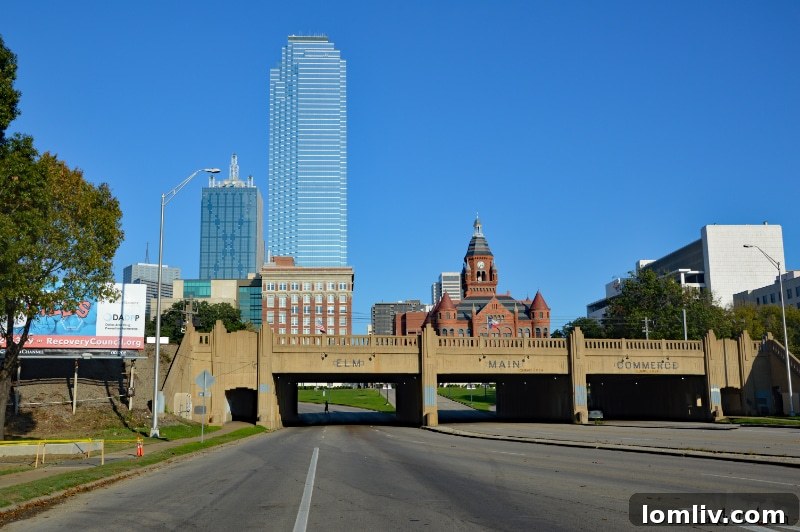
The “Goals for Dallas” program commenced with a meticulously planned process. The Goals for Dallas Planning Committee began by selecting thirteen local writers, tasking them with undertaking a comprehensive examination of the city’s prevailing conditions across various sectors. With invaluable assistance from numerous Dallas citizens and authorities of national prominence, these essayists meticulously documented their findings in separate, detailed papers. Following this initial phase, the Goals Planning Committee broadened its scope, carefully choosing “additional men and women of diverse backgrounds, creeds, races, viewpoints, interests, cultures, and occupations” from Dallas and its surrounding areas. This diverse group was specifically tasked with representing all Dallas citizens and collaboratively drafting goals in every area of mutual concern, ensuring a truly inclusive and representative vision for the city’s future.
The culmination of this extraordinary effort was a robust program that articulated twelve distinct sets of goals. These goals were not merely aspirational; they were vigorously pursued and systematically implemented over the ensuing decades. Even a cursory review of their objectives reveals how they became the genesis of sweeping, foundational changes that transformed Dallas into the vibrant, modern metropolis it is today. It is unequivocally clear that the profound history associated with Dealey Plaza, specifically the tragedy that unfolded there, was instrumental in galvanizing the city and giving us the Dallas that residents and visitors alike enjoy today – a city born of challenge, resilience, and an unwavering commitment to progress.
The Enduring Preservation of Dealey Plaza National Historic Landmark
Concurrently with the city’s broader post-assassination self-examination through “Goals for Dallas,” significant consideration was given to the fate of the assassination site itself. The debate was intense and deeply emotional. There were powerful advocates who argued for the complete erasure of all reminders of that tragic day, including the controversial proposal for the demolition of the Texas School Book Depository building. The sentiment was understandable: to eliminate the physical symbols of such a painful memory. However, cooler heads and a more farsighted perspective ultimately prevailed. A conscious and deliberate decision was made to retain the historic site as a poignant memorial and a perpetual reminder of a moment that forever altered the nation.
While some modern observers might perceive the site as dated, its enduring value lies precisely in its authenticity. Dealey Plaza, as it stands today, remains virtually unchanged from its appearance on November 22, 1963. This remarkable fidelity to its historic moment is a testament to dedicated preservation efforts. As recently as ten years ago, leading up to the 50th-anniversary observation of President Kennedy’s assassination, the Dallas Parks and Recreation Department invested significant funding into Dealey Plaza. These improvements were meticulously focused on reversing incremental changes that had organically occurred over the years but had inadvertently diminished the historic appearance and integrity of the site. The goal was to restore it to its most accurate representation of that fateful day, emphasizing authenticity over modern aesthetic preferences.
The guiding principle that has consistently informed the stewardship of Dealey Plaza throughout the years is for the site to remain a clear, tangible, and physical artifact from that day. Today, it serves as a powerful and understated memorial to President Kennedy, preserving, in essence, the very last landscape he saw during his time with us. In the realm of historic sites and structures, achieving this level of authenticity and preservation is an almost unparalleled accomplishment. Typically, historic sites are designated many years, sometimes decades, after they gain their historical significance. By then, they have often undergone numerous modifications and alterations that compromise their historic integrity, making it challenging for them to truly represent those past moments of history in an unadulterated form.
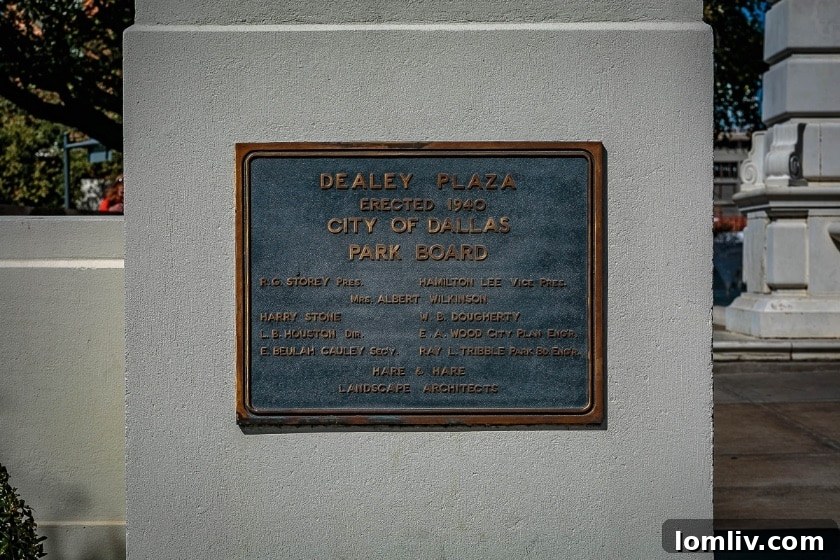
Dealey Plaza, remarkably, defies this common pattern. It stands virtually as it was, serving as one of the clearest and most evocative reminders of a critical turning point in our nation’s history. This unvarnished authenticity is a profound and powerful aspect of the site – a quality that absolutely must continue to be preserved in exactly this manner. As well-intentioned as recent proposed enhancements might be, this is precisely one of those sacred places where such modifications, rather than truly enhancing the visitor’s understanding or connection, would instead actively get in the way of history and preservation, diluting the very essence that makes it unique.
Our city’s apparent lack of an effective “Culture of Preservation” – a collective mindset that recognizes and values important historic sites, buildings, and artifacts, and intuitively understands how to protect them – stems directly from the two critical issues illustrated by the ongoing discussions around Dealey Plaza. Firstly, Dallas’s rich and complex history does not appear to be casually integrated into our daily conversations or our collective consciousness. It often feels detached, something distant rather than an active part of our identity.
Dallasites, it seems, often hesitate to look back upon their own history. Perhaps this reluctance is due to the inherent unpleasantness of some of its most prominent events, particularly the dark shadow of the assassination. Or perhaps, it’s a deep-seated tendency to always look ahead, driven by a fear of what negative aspects of the past might be “gaining on us.” Dallas is undeniably a city that prides itself on its forward-thinking mentality, its relentless pursuit of the future, and its rapid growth. However, this admirable forward momentum, when not adequately balanced with a comprehensive knowledge and appreciation of the past, can lead to a dangerous misconception: the belief that we have no history significant enough to protect, or worse, that our history is best left in the past. This perspective, in turn, explains why we often seem to lack the inherent understanding of how to protect and cherish our invaluable historical heritage.
If you missed part one, you can read it here.